Jeollabuk-do, Where Stories Come to Life
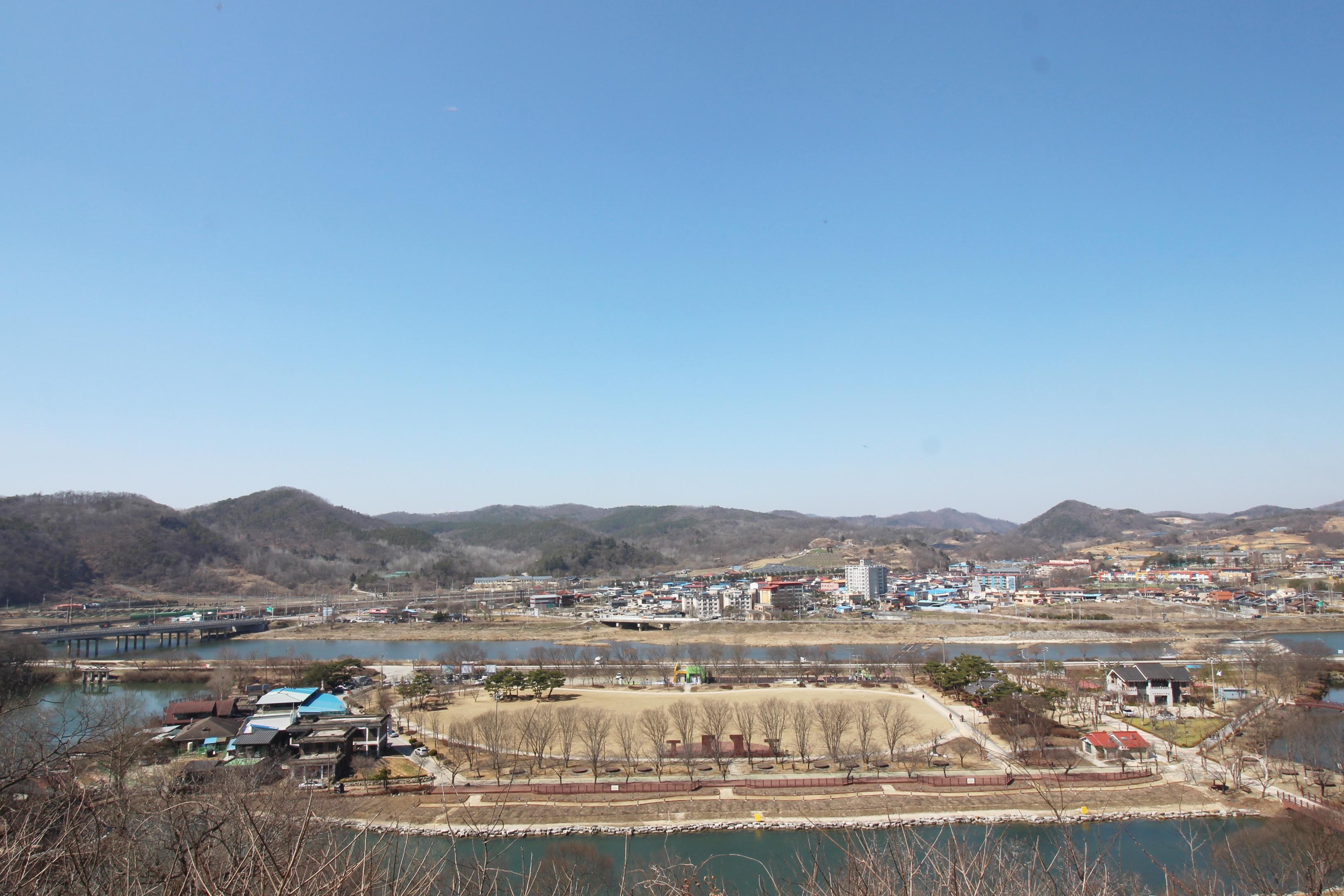
Jeollabuk-do is a region rich in historical sites and natural scenery, where broad western plains meet the mountainous east. (Jeonju, the provincial capital, is covered in a separate guide.)
Places You Shouldn’t Miss
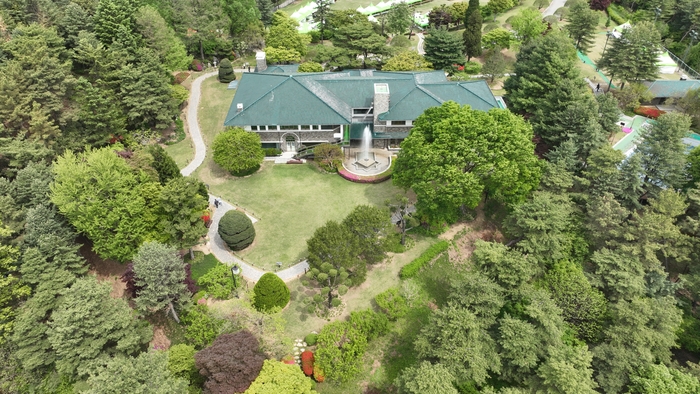
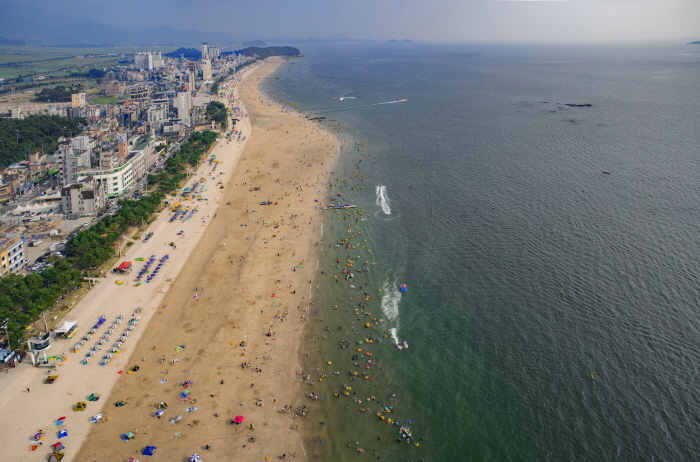
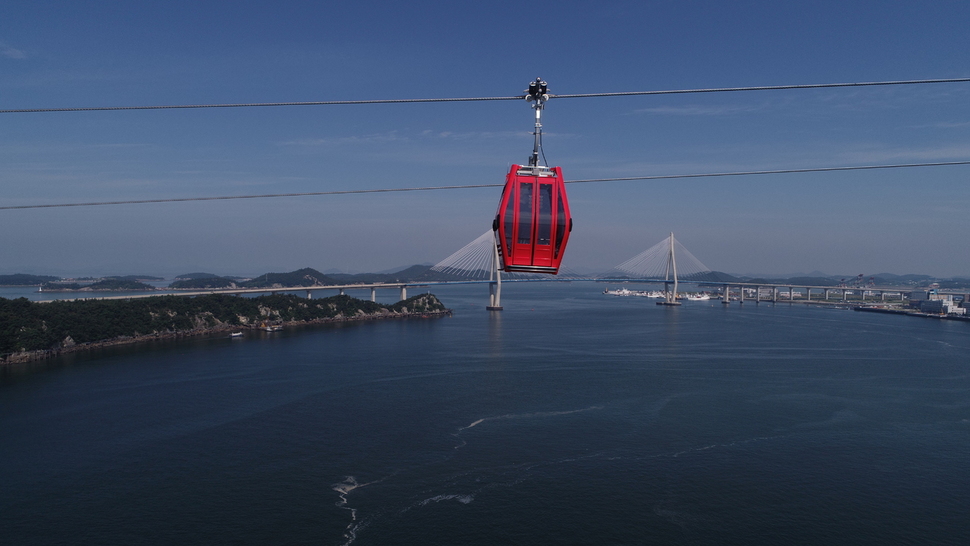
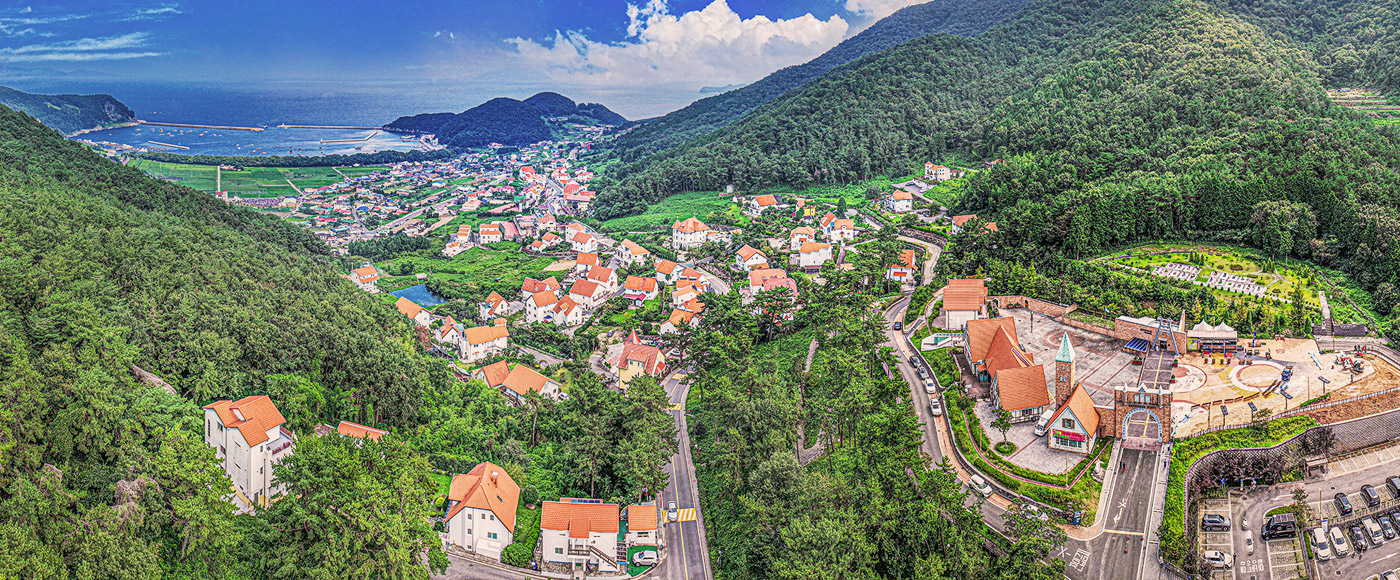
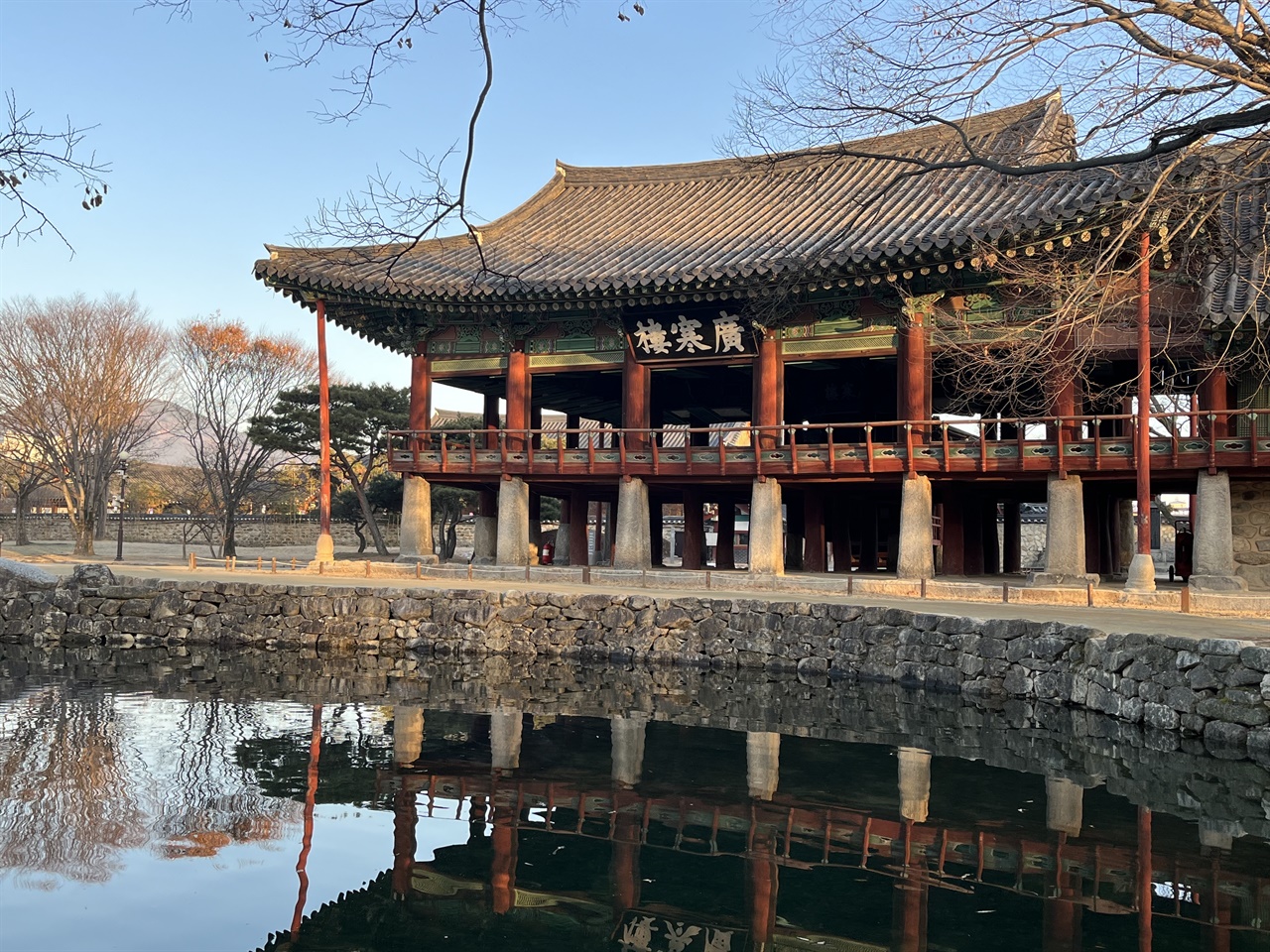
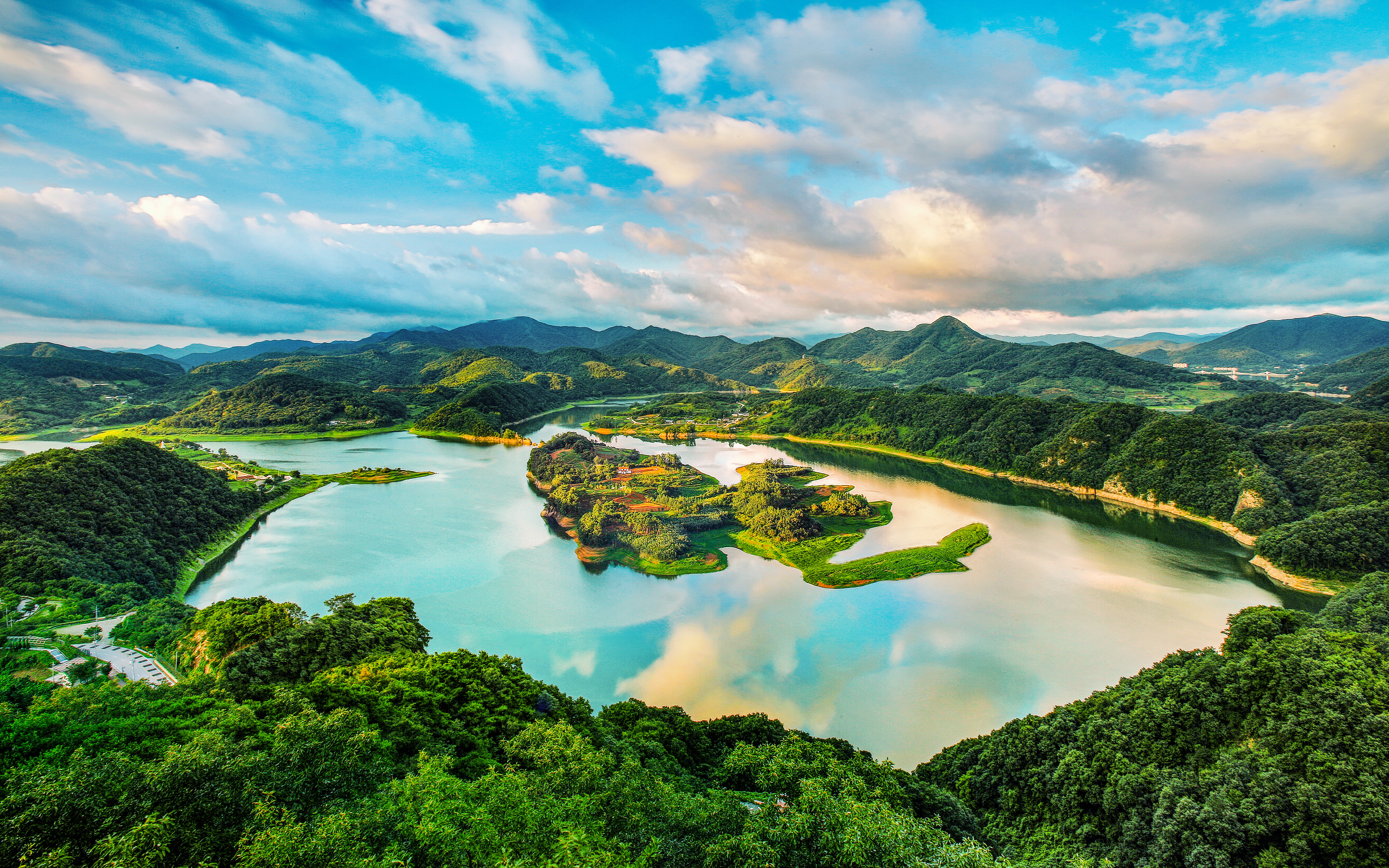
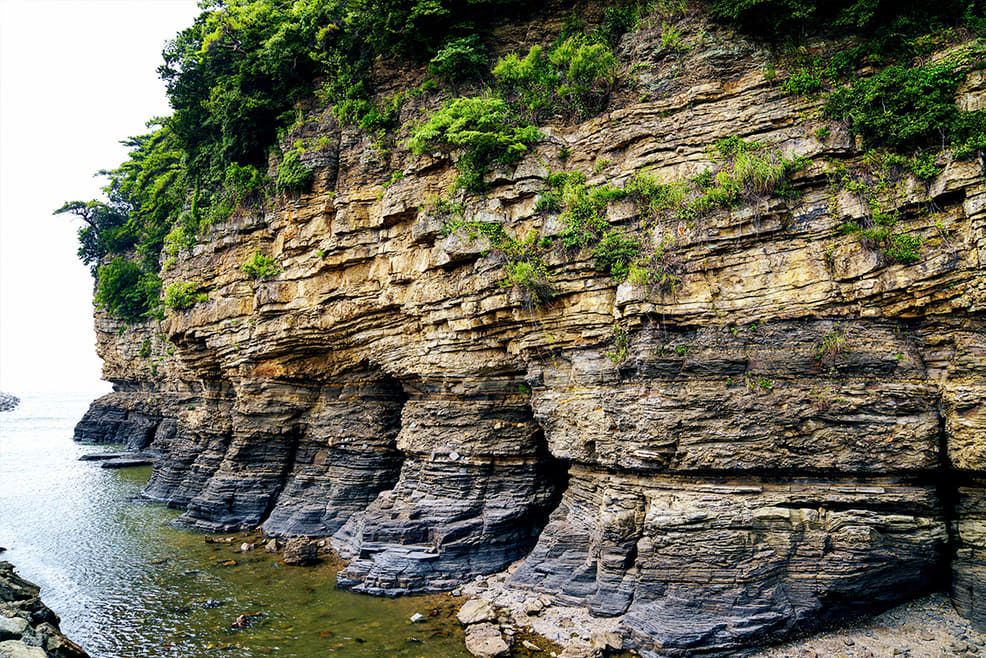
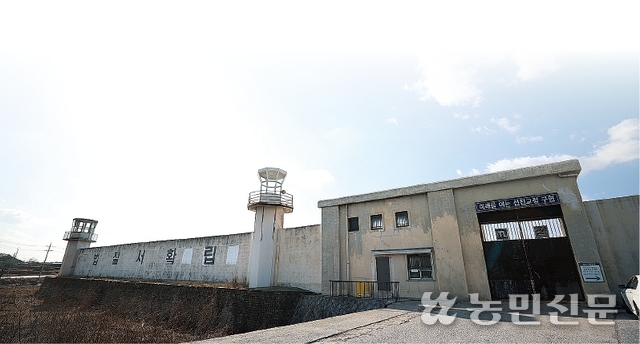
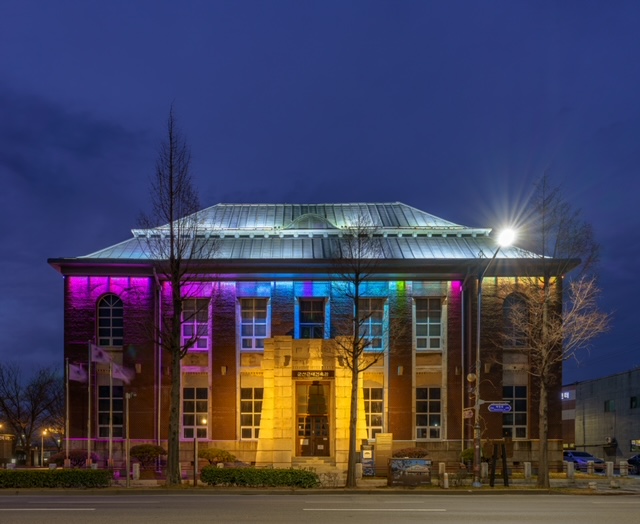
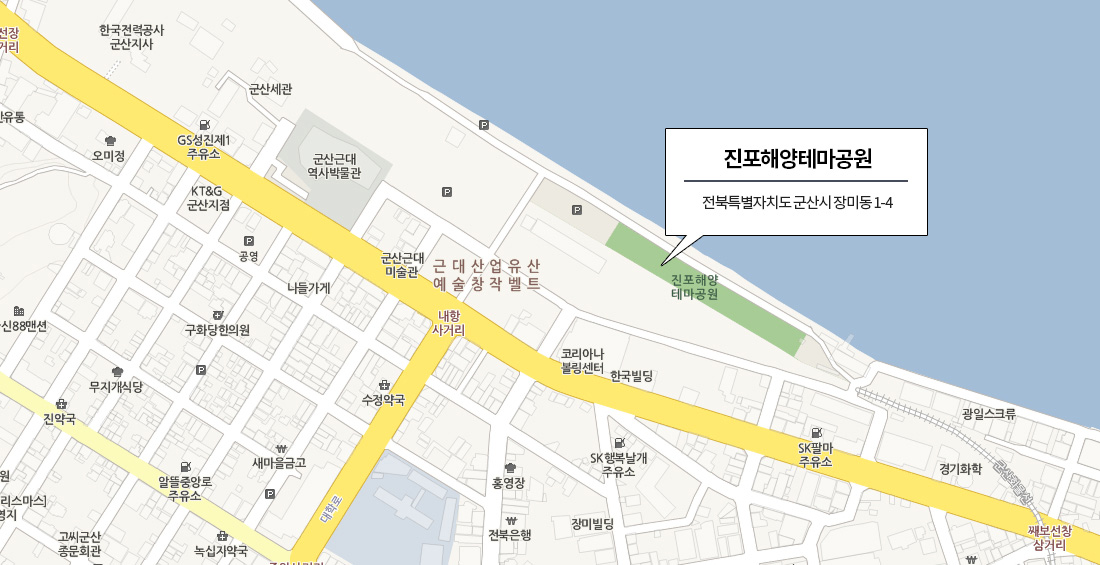
Gunsan, with its traces of Korea’s open-port era, is known for its Modern History Museum and nostalgic old streets. Gwanghalluwon Garden in Namwon, the iconic setting of the classic love story Chunhyangjeon; Byeonsan Peninsula in Buan, connected to the Saemangeum Seawall; and Deogyusan Mountain in Muju, home to Hyangjeokbong Peak, are all wonderful destinations to enjoy nature in every season.
Travel Tip
A great way to plan your trip is by theme: modern history in Gunsan, tradition in Namwon, and nature in Buan and Muju.
Places to Visit


While You're There

Good to Know
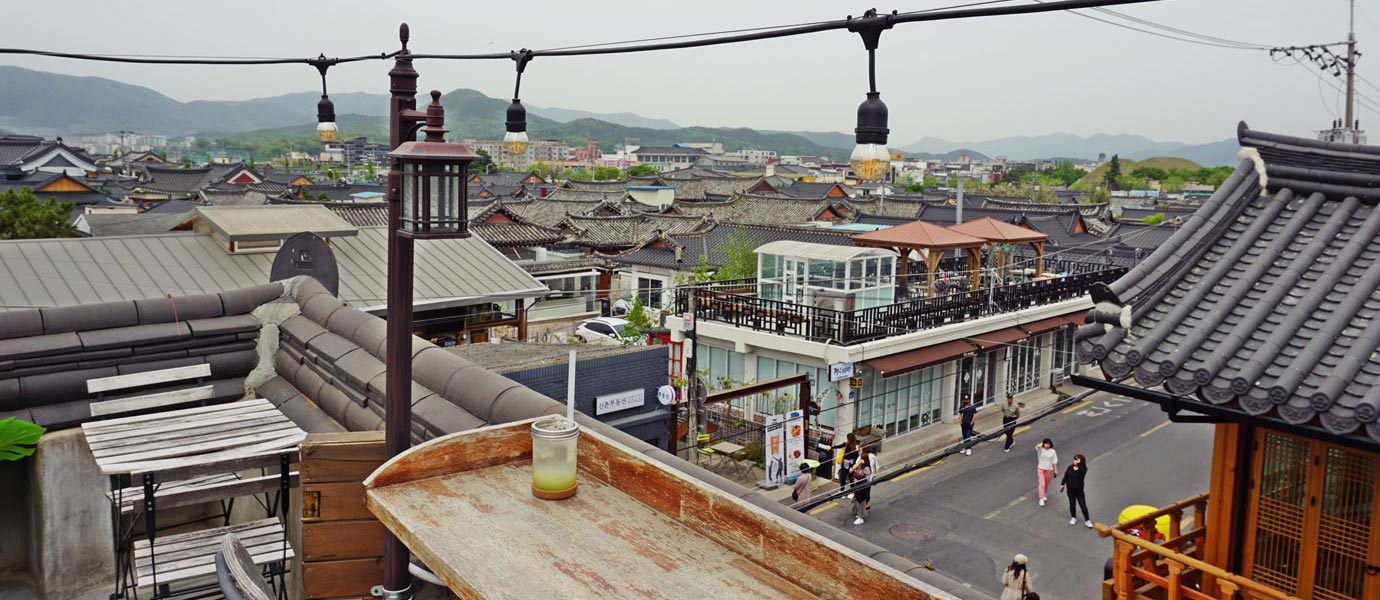
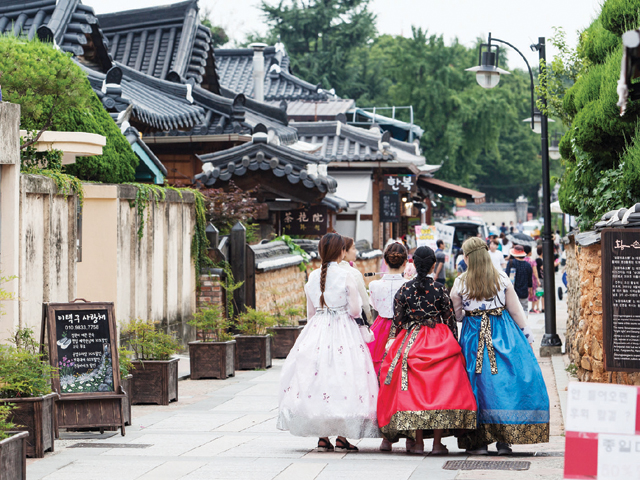
Jeonju, Gunsan, Namwon, and Iksan are the region’s standout destinations. Jeonju is famous for its hanok village and food, Gunsan for its modern heritage streets, Namwon for its Chunhyang culture and proximity to Jirisan, and Iksan for its Baekje-era historical sites.
If you’re only visiting Jeonju, 2 days and 1 night is a good plan. If you want to include Gunsan or Namwon as well, 3 days and 2 nights or more is recommended. Since each city has a distinct atmosphere, a slower itinerary focusing on one area at a time is often more rewarding.
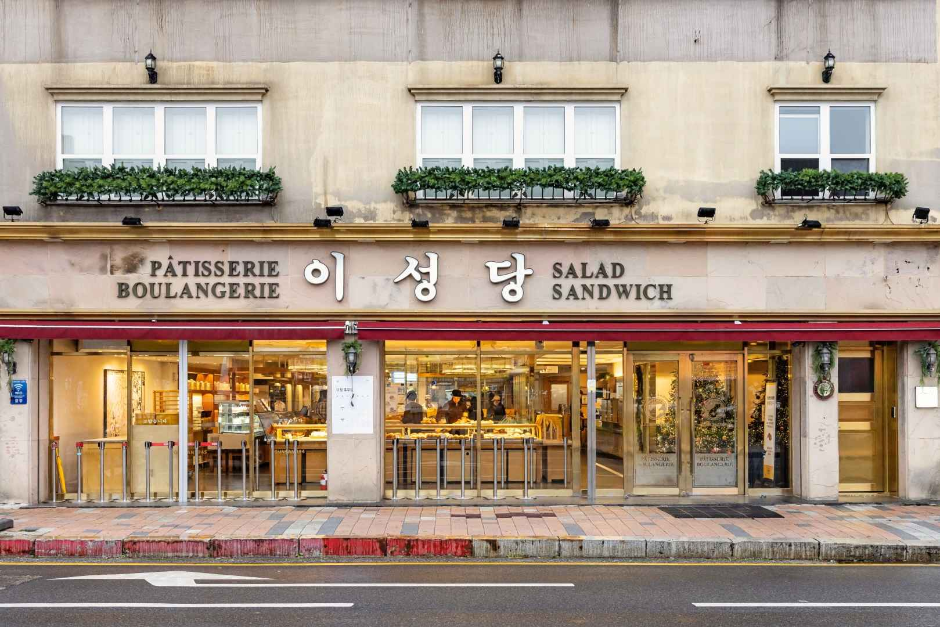
Jeonju bibimbap, bean sprout soup with rice, traditional Korean set meals, Gunsan-style jjamppong and bakery specialties, and Namwon loach soup are all well known. Jeonbuk is a great region for food-focused travel, so it’s worth adding markets and local restaurants to your itinerary.
Jeonju and Gunsan are easy to reach by train and bus, but service to Namwon’s outskirts and natural attractions can be limited. If you’re planning to visit multiple cities, it’s best to check train and express bus schedules in advance.