
The enshrinement space of Muju Hyanggyo, founded in 1398 and moved twice to escape tigers
Founded in 1398, Muju Hyanggyo was relocated in 1692 and 1834, and remains today on Dancheon-ro in Muju-eup as a local educational and ritual heritage site. Examine the layout of Daeseongjeon and Myeongnyundang, and allow about 40–60 minutes for a visit timed with the free activities and guided commentary.
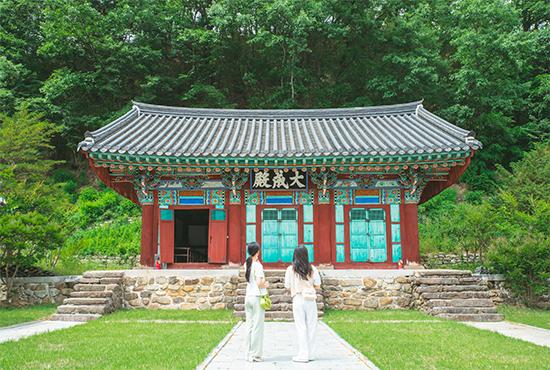

Muju Hyanggyo, Founded in 1398 and Relocated in 1692 and 1834
Muju Hyanggyo is a local public educational institution first established in 1398, the seventh year of King Taejo’s reign in the Joseon Dynasty. Joseon established hyanggyo schools in every town to hold memorial rites for Confucius and educate Confucian students, and Muju Hyanggyo served both functions.
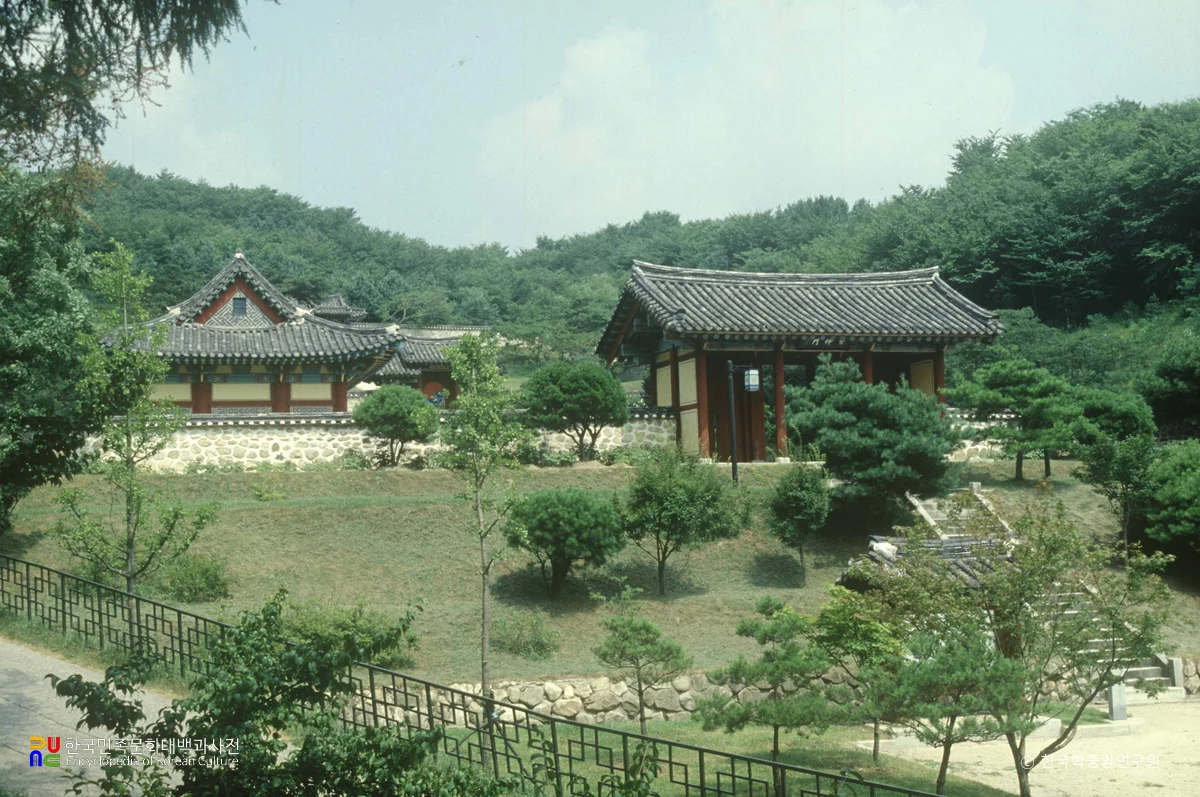
It was initially located north of the Muju government office, but was moved west of Hyangnosan Mountain in 1692, the 18th year of King Sukjong’s reign, because of frequent tiger attacks. However, because the new site was damp, it was relocated again in 1834, the 34th year of King Sunjo’s reign, to its present location. Thus, the layout here is not simply the preservation of an original form, but the result of adjustments made to suit the living area and natural conditions of Muju-eup.
Understanding the Division Between Rituals and Education Through the Three-Bay Daeseongjeon and Five-Bay Myeongnyundang
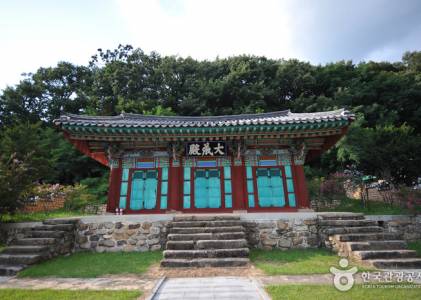
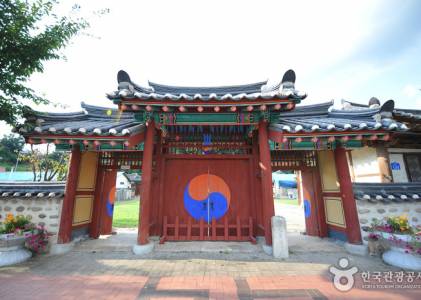
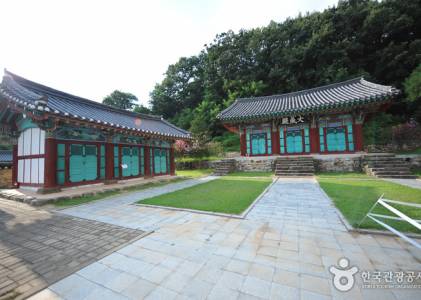
The grounds retain Daeseongjeon, the shrine; Myeongnyundang, the lecture hall; Dongmu and Seomu; Dongjae and Seojae; the outer and inner three-gate entrances; Jeonsajae; and Gojiksa. Daeseongjeon is a building with a gabled roof measuring three bays across the front and two bays along the side, while Myeongnyundang measures five bays across the front and two bays along the side.
Daeseongjeon enshrines the memorial tablets of the Five Saints, Six Worthies, and Ten Philosophers, while Dongmu and Seomu enshrine the tablets of Korea’s 18 Confucian worthies. Dongjae and Seojae were spaces where students studied. Muju Hyanggyo is therefore described as an example of a central-status hyanggyo that maintained the formal arrangement of having both ritual and educational facilities.
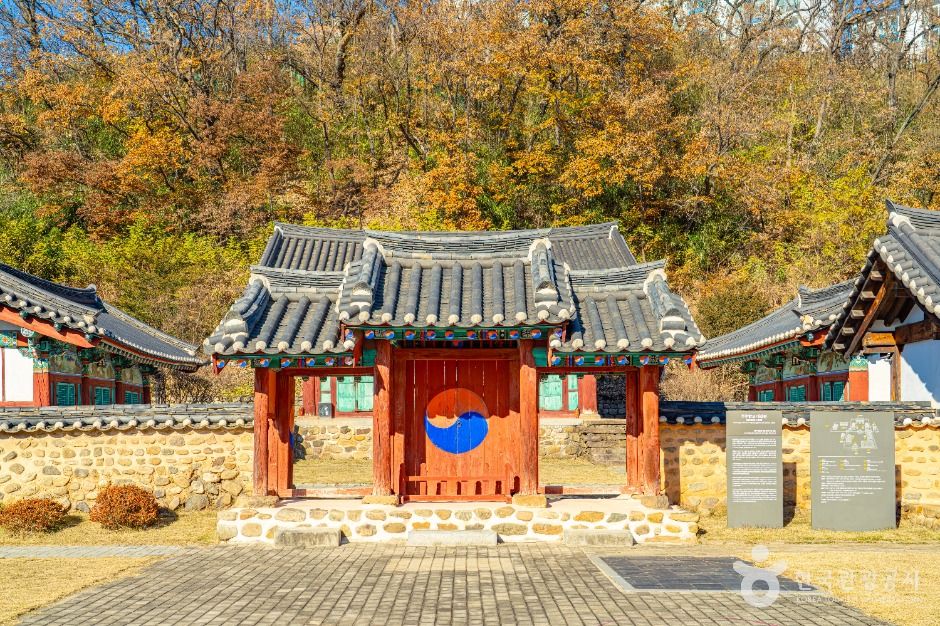
Why the Spring and Autumn Seokjeon Grand Rites and the Rite on the 15th Day of the First Lunar Month Continue
Muju Hyanggyo still holds the Seokjeon Grand Rite in spring and autumn to honor Confucius. Muju County’s tourism information also introduces a rite held on the 15th day of the first lunar month, indicating that this site is both a place to view historic architecture and a ritual space for local Confucian scholars.
The visitor route may change during the Seokjeon Grand Rite because of preparations and proceedings. If attending for a ritual, it is safest to first inquire about the date and the areas generally open to visitors by calling the hyanggyo at 063-322-0665 or the Muju Tourist Information Center at 1899-8687.
Free Experiences Opened to the Public on May 1, 2007, with No Admission or Experience Fees
Muju Hyanggyo opened to the general public on May 1, 2007. Muju County offers information on Seokjeon Grand Rite experiences, trying on Confucian student and officiant robes, traditional wedding attire experiences, writing family mottos, and traditional games such as tuho, jegichagi, and yutnori, and clearly states that the experience fees are free.
Admission is also free. However, group experiences may vary depending on on-site conditions and event preparations, so groups wanting to try the traditional clothing or receive a tour should check reservation availability by calling 1899-8687.
A 40–60-Minute Route Suited to Summer Hours of 09:00–17:00 and Winter Hours of 10:00–17:00
According to Muju County’s experience information, opening hours are 09:00–17:00 in summer and 10:00–17:00 in winter. The site operates year-round but is closed on the day of Seollal and Chuseok. Separate tourism information also lists hours of 10:00–18:00 with admission closing at 17:00, so details vary by season and information channel.
Therefore, it is advisable to confirm the actual opening hours by calling 063-322-0665 on the day of your visit. Allow 40–60 minutes to see the building exteriors and layout, information signs, and experience spaces together. Guided explanations are available in Korean from 10:30 to 16:30, except during the lunch period from 12:00 to 13:00.
A Simple Route: Five Minutes on Foot from Muju Bus Terminal to 135 Dancheon-ro
The official tourism page lists the address as 135 Dancheon-ro, Muju-eup, Muju-gun, Jeonbuk State, and the main contact number as 063-322-0665. Some tourist information listings also show 129-7 Dancheon-ro, so to avoid confusion when navigating, it is best to check the name “Muju Hyanggyo,” the main telephone number, and the coordinates together.
It is approximately a five-minute walk from Muju Bus Terminal. By car, the suggested route is to enter Muju-eup from Muju IC via National Route 19, pass the intersection at the entrance to Hanpungnu Pavilion, Namdaecheon Bridge, and the three-way intersection in front of Muju County Office, and then continue approximately 470 meters. On-site parking is available and free, and restrooms are provided.
A Walk Connecting Hanpungnu Pavilion, Muju County Office, and Bandibul Market with the Former Government Office Site in Muju-eup
Muju County recommends visiting the former government office site now occupied by Muju County Office, the parking lot where the guesthouse once stood, and the area around the post office where Hanpungnu Pavilion once stood after seeing the hyanggyo. Rather than viewing the hyanggyo alone, this route lets visitors observe how the administrative and educational spaces in central Muju-eup were connected.
Bandibul Market is located at 2 Jangteoro, Muju-eup, near the hyanggyo, and its inquiry number is listed as 063-324-0692. If your schedule is short, connect the town center on foot after spending 40–60 minutes at the hyanggyo, and separately check whether the market is operating before planning a market-day visit or meal.
Why Two Phone Calls Are Recommended Before Visiting with a Wheelchair or as a Foreign Visitor
The convenience information confirmed in the official guidance consists of free parking, restrooms, and Korean cultural tourism interpretation. In contrast, detailed official information does not clearly specify wheelchair routes, stroller access, accessible restrooms, or whether foreign-language interpretation is regularly available.
Because this traditional architectural space is centered around stairs and courtyards, visitors requiring mobility assistance should first call 063-322-0665 to ask about accessible sections and parking locations. If foreign-language assistance is needed, you can also ask the Muju Tourist Information Center at 1899-8687 whether interpretation or guided-tour support is available.
Before You Go
- Address
- 135 Dancheon-ro, Muju-eup, Muju-gun, Jeonbuk State
- Hours
- Summer 09:00–17:00 / Winter 10:00–17:00 (separate tourism information lists 10:00–18:00 with admission closing at 17:00; inquiries before visiting are recommended)
- Closed
- Open year-round; closed on the day of Seollal and Chuseok
- Admission
- Free
- Phone
- 063-322-0665
- Official site
- https://tour.muju.go.kr/tour/selectTourCntntsDetail.do?key=472&tourNo=221
- Transport
- Approximately five minutes on foot from Muju Bus Terminal
- Parking
- Available and free
- Time needed
- 40–60 minutes
- Accessibility
- Korean cultural tourism interpretation available (10:30–16:30, excluding 12:00–13:00). Advance inquiries are recommended regarding wheelchair, stroller, and foreign-language access.
The information above is accurate as of the time of writing. Please check the official guidance again before visiting.

Places
Nearby Attractions 3
-
 1
1
-
 2
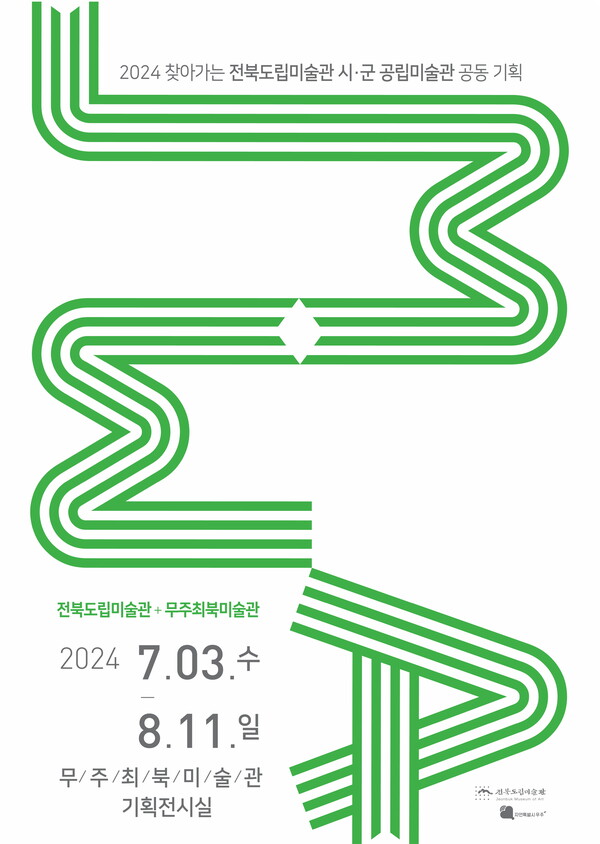
Choi Buk Art MuseumA place to view the works and exhibitions of Choi Buk, a painter from the late Joseon period.
2
Choi Buk Art MuseumA place to view the works and exhibitions of Choi Buk, a painter from the late Joseon period. -
 3
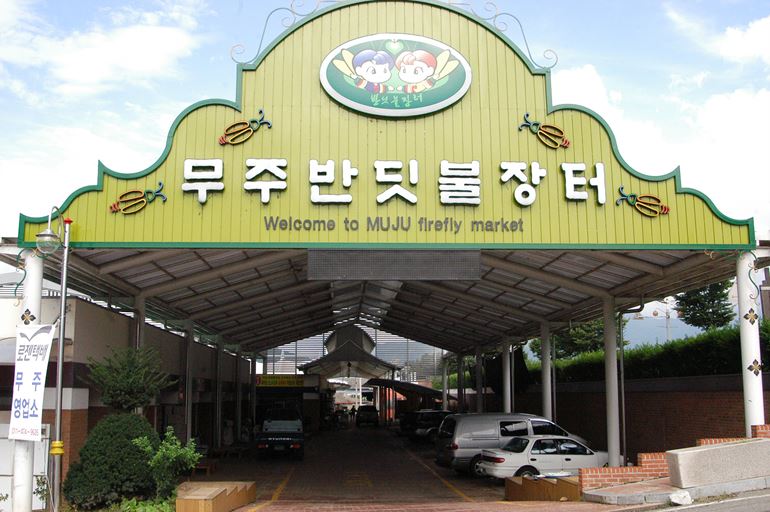
Muju Banditbul MarketA traditional market where you can explore a five-day market and local agricultural specialties and foods.
3
Muju Banditbul MarketA traditional market where you can explore a five-day market and local agricultural specialties and foods.
Food & Dining 2
-
 4
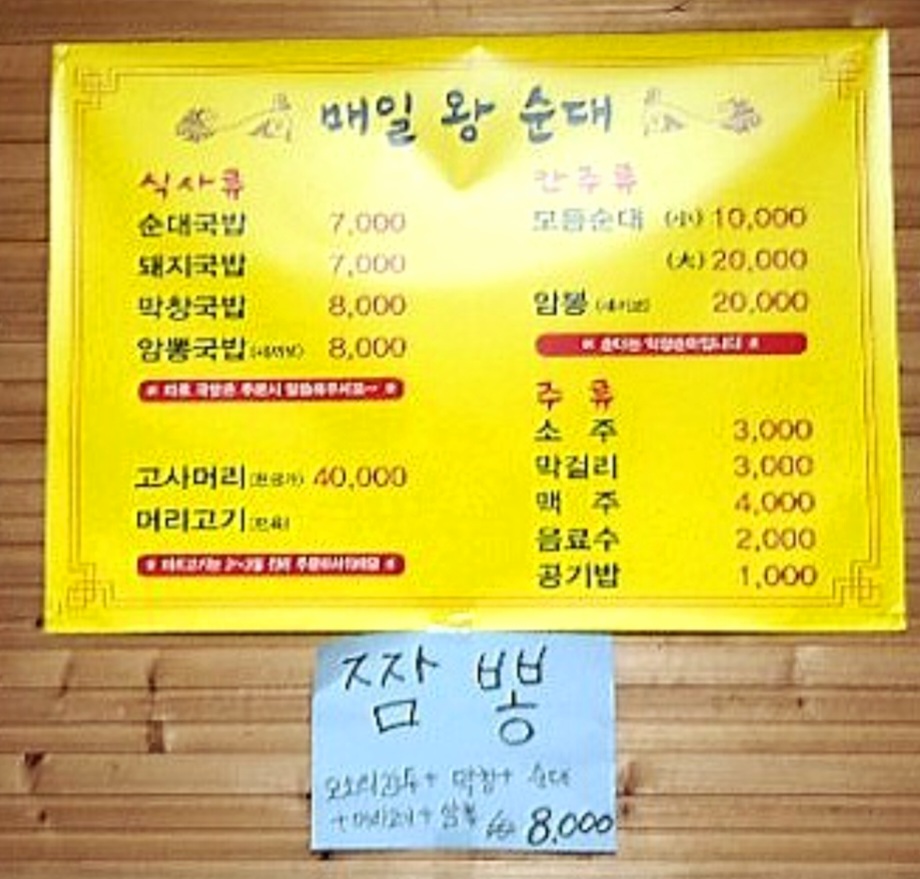
Maeil Wang SundaeA place to enjoy hearty gukbap dishes, including blood sausage sundae and sundae gukbap.
4
Maeil Wang SundaeA place to enjoy hearty gukbap dishes, including blood sausage sundae and sundae gukbap. -
 5
5
Events in This Area

Festivals in This Area

More Travel Guides in This Area
 Travel Guide
Stone Steps at Jangsu Nongae Shrine Overlooking Uiam Lake and the 1846 Saengjang Hyangsumyeongbi Monument
 Travel Guide
Pansori in Namwon, the City of Chunhyang: National Center for Korean Folk Performing Arts
 Travel Guide
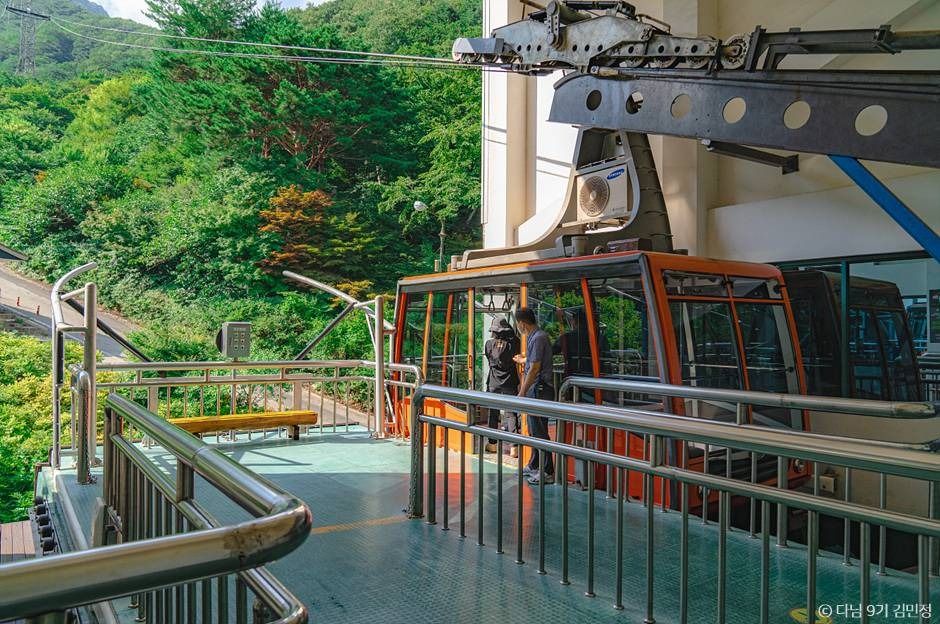
Daedunsan Cable Car, covering 927 m in 5 minutes: the actual route to the front of Geumgang Cloud Bridge
 Travel Guide
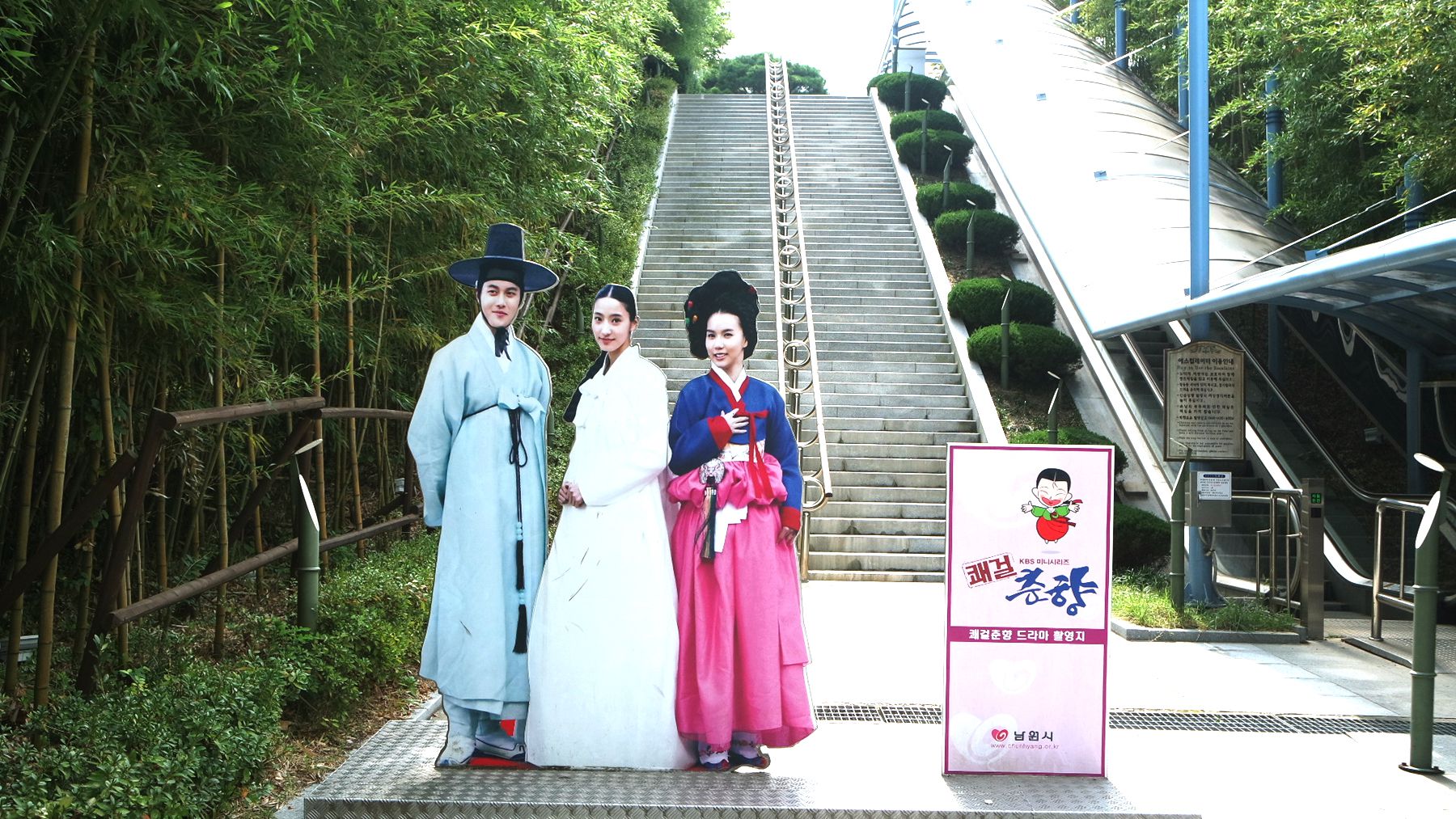
Namwon Chunhyang Theme Park, where five scenes from The Tale of Chunhyang unfold across a 35,000-pyeong hillside
Korea News
![ZEROBASEONE ‘ZEROBASEONE Shining Even at Night!’ [★Video]](https://kotourlive-images.s3.ap-northeast-1.amazonaws.com/news/1786629298196_13d8a4bb_news_075face7-fb4e-402c-b833-25ccaf88cf8f.jpg) News
News
ZEROBASEONE ‘ZEROBASEONE Shining Even at Night!’ [★Video]
 News
News
Kwon Eun-bi, First Comeback Since Moving from Woollim to RBW: “Aiming for a September Release”
 News
News
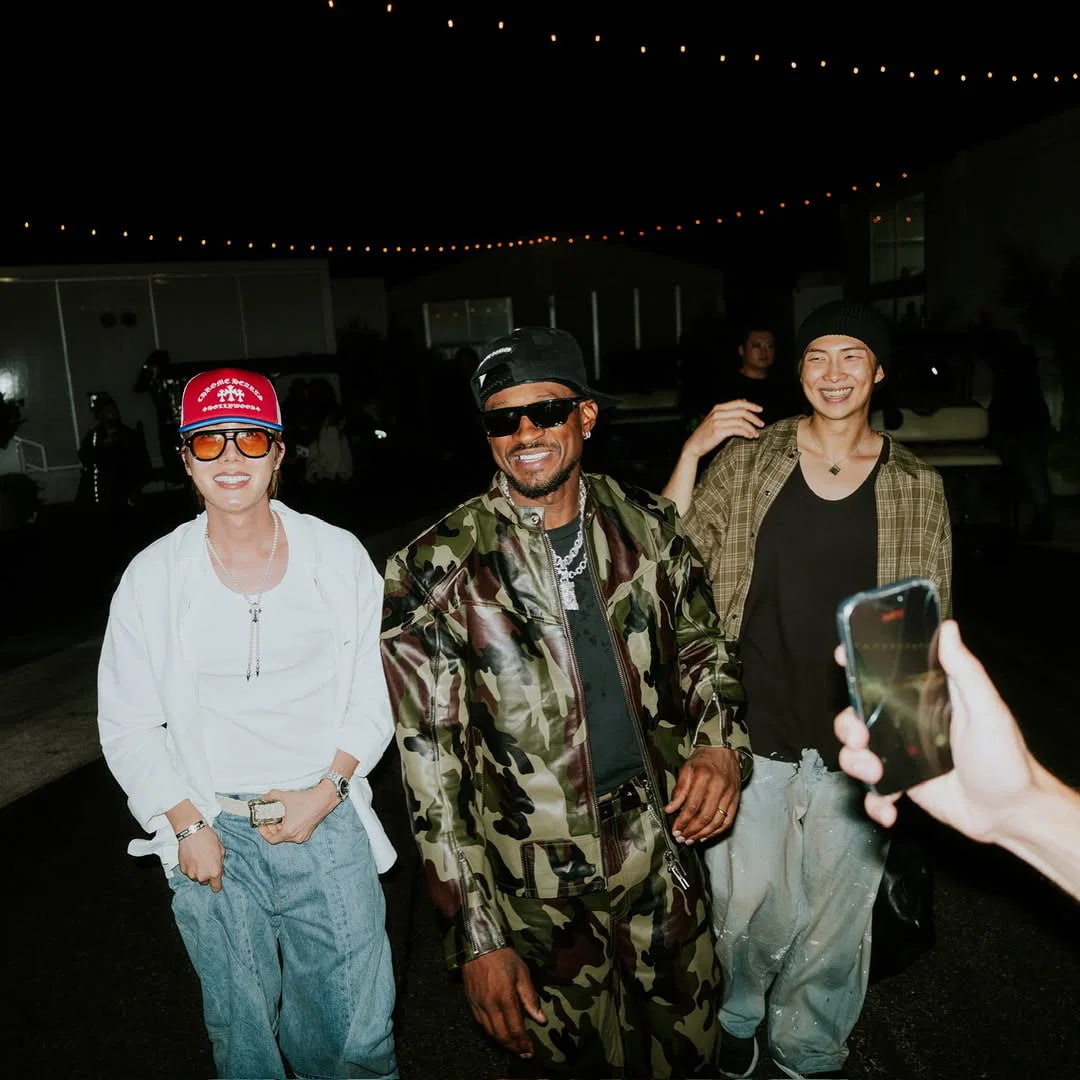
“Did Jungkook’s connection continue?” Pop star Usher spotted warmly hugging BTS’s RM and J-Hope
 News
News