Jeju, an Island Shaped by Volcanoes
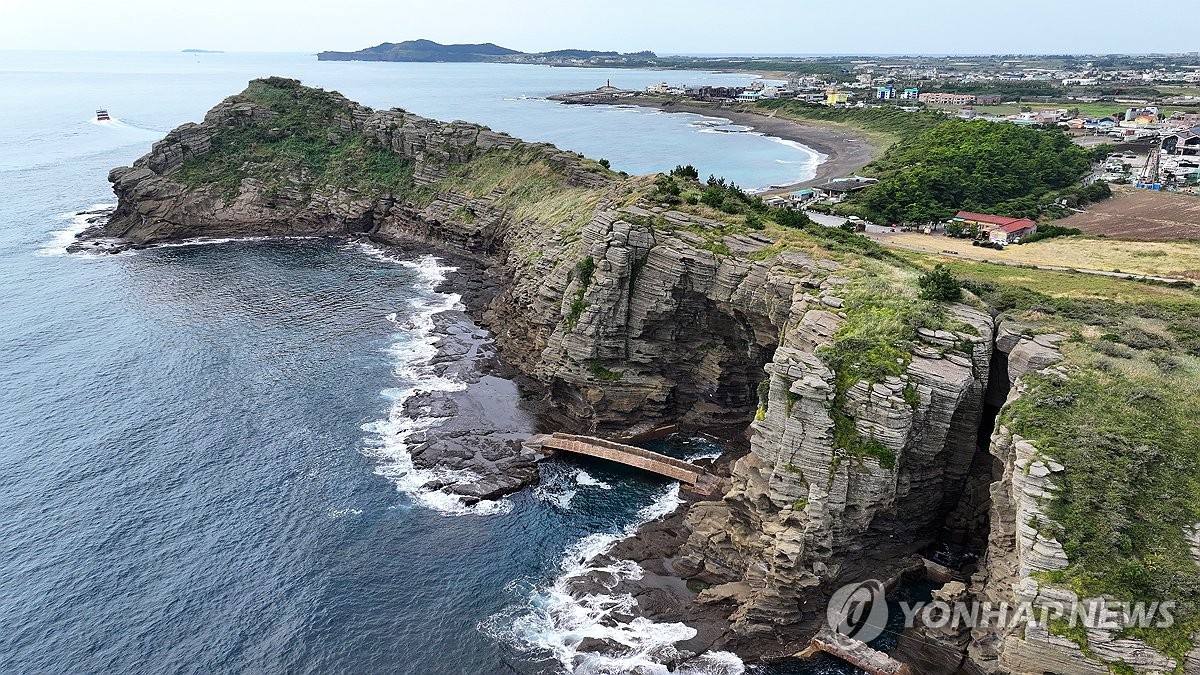
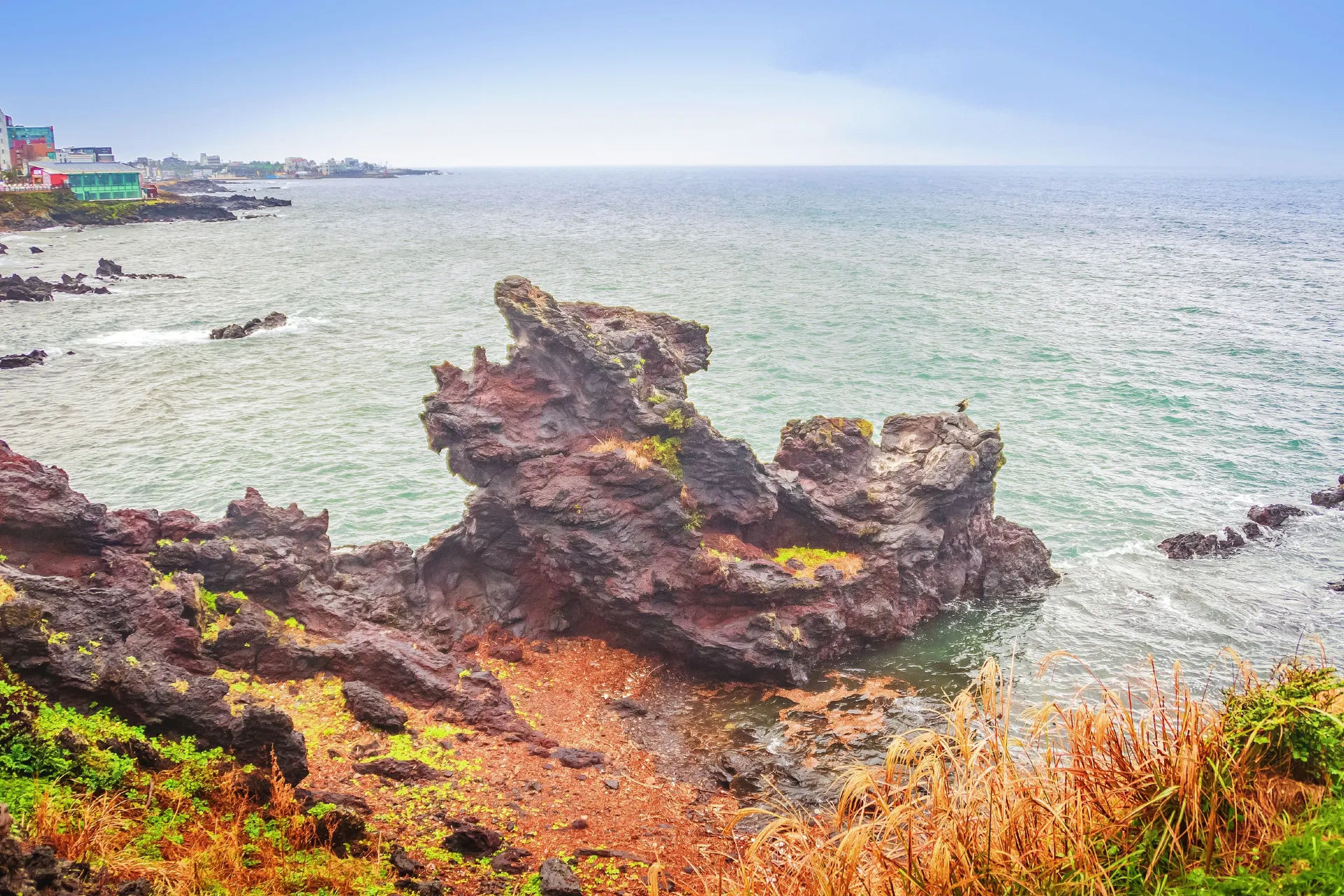
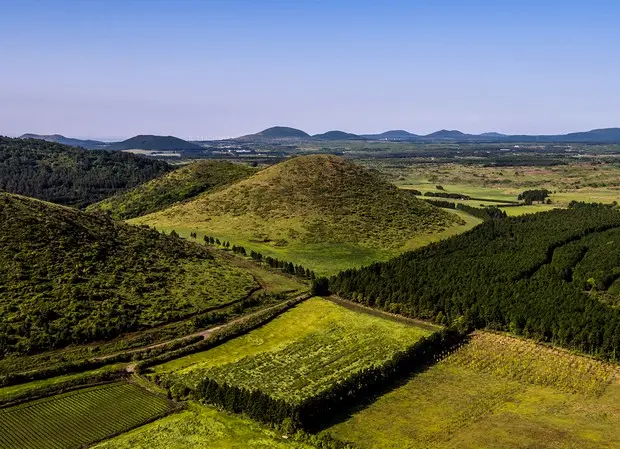
Jeju is South Korea’s largest island, known for its dramatic landscapes formed by volcanic activity. Centered around Hallasan, which can be seen from nearly anywhere on the island, Jeju blends parasitic cones, coastline, and lava caves into one of the country’s most popular getaway destinations.
Places You Shouldn’t Miss
Hallasan National Park, the island’s iconic centerpiece, offers everything from easy one-hour walks to full summit hikes. On the eastern coast, Seongsan Ilchulbong is famous for sunrise views and is a UNESCO World Natural Heritage site. Manjanggul Cave, one of the world’s largest lava tubes, is equally impressive. The Jeju Olle Trails, which wind along the coast, are perfect for exploring over several days.
Travel Tips
Getting around the island can take longer than expected, so it’s best to plan ahead if you’ll be using a rental car or buses. Since the scenery varies greatly between the east, west, and south, dividing your itinerary by region is a smart way to explore.
Places to Visit



While You're There


Good to Know
- 2 nights, 3 days: Focus on the main highlights
- 3 nights, 4 days: The most popular choice for first-time visitors
- 4 nights, 5 days or more: Ideal for enjoying nature, cafés, and activities at a relaxed pace
If it’s your first trip to Jeju, 3 nights and 4 days is usually the most well-balanced itinerary.
- Black pork
- Braised cutlassfish
- Abalone porridge
- Noodle soup with pork broth
- Hallabong oranges
If you visit local restaurants in different parts of the island, you’ll be able to experience an even wider variety of Jeju’s distinctive ingredients.
- Arte Museum Jeju
- Jeju Aerospace Museum
- O’sulloc Tea Museum
- Indoor café hopping
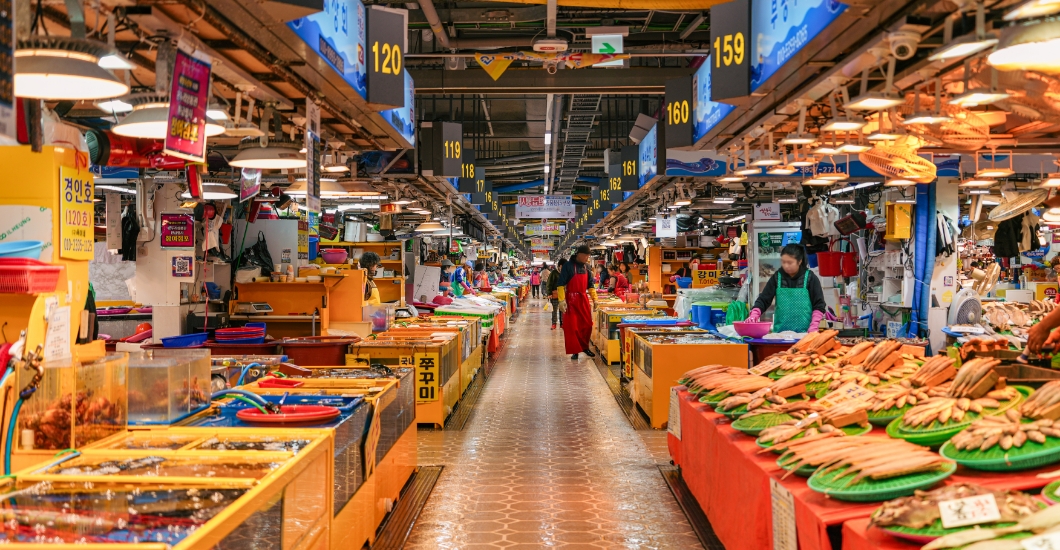
- Visiting traditional markets
Jeju’s weather can change quickly, so after the rain stops, you can often continue with outdoor sightseeing.
- Seongsan Ilchulbong
- Hallasan
- Manjanggul Cave
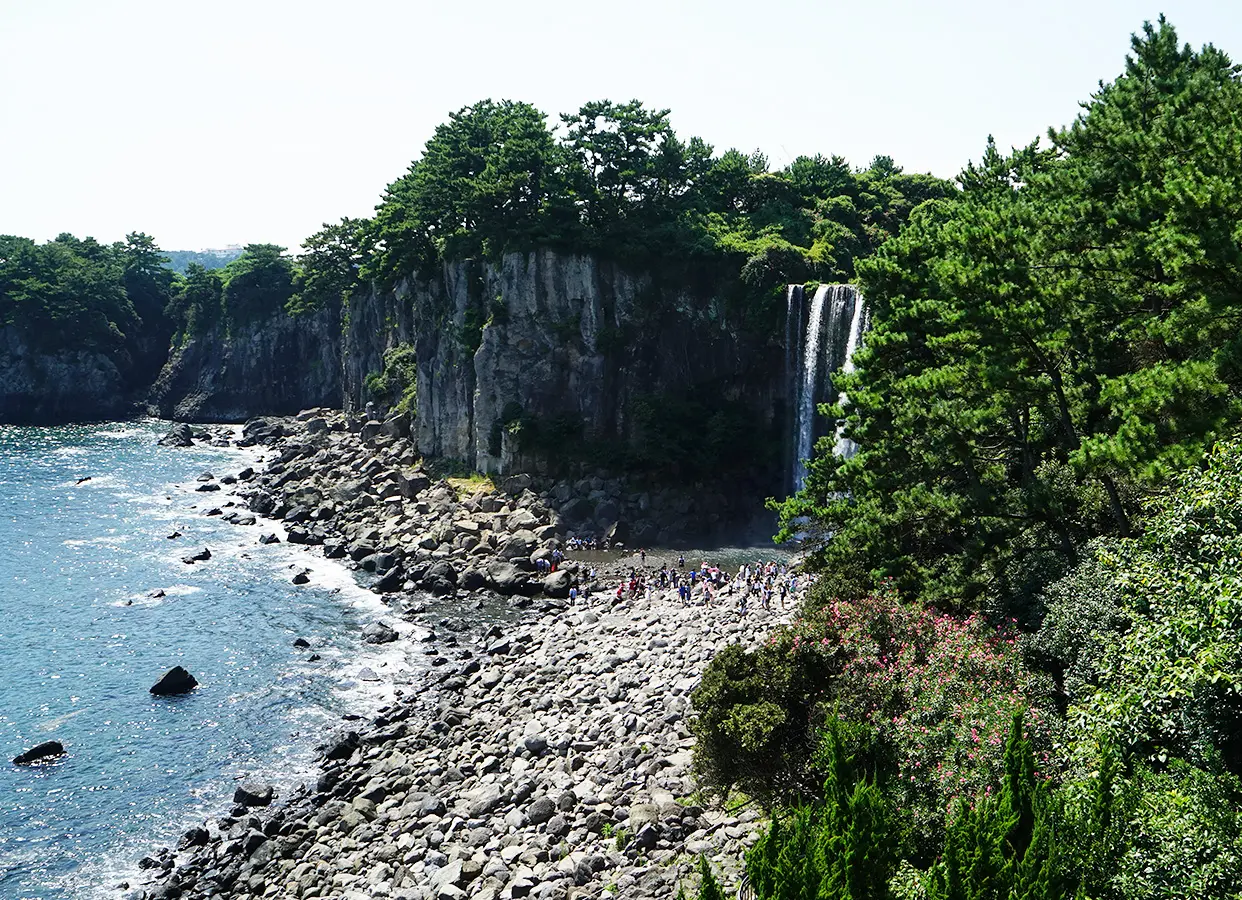
- Cheonjiyeon Waterfall
- Hyeopjae Beach
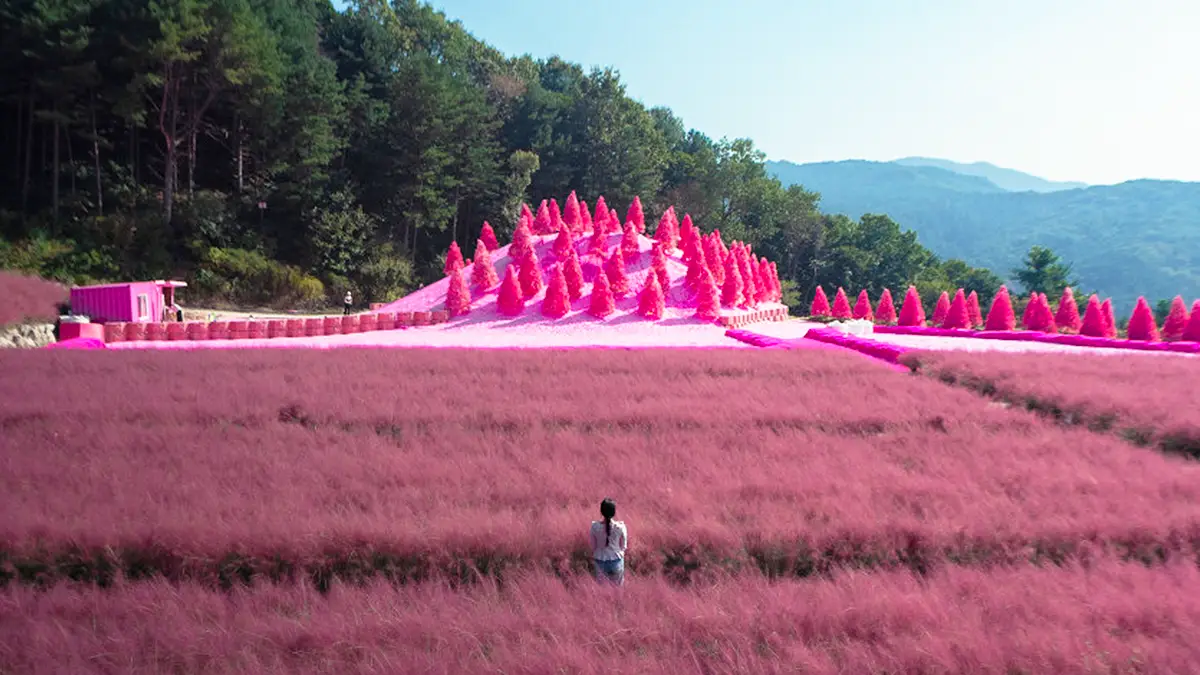
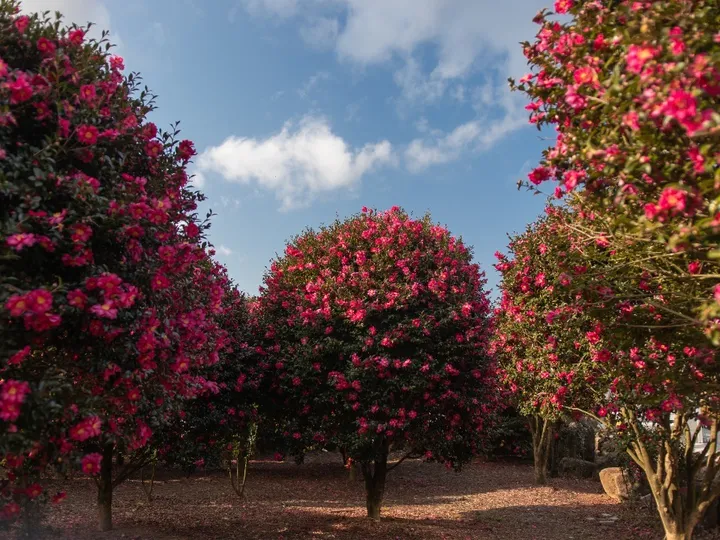
The scenery changes with the seasons: canola flowers in spring, beaches in summer, silver grass in autumn, and snowy landscapes in winter.