Korea Travel Guide — Places to Visit by Region
Explore Korea's top tourist destinations by region. Find detailed guides, transportation tips, photo spots, and local dining for Seoul, Busan, Jeju, and more. Every guide is researched from official information and real visitor reviews — factual, balanced, and written from an international traveler's point of view.
Popular Places to Visit in Korea
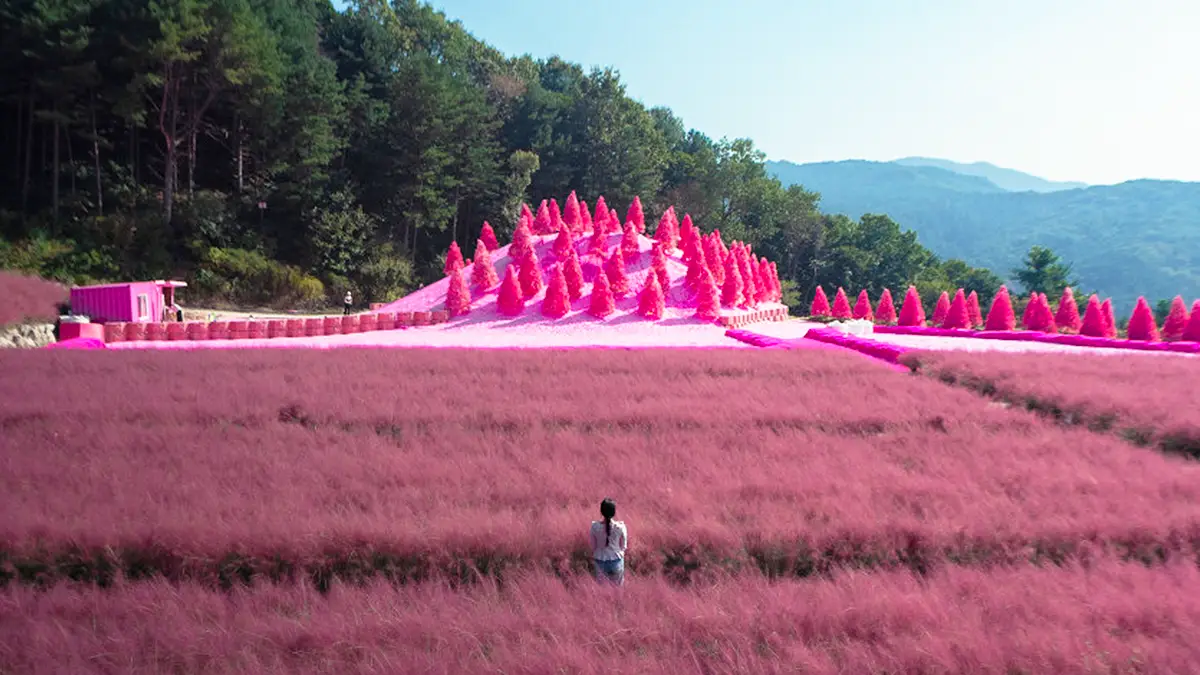
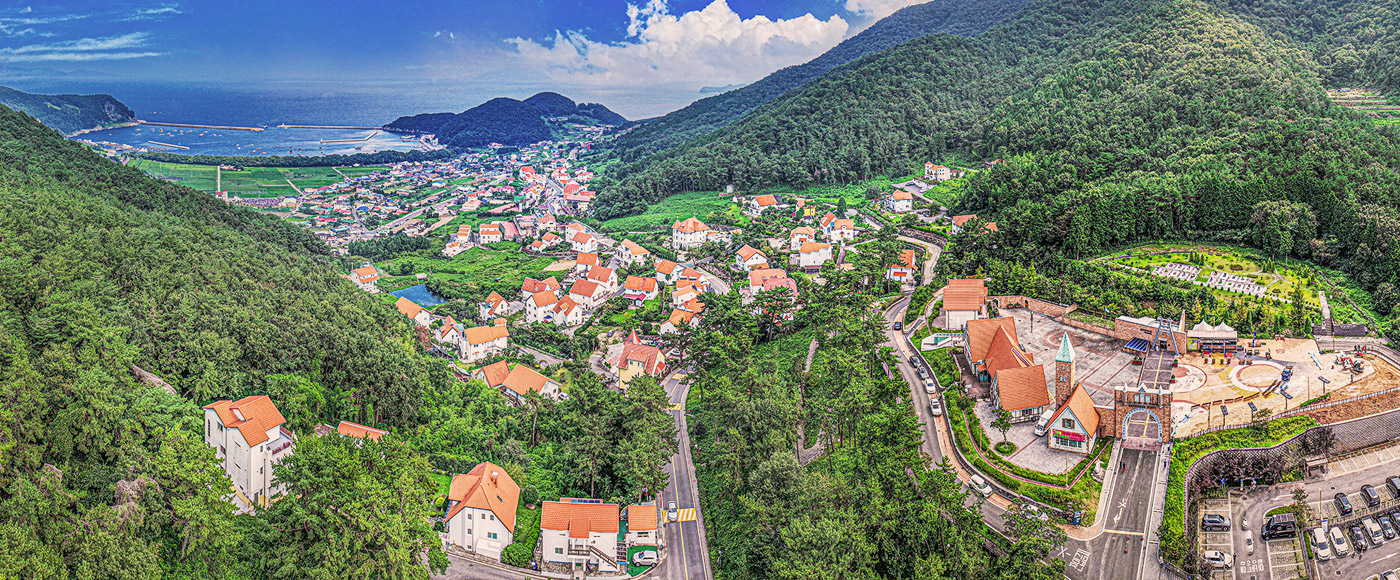
Herb Island is a Mediterranean lifestyle and culture-themed space established in October 1998 in Sinbuk-myeon, Pocheon. On a 130,000-pyeong site, the Herb Botanical Museum, Sky Farm, Santa Village, and Healing Center are spread out. It is open on weekdays and Sundays from 10:00 to 19:00, and on Saturdays and public holidays from 10:00 to 20:00. It is closed on Wednesdays, so it is safest to check the official website notices again before departing.
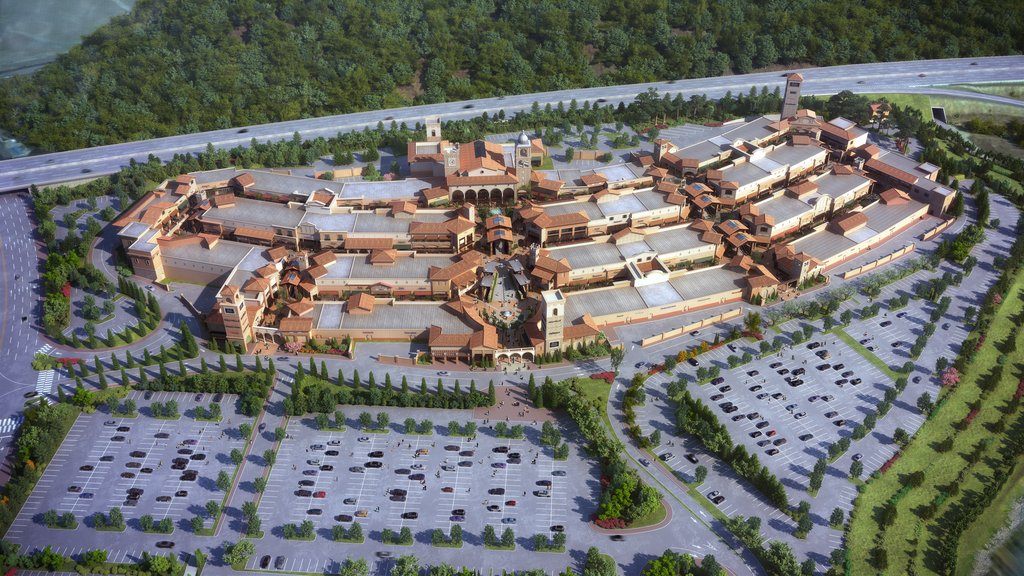
Shinsegae Simon Busan Premium Outlets is an open-air shopping center that opened on August 29, 2013, in Jang-an-eup, Gijang-gun, and expanded its footprint as a shopping destination in southern Korea after reopening following an expansion in September 2024. Knowing the practical details on site—connecting buses from Jwacheon Station on the Donghae Line, access via Jang-an IC, restaurant closing times, lockers, and tax refunds—makes it easier to plan your stay.
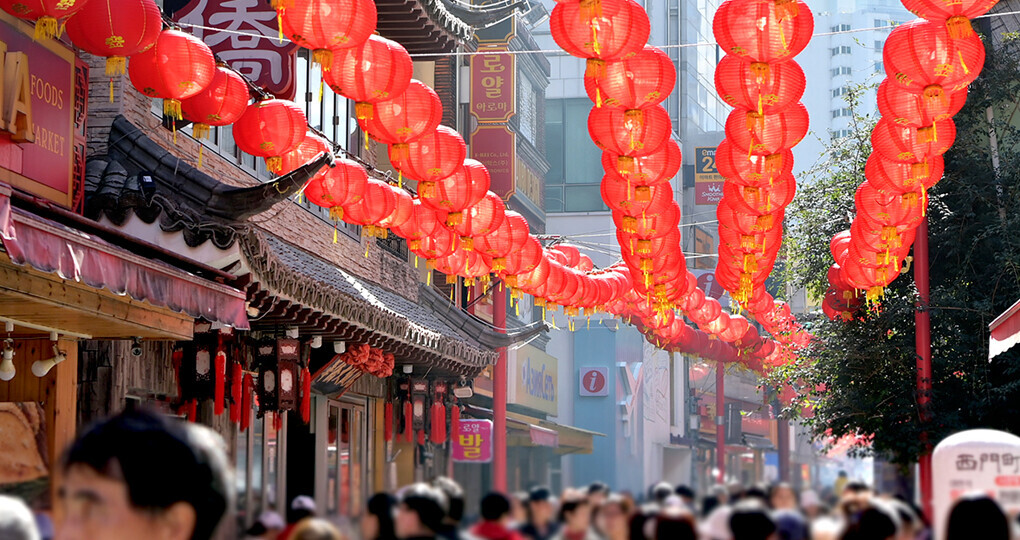
Busan Chinatown is not in Beomil-dong but around Shanghai Street in Choryang-dong, Dong-gu, across from Busan Station. Originating with the opening of the Qing consulate in 1884, the area brings together paifang gates, red lanterns, Chinese restaurants, and the history of Busan Port’s opening in a 45–90-minute walk.
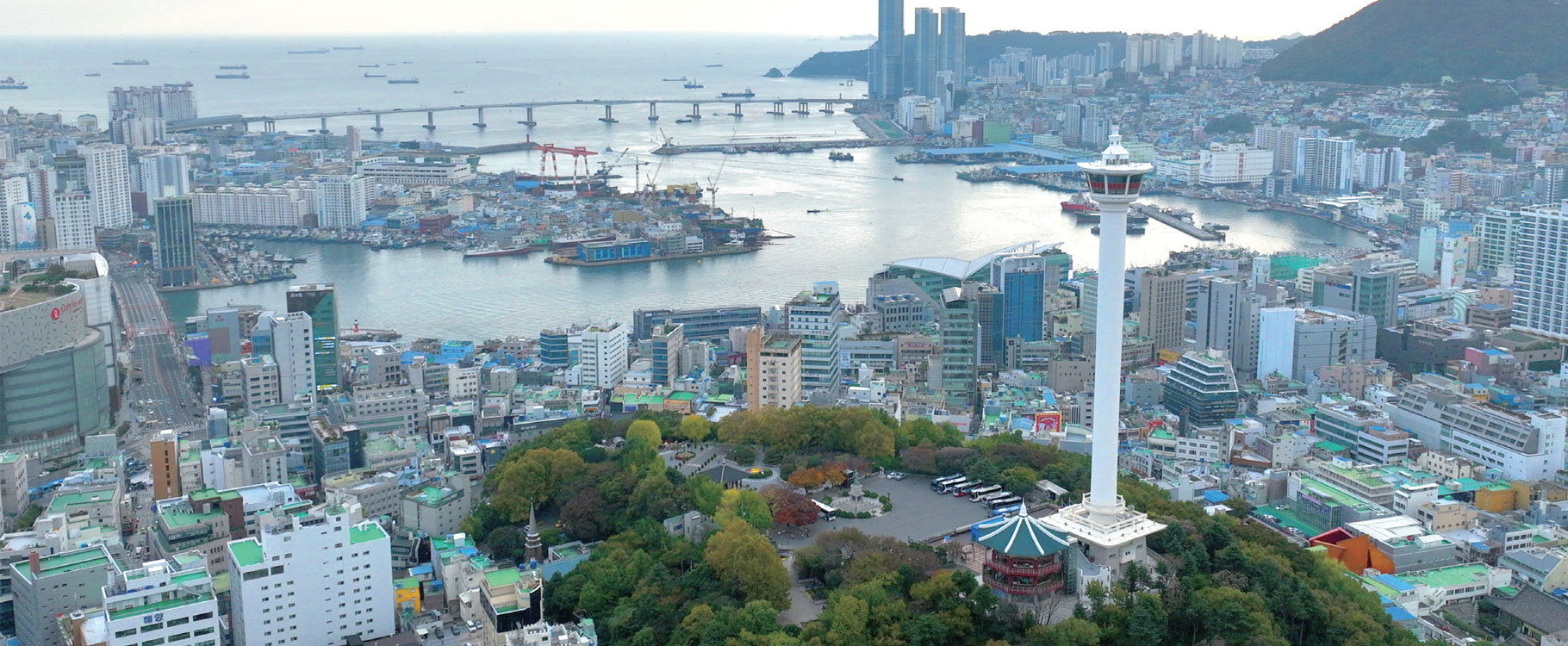
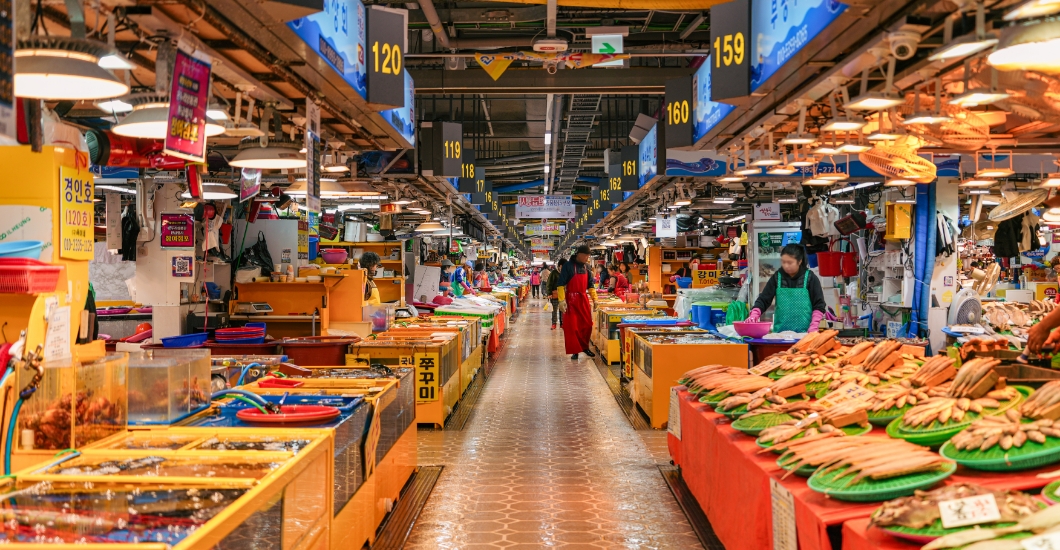
Jagalchi Market is Busan’s leading seafood market, formed where the small fishing boats of Busan Port met the street stalls of refugees. Fresh fish, dried seafood, and sashimi centers are connected along one route, but knowing that the first-floor seafood market and the second-floor sashimi center open at different times makes a visit much easier.
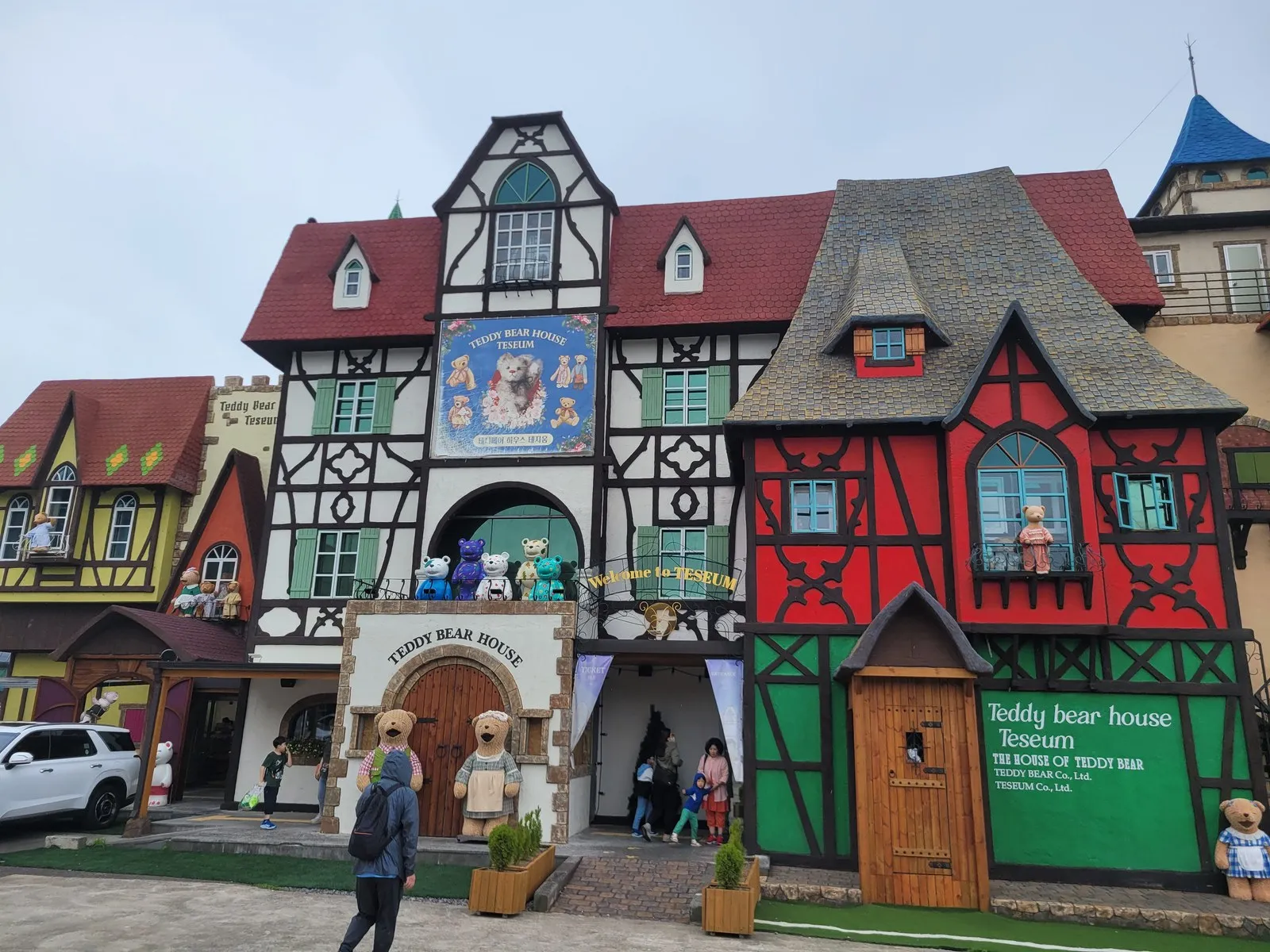
Teseum Teddy Bear House, located on Pyeonghwa-ro in Aewol-eup, Jeju, is an indoor exhibition featuring stuffed versions of wild animals, aquatic animals, and birds. This guide outlines seasonal opening hours and last admission, age-based fees, bus drop-off points, and activity closing times so you can check them before your visit.
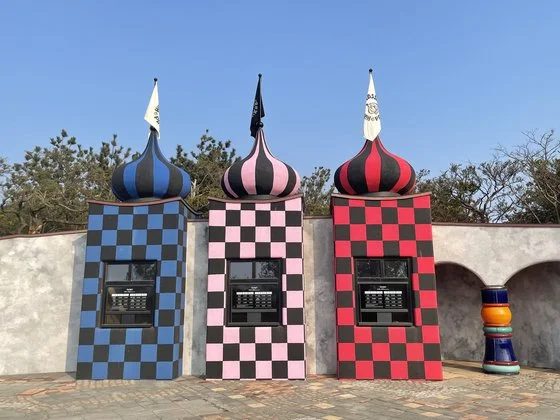
Hundertwasser Park is a cultural and artistic space on Jeju’s Udo Island themed around Friedensreich Hundertwasser. If you plan to visit the exhibition hall, Udo Museum of Art, walking trail, and café, it is best to allow at least one to two hours, including the ferry ride from Seongsanpo Port.
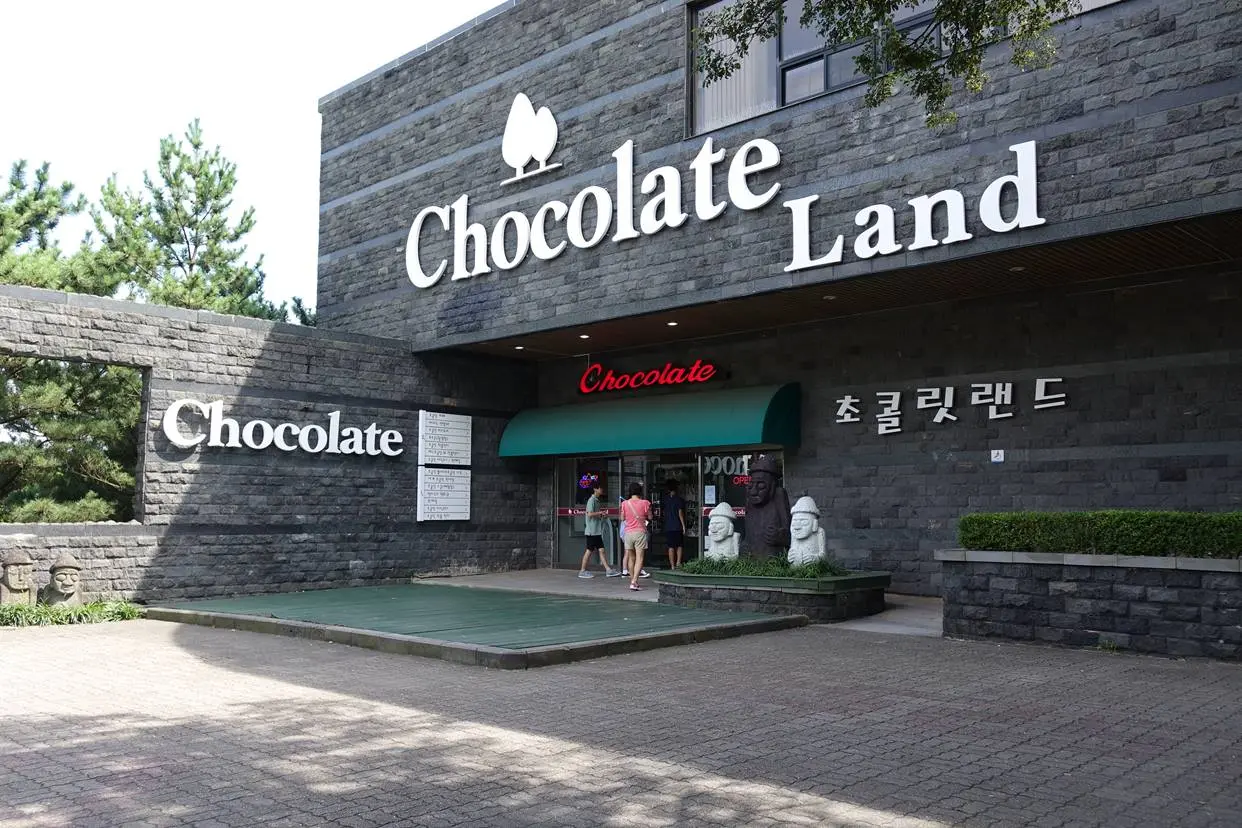
Chocolate Land is an indoor chocolate-themed attraction near Jungmun Tourist Complex in Seogwipo, Jeju. You can combine an exhibition visit with making chocolate, macarons, and chocolate-crust pizza, but activity fees are separate from admission.
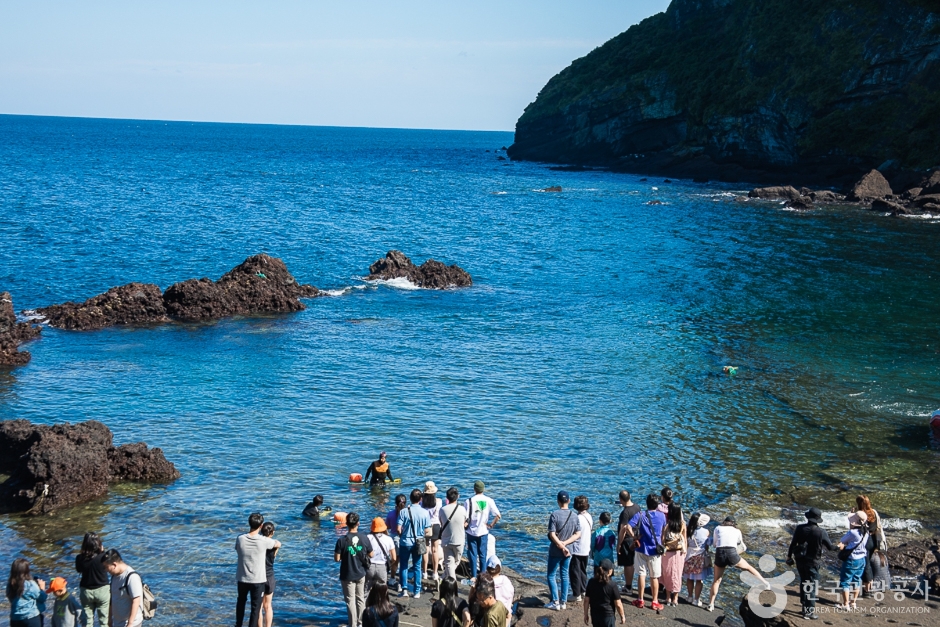
At Umutgae Coast, a free-access area of Seongsan Ilchulbong, you can watch haenyeo from the Seongsan Fishing Village Association demonstrate their diving work. The performance takes place once a day at 2 p.m., but it may be canceled or changed to a non-diving performance depending on weather conditions, so check by phone before visiting.
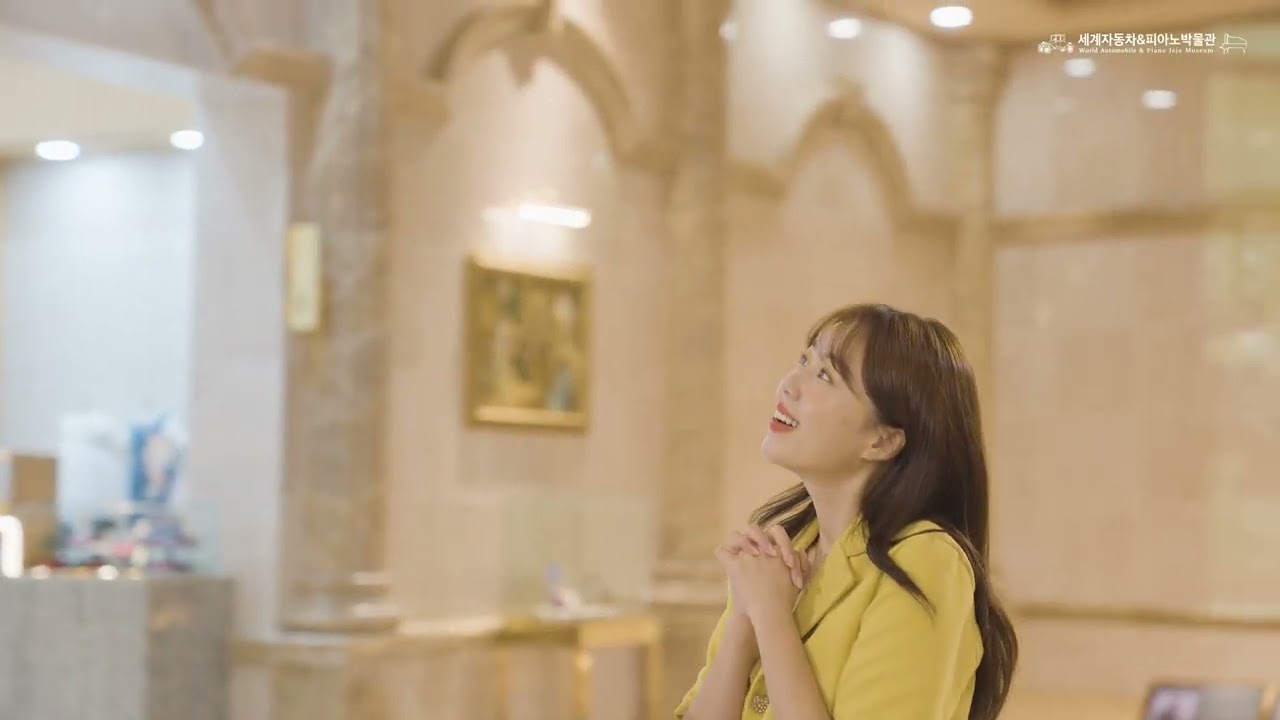
The World Automobile & Piano Museum in Andeok-myeon, Seogwipo, Jeju, operates an automobile exhibition hall opened in 2008 alongside a piano exhibition hall opened in 2019. Visitors can see around 100 cars, a piano with a 300-year history, a Gotjawal forest trail, and children’s activities all in one place.
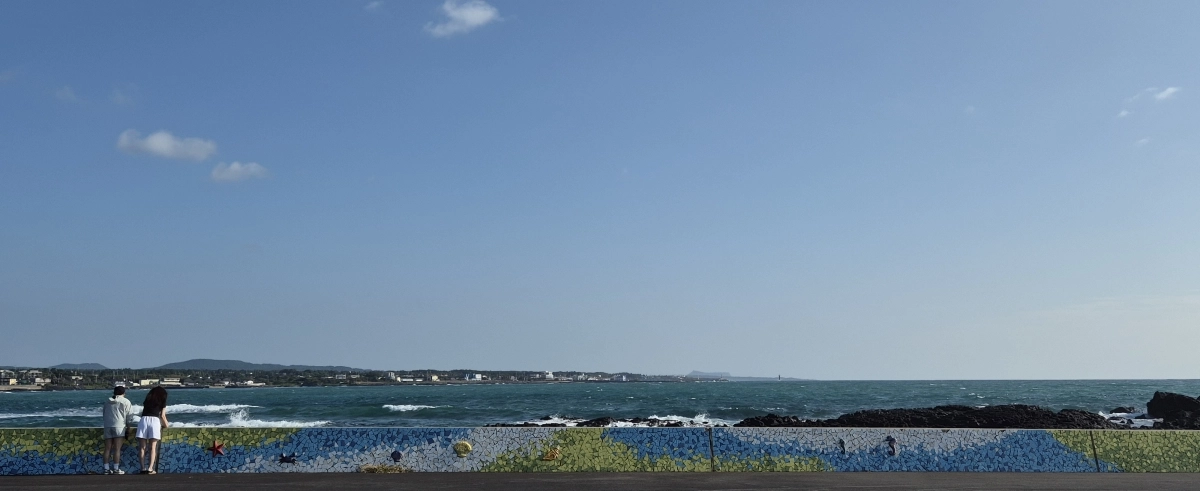
Dangke Harbor is a small harbor south of Pyoseon Beach and the starting point of Jeju Olle Trail Route 4. The site is free and open at all times, but preparation and the time required vary greatly depending on whether you simply want to enjoy the coastal scenery or walk the 23-kilometer Olle Trail.
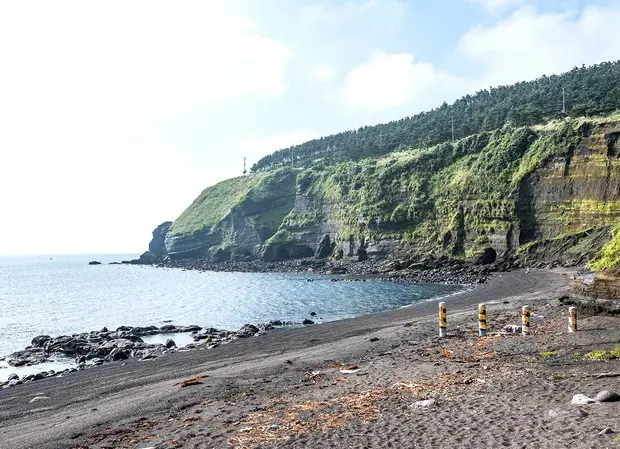
Songaksan’s military tunnels are coastal military ruins built by the Japanese army toward the end of World War II using the forced mobilization of Jeju residents. Due to the risk of collapse and falling rocks, visitors cannot enter the tunnels. To visit, view the coastal tunnels from the parking lot, then connect to the Songaksan Circular Trail and continue on foot.
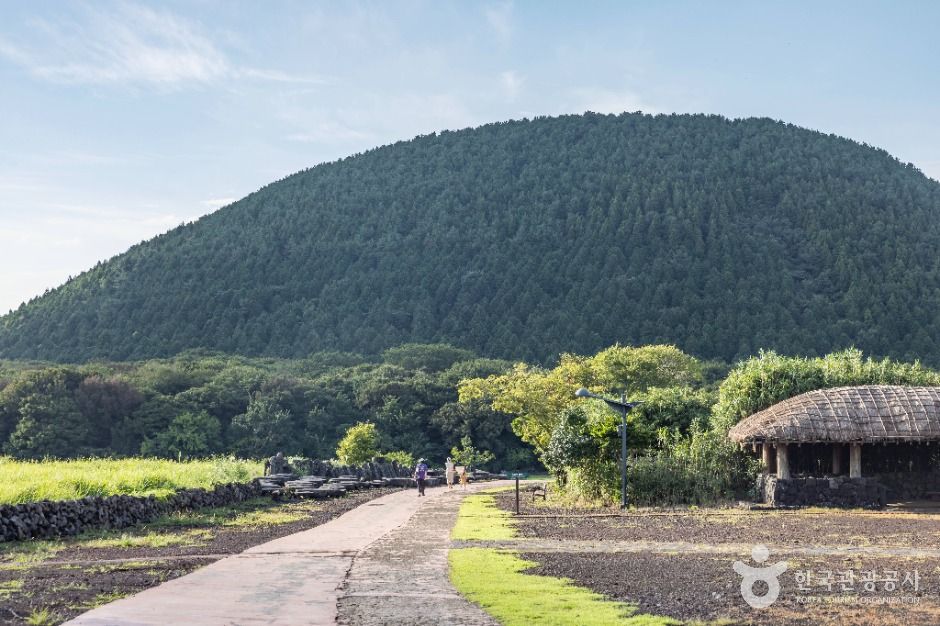
Gyorae Samdasoo Village is a mid-mountain community where you can explore the Jeju Samdasoo water source, Gyorae Gotjawal, and Samdasoo Forest Trail in one area. This guide covers the routes and restrictions you need to know for an actual visit, including the free forest trail course, reservations for the Water Promotion Hall, and restaurants serving native chicken dishes.
Guides by Region
Can’t find a place?
Tell us and we’ll add it to what we write next