A book festival where the eaves of a hanok village become a lecture hall
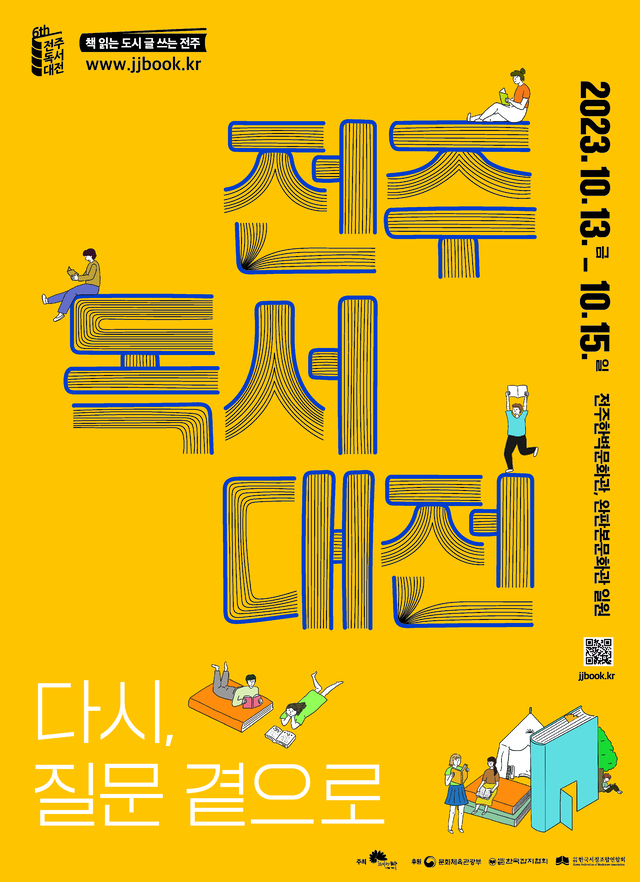
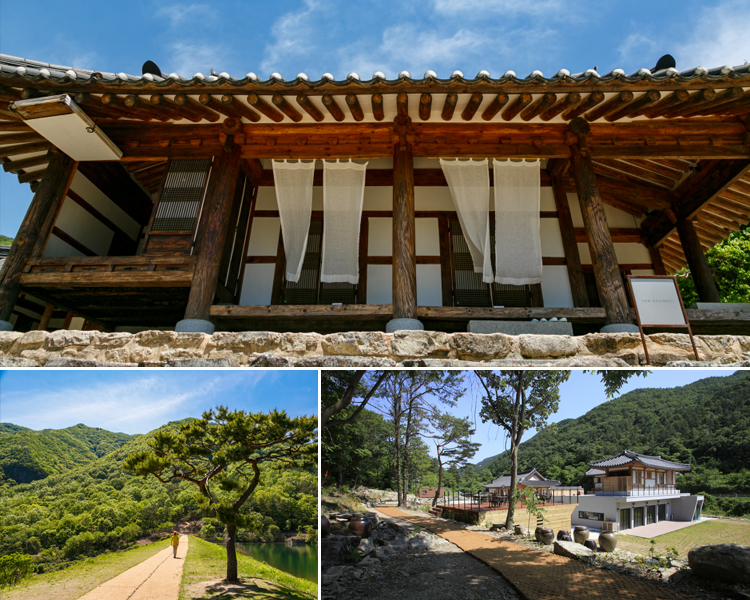
As you walk through Jeonju Hanok Village, you will find Hanbyeok Cultural Center near Hanbyeokdang, on the spot where the Jeonjucheon stream flows. Now in its 9th year, the Jeonju Reading Expo is Jeonju City's signature book festival, held at the Jeonju Hanbyeok Cultural Center and the surrounding Wansan Publishing Cultural Center area. In 2026, it will run for three days, from Friday, September 11 to Sunday, September 13, under the slogan "A city that reads books, Jeonju that writes," and the theme "Run, Book." Thinking about how Jeonju was the center of printing and publishing in the Joseon Dynasty, where Wansanbon novels were produced, it feels completely natural that this city would host a book festival.
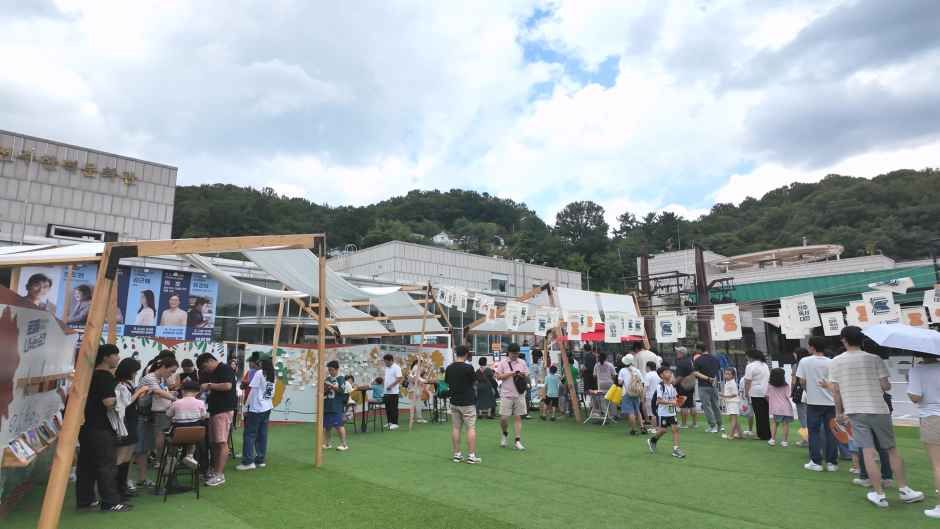
What I love is that this festival is not an event "trapped in an exhibition hall." At the performance hall of Hanbyeok Cultural Center, the opening ceremony, invited lectures, and fusion gugak performances take place, while the outdoor stage hosts children's performances, taekwondo shows, and madang-style changgeuk. In the seminar room of Hyanggyo Cultural Center, programs such as talks by local authors, reading discussions, and workshops continue. With lectures, performances, exhibitions, hands-on activities, and a book market spread throughout the hanok area, it is fun to move from alley to alley with a map in hand.

You won't be bored even if you don't like books
Honestly, when you hear "book festival," you might imagine sitting quietly and reading. But the Jeonju Reading Expo is the opposite. Along Jeonjucheondong-ro, a long book market appears with bookstores and publishers participating, and you can browse local bookstores, neighborhood bookshops, and independent publishers' books that are hard to come across in everyday life, all in one place. Since around 30 bookstores, bookshops, and publishers participate, time flies even if you just flip through the covers.
If you're visiting as a family, you can challenge contests like the "Family Reading Golden Bell" held in the exhibition hall, and in the outdoor courtyard there are civic participation exhibitions and special Reading Expo displays. Looking at past editions, hands-on booths for making bookmarks and key rings, life four-cut photo zones, and stamp-tour-style treasure hunts were always popular. Even if you can't read Korean, you can still enjoy booths focused on crafts, games, and performances, and there are many stages with low language barriers, such as children's bubble shows and madang-style changgeuk, making it especially suitable for families with kids.

A foreign traveler's one-day route — here's how I went
Getting ready is easy. Since this is an outdoor festival that you can explore without a separate admission fee, most lectures, performances, and exhibitions can be enjoyed without advance booking. However, popular invited lectures by well-known authors and workshops or contests with limited capacity may close through pre-registration, so if there is a specific program you definitely want to attend, it is safer to check the application schedule in advance on the official website. If you plan to buy books at the book market, bring some cash in your wallet. These days many booths accept cards and mobile payments, but some small vendors still only take cash or bank transfers.
For directions, just set your destination as Jeonju Hanok Village. The festival venue, Hanbyeok Cultural Center, is at the southeastern edge of the Hanok Village, right next to Hanbyeokdang and the Hanbyeok Tunnel, so you can simply walk down naturally while sightseeing in the village. If you are driving, the area gets very crowded during the festival, so it is more comfortable to park at the Hanok Village public parking lot and walk. Normally, Hanbyeok Cultural Center operates a shuttle bus for large-bus visitors between Daeseong Public Parking Lot and the Hanok Village from 10:00 a.m. to 7:00 p.m., so groups may want to use that. In mid-September, Jeonju is still hot during the day and cools down after sunset, so I recommend a light outer layer and sneakers, since the hanok alleys have slopes and stone pavement.
Tips that help you avoid getting lost
The busiest time is naturally Saturday and Sunday afternoons. If you want to browse the book market at a relaxed pace, I recommend arriving in the morning. The restrooms and resting areas use the facilities of Hanbyeok Cultural Center as they are, and this place is developed as an open tourist site with accessible toilets and ramps, so stroller and wheelchair movement is relatively easy.
- English guides and interpretation may be limited. Installing a translation app will be helpful when reading booth descriptions.
- Most programs are outdoors, so schedules may change if it rains. Bring an umbrella or raincoat, and check the official page on the day for confirmation.
- Don't just visit the festival and leave; if you combine it with a half-day course around Hanok Village, the Hanbyeok Tunnel, and the Jeonjucheon stream, the route becomes much more worthwhile.
So who do I recommend it for?
It is perfect for travelers who want to feel the atmosphere of a "true neighborhood festival" in Korea, and for families who want to spend a quiet but not boring day with children. Listening to a lecture under the eaves of a hanok, picking out a beautiful book at the book market, and walking along the Jeonjucheon in the afternoon — there are no flashy fireworks, but I think this is the most Jeonju way to experience Jeonju as a city.
| Item | Score | Basis |
|---|---|---|
| Language accessibility | 2.5 | English guidance and interpretation are limited, but craft and performance booths can still be enjoyed without language |
| Transport accessibility | 3.5 | Within walking distance of Hanok Village; parking is crowded during the festival, but public parking and shuttles are available |
| Foreign visitor facilities | 3.5 | Movement is relatively convenient as it is an open tourist site equipped with accessible toilets and ramps |
| Local cultural experience | 4.5 | Rich in Jeonju-style content such as the Wansanbon publishing tradition, madang-style changgeuk, and fusion gugak |
| Value for money | 4.5 | Lectures, performances, and exhibitions can be enjoyed without a separate admission fee |
| Cleanliness/Safety | 3.5 | Managed space based on cultural center facilities; outdoor schedules may change in rain |
| Food/amenities | 3.5 | Wide variety of book market and hands-on booths, and it can be combined with Hanok Village restaurants, but food information within the festival is limited |
This article was compiled by our editorial team from official announcements and coverage of previous editions; it is not a first-hand visit report. Please confirm the final schedule and fees on the official website.
Festival Details
-
Festival Period9/11/2026 ~ 9/13/2026
-
Festival VenueJeonbuk Special Self-Governing Province, Jeonju-si, Wansan-gu, 20 Jeonjucheon-dong-ro (Gyodong)
-
Admission FeeFree
-
TagsJeonju Reading Festival Jeonju-si book festival exhibition and hands-on experience programs Family Reading Golden Bell book market eco-friendly action-based festival model
More Festivals

Popular Concerts
![[Play&Stay]ILLIT LIVE ‘PRESS START♥’ ENCORE in KOREA + Hotels](https://kotourlive-images.s3.ap-northeast-1.amazonaws.com/concerts/1790560840067_340ff0d2_thumbnail.gif)
More Travel Guides in This Area
 Travel Guide
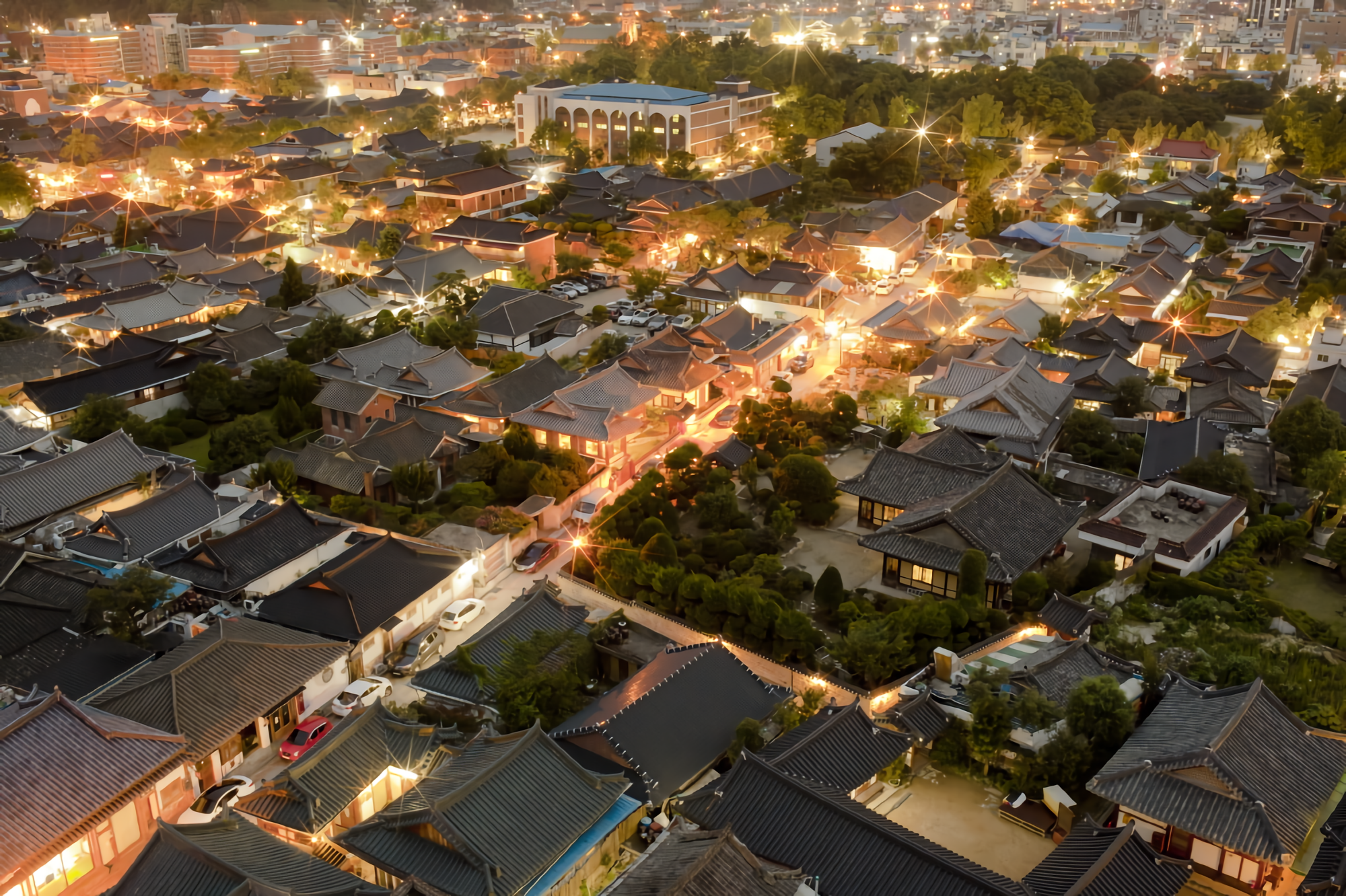
A Day’s Walking Route Through Jeonju Hanok Village, Beneath More Than 700 Roofs
 Travel Guide
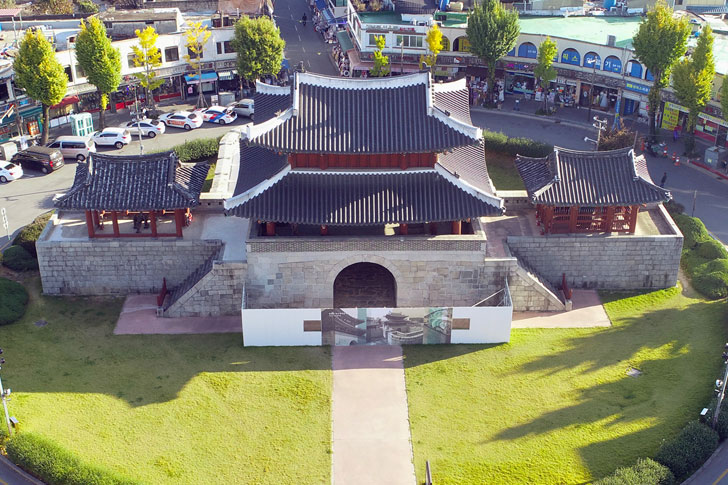
A Timetable for Exploring the 800 Shops of Jeonju Nambu Market by Pungnammun Gate
 Travel Guide
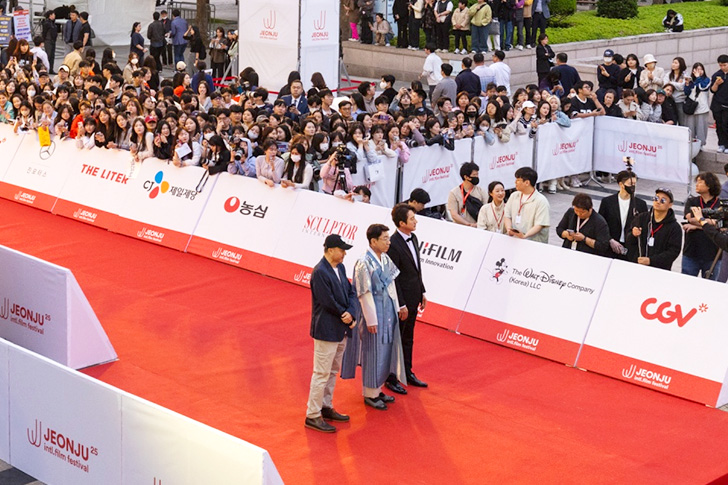
Reading the Past of the Cinema District and the Jeonju International Film Festival Route on Jeonju Movie Street
 Travel Guide