
Reading the Map of Exploitation in Jo Jeong-rae’s Arirang amid the Fields of Juksan-myeon, Gimje
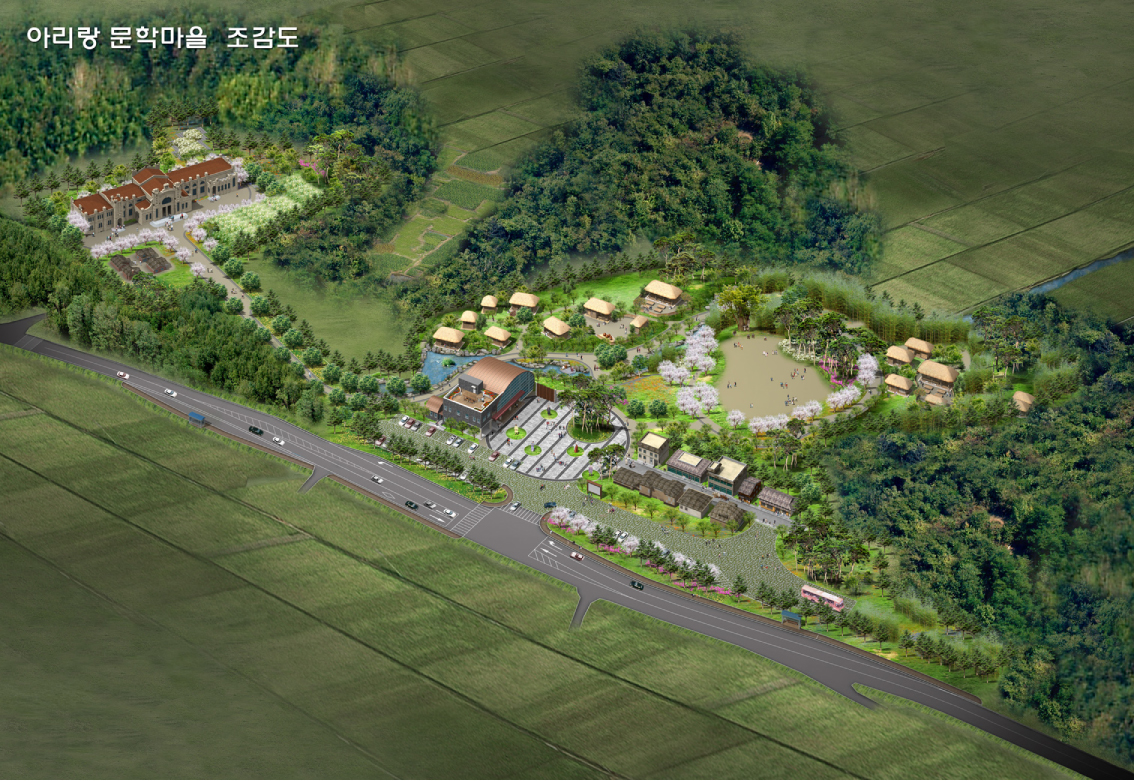
Arirang Literary Village is a historical and cultural site that recreates, as a physical setting, the colonial exploitation of Gimje’s Mangyeong Plain and the lives of ordinary people depicted in Jo Jeong-rae’s epic novel Arirang. Following the police substation, township office, rice mill, Harbin Station building, and other sites offers a good way to understand both the novel’s setting and the area’s actual history.
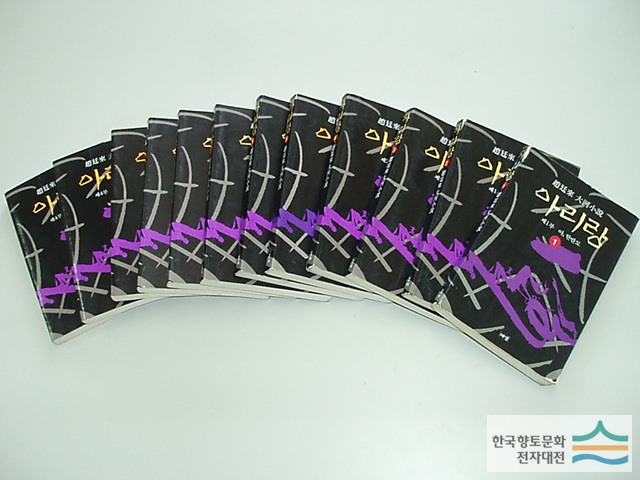

The Stage of Arirang Established in Naechon and Oe-ri, Juksan-myeon, on October 10, 2012
Arirang Literary Village is a historical and cultural space located at 180 Hwachो-ro, Juksan-myeon, Gimje-si, Jeonbuk State. Gimje City states that the literary village opened on October 10, 2012. Jo Jeong-rae's epic novel Arirang depicts life during the Japanese colonial period and the liberation era, focusing on the residents of Naechon Village and Oe-ri Village, while the literary village recreates the novel's main settings as a physical space.
The reason this site was established in Gimje lies in the region's broad plains and history centered on rice farming. Gimje City materials explain that the Naechon area has long been a place of large-scale rice cultivation, while the literary village's official guide identifies rice and land as the region's main targets of exploitation. Therefore, this is not merely a filming set decorated to reproduce scenes from the novel; it is also a place for understanding the colonial economy surrounding farmland and rice.
Colonial Administration Represented by Four Buildings: the Police Substation, Township Office, Post Office, and Rice Mill
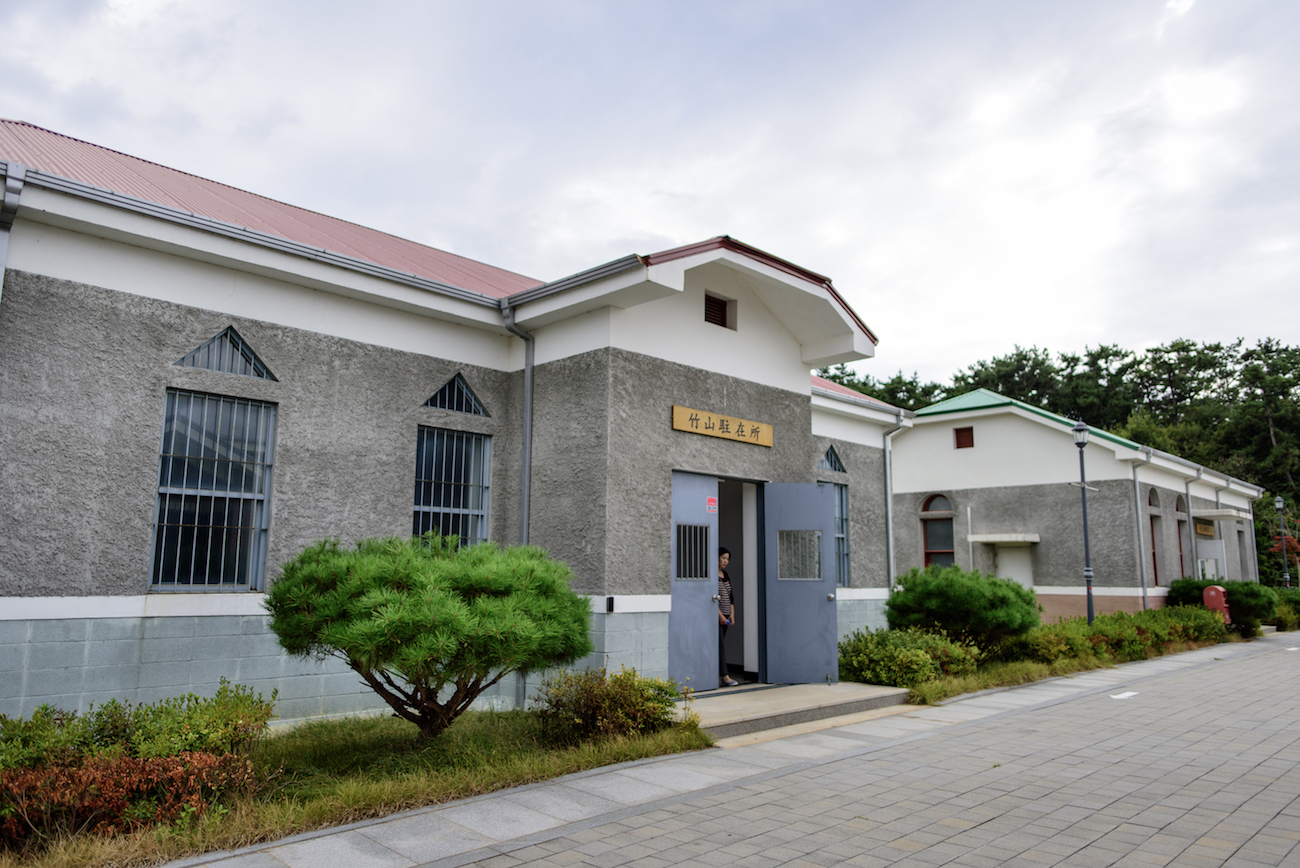
The modern-era exploitation institutions section of the literary village contains four buildings: a police substation, township office, post office, and rice mill. The official guide explains that these facilities represent institutions involved in exploitation during the Japanese colonial period and states that materials related to each institution and photographs from the era are displayed.
Along the route, the rice mill and township office should be viewed separately. The rice mill was connected to rice production and milling, while the township office and police substation were points where administrative and policing powers reached into rural life. Exhibits may only be viewed and must not be touched, and visitors must make mobile phone calls outside the exhibition rooms.
Even if you have not read the novel, it is easy to understand the site by starting with the on-site question, “Why did Japan target Gimje for exploitation?” Connecting the three elements of the broad Gimje and Mangyeong fields, land, and rice reveals that the arrangement of the facilities is more than a simple recreation of old buildings.
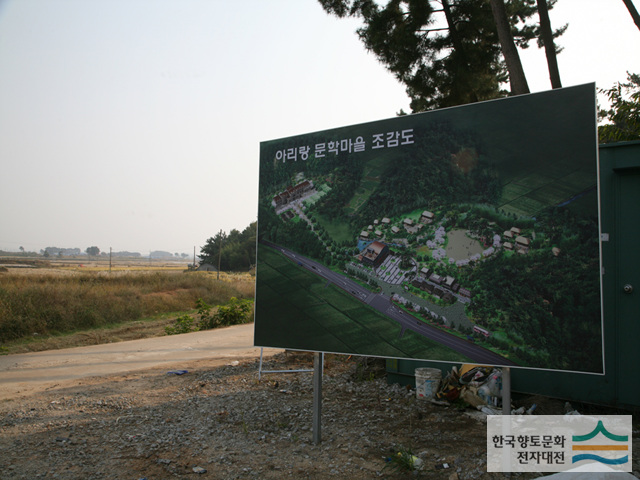
From Gamgol-daek to the Cha Deuk-bo House: Following the Characters of Naechon and Oe-ri
The Naechon and Oe-ri Village section includes spaces representing the homes and everyday settings of characters from the novel, including Gamgol-daek, Song Su-ik, Ji Sam-chul, Son Pan-seok, and the Cha Deuk-bo House. The Gimje Byeokgolje guide explains that this area was created to present, through storytelling, the lives of the protagonists who lived under exploitation during the Japanese colonial period.
Rather than quickly looking only at the exteriors of the buildings, it is better to proceed by checking each house name one by one. The area is designed to help visitors connect the process by which farmers lost their land and saw their livelihoods destabilized through the residential spaces of the novel's characters. According to the official introduction, the literary village is divided into the Promotion Hall, modern-era exploitation institutions, Naechon and Oe-ri Village, and Harbin Station.
Access for pets is restricted inside the literary village. Since outdoor and indoor exhibitions are combined, it is advisable to bring a hat and water in summer and an umbrella when moving between the houses on rainy days.
A Harbin Station Recreated at 60% Scale to Remember October 26, 1909
Harbin Station is a building restored at approximately 60% of the original size, based on an actual building from around 1910. The official guide presents the historical context of this space as the incident in which Ahn Jung-geun shot Ito Hirobumi at Harbin Station in China on October 26, 1909.
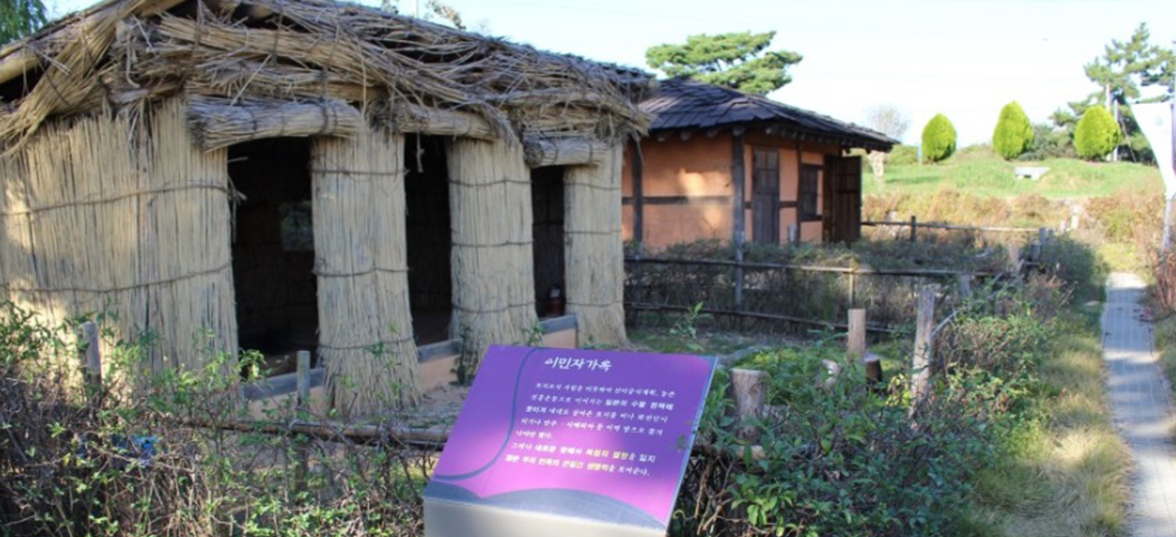
Be sure to also visit the two buildings in the immigrant housing section: a shingle-roofed house and a reed house. Gimje City explains that this area conveys the circumstances of people who had to leave their homes and become slash-and-burn farmers or migrate to Manchuria and Siberia because of policies including the Land Survey Project, the Rice Production Increase Plan, and the Rural Revitalization Movement.
Live Sketches at the History Experience Center operates on the second floor of Harbin Station. This program allows visitors to color Ahn Jung-geun, Yu Gwan-sun, and Yun Bong-gil and experience historical scenes on a 3D screen. It operates by advance reservation only, so before visiting, inquire about the schedule and available capacity at 063-540-2926.
Free Admission from 09:00 to 18:00; Avoid Mondays and January 1
Visiting hours are 09:00–18:00 every day, and admission is free. The closing days are every Monday and January 1; if Monday is a public holiday, the site closes the following day. It is safest to reconfirm before departure whether the facility closes during the Lunar New Year and Chuseok holidays and whether group guided tours are available by calling 063-540-2926.
For a first visit, allowing 60–90 minutes is appropriate to see both the recreated outdoor village and the indoor exhibitions. Including the Live Sketches reservation experience or traditional games may require more than two hours. Official programs include experiences such as the traditional punishment devices juriteulgi, gonjang, and prison cells, as well as tuho, hoop rolling, ring tossing, archery, spinning tops, yut, and jegichagi; visitors can also try a millstone, mortar, A-frame carrier, and water carrier.
Although admission is free, it cannot be assumed that every experience is always available for free participation. In particular, Live Sketches, which is explicitly listed as requiring advance reservations, requires booking. For activities such as the rickshaw experience and modern costume experience, it is advisable to call and confirm the operating dates and whether groups can be accommodated.
Free Parking at 180 Hwachო-ro and the Gimje City Tour Route on Thursdays, Fridays, and Sundays
Enter “Arirang Literary Village” or “180 Hwachო-ro, Juksan-myeon, Gimje-si, Jeonbuk State” into your navigation system. According to the official guide, parking is free. Visitors arriving by car can leave their vehicle in the parking lot and proceed in the order of the Promotion Hall, modern-era exploitation institutions, Naechon and Oe-ri Village, and Harbin Station to reduce backtracking.
If you are visiting using only public transportation, consider the Gimje City Tour's Agricultural Culture Course. The schedule states that it departs from Jeonju Hanok Village at 09:30, Moda Outlet at 10:10, and Gimje Station at 10:30 on Thursdays, Fridays, and Sundays, then visits Geumsansa Temple, Arirang Literary Museum, Byeokgolje, and Arirang Literary Village before arriving back at Gimje Station at 15:50. Since operating days, reservations, and fares may change, confirmation is necessary with the Gimje City Culture and Tourism Division at 063-540-3374.
Detailed official information could not be confirmed regarding wheelchair and stroller accessibility, accessible restrooms, or foreign-language guides. If mobility assistance is needed, it is advisable to contact 063-540-2926 before visiting and ask specifically about the parking location, indoor access, sloped sections, and eligibility for reserved experiences.
Understanding Gimje's Agricultural History by Combining Byeokgolje and Arirang Literary Museum on the Same Day
Although the literary village alone allows visitors to see its main facilities, combining it with Byeokgolje and Arirang Literary Museum is an effective way to gain a broader understanding of the novel's setting. The Gimje City Tour Agricultural Culture Course also connects Arirang Literary Museum, Byeokgolje, and Arirang Literary Village on the same day.
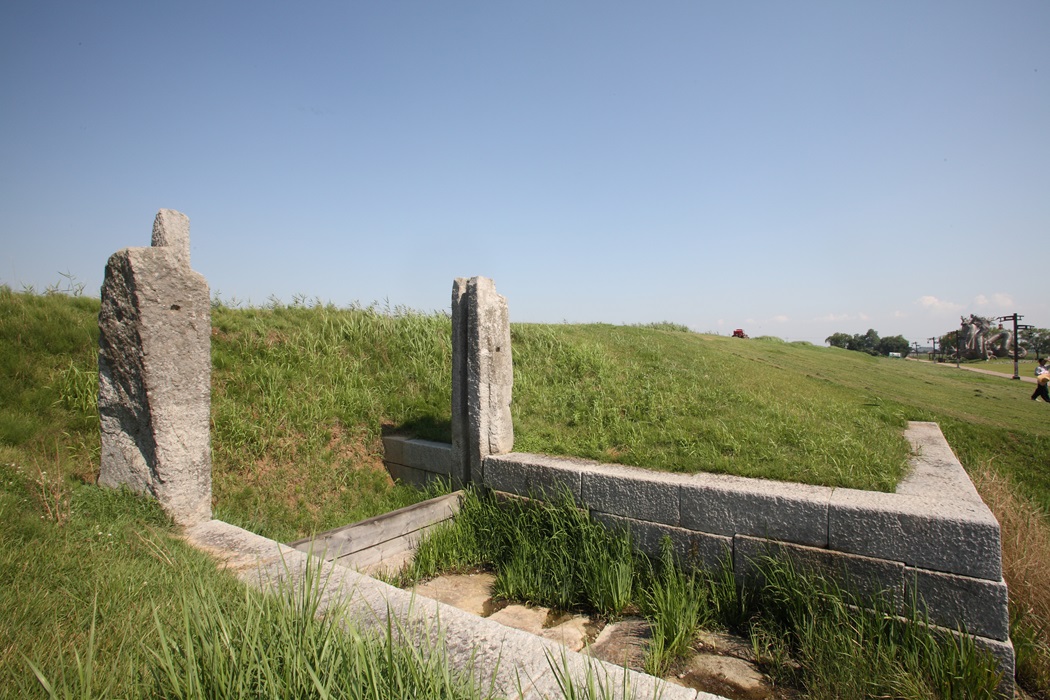
Byeokgolje is Historic Site No. 111. According to Gimje City information, the existing embankment is approximately 3 km long, the total length is 3.3 km, and about 2.6 km remains today. Visiting this ancient reservoir and the Mangyeong fields first helps explain the geographical background of why Gimje, a rice-producing region, became a major setting for Arirang.
This destination is better suited to travelers who want to explore Korea's modern and contemporary history, literature, and agricultural history together than to those seeking an attraction focused primarily on atmosphere. Because it deals with serious themes of colonial exploitation, migration, and the independence movement, families with children may want to briefly explain what the police substation and rice mill symbolize before focusing on the hands-on activities and deciding on a viewing order.
Before You Go
- Address
- 180 Hwachო-ro, Juksan-myeon, Gimje-si, Jeonbuk State
- Hours
- 09:00–18:00
- Closed
- Every Monday and January 1 (if Monday is a public holiday, closed the following day)
- Admission
- Free
- Phone
- 063-540-2926
- Official site
- https://www.gimje.go.kr/byeokgolje/index.gimje?menuCd=DOM_000002005001000000
- Transport
- Gimje City Tour Agricultural Culture Course (Thursdays, Fridays, and Sundays): board at Gimje Station at 10:30, stop at Arirang Literary Village, and get off at Gimje Station at 15:50. Operations inquiries: 063-540-3374
- Parking
- Free parking
- Time needed
- 60–90 minutes (more than 2 hours recommended if including reserved experiences)
- Accessibility
- Detailed official information on wheelchair and stroller routes, accessible facilities, and foreign-language guides could not be confirmed. Calling 063-540-2926 before visiting is recommended.
The information above is accurate as of the time of writing. Check the official guide again before visiting.

Places
Nearby Attractions 3
-
 1
Byeokgolje ReservoirA place to explore the embankment of an ancient reservoir and sites related to agricultural culture
1
Byeokgolje ReservoirA place to explore the embankment of an ancient reservoir and sites related to agricultural culture -
 2
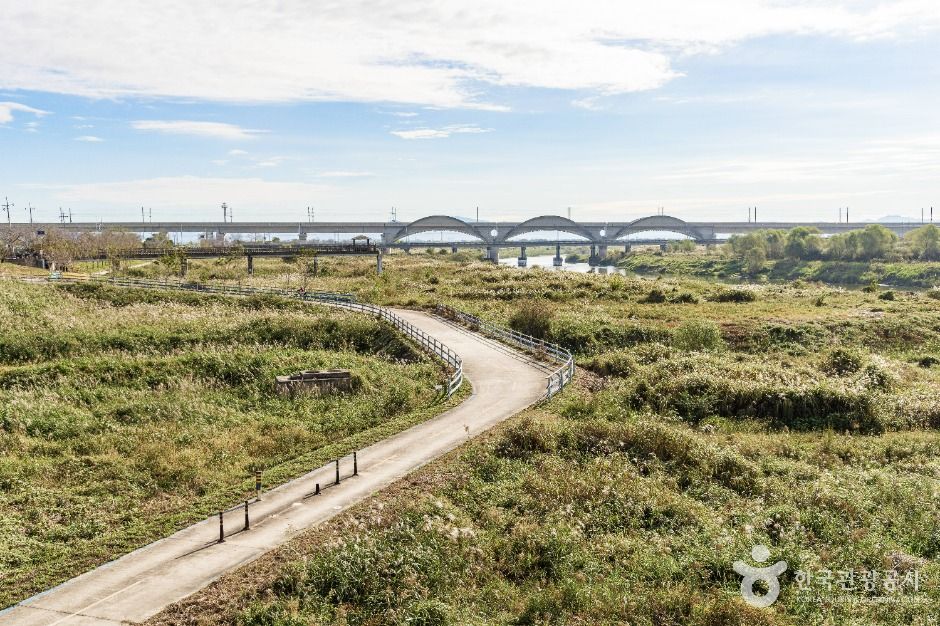
Jo Jeong-rae Arirang Literary MuseumA place exhibiting materials related to the novel “Arirang” and its author, Jo Jeong-rae.
2
Jo Jeong-rae Arirang Literary MuseumA place exhibiting materials related to the novel “Arirang” and its author, Jo Jeong-rae. -
 3
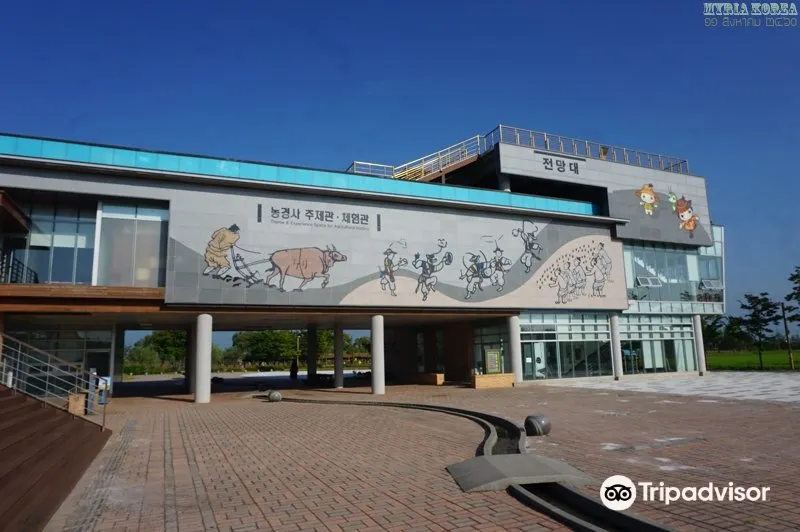
Byeokgolje Agricultural Culture MuseumA museum exploring Gimje’s agricultural history and traditional farming culture
3
Byeokgolje Agricultural Culture MuseumA museum exploring Gimje’s agricultural history and traditional farming culture
Food & Dining 2
-
 4
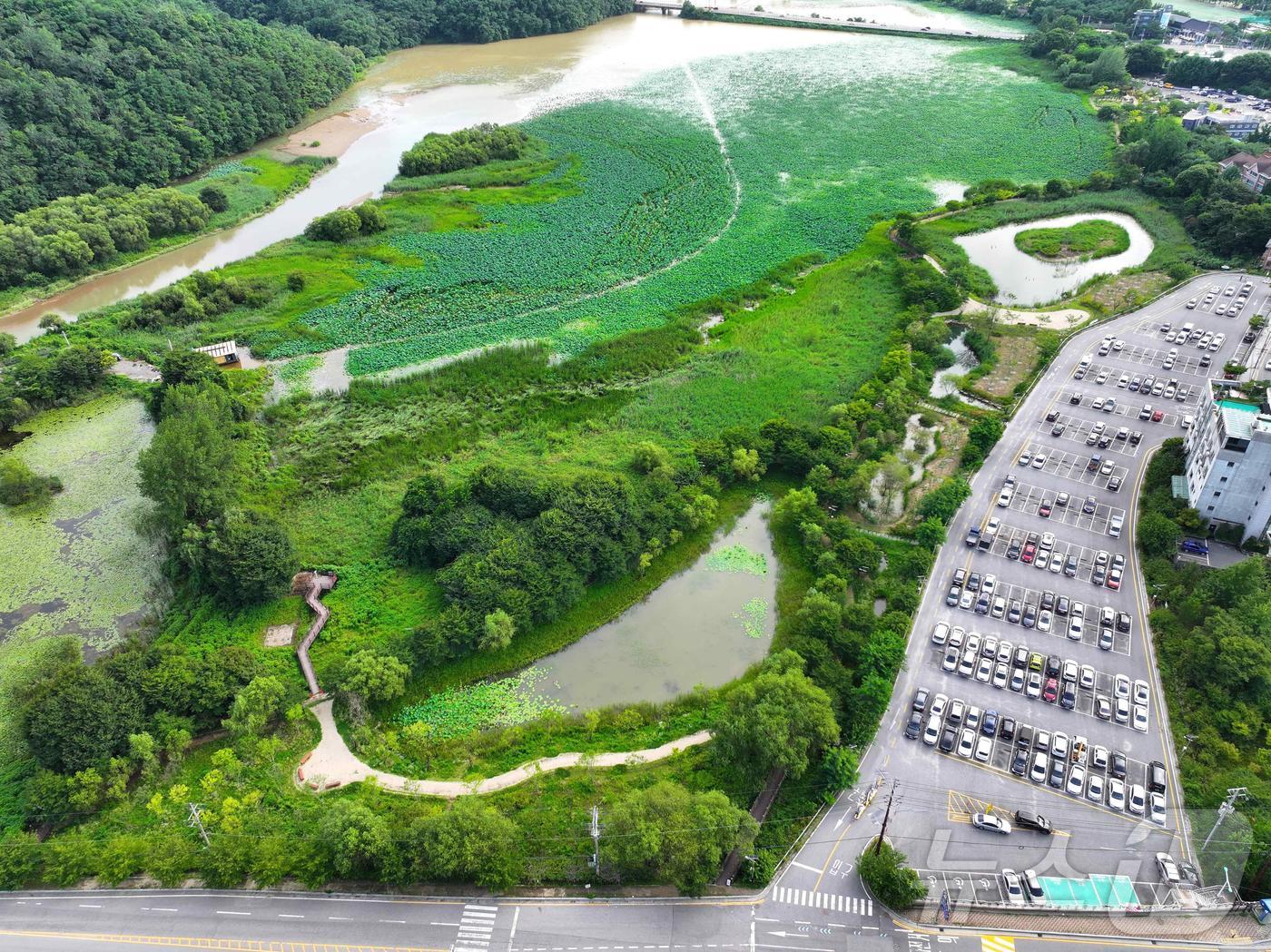
Byeokgolje MatdamteoA Korean restaurant serving black goat hot pot and spicy stir-fried pork, among other dishes.
4
Byeokgolje MatdamteoA Korean restaurant serving black goat hot pot and spicy stir-fried pork, among other dishes. -
 5
5
Events in This Area

Festivals in This Area
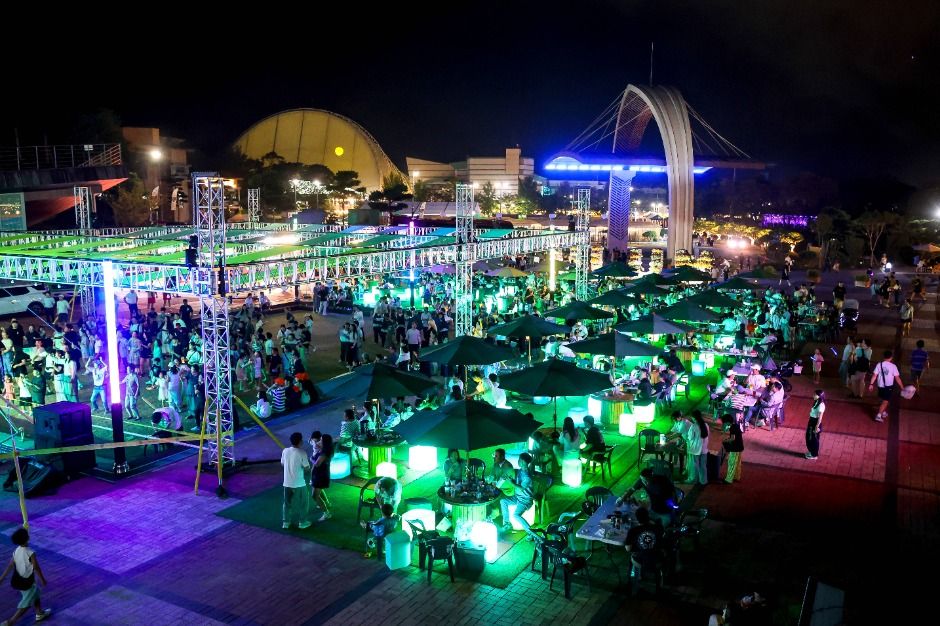

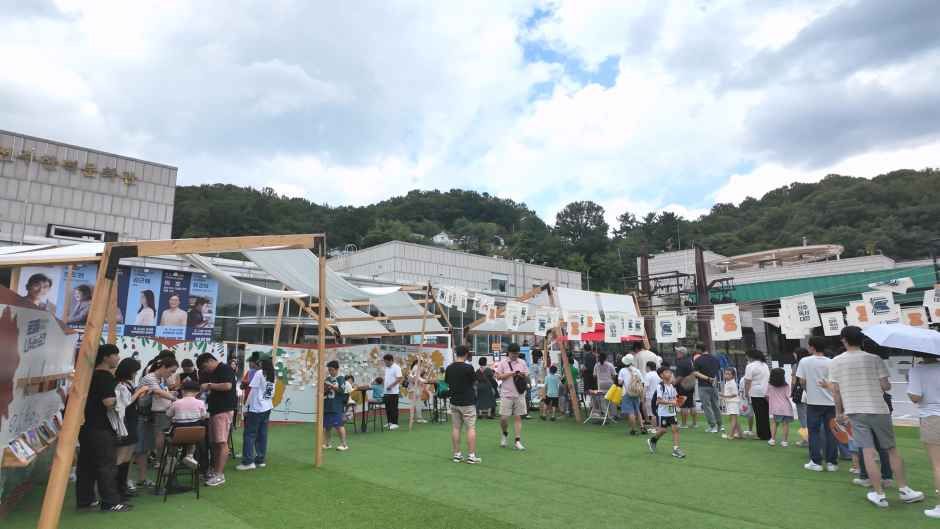
More Travel Guides in This Area
 Travel Guide
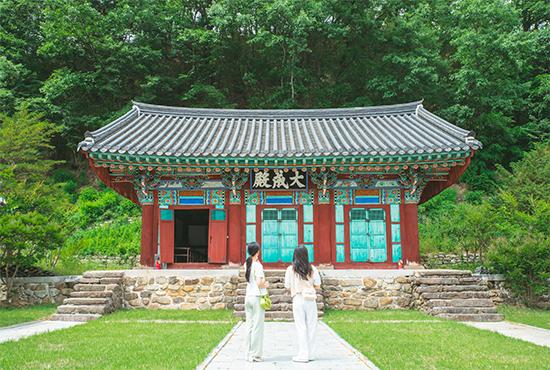
The enshrinement space of Muju Hyanggyo, founded in 1398 and moved twice to escape tigers
 Travel Guide
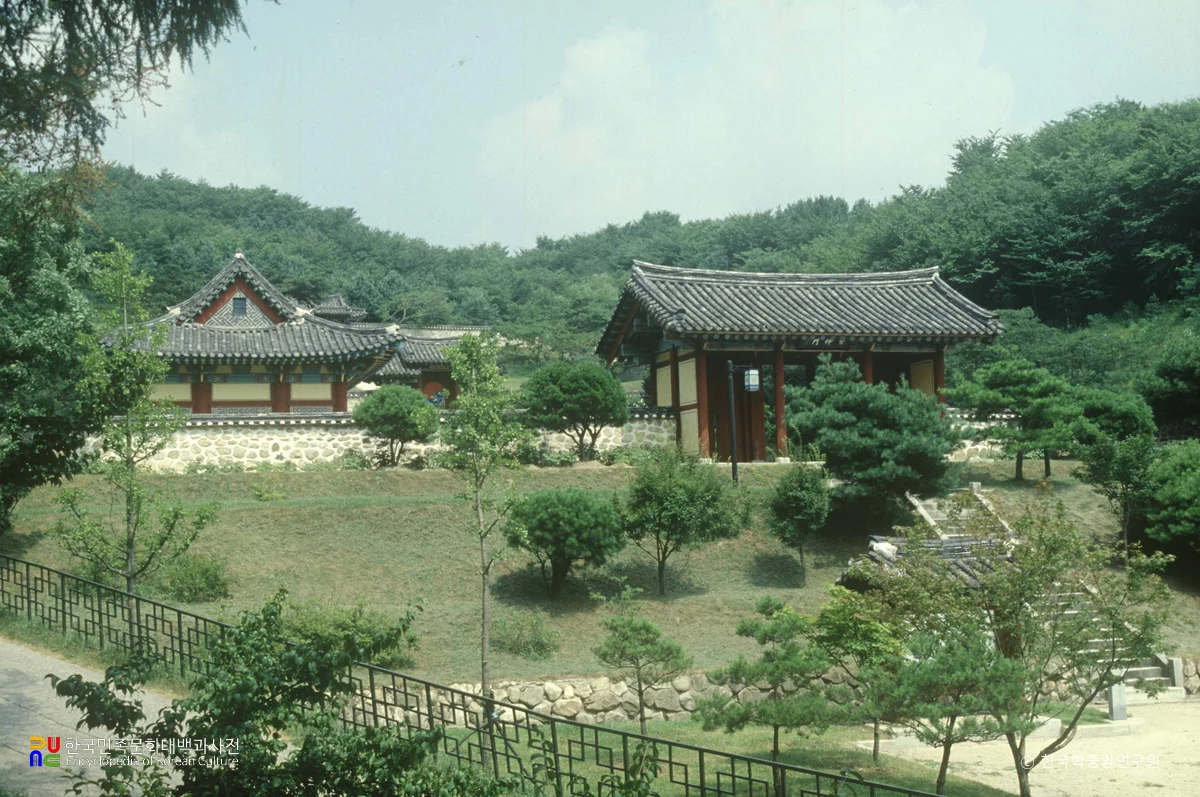
Stone Steps at Jangsu Nongae Shrine Overlooking Uiam Lake and the 1846 Saengjang Hyangsumyeongbi Monument
 Travel Guide
Pansori in Namwon, the City of Chunhyang: National Center for Korean Folk Performing Arts
 Travel Guide
Daedunsan Cable Car, covering 927 m in 5 minutes: the actual route to the front of Geumgang Cloud Bridge
Korea News
![ZEROBASEONE ‘ZEROBASEONE Shining Even at Night!’ [★Video]](https://kotourlive-images.s3.ap-northeast-1.amazonaws.com/news/1786629298196_13d8a4bb_news_075face7-fb4e-402c-b833-25ccaf88cf8f.jpg) News
News
ZEROBASEONE ‘ZEROBASEONE Shining Even at Night!’ [★Video]
 News
News
Kwon Eun-bi, First Comeback Since Moving from Woollim to RBW: “Aiming for a September Release”
 News
News
“Did Jungkook’s connection continue?” Pop star Usher spotted warmly hugging BTS’s RM and J-Hope
 News
News