
Stone Steps at Jangsu Nongae Shrine Overlooking Uiam Lake and the 1846 Saengjang Hyangsumyeongbi Monument
Nongae Shrine is a memorial shrine in Uiam Park, Jangsu-eup, dedicated to a portrait of Uiam Ju Nongae. It embodies a history spanning the construction of the monument in 1846, the shrine’s founding in 1955, and its relocation to the present site in 1974. It can be visited together with the Uiam Lake walking trail, but the stone steps leading to the main hall are steep, so it is best to consider accessibility conditions in advance.
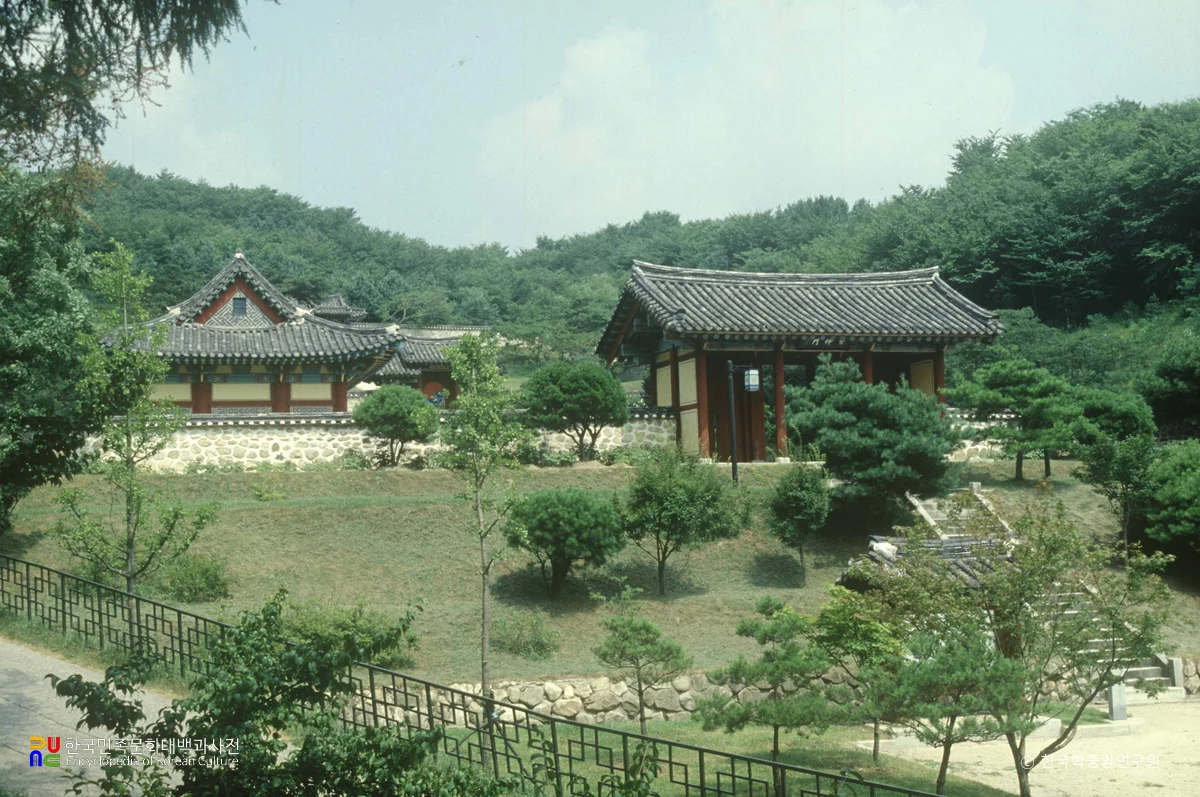

From Jeong Juseok’s 1846 stele to the relocation of Uiamsa in 1974
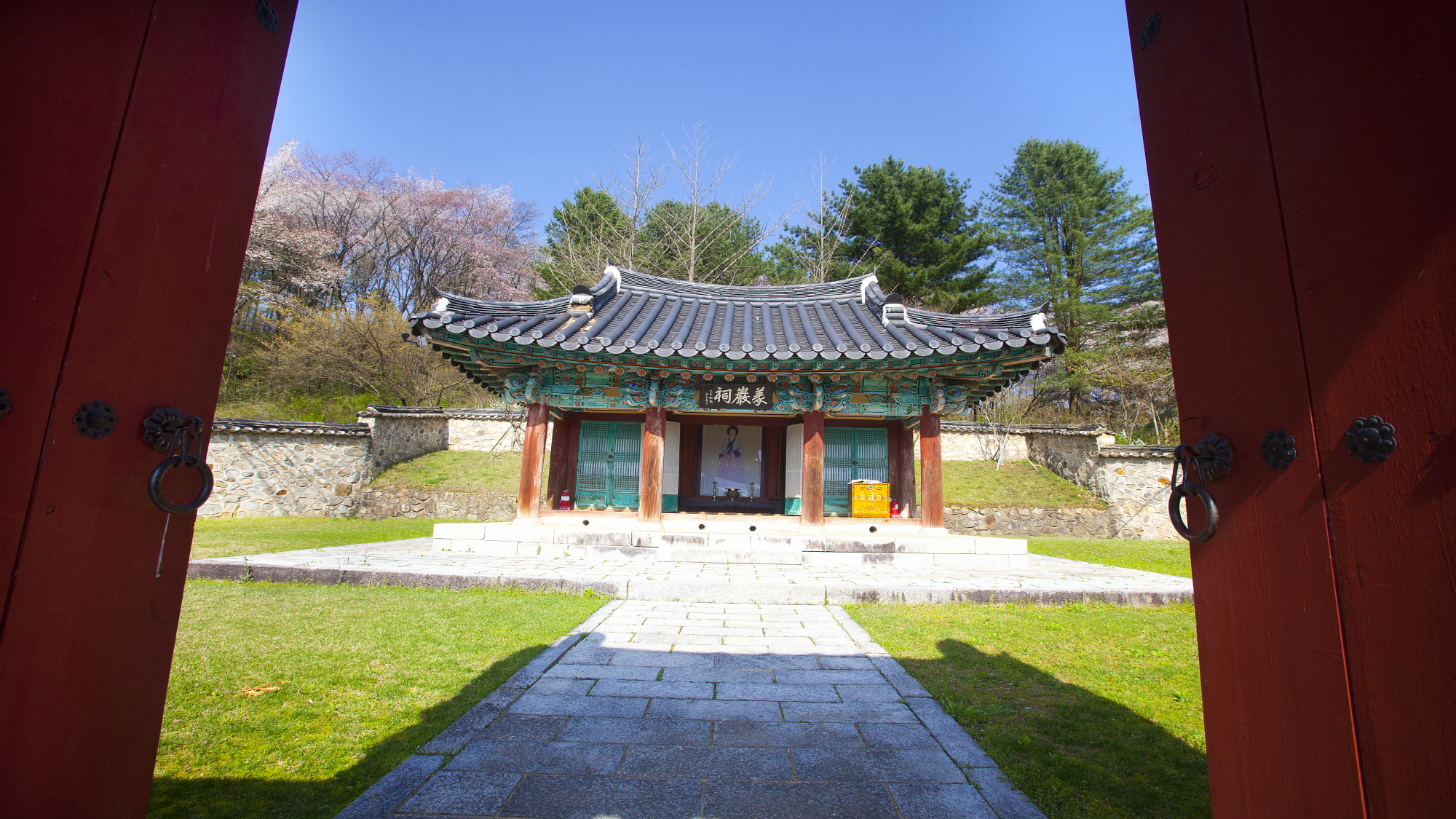
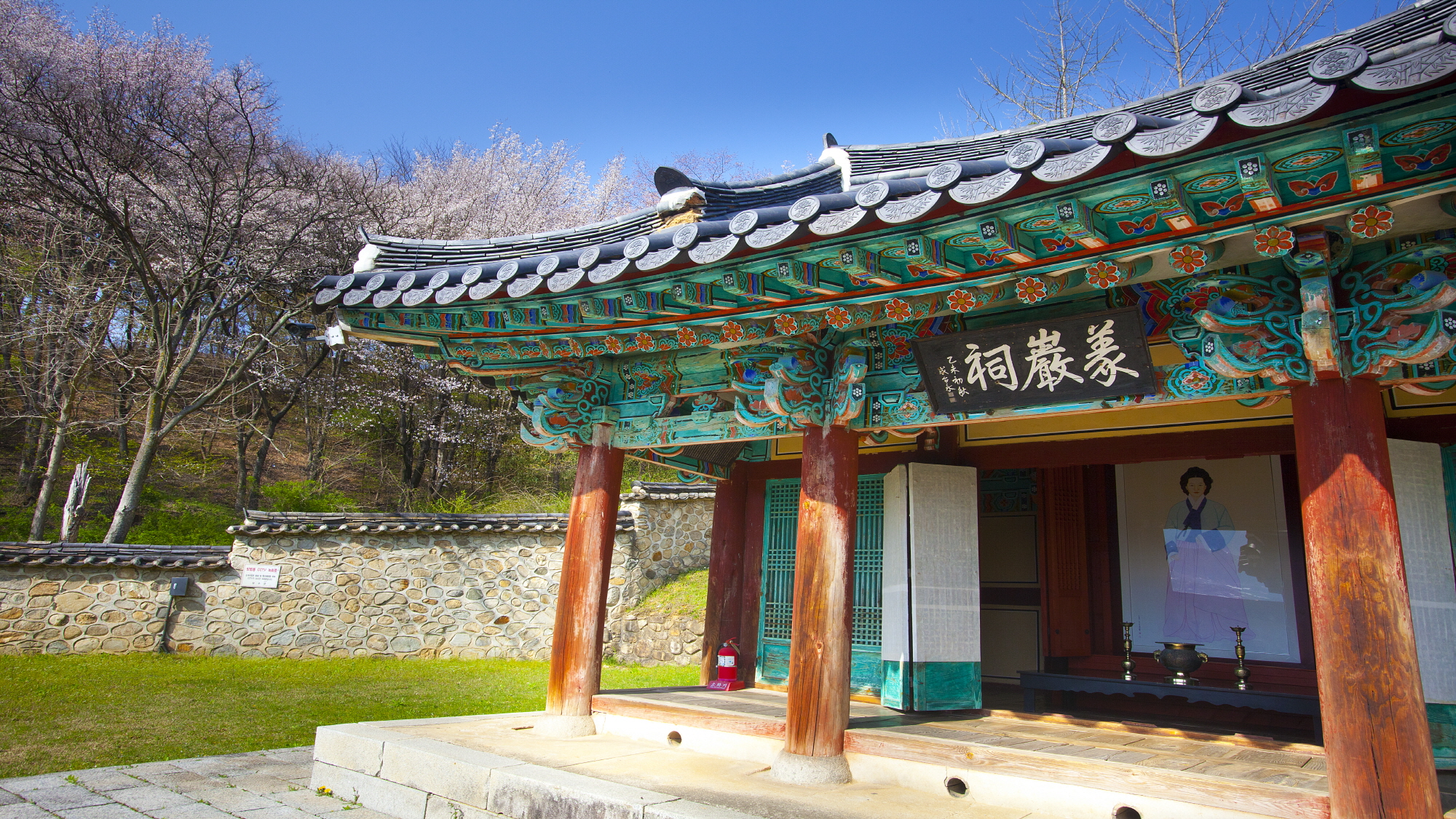
The official name of Nongae Shrine is Uiamsa (義巖祠), a shrine housing a portrait of Uiam Ju Nongae. Official tourism information from Jangsu County describes the starting point of this memorial space as the erection in 1846 by Jeong Juseok, the magistrate of Jangsu-hyeon, of the stele known as the “Stele of the Fragrant Life of the Righteous Courtesan Nongae of Chokseok.” The Encyclopedia of Korean Culture records that the site was designated a Jeonbuk Special Self-Governing Province Monument on April 11, 1981.
The shrine was built on Namsan in Jangsu in 1955 with donations from Jangsu residents, and was moved in 1974, following a project to create a sacred historical site, to the present-day area of Dusan-ri, Jangsu-eup. At that time, the three-gate entrance, walls, manager’s quarters, and plaza were built together, while Uiamru was erected on the site of the former shrine. The “Uiamsa” signboard at Yeongjeonggak was produced based on the calligraphy of Ham Tae-yeong, who was vice president at the time.
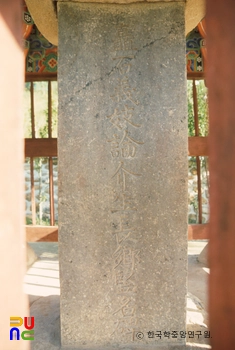
The name “Uiam Ju Nongae,” originating from Uiam beneath Chokseoknu
Jangsu County explains that after Nongae died for her country during the Imjin War at Wiam (危巖), a rock in the Namgang River below Chokseoknu in Jinju, the rock came to be called Uiam (義巖), meaning “righteous rock,” and this became Ju Nongae’s pen name. The Encyclopedia of Korean Culture records Nongae’s ancestral seat as Sinan and describes her as having been born in Jucheon Village, Daegok-ri, Gyaenae-myeon, Jangsu County.
The reason the shrine is located in Jangsu-eup is that although Nongae met her end in Jinju, her birthplace, Jangsu, became the center of her commemoration. After Uiamsa was founded, a memorial grand ceremony was held on July 7, known as the anniversary of Nongae’s martyrdom, and Jangsu County has commemorated this day in connection with Residents’ Day since 1968. The shrine is not merely a building that houses the portrait of one person; it is a place where the Jangsu region has preserved Nongae’s memory through public rites.
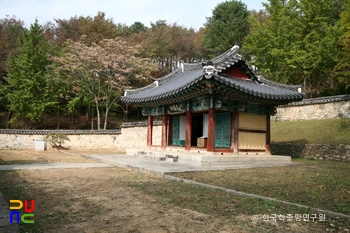
24-hour free admission starting at 41 Nonggaesadang-gil
The address is 41 Nonggaesadang-gil, Jangsu-eup, Jangsu-gun, Jeonbuk Special Self-Governing Province. Jangsu County’s official page lists visiting hours as 00:00–24:00 and indicates that the site is open year-round, so visitors can enter without separate ticketing or an admission fee. For inquiries about facility and park management, contact the Culture and Sports Division of Jangsu County Office at 063-350-2344; heritage-related inquiries can be directed to the National Heritage Team at 063-350-2328.
The official tourism page lists the Tourism Marketing Team of the Tourism Industry Division at Jangsu County Office, 063-350-2358, for information and guided-tour inquiries about Nongae Shrine. The tourist information center operates at the same address from 09:00 to 18:00 and provides Korean, English, and Japanese services; its telephone number is 063-350-1637. If you need information in a foreign language, it is safest to contact the tourist information center before visiting during its operating hours.
- Official website: https://www.jangsu.go.kr/tour/board/view.jangsu?boardId=BBS_0000004&dataSid=191&menuCd=DOM_000000402001006000
- Visiting: 00:00–24:00, open year-round, free
- Park management: 063-350-2344
- Tourist information center: 09:00–18:00, 063-350-1637
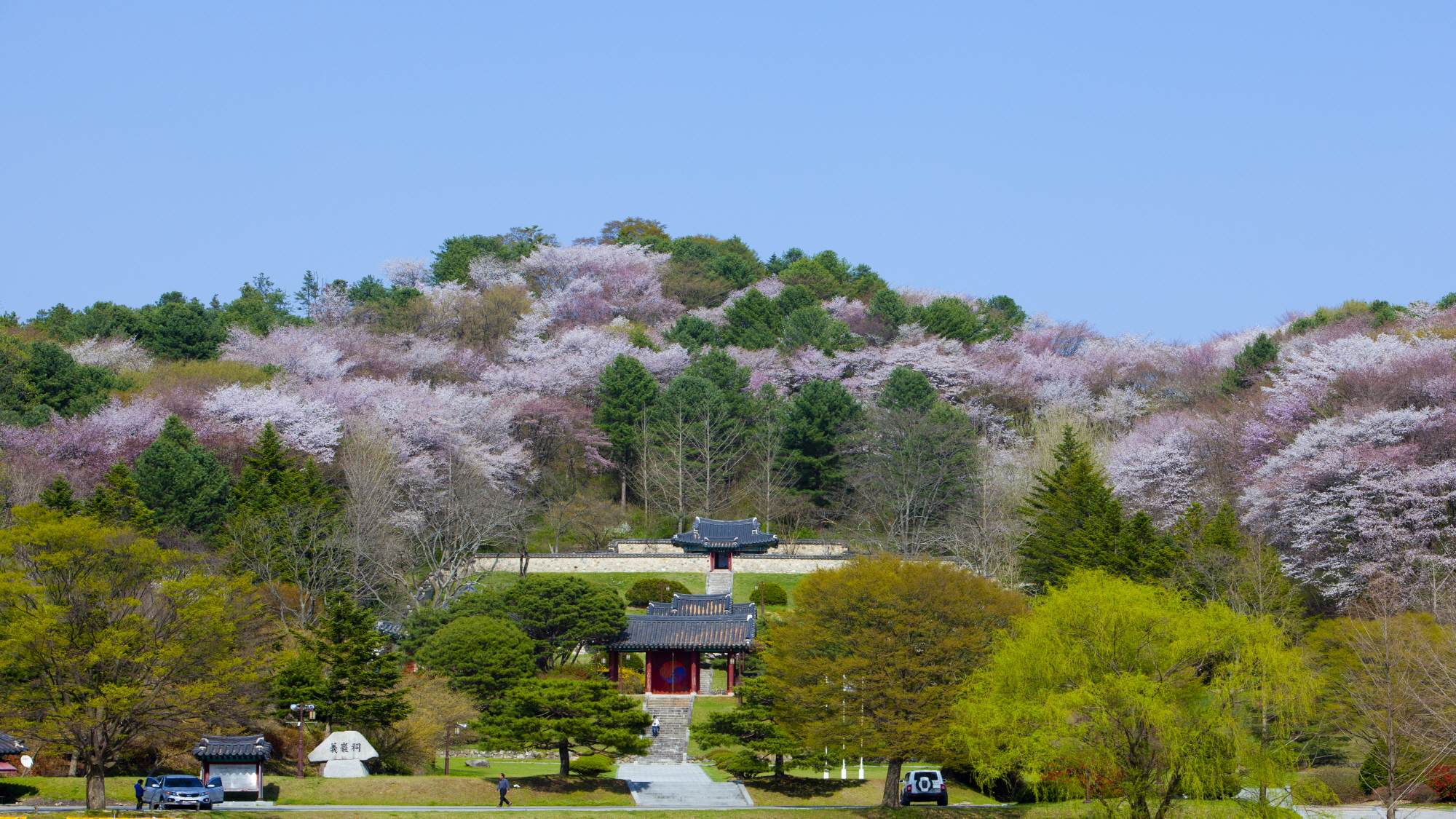
From the parking lot to Uiamsa: assess the stone steps and forest road first
Uiamsa, the main hall of Nongae Shrine, stands at a higher point within the grounds. According to the Korea Tourism Organization’s Accessible Tourism information, the stone steps from the parking lot to the main hall are somewhat steep, while visitors who find the stairs difficult can use the forest road beside the plaza. However, the forest road is also an uphill slope, so it is not an easy section for visitors using wheelchairs or strollers or requiring walking assistance.
The parking lot is available for use, and travel information pages list parking as free. From Jangsu Public Bus Terminal, the walk to Jangsu Nuri Park and Nongae Shrine is described as taking about 15 minutes. Public-transit users can walk from the terminal, but because additional uphill sections are required to reach the main hall, it is advisable to wear shoes with good traction.
From Dusan Reservoir to Uiam Lake: the waterfront and waterside deck
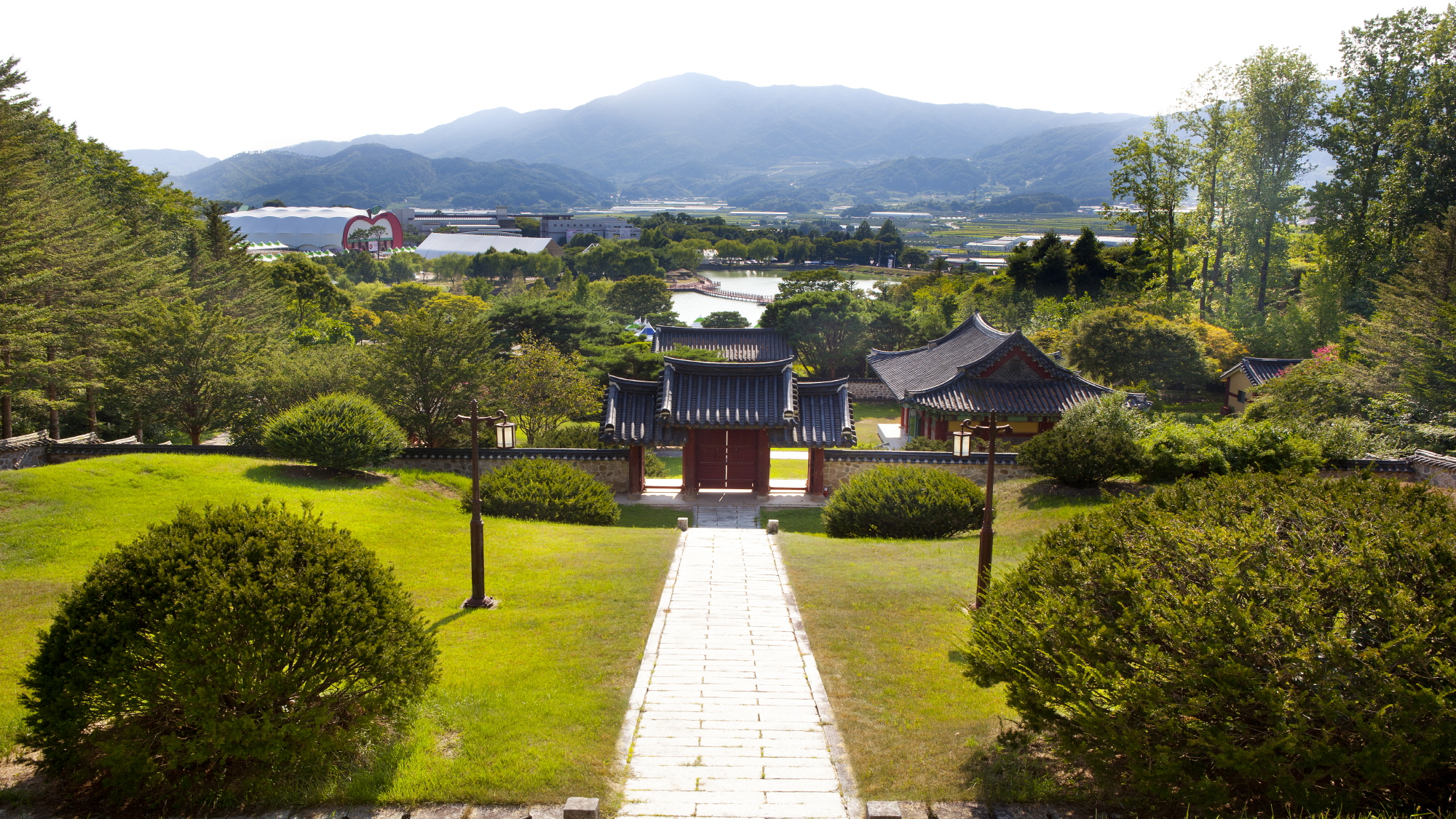
Uiam Lake in front of the shrine is the former Dusan Reservoir, and Jangsu County explains that forests, a waterside deck, and the Ojakgyo Bridge are connected around the lake. Rather than making a quick visit to the main hall alone, follow a route linking the shrine entrance, Yeongjeonggak, and views of Uiam Lake to experience both the historic space and the waterfront scenery.
From the Hannuri Arts Center side across from Uiamsa, visitors can see Uiamsa, Uiamru, and the Tower of Patriotic Spirits aligned in one direction. The Hannuri Arts Center facilities inquiry number is 063-350-2317, and the Uiam Park area is adjacent to an outdoor stage, a multipurpose sports field, a comprehensive sports complex, a swimming pool, a cinema, and performance facilities. The lake deck can be used at night, but visitors should observe appropriate noise levels and photography etiquette in the shrine’s ritual space.
15 minutes from Jangsu Public Bus Terminal: a 60–90-minute route including Uiam Lake
The walk from Jangsu Public Bus Terminal to Nongae Shrine is described as taking about 15 minutes, making it easy to add a short historical visit while in Jangsu-eup. However, there are sloped sections leading to the shrine’s main hall, and if you also walk along the waterside deck of Uiam Lake, an itinerary expecting only a flat stroll will not be realistic. Allow about 40–60 minutes for the main hall and Yeongjeonggak, or around 60–90 minutes if you add a walk around Uiam Lake.
Nearby Jangsu Nuri Park is described as being about a two-minute drive from Nongae Shrine. If you would also like to visit Nongae’s birthplace, you can continue to Nongae’s Birthplace in Daegok-ri, Janggye-myeon; the Korea Tourism Organization presents travel by car between the two locations as an itinerary. The area around Nongae’s birthplace also includes sloped and stone-paved sections, so if you plan to visit both the shrine and birthplace on the same day, decide in advance how quickly you will walk and whether you will use a vehicle.
An itinerary that does not miss Yeongjeonggak, the Nongae Saenghyang Stele, and views of Uiam Lake
For a first visit, it is easiest to understand the site by first viewing the exhibits about Nongae’s life and National Standard Portrait No. 79 in the memorial space at the entrance, then following the stone steps up to Yeongjeonggak and Uiamsa. In the main hall, focus on the portrait, and before descending, take in the view toward Uiam Lake. Since the interior of the shrine is strongly associated with ritual and commemoration, it is best to avoid eating or drinking and speaking loudly.
Connecting the four dates of 1846, when the Nongae Saengjanghyangsumyeongbi was erected; 1955, when the shrine was built; 1974, when it was relocated; and 1981, when it was designated a monument, reveals on site how the region has commemorated this figure, rather than presenting the place as merely a scenic park. To preview the route by video, refer to Jangsu County’s YouTube video “Nongae Shrine, Jangsu-eup, Jangsu County” and KBS Travel’s “The Spirit of Nongae at Jangsu Nongae Shrine.”
Before You Go
- Address
- 41 Nonggaesadang-gil, Jangsu-eup, Jangsu-gun, Jeonbuk Special Self-Governing Province
- Hours
- 00:00–24:00
- Closed
- Open year-round
- Admission
- Free
- Phone
- 063-350-2344
- Official site
- https://www.jangsu.go.kr/tour/board/view.jangsu?boardId=BBS_0000004&dataSid=191&menuCd=DOM_000000402001006000
- Transport
- About a 15-minute walk from Jangsu Public Bus Terminal
- Parking
- Available, free
- Time needed
- 40–60 minutes focusing on the main hall; 60–90 minutes including a walk around Uiam Lake
- Accessibility
- The tourist information center provides Korean, English, and Japanese services (09:00–18:00). There are steep stone steps from the parking lot to the main hall, and the forest road beside the plaza is also an uphill slope, restricting wheelchair and stroller access.
The information above is current as of the time of writing. Check the official information again before visiting.

Places
Nearby Attractions 3
-
 1
1
-
 2
2
-
 3
3
Food & Dining 3
-
 4
4
-
 5
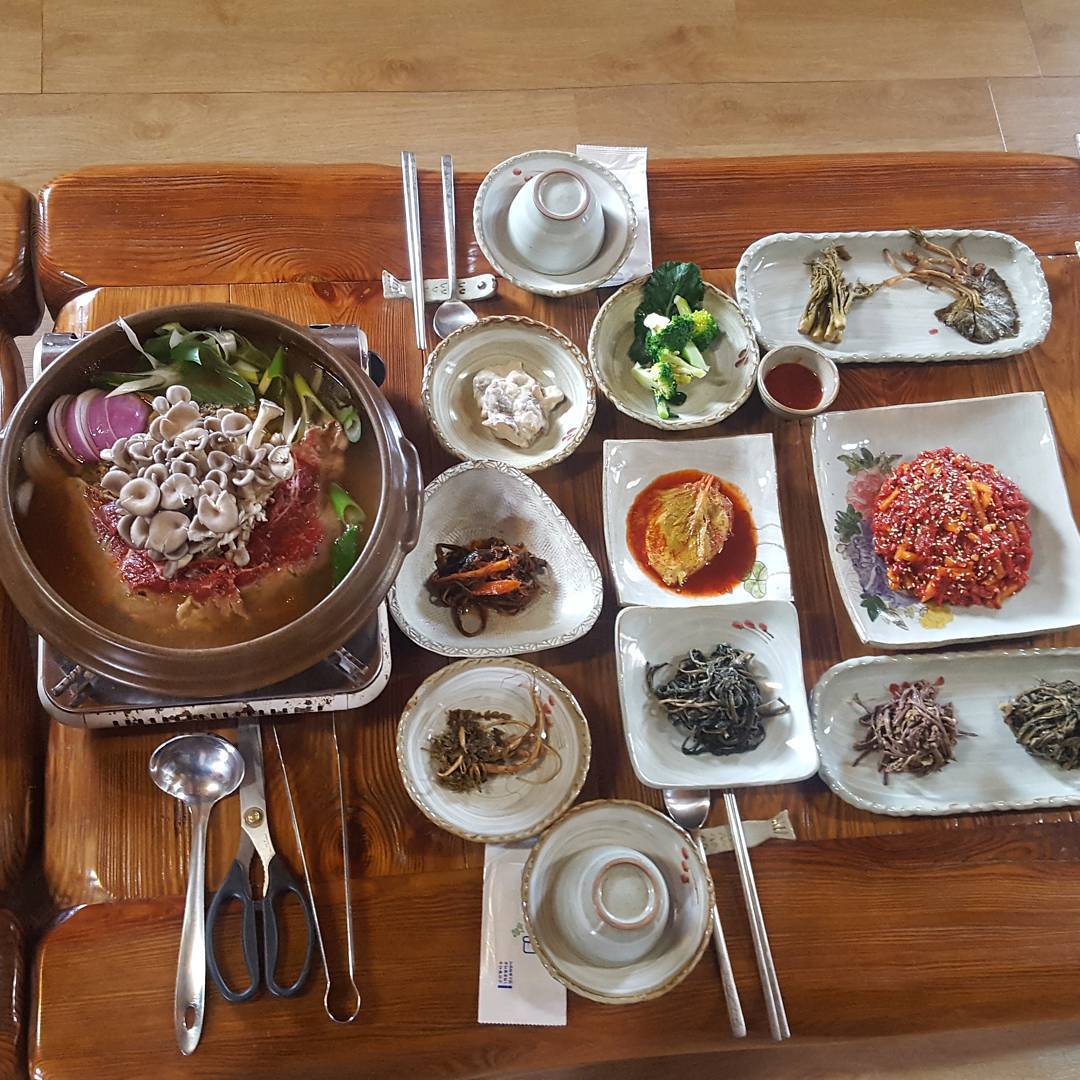
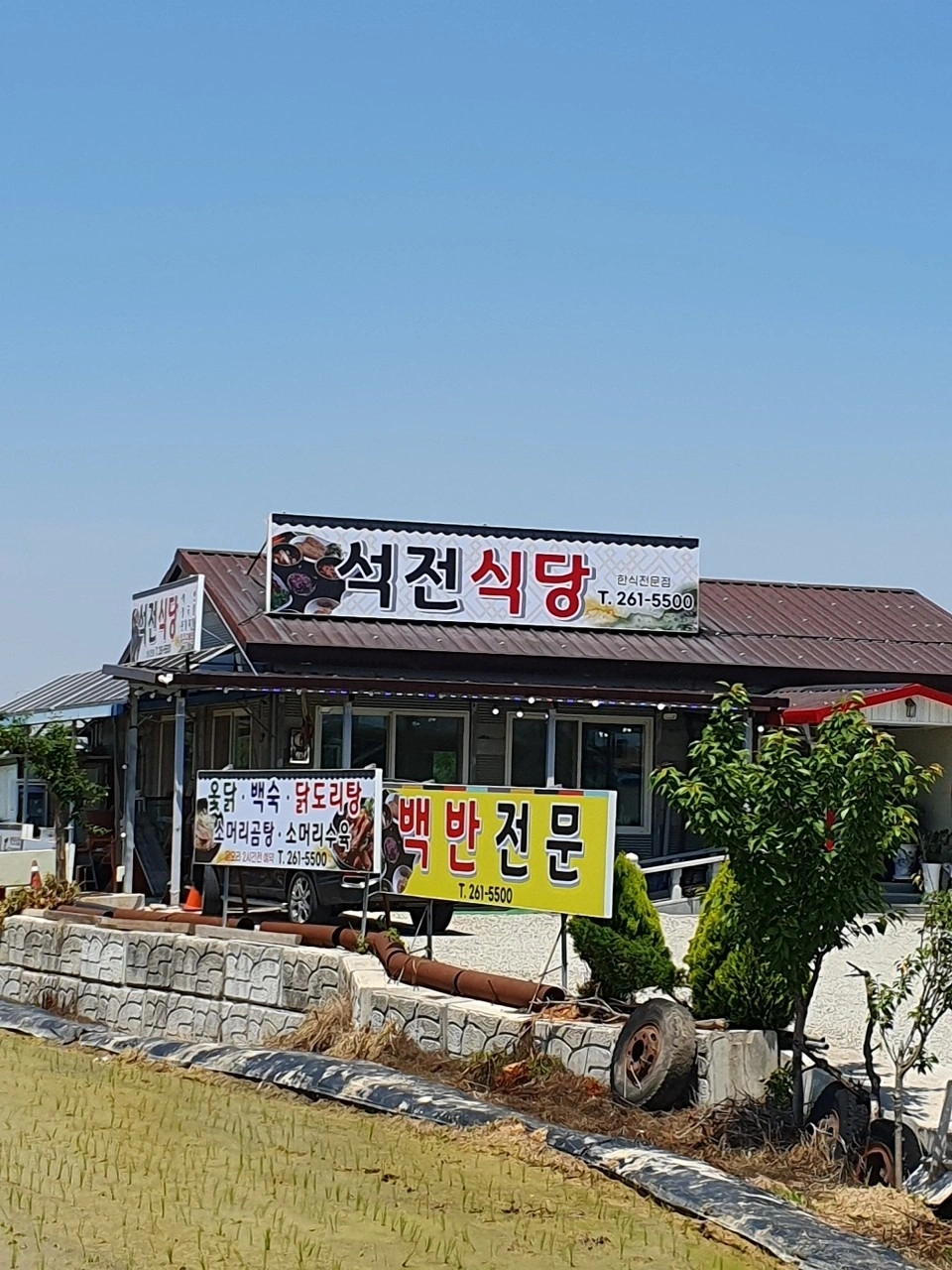
Sambong GardenEnjoy boiled black goat meat, black goat hot pot, and duck baeksuk (herbal duck soup).
5
Sambong GardenEnjoy boiled black goat meat, black goat hot pot, and duck baeksuk (herbal duck soup). -
 6
6
Events in This Area

Festivals in This Area

More Travel Guides in This Area
 Travel Guide
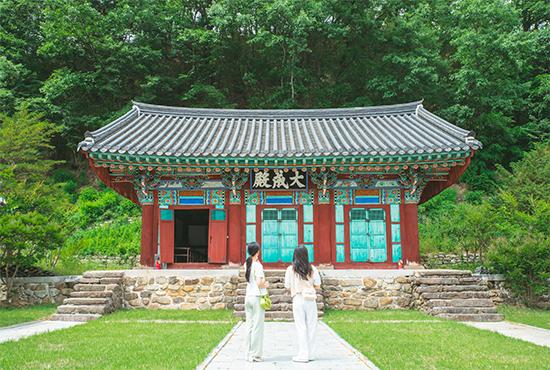
The enshrinement space of Muju Hyanggyo, founded in 1398 and moved twice to escape tigers
 Travel Guide
Pansori in Namwon, the City of Chunhyang: National Center for Korean Folk Performing Arts
 Travel Guide
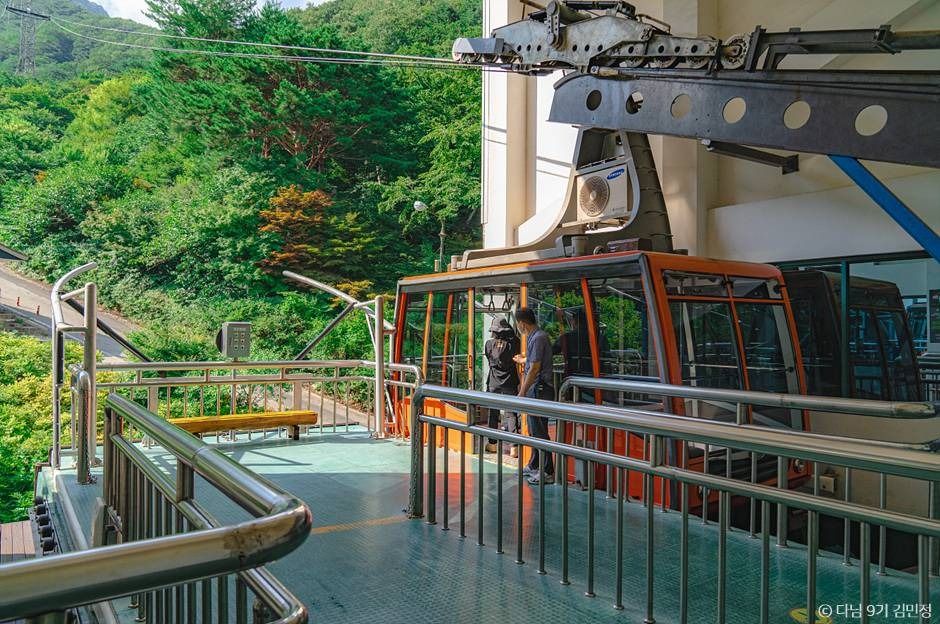
Daedunsan Cable Car, covering 927 m in 5 minutes: the actual route to the front of Geumgang Cloud Bridge
 Travel Guide
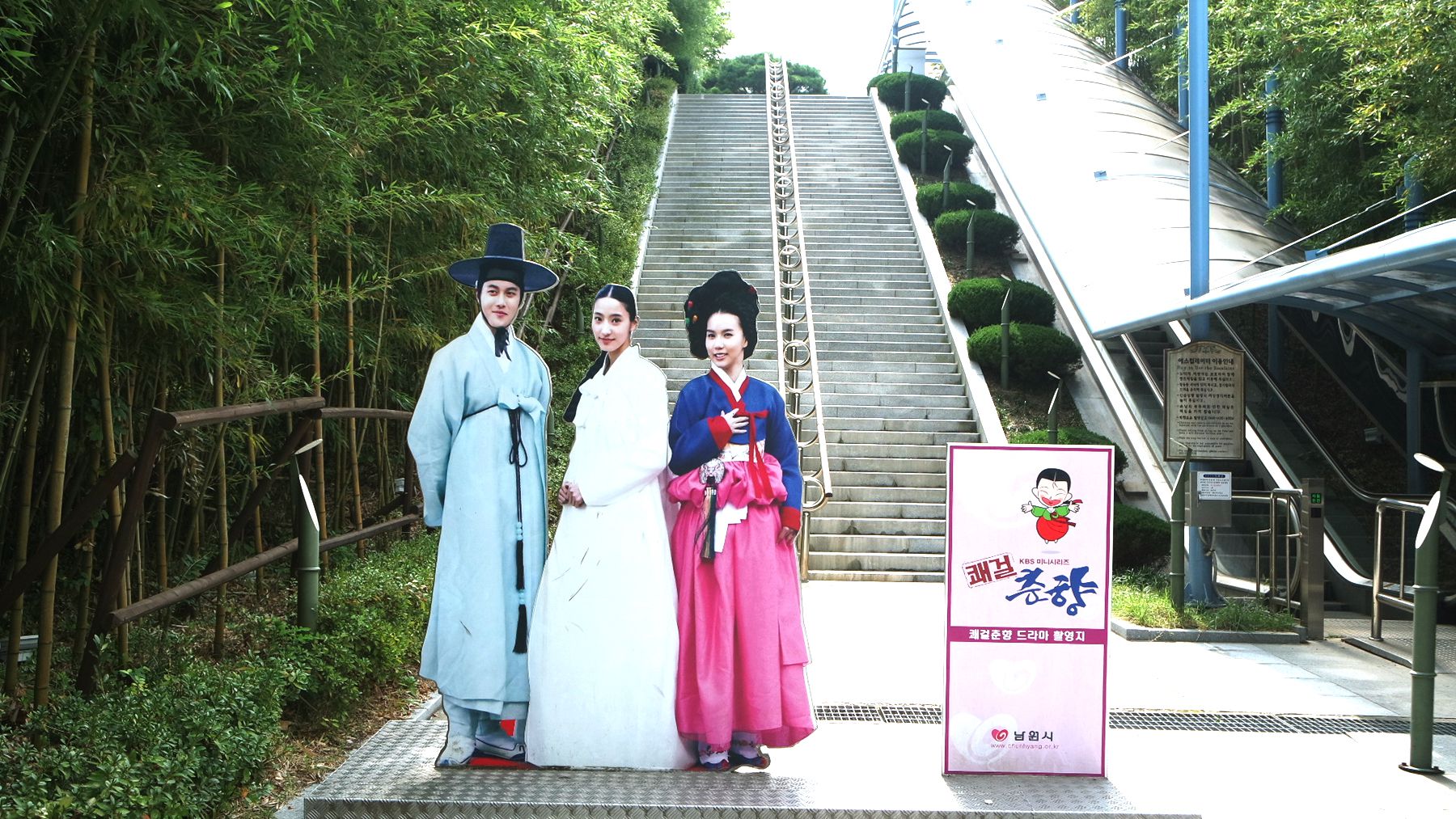
Namwon Chunhyang Theme Park, where five scenes from The Tale of Chunhyang unfold across a 35,000-pyeong hillside
Korea News
![ZEROBASEONE ‘ZEROBASEONE Shining Even at Night!’ [★Video]](https://kotourlive-images.s3.ap-northeast-1.amazonaws.com/news/1786629298196_13d8a4bb_news_075face7-fb4e-402c-b833-25ccaf88cf8f.jpg) News
News
ZEROBASEONE ‘ZEROBASEONE Shining Even at Night!’ [★Video]
 News
News
Kwon Eun-bi, First Comeback Since Moving from Woollim to RBW: “Aiming for a September Release”
 News
News
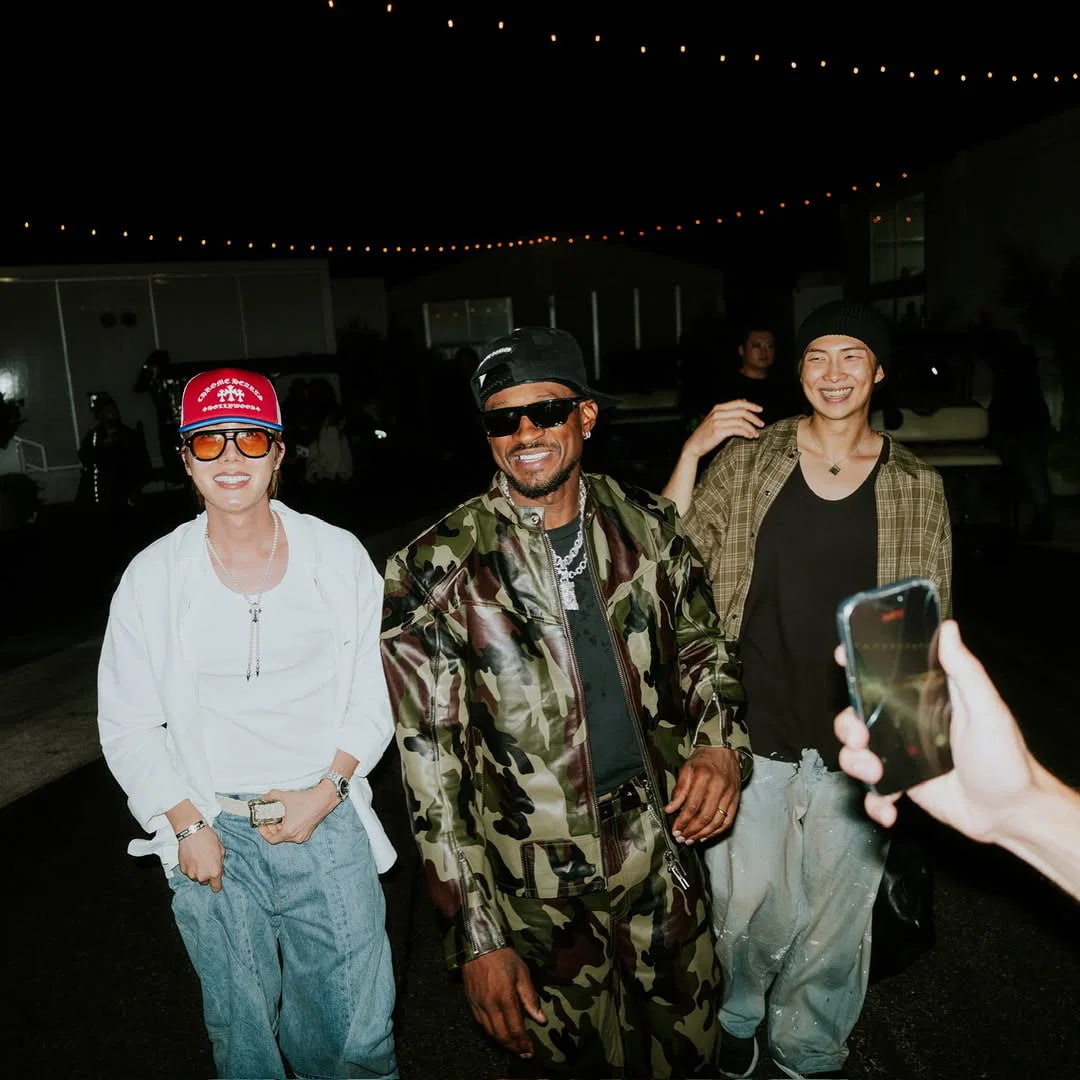
“Did Jungkook’s connection continue?” Pop star Usher spotted warmly hugging BTS’s RM and J-Hope
 News
News