
Reading a Thousand Years of Celadon Color, Beginning at the Yucheon-ri Kiln Site
Buan Celadon Museum is a specialized museum visited alongside the kiln sites in Yucheon-ri, Boan-myeon, once a production center for inlaid celadon in the mid-Goryeo period. Its exhibition building’s authentic artifacts, displays on the production process, 4D video, hands-on spaces, and outdoor historic site park are connected along one route, helping visitors understand how celadon was made and transported to the capital, Gaegyeong.
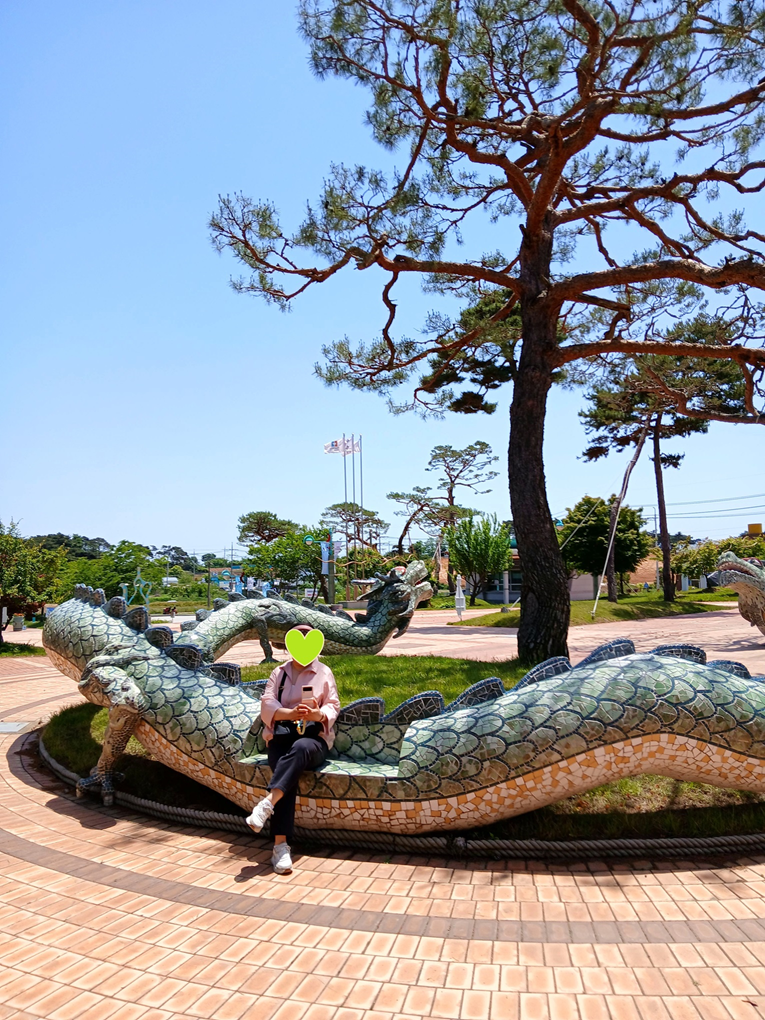

April 2011: Buan Celadon's History Reopens at the Former Yucheon Elementary School Site
Buan Celadon Museum is located at 1493 Cheongja-ro, Boan-myeon, Buan-gun, Jeonbuk Special Self-Governing Province. It opened in April 2011 on the site of the former Yucheon Elementary School to preserve and exhibit the heritage of the Yucheon-ri area, once a center of celadon production during the mid-Goryeo period. The building's exterior is presented as a representation of a jade-green celadon teacup, and the museum is a Class 1 specialized museum comprising an exhibition building, an experience building, and an outdoor historical site park.
The reason this is not simply a ‘place that exhibits celadon’ is that actual traces of Goryeo celadon production remain around the museum. The Yucheon-ri kiln site was first reported to academia in 1929 and designated Historic Site No. 69 in 1963. Buan's celadon-producing area was close to the Gomso area, where Anheungchang granary was located, and had access to the waterways of the Yellow Sea, giving it favorable conditions for transporting products to Gaegyeong, the Goryeo capital.
The Yellow Sea Waterway Along Which Inlaid Celadon Traveled from Yucheon-ri to Gaegyeong
Goryeo celadon developed in the first half of the 12th century into jade-green celadon distinguished by its blue-green color. From the middle of the 12th century, the inlay technique became established: patterns were carved out and then filled with clay of another color. Along with Gangjin, the Yucheon-ri kiln site is a key production area for understanding mid-Goryeo celadon, and the road name Cheongja-ro is also connected to the history of jade-green and inlaid celadon made in this area.
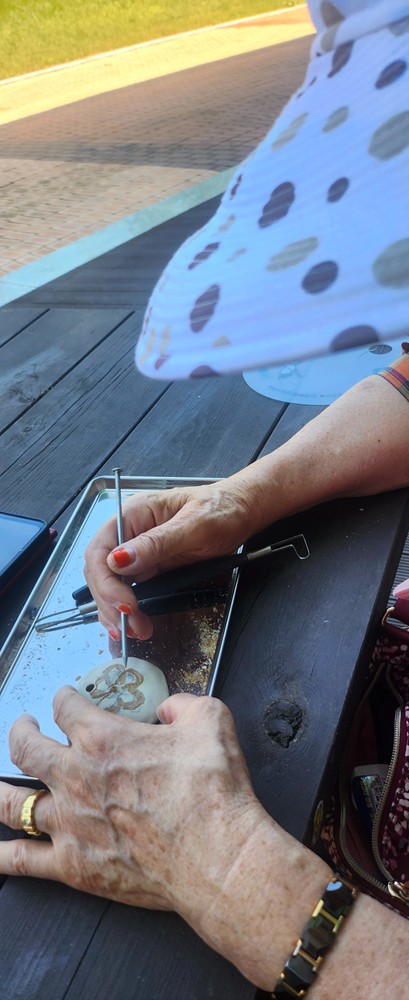
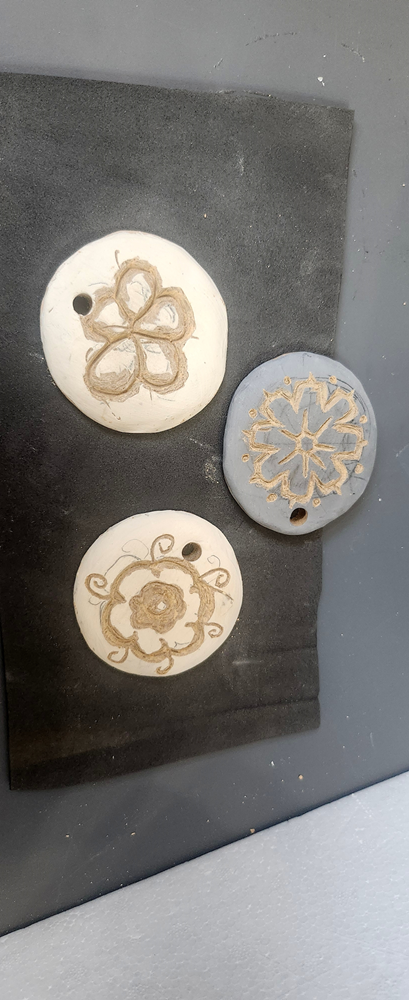
On the first floor, visitors can examine the production process, from preparing and shaping the clay through inlaying, glazing, and firing. Open Tourism guidance introduces a celadon-making room, a celadon experience room, and a 4D special video theater covering the story of transporting inlaid celadon made in Buan to Gaegyeong. Broken artifacts discovered on the seabed and during the Saemangeum reclamation and fishing activities are also displayed, allowing visitors to understand from the exhibition context that sea transport was an actual distribution route.
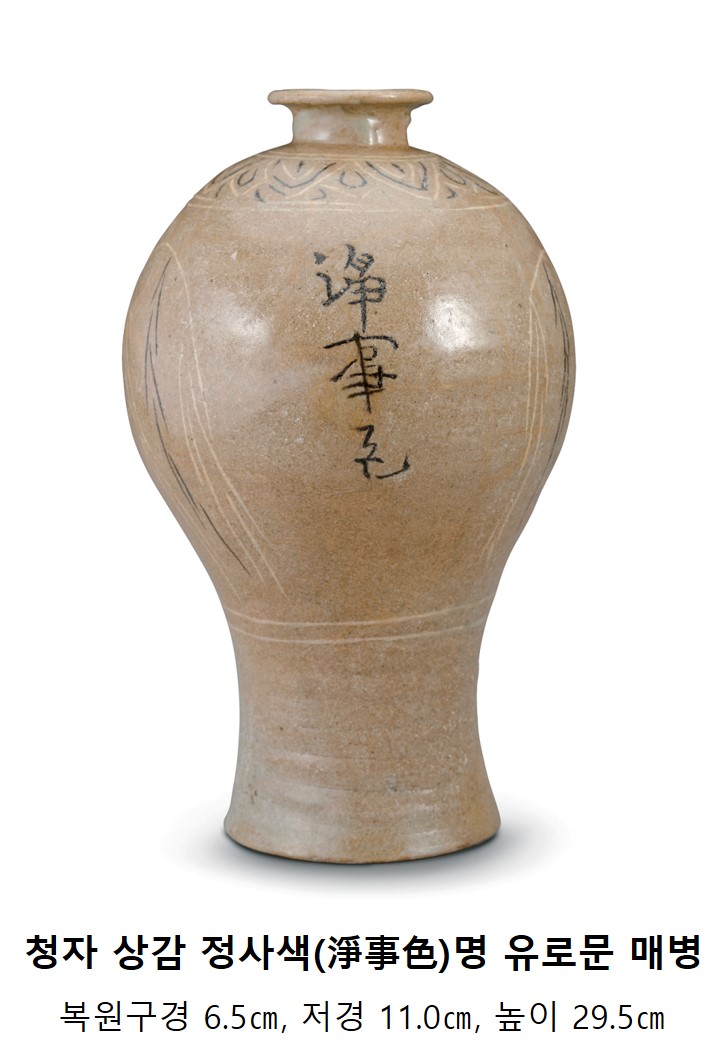
Viewing the ‘Jeongsa-saek-Inscribed Yuro-mun Maebyeong,’ Jeonbuk Tangible Cultural Heritage No. 284
The artifact that deserves particular attention in the exhibition is the ‘Celadon Inlaid Jeongsa-saek-Inscribed Yuro-mun Maebyeong.’ This maebyeong, a plum-shaped celadon vase in the collection of Buan Celadon Museum, was designated Jeollabuk-do Tangible Cultural Heritage No. 284 in 2021 and is introduced as the first tangible cultural heritage designation in Jeonbuk for a ceramic object. The inscription ‘Jeongsa-saek,’ the inlaid patterns, and the proportions of the maebyeong are regarded as evidence connecting stylistic changes in official-office-name celadon from the late 14th century through the first quarter of the 15th century.
In the Celadon Masterpieces Room on the second floor, it is useful to view complete artifacts alongside excavated fragments and distinguish between ‘the beauty of finished objects’ and ‘evidence from the production site.’ Comparing the lines of the inlaid patterns, the color beneath the glaze, and the cross-sections of the foot and fragments makes it easier to understand specifically why the Yucheon-ri kiln site is regarded as a production area for high-quality celadon. Before viewing, scan the QR code beside the name of an exhibit with a mobile phone camera to access videos with Korean Sign Language, Korean subtitles, and Korean voice commentary.
Check the Seasonal Closing Times and Monday Closure Before the 10:00 Opening
Admission to Buan Celadon Museum is free, and the main telephone number is 063-580-3964. Summer hours are 10:00–18:00, while winter hours are 10:00–17:00. The museum is closed every Monday, January 1, Lunar New Year's Day, and the day of Chuseok, so it is safest to check the official website again before departure, including whether a Monday coincides with a public holiday.
The official website is https://www.buan.go.kr/buancela/index.buan. Allowing approximately 60–90 minutes is suitable for the exhibitions alone, while 90–120 minutes is appropriate if you include the outdoor historical site park and the making and video content. Ceramic experiences may vary depending on the program, materials, and group size, so once your visit date is set, it is best to call 063-580-3964 first to ask about availability and group reservation requirements.
- Summer: 10:00–18:00
- Winter: 10:00–17:00
- Admission: Free
- Closed: Every Monday, January 1, Lunar New Year's Day, and the day of Chuseok
- Inquiries: 063-580-3964
An Accessible Route Beginning at the Ramp Behind the Accessible Parking Spaces
For travel by car, enter ‘1493 Cheongja-ro, Boan-myeon, Buan-gun, Jeonbuk Special Self-Governing Province’ or the coordinates 35.611622, 126.651420 into your navigation system. The route toward Julpo IC introduced in official tourism guidance proceeds from Julpo IC toward Byeonsan and Julpo, passes Cheonbaesan Entrance Intersection, Julpo Middle School Three-Way Intersection, and Yeongjeon Intersection, and then enters Cheongja-ro. Parking is available on the museum grounds.
Open Tourism guidance states that wheelchair and stroller users can park in the area behind the accessible parking spaces and reach the entrance via a ramp. An official visitor review also records an instance in which a visitor with limited mobility received assistance to travel by wheelchair to the parking lot. However, the outdoor historical site park may be affected by weather and ground conditions, so on rainy days it is better to plan a route focused on the indoor exhibitions and ask on site which areas are accessible.
Travel After Buan Bus Terminal: A Day Combining Naesosa Temple and Gomso Port
The museum is not within walking distance of a railway or subway station, so for visitors from outside the area, the practical approach after arriving at Buan Intercity Bus Terminal is to combine a rental car, taxi, or the county bus timetable for the day. Buan-gun's Culture and Tourism website provides separate timetables for county buses and Masil buses, so you should check whether services operate on your travel date. Tourism guidance also states that intercity buses run from Seoul Express Bus Terminal to Buan, but schedules can change frequently, so plan according to the terminal's booking screen.
After a short visit to the museum, you can connect it with Naesosa Temple and Gomso Port. The Yucheon-ri kiln site is near Naesosa Temple, while the area around Gomso Port is described as the location of Anheungchang, a grain transport warehouse during the Goryeo period. Accordingly, a natural itinerary would be to learn about production technology and distribution at the museum in the morning, then travel to Naesosa Temple or Gomso Port in the afternoon to connect the cultural and coastal scenery of the southwestern Byeonsan Peninsula. If using only public transportation, it is better to budget for taxi travel time rather than trying to fit too many places into one day because of the intervals between services.
‘Indoor Exhibitions and Experiences’ Repeated in Visitor Reviews—Who Is It Suitable For?
Official visitor reviews from May 2024 mentioned that a dragon sculpture made from celadon pieces, reading materials and exhibition spaces, and viewing the artworks were impressive. Another official visitor review recorded that the museum was chosen as an indoor sightseeing destination because of the hot weather and a family member with difficulty walking, as well as an experience receiving wheelchair assistance. This means it is well suited to an indoor cultural itinerary in summer or rainy weather, and families with children can allocate time to the production process, experience room, and 4D video.
Conversely, visitors expecting the volume of exhibitions or regularly available experiences found at a large national museum should check the programs in advance. The museum's strength lies less in surveying all of Goryeo celadon in a short time than in connecting the Yucheon-ri kiln site as a production setting with inlaid celadon artifacts in one place. Travelers who are not familiar with Korean can use sign-language, subtitle, and voice QR commentary, as well as the AR, quiz, and puzzle features in the museum app. It is advisable to call ahead to confirm the availability of detailed foreign-language guidance.
Before You Go
- Address
- 1493 Cheongja-ro, Boan-myeon, Buan-gun, Jeonbuk Special Self-Governing Province
- Hours
- Summer 10:00–18:00 / Winter 10:00–17:00
- Closed
- Every Monday, January 1, Lunar New Year's Day, and the day of Chuseok
- Admission
- Free
- Phone
- 063-580-3964
- Official site
- https://www.buan.go.kr/buancela/index.buan
- Transport
- The museum is not within walking distance of a railway or subway station. After Buan Intercity Bus Terminal, combine a rental car or taxi with the county bus and Masil bus timetables on the Buan-gun Culture and Tourism website.
- Parking
- Available. The entrance can be reached via a ramp from the area behind the accessible parking spaces.
- Time needed
- 60–90 minutes for exhibitions; 90–120 minutes including the outdoor historical site park and making and video content
- Accessibility
- The entrance can be reached via a ramp near the accessible parking spaces. Exhibit QR commentary supports Korean Sign Language, Korean subtitles, and Korean voice narration. Inquire before visiting about foreign-language guidance.
The information above is accurate as of the time of writing. Check the official guidance again before visiting.

Places
Nearby Attractions 3
-
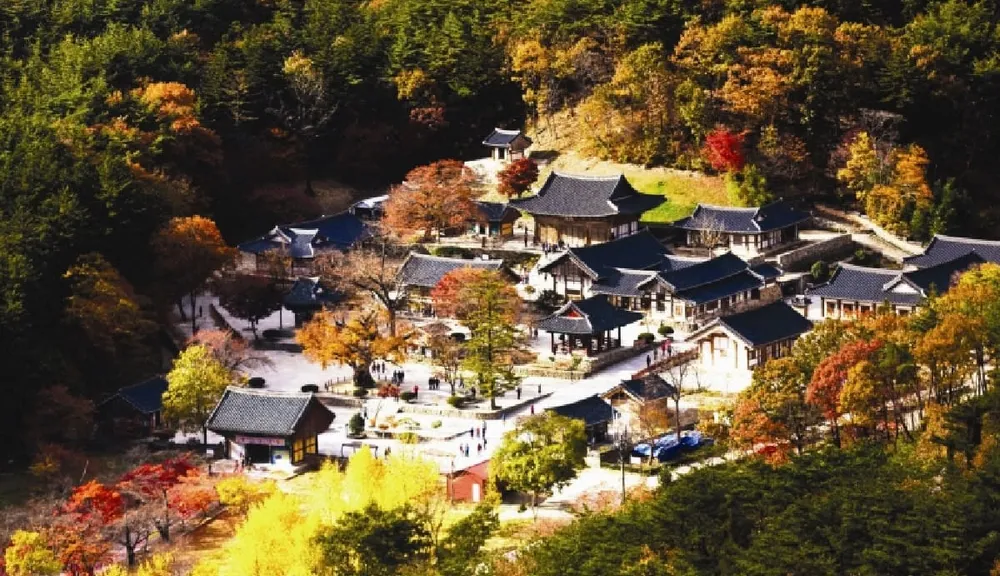 1
1
-
 2
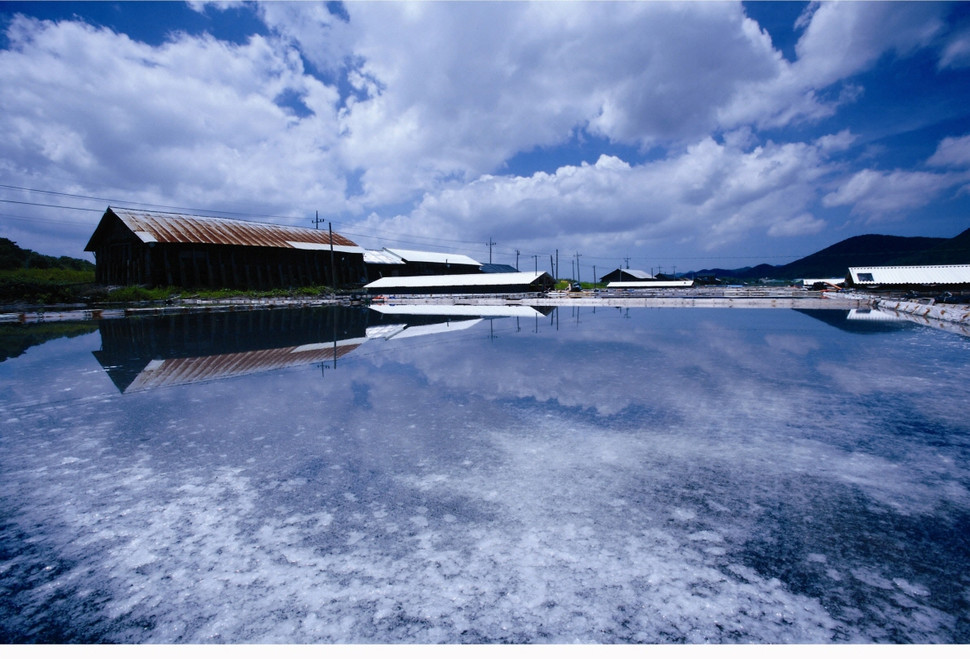
Gomso Salt FarmA place where you can stroll while taking in the salt farm scenery and observing the salt production process.
2
Gomso Salt FarmA place where you can stroll while taking in the salt farm scenery and observing the salt production process. -
 3
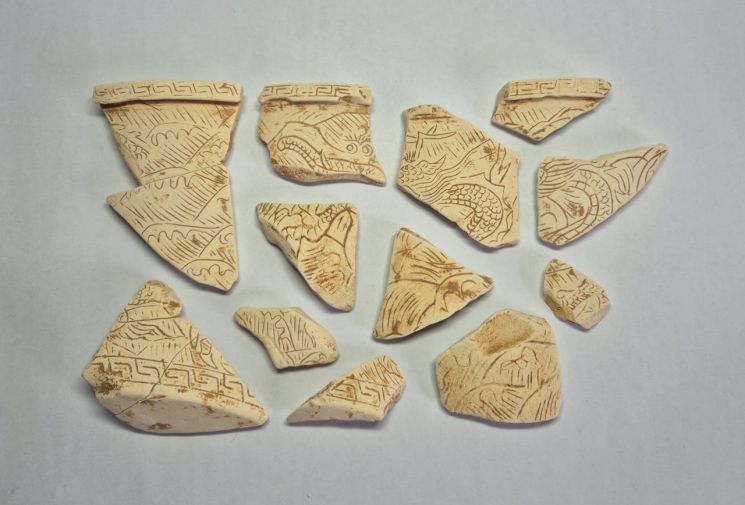
Buan Yucheon-ri Kiln SiteA place to explore the ruins of Goryeo celadon kilns and understand the production site.
3
Buan Yucheon-ri Kiln SiteA place to explore the ruins of Goryeo celadon kilns and understand the production site.
Food & Dining 2
-
 4
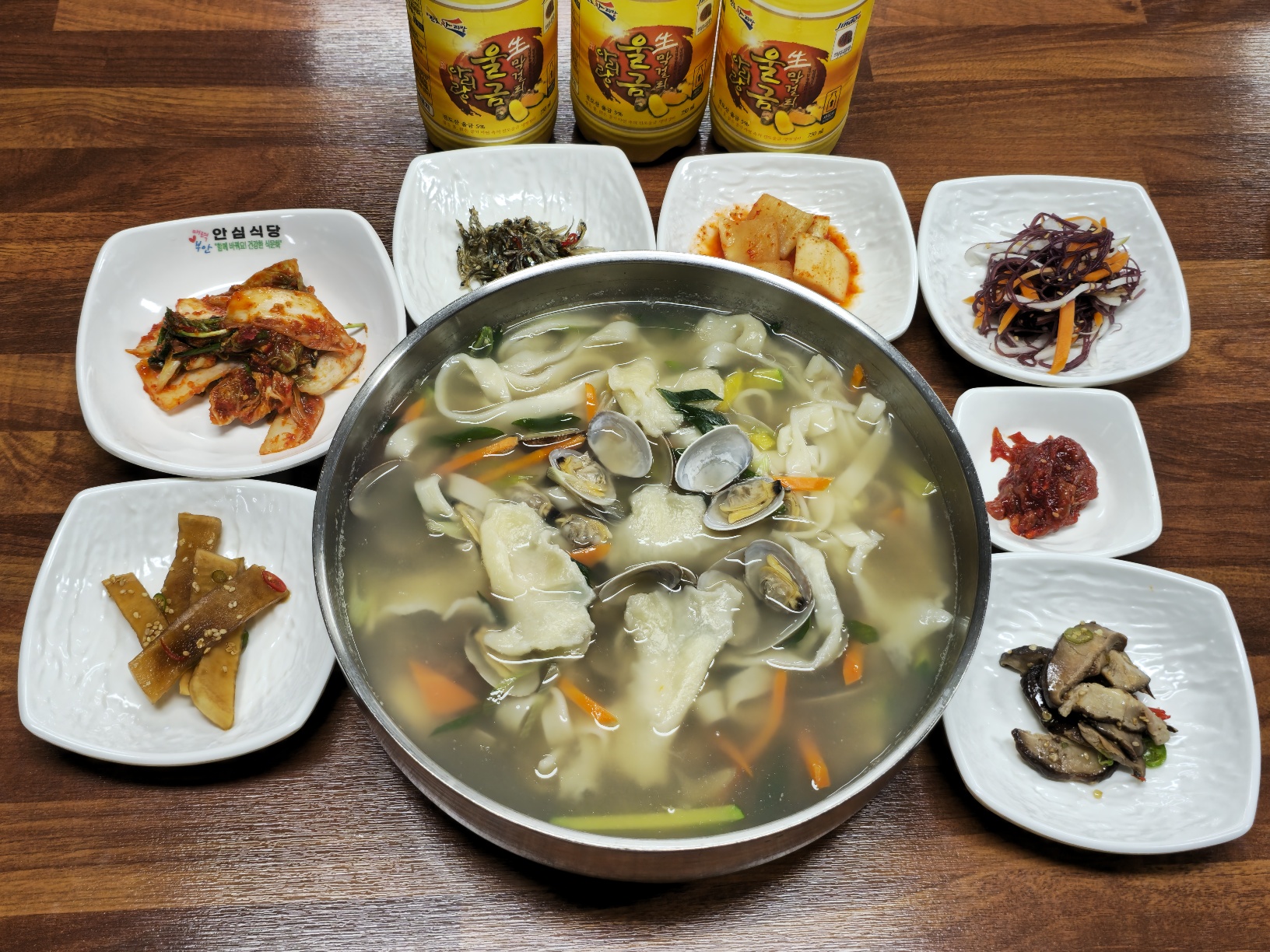
Gomso Somunnan-jipA restaurant serving Gomso-style seafood dishes, including clam kalguksu (hand-cut noodle soup) and hard clam porridge.
4
Gomso Somunnan-jipA restaurant serving Gomso-style seafood dishes, including clam kalguksu (hand-cut noodle soup) and hard clam porridge. -
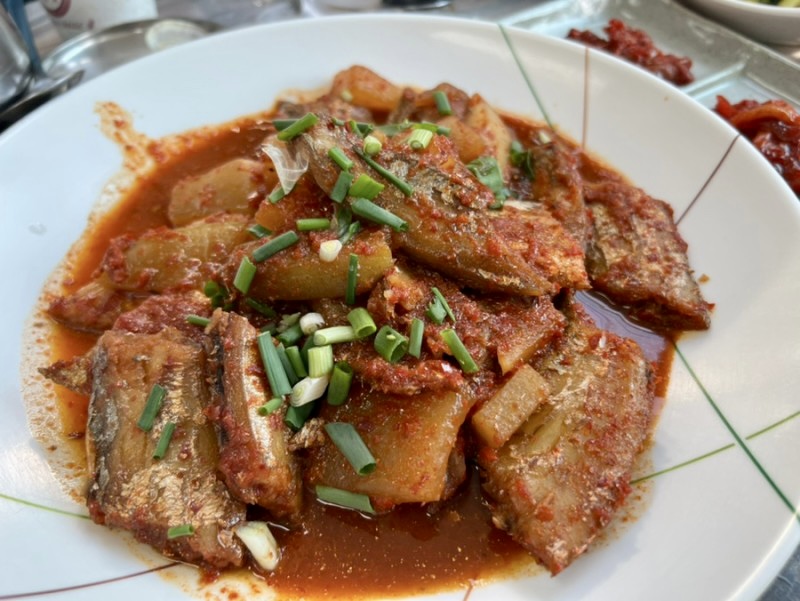 5
Gomso Lighthouse RoadA restaurant serving Korean set meals and home-style dishes, perfect for enjoying a meal around Gomso Port.
5
Gomso Lighthouse RoadA restaurant serving Korean set meals and home-style dishes, perfect for enjoying a meal around Gomso Port.
Events in This Area
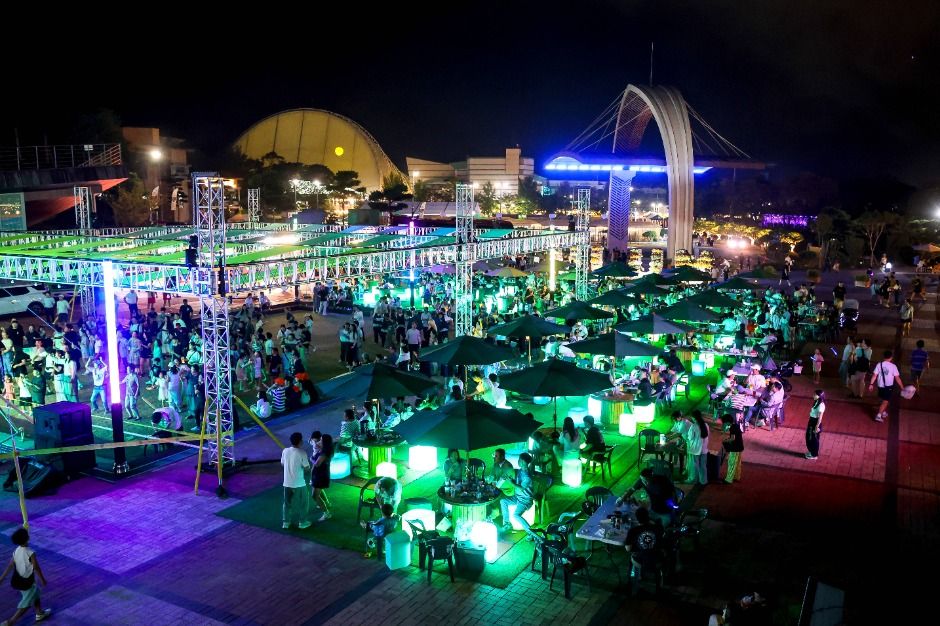
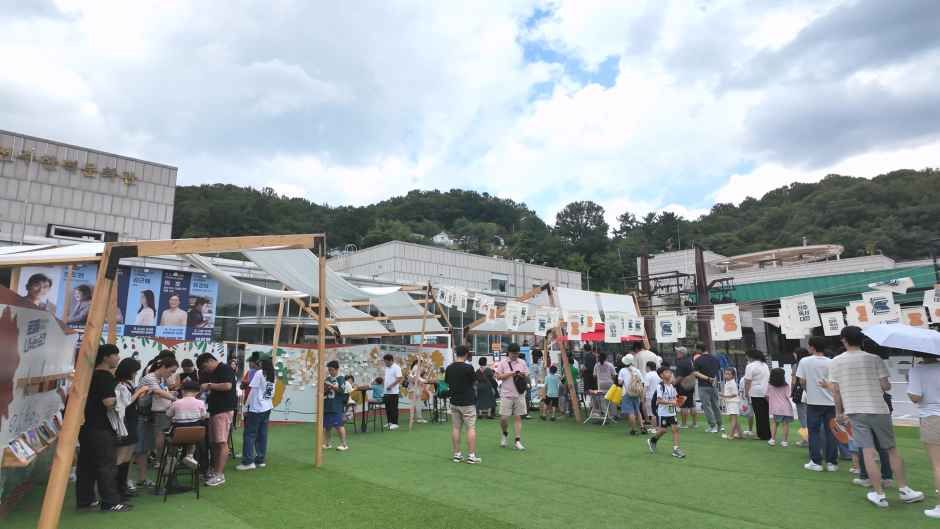

Festivals in This Area

More Travel Guides in This Area
 Travel Guide
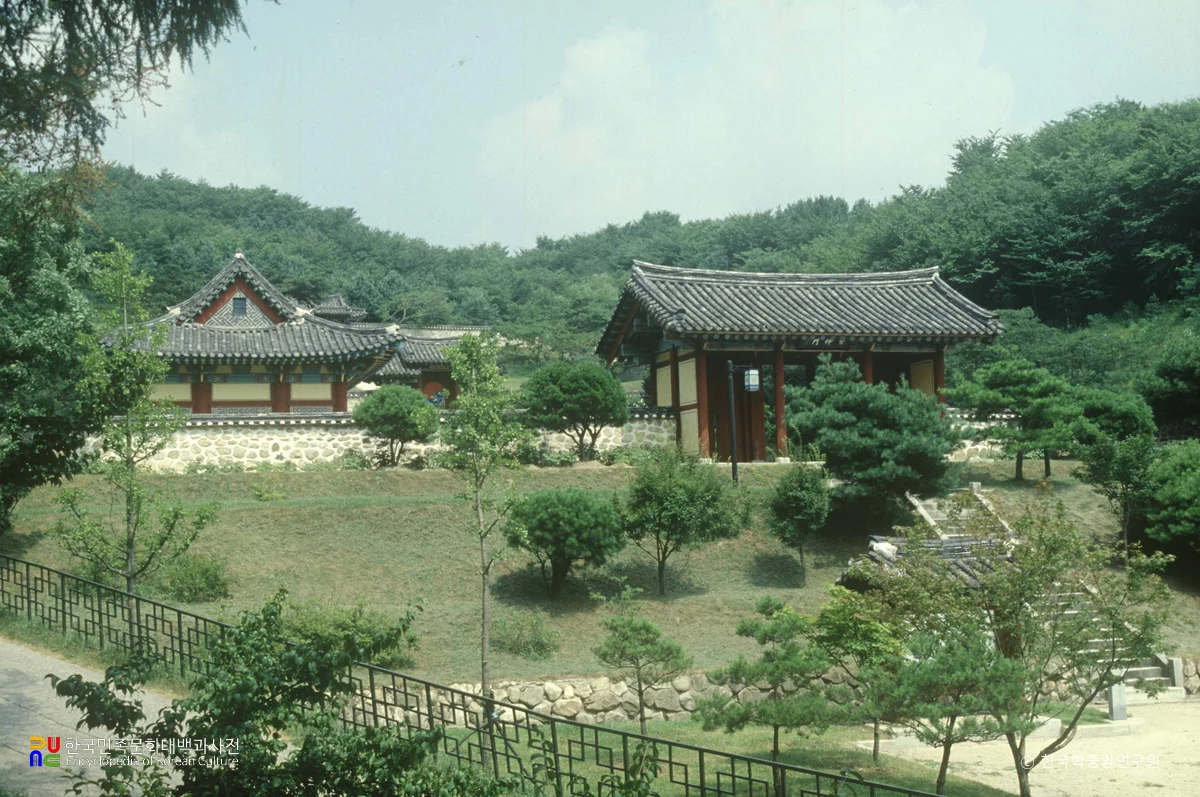
The enshrinement space of Muju Hyanggyo, founded in 1398 and moved twice to escape tigers
 Travel Guide
Stone Steps at Jangsu Nongae Shrine Overlooking Uiam Lake and the 1846 Saengjang Hyangsumyeongbi Monument
 Travel Guide
Pansori in Namwon, the City of Chunhyang: National Center for Korean Folk Performing Arts
 Travel Guide
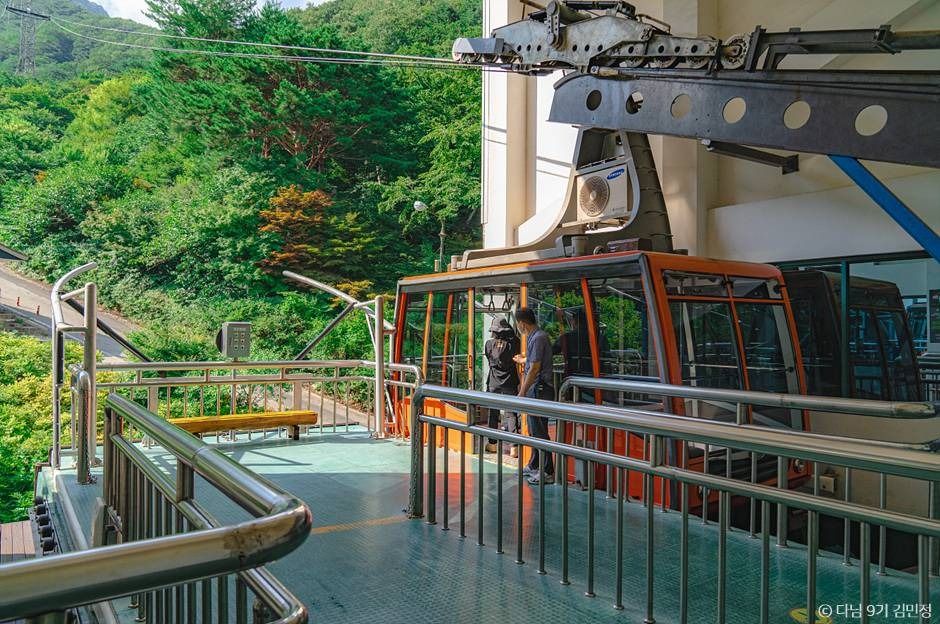
Daedunsan Cable Car, covering 927 m in 5 minutes: the actual route to the front of Geumgang Cloud Bridge
Korea News
![ZEROBASEONE ‘ZEROBASEONE Shining Even at Night!’ [★Video]](https://kotourlive-images.s3.ap-northeast-1.amazonaws.com/news/1786629298196_13d8a4bb_news_075face7-fb4e-402c-b833-25ccaf88cf8f.jpg) News
News
ZEROBASEONE ‘ZEROBASEONE Shining Even at Night!’ [★Video]
 News
News
Kwon Eun-bi, First Comeback Since Moving from Woollim to RBW: “Aiming for a September Release”
 News
News
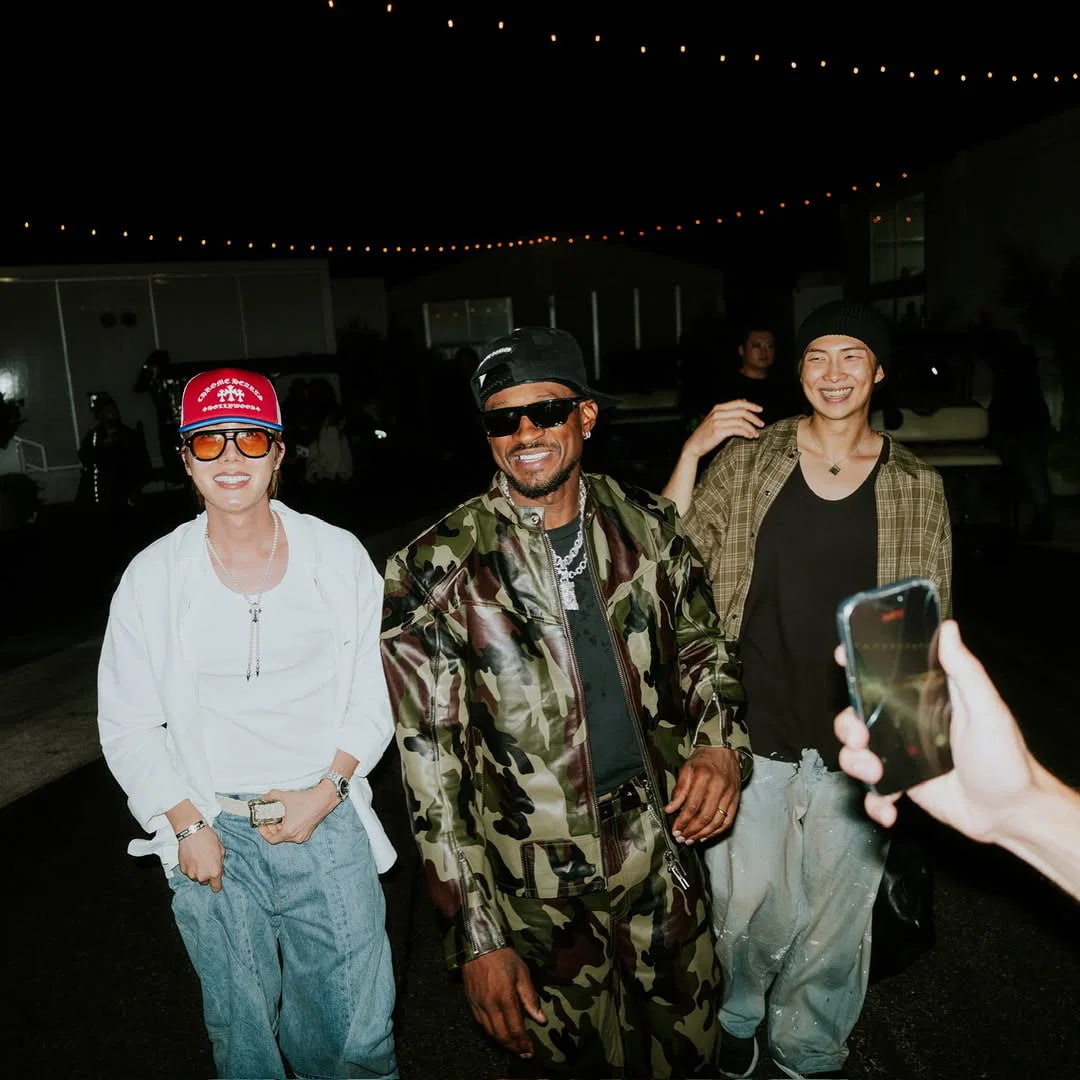
“Did Jungkook’s connection continue?” Pop star Usher spotted warmly hugging BTS’s RM and J-Hope
 News
News