
Reading the 2,000-plus Bronze Age Dolmens at Gochang Dolmen Museum
Gochang Dolmen Museum is a place where visitors can understand the Gochang Dolmen Sites, inscribed as a UNESCO World Heritage Site in 2000, through a combination of indoor exhibits and outdoor archaeological sites. Add the Moromoro train and Dolmen Park after visiting the museum, and you can compare exhibits, construction methods, and the actual megalithic groups along one route.
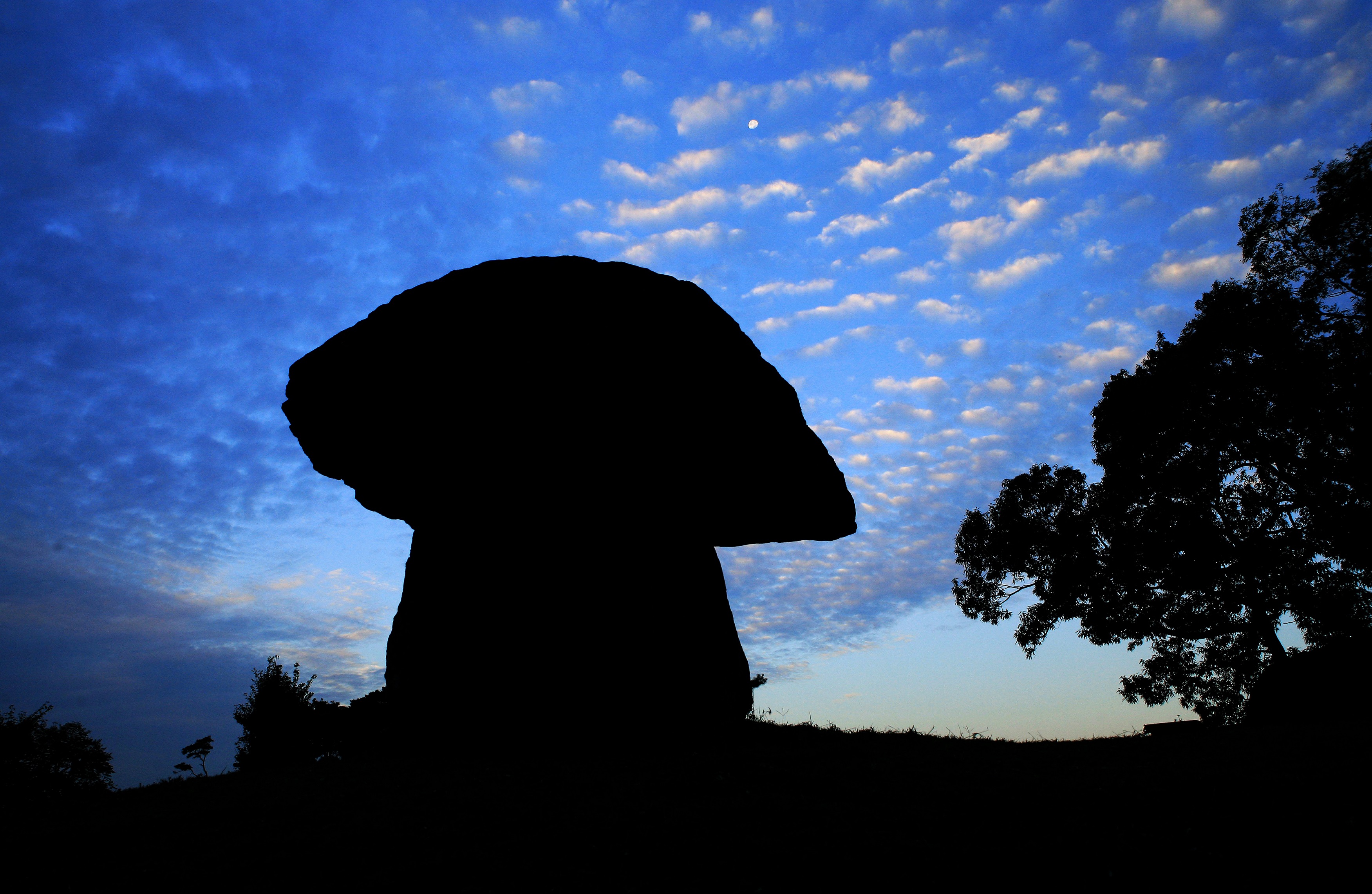

Why the 2000 World Heritage inscription led to a museum in 2008
Gochang Dolmen Museum is not simply an indoor facility displaying stone tombs; it is the starting point for interpreting the megalithic heritage remaining around Dosan-ri and Juknim-ri in Gochang-eup. Approximately 2,000 dolmens are distributed throughout Gochang, and the key point is that various types of dolmens remain at a high density. Beginning with a cultural heritage survey in 1965, the Gochang Dolmen Site underwent excavations, surface surveys, and international academic symposia before being designated a cultural heritage site in December 1994 and inscribed on the UNESCO World Heritage List in December 2000.
The museum was built as a project to preserve this heritage while connecting it with an educational space. Gochang County began construction of the museum in December 2004, and it opened on September 25, 2008. Dolmens are representative tombs and monuments of the Bronze Age, and their supporting stones and burial-facility structures beneath the capstones offer insight into the labor force and social status of the communities of that time.
From admission at 09:00 to winter closing at 17:00: when to buy tickets
The museum address is 74 Goindolgongwon-gil, Gochang-eup, Gochang-gun, Jeonbuk State, and the main inquiry telephone number is 063-560-8666. Regular visiting hours are 09:00–18:00, and the museum is closed every Monday and on January 1. However, from November 1 through the end of February of the following year, winter hours are 09:00–17:00. If you are planning a visit in late autumn or winter, you should therefore calculate the closing time as one hour earlier.
Admission tickets are issued only until one hour before closing. In other words, visitors must arrive before 17:00 in summer and before 16:00 in winter to see the indoor exhibits. Individual admission is 3,000 won for adults, 2,000 won for youths and military personnel, and 1,000 won for children. Groups of 30 or more pay 2,400 won, 1,600 won, and 600 won, respectively. Gochang residents, people aged 65 or older who present an identification card or senior-citizen discount card, and people with disabilities covered by the Welfare of Persons with Disabilities Act may qualify for free admission depending on the applicable conditions.
- Official tourism information: https://www.gochang.go.kr/tour/board/view.gochang?boardId=BBS_0000398&dataSid=772619&menuCd=DOM_000000401005000000
- Inquiries: 063-560-8666
- Even when Monday is a public holiday, it is safest to call and reconfirm whether the museum is operating before visiting.
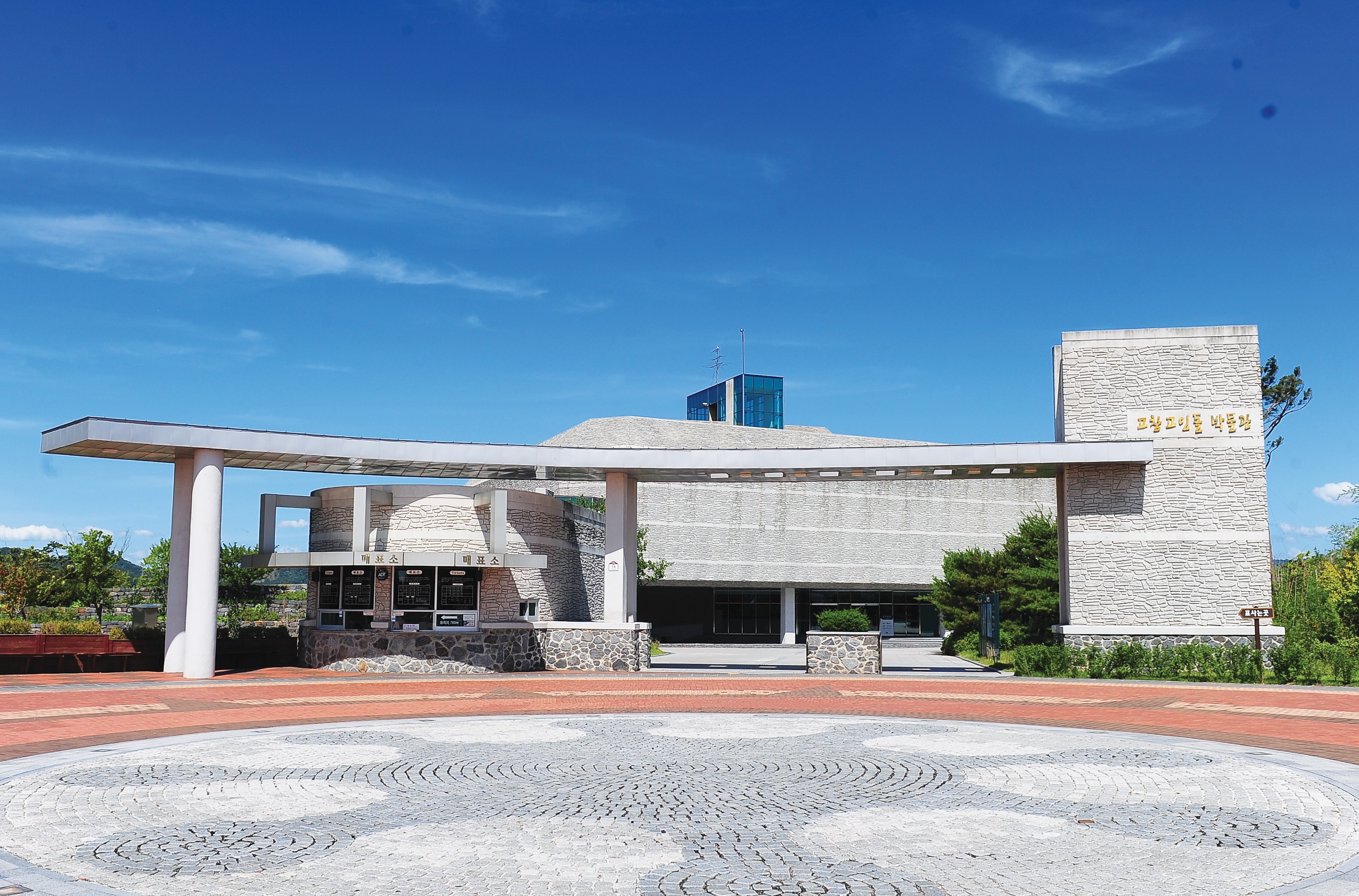
Whether to add the 1,000-won Moromoro Train after the 3,000-won adult admission
It is best to consider the museum admission ticket and the outdoor exploration route separately. The Moromoro Train for touring the dolmens costs 1,000 won for adults, 700 won for youths, and 500 won for children. After first viewing Bronze Age lifestyles and dolmen-construction methods in the indoor exhibition, taking the train to connect with the outdoor archaeological sites makes it easier to compare small artifacts with the scale of the actual capstones.
If time is limited, prioritize the indoor exhibits and the Dolmen Park next to the museum; if you have more time, adding the train is a good option. The museum's official information mentions VR experiences and bicycle experiences, but whether these activities operate and whether same-day registration is available may vary depending on the season and events. It is therefore advisable to inquire at 063-560-8666 before arriving. By combining individual, group, and train fares, one adult can plan basic admission and train use for a maximum of 4,000 won.
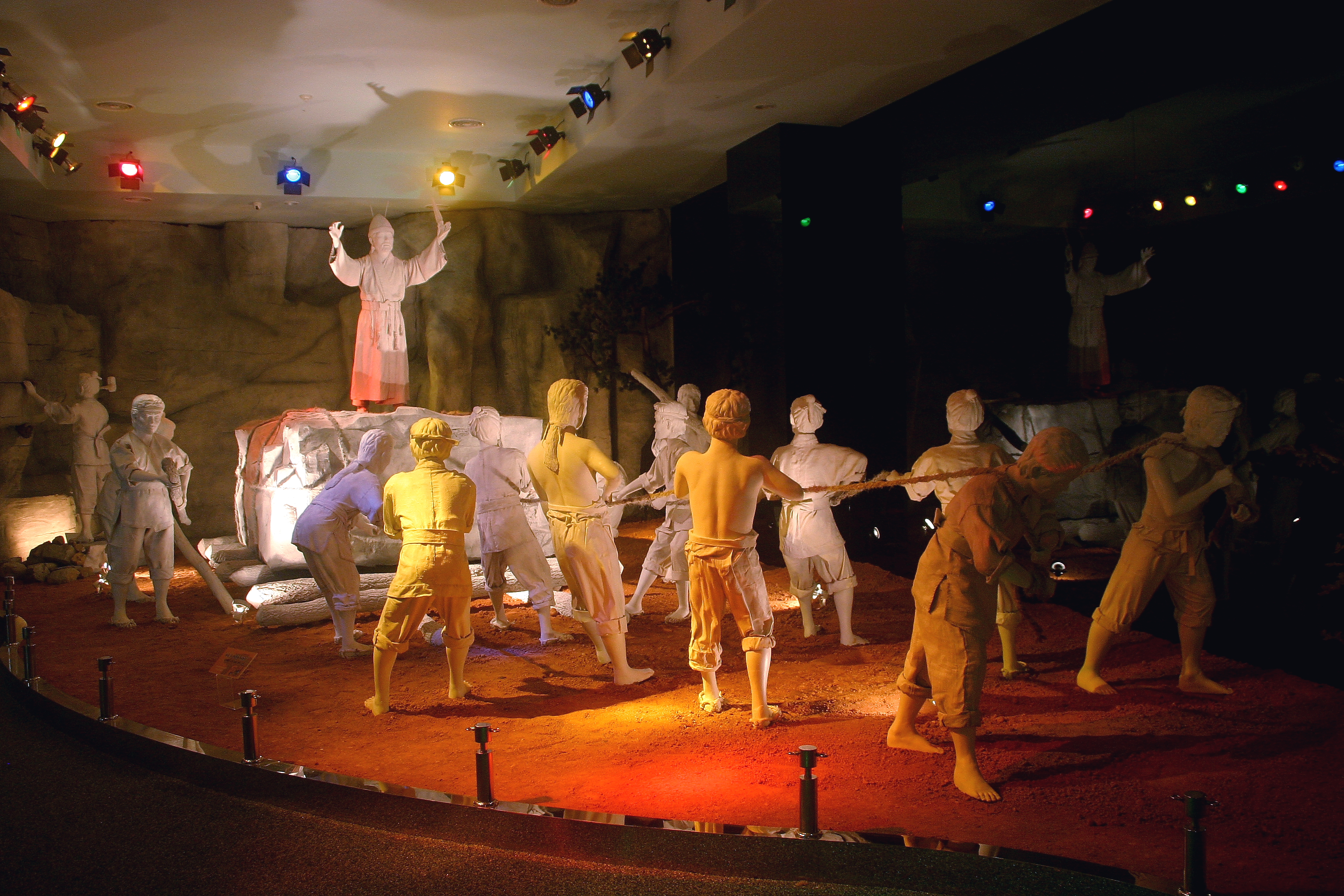
The route from viewing the construction models on the museum's second floor to the outdoor dolmens
The exhibitions cover Bronze Age artifacts and lifestyles as well as dolmen cultures from various regions around the world. The Korea Tourism Organization's travel information introduces a model on the second-floor exhibition hall showing prehistoric people in Gochang transporting a dolmen, along with a recreated space depicting Maesan Village in the Bronze Age. By first understanding how the stones were moved and erected and then heading to the outdoor archaeological sites, visitors can interpret dolmens not merely as large stones but as the results of a construction process.
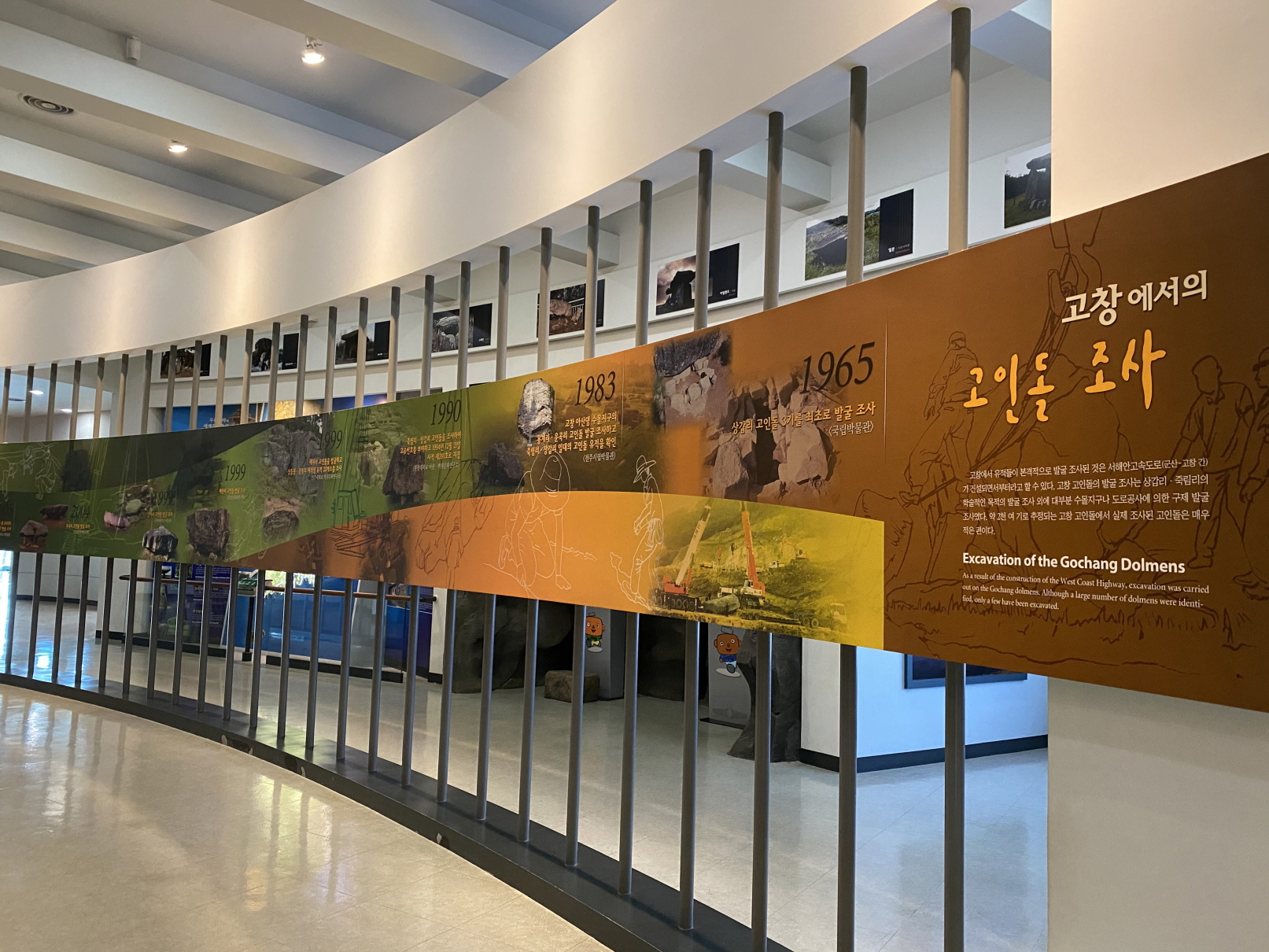
Dolmen No. 2428 is one notable example at the Gochang site. It is introduced as an above-ground stone-coffin type with an intermediate character between the table type and the go-board type, and is regarded as material for understanding changes in dolmen forms on the Korean Peninsula. Dolmen construction is generally estimated to have continued for about 1,000 years, from around the 1200s BCE to approximately 200 BCE. After viewing the timeline in the exhibition hall, it is effective to examine, in sequence, the relationships among the supporting stones, capstones, and surrounding terrain at the site.
What is easy to miss when traveling from Gochang Bus Terminal by rural bus
For public transportation, the most practical approach is to first arrive at Gochang Intercity Bus Terminal and then check the rural bus heading toward the dolmens. Gochang County's tourism information provides separate details about the Gochang–Dolmen Tourist Site connecting bus. Course 7 of Gochang Masil-gil follows Gochangcheon Stream from the terminal through Seoktan Village and Dosan Village to Gochang Dolmen Museum and Dolmen Park. However, rural bus intervals and stops may not be consistent, so you should check the timetable at the terminal or museum on the day of departure.
Visitors traveling by car can use the museum parking facilities, which are listed as available in the official tourism information. The museum is inside Dolmen Park in Dosan-ri rather than in central Gochang-eup. When using a taxi or rental car, giving the road-name address “74 Goindolgongwon-gil” along with “Dolmen Museum” can help confirm the destination. The official information does not specify details about accessibility facilities or foreign-language interpretation. Visitors who need wheelchair or stroller access or foreign-language information should therefore inquire in advance at 063-560-8666.
A half-day combining Dosan Village, Dolmen Park, and Obaegol Natural Restoration Wetland
Rather than ending the itinerary with the museum visit alone, walking through nearby Dolmen Park within the same address area helps visitors understand the spatial scale of the World Heritage site. Gochang County's tourism information introduces the World Cultural Heritage dolmens and dolmen experience facilities near the museum, and also marks Obaegol Natural Restoration Wetland around 74 Goindolgongwon-gil. Allowing 60–90 minutes for the indoor visit, 60 minutes for the outdoor archaeological sites and park, and separate time for waiting for and boarding the train makes a half-day itinerary manageable.
A portion of Course 7 of Masil-gil can be used for a walking-focused itinerary. The route runs from Gochang Terminal along Gochangcheon Stream, through Seoktan Village and Dosan Village, to the museum and Dolmen Park, helping travelers without a car orient themselves. However, the archaeological area includes long outdoor sections and may offer limited shade. In summer, bring water and a hat; in winter, prepare warm clothing suitable for the 17:00 winter closing time and the 16:00 admission deadline.
Who will enjoy the museum and who may find outdoor sites alone insufficient
Gochang Dolmen Museum is particularly suitable for travelers who would find it unsatisfying to view dolmens outdoors without an explanation of their structure and Bronze Age life, families with elementary-school-aged children or older, and international visitors who want to understand the background to the World Heritage inscription. Following the three milestones—inscription in 2000, designation as a historic site in 1994, and opening in 2008—also answers the question, “Why does Gochang need a museum?”
Conversely, an itinerary focused only on taking photographs in a short amount of time will make it difficult to cover the indoor exhibits, train, and outdoor archaeological sites. It is better to allow at least two hours, or around three hours if including the train and park. The museum's regular hours are 09:00–18:00, but it closes at 17:00 in winter, and it is closed on Mondays and January 1. Before making a long journey, reconfirm by telephone the day's activities, train service, and closing time.
Eight indoor and outdoor scenes of Gochang Dolmen Museum in official photographs
The photographs below are images related to the dolmen museum provided on Gochang County's tourism page. Rather than making definitive claims about the details of each photograph, it is more accurate to view them as reference material for checking the visitor environment around the museum and Dolmen Park. Even photographs of the same location may show different visiting conditions indoors and outdoors, so seasonal clothing and travel time should be prepared separately.
The museum is located at 74 Goindolgongwon-gil, and museum admission tickets are issued only until one hour before closing. After viewing the photographs, plan the actual itinerary according to summer hours of 09:00–18:00 and winter hours of 09:00–17:00, and avoid the museum's closure days on Mondays and January 1.
Before You Go
- Address
- 74 Goindolgongwon-gil, Gochang-eup, Gochang-gun, Jeonbuk State (Dosan-ri, Gochang Dolmen Museum)
- Hours
- March–October 09:00–18:00; November 1–the end of February 09:00–17:00; admission tickets are issued until one hour before closing
- Closed
- Every Monday and January 1
- Admission
- Individuals: adults 3,000 won / youths and military personnel 2,000 won / children 1,000 won; groups of 30 or more: adults 2,400 won / youths and military personnel 1,600 won / children 600 won; Moromoro Train: adults 1,000 won / youths 700 won / children 500 won
- Phone
- 063-560-8666
- Official site
- https://www.gochang.go.kr/tour/board/view.gochang?boardId=BBS_0000398&dataSid=772619&menuCd=DOM_000000401005000000
- Transport
- Take a rural bus toward the dolmens from Gochang Intercity Bus Terminal, then check the stop location and timetable on the day. Course 7 of Gochang Masil-gil connects the terminal, Seoktan Village, Dosan Village, Gochang Dolmen Museum, and Dolmen Park.
- Parking
- Parking facilities available
- Time needed
- 60–90 minutes for the museum; 2–3 hours recommended including Dolmen Park and the Moromoro Train
- Accessibility
- Official information specifies eligibility for free admission for people with disabilities. As official details on wheelchair and stroller routes and foreign-language information are unavailable, inquiries by telephone before visiting are recommended.
The information above is accurate as of the time of writing. Check the official information again before visiting.

Places
Nearby Attractions 2
-
 1
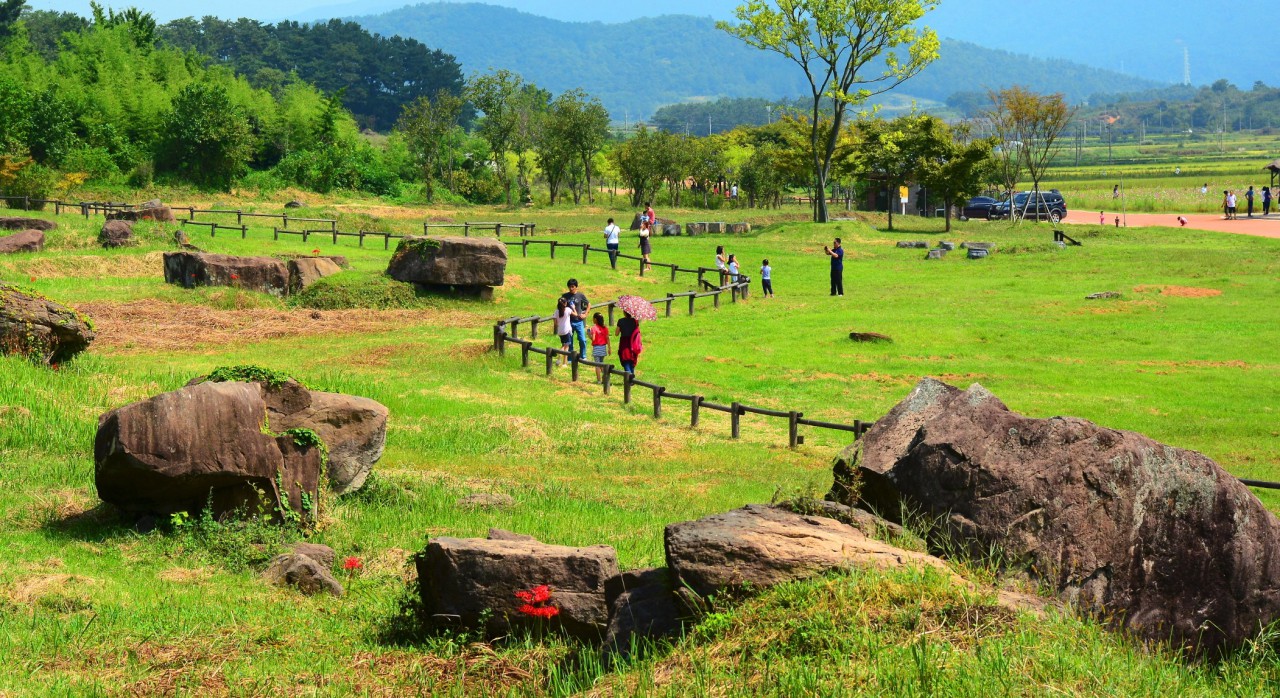
Dolmen ParkWalk among the World Heritage dolmen cluster and explore the outdoor archaeological remains.
1
Dolmen ParkWalk among the World Heritage dolmen cluster and explore the outdoor archaeological remains. -
 2
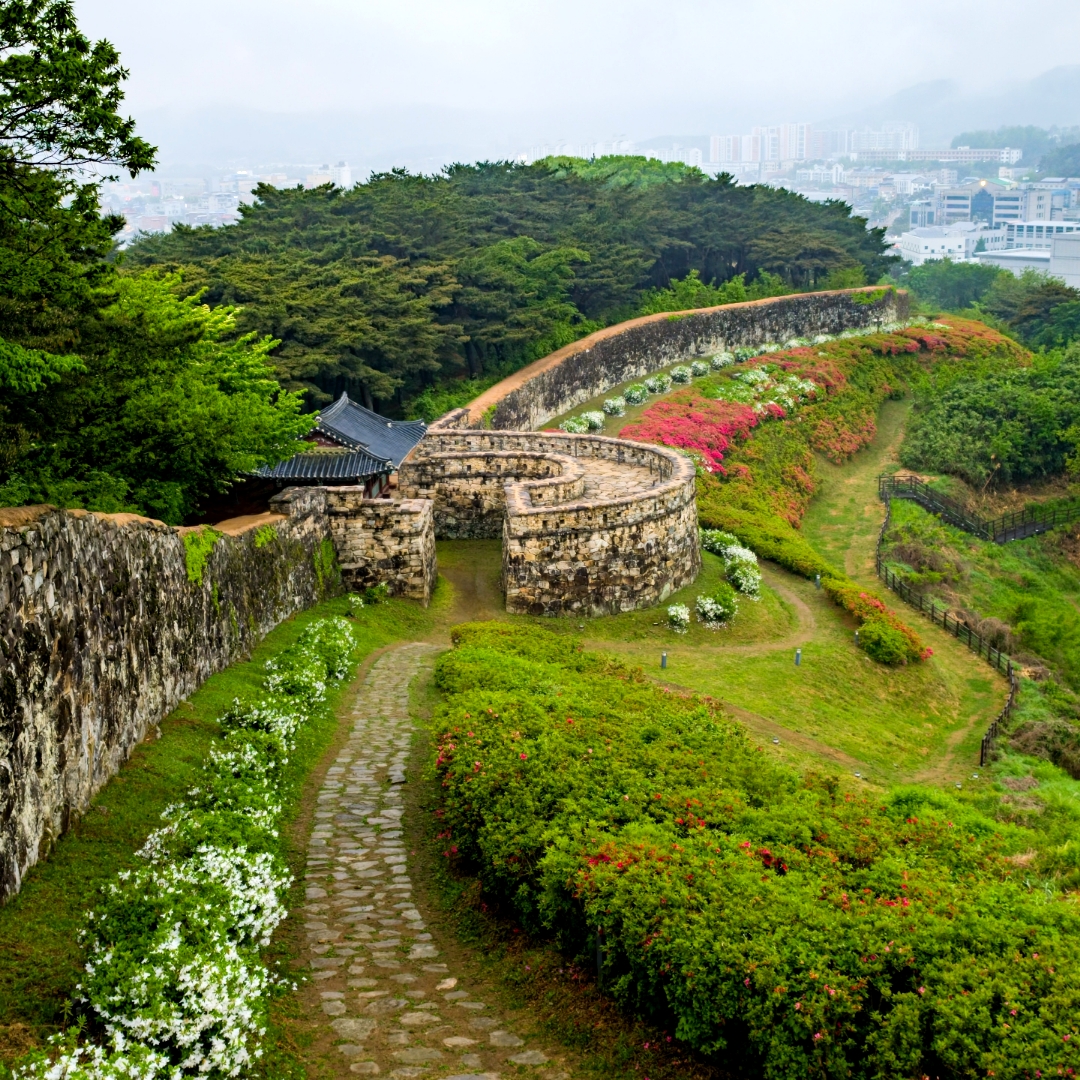
Gochang Walled TownWalk along the natural-stone fortress walls from the Joseon period and explore the fortress gates and restored buildings.
2
Gochang Walled TownWalk along the natural-stone fortress walls from the Joseon period and explore the fortress gates and restored buildings.
Food & Dining 3
-
 3
3
-
 4
4
-
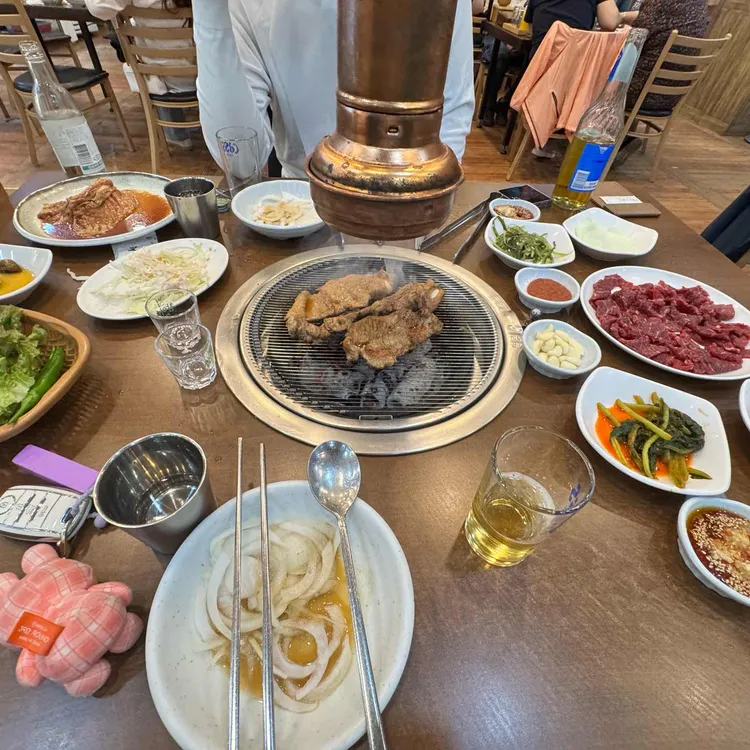 5
Taeheung GalbiA Korean restaurant specializing in meat dishes, particularly grilled pork ribs.
5
Taeheung GalbiA Korean restaurant specializing in meat dishes, particularly grilled pork ribs.
Events in This Area
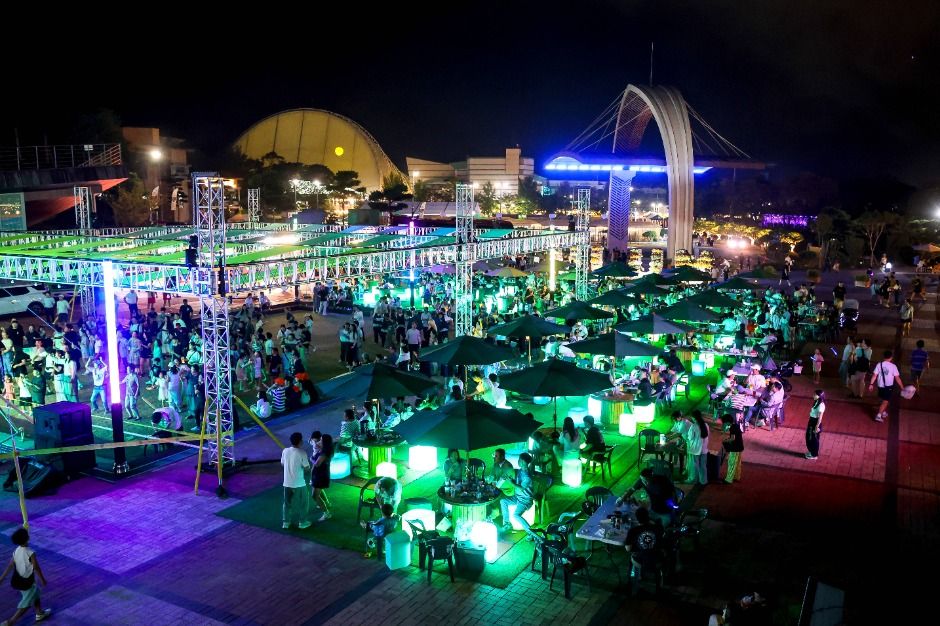
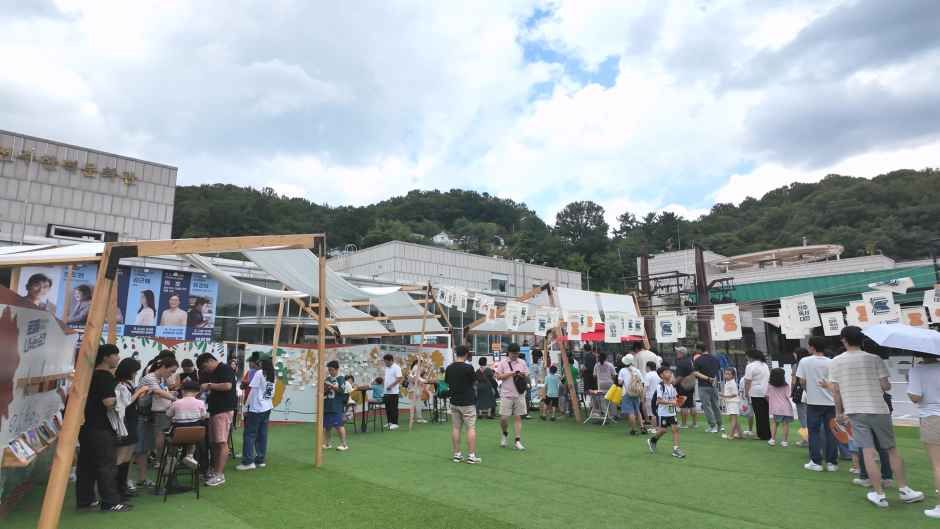

Festivals in This Area
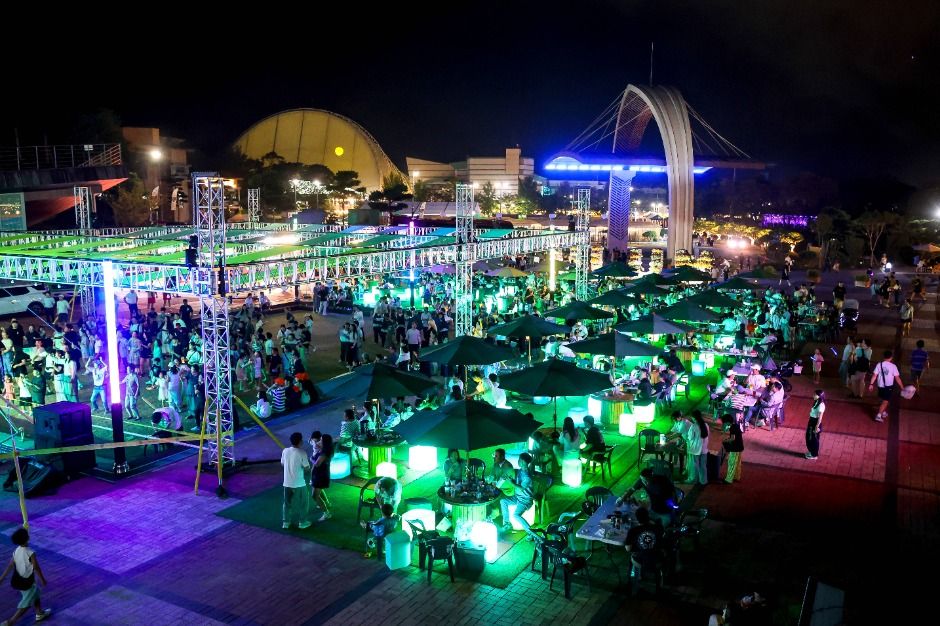

More Travel Guides in This Area
 Travel Guide
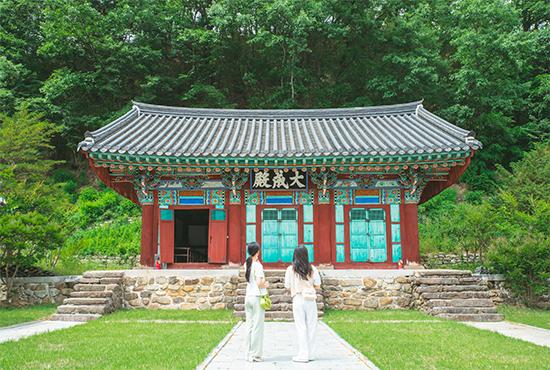
The enshrinement space of Muju Hyanggyo, founded in 1398 and moved twice to escape tigers
 Travel Guide
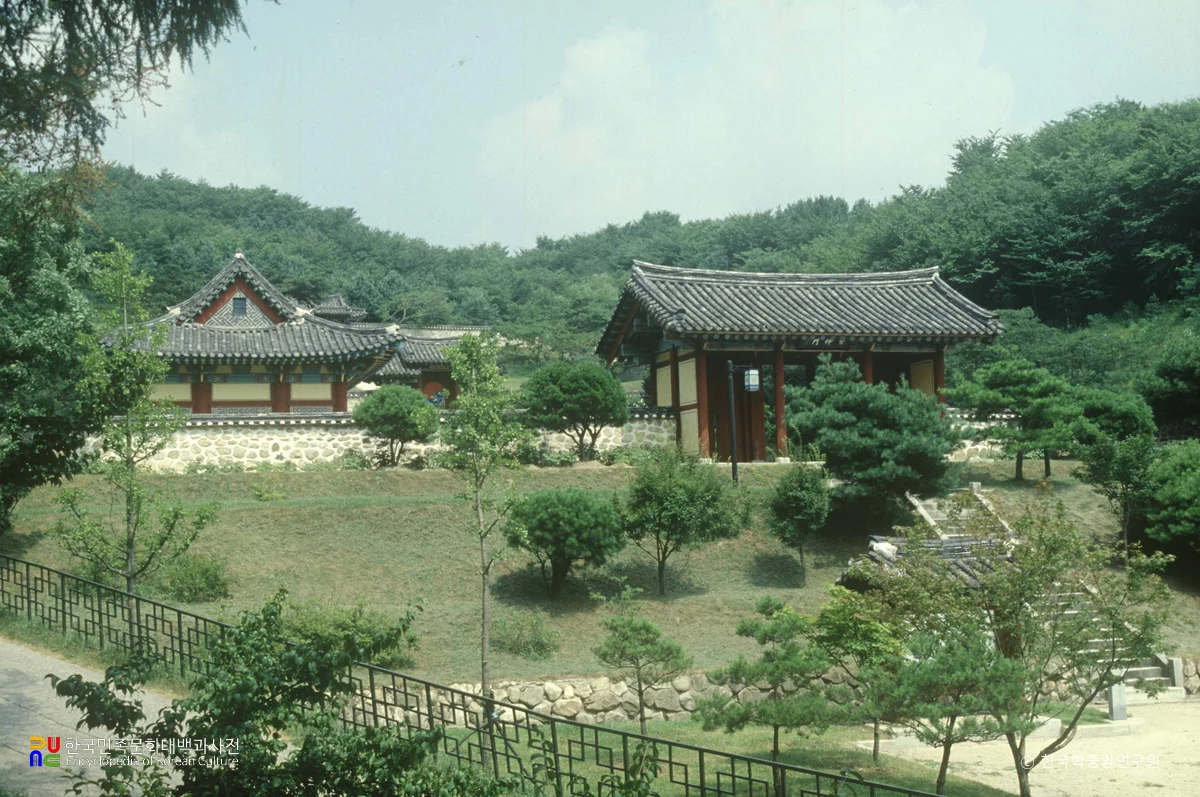
Stone Steps at Jangsu Nongae Shrine Overlooking Uiam Lake and the 1846 Saengjang Hyangsumyeongbi Monument
 Travel Guide
Pansori in Namwon, the City of Chunhyang: National Center for Korean Folk Performing Arts
 Travel Guide
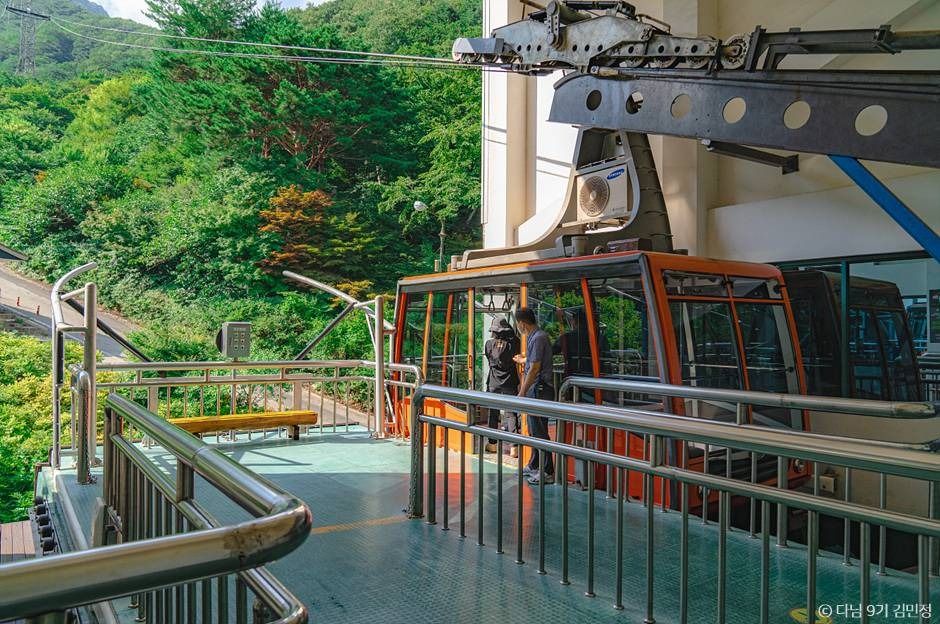
Daedunsan Cable Car, covering 927 m in 5 minutes: the actual route to the front of Geumgang Cloud Bridge
Korea News
![ZEROBASEONE ‘ZEROBASEONE Shining Even at Night!’ [★Video]](https://kotourlive-images.s3.ap-northeast-1.amazonaws.com/news/1786629298196_13d8a4bb_news_075face7-fb4e-402c-b833-25ccaf88cf8f.jpg) News
News
ZEROBASEONE ‘ZEROBASEONE Shining Even at Night!’ [★Video]
 News
News
Kwon Eun-bi, First Comeback Since Moving from Woollim to RBW: “Aiming for a September Release”
 News
News
“Did Jungkook’s connection continue?” Pop star Usher spotted warmly hugging BTS’s RM and J-Hope
 News
News