It’s Not Busan Chinatown in Beomil-dong: Choryang Shanghai Street in Front of Busan Station
Busan Chinatown is not in Beomil-dong but around Shanghai Street in Choryang-dong, Dong-gu, across from Busan Station. Originating with the opening of the Qing consulate in 1884, the area brings together paifang gates, red lanterns, Chinese restaurants, and the history of Busan Port’s opening in a 45–90-minute walk.

I’ve been here?
Your check-in helps the next traveler.
20 people viewed this week Be the first
One tap — no writing needed
‘Shanghai Street’ is in Choryang-dong, across from Busan Station, not in Beomil-dong
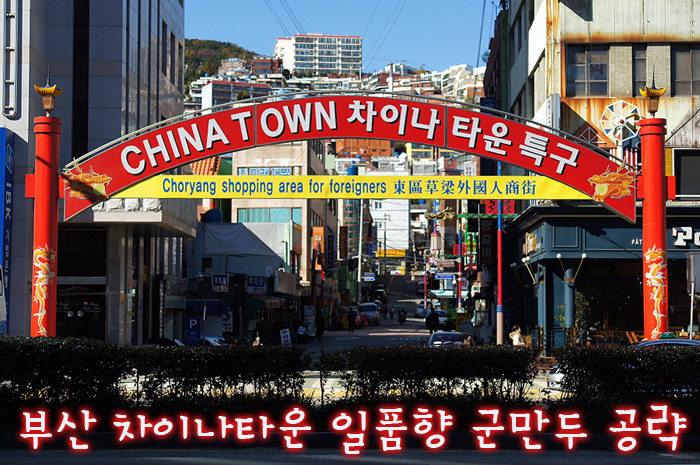
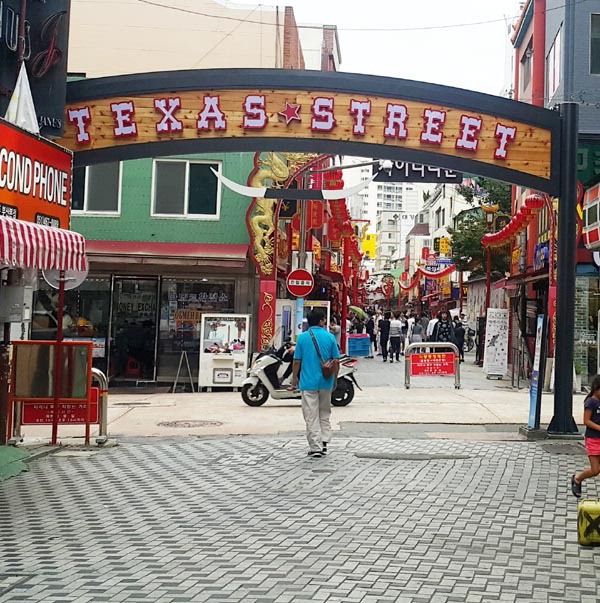
This place is located not in Beomil-dong administratively, but in Choryang-dong, Dong-gu, Busan Metropolitan City, in the Shanghai Street area across from Busan Station Plaza. With Busan Station behind you, cross Jungang-daero and enter in the direction of the red paifang. Busan Dong-gu Culture and Tourism introduces this area as ‘Busan Chinatown.’
As a street-style tourist destination, it is difficult to define it with a single entrance, ticket office, or representative building address. Therefore, it is simplest to set the navigation destination as ‘Busan Chinatown’ or ‘Choryang Shanghai Street’ and use Busan Station Plaza and the paifang as the first landmarks. Since it is directly adjacent to Busan Station, the area can be reached on foot immediately after using the KTX, SRT, or Busan Metro Line 1.
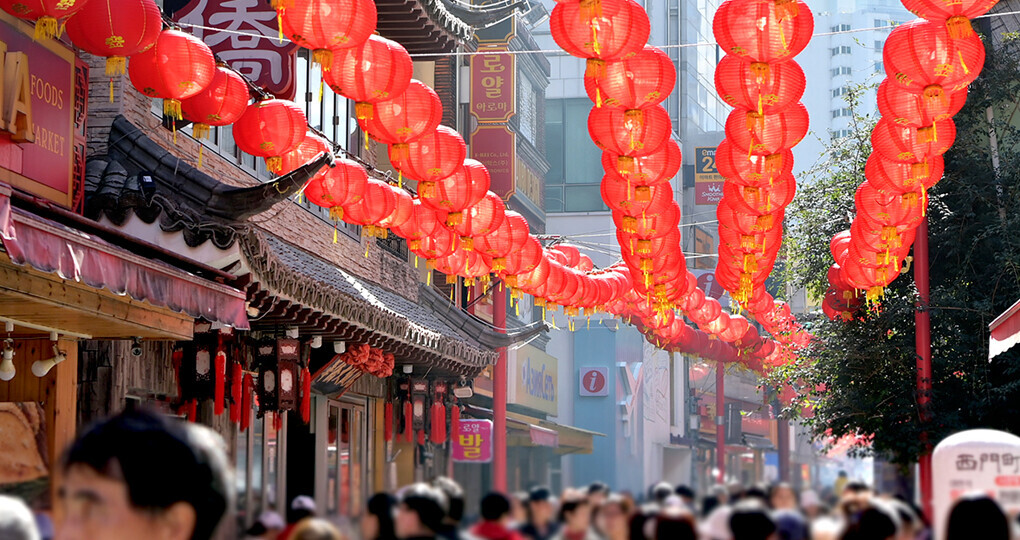
From the Qing Consulate in 1884 to Shanghai Street in 1993
According to the official guide from Dong-gu, Busan, this street began in 1884. After the Qing Consulate opened at the site of the present Chinese school, residences and shops for Chinese residents gathered around it, and the area was initially called ‘Qingguan Street.’ The movement of people and goods through Busan Port created the setting for immigrant merchants to establish their sphere of daily life in these alleys.
The name changed to ‘Shanghai Street’ after Busan and Shanghai entered into a sister-city relationship on August 24, 1993. From 2007 to 2023, the area was also designated as a Chinatown Special District. Rather than looking only at the red paifang and red lanterns, it is worth noting that the three names—Qingguan Street, Shanghai Street, and Special District—refer to different periods of urban policy and Korea–China exchange, making the context of the walk clearer.
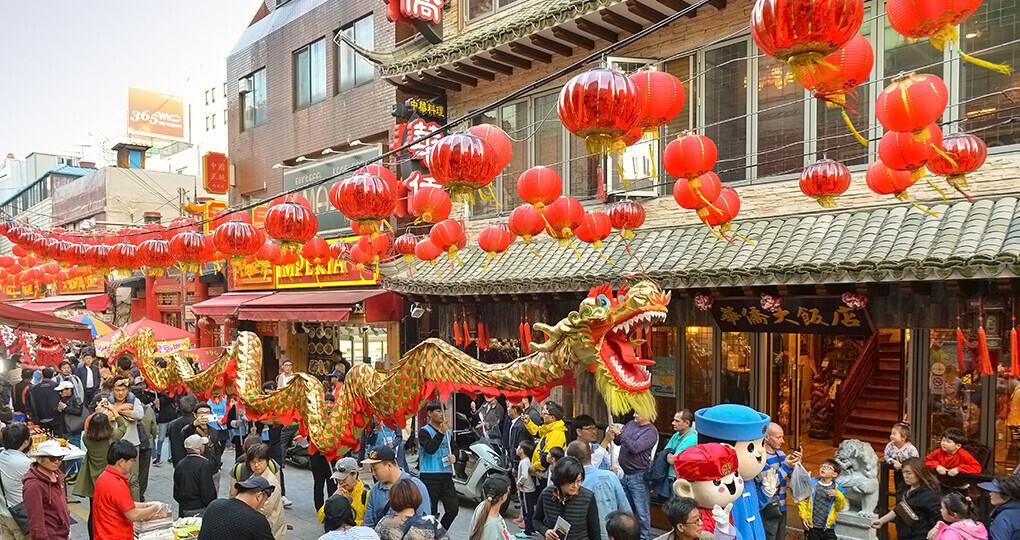
Free admission, with ‘always open’ pedestrian access distinct from restaurant hours
Busan Chinatown is a street centered on public roads, so there is no admission fee and no regularly scheduled closing day. Pedestrian access is available at all times, so its hours in the essentials section can be summarized as ‘open year-round.’ However, this applies to passage through the streets; the operating hours of individual restaurants, cafés, and shops vary by business.
If you are visiting to eat, check the closing days and closing times of your preferred establishment individually on the day of your visit. For example, online restaurant information lists Sinbalwon as open from 11:00 to 20:00 and closed on Wednesdays, but this is not the operating schedule for the entire street. For official tourism inquiries, contact the Busan Dong-gu Culture and Tourism Division at 051-440-4062; the main number for Dong-gu Office is 051-440-4000.

From Busan Station on Line 1 to the paifang: the first 10 minutes without getting lost
The easiest access point is Busan Station on Busan Metro Line 1. After exiting toward Busan Station Plaza, head toward the red paifang across Jungang-daero to reach the entrance to Shanghai Street. Busan Station is also connected to KTX, SRT, and regular trains, making this an easy route to walk after arriving in Busan, with about 45–90 minutes set aside.
Bus routes may change depending on stops, construction, and route revisions, so no specific bus number is recommended. It is safest to search for the ‘Busan Station’ or ‘Busan Station Plaza’ stop in Busan’s bus information system just before departure. Since the availability and fees of parking at the tourist site itself were not confirmed in the official information, it is better to plan on using a paid parking lot near Busan Station if traveling by car.
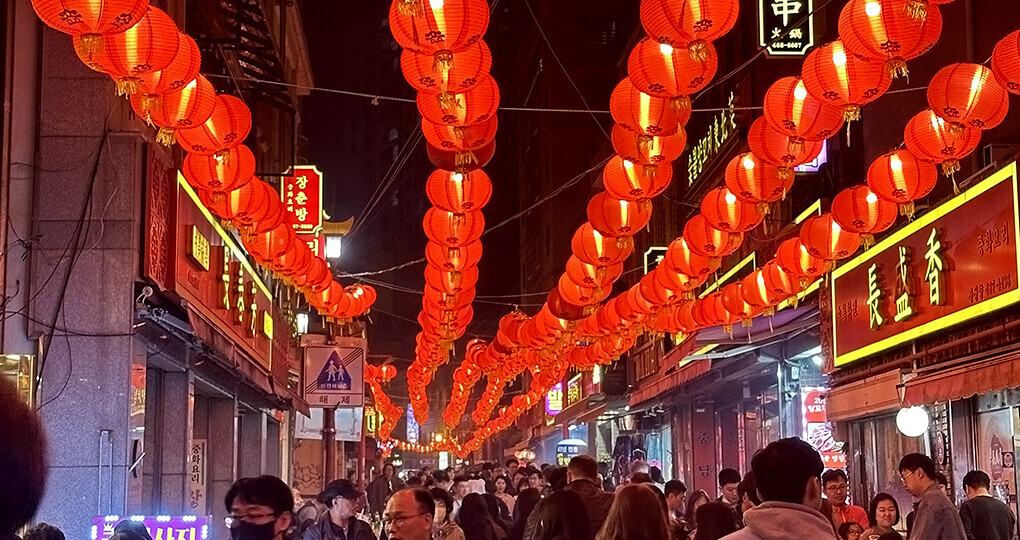
Why Chinese, Russian, and Indian-style food are found in the same block
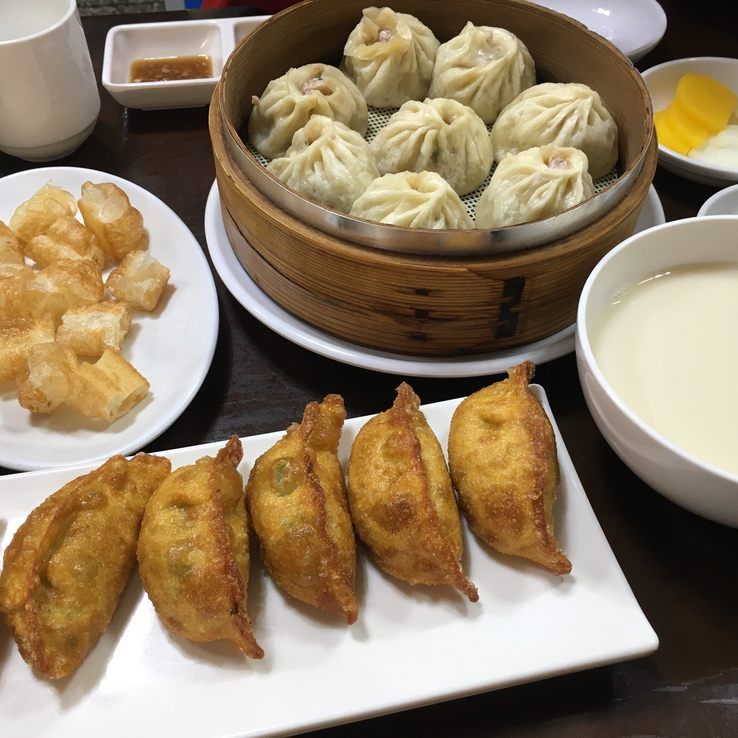
The official Dong-gu introduction explains that long-established Chinese restaurants remain in the area, where visitors can find Chinese foods such as handmade dumplings and lamb skewers. At the same time, it notes that the street is not limited to Chinese cuisine, as Russian and Indian-style food are also represented. Understanding this as the result of multiple immigrant cultures overlapping around the gateway connecting Busan Station and Busan Port makes the mixture of languages on signs and dishes on menus feel natural.
For a first visit, an efficient approach is to eat at one restaurant and then walk a route connecting the paifang, red lanterns, and alleys. Allow about 30–45 minutes to pass through the streets quickly, or 60–90 minutes including a meal. Wheelchair and stroller users can travel along the main roads and major sidewalks, but steps, restroom facilities, and foreign-language menu availability inside restaurants vary by establishment, so advance inquiries are necessary.
The concentrated atmosphere of the Busan Chinatown Cultural Festival, held for three days in October
The area’s biggest annual event is the Busan Chinatown Cultural Festival. The 22nd festival was held for three days, from October 17 to October 19, 2025, around Busan Station Plaza and Chinatown, with street parades, Korea–China traditional cultural performances, hands-on activities, and exhibitions. The official Dong-gu guide describes the festival as an event held every autumn.
During the festival, there are more performances and events than during an ordinary walk, but pedestrian traffic around Busan Station Plaza and Shanghai Street may increase all at once. If you want to quietly view the paifang and street scenery, avoid the festival dates. If the event itself is your goal, it is best to check the dates, stages, and traffic controls again on the official page after the autumn schedule is announced. The festival’s official website is listed as https://Busan China Festival.com.
After Busan Station Plaza, continue walking to Choryang 168 Steps in the same Dong-gu area
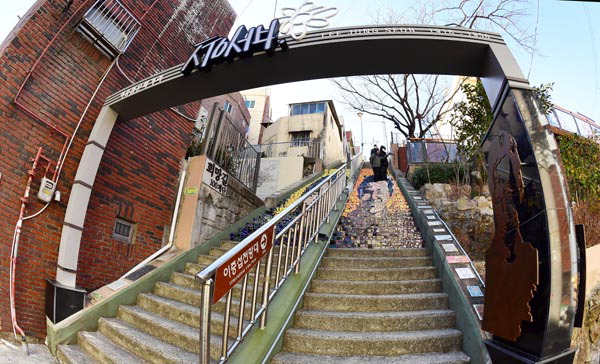
After passing back through Busan Station Plaza from Shanghai Street, it is easy to connect to a walk through Dong-gu’s old downtown area. Dong-gu Culture and Tourism classifies Busan Chinatown, Choryang 168 Steps, and the North Port Waterfront Park within the same tourist area. If you want to compare the streets shaped by Korea–China immigration history with the terrain of Busan Port and the hillside roads in a single day, starting at Chinatown is the appropriate arrangement.
However, Chinatown is not a large theme park or an indoor exhibition hall. Travelers expecting scheduled hands-on programs, a combined ticket, or a fixed sightseeing route may find it brief. Conversely, for those who want to enjoy a meal and traces of modern and contemporary urban history during a transfer at Busan Station, it is a compact, high-density block that is freely accessible.
Before You Go
- Address
- Shanghai Street area across from Busan Station, Choryang-dong, Dong-gu, Busan Metropolitan City
- Hours
- Open at all times (based on public street access; individual business hours vary)
- Closed
- None (based on public street access; closing days vary by business)
- Admission
- Free
- Phone
- 051-440-4062
- Official site
- https://www.bsdonggu.go.kr/tour/index.donggu?menuCd=DOM_000000310002006000
- Transport
- Exit toward Busan Station Plaza from Busan Station on Busan Metro Line 1 or from the KTX/SRT Busan Station, then walk across Jungang-daero toward the paifang
- Parking
- The official information does not confirm a dedicated tourist-site parking lot or fees. Using a paid parking lot near Busan Station is recommended
- Time needed
- Street walk: 30–45 minutes; including a meal: 60–90 minutes
- Accessibility
- Main roads and major sidewalks are accessible to wheelchairs and strollers, but steps, restrooms, and foreign-language menu availability at individual restaurants must be checked with each establishment
The information above is current as of the time of writing. Check the official information again before visiting.

Places
Nearby Attractions 5
-
 1
1
-
 2
2
-
 3
3
-
 4
4
-
 5
5
Food & Dining 5
-
 6
Sinbalwon
6
Sinbalwon -
 7
Jang Manok
7
Jang Manok -
 8
8
-
9Ilpumhyang
-
 10
10
Events in This Area


Festivals in This Area

More Travel Guides in This Area
 Travel Guide
A One-Day Busan Outlet Itinerary Starting at 1133 Jang-an-eup
 Travel Guide
Busan’s Dawn Begins Beneath the Seagull Roof: Jagalchi Market
 Travel Guide
Anjeoksa Temple on 491-meter Aengnimsan Mountain
 Travel Guide
How to See Samdeok Village and the Sea Together from Wolmyeongsa Temple at the Foot of Ilgwangsan Mountain
Korea News
 News
News
BTS’s V’s Wine from Chile Sold Out in Two Hours… “Wait Two Months for Restocking”
!['Comeback' ILLIT Picks Up a Whistle… Bold Warning: 'I'll Arrest You' [Today's Preview]](https://kotourlive-images.s3.ap-northeast-1.amazonaws.com/news/1792978782275_1ad139e1_news_dbdae4b1-d435-43fa-968f-97701d6e9389.jpg) News
News
'Comeback' ILLIT Picks Up a Whistle… Bold Warning: 'I'll Arrest You' [Today's Preview]
!['Inkigayo' A2O LITE Takes First Place with 'NEON'… “Happy to Receive So Much Love” [TV Capture]](https://kotourlive-images.s3.ap-northeast-1.amazonaws.com/news/1792978032199_8f5c6664_news_fcd1f66d-9114-4144-bff3-c90686ac459a.jpg) News
News
'Inkigayo' A2O LITE Takes First Place with 'NEON'… “Happy to Receive So Much Love” [TV Capture]
 News
News