National Jeju Museum Connecting Tamna to Jeju’s Exile History Beneath Sarabong
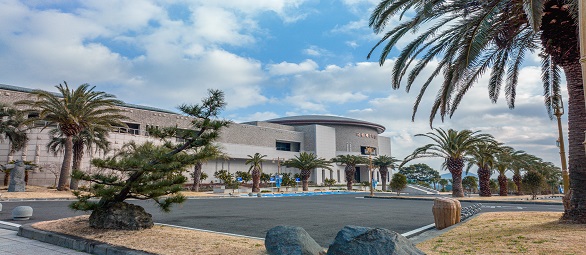
Opened on June 15, 2001, the National Jeju Museum is an archaeological and history museum dedicated to the Jeju region. Its permanent exhibition presents the island’s history from prehistoric times through the Tamna Kingdom, Goryeo, and Joseon periods. With its spacious outdoor grounds near Sarabong, Children’s Museum, and immersive media theater, it is ideal for creating an indoor cultural itinerary in eastern Jeju.
I’ve been here?
Your check-in helps the next traveler.
No one has checked in yet Be the first
One tap — no writing needed
Why Jeju’s History Was Brought Together in One Building on June 15, 2001
The Jeju National Museum is an archaeological and historical museum that opened on June 15, 2001, to collect, preserve, exhibit, and conduct academic research on materials related to Jeju’s history and culture. It takes Jeju’s regional position as a hub of maritime exchange linking the Korean Peninsula, China, and Japan as the starting point for its exhibitions, presenting a continuous narrative from prehistoric times through the Tamna Kingdom, the Goryeo period, and the Joseon period.
At the time of its opening, the building was modeled on the form of a traditional Jeju folk house and constructed with one basement level and two above-ground floors. The site covers 52,032㎡. The current exhibition area is 3,219㎡, while the outdoor exhibition and landscaping area is 28,628㎡, so it is better to plan for the outdoor route rather than leaving immediately after viewing only the indoor exhibitions.
The Permanent Exhibition Route, from ‘Island, Jeju’ to ‘Island Nation of Tamna’
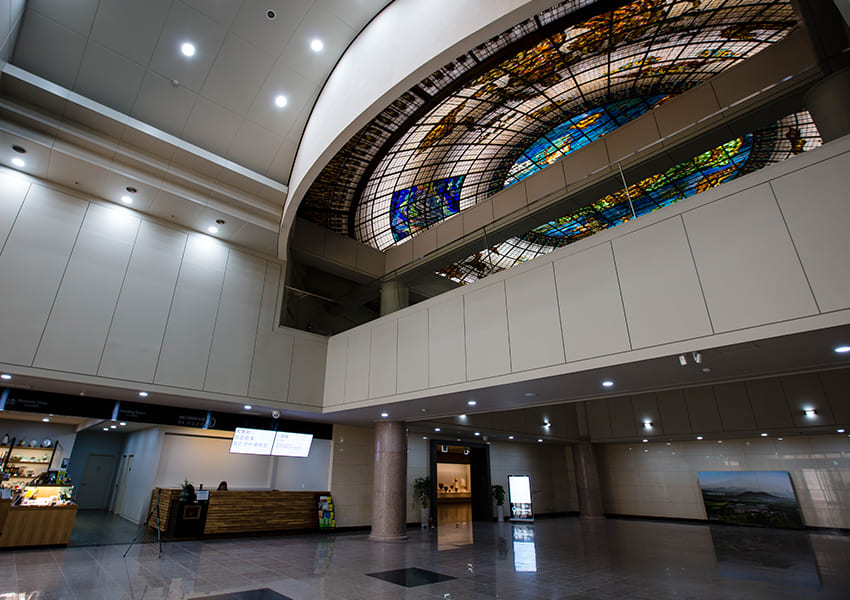
The permanent exhibition begins in the Central Hall and continues through ‘Island, Jeju,’ ‘Prehistoric Jeju,’ ‘Development and Change of Island Villages,’ ‘Island Nation of Tamna,’ ‘Jeju in the Goryeo Period,’ ‘Jeju in the Joseon Period,’ ‘The People of Jeju Island,’ and ‘Donated Cultural Heritage.’ To understand Jeju not simply as a tourist destination but as an island with its own political community and maritime exchanges, it is easy to follow the context by moving through the exhibitions in this order.
‘Island Nation of Tamna’ explores the culture of the Tamna Kingdom, which formed in Jeju during a period when various ancient states were developing on the Korean Peninsula. ‘Jeju in the Goryeo Period’ also covers the transition of Tamna to the Tamna Ch General Government Office system, a direct Mongol governing institution, after the Sambyeolcho was defeated by the Goryeo–Mongol allied forces in 1273.
- The permanent exhibition presents the periods of prehistoric Jeju, Tamna, Goryeo, and Joseon along one route.
- Before entering the exhibition galleries, the Central Hall features a stained-glass sculpture that reinterprets the legend of Jeju’s creation.
- To better understand the exhibitions, visitors can bring a mobile phone and personal earphones and use the free audio guide on the National Museum exhibition information app.
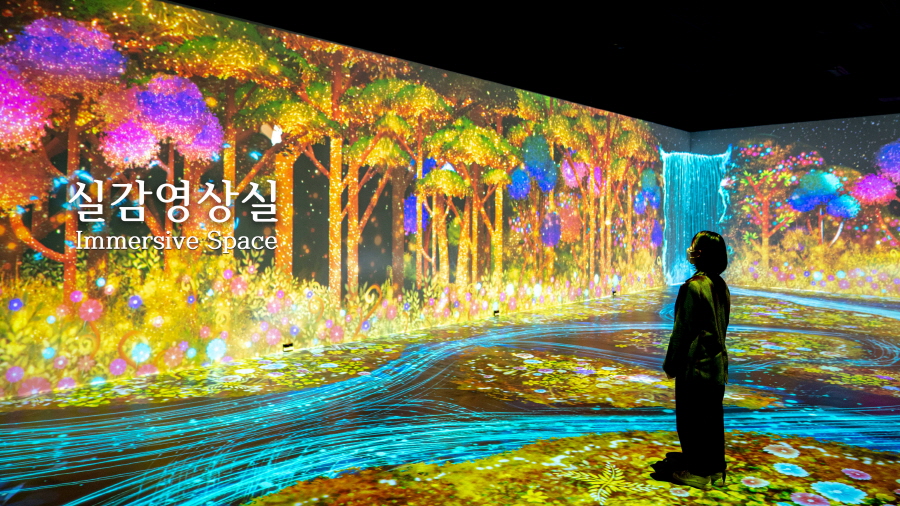
Following the 1771 Pyohaerok in the Immersive Video Room on Basement Level 1
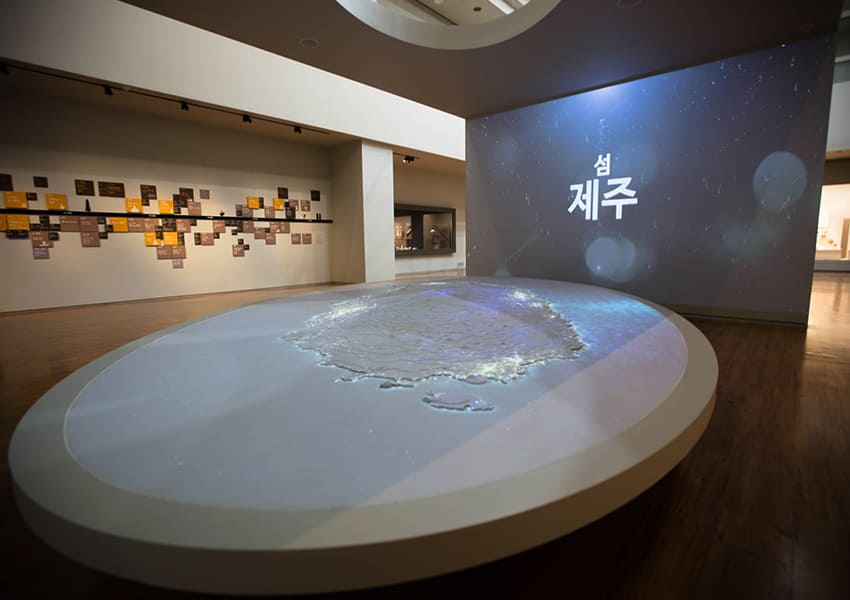
The Immersive Video Room on basement level 1 is a space that uses media art to portray the story of Jang Han-cheol, a Jeju resident in the late Joseon period, who experienced an unfamiliar world after crossing rough seas and then returned home. Placing this visit after viewing the exhibition artifacts can provide a sensory understanding that Jeju was not an island cut off from the sea, but a place that connected with the outside world through drifting and maritime travel.
The Immersive Video Room operates from 10:00 to 17:30, opening later and closing earlier than the museum’s standard visiting hours of 09:00 to 18:00. If visiting in the late afternoon, it is safer to check the Immersive Video Room before the permanent exhibition. Allow at least 90 minutes for the overall visit, or 2–3 hours if including the Children’s Museum and outdoor exhibitions.
09:30 Admission to the Children’s Museum Designed Mainly for Ages 6–10
The Children’s Museum is designed primarily for children aged 6–10 and operates as a free-admission, self-guided experience without advance reservations. Its hours are 09:30–18:00, with admission closing at 17:30. One adult guardian is recommended to accompany one to three children.
Children aged five and under require particularly close supervision. During busy periods, the number of visitors may be limited and waits may arise for activities in each area. For groups, one accompanying leader is recommended for every seven preschool children and at least one accompanying leader for every ten elementary school students, so families and groups should plan their visits differently.
- Admission to the Children’s Museum is free.
- Visitors can come on both weekdays and weekends without advance reservations.
- The Children’s Museum opens at 09:30, 30 minutes later than the main building.
Free Admission from 09:00 to 18:00: How to Avoid Mondays and 17:30
The Jeju National Museum is open Tuesday through Sunday from 09:00 to 18:00, with admission to the general exhibitions closing at 17:30. It is closed every Monday, January 1, Lunar New Year, and Chuseok, and admission is free. The main telephone number is 064-720-8000, and the official website is https://jeju.museum.go.kr.
Admission is not permitted after 17:30, and the Immersive Video Room also closes at 17:30, so if it is planned as the final activity of the day, it is better to arrive at least one hour beforehand. Special exhibitions may have separate operating conditions, so it is advisable to check the exhibitions and events scheduled for the date of your visit again on the official website.
- General exhibitions: 09:00–18:00, admission closes at 17:30
- Children’s Museum: 09:30–18:00, admission closes at 17:30
- Immersive Video Room: 10:00–17:30
From Jeju Airport, Take Buses 316, 325, 326, or 331 and Get Off at the ‘Jeju National Museum’ Stop
The address is 17 Iljudong-ro, Jeju-si, Jeju Special Self-Governing Province (postal code 63284). From Jeju International Airport, directions recommend taking bus 316, 325, 326, or 331 toward Dongmun Rotary and Sarabong Ogeori, then getting off at the ‘Jeju National Museum’ bus stop.
Visitors arriving by car can use the Main Gate Parking Lot or Rear Gate Parking Lot. The site map shows the exhibition galleries, Special Exhibition Hall, Immersive Video Room, Children’s Museum, education rooms, auditorium, Dongjaseok Garden, Natural Ecology Pond, and Forest Trail. Checking which entrance you used after parking can help prevent confusion over the route.
An Outdoor Route of 28,628㎡ Including Dongjaseok Garden, Natural Ecology Pond, and Forest Trail
The museum grounds include outdoor exhibitions, Dongjaseok Garden, a Natural Ecology Pond, and a Forest Trail. Even on an itinerary focused on the indoor galleries, the outdoor exhibition and landscaping area covers 28,628㎡, so when there is no rain, it is a good idea to add 20–30 minutes after finishing the exhibitions to explore the outdoor spaces.
Because of its location near the Sarabong area, the museum is well suited to a continuing itinerary through the coastal and harbor areas of eastern Jeju City. Conversely, on days with strong wind and rain, it is more practical to shorten the outdoor section and extend the indoor stay in the order of the permanent exhibition, Children’s Museum, and Immersive Video Room.
- The Main Gate Parking Lot and Rear Gate Parking Lot are separately indicated.
- The museum shop is in the exhibition hall lobby and sells books on Jeju history and culture as well as cultural products.
- The café is located in the lobby of the Complex Cultural Center.
Preparing for Barrier-Free Visits with Sloped Entrances, Elevators, and Braille Information
The Jeju National Museum provides accessible parking spaces, sloped entrances, elevators, and accessible restrooms. Wheelchairs and strollers are also available for rental. Public barrier-free tourism information lists Braille information panels, audio guidance, a nursing room, and diaper-changing tables, making it convenient for wheelchair users and travelers with infants or young children to plan an indoor visit.
The official website provides English, Japanese, and Chinese menus in addition to Korean. However, the languages available for exhibition explanations and the number of wheelchairs and strollers available for rental may change on the day, so if necessary, it is safest to inquire at 064-720-8000 before visiting.
Before You Go
- Address
- 17 Iljudong-ro, Jeju-si, Jeju Special Self-Governing Province
- Hours
- Tuesday–Sunday 09:00–18:00 (general exhibition admission closes at 17:30), Children’s Museum 09:30–18:00, Immersive Video Room 10:00–17:30
- Closed
- Every Monday, January 1, Lunar New Year, and Chuseok
- Admission
- Free
- Phone
- 064-720-8000
- Official site
- https://jeju.museum.go.kr
- Transport
- Take bus 316, 325, 326, or 331 from the Jeju International Airport area and get off at the Jeju National Museum stop
- Parking
- Main Gate Parking Lot and Rear Gate Parking Lot available
- Time needed
- Approximately 90 minutes for the permanent exhibition; 2–3 hours including the Children’s Museum, Immersive Video Room, and outdoor exhibitions
- Accessibility
- Accessible parking spaces, sloped entrances, elevators, accessible restrooms, wheelchair and stroller rentals, Braille information panels, audio guidance, nursing room, and diaper-changing tables. Website available in Korean, English, Japanese, and Chinese
The information above is based on the time of writing. Check the official information again before visiting.

Places
Nearby Attractions 5
-
 1
1
-
 2
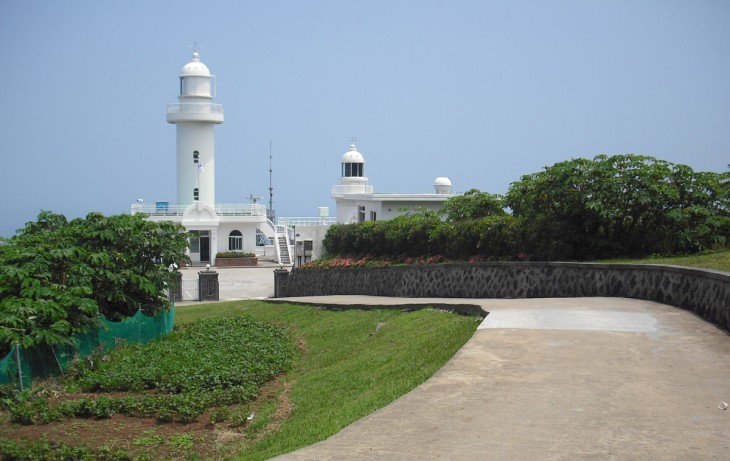
Sanji LighthouseA place to stroll around the lighthouse and enjoy views of Jeju Port and the coastal scenery.
2
Sanji LighthouseA place to stroll around the lighthouse and enjoy views of Jeju Port and the coastal scenery. -
 3
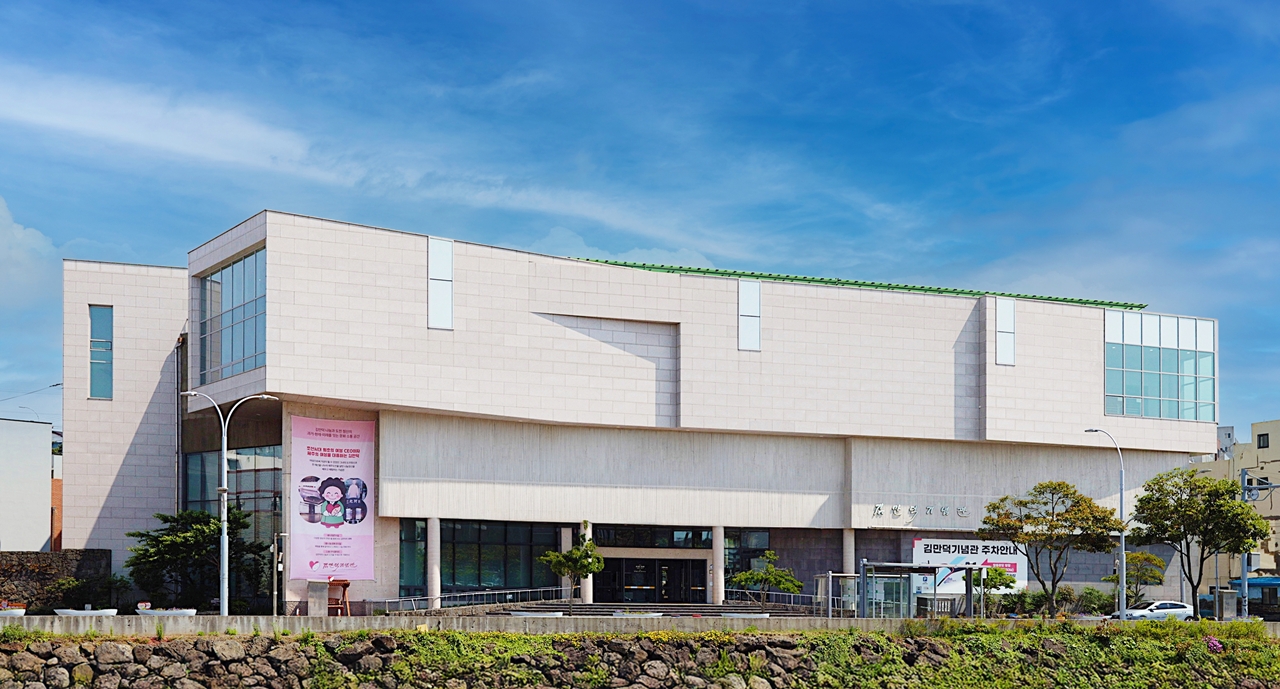
Kim Man-deok Memorial HallA place where visitors can explore Kim Man-deok’s life and spirit of sharing through exhibitions.
3
Kim Man-deok Memorial HallA place where visitors can explore Kim Man-deok’s life and spirit of sharing through exhibitions. -
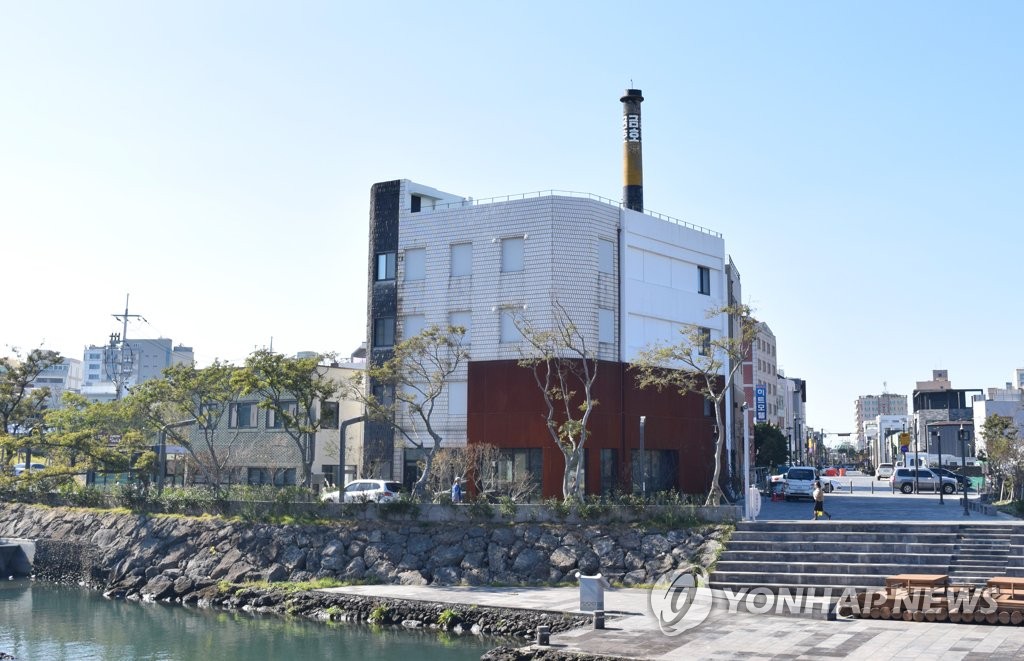 4
Sanjicheon GalleryA gallery exhibiting photographs by Jeju photographers and photographs of Jeju landscapes.
4
Sanjicheon GalleryA gallery exhibiting photographs by Jeju photographers and photographs of Jeju landscapes. -
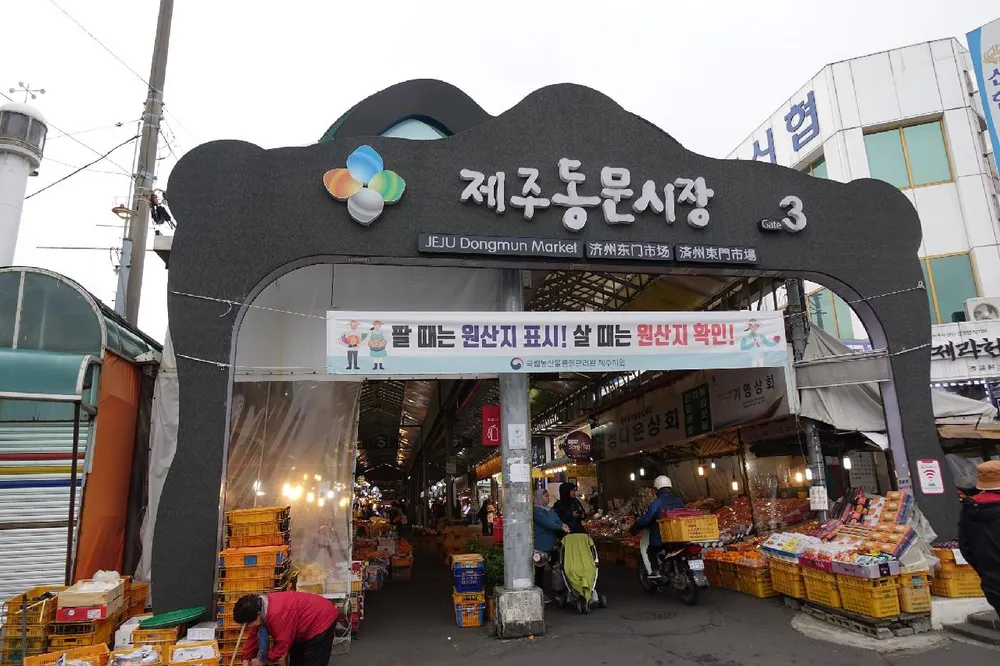 5
5
Food & Dining 4
-
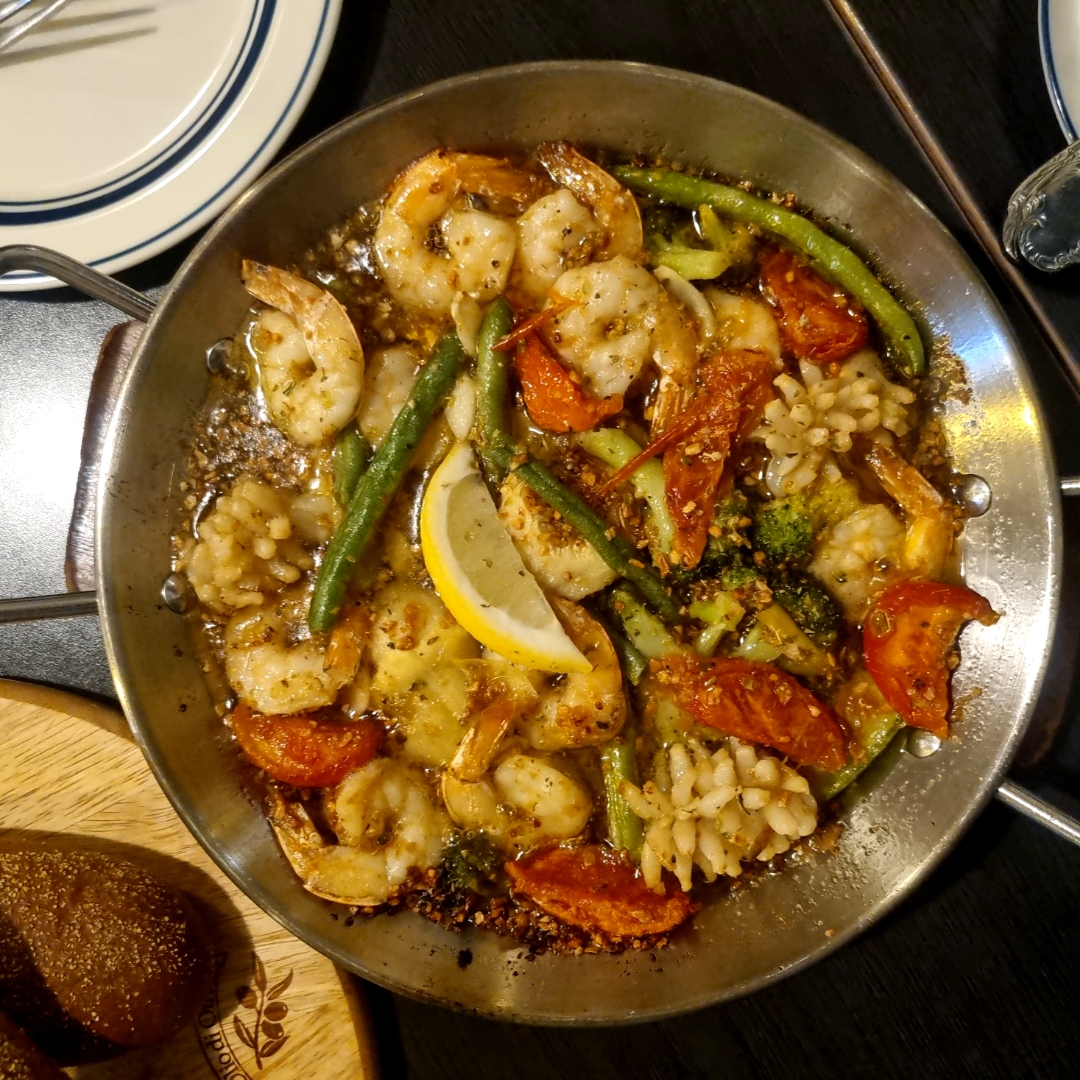 6
6
-
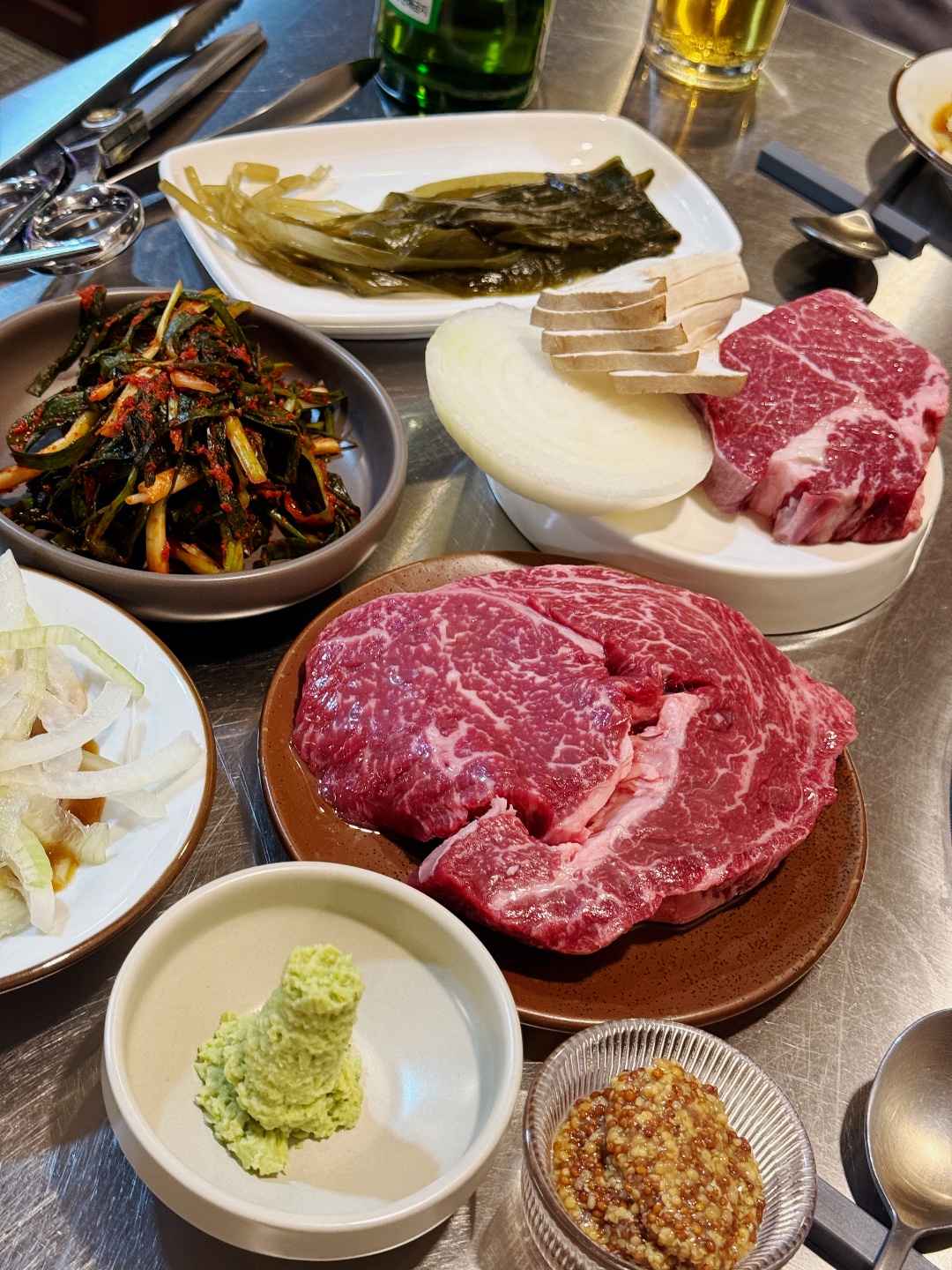 7
Inhwa-dong HanwooA place serving grilled Korean beef, including aged tenderloin and striploin.
7
Inhwa-dong HanwooA place serving grilled Korean beef, including aged tenderloin and striploin. -
 8
8
-
 9
9
Events in This Area
Festivals in This Area
More Travel Guides in This Area
 Travel Guide
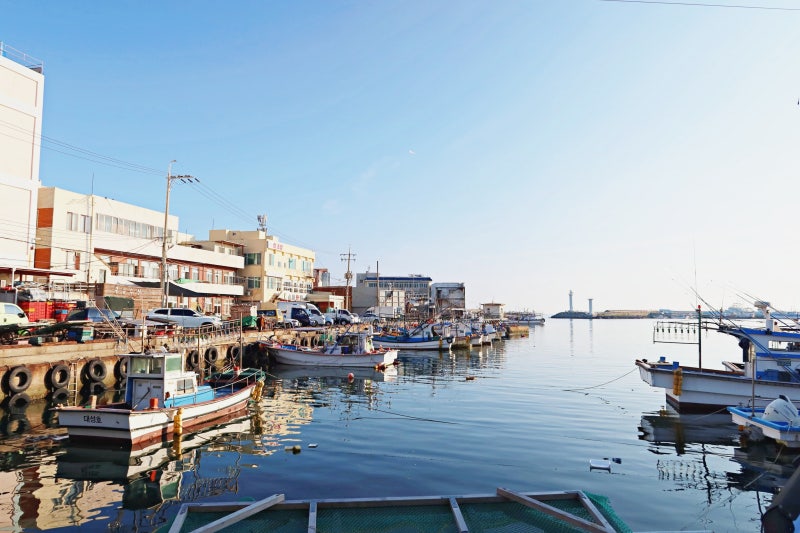
Seobudu Fish Market on the Western Waterway of Jeju Port
 Travel Guide
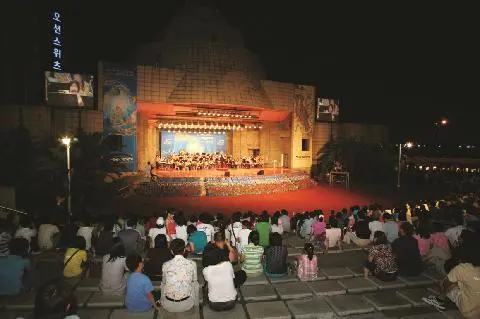
A Place to Encounter the Night of Jeju Port on the Tap-dong Reclaimed Land, Jeju Tapdong Seaside Arts Center
 Travel Guide
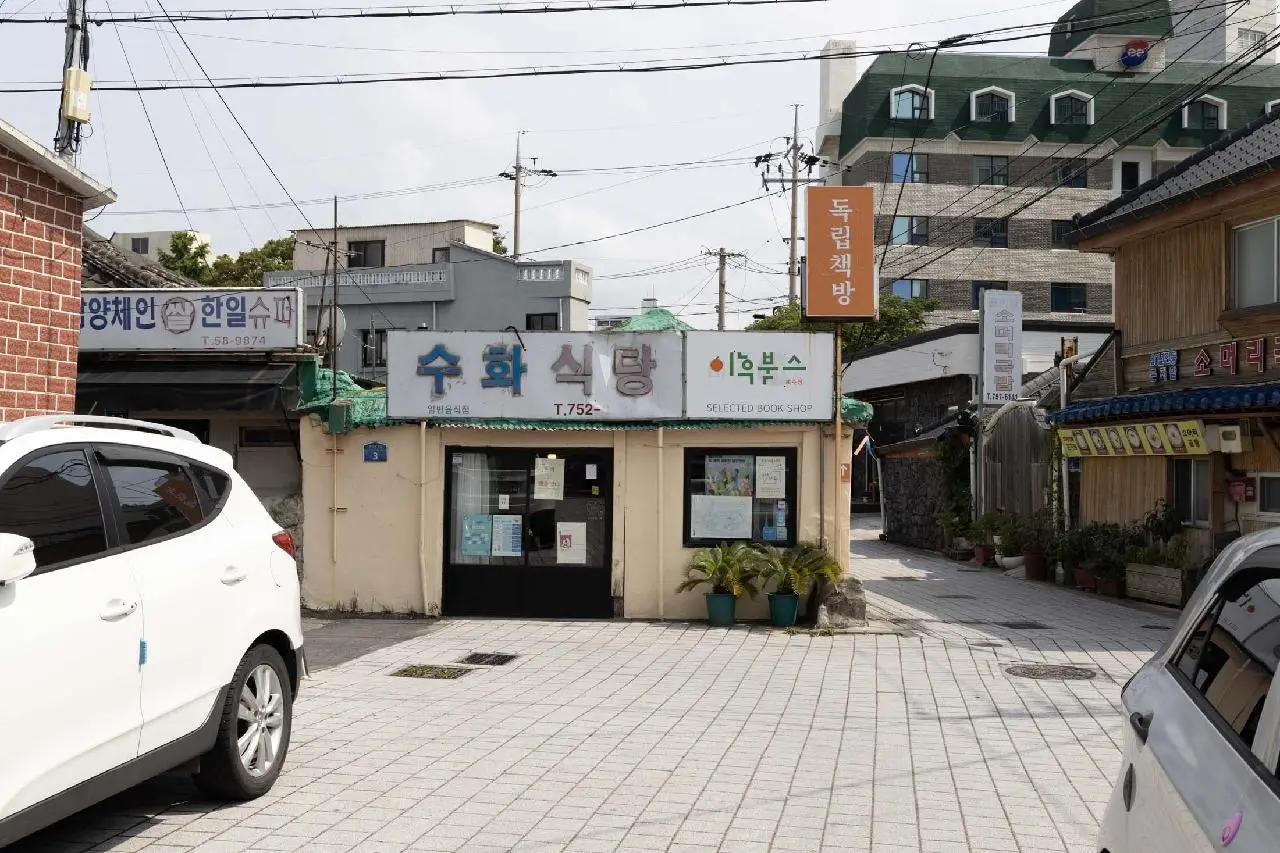
Under the sign for 'Suwha Restaurant' opposite Gwandeokjeong, choose one Jeju book at Ihu Books Jeju Branch
 Travel Guide
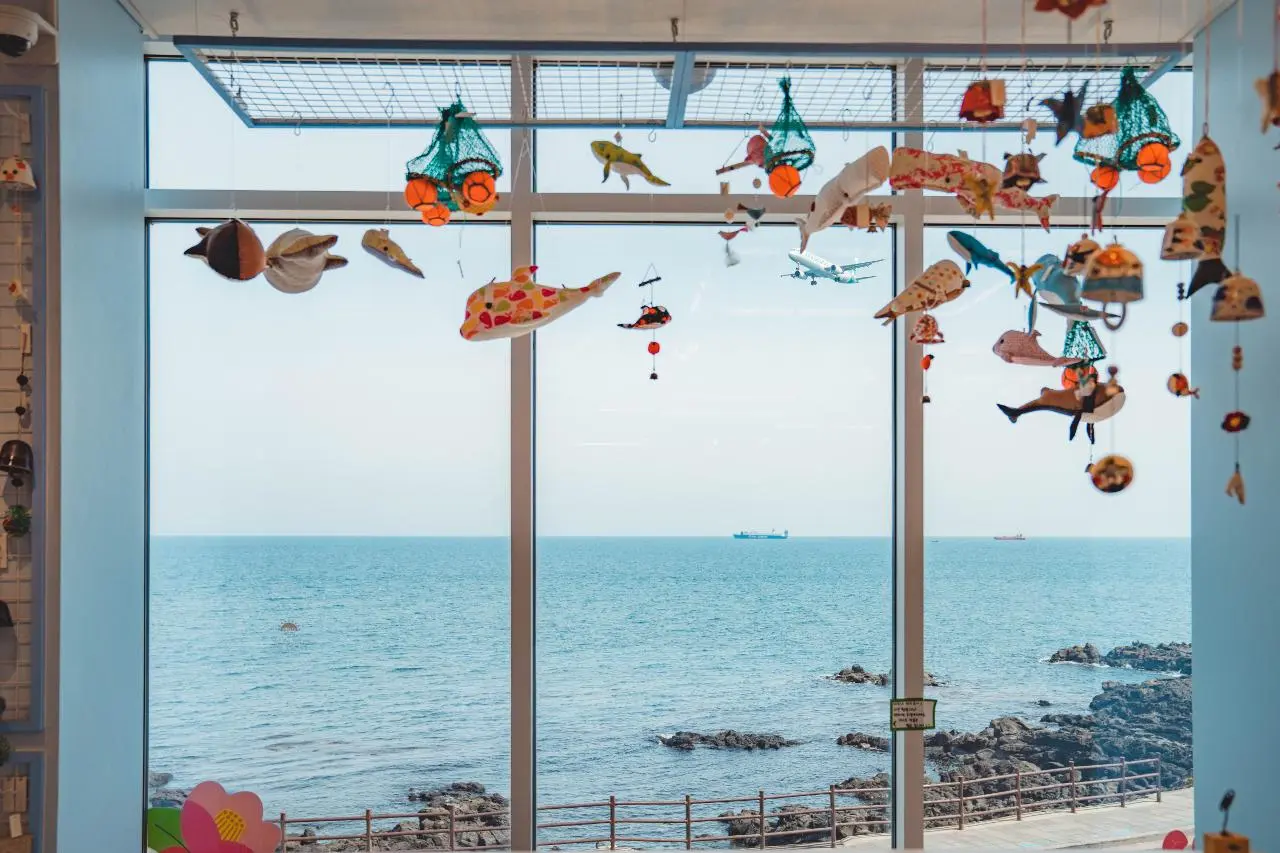
5 minutes from Jeju Airport, a 200-pyeong lifestyle goods edit shop in front of Yongdam Beach, Bai Jeju
Korea News
![BLACKPINK’s Lisa Dominates the VMA Red Carpet in a Sheer Corset Dress and Red Fur [Star Issue]](https://kotourlive-images.s3.ap-northeast-1.amazonaws.com/news/1790557894714_010e956a_news_94409db1-fab6-40bf-bc7b-4b985b1fbac7.jpg) News
News
BLACKPINK’s Lisa Dominates the VMA Red Carpet in a Sheer Corset Dress and Red Fur [Star Issue]
![BLACKPINK’s Jisoo Spotted by Surprise with BIGBANG in London… Their Special Loyalty as Labelmates [IS High Cut]](https://kotourlive-images.s3.ap-northeast-1.amazonaws.com/news/1790557854683_6ea979f5_news_caab62e5-8462-43c8-8622-da794f3df9de.png) News
News
BLACKPINK’s Jisoo Spotted by Surprise with BIGBANG in London… Their Special Loyalty as Labelmates [IS High Cut]
 News
News
Tattoos All Over Her Body… AOA’s Jimin Draws Shocked Attention After Kwon Mina’s ‘Bullying’ Allegations
![You’ll Have to Look Twice… Choi Min-a-soo Perfectly Pulls Off Everything from a Daring Illusion Dress at the Awards Ceremony to Long Braided Hair [RE:STAR]](https://kotourlive-images.s3.ap-northeast-1.amazonaws.com/news/1790492384850_1f293dad_news_d834c50e-0685-43ef-9aa5-6995cd6d8848.jpg) News
News