Woo Lae Oak
Opened in Euljiro in 1946 under the name Seobukgwan, this restaurant specializing in Pyongyang naengmyeon and bulgogi was renamed Woo Lae Oak, meaning “the house that came back again,” after the evacuation during the Korean War, and has remained in the same location ever since. It is known for its clean-tasting broth seasoned only with salt and soy sauce using beef shank, and for its naengmyeon served in porcelain bowls. It has been selected for the Michelin Guide Bib Gourmand several times.

I’ve been here?
Your check-in helps the next traveler.
12 people viewed this week Be the first
One tap — no writing needed
1946: Seobukgwan on Euljiro — A Name from Myeongwolgwan in Pyeongyang
The story of Woo Lae Oak dates back to the period immediately after liberation. 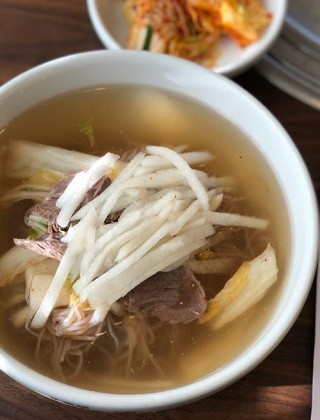
Jang Won-il, who operated a restaurant called Myeongwolgwan in Pyeongyang, moved to Seoul and opened Seobukgwan on Euljiro Street in 1946. He later evacuated for safety during the Korean War and, after returning, changed the restaurant's name to Woo Lae Oak. The building currently on the site was not there from the beginning either: the restaurant originally stood where the current parking lot is located, and it was rebuilt at its present location in the 1970s. The fact that the area near Euljiro 4-ga served as a gathering place for displaced people from the North also reflects the character of this restaurant. In fact, Woo Lae Oak is famous as a gathering place for people from Pyeongan Province, and its general manager, also from Pyeongyang, has continued to look after the dining hall and serve displaced customers despite being nearly 90 years old.
The meaning behind the name “Woo Lae Oak” (又來屋) also arose from the experiences of this period. During the June 25 Incident, the restaurant temporarily closed after evacuating, but when the armistice was reached and its owners returned to Seoul, they were able to reopen. At that time, they named it Woo Lae Oak, meaning “the house that came back again.” The name later came to carry the additional double meanings “the house you return to again” and “the house you want to visit again,” although these latter two meanings appear to have been added later.
Jang Jin-geon's 1969 Trademark Registration — The Oldest Restaurant Trademark in Korea
The name Woo Lae Oak itself is also a long-standing legal asset. Gyeonginmyeonok in Incheon opened in 1944 and preceded it, but Jang Jin-geon, the second-generation descendant of Woo Lae Oak's founder, registered the trademark with the Korean Intellectual Property Office in 1969. After analyzing the status of trademark rights held by self-employed restaurants, the Korean Intellectual Property Office found that Woo Lae Oak had the oldest restaurant trademark in Korea, followed by Mijori and Shinsegae in second and third place. Namuwiki also records that, as of March 24, 2019, it was the oldest trademark among restaurant trademark rights still maintained in South Korea, having been registered on November 26, 1969.
Management also remained within the founder's family for many years. Until 2024, Jang Won-il's twin granddaughters were running the business. However, there was not always only one branch. The restaurant had other locations in Daechi-dong and Washington, D.C., but both had closed by 2024. Regarding the closure of the Daechi branch, it is also reported that Woo Lae Oak suspended operations and planned renovations after the Gangnam branch encountered problems during a hygiene inspection in early 2020, but sold the property when the economy deteriorated because of COVID-19. Today, only the main location on Changgyeonggung-ro remains, maintaining its place as a symbol of Euljiro. Unlike other long-established restaurants, Woo Lae Oak does not operate other social media channels or a separate official website; information is available only through the Michelin Guide and various restaurant-information platforms.
Beef Shank Broth Seasoned Only with Salt and Soy Sauce
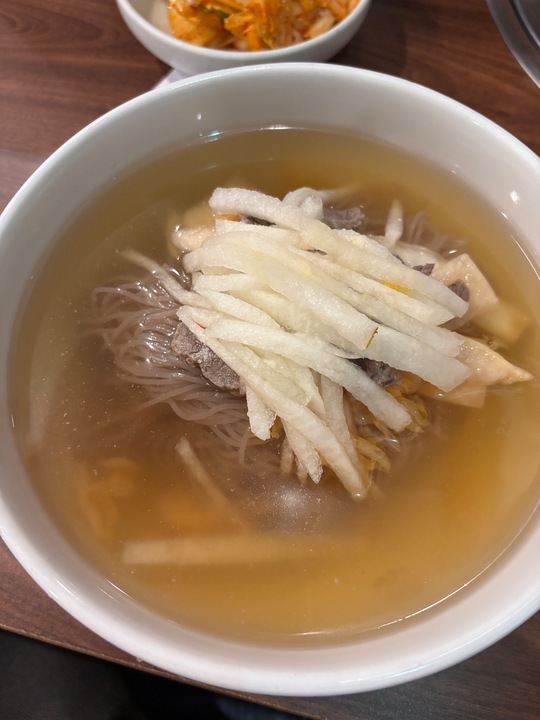
What distinguishes Woo Lae Oak's naengmyeon from that of other Pyeongyang naengmyeon restaurants is the broth. Broth is an important element that differentiates one Pyeongyang naengmyeon restaurant from another, and Woo Lae Oak's broth is made by simmering Korean beef arong-satae shank and seasoning it only with salt and soy sauce to create a clean, savory flavor. 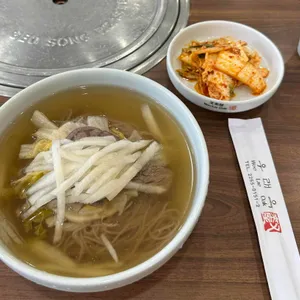
The specific proportions are also known. According to a 2009 interview with the JoongAng Ilbo, the broth consists of 42 kg of brisket and shank meat, 2.3 kg of salt, and 4 liters of soy sauce (Samhwa clear soup soy sauce) per 100 liters of water. Because of this cooking method, the Korean-style naengmyeon tradition that originated with Woo Lae Oak is characterized by clear broth based on brisket and shank stock, seasoned primarily with soy sauce. Representative restaurants in this tradition include Woo Lae Oak, Bongpiyang, Seoryeong, and Gwangjuok 1947. Bulgogi is also considered a menu item that pairs well with the restaurant's rich meat aroma. The Michelin Guide has also noted that the other popular dish, bulgogi, is a good accompaniment to naengmyeon. 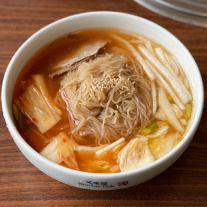
One Minute on Foot from Exit 4 of Euljiro 4-ga Station, with Valet Parking in a Narrow Alley
Access by public transportation is reasonably convenient. The restaurant is about 100 meters from Exit 4 of Euljiro 4-ga Station on Seoul Subway Lines 2 and 5. If arriving by bus, take Seoul buses 152, 202, or 261, get off at the Euljiro 5-ga stop, and walk about 150 meters through the alley to reach Woo Lae Oak.
If arriving by car, it is best to know in advance that the alley is narrow. There is a paid parking lot in front of the Woo Lae Oak main branch, costing 3,000 won for the first three hours and an additional 1,000 won for every 10 minutes thereafter. Because it is located in a narrow alley, first-time visitors may find it a little confusing. Other reviews also repeatedly mention a spacious parking area in front of the restaurant where valet parking is available, paid parking at 3,000 won for three hours, and a one-minute walk from Exit 4 of Euljiro 4-ga Station on Subway Lines 2 and 5. 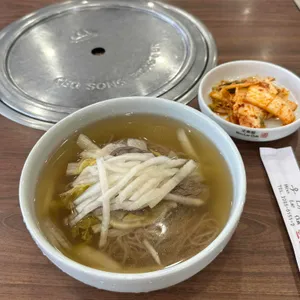
Tuesday–Sunday, 11:30–21:00, with a Break from Service Only on the Second Floor
Business hours and the regular closing day are consistently confirmed across several reservation platforms. The hours are Tuesday–Sunday, 11:30–21:00, with last orders at 20:20, and every Monday is the regular closing day. It is also useful to note the phone number and address. The regular closing day is Monday, the phone number is 02-2265-0151, and the address is 1F, 62-29 Changgyeonggung-ro, Jung-gu, Seoul. 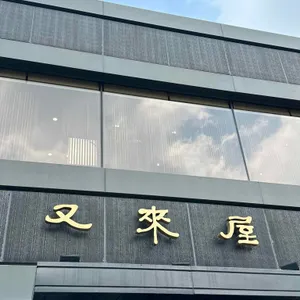
However, it is easy to overlook that operations differ by floor. The hours are 11:30–21:00, with last orders at 20:30, and the break applies only to the second floor, from 14:00–17:00 on weekdays; the first floor has no break. However, there are not many tables on the first floor. In other words, visitors arriving between 2 and 5 p.m. will primarily be seated on the first floor. Additional holiday closures apply beyond Mondays. The listed closing days are every Monday, New Year's Day on January 1, and the three days of Seollal and Chuseok.
Naengmyeon 18,000 Won, Bulgogi 37,000 Won — Reviews Calling the Prices Expensive
Prices are the most common topic surrounding Woo Lae Oak. 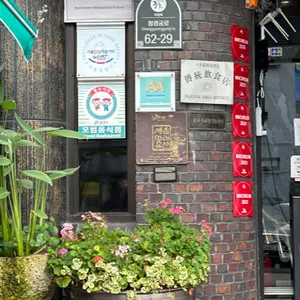
The higher price comes with details that differ from other restaurants. Unlike other Pyeongyang naengmyeon specialists, Woo Lae Oak serves fresh kimchi even when only naengmyeon is ordered, and, unlike ordinary naengmyeon restaurants that use stainless-steel bowls, it serves naengmyeon in ceramic bowls. The portions are also considered generous. The naengmyeon is topped with meat, radish, pear, and kimchi, and some reviews say it offers the largest portion compared with other Pyeongyang naengmyeon restaurants in Seoul. Ordering a meat dish also brings additional service items. Although the restaurant is famous for Pyeongyang naengmyeon, its meat dishes, including galbi, are also delicious, and reviews say they taste even better because staff grill the meat themselves. 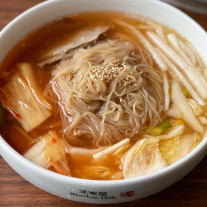
On-Site Tableling Registration and a 30-Minute to One-Hour Wait
Learning about the waiting system in advance can prevent a wasted trip. The restaurant takes waiting-list registrations through Tableling, remote queuing is not available, and the repeated advice throughout the year is that visitors should expect to wait at least 30 minutes to an hour unless they arrive for the opening. A May 2025 review describes a similar experience. To enter during the first seating on a holiday, visitors needed to join the Tableling waitlist before 10 a.m.; one review said they spent the time waiting at a nearby café and entered when their number was called.
For groups or visits focused mainly on meat dishes, making a reservation by phone is another option. On-site waiting through the Tableling app is the standard method, and remote waiting through Catch Table is also reportedly possible. It is also introduced as being possible to reserve one week in advance if a party of four or more orders meat dishes for the full number of guests. On-site registration can be made using the Tableling machine placed in front of the restaurant, but other guidance says remote waiting through the app is unavailable and registration is possible only by visiting in person. Because reservation information varies somewhat depending on the time, it is safest to confirm directly with the restaurant before visiting.
Michelin Bib Gourmand and the Hidden Menu Item, Kimchi-Marinated Naengmyeon
The restaurant has also maintained a steady reputation in authoritative food guides. Woo Lae Oak is located at 62-29 Changgyeonggung-ro, Jung-gu, Seoul, and was included in the Michelin Guide's 2025 Bib Gourmand list, which featured 77 restaurants in total—58 in Seoul and 19 in Busan. The Michelin Guide also highlighted the restaurant's individuality. Woo Lae Oak is regarded as one of the best Pyeongyang naengmyeon restaurants in Seoul and has maintained its reputation and tradition since opening in 1946.
There is also a special dish that does not appear on the menu. Kimchi-marinated naengmyeon is a hidden menu item consisting of ordinary naengmyeon topped with finely chopped kimchi, with rice rolled beneath the noodles. It is said to be a style once enjoyed by people from the northern regions. Differences in flavor between branches have also drawn attention. The kimchi-marinated naengmyeon at the main branch in Jugyo-dong was considered a hidden gem, while reviews said the version at the Daechi-dong branch tasted quite different. The restaurant has also frequently appeared on television. It has been featured on various programs, including the variety show Wednesday Food Talk, and remains highly popular through its media exposure.
Subtle Flavor and High Prices — It May Not Suit Everyone
It should also be acknowledged honestly that the flavor may not suit everyone. Older diners tend to prefer the subtle taste of the broth, while younger people accustomed to strongly seasoned food may find it bland. However, there are also reviews saying that it appealed to first-time visitors. A report by the University of Seoul Press remains on record describing how the restaurant won over the palate of a visitor trying Pyeongyang naengmyeon for the first time.
Opinions of the service during busy periods are mixed. In a December 2025 review, even diners who could not fully appreciate the flavor of Pyeongyang naengmyeon were satisfied with the rich broth and soft noodles, and the reviewer said the restaurant deserved its four consecutive Michelin selections. However, they found 16,000 won for a bowl of naengmyeon quite expensive and wrote that the hectic atmosphere caused by the crowds made the service only average. This also means the restaurant is best suited to people who are comfortable with a crowded weekend lunch, have a generous budget, and are open to subtle flavors. For reference, Woo Lae Oak does not operate a separate official website; the Michelin Guide and various restaurant-information platforms are the most authoritative sources of information.
Before You Go
- Address
- 62-29 Changgyeonggung-ro, Jung-gu, Seoul
- Hours
- Tuesday–Sunday 11:30–21:00 (last order 20:20); second-floor break on weekdays 14:00–17:00 (no break on the first floor)
- Closed
- Every Monday, January 1, and the day of Seollal and Chuseok
- Admission
- No admission fee · Signature dishes: Pyeongyang naengmyeon 18,000 won, bulgogi 37,000 won per serving, galbi 53,000 won per serving (prices subject to change)
- Phone
- 02-2265-0151
- Transport
- One-minute walk, approximately 100 m, from Exit 4 of Euljiro 4-ga Station on Subway Lines 2 and 5 · Seoul buses 152, 202, and 261; get off at the Euljiro 5-ga stop and walk approximately 150 m through the alley
- Parking
- Valet parking available in front of the restaurant; 3,000 won for three hours, then 1,000 won per additional 10 minutes
- Time needed
- Approximately 1–2 hours, including a 30-minute to one-hour wait
- Accessibility
- Not confirmed
The information above is based on the time of writing. Check the official information again before visiting.


Events in This Area




Festivals in This Area



More Travel Guides in This Area
 Travel Guide
Seoul Gwangjang Market, which began in Baeogae in 1905 and extends into a food alley open until 11 p.m.
 Travel Guide
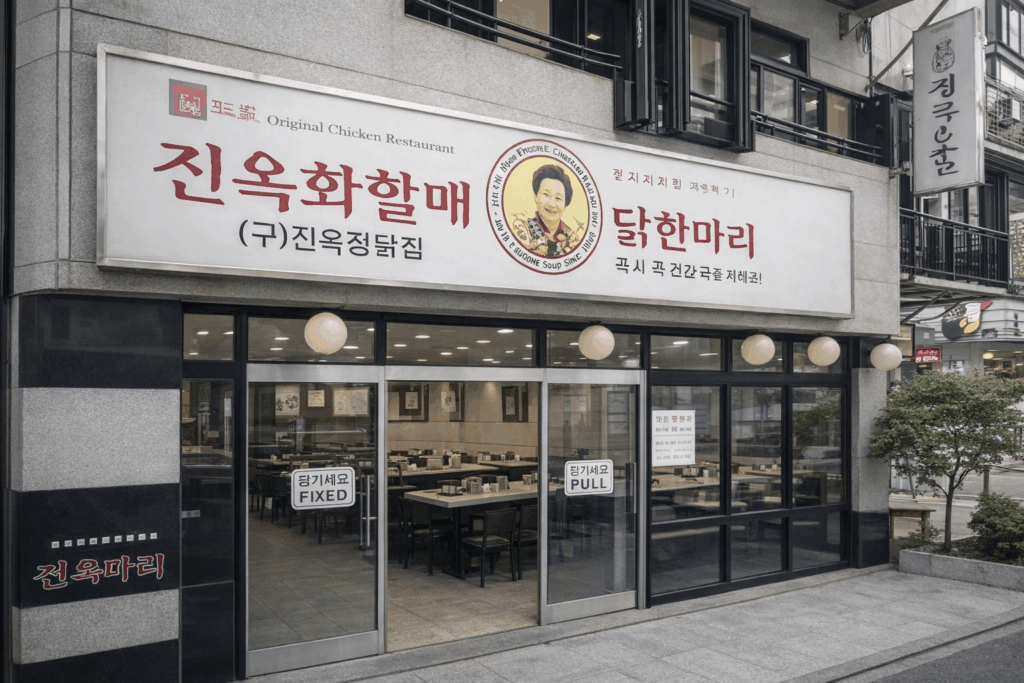
Jinokhwa Halmae Original Dakhanmari, Serving Since 1978 in Dongdaemun’s Dakhanmari Alley
 Travel Guide
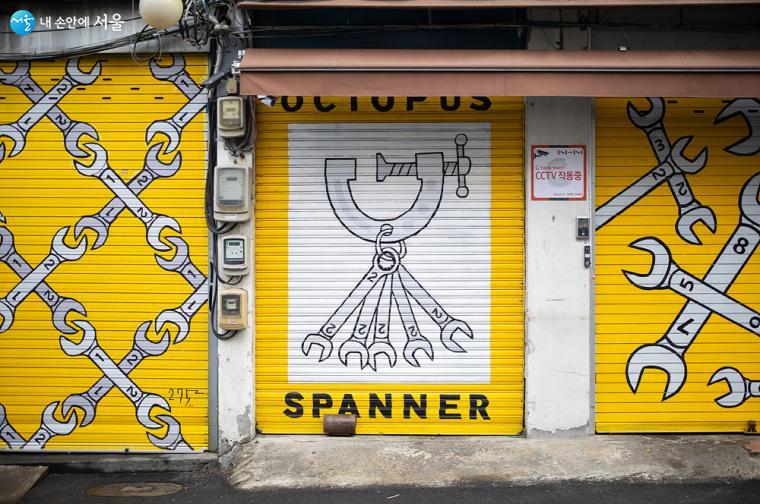
Euljiro 3(sam)-ga, a Seoul work district where printing, tile, and nogari alleys overlap in one block
 Travel Guide
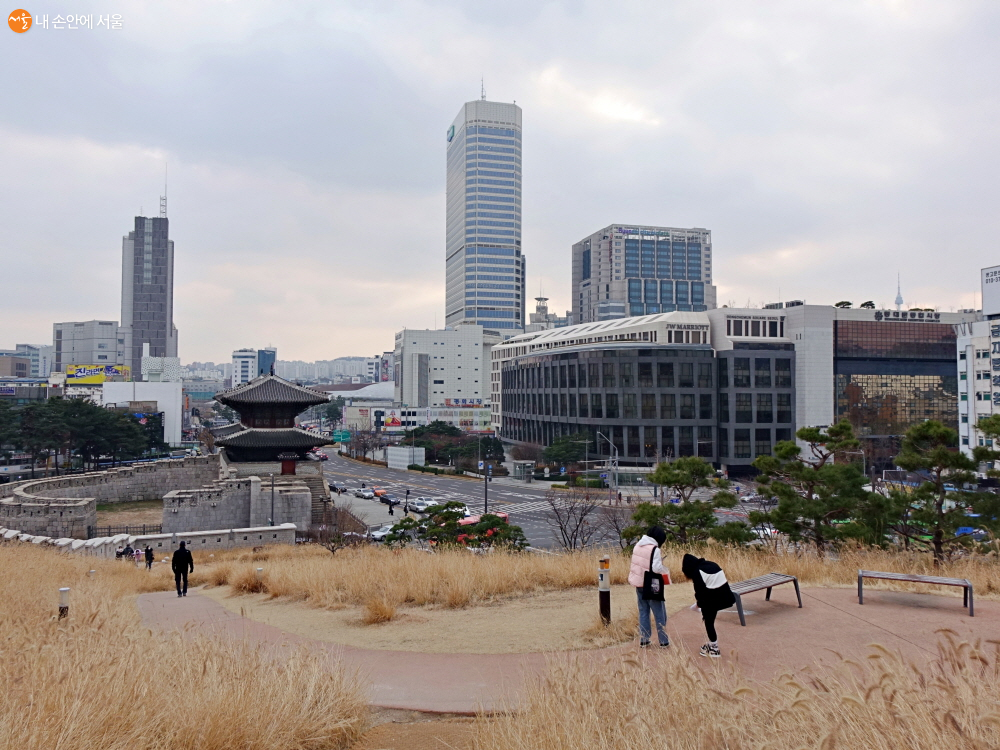
How to Put Together a Hanbok Outfit in Dongdaemun’s 1970 Fashion Production District
Korea News
 News
News
‘NewJeans Expulsion’ Danielle Releases Her First YouTube Video… “We Don’t Know What Will Happen Next”
![aespa’s North American Tour Has Remaining Seats Despite ‘$49’ Bargain Prices… A Stark Popularity Gap with KATSEYE [TEN Starfield]](https://kotourlive-images.s3.ap-northeast-1.amazonaws.com/news/1788485037424_a59b1932_naver_rank_thumb_0000774618_1788485037424.jpg) News
News
aespa’s North American Tour Has Remaining Seats Despite ‘$49’ Bargain Prices… A Stark Popularity Gap with KATSEYE [TEN Starfield]
![[Photo] TWICE’s Dahyun attends a film festival red carpet as an actress](https://kotourlive-images.s3.ap-northeast-1.amazonaws.com/news/1788485316508_edd43ecd_news_870a60a6-6f11-4d73-aa7c-48d91318a0f7.jpg) News
News
[Photo] TWICE’s Dahyun attends a film festival red carpet as an actress
![[On-Site Video] “We’re Departing Separately Together”… BIGBANG Begins ‘COSMOS’ World Tour](https://kotourlive-images.s3.ap-northeast-1.amazonaws.com/news/1788485226518_c5719641_news_fdd4764a-0f4e-4968-8e4e-e98a02872f88.jpg) News
News