I’ve been here?
Your check-in helps the next traveler.
No one has checked in yet Be the first
One tap — no writing needed
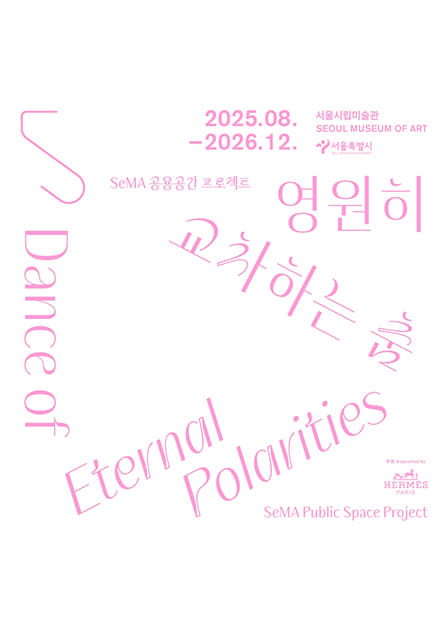
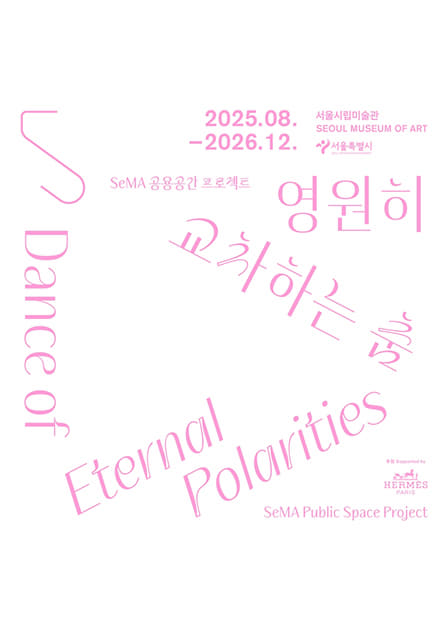
"Forever Intersecting Dance" is a large-scale installation artwork by the world-renowned Brazilian contemporary artist Ernesto Neto, presented at the 1st-floor lobby of Seoul Sirip Misulgwan Seosomun Bon-gwan from August 13, 2025 to December 31, 2026. This project is part of the Seoul Sirip Misulgwan 2025 Public Space Project and is designed to bring art into everyday life through a massive sculptural installation that spans the museum's open lobby space. The title "Forever Intersecting Dance" expresses a spatiotemporal sense of circulation and balance where center and edge, inside and outside, continuously shift, clearly reflecting Neto's unique aesthetic philosophy.
This installation is constructed from industrial cotton fabrics in brown and pink, woven using a crochet technique. The brown evokes tree trunks and night, while the pink symbolizes flowers and daytime. The contrast of these dual colors serves as a visual metaphor that blurs the boundaries between night and day, and between nature and the artificial. The interior of the structure is filled with locally sourced guava leaves and tea plant leaves, so the work conveys an ecological message through plant materials beyond mere sculptural aesthetics. Neto inherits the spirit of the 1980s Brazilian Neo-Concrete movement and implements an artistic perspective in this work that emphasizes sensation, participation, and subjective experience.
This monumental installation transforms the museum's enclosed space into an open place. Installed in the lobby, which serves as a thoroughfare, the work can be experienced not only by visitors who came specifically to see art but also by passersby. It injects a fresh, otherworldly vitality into the predominantly linear modern architectural space, redefining the rhythm of life within the urban environment through organic, gentle curves and color.
Key Advantages for Foreign Visitors include, above all, accessibility. Seoul Sirip Misulgwan Seosomun Bon-gwan is easy to reach by public transport (Subway Line 2 Sicheong Station Exit 3, Line 5 Gwanghwamun Station Exit 2), and the work can be viewed in the lobby space without paying an admission fee. This allows travelers who may lack prior knowledge of art or art experience to experience contemporary art without hesitation. The work itself is highly visual and sensory, so there are no language barriers. The soft textiles woven with crochet techniques, natural materials, and harmonious colors evoke immediate emotional responses, and visitors can freely walk around and view the work from multiple angles.
The Deoksugung-gil area concentrates Seoul's history and culture. Major cultural heritage sites such as Gyeongbokgung, Deoksugung, and Seoul Sicheong are nearby, and the surroundings are abundant with cafes, restaurants, and convenience stores. After visiting the museum, you can take a five-minute walk to stroll along Deoksugung Doldam-gil or relax at the Seoul Sicheong Seocheuk Gwangjang. Experiencing contemporary art in a space where the daily life of Seoul citizens flows helps greatly in understanding the identity of the city.
Things to Consider When Visiting as a Foreigner include crowding. Seoul Sirip Misulgwan is one of Seoul's major museums, and the lobby also serves as a passageway, so the number of people can surge depending on the time of day. It can be particularly busy with visitors taking photos on weekends, public holidays, and peak tourist seasons, so visiting on a quiet weekday morning is recommended. As it is a long-term exhibition (approximately 16 months), there is no urgent need to rush. Since the work is installed in the lobby, access is free regardless of museum admission, but it is advisable to check official operating hours (Tue–Fri 10:00–20:00, Sat–Sun 10:00–19:00, closed Monday) before visiting. Also, because it is an installation, tactile interaction may be limited. Even if you wish to feel the delicate crochet details or the scent of natural materials, refrain from touching or probing the work to preserve it.
To enhance understanding of the work, it is helpful to know some basic background before visiting. Ernesto Neto, born in 1964, is a Brazilian artist who has explored the relationship between body and space through textiles, organic materials, and installation art. His work is characterized by a foundation in minimalism and abstract art while emphasizing sensory and participatory experiences. The Brazilian Neo-Concrete movement originated in the 1950s and 1960s and, unlike the mechanical rigor of European Concrete art, valued the human body's senses and subjective experience. Understanding this background helps one see that the work possesses philosophical and cultural depth beyond decorative installation. Detailed descriptions of the work and photos of the production process are posted on the official website and SNS of Seoul Sirip Misulgwan, so checking them before visiting will enrich the viewing experience.
On-site tips include observing the work from various heights and angles. The view from standing height, the perspective from sitting, and the sensation of passing underneath the work are all different. In particular, between 2:00 and 4:00 PM when natural light enters the lobby, the colors appear most beautiful and the shadows the textiles cast on the floor create patterns worth appreciating. If you plan to take photos, use various modes of your phone camera (wide-angle, macro, etc.) rather than a tripod, and shoot from multiple angles. There is a tourist information center near Sicheong Station, so you can obtain English or multilingual assistance if needed.
Overall Review: "Forever Intersecting Dance" is a precious installation piece that allows visitors to experience new possibilities of contemporary art within the urban space of Seoul. This work, imbued with the delicate aesthetics and ecological sensibility of master Ernesto Neto, evokes emotional resonance simply by viewing it, and understanding the artist's philosophy and cultural background deepens that experience. Installed in a public lobby space, this monumental installation demonstrates how art can enrich everyday life. For foreign tourists, it is a great opportunity to understand Seoul's contemporary art culture and experience Korean urban public art policies. With excellent accessibility, no language barriers, and its long-term exhibition, it offers an open cultural experience for all travelers. Travelers interested in Korean art and contemporary art should definitely visit, and even visitors without a special interest in art can enjoy it as a pleasant place to sense Seoul's atmosphere.
| Item | Rating (1~5) |
|---|---|
| Language Accessibility | 5.0 |
| Transport | 5.0 |
| Traveler Amenities | 4.0 |
| Local Atmosphere/Culture | 4.5 |
| Value for Money | 4.5 |
| Cleanliness & Safety | 4.0 |
| Nearby Amenities and Food | 4.0 |
This article was compiled by our editorial team from official announcements and coverage of previous editions; it is not a first-hand visit report. Please confirm the final schedule and fees on the official website.
Festival Details
-
Festival Period8/13/2025 ~ 12/31/2026
-
Festival VenueSeoul Museum of Art (SeMA), Seosomun Main Branch — 1F Lobby
-
Operating HoursTue–Fri 10:00–20:00 / Sat, Sun & public holidays: Summer (Mar–Oct) 10:00–19:00; Winter (Nov–Feb) 10:00–18:00 (Last admission 1 hour before closing)
-
Admission FeeFree admission
-
TagsErnesto Neto Bacaba crochet public space large-scale installation Neo-Concrete
More Festivals
Popular Concerts
![EXO PLANET #6 - EXhOrizon [dot] -](https://kotourlive-images.s3.ap-northeast-1.amazonaws.com/concerts/1787215796640_ee65f451_thumbnail.jpg)
More Travel Guides in This Area
 Travel Guide
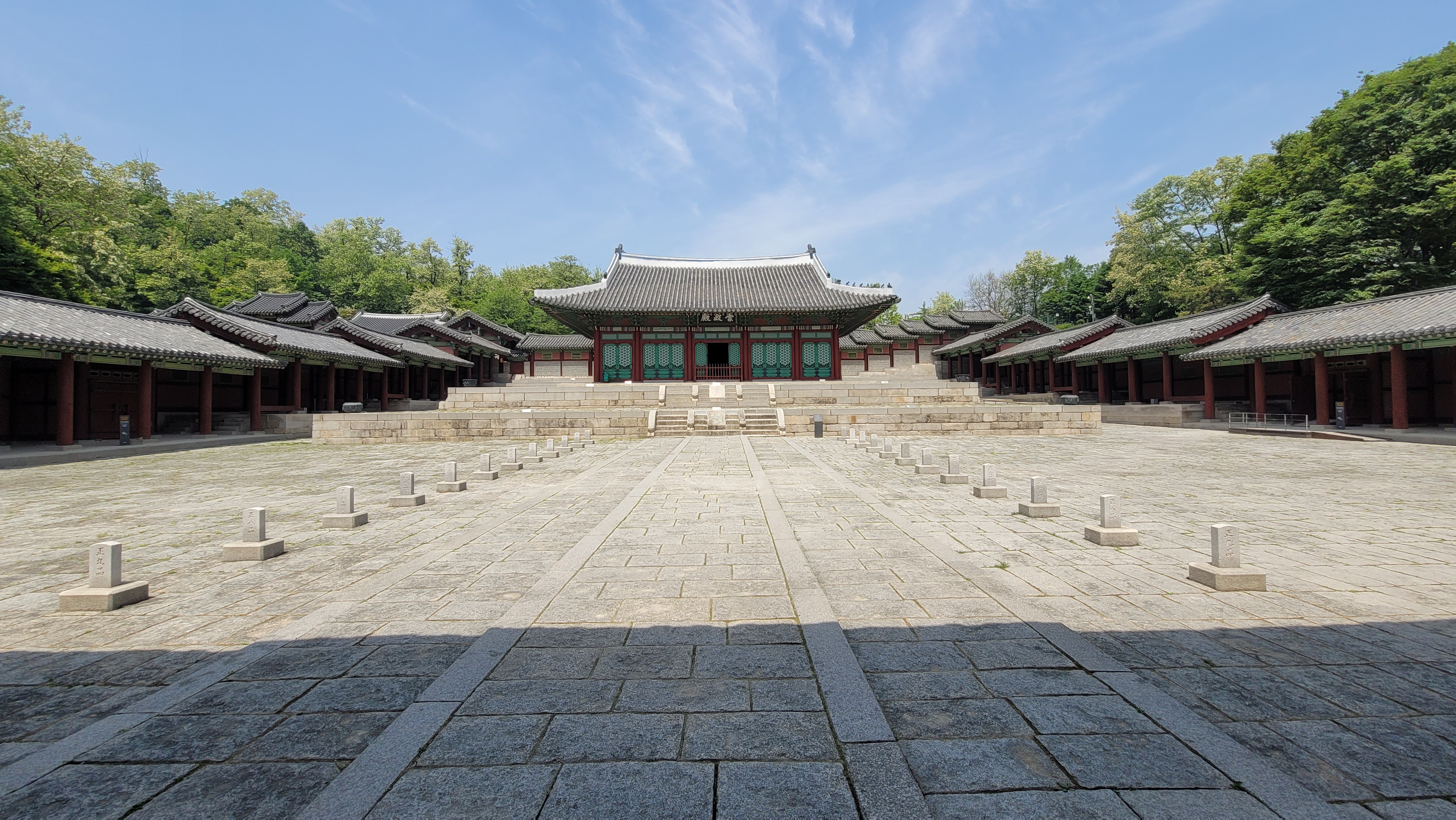
Gyeonghuigung Palace: A 60-Minute Walk Along the Axis of the Vanished Western Palace
 Travel Guide
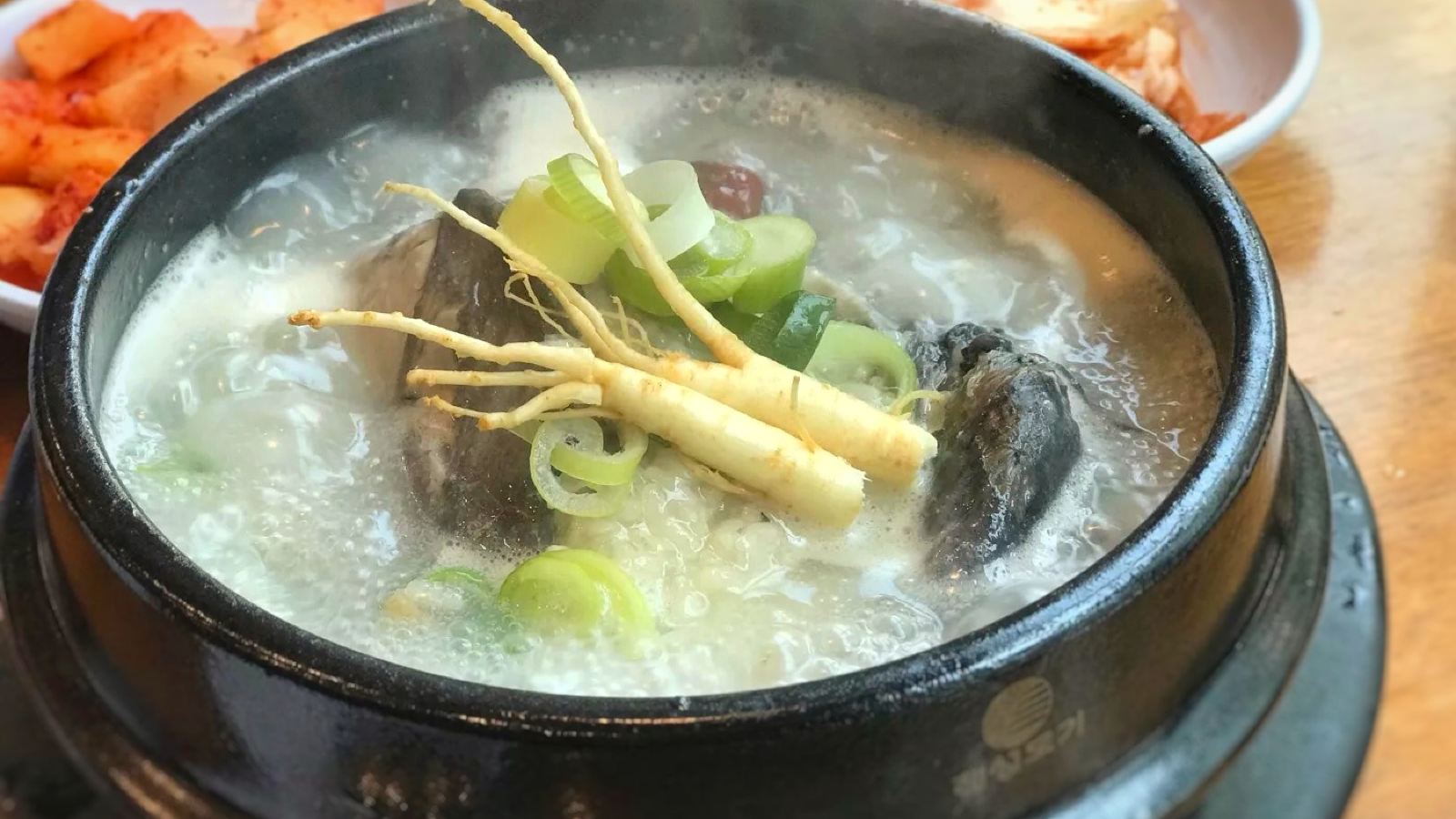
A Bowl at Goryeo Samgyetang Main Branch in an Alley near City Hall Station
 Travel Guide
From Daehanmun Gate to Seokjojeon: A 90-Minute Journey Through the Last Imperial Palace of the Korean Empire
 Travel Guide