Euljiro 3(sam)-ga, a Seoul work district where printing, tile, and nogari alleys overlap in one block
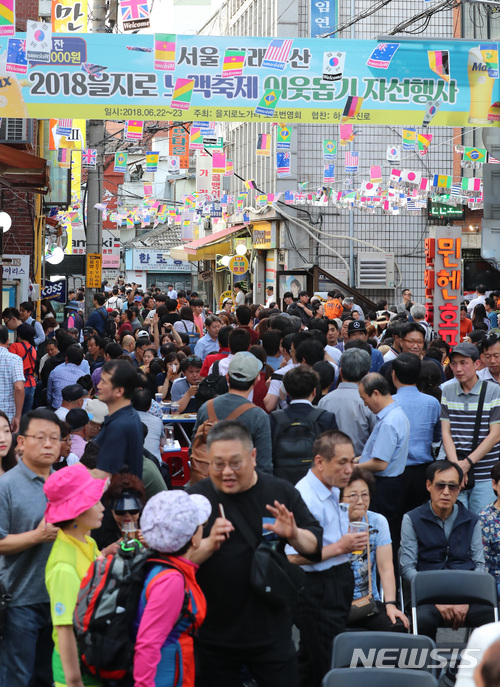
Euljiro 3(sam)-ga is a place where the old workshop alleys of tile, pottery, lighting, and printing trade meet the night-time nogari alley around the subway Line 2 and Line 3 transfer station. Rather than a destination for visiting a single facility, it is better planned as a neighborhood to walk through by time of day, reading the commercial streets that operate on different hours.

I’ve been here?
Your check-in helps the next traveler.
15 people viewed this week Be the first
One tap — no writing needed
Transit route for Lines 2 and 3 starting from Euljiro 3-ga 110
The reference location is Unit 1, First Floor, 110 Euljiro, Jung-gu, Seoul, and in terms of the legally registered neighborhood address, it corresponds to the area around 346-1 Euljiro 3-ga. Euljiro 3-ga Station is a transfer station for Line 2 and Line 3 operated by Seoul Metro, and the station address is 118 Euljiro 3-ga, Jung-gu. Because the station itself is not a 24-hour sightseeing facility but a transportation hub used according to subway operating hours, it is safer to check first and last train times through Seoul Metro's real-time information for each departing line and direction.
If you want to see the industrial alley first, Exit 4 is the most practical. Jung-gu Office guidance identifies the lighting-specialty street as being centered on Exit 4 of Euljiro 3-ga Station or Exit 1 of Euljiro 4-ga Station, and the Shutter Gallery extends from Exit 4 toward Chungmuro 9-gil to 11-gil. Nogari Alley is also connected to the alley area near Exit 4, but for the Golbaengi Alley and Supyo-ro side restaurants, setting Exit 11 as your reference makes the route shorter.
- Reference address: Unit 1, First Floor, 110 Euljiro, Jung-gu, Seoul
- Nearest transfer station: Euljiro 3-ga Station, Seoul Subway Lines 2 and 3
- Industrial alley and Shutter Gallery direction: Exit 4, Chungmuro 9-gil to 11-gil
- Supyo-ro and Golbaengi Alley direction: Exit 11 area
A map of work left behind by lighting shops in the 1960s and tile stores after the Korean War
The alleys of Euljiro 3-ga are not formed by 'retro' decoration alone. Jung-gu Office explains that around 200 lighting shops are clustered along a roughly 250-meter stretch around Euljiro 3-ga and Euljiro 4-ga Stations, including the Daelim Arcade and Cheonggye Arcade area. In the 1960s, the lighting market existed only in Euljiro, so lighting products for the whole country came from here, and the industry reached its peak in the 1970s and 1980s. Even today, there are shops with more than 30 years of history, and many are focused on wholesale rather than retail.
The tile and ceramics district is tied to Seoul's reconstruction after the war. According to Jung-gu Office Information, the number of tile stores increased from three at the time of the Korean War to meet the demand for housing repairs, and the area flourished through the 1960s to 1980s. Exit 1 and Exit 3 of Euljiro 3-ga Station are indicated as access points to the tile and ceramics street. Even on a photo-only itinerary, on weekday daytime you should not block the front of workshops where real business is still taking place, and when photographing products or work scenes, it is best to ask the owner for permission first.
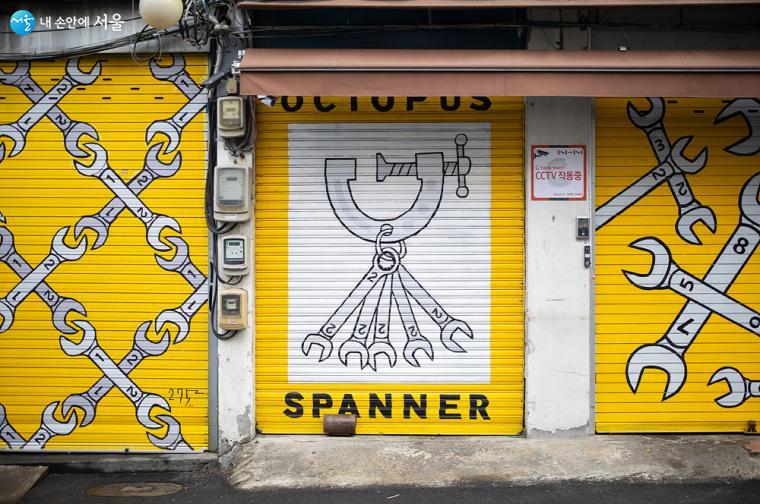
- Lighting district: about 250 m section, about 200 shops
- Peak period for the lighting industry: 1970s to 1980s
- Background for the spread of tile stores: post-Korean War urban reconstruction and home-repair demand
- Access to the tile and ceramics street: Exit 1 or Exit 3 of Euljiro 3-ga Station
Why the Shutter Gallery along Chungmuro 9-gil to 11-gil should be seen in the evening and on weekends
The Euljiro Shutter Gallery is an alley where you view the painted shutters of shops stretching from Chungmuro 9-gil to 11-gil. Seoul City content introduces this section as accessible from Exit 4 of Euljiro 3-ga Station, explaining that traces of trades such as ceramics, pliers, and power drills were captured in the shutter paintings. During the day, the shutters of shops that are actually operating are open, so if you are coming for the paintings, weekday after 18:00 or the weekend is the right time.
There is no separate admission ticket, ticket office, or fixed closing day here. However, the viewing hours for the Shutter Gallery naturally depend on the business hours of the individual shops. Passage is possible for wheelchairs and strollers, but since the sidewalk width is uneven and there may be stored goods or delivery vehicles in the alley, there is more room to move on weekends or in the evening than during weekday working hours. No official tourist information is separately confirmed, so it is better to prioritize the on-site signs and the alley traffic conditions.
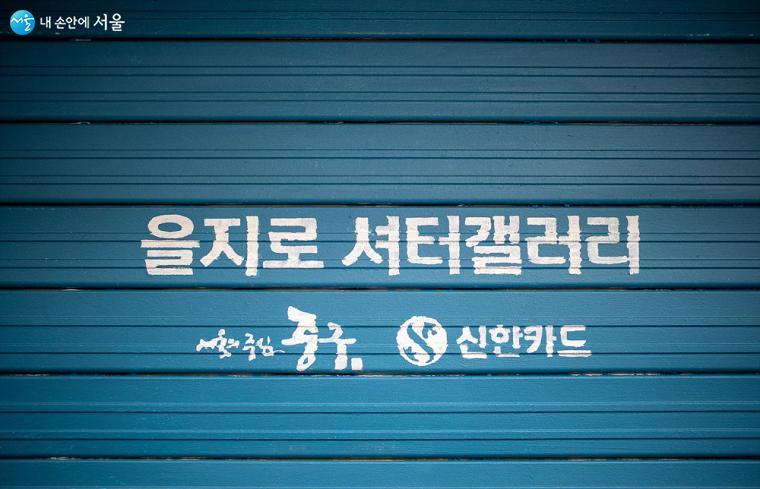
- Range: Chungmuro 9-gil to Chungmuro 11-gil
- Best time to visit: after 18:00 on weekdays or on weekends
- Admission: free
- Note: do not block passage or take photos in front of operating shops
The background of Nogari Alley and 'Nomaek' culture, which began with Eulji OB Bear in 1980
Euljiro Nogari Alley is known to have originated from Eulji OB Bear, which opened in November 1980. At a time when draft beer was unfamiliar, it served chilled draft beer and nogari, and as hof bars multiplied around it, the 'nogari + beer' culture became the alley's identity. This alley was designated a Seoul Future Heritage site in 2015, and Eulji OB Bear was selected as a Century-Old Store by the Ministry of SMEs and Startups in 2018.
For a night itinerary, you should not plan it as a tourist site with a unified operating schedule, but rather by checking whether each hof bar is open. Plastic outdoor tables are often set up in the alley, and on weekend evenings or in good weather, the pedestrian space can become narrow. If you are a traveler who does not drink alcohol, it is better to briefly look at the alley's lighting and structure around 18:00, and separate your meal to a nearby regular restaurant or cafe. Minors cannot order alcohol and may be asked to show identification.
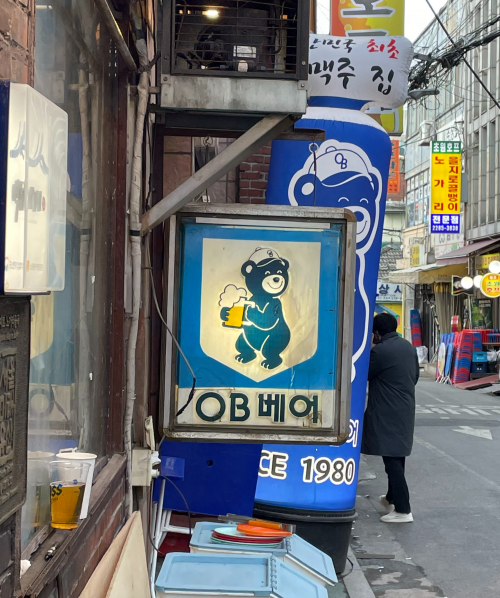
- Start of Nogari Alley: November 1980
- Designation as Seoul Future Heritage: 2015
- Eulji OB Bear selected as a Century-Old Store: 2018
- Recommended time: evening, but business hours and closing days vary by shop
Why redevelopment in the 13th district of Euljiro 3-ga area overlaps on one screen with 'Hipjiro'
Euljiro 3-ga is not a static place where old commercial buildings are simply preserved. Seoul City announced that the 13th district around 118-1 Euljiro 3-ga was first designated as an urban redevelopment area in 2016, and on December 18, 2025, it passed an integrated review covering improvement planning, architecture, landscape, transportation, and firefighting. The plan includes one 19-story office building, separation of vehicles and pedestrians on Chungmuro 9-gil, undergrounding of power lines and utility poles, and extension of the underground pedestrian passage connected to the underground shopping area.
Because of this change, in Euljiro 3-ga you can have old printing, tile, and lighting shops, new cafes and bars, and construction zones all on the same route. Rather than chasing a specific store just by the nickname 'Hipjiro,' it is easier to understand both the place's original functions and its recent consumer district by dividing the day into periods: industrial alleys and the Sewoon Arcade area during the day, and the Shutter Gallery and Nogari Alley in the evening. Pedestrian routes around construction sites can change at any time, so if you are moving with a large suitcase, it is better to avoid plans that require repeatedly going in and out of subway exits.
- First designation of Euljiro 3-ga area 13th district: 2016
- Integrated review passed: December 18, 2025
- Planned building: one 19-story office building
- Pedestrian improvement target: Chungmuro 9-gil and the underground pedestrian connection section
The most important way to visit Euljiro 3-ga: there is no admission fee, but 'when it is open' matters most
Euljiro 3-ga is not a single facility like a park or museum with one operating time, one closing day, one admission fee, and one main phone number. Entrance to the street itself is free, and no official website or main phone number has been separately confirmed. Therefore, before visiting, you should check the business hours and closing days of each restaurant, cafe, or shop you plan to go to. Your plan should reflect the difference between industrial shops focusing on weekday daytime transactions, the Shutter Gallery on weekday evenings and weekends, and the hof alley on evenings.
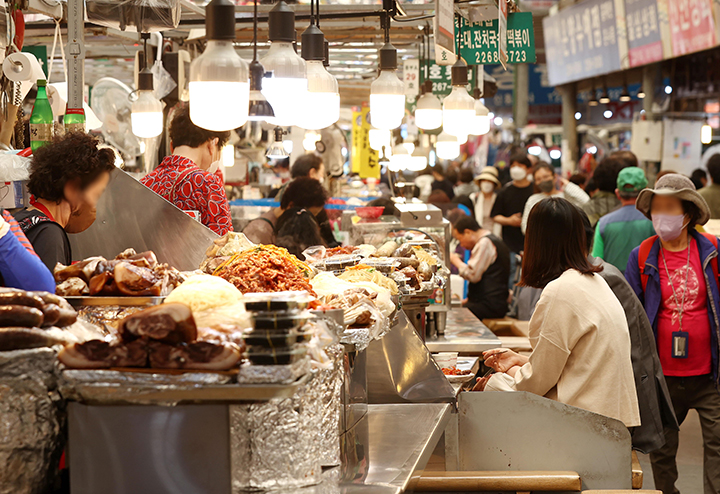
Driving is not recommended. Tourism data for Nogari Alley indicates that parking is unavailable, and the area around Euljiro 3-ga is crowded with wholesale deliveries, pedestrians, and outdoor evening seating. About one hour is enough to tour the Shutter Gallery and the nearby industrial alleys, and if you add a meal in Nogari Alley or a walk toward the Sewoon Arcade area, two to three hours is appropriate. Except for signs inside subway stations and some tourist information, foreign-language guidance varies widely by shop, so it is useful to save the destination's Korean address and exit number in advance.
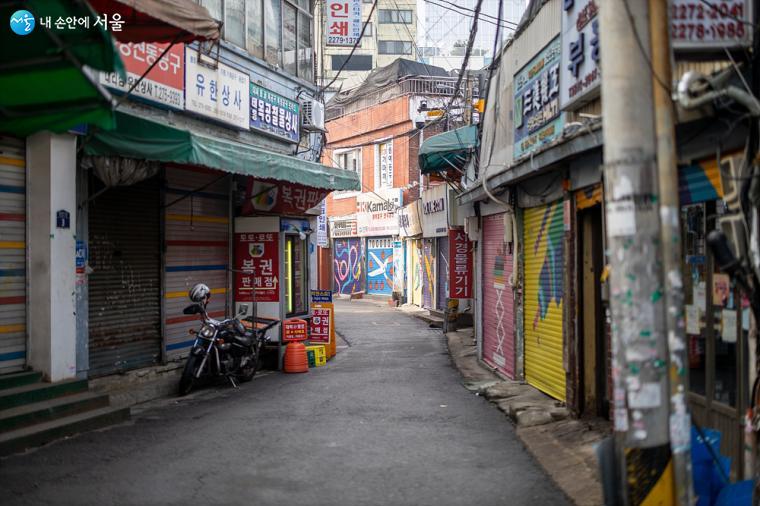
- Street admission fee: free
- Common operating hours and closing days for the street: none; varies by shop
- Parking: indicated as unavailable for Nogari Alley; public transportation recommended
- Recommended stay: 1 hour for the alleys alone, 2 to 3 hours if combined with a meal and the Sewoon Arcade area
Before You Go
- Address
- Unit 1, First Floor, 110 Euljiro, Jung-gu, Seoul
- Admission
- Free
- Transport
- Use Euljiro 3-ga Station on Seoul Subway Lines 2 and 3. For the Shutter Gallery and lighting market direction, use Exit 4; for the tile and ceramics street, use Exits 1 and 3; for Supyo-ro and Golbaengi Alley, use the Exit 11 area.
- Parking
- Parking is indicated as unavailable for Nogari Alley. Public transportation is recommended.
- Time needed
- About 1 hour if you only see the Shutter Gallery and industrial alleys, or 2 to 3 hours if you combine it with a meal and the Sewoon Arcade area.
- Accessibility
- Accessible from the subway station. Because alley sidewalks are uneven and may have stored goods, delivery vehicles, and outdoor seating, wheelchair and stroller movement may be relatively easier on weekends or in the evening. Foreign-language guidance varies by shop.
The information above is based on the time of writing. Please check the official guidance again before visiting.

Places
Nearby Attractions 5
-
 1
1
-
 2
2
-
 3
3
-
 4
4
-
 5
5
Food & Dining 5
-
 6
6
-
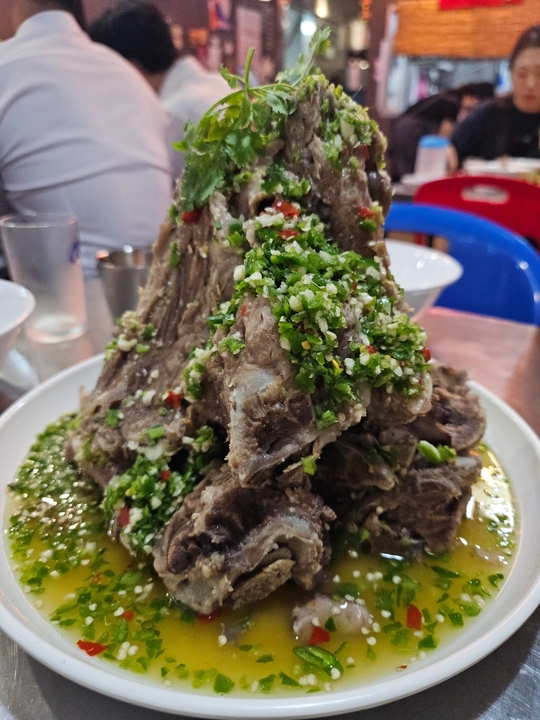
7Euljiro Golsu Gamjatang
-
 8
Buosanghoe Eulji-ro Branch
8
Buosanghoe Eulji-ro Branch -
 9
9
-
 10
10
Events in This Area



Festivals in This Area

More Travel Guides in This Area
 Travel Guide
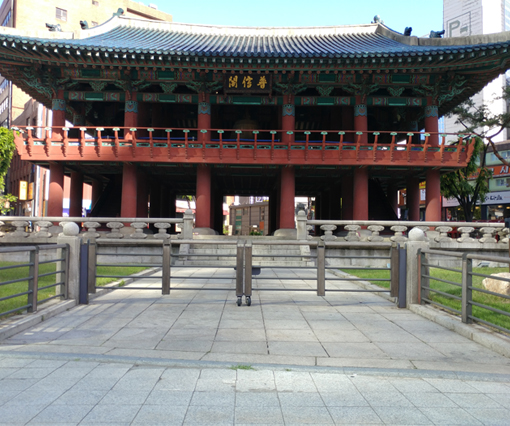
In front of Exit 4 of Jonggak Station, Bosingak, the gate of Hanyang in 1396
 Travel Guide
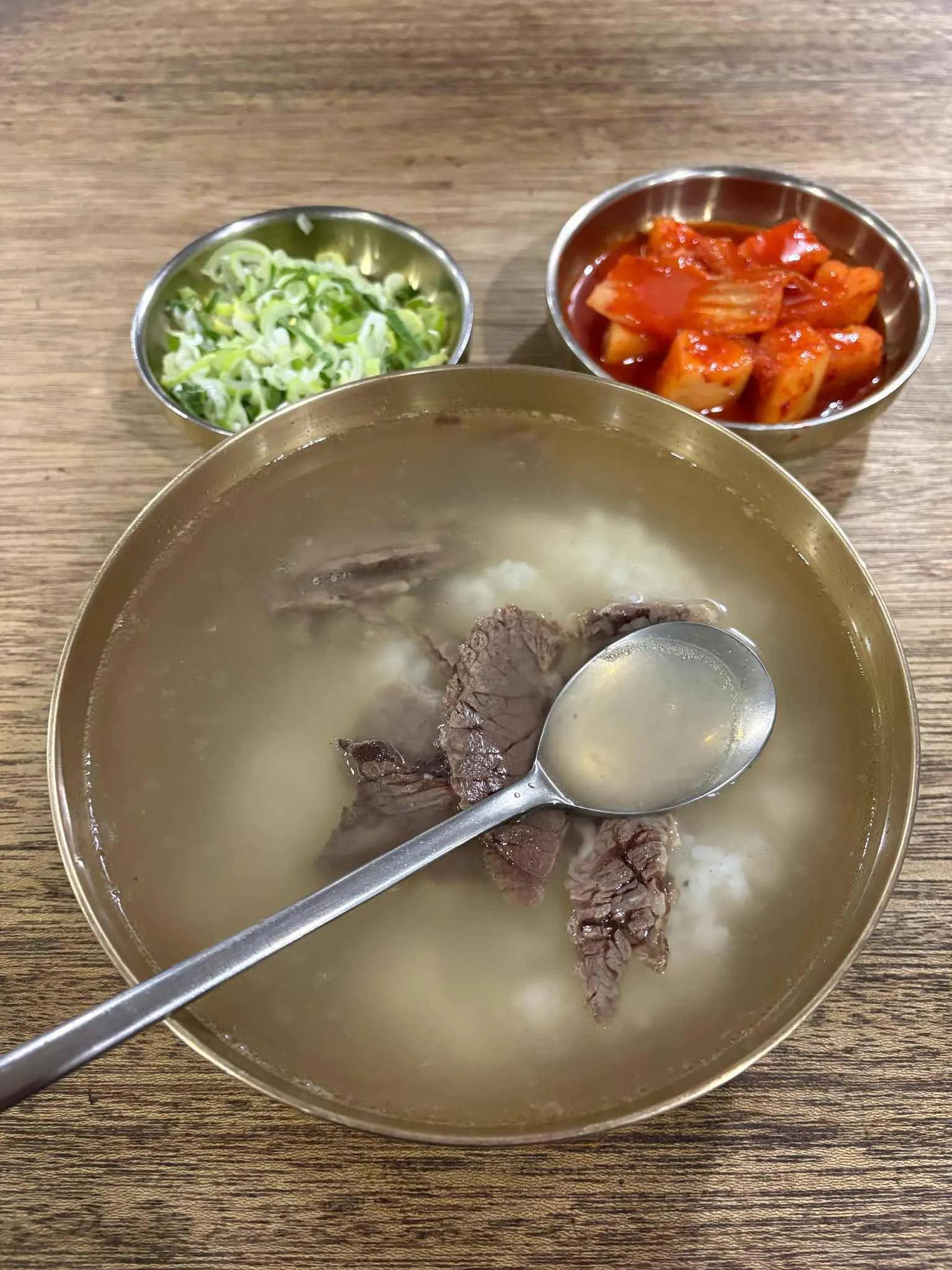
Gomtang at 7 a.m. in Myeongdong, Hadongkwan’s Original Location Since 1939
 Travel Guide
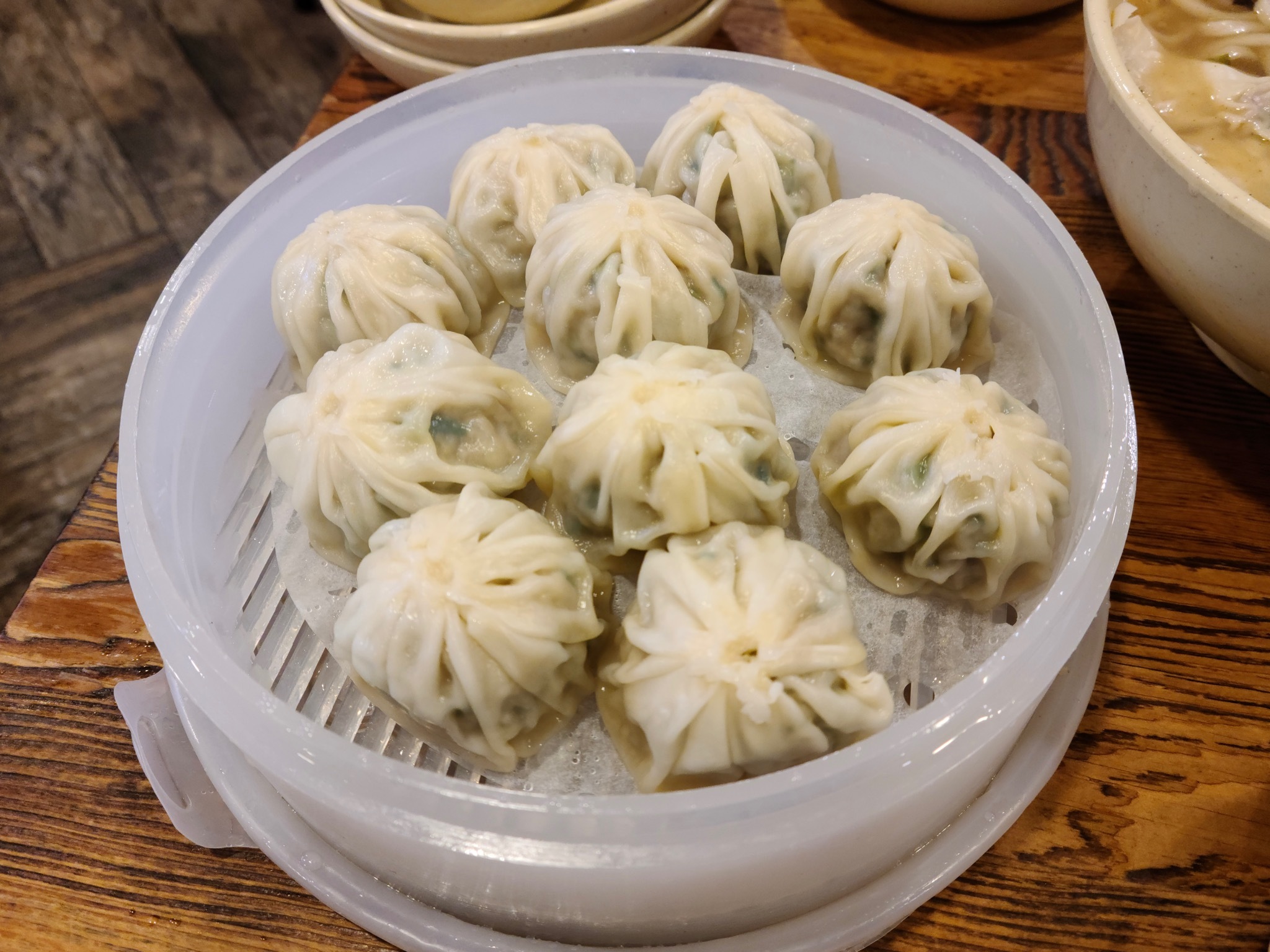
8 Things to Know About a Bowl of Myeongdong Kalguksu at Myeongdong Kyoja Main Branch, Established in 1966
 Travel Guide
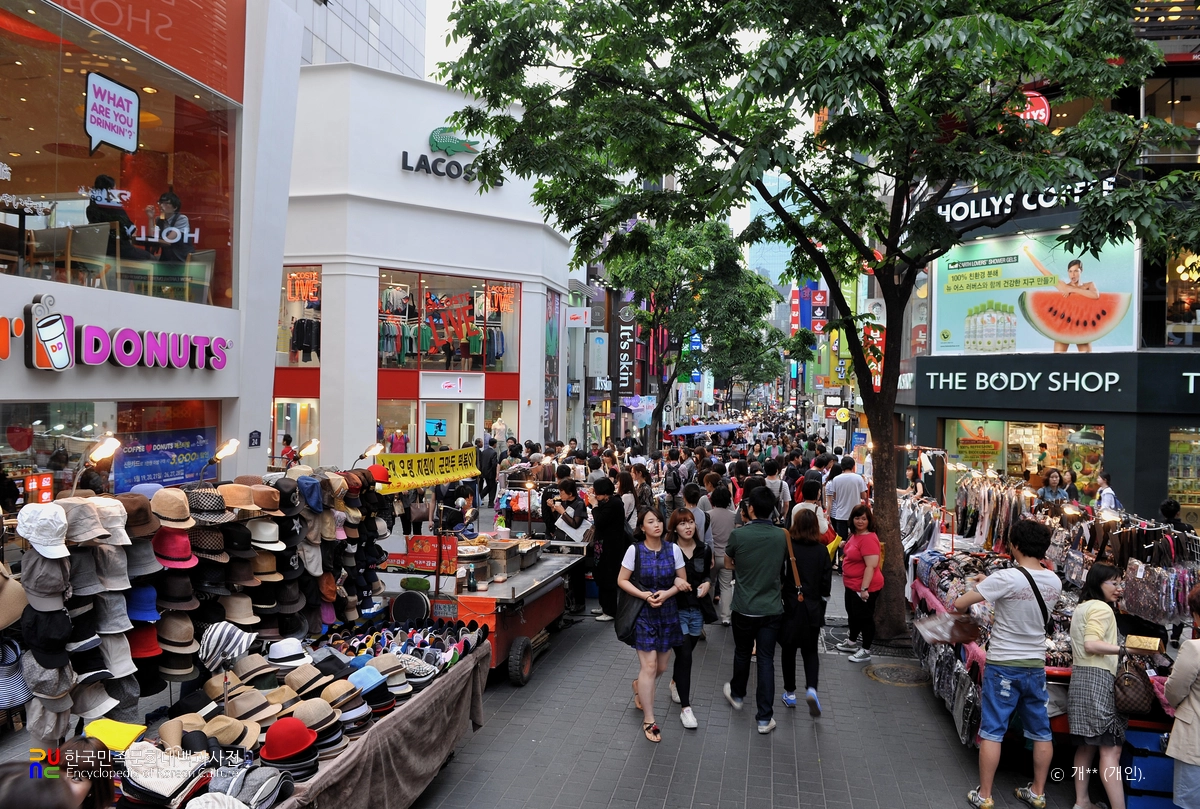
From Myeongryebang to K-Beauty Street, a 2 Hour 30 Minute Walk Through Myeong-dong
Korea News
 News
News
aespa’s Winter—Can a Person Really Be This Cute? A Daily Life Full of Pure Charm
 News
News
Tom Cruise Spotted Taking a Late-Night Walk at Hangang Park… Strolled for an Hour in a Black Suit
 News
News
'Jimin, We'll always be with you' Peru Embraced 'Jimtober' Birthday Celebrations... "I'm Happy"
 News
News