Seoul Gwangjang Market, which began in Baeogae in 1905 and extends into a food alley open until 11 p.m.
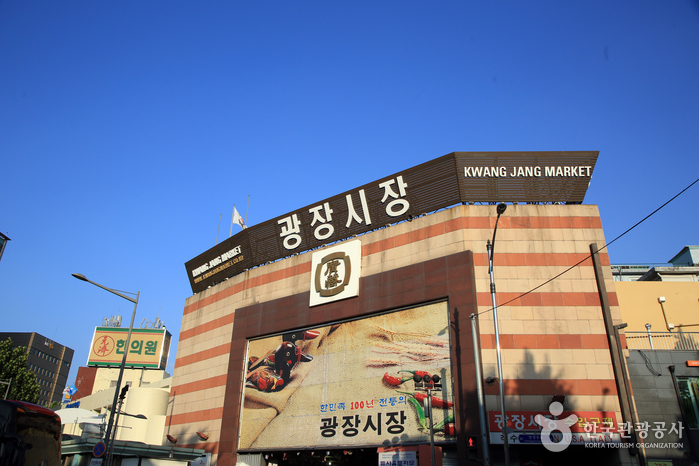
Gwangjang Market is Korea’s first permanent market, founded in 1905 with Korean capital, and it preserves the roots of fabric and hanbok wholesale as well as the density of the Dongmun food alley in one place. The regular market is open from 09:00 to 18:00, the food alley from 09:00 to 23:00, and there is no admission fee. It is close to Jongno 5-ga Station Exit 7, making it convenient for walking connections to the Jongmyo, Cheonggyecheon, and Dongdaemun areas.
I’ve been here?
Your check-in helps the next traveler.
16 people viewed this week Be the first
One tap — no writing needed
Why Kim Jong-han and 3 Others Founded Gwangjang Company in Baeogae Market in 1904
The starting point of Gwangjang Market was Baeogae Market around Huninjimun in the late Joseon period. Seoul Future Heritage materials say that Kim Jong-han and 3 others founded Gwangjang Joint-Stock Company in 1904 and opened the market the following year, in 1905. After the port opening, Chinese and Japanese merchants entered Seoul's markets, and during the period when Japanese merchants' influence grew after the 1894 Sino-Japanese War, it was a place where Korean capital tried to create a breakthrough in market management.
The "Gwangjang" in the market name is interpreted as meaning to gather and store goods from far away. From the beginning, it grew not as a food-only marketplace but as a wholesale market trading silk, garment fabric, bedding, agricultural and marine products, and handicrafts, and this character can still be read in the alleys where textile, hanbok, ceremonial gift, and funeral clothing shops remain. In the early 1960s, the operating area of Gwangjang Joint-Stock Company was separated from Dongdaemun Market and established itself as Gwangjang Market, and in 2013 it was designated a Seoul Future Heritage site.
The Food Alley Where East Gate, North Gate 2, and South Gate 1 Meet, with a Different Rhythm from the Textile Alley
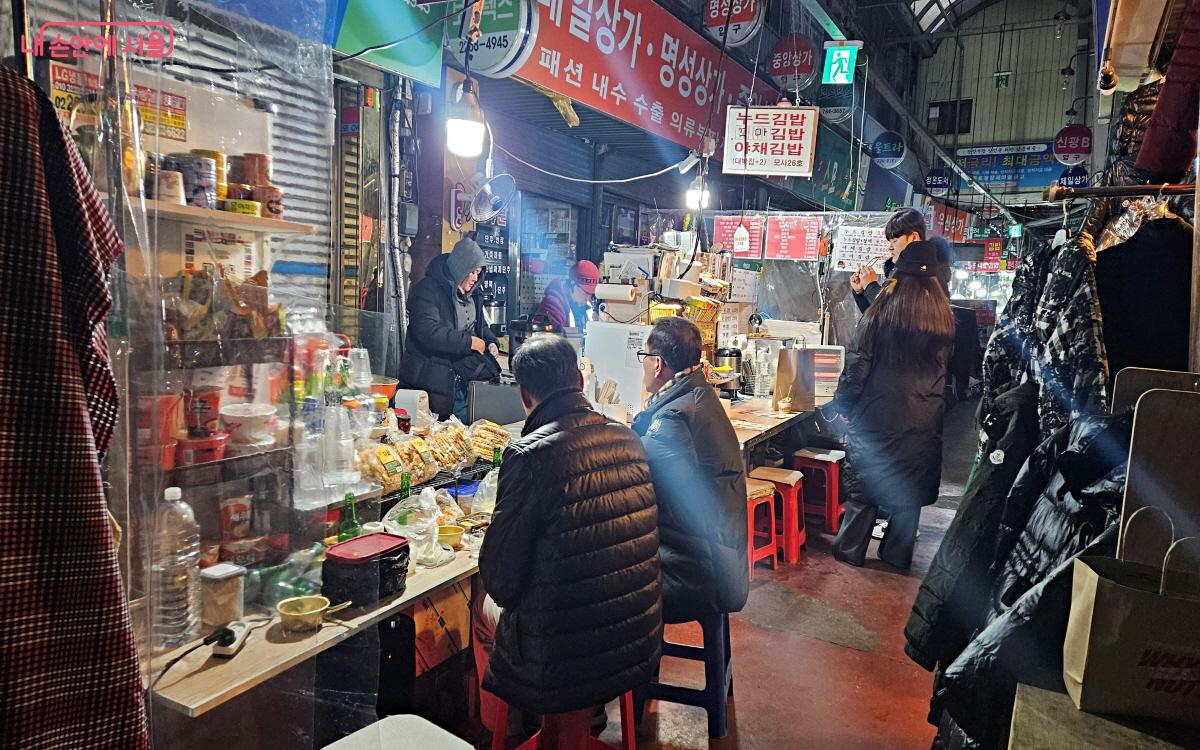
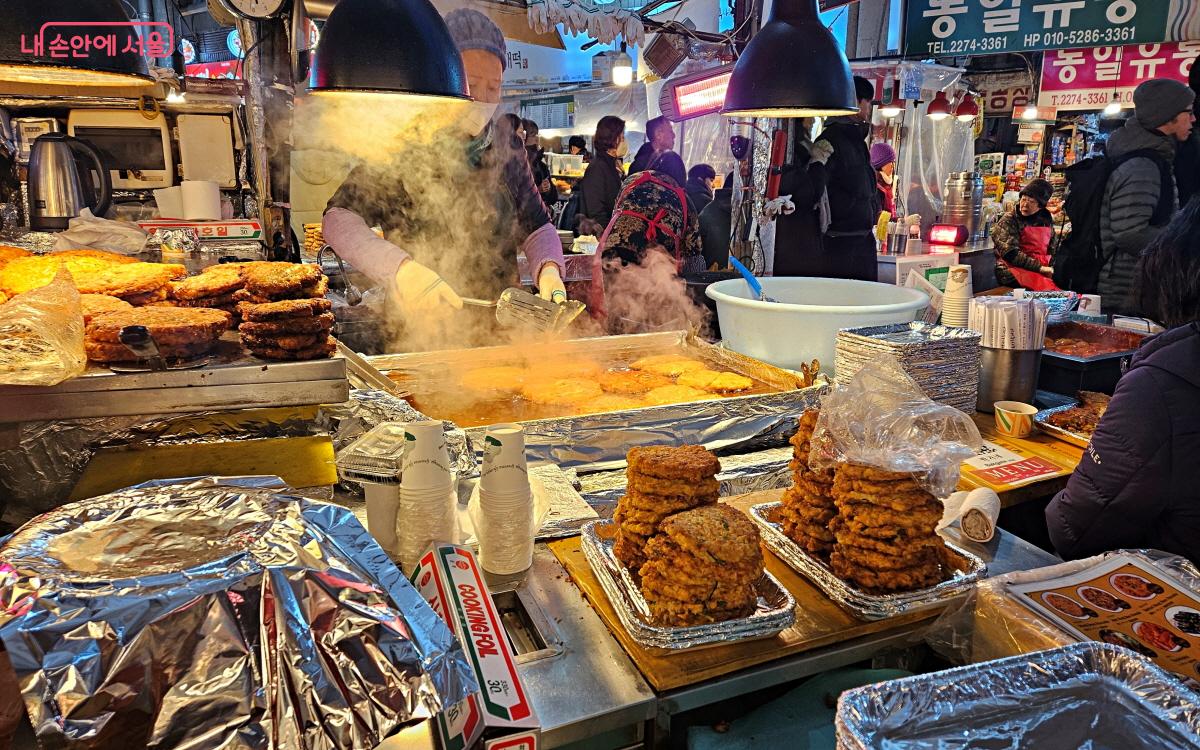
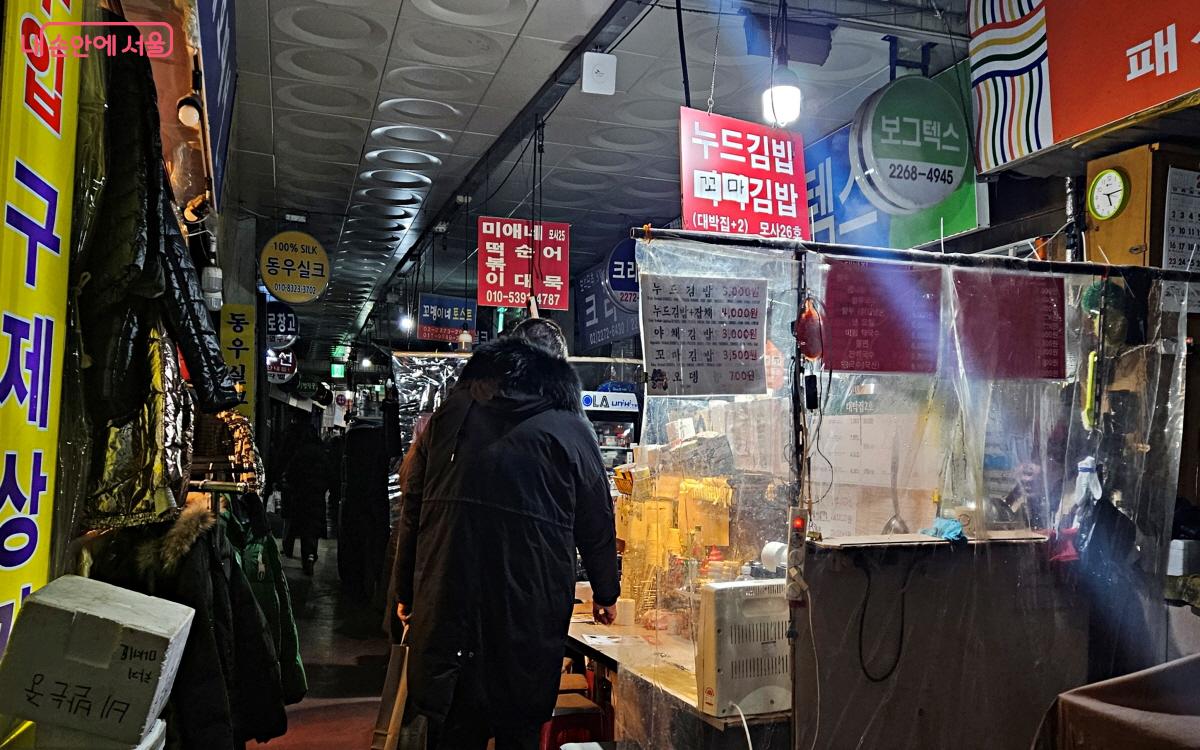
If it is your first visit, it is easier not to get lost by first using the food alley where East Gate, North Gate 2, and South Gate 1 meet as your reference point. The Korea Tourism Organization introduces the area connected by these three entrances as the market's most popular food street. In the central passage lined with seated stalls, dishes eaten right after cooking, such as mung bean bindaetteok, mini kimbap, yukhoe, kalguksu, sundae, and tteokbokki, are concentrated.
Just one block away from the food alley, the scenery changes. A 2025 Seoul city field report records that inside the market there are hanbok shops, ceremonial-gift-related products, funeral-clothing shops, leftover fabric and accessory stores, and clothing-repair sewing machines. Rather than leaving after just a meal, walking through the textile and hanbok area for another 15 to 20 minutes makes it easier to understand why this market was one pillar of Dongdaemun's textile commercial district.
- Area around East Gate, North Gate 2, and South Gate 1: Dining zone concentrated with bindaetteok and noodle/snack stalls
- Inside the market: Wholesale zone for hanbok, textiles, bedding, fabrics, and accessories
- Used-clothing market: Clothing-focused zone operated separately from the general market from 10:00 to 19:00
09:00~18:00 and 09:00~23:00, Why the Doors Differ on Sundays
Looking at Gwangjang Market as if it had a single business hour makes it easy to misread the actual route. The general market is guided as 09:00~18:00, the used-clothing market as 10:00~19:00, and the food alley as 09:00~23:00. General shops are closed on Sundays, but the food alley is classified as open year-round, so you can still use the dining area on Sunday evenings. There is no admission fee; you only pay for the food and goods you buy.
If your purpose is textiles, hanbok, or bedding, Tuesday through Saturday from 10:00 to 17:00 is the most practical time. On the other hand, if you plan only to have dinner, the food alley stays open until 23:00 even after the general shops close. The Korea Tourism Organization says card payment is available, but because payment methods and menu stock differ by stall, preparing some cash or domestic simple-payment methods can make ordering faster.
The main phone numbers are 02-2267-0291 and 02-2272-0967, and the official website is https://www.kwangjangmarket.co.kr/ . Foreign-language directions and tourist information are available through the 1330 tourist hotline in Korean, English, Japanese, and Chinese.
2 Minutes from Exit 7 of Jongno 5(o)-ga Station on Line 5, Bus Stop at Jongno 5(o)-ga
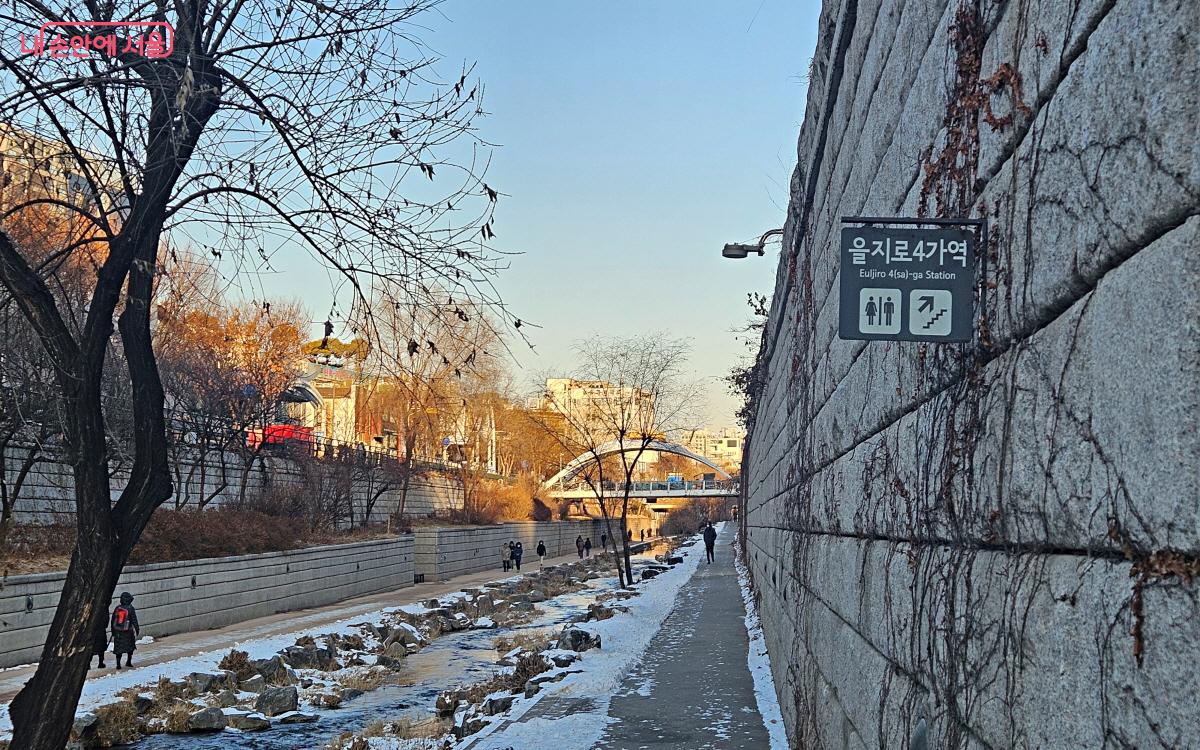
For the subway, Exit 7 of Jongno 5(o)-ga Station on Line 5 is the simplest access point. Walking about 2 minutes from the exit toward Changgyeonggung-ro connects you to the market entrance, and Seoul Future Heritage guidance also notes that the walk from Jongno 5(o)-ga Station to the market takes 1 to 3 minutes. You can also access it from Euljiro 4(sa)-ga Station on Lines 2 and 5, but if it is your first time, the Jongno 5(o)-ga Station side makes it easier to find the entrance and the food alley.
For buses, use Jongno 5(o)-ga stops 01-178 or 01-197, which are 1 to 3 minutes from the market. Seoul Future Heritage materials say routes such as 101, 103, and 201 pass this stop, and after getting off at the stop along Jongno Boulevard, you can head toward Changgyeonggung-ro. For a taxi destination, entering "Gwangjang Market East Gate" or "88 Changgyeonggung-ro" brings you close to the food area.
- Exit 7 of Jongno 5(o)-ga Station on Line 5: about a 2-minute walk
- Jongno 5(o)-ga bus stops 01-178 and 01-197: 1 to 3 minutes on foot
- Representative passing buses: 101, 103, 201
No Dedicated Market Parking, with Jongmyo Public Parking as the Alternative
Gwangjang Market itself has no parking lot. Seoul Future Heritage guidance marks parking as "none," and the Korea Tourism Organization recommends the nearby Jongno 4(sa)-ga Jongmyo Parking Lot as an alternative. Because the market passages are densely packed with pedestrians and seated stalls, and stopping space around Changgyeonggung-ro is also limited, the subway is far more efficient for a short food-focused visit.
If you use a car, the Jongmyo public parking lot fee is known to be 400 won per 5 minutes. After parking, the practical approach is to walk in from the north or east side of the market. On weekend lunches and evenings, parking waits and food-alley waits can overlap. In 90 to 120 minutes, you can have a meal in the food alley and view part of the textile and hanbok area, and if you also plan to shop for fabrics, it is better to allow 2 to 3 hours.
Wheelchairs and strollers can relatively easily reach the main road from Jongno 5(o)-ga Station to the market, but inside the food alley the passage narrows due to seats and waiting lines. If you are with someone, having one person wait near the entrance while the other orders can reduce the burden of moving around.
5,628 Shops in 2024 and the Label "Mini Kimbap": Read Before Ordering
According to materials introduced by Seoul City in February 2025, Gwangjang Market had 5,628 shops as of 2024. This number shows that the market is not just one food alley, but a large commercial district covering clothing, fabrics, hanbok, bedding, seafood, side dishes, and handicrafts. The site of the market's first shop is now inherited by a cafe called "Iho Sanghoe," so you can also see an example of an old numbering system coexisting with a new business type.
On menus, you may find the label "mini kimbap" instead of the widely known "narcotic kimbap." A Seoul City article explains that the name was changed in consideration of the issue that the word "narcotic" is casually consumed as a friendly term by children and teenagers. When ordering, check the unit and price on the menu board before sitting down, and if you are in a group, it is better to share bindaetteok, noodles, and kimbap so that you do not overfill yourselves at one stall.
A 2025 visit report mentions new shops with long lines, such as twisted doughnuts and Jeju-style cream bread, alongside the old bindaetteok, yukhoe, and kalguksu areas. If you move around only to find famous store names, you will end up retracing the passages many times, so it is simpler in terms of route planning to first choose a dining area near East Gate and then move on to the textile alley or a walk along Cheonggyecheon.
Before You Go
- Address
- 88 Changgyeonggung-ro, Jongno-gu, Seoul
- Hours
- General market 09:00~18:00 / Used-clothing market 10:00~19:00 / Food alley 09:00~23:00
- Closed
- General market and used-clothing market closed on Sundays / Food alley open year-round
- Admission
- Free (no market admission fee)
- Phone
- 02-2267-0291, 02-2272-0967
- Official site
- https://www.kwangjangmarket.co.kr/
- Transport
- About a 2-minute walk from Exit 7 of Jongno 5(o)-ga Station on Line 5. 1 to 3 minutes on foot from Jongno 5(o)-ga stops (01-178, 01-197), with routes such as 101, 103, and 201 passing by.
- Parking
- No dedicated market parking lot. Nearby Jongno 4(sa)-ga Jongmyo Public Parking Lot is available, with a known rate of 400 won per 5 minutes.
- Time needed
- 90 to 120 minutes for a meal in the food alley and the central passage / 2 to 3 hours including the textile, hanbok, and fabric areas
- Accessibility
- Accessible on flat roads from Jongno 5(o)-ga Station. Inside the food alley, the passage is narrow due to seats and waiting lines, so wheelchairs and strollers move more easily on weekday mornings or early afternoons.
The information above is current as of the time of writing. Please check the official guidance again before visiting.

Places
Nearby Attractions 5
-
 1
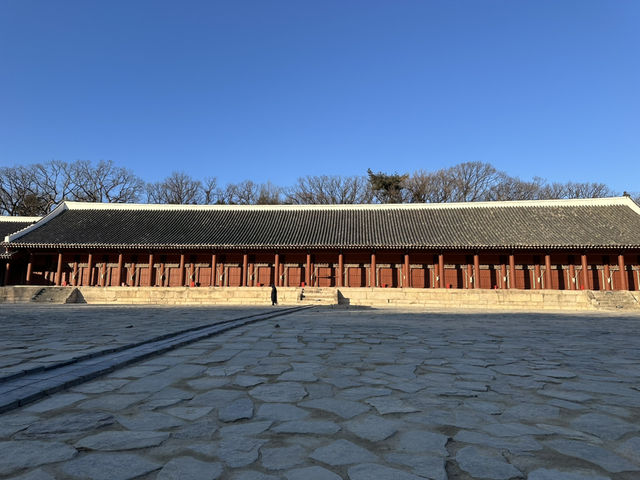
Jongmyo ShrineA UNESCO World Heritage site where royal ancestral rites of the Joseon Dynasty were performed
1
Jongmyo ShrineA UNESCO World Heritage site where royal ancestral rites of the Joseon Dynasty were performed -
 2
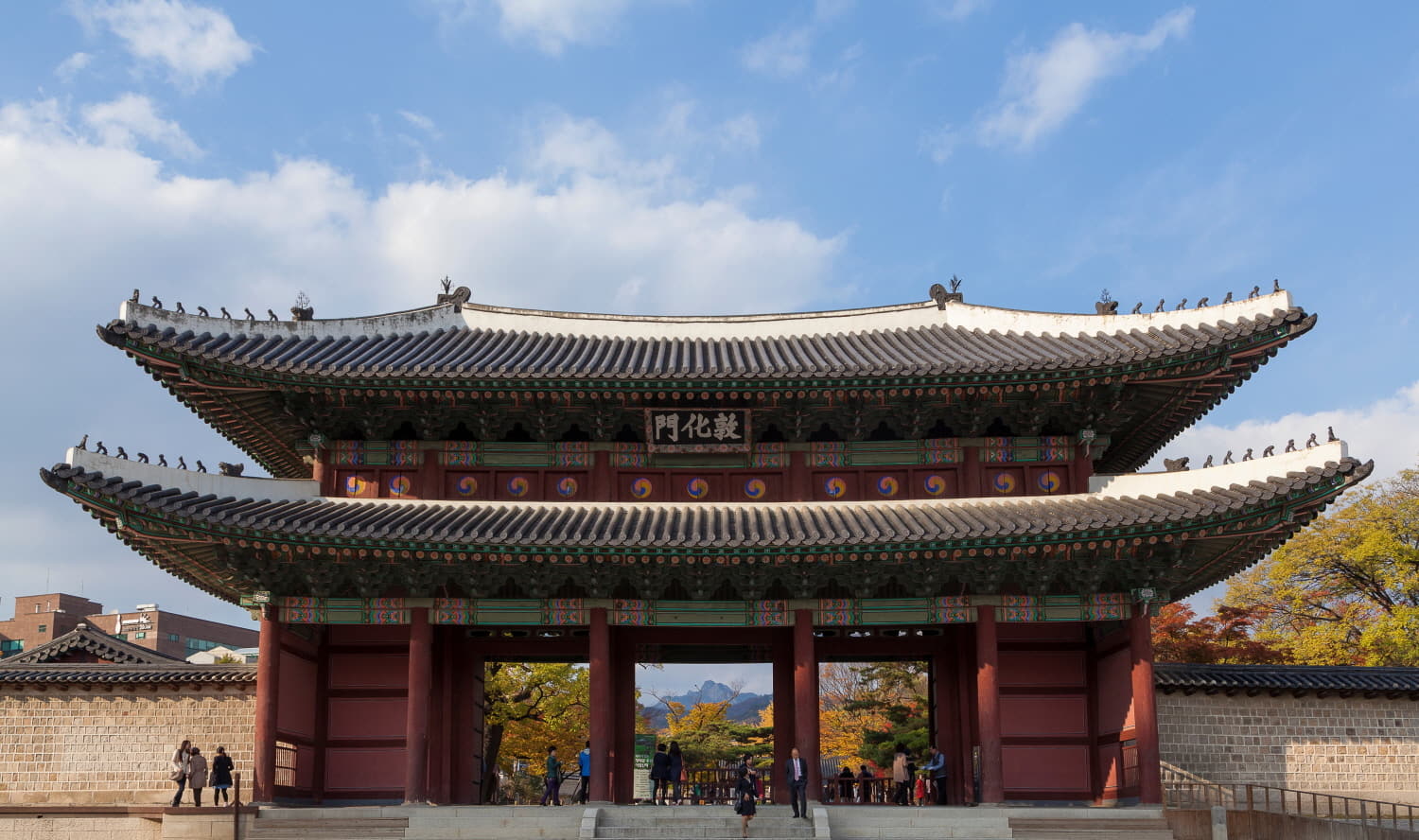
Changdeokgung PalaceA place where you can explore a Joseon palace and the Secret Garden together
2
Changdeokgung PalaceA place where you can explore a Joseon palace and the Secret Garden together -
 3
3
-
 4
4
-
 5
5
Food & Dining 1
-
 6
6
Events in This Area
Festivals in This Area
More Travel Guides in This Area
 Travel Guide
Woo Lae Oak
 Travel Guide
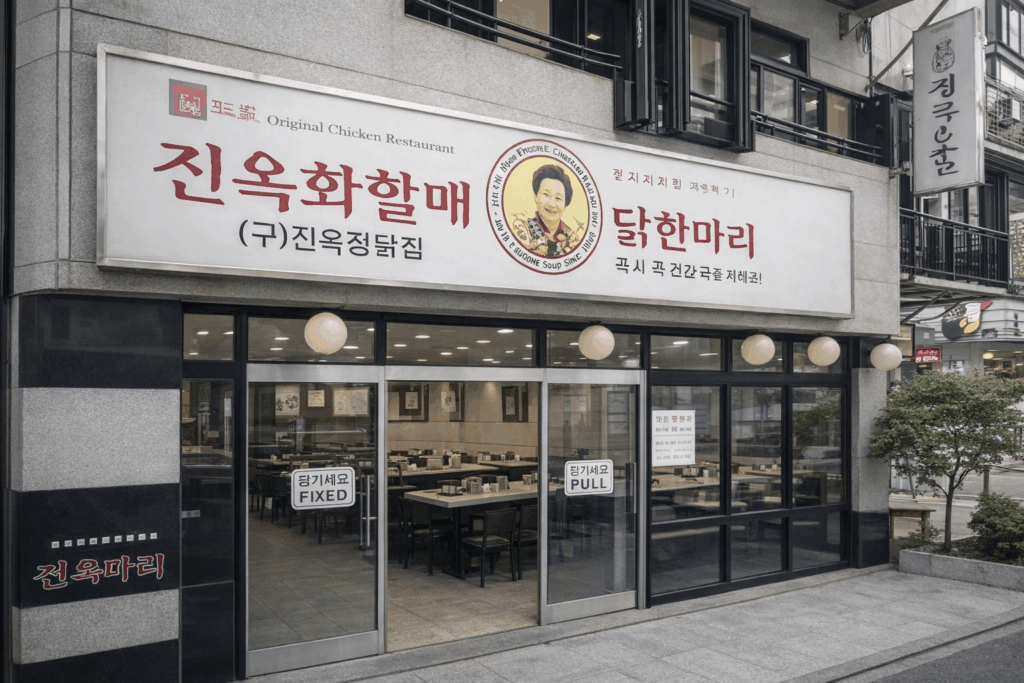
Jinokhwa Halmae Original Dakhanmari, Serving Since 1978 in Dongdaemun’s Dakhanmari Alley
 Travel Guide
How to Put Together a Hanbok Outfit in Dongdaemun’s 1970 Fashion Production District
 Travel Guide
The Crossroads of Dongdaemun Night Shopping: What to Know About 24 Hours and Exit 14 at Hello apM
Korea News
 News
News
‘NewJeans Expulsion’ Danielle Releases Her First YouTube Video… “We Don’t Know What Will Happen Next”
![aespa’s North American Tour Has Remaining Seats Despite ‘$49’ Bargain Prices… A Stark Popularity Gap with KATSEYE [TEN Starfield]](https://kotourlive-images.s3.ap-northeast-1.amazonaws.com/news/1788485037424_a59b1932_naver_rank_thumb_0000774618_1788485037424.jpg) News
News
aespa’s North American Tour Has Remaining Seats Despite ‘$49’ Bargain Prices… A Stark Popularity Gap with KATSEYE [TEN Starfield]
![[Photo] TWICE’s Dahyun attends a film festival red carpet as an actress](https://kotourlive-images.s3.ap-northeast-1.amazonaws.com/news/1788485316508_edd43ecd_news_870a60a6-6f11-4d73-aa7c-48d91318a0f7.jpg) News
News
[Photo] TWICE’s Dahyun attends a film festival red carpet as an actress
![[On-Site Video] “We’re Departing Separately Together”… BIGBANG Begins ‘COSMOS’ World Tour](https://kotourlive-images.s3.ap-northeast-1.amazonaws.com/news/1788485226518_c5719641_news_fdd4764a-0f4e-4968-8e4e-e98a02872f88.jpg) News
News