
Gwangmyeong Traditional Market: From a Five-Day Market in the 1970s to a Permanent Market with Over 400 Shops
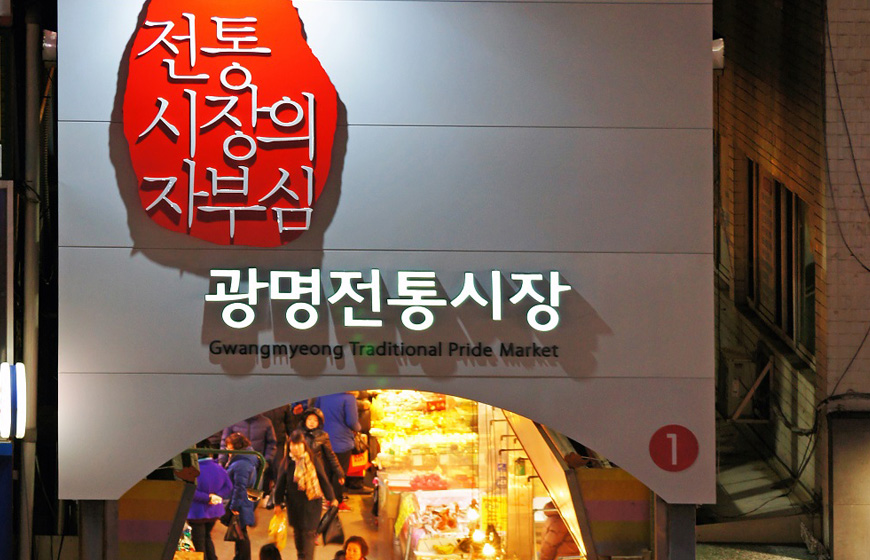
Located around Gwangmyeong Sageori in Gwangmyeong-dong, Gwangmyeong-si, Gyeonggi-do, Gwangmyeong Traditional Market began as a five-day market in the early 1970s and has grown into one of the region’s leading traditional markets, with more than 400 shops operating year-round. It is directly connected to Exit 9 and Exit 10 of Gwangmyeong Sageori Station on Subway Line 7, and a new underground public parking facility with 176 spaces opened in July 2025.
How a Permanent Market Came to Gwangmyeong Sageori
Accounts differ slightly in how they describe the origins of Gwangmyeong Traditional Market. The Gwangmyeong City News Portal explains that the market formed spontaneously in the early 1970s as the area around Gwangmyeong-dong, adjacent to Seoul, was developed. Meanwhile, the Digital Gwangmyeong Cultural Encyclopedia, affiliated with the Academy of Korean Studies, records that Gwangmyeong Market naturally emerged as a traditional market at Gwangmyeong Sageori when Gwangmyeong-ri, Seomyeon, Siheung-gun, Gyeonggi-do—now the Gwangmyeong-dong area of Gwangmyeong City—was developed in 1972. Namuwiki also gives the more specific date of December 21, 1970, when a market was established at Gwangmyeong Sageori, and says it became a permanent market when the area was elevated to city status as Gwangmyeong City in the 1980s.
The development of urban infrastructure was closely linked to the market’s growth. Gwangdeok-ro was covered over in 1981, and the opening of Subway Line 7 in 2000 greatly improved access to the market. A market modernization project costing approximately 7 billion won was carried out in 2004, followed by the installation of public restrooms and rain covers in 2006.
December 31, 1995: The Fire That Devoured Jungang Arcade
Gwangmyeong Traditional Market has endured both natural disasters and fires. According to Namuwiki, during the great flood of 1987, merchants even sold water-soaked clothing at rock-bottom prices. However, the market’s greatest crisis came separately. The Digital Gwangmyeong Cultural Encyclopedia records that on December 31, 1995, a large fire of unknown origin began at Jungang Arcade inside Gwangmyeong Market. Four people suffered severe burns, while 125 shops in Jungang Arcade and 47 stores in Gwangmyeong Market were destroyed, causing property damage estimated by the fire department at more than 2 billion won. Jungang Arcade, where the fire started, was a two-story building constructed in 1971 that did not pass its completion inspection until 1985. It housed 143 shops selling clothing, shoes, cloth, and other goods.
The commercial landscape also changed after the fire. A large shopping complex called Croangus now stands on the site of the blaze. According to the testimony of a merchant who operated a bedding shop in Jungang Arcade at the time, many merchants left Gwangmyeong Market after the incident. The market renovated its facilities, adding tents and fire lanes to the passageways, reopened, and has since recovered to its present scale of about 400 operating shops.
From Exits 9 and 10 of Gwangmyeong Sageori Station to the Market Entrance
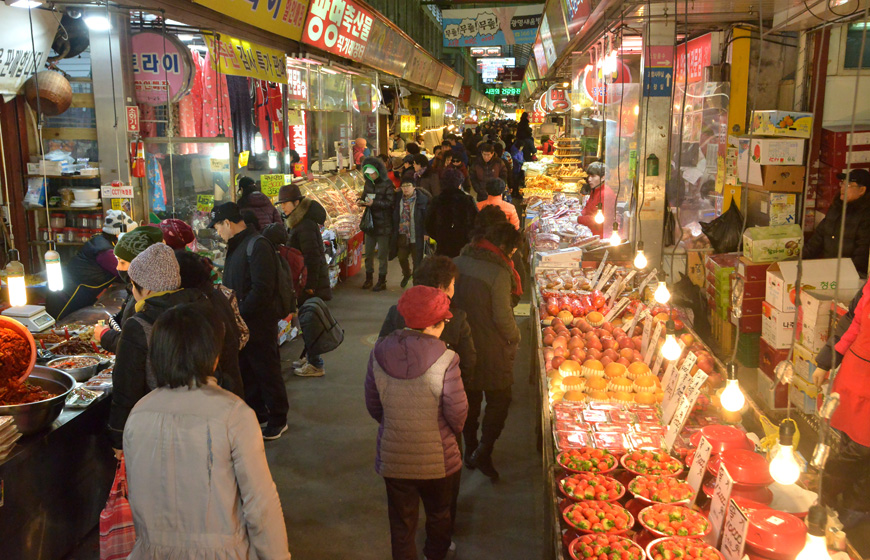
The most reliable way to get there is by subway. Take Subway Line 7 to Gwangmyeong Sageori Station and exit through Exit 9 or 10. The market’s KakaoTalk channel also states that it is connected to Exit 9 of Gwangmyeong Sageori Station on Subway Line 7.
If traveling by bus, get off at the “Gwangmyeong Market” stop (stop number 14-067) or the “Gwangmyeong Sageori Station” stop (14-060). The market is then within a one- to four-minute walk. Once mainly visited by local residents, the market now has a stronger presence as a commercial district bordering Seoul, with many residents of southwestern Seoul also known to shop there.
Five-Story Public Parking Garage and the Second Public Garage Opened in July 2025
Gwangmyeong Traditional Market is unusual among traditional markets in having dedicated parking infrastructure. Open Tour information states that the public parking garage extends from the first through fifth above-ground floors and includes spaces for people with disabilities. The existing garage has been operated by Gwangmyeong City as the Gwangmyeong Traditional Market Public Parking Garage at 938 Gwangmyeong-ro.
A new facility has also been added. The Second Gwangmyeong Traditional Market Public Parking Garage was built on the first basement level in the area of 105-8 Gwangmyeong-dong at a total project cost of 25 billion won. It has 176 spaces, including 11 electric-vehicle charging spaces, while the ground level has been turned into a small park surrounded by gardens. Based on reports by The Fact and Daily N News, the facility includes a real-time parking control system and three elevators connecting to the upper park. Construction began in May 2024, and the facility was completed in July 2025. Customers who purchase goods at Gwangmyeong Traditional Market can receive their first 30 minutes of parking free by registering for a discount.
An article summarizing visitor reviews from around March 2026 states that parking at the market’s underground public garage costs 800 won for 30 minutes, followed by 300 won per additional 10 minutes (500 won per 10 minutes after two hours), with no daily maximum. However, some reviews say that the parking discount is not applied automatically through receipts and must be requested directly from the store before payment, so it is best to mention it in advance.
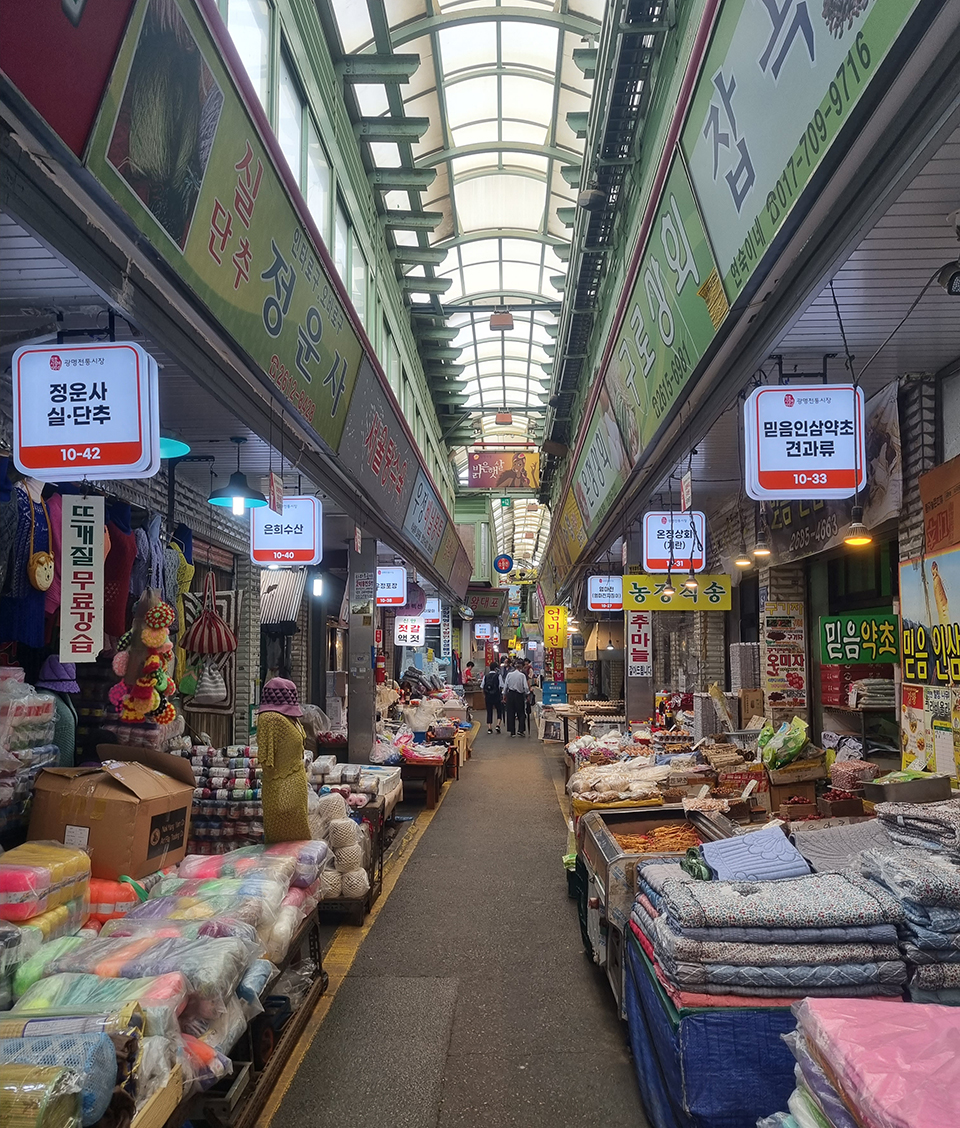
Seven Color-Coded Alleys, from Red Street to Navy Street
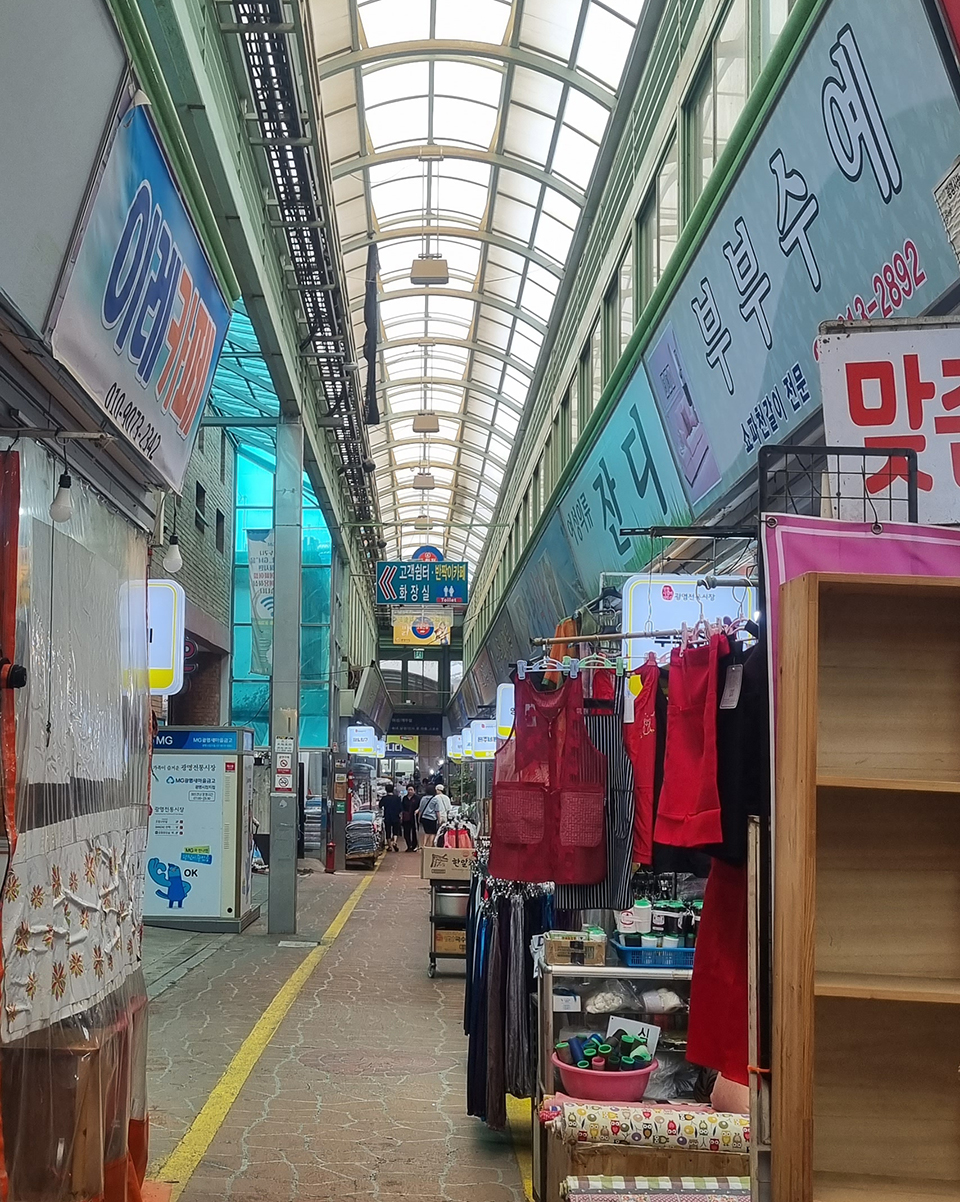
The market’s alleys are so tightly packed that it can be easy to lose your sense of direction, but there is a system to help. Each alley at Gwangmyeong Traditional Market has been given a color-based name, with seven areas—including Red Street, Green Street, and Navy Street—identified by signs. On a first visit, using these colored signs as landmarks is the best way to plan your route without getting lost.
Descriptions of the market’s size also vary slightly by source. Gwangmyeong City’s official tourism information introduces it as one of Korea’s leading traditional markets, with about 400 shops. Open Tour information says it began in the early 1970s as a small five-day market held every five days and is now known as one of the three largest traditional markets in the Gyeonggi region, with around 350 shops. Although the numbers differ, both sources agree that it is a large permanent market representing Gwangmyeong.
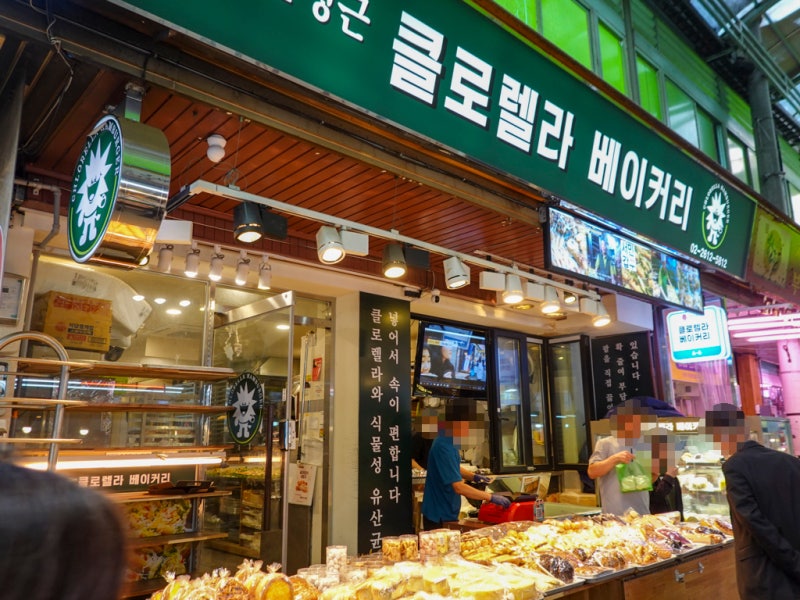
Chlorella Bakery’s Old-Fashioned Hamburgers and Market Food
The market’s reputation for food is also reflected in the rankings compiled by the restaurant information site Dining Code. Among the restaurants listed as popular in Gwangmyeong Market are Chlorella Hamburger (hamburgers, rating 4.9), Tang Tang Tang (jajangmyeon, 4.9), and Jinmi Kalguksu (kalguksu, 4.1), with rankings and reviews registered for 210 establishments.
Among them, Chlorella Bakery has particularly detailed visitor reviews. According to Siksin Magazine, its old-fashioned hamburgers—including mixed, hot, meat, egg, potato, and sweet pumpkin varieties—and fresh donuts receive especially positive reviews. Reported review prices include 1,000 won for a fresh donut, 2,000 won for a croquette, 1,500 won for a fried soboro bun, 2,000 won for a giant twisted doughnut, and 3,500 won for a medium Italian croquette or 7,000 won for a large one. The main branch is at 18-1 Ori-ro 976beon-gil, the donut specialty shop is at Unit 2 on the first floor of 922 Gwangmyeong-ro, and the cafe is on the first floor of 22-2 Ori-ro 976beon-gil. Based on visitor reviews, business hours are 10:00–21:00. Reviews also say that at the Chlorella Bakery cafe near the bakery, customers can bring purchased bread and sit down to eat it one or two minutes away on foot.
Traditional market foods are still going strong. Information from Byeolbyeol Market introduces the mung-bean pancakes in the center of the food alley as a specialty made by grinding mung beans by hand on a millstone. It also describes the kalguksu as generously portioned and inexpensive, and says that outside food may be brought in, allowing visitors to enjoy kalguksu alongside a variety of snacks.
“Gwangmyeong Night Stroll” Every Friday and the “Golden Bat Tour” for Foreign Visitors
Since being selected as a Culture and Tourism-Oriented Market in 2013, the market has operated regular programs. Byeolbyeol Market materials introduce the Friday-night market “Gwangmyeong Night Stroll,” which extends business hours every Friday and includes a multicultural night market. They also announce the “Gwangmyeong Market Golden Bat Tour,” a traditional market tour program for foreign tourists.
However, publicly available information does not confirm the exact operating hours, participation fees, or reservation procedures for these programs. If you are planning a visit, it is safest to contact the market merchants’ association or Gwangmyeong City’s tourism department in advance on a Friday evening. Given that the market offers inexpensive agricultural, seafood, and grocery products and is popular not only with Gwangmyeong residents but also with people from neighboring cities such as Seoul, local residents are likely to make up a significant portion of the visitors even during the night-market hours.
When to Go to Avoid the Crowds — Best Visiting Times Based on Reviews
An article in Siksin Magazine that compiled actual visitor reviews identifies the items most likely to involve waiting. Bungeoppang, hotteok, jokbal, and mung-bean pancakes are among the foods where lines commonly form. To avoid the crowds, the article recommends visiting on a weekday or during off-peak hours, choosing to eat in the store rather than taking food to go, and following the store’s instructions regarding the queue and sales-unit distribution.
It is also a good idea to check payment methods in advance. Since individual shops vary in whether they accept cards, local currency, or simple payment methods such as Kakao Pay, check what each store accepts before paying. Some older shops may accept cash only, so bringing small-denomination bills is a sensible precaution.
“Big Market” and “Small Market” — Do Not Confuse It with Gwangmyeong Saemaeul Market
There is another market in the Gwangmyeong-dong area, which can easily confuse first-time visitors. According to Namuwiki, residents south of Gwangmyeong Sageori or in the Haan-dong area call Gwangmyeong Traditional Market the “Big Market,” while Gwangmyeong Saemaeul Market farther south is called the “Small Market.” Gwangmyeong Saemaeul Market is a grocery-oriented retail market in the residential area of Gwangmyeong 6-dong, about 600 meters from Exit 4 of Gwangmyeong Sageori Station.
The difference in status between the two markets is also apparent in their infrastructure. Saemaeul Market requires walking about 1 kilometer south along Gwangmyeong-ro and is less favorably located, whereas Gwangmyeong Traditional Market has had the city purchase the land and build a dedicated parking garage, and is being actively promoted as part of the tourism industry alongside Gwangmyeong Cave. If both locations appear when you search for “Gwangmyeong Market” in a map app, the one directly connected to Subway Station Exits 9 and 10 is the Gwangmyeong Traditional Market discussed in this article.
Facilities for Wheelchair and Stroller Users
Open Tour information provides relatively detailed accessibility information. There are no steps to the main entrance, allowing wheelchair access; the public parking garage has an elevator; accessible restrooms are available on the first floor of the public parking garage and in the customer lounge; and the customer lounge has a nursing room.
However, no confirmed information is available on foreign-language signs or multilingual pamphlets. Since programs for foreign visitors such as the Golden Bat Tour are offered, some English guidance may be available on site, but permanent multilingual signage may be limited. Bringing a translation app is therefore recommended.
It May Not Be Highly Appealing to These Travelers
There is also a point worth addressing honestly. Namuwiki says that, unlike Seongnam Moran Market, this market is not widely known because its main customers are local residents, and describes it as an ordinary market without much that would make a story. This means that visitors expecting flashy photo spots or large-scale events may find it somewhat underwhelming.
On the other hand, this can also be an advantage. Unlike Moran Market, which operates as a five-day market, Gwangmyeong Traditional Market is permanent, so there is no need to plan around a specific date. If your goal is practical shopping—buying agricultural, seafood, or grocery products at lower-than-market prices—rather than sightseeing, satisfaction is likely to be high, as the market is popular with both Gwangmyeong residents and people from neighboring cities. It is best to set your expectations with the understanding that this is more of a practical neighborhood market than a tourist attraction.
Before You Go
- Address
- 1st Floor, 913-1 Gwangmyeong-ro, Gwangmyeong-si, Gyeonggi-do
- Hours
- 10:00–21:00 (varies by shop)
- Closed
- Open year-round (regular closing days may vary by shop)
- Admission
- Free (individual purchases apply)
- Phone
- Gwangmyeong Market Merchants’ Association 02-2614-0006 / Gwangmyeong 3-dong Community Service Center 02-2680-6603
- Official site
- https://www.gm.go.kr/tour/gmNine/nine02.jsp
- Transport
- A 1–4 minute walk from Exits 9 and 10 of Gwangmyeong Sageori Station on Subway Line 7; get off at the “Gwangmyeong Market” (14-067) or “Gwangmyeong Sageori Station” (14-060) bus stop
- Parking
- The Gwangmyeong Traditional Market Public Parking Garage (938 Gwangmyeong-ro, above-ground floors 1–5) and the Second Public Parking Garage completed in July 2025 (105-8 Gwangmyeong-dong, one basement level, 176 spaces, including 11 electric-vehicle charging spaces) are available. 800 won for 30 minutes, then 300 won per additional 10 minutes (500 won per 10 minutes after two hours); market customers receive the first 30 minutes free when they register for a discount at a shop
- Accessibility
- Wheelchair access is possible because there are no steps at the main entrance; the public parking garage has an elevator and accessible restrooms; the customer lounge has a nursing room (no multilingual information materials have been confirmed)
The information above is current as of the time of writing. Check the official information again before visiting.

Places
Nearby Attractions 4
-
 1
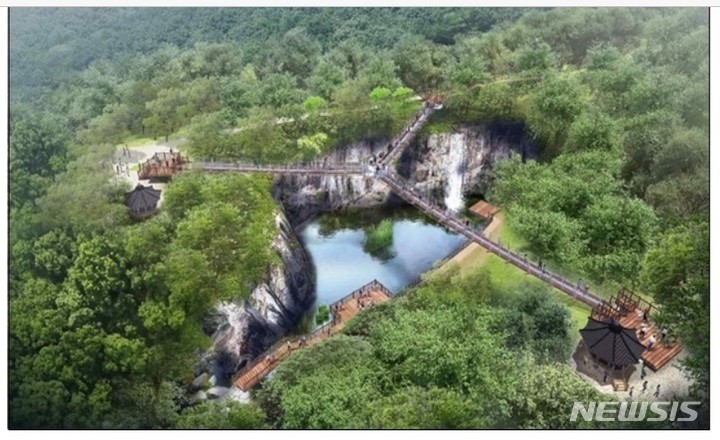
Dodeoksan Suspension BridgeA place where you can walk along the Dodeoksan Forest Trail and cross the suspension bridge.
1
Dodeoksan Suspension BridgeA place where you can walk along the Dodeoksan Forest Trail and cross the suspension bridge. -
 2
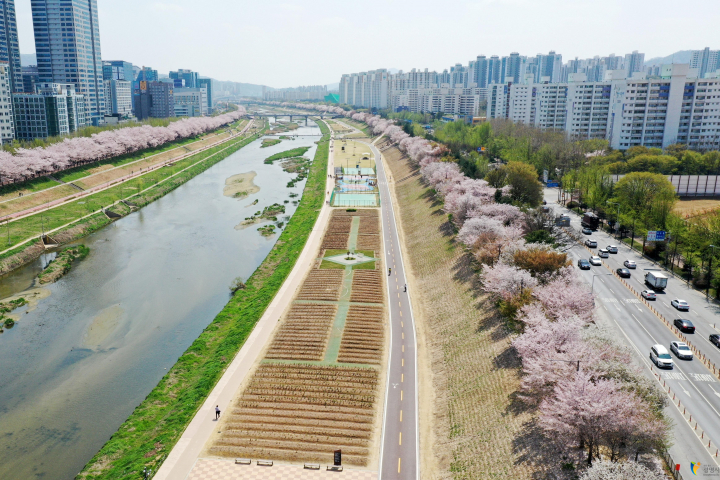
Gwangmyeong AnyangcheonA place to enjoy riverside scenery along walking trails and boardwalks.
2
Gwangmyeong AnyangcheonA place to enjoy riverside scenery along walking trails and boardwalks. -
 3
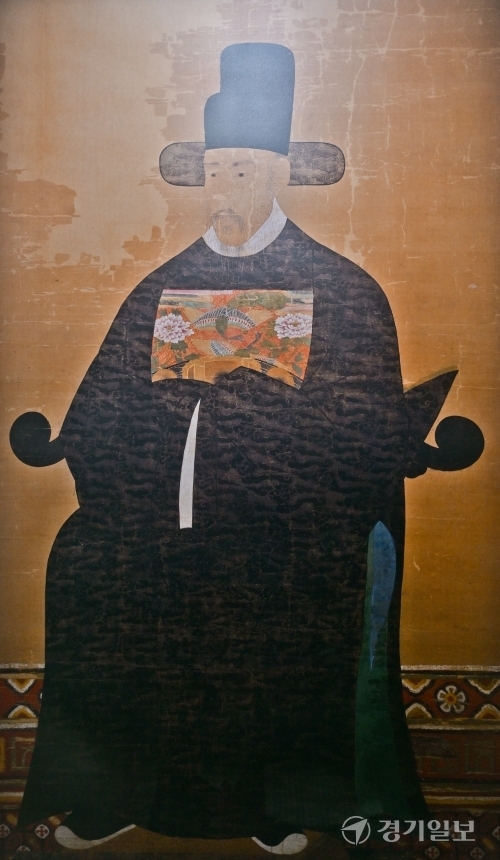
Chunghyeon MuseumA museum where visitors can view the artifacts of Ori Yi Won-ik and the historic remains of his head family residence.
3
Chunghyeon MuseumA museum where visitors can view the artifacts of Ori Yi Won-ik and the historic remains of his head family residence. -
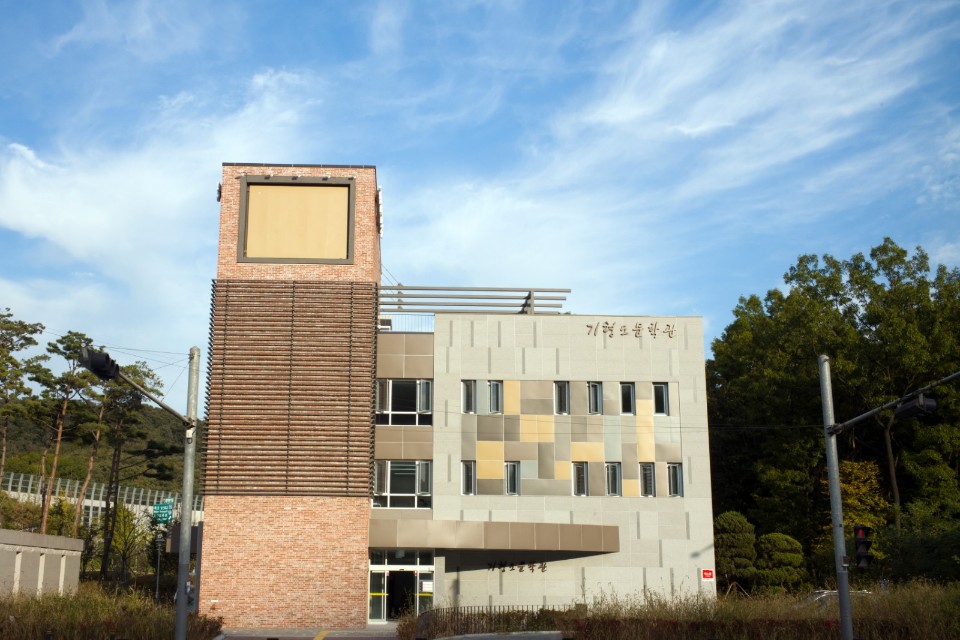 4
Gihyeongdo Literary MuseumA space showcasing and offering interactive experiences about the life and literature of poet Gihyeongdo.
4
Gihyeongdo Literary MuseumA space showcasing and offering interactive experiences about the life and literature of poet Gihyeongdo.
Food & Dining 1
-
 5
5
Events in This Area
Festivals in This Area

More Travel Guides in This Area
Korea News
![ZEROBASEONE ‘ZEROBASEONE Shining Even at Night!’ [★Video]](https://kotourlive-images.s3.ap-northeast-1.amazonaws.com/news/1786629298196_13d8a4bb_news_075face7-fb4e-402c-b833-25ccaf88cf8f.jpg) News
News
ZEROBASEONE ‘ZEROBASEONE Shining Even at Night!’ [★Video]
 News
News
Kwon Eun-bi, First Comeback Since Moving from Woollim to RBW: “Aiming for a September Release”
 News
News
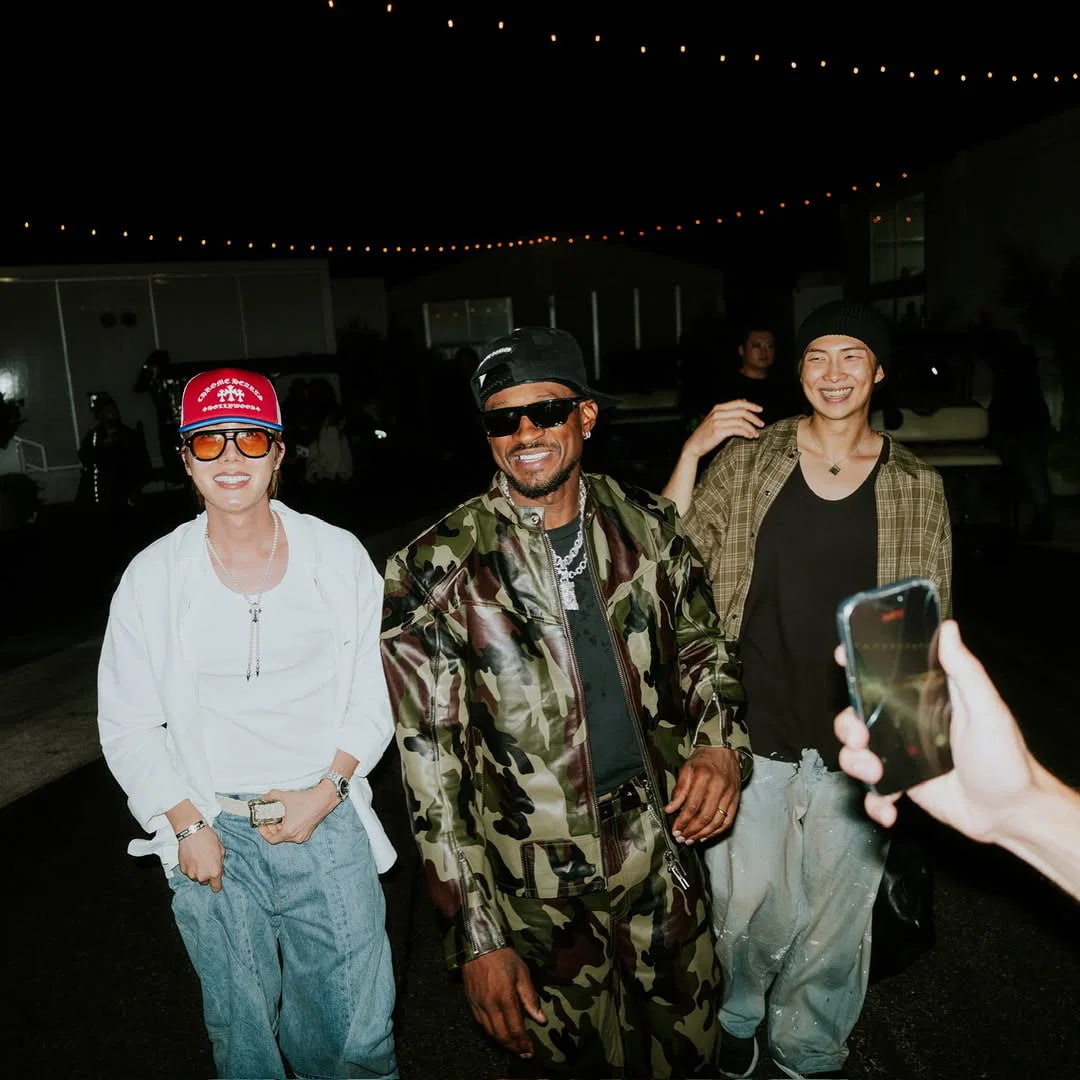
“Did Jungkook’s connection continue?” Pop star Usher spotted warmly hugging BTS’s RM and J-Hope
 News
News