
Uijeongbu Budae-jjigae Street
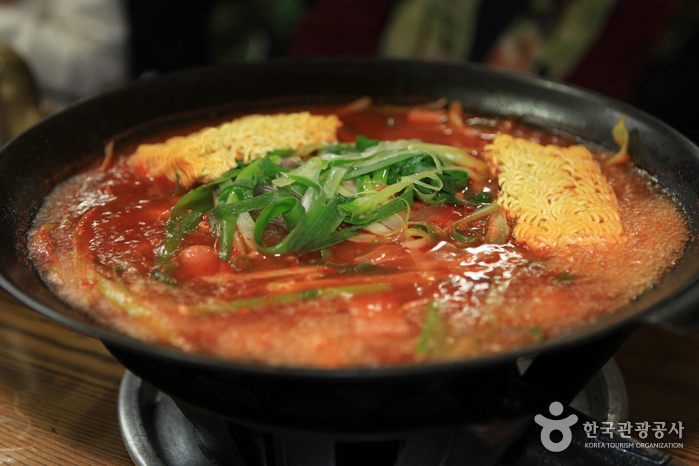
This food-specialty street developed when a U.S. military base was stationed in a village next to the former Yangju County Office. Centered around Oden Restaurant, which has been operating since 1968, it is home to around 12 restaurants specializing in budae-jjigae. It is easy to reach, located directly in front of Exit 2 of Uijeongbu Jungang Station on the Uijeongbu Light Rail, and a budae-jjigae festival is held every autumn.
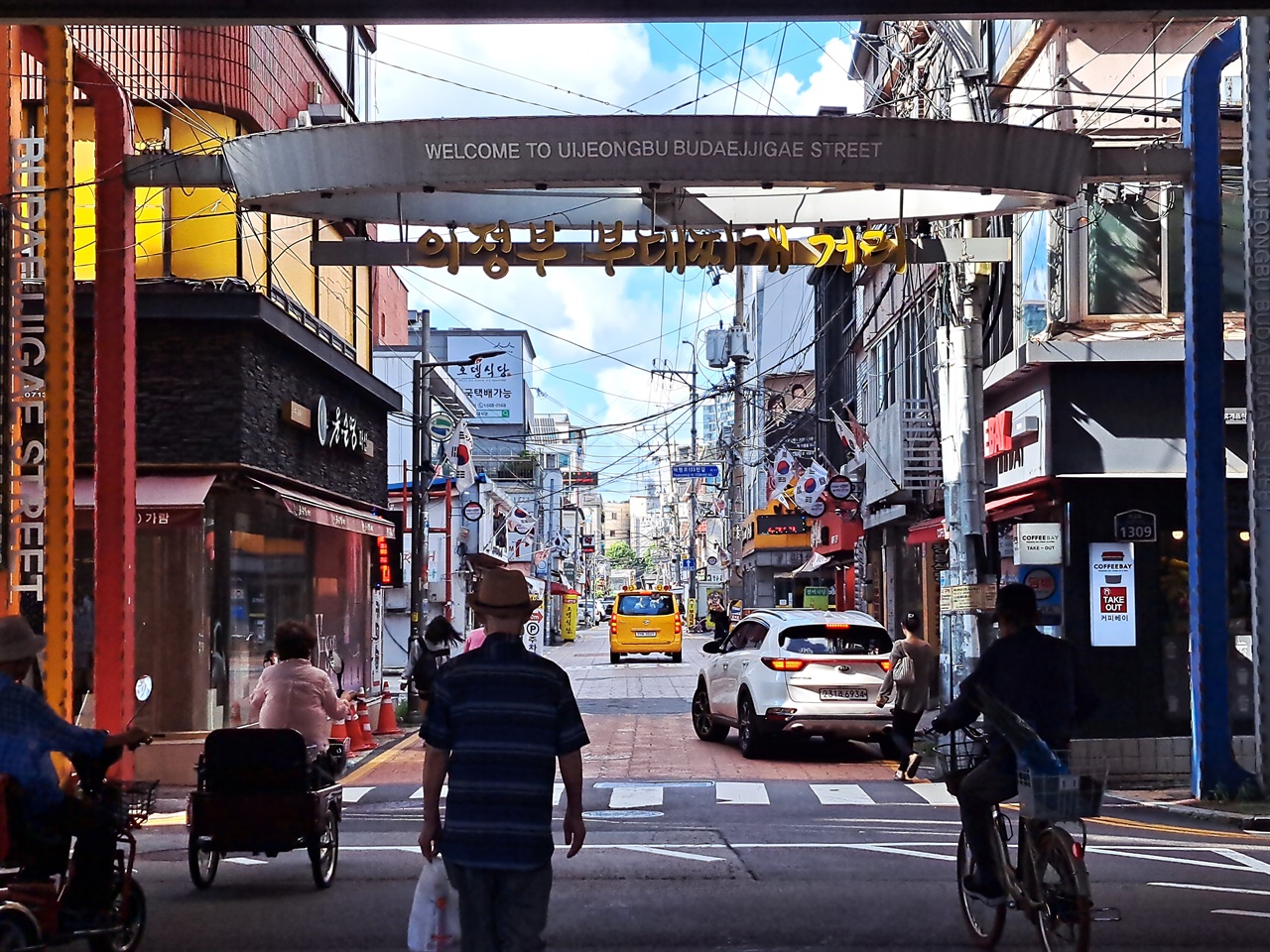

A Street That Began in Uijeongburi Beside the Old Yangju County Office
The area around Uijeongbudong, where Uijeongbu Budaejjigae Street is located, was originally a village on the outskirts of the former Yangju County. During the Japanese colonial period, in 1922, the Yangju County Office was relocated to Uijeongburi, which at the time belonged to Sidun-myeon, Yangju County. As the population grew, Uijeongbu was promoted to township status in 1946, shortly after liberation, and then faced the Korean War in 1950. After the Korean War, the area became a military city as U.S. military bases were stationed there.
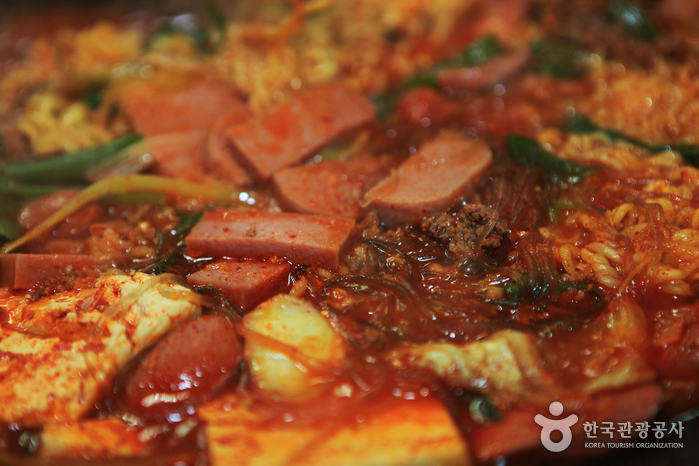
After the war, stews made by combining kimchi with ingredients such as Spam, sausages, and canned beans from U.S. military bases began to appear, and restaurants selling budae jjigae began opening around Uijeongbu Jeil Market in the 1960s. The Yangju County Office, which had prompted the formation of the street, relocated to Nambangdong in 2000, but the street's name and commercial district remained, becoming today's Budaejjigae Street.
From Oden Sikdang, a Fish Cake Food Stall, to a '100-Year Store'
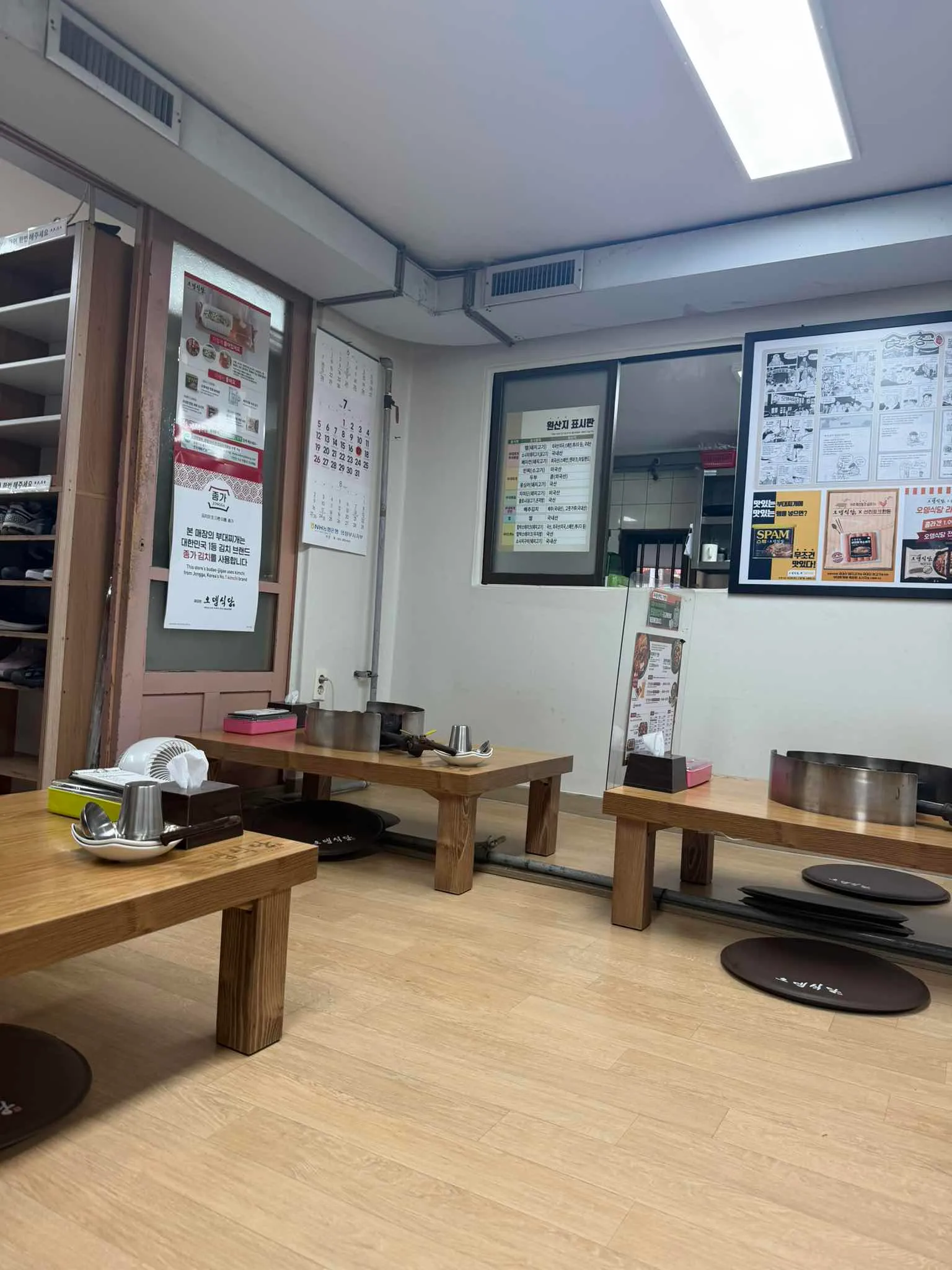
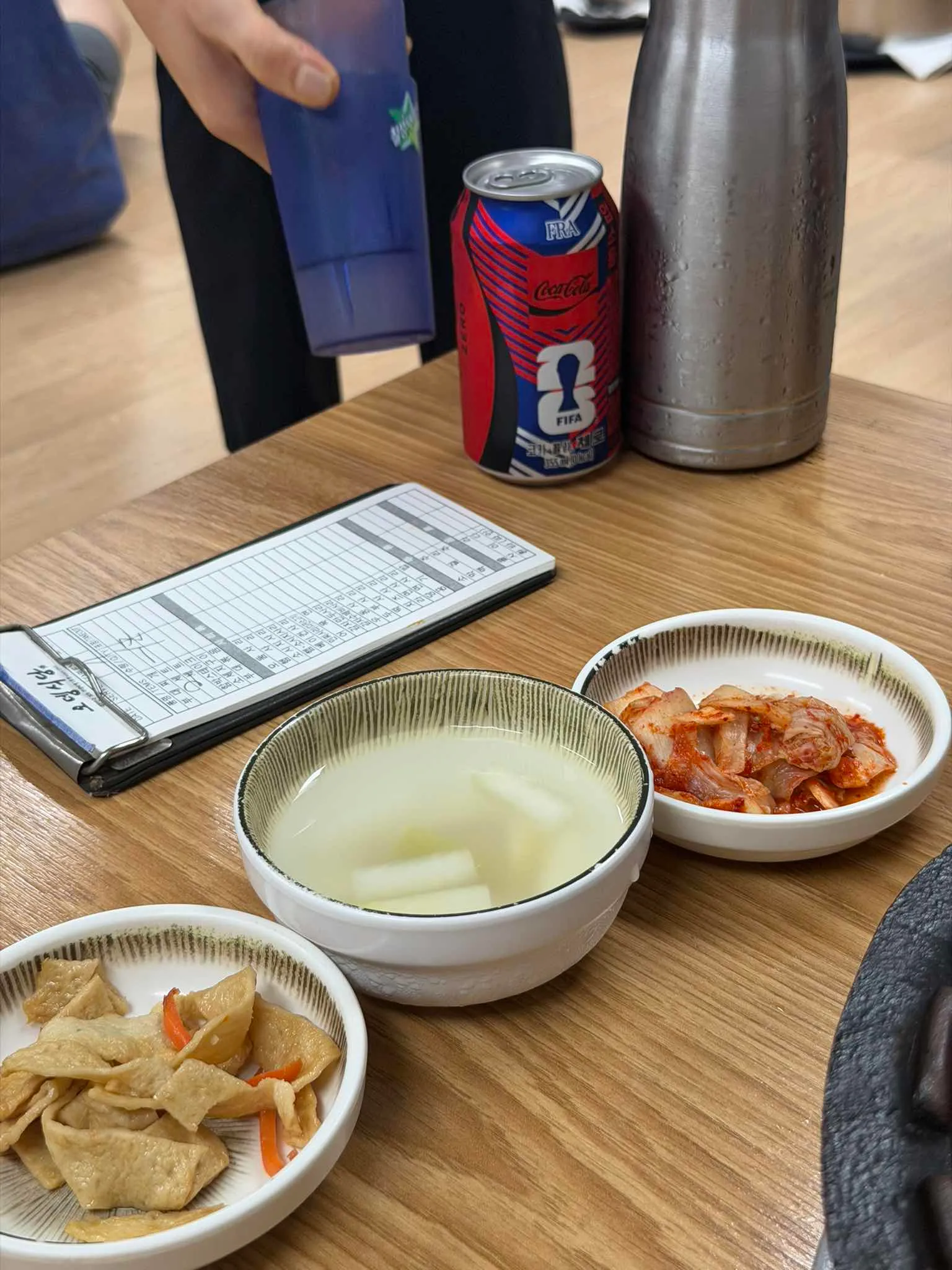
Today's Uijeongbu Budaejjigae Alley is home to a cluster of long-established budae jjigae restaurants, including Oden Sikdang, which began as a street stall selling fish cakes. Oden Sikdang started as a street stall in the 1960s, opened a shop at its current location in 1968, and has continued operating ever since. It is known as the first restaurant in South Korea to commercialize budae jjigae and add it to its menu.
The restaurant's name comes from the time when it operated a street stall at its current location and sold oden, leading people to call it an 'oden shop.' When customers working at a nearby U.S. military base paid with meat and ham instead of money, founder Grandmother Heo Gi-suk stir-fried and sold the ingredients. Later, at customers' request, she added kimchi and seasoning paste, creating the prototype of today's budae jjigae. In 2020, the restaurant was recognized for its long history and selected as a '100-Year Store' by the Ministry of SMEs and Startups. The main branch is located at 7 Hoguk-ro 1309beon-gil, Uijeongbu-si, Gyeonggi-do; its hours are 08:30–21:30, and its telephone number is 031-842-0423.
The Manga <The Food Critic> and an SBS Drama That Changed the Alley’s Fate
The area became famous after appearing in Heo Young-man's manga The Food Critic and was transformed into a themed tourism street. A restaurant here was introduced in The Food Critic, which had been serialized as a popular manga since 2002 with stories combining flavor and personal history, giving the alley national recognition. The story by artist Heo Young-man was also adapted into an SBS drama in 2008. Through an episode in which an adoptee named 'Ted Oh' discovers a taste from his memories in Uijeongbu, the drama explored the origins of budae jjigae and the painful sides of Korean history, gaining great popularity.
Uijeongbu budae jjigae, which had preserved its tradition, later created a sensational stir in the rapidly growing dining market of the 1990s. However, as its name became better known, various conflicts, including disputes over the original restaurant, also emerged. It is unclear who first created budae jjigae, and the recipes are broadly divided into the Uijeongbu style and the Songtan style.
One Minute on Foot from Exit 2 of Uijeongbu Jungang Station to the Street Entrance
Uijeongbu Budaejjigae Street is directly in front of Exit 2 of Uijeongbu Jungang Station on the Uijeongbu Light Rail, making it highly accessible by public transportation. If you use Subway Line 1, you need to transfer at Hoeryong Station, located south of Uijeongbu's central Uijeongbu Station. Although the light rail also has a station called Uijeongbu Station, it is some distance from the Line 1 Uijeongbu Station and has no direct transfer passage, making it difficult to regard it as a practical transfer station. You can transfer to Line 1 at Hoeryong Station, and Uijeongbu Station is about a 10-minute walk away.
After getting off at Hoeryong Station on Line 1, you can take the light rail that runs through downtown Uijeongbu. Families traveling with children may enjoy riding in the first car, where the wide front window offers a view of oncoming light-rail trains, creating an experience reminiscent of riding a monorail at an amusement park. Parking consists primarily of on-street parking spaces in front of each shop along the street. Some restaurants, such as the main branch of Oden Sikdang, have their own parking lots, but conditions vary by restaurant, so individual inquiries are recommended before visiting.
Hoguk-ro 1309beon-gil: 12 Restaurants, Each with Its Own Broth
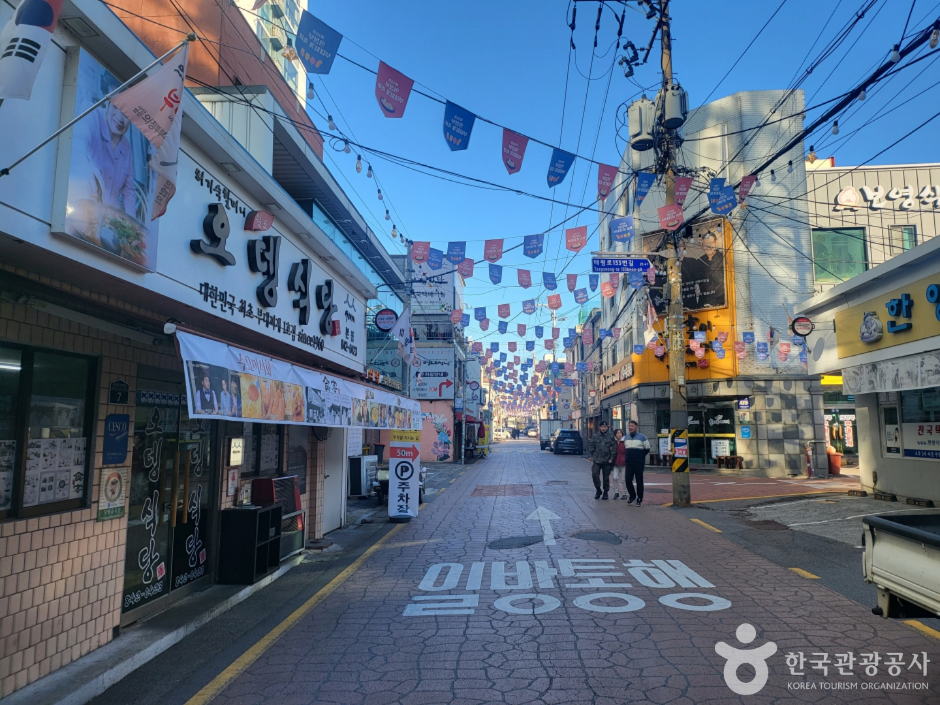
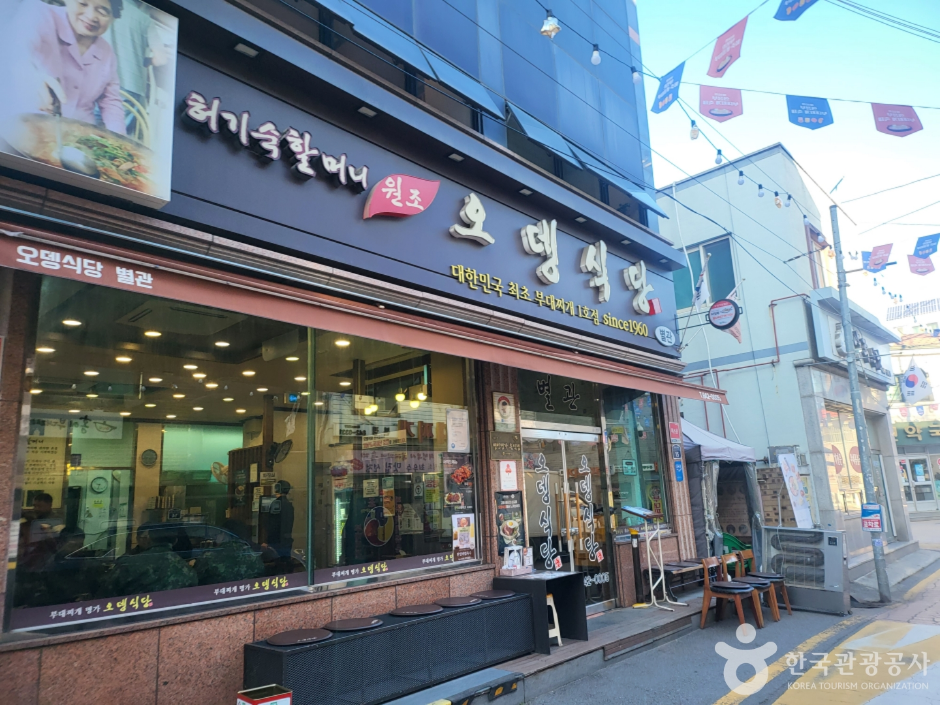
A total of 12 restaurants are gathered along the street, centered on Oden Sikdang, which has been officially recognized by the city as the original restaurant. Representative establishments include Oden Sikdang, Hyeongne Sikdang, Hong-i Budaejjigae, Jinmi Sikdang, Boyoung Sikdang, and Oden Budaejjigae. Located right next to Oden Sikdang, Hyeongne Sikdang is one of the budae jjigae restaurants that has long been loved by Uijeongbu residents.
Hong-i Budaejjigae, housed in a three-story building, was originally a branch of Gyeongwon Sikdang, which had operated in downtown Uijeongbu since 1980. It is now being developed as an independent brand by the second-generation owner who inherited the business. On visitor-review websites, rankings and reviews for 155 establishments can be found, including Oden Sikdang (budae jjigae: 4.1 points), Gyeongwon Sikdang (budae jjigae: 4.3 points), and Oden Sikdang Annex (3.7 points). More than 50 shops once thrived here, but only a dozen or so remain today, carrying on the tradition.
Every Autumn: The Uijeongbu Budaejjigae Festival
According to the Commercial District Promotion Center of Uijeongbu Urban Corporation, budae jjigae originated after the Korean War when ingredients from U.S. military bases were adapted to local tastes by adding kimchi and hot broth. A budae jjigae festival is held every year around October or November. Most recently, in 2025, Uijeongbu Urban Corporation announced that it would hold the '18th Uijeongbu Budaejjigae Festival' on November 8 throughout Uijeongbu Budaejjigae Street, and the festival was indeed held successfully across the area over November 8 and 9.
The merchants' association that helps prepare the festival is the Uijeongbu Budaejjigae Premiumization Association. As the festival has reached its 18th edition, its programs and participating establishments change slightly each year. If you plan to visit in autumn, it is safest to confirm the exact dates for that year through the Commercial District Promotion Center website of Uijeongbu Urban Corporation or local news.
A Walking Route Linking Haengbok-ro and Jeil Market
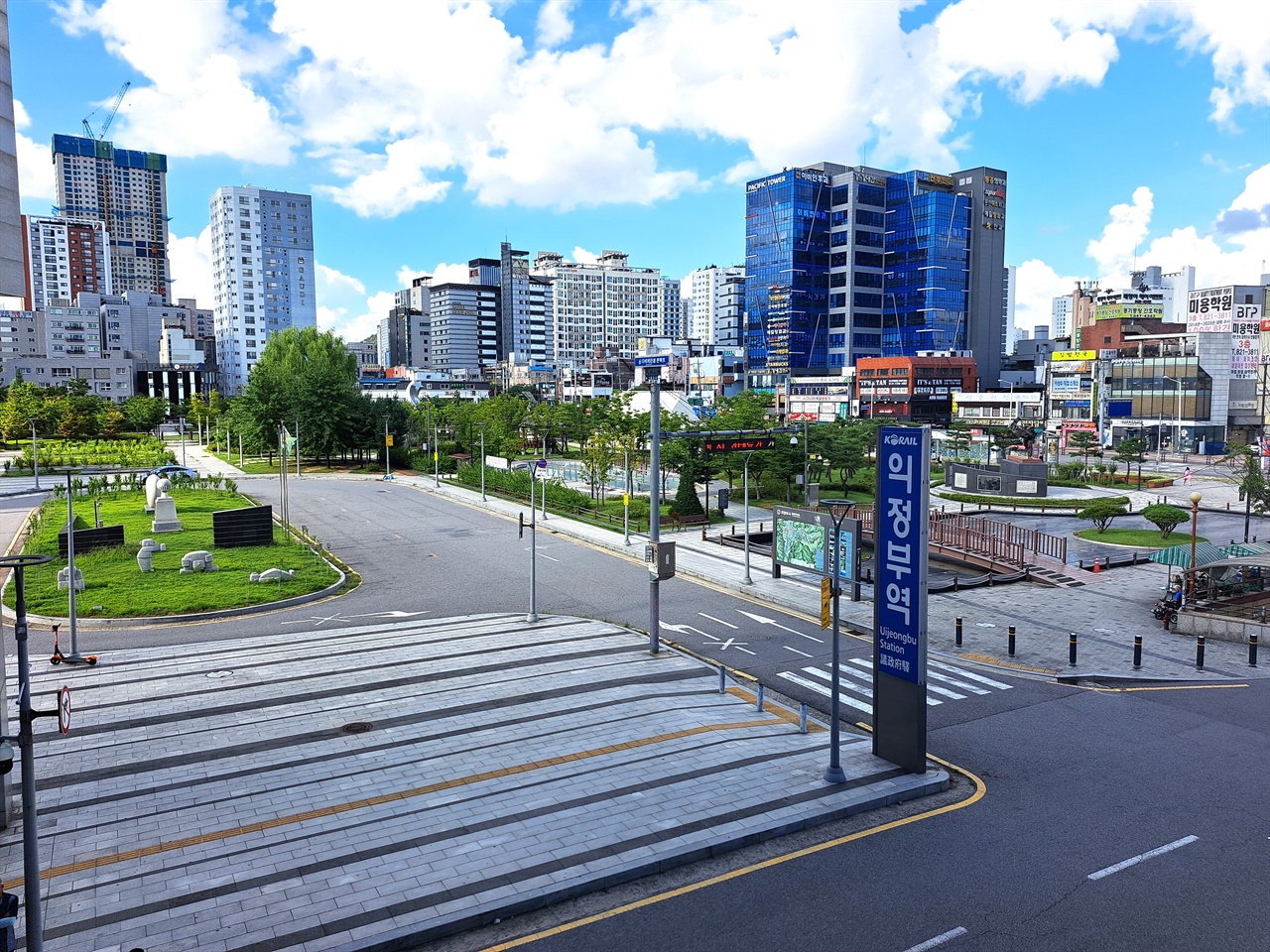
Across the street are the Uijeongbu Fusion Culture and Tourism Promotion Hall, Haengbok-ro, Uijeongbu Jeil Market, and the east plaza of Uijeongbu Station, all within walking distance. After looking around Jeil Market, you can continue onto Haengbok-ro, a roughly 600-meter street lined with various fashion shops. Decorated with large sculptures and landscaped trees, it gives the feeling of walking through a park. Around sunset, lighting facilities illuminate the street, making the atmosphere even more romantic.
A statue of King Taejo Yi Seong-gye on Haengbok-ro bears an inscription explaining the origin of the city name Uijeongbu. If you would like to walk farther, you can take Course 1, the 'Path of Meditation,' among the seven recently created courses of the 'Sopung-gil' walking trail. The route runs from Mangwolsa Station on Subway Line 1 to Uijeongbu City Hall and is ideal for combining with a walk along Budaejjigae Street.
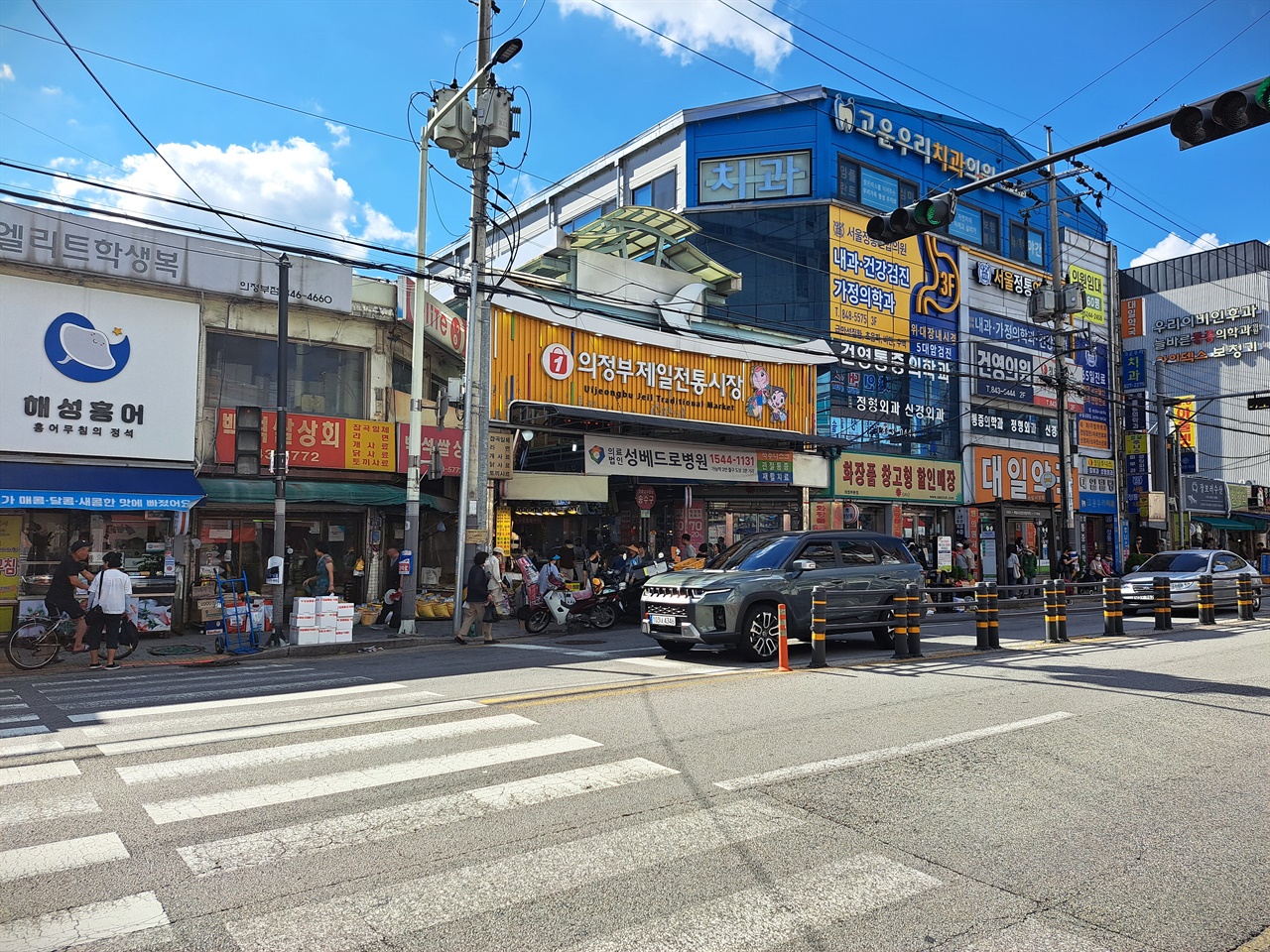
Crowded Weekend Lunches, Floor Seating, and Things to Know in Advance
One point repeatedly mentioned in actual visitor accounts is the prestige of the 'original restaurant.' The longest line is always found in front of Oden Sikdang, which has carried on its tradition for three generations, because it claims the title of the original restaurant that first made and sold budae jjigae in 1960. Even among recent reviews, it is easy to find accounts of visitors arriving around 11 a.m. on a weekend and finding the restaurant already full, with a wait forming. To avoid the crowds, it is better to aim for an early weekday lunch.
However, not everyone is satisfied. One visitor noted that, unlike its reputation from being featured in various media outlets, Oden Sikdang's light, non-spicy broth may taste somewhat bland to people accustomed to the flavor of budae jjigae at other famous franchises. Many restaurants use floor seating, so visitors with uncomfortable knees or families bringing strollers should check in advance when making a reservation whether chairs and tables are available. If you are looking for a quiet meal rather than the constantly lively atmosphere of the nearby Rodeo Street, this is something to keep in mind.
Before You Go
- Address
- 7 Hoguk-ro 1309beon-gil, Uijeongbu-si, Gyeonggi-do
- Hours
- The street itself is open at all times, while individual restaurants generally operate from 8–9 a.m. to 9–10 p.m. Main branch of Oden Sikdang: 08:30–21:30 year-round
- Closed
- There is no fixed closing day for the street as a whole. The main branch of Oden Sikdang is open year-round, but holiday closures vary by restaurant, so check before visiting
- Admission
- Free (food costs extra)
- Phone
- 031-842-0423 (Oden Sikdang main branch) / 031-928-6688 (Commercial District Promotion Center of Uijeongbu Urban Corporation)
- Official site
- http://uihope.or.kr
- Transport
- Directly in front of Exit 2 of Uijeongbu Jungang Station on the Uijeongbu Light Rail. When using Seoul Metropolitan Subway Line 1, transfer to the Uijeongbu Light Rail at Hoeryong Station and get off at Uijeongbu Jungang Station (the light-rail Uijeongbu Station does not offer a direct transfer to the Line 1 Uijeongbu Station)
- Parking
- On-street parking in front of individual shops along the street is the standard option, and arrangements vary by restaurant. The main branch of Oden Sikdang has its own free parking lot
- Time needed
- About 15 minutes on foot to look around the street alone; approximately 1–2 hours including a meal
The information above is current as of the time of writing. Check the official guidance again before visiting.

Places
Nearby Attractions 3
-
 1
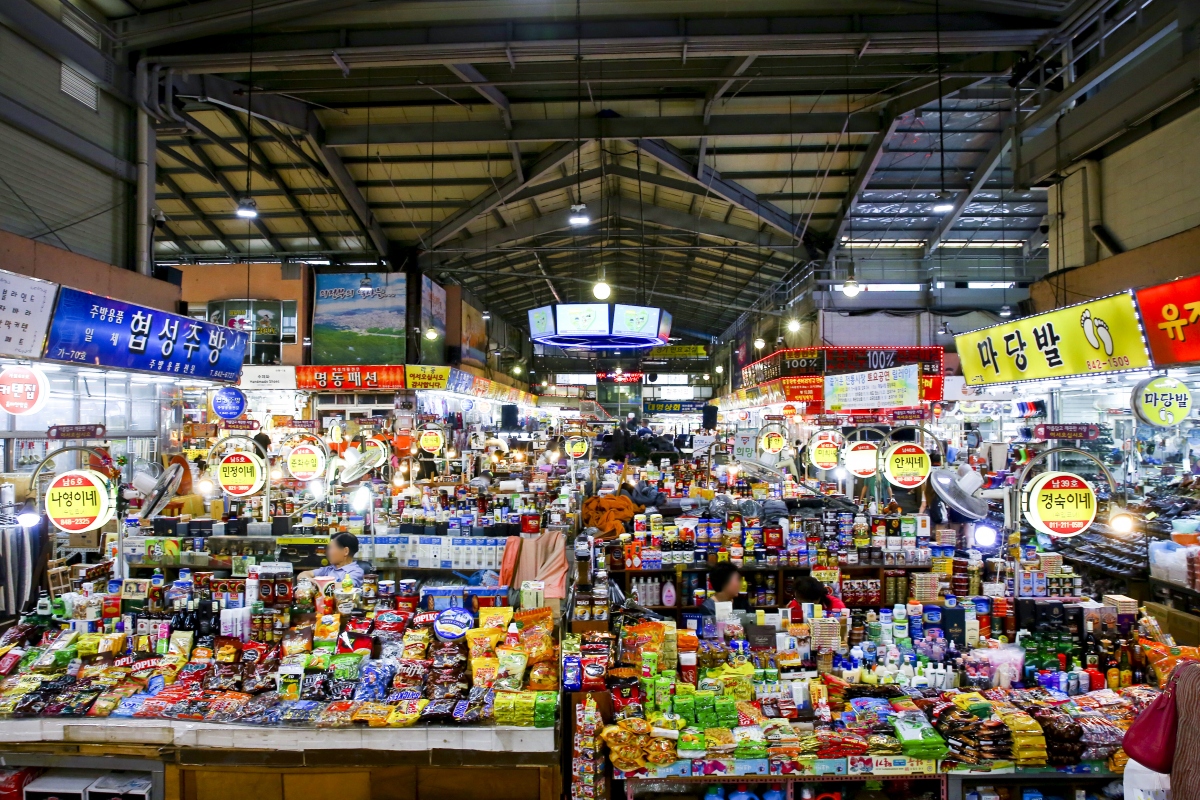
Uijeongbu Jeil MarketA large traditional market where you can explore traditional foods and everyday shops.
1
Uijeongbu Jeil MarketA large traditional market where you can explore traditional foods and everyday shops. -
 2
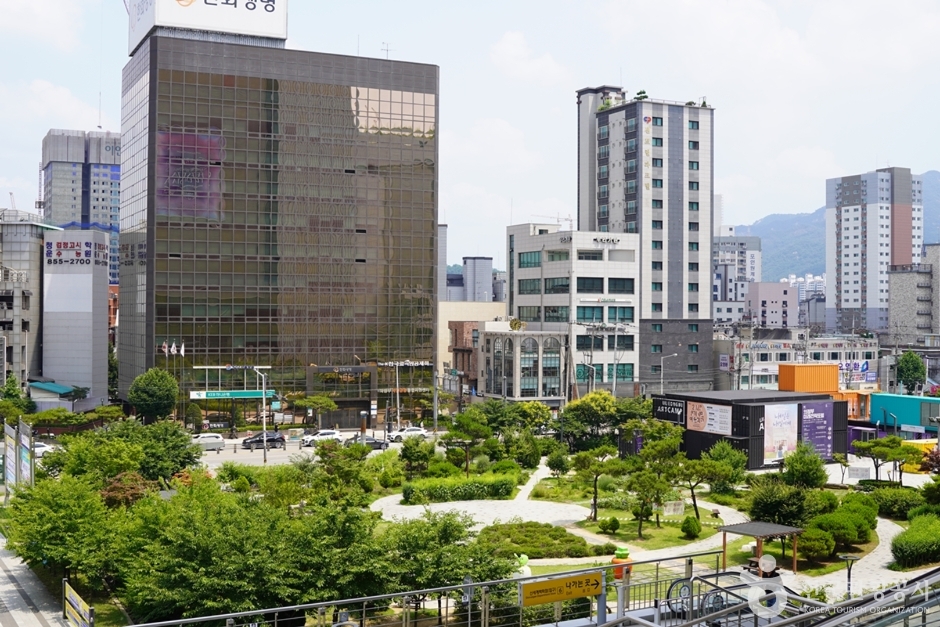
Uijeongbu Station East PlazaA civic plaza where residents can stroll among monuments and gardens on the site of a former U.S. military base.
2
Uijeongbu Station East PlazaA civic plaza where residents can stroll among monuments and gardens on the site of a former U.S. military base. -
 3
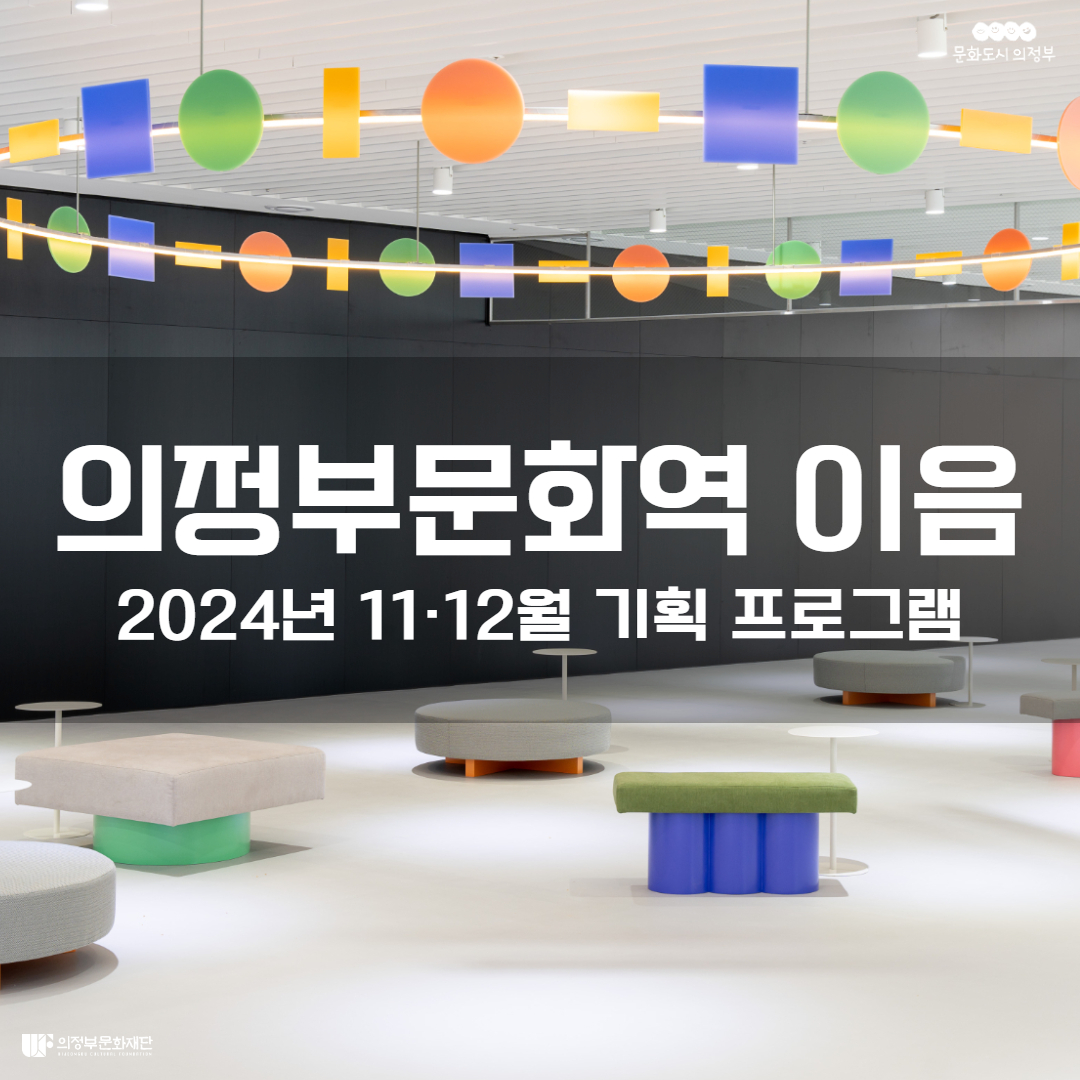
Uijeongbu Culture Station IeumA multipurpose cultural space at Uijeongbu Station where you can enjoy exhibitions and cultural programs.
3
Uijeongbu Culture Station IeumA multipurpose cultural space at Uijeongbu Station where you can enjoy exhibitions and cultural programs.
Food & Dining 2
-
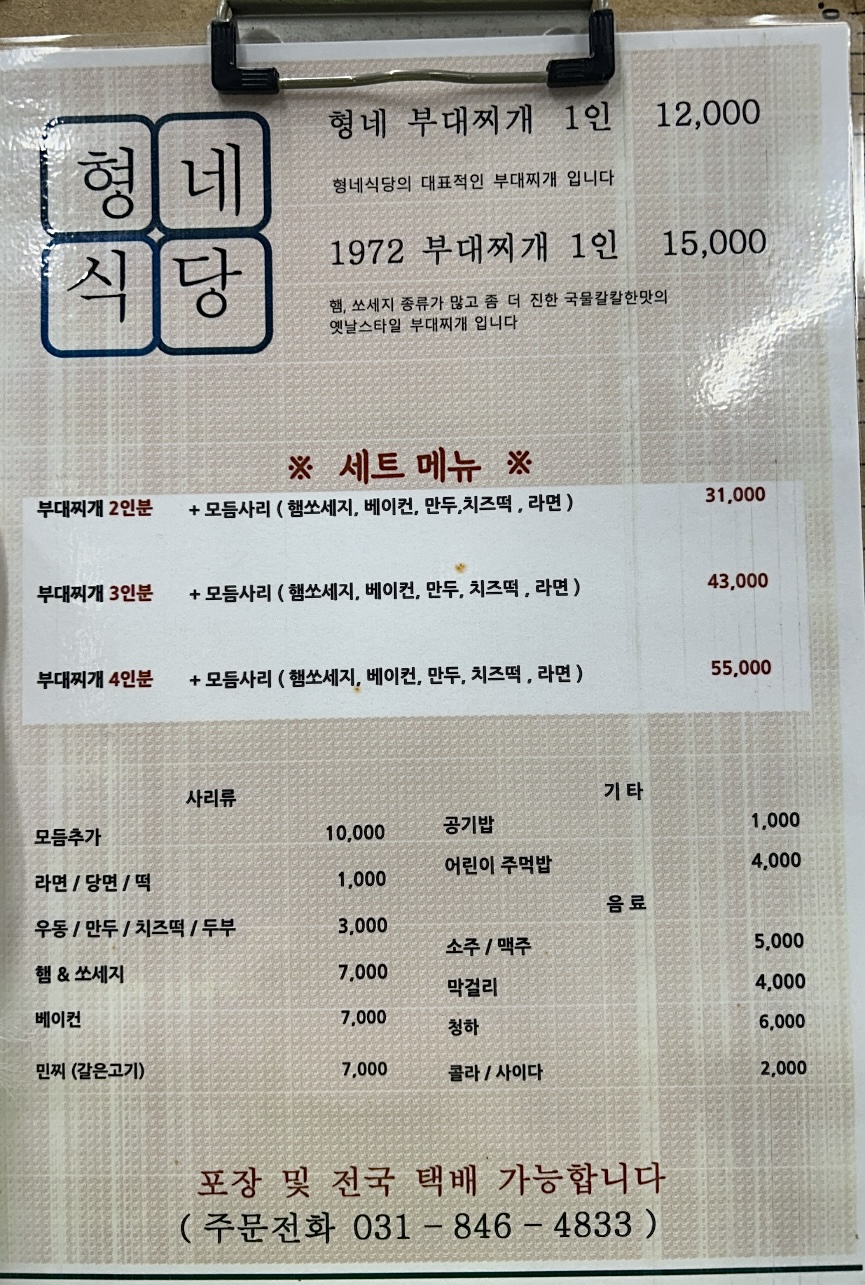 4
Hyeongne SikdangA restaurant where you can enjoy mild yet spicy Uijeongbu-style budae-jjigae.
4
Hyeongne SikdangA restaurant where you can enjoy mild yet spicy Uijeongbu-style budae-jjigae. -
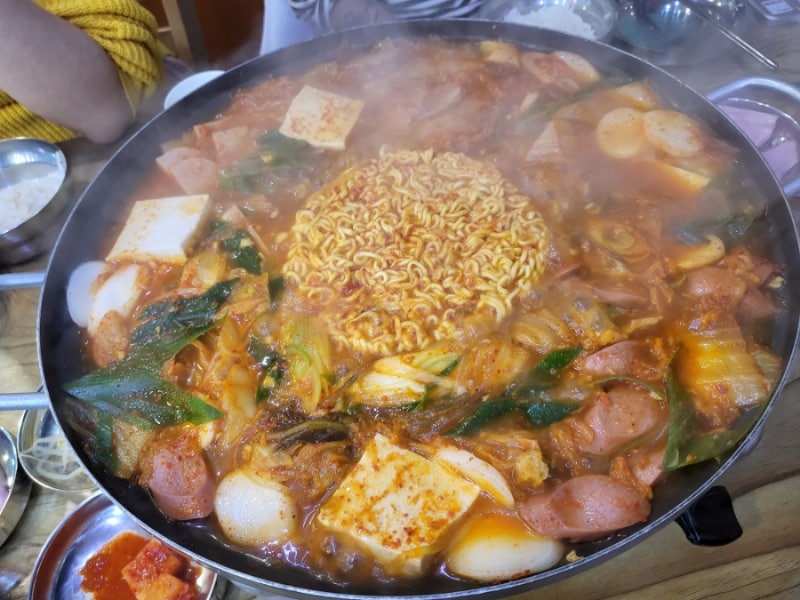 5
Hong-i Budae-jjigaeA restaurant serving traditional-style budae-jjigae and stir-fried budae dishes.
5
Hong-i Budae-jjigaeA restaurant serving traditional-style budae-jjigae and stir-fried budae dishes.
Events in This Area

Festivals in This Area

More Travel Guides in This Area
 Travel Guide
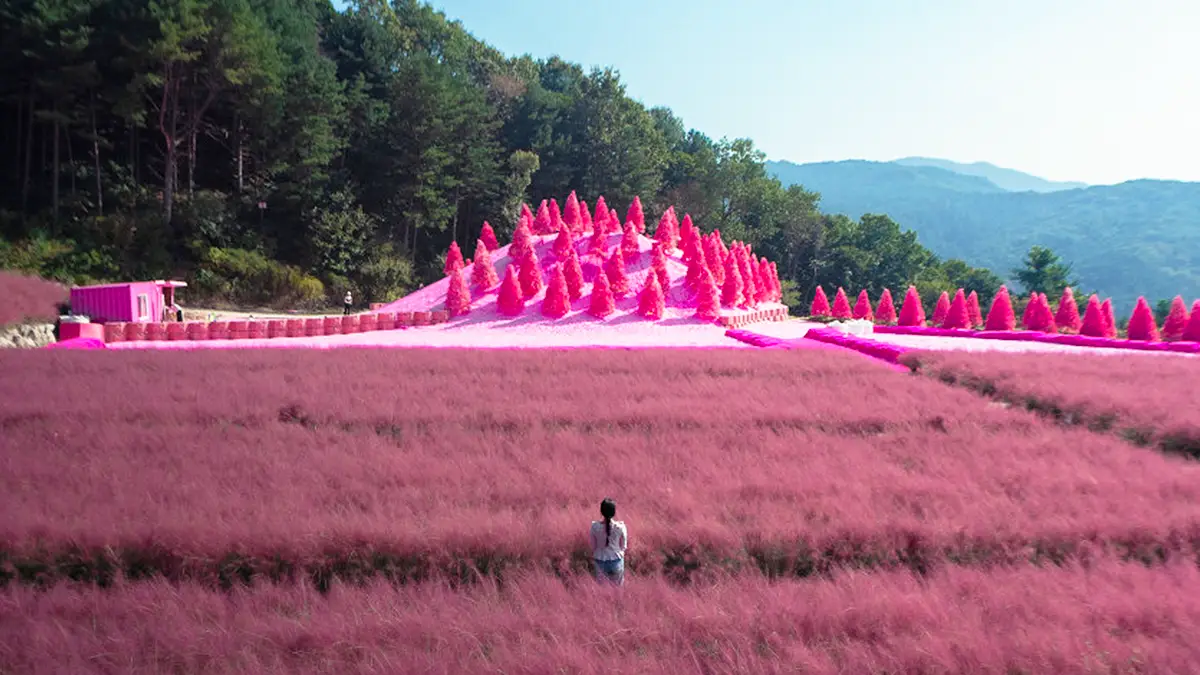
Pocheon Herb Island Spread Across 130,000 Pyeong Since October 1998
 Travel Guide
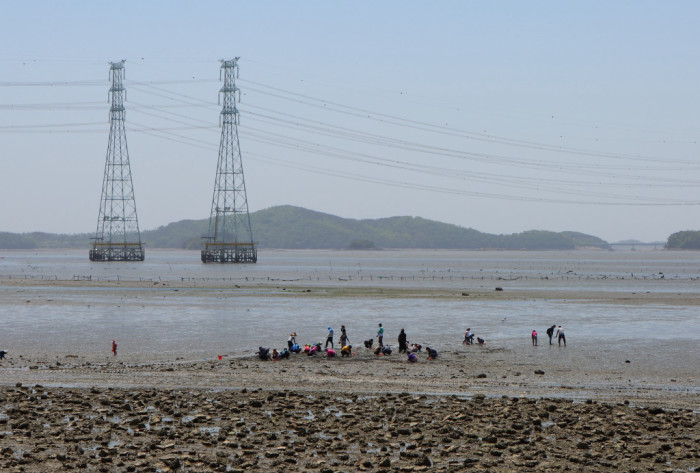
Daebudo — The Island of “Big Hills” Created by the Sihwa Seawall
 Travel Guide
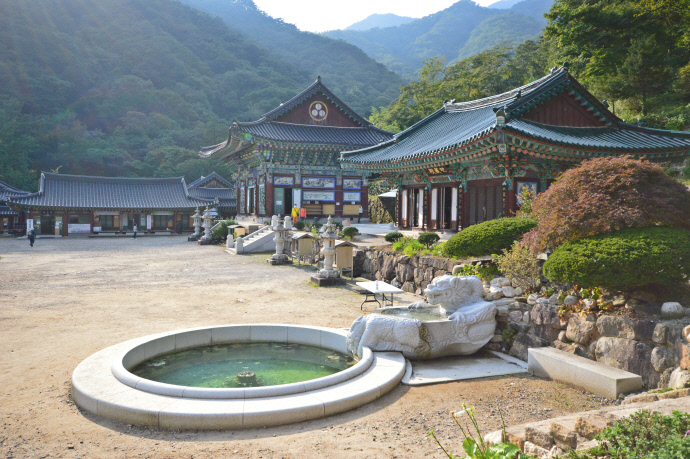
Yongmunsa Temple, a Millennium-Old Temple at the Foot of Yongmunsan Mountain
 Travel Guide
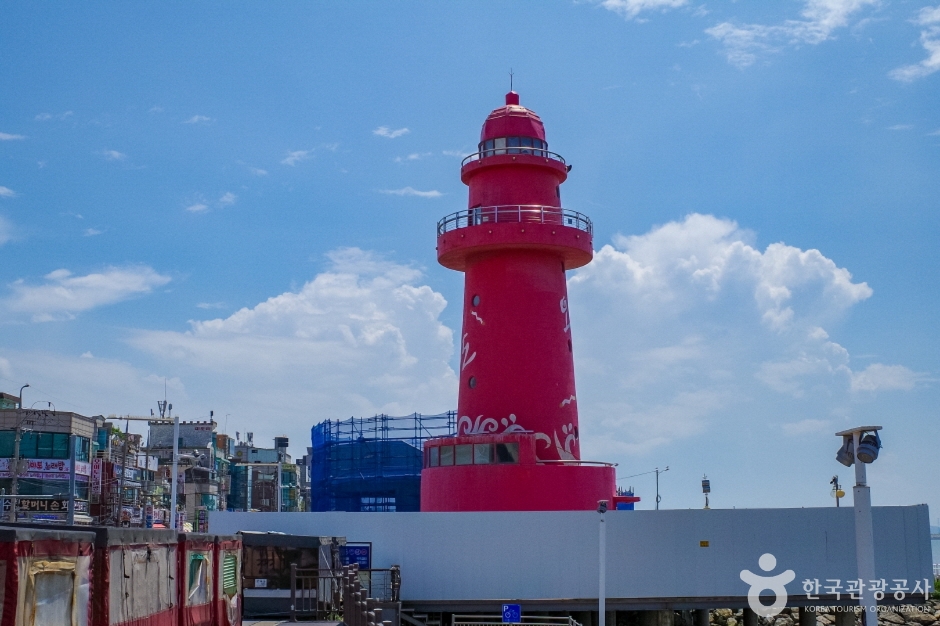
Oido Red Lighthouse — A 21 m red landmark linking the Sihwa Industrial Complex and Songdo
Korea News
![ZEROBASEONE ‘ZEROBASEONE Shining Even at Night!’ [★Video]](https://kotourlive-images.s3.ap-northeast-1.amazonaws.com/news/1786629298196_13d8a4bb_news_075face7-fb4e-402c-b833-25ccaf88cf8f.jpg) News
News
ZEROBASEONE ‘ZEROBASEONE Shining Even at Night!’ [★Video]
 News
News
Kwon Eun-bi, First Comeback Since Moving from Woollim to RBW: “Aiming for a September Release”
 News
News
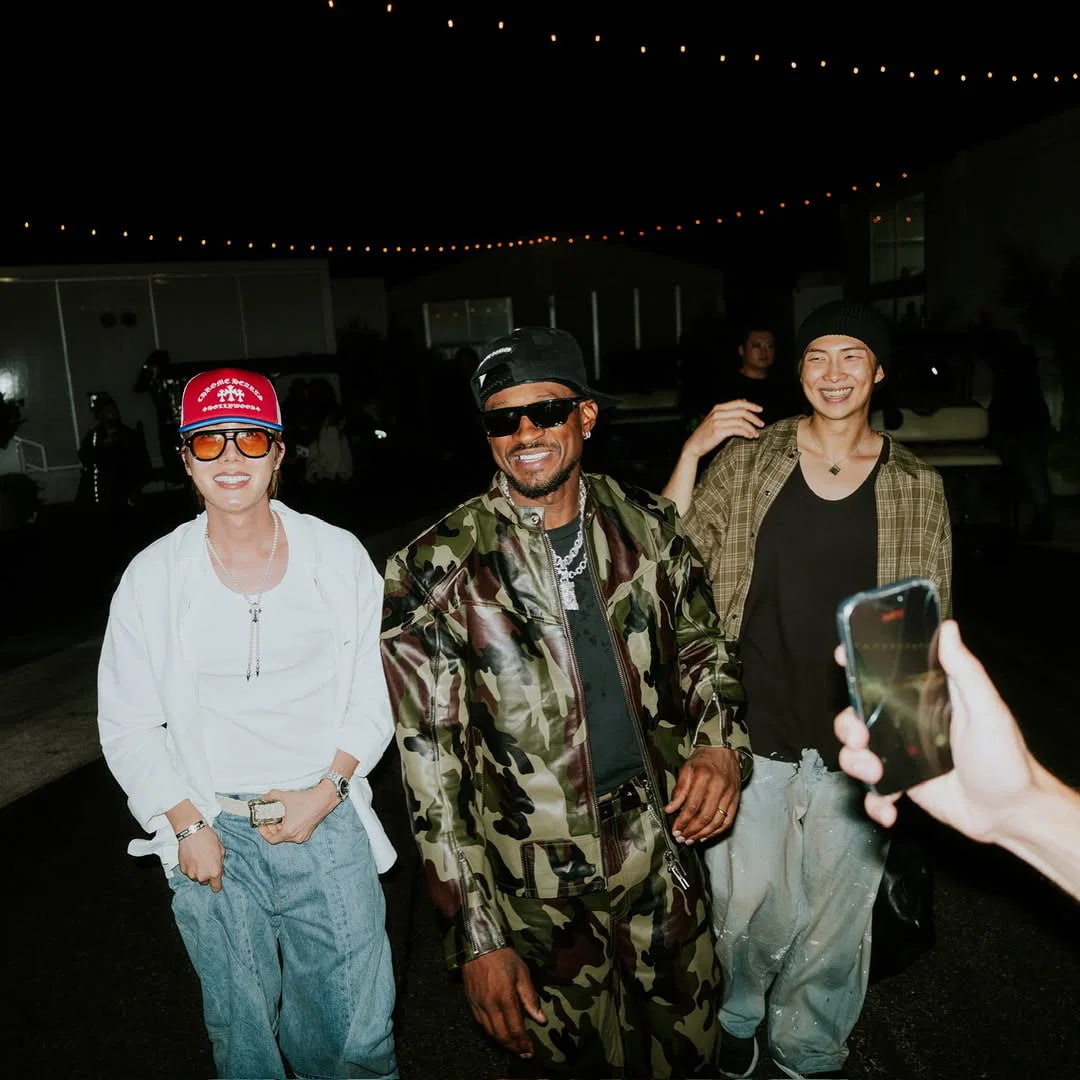
“Did Jungkook’s connection continue?” Pop star Usher spotted warmly hugging BTS’s RM and J-Hope
 News
News