National Folk Museum of Korea — Korean Life History in the 1972 Building at Seonwonjeon Old Site
Located east of Gyeongbokgung Palace, the National Folk Museum of Korea uses the old National Museum of Korea building built in 1972 on the grounds of Seonwonjeon, the site that once housed royal portraits of the Joseon Dynasty. It showcases everyday life and culture through three permanent exhibition halls and “7080 Memories Street.” Admission is free, and since it is inside Gyeongbokgung, it’s convenient to combine with a palace visit.
I’ve been here?
Your check-in helps the next traveler.
No one has checked in yet Be the first
One tap — no writing needed
A 1972 Building Erected on the Former Site of Seonwonjeon — From the National Museum of Korea to the National Folk Museum of Korea
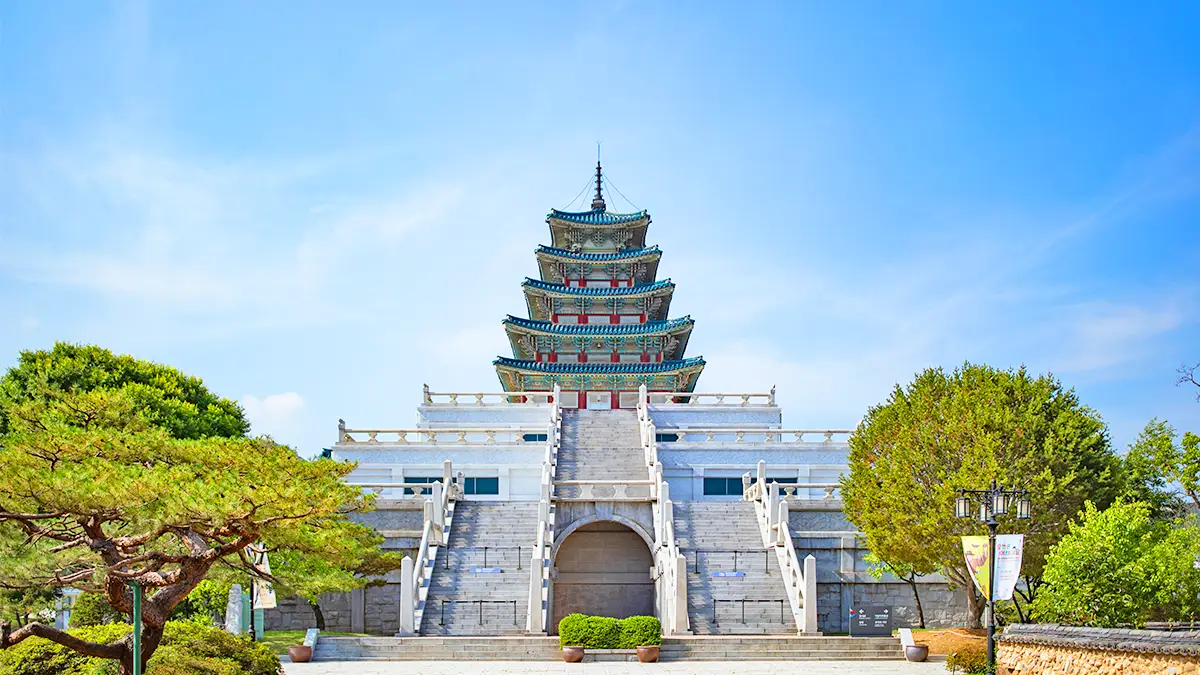
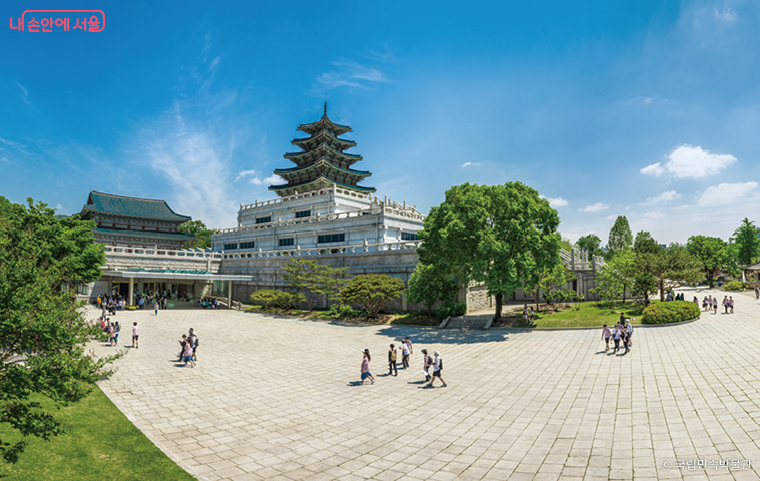
The main building now used by the National Folk Museum of Korea originally stood on the site of Seonwonjeon (璿源殿), where royal portraits of the Joseon dynasty were enshrined. During the Deoksugung period, on July 19, 1972, the National Museum changed its name to the “National Museum of Korea,” and on August 25 it relocated to a newly built building at the present site of the National Folk Museum of Korea in Gyeongbokgung. This site had originally been occupied by Seonwonjeon, where Joseon royal portraits were enshrined; the government decided to build a museum on the site in 1966, and it was completed in 1972.
Designed by architect Kang Bong-jin, this building was modeled after Korean traditional buildings such as Palsangjeon at Beopjusa, Mireukjeon at Geumsansa, and Gakhwangjeon at Hwaeomsa. Later, the National Museum of Korea relocated there in 1986 after remodeling the former Jungangcheong building, which had been vacated following the construction of the Government Complex Seoul in 1970 and the opening of the Government Complex Gwacheon in 1982. The building then became vacant, and on October 30, 1992, it was reorganized under the Ministry of Culture as the National Folk Museum of Korea, a first-level affiliated institution; it moved into this building in Gyeongbokgung and opened on February 17, 1993, continuing to the present day.
Song Seok-ha and Namsan in 1946 — Why Did It Move So Many Times?
The museum’s roots date back to immediately after Korea’s liberation. Song Seok-ha, who founded the Korean Folklore Society, set out to establish a museum after liberation, and the National Folk Museum of Korea opened on April 25, 1946, under the name National Ethnic Museum, in the Sijeong Memorial Hall building on Namsan at the time.
However, the museum did not last long. In 1950, it was downgraded to the Namsan branch of the National Museum, and in 1958 even that organizational status was abolished, resulting in its closure. After a 16-year hiatus, on October 4, 1966, the Cultural Heritage Administration collected approximately 1,600 folk artifacts and opened a folk museum as a temporary organization in Sujeongjeon (303.6㎡) at Gyeongbokgung.
The relocations continued afterward. In April 1979, the National Museum of Korea absorbed the National Folk Museum of Korea, which had used the former National Museum of Modern and Contemporary Art building behind Hyangwonjeong in Gyeongbokgung (demolished in 1998) from 1975 to 1992, as an institution under the National Museum of Korea. This history of repeatedly changing names, affiliations, and buildings itself illustrates how Korea has handled folk culture since liberation.
Three Permanent Exhibition Halls — A Social History Divided into “Today,” “A Year,” and “A Lifetime”
The layout inside the main building is clear. The interior consists of three permanent exhibition halls: Hall 1, “Koreans Today,” highlights the present state of Korean everyday culture with a focus on K-Culture, while Hall 2, “A Year in the Life of Koreans,” presents seasonal customs and life by seasonal divisions in the 19th and 20th centuries. Hall 3, “The Life of Koreans,” traces life-cycle rituals—from birth and growth to marriage and funerals—from the Joseon era to the present in chronological order.
This arrangement is also confirmed in accounts by family visitors. Inside the National Folk Museum of Korea are Permanent Exhibition Halls 1, 2, and 3, Special Exhibition Halls 1 and 2, and the Children’s Museum, while outdoor exhibition spaces are also available outside. Both the permanent exhibition halls and special exhibition halls can be freely visited without reservations.
7080 Memory Lane — From a 1999 Special Exhibition to a Permanent Outdoor Display
The outdoor space on the east side of the museum has changed several times. “Memory Lane,” arranged in the outdoor exhibition area, recreates streets of the 1970s and 1980s. It was created as part of the 1999 special exhibition, “From the Century of Memories to the Century of Dreams,” remained in place for some time after the exhibition closed, was renovated from 2009, and underwent another five-month remodeling around December 2022 before reopening.
Its scale and recreated subjects are also specific. It recreates a 1970s street with a school, music café, comic-book rental shop, photo studio, public bathhouse, coffee shop, and stationery store, among other establishments, across an area of approximately 1,150㎡ on the east side of the museum. Various outdoor exhibits, including the Twelve Zodiac Animal Statues, Jangseung Hill, a millstone, and Ochondaek, are also displayed outside, allowing visitors to alternate between the indoor and outdoor areas to explore the history of Korean life in a multidimensional way.
![About 5After completing several months of renovation work 2023[year] 5National Folk Museum of Korea, reopened in [month] 7080 Outdoor exhibition hall of the Street of Memories](https://kotourlive-images.s3.ap-northeast-1.amazonaws.com/travel-guide/detail/1785665701371_0c6816d1_job1031_c2cb3ee5.png)
Children’s Museum — Entry Is Not Possible Without a Reservation
Since opening in 2003, the Children’s Museum has operated interactive exhibitions and is especially popular with family visitors. However, it operates differently from the main building. Visiting hours are 09:30–16:50 from January through December.
The reservation rules are fairly strict. Reservations for dates within the following two weeks become available daily at 9:00 a.m. through the website (two weeks before the confirmed reservation date). Each person may make only one online exhibition reservation per day; on-site and telephone reservations are not available. If visitors fail to attend without canceling their reservation, their admission may be restricted for 60 days.
There have been cases where visitors could not enter because they missed the reservation. A June 2025 visitor review notes that the Children’s Museum is free to visit but requires a date and time reservation, and that the reviewer could not enter because the visit was arranged suddenly and no reservation had been made. If planning a visit in advance, it is safest to check the website’s reservation page at least two weeks beforehand.
Closing Times Differ Between March–October and November–February
Operating hours change by season. Hours are 09:00–18:00 from March through October (last admission at 17:00), and are shortened to 09:00–17:00 from November through February (last admission at 16:00). From March through October, extended evening hours are offered every Saturday until 20:00, but there are no evening hours in winter.
It is also useful to check closing days and admission fees. The museum is closed on January 1 each year and on the day of Seollal and Chuseok, and admission is free; admission to Gyeongbokgung is charged separately. The main telephone number and address are tel. 02-3704-3114; address: 37 Samcheong-ro, Jongno-gu, Seoul (03045). The official website is www.nfm.go.kr, and it provides English, Chinese, and Japanese pages in addition to Korean.
Anguk Station, Gyeongbokgung Station, or Gwanghwamun Station — About a 15-Minute Walk from Any of Them
All three subway stations can be used. From Exit 1 of Anguk Station on Line 3, go straight past the Anguk-dong intersection to Dongshipjagak, then walk approximately 400 meters along Samcheong-dong-gil on the right; the main gate will be on the left, about a 15-minute walk. From Exit 5 of Gyeongbokgung Station on Line 3, cross the crosswalk toward the National Palace Museum of Korea, pass the Gwanghwamun intersection, continue to Dongshipjagak, then walk approximately 400 meters along Samcheong-dong-gil on the left; it takes about 14 minutes.
There are also many bus routes. Available services include trunk buses 109, 151, 162, 171, 172, 272, 401, 406, 601, 606, and 704; branch buses 1020, 1711, 7016, 7018, 7022, 7025, and 7212; and circular city-tour buses 90S Tour and 91S Tour.
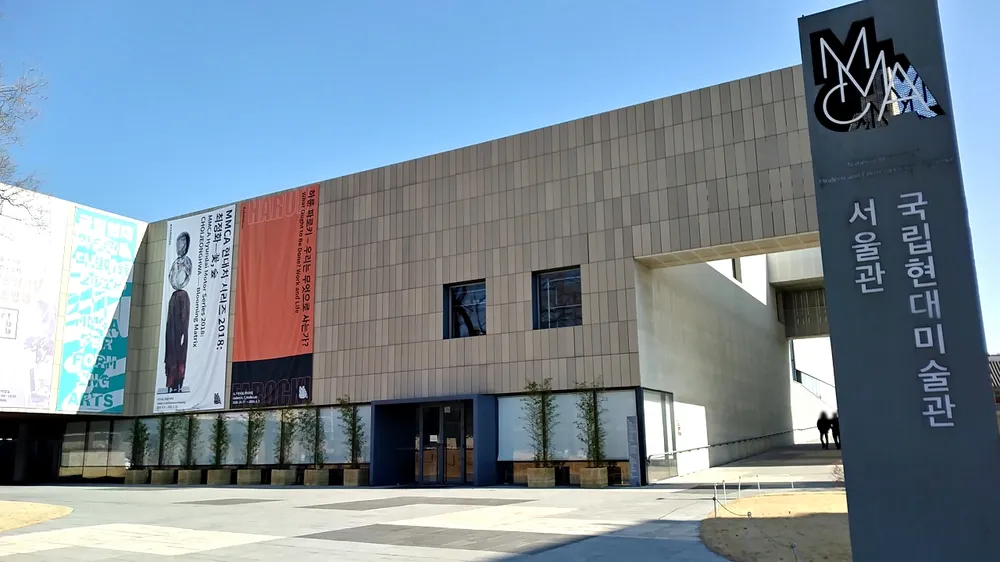
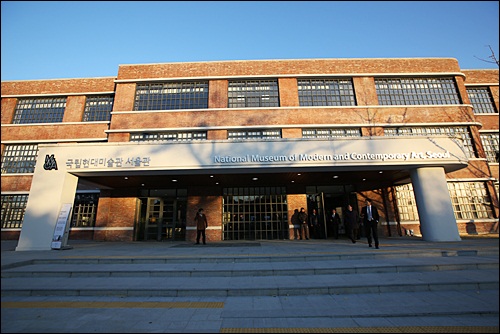
For visitors arriving by car, the situation is different. There is no parking lot at the museum, so visitors must use the paid Gyeongbokgung parking lot. After parking, follow the stone wall path on the left for approximately 330 meters uphill to reach the main gate. There is no dedicated parking lot; visitors may use the paid parking lot at the National Museum of Modern and Contemporary Art, Seoul (about a 4-minute walk), or the Gyeongbokgung parking lot (about a 5-minute walk). The Gyeongbokgung parking lot operates from 06:00 to 23:00 and has nine above-ground accessible parking spaces, and accommodates 50 buses above ground and 240 passenger cars underground.
In 2025, Ranked No. 1 in Foreign Visitors, Surpassing the National Museum of Korea
There are figures that demonstrate its scale and popularity. As of January 2025, the museum’s collection comprised 175,236 items. In addition, in 2025, it ranked first among museums in Korea with 1,354,066 foreign visitors, surpassing the National Museum of Korea, the country’s largest museum.
There is also a separate branch in Paju. In addition to the main building, the Paju branch opened in July 2021 as an open storage facility at 30 Heyri-ro, Tanhyeon-myeon, Paju-si, Gyeonggi-do, further expanding the museum’s scale and role.
Permanent Performances Held in the Courtyard Every Saturday at 3 p.m.
The museum also has a regular performance schedule. For domestic and international visitors, the National Folk Museum of Korea holds the Korean Folk Performance Courtyard program every weekend. Specifically, the Saturday permanent performance is held every Saturday at 3 p.m. from January through December, while the Sunday Open Folk Stage is held every Sunday at 2 p.m. in spring and autumn (April–June and September–October).
The museum also presents cultural performances on the last Wednesday of every month, designated Culture Day, and holds seasonal-custom events during holidays such as Seollal and Chuseok and seasonal occasions such as Ipchun, Jeongwol Daeboreum, and Dano. If you plan your visit around the performance schedule, you can enjoy both the exhibitions and courtyard performances.
Scheduled for Demolition Before 2030 — Why You Should See It Now
The current building and site are not permanent. Under the second-phase restoration and maintenance project for Gyeongbokgung, the current building is scheduled to be demolished before 2030, and the museum is expected to relocate to Sejong City afterward; however, discussions about how to utilize the current building are still ongoing.
The relocation discussion has been underway for a long time. Among the candidate sites discussed in the early stages of the relocation plan, the most likely were the site of the Ministry of Culture, Sports and Tourism building in front of Gwanghwamun and a site beside the National Museum of Korea in Yongsan. Under the phased relocation and construction plan, an open storage facility and information center were to be developed by 2020 in Phase 1, followed by relocation and construction of the main building from 2024 to 2030 in Phase 2. However, relocation to Sejong Special Self-Governing City, rather than the previous candidate sites, has since become increasingly likely. In other words, the period during which this form of museum can be seen inside Gyeongbokgung may be limited, so it is advisable to check the latest announcements on the official website before visiting.
A Repeated Comment in Visitor Reviews — “I Stayed Longer Than Expected”
There is a recurring theme in actual visitor accounts. In a June 2025 review by a visitor with children, the reviewer said they initially entered planning to look around briefly, but stayed much longer than expected because there was more to see and a greater variety of interactive elements than anticipated. A travel account posted on Trip.com also notes that, when the weather is nice, many visitors relax on the lawn in front of the museum as if sunbathing.
However, it is not for everyone. Opinions of the architecture are mixed, and there is criticism that although the building appears large and seems to offer extensive outdoor space, visitors can access less than 10% of the total area, while access to the broad outdoor space above the building’s base is prohibited. Visitors expecting to freely walk around the building exterior may be disappointed, so it is better to plan a route centered on the indoor exhibition halls and Memory Lane.
Before You Go
- Address
- 37 Samcheong-ro, Jongno-gu, Seoul (Postal Code 03045)
- Hours
- March–October 09:00–18:00 (last admission 17:00) · November–February 09:00–17:00 (last admission 16:00) · Extended hours every Saturday from March–October: 09:00–20:00 · No extended evening hours from November–February
- Closed
- January 1, Seollal Day, and Chuseok Day each year (temporary closures may be announced separately, so checking the website before visiting is recommended)
- Admission
- Free (admission to Gyeongbokgung is charged separately)
- Phone
- 02-3704-3114
- Official site
- https://www.nfm.go.kr
- Transport
- About 15 minutes on foot (400 m) from Exit 1 of Anguk Station, Line 3 · About 14 minutes on foot (400 m) from Exit 5 of Gyeongbokgung Station, Line 3 · About 17 minutes on foot (400 m) from Exit 2 of Gwanghwamun Station, Line 5 · Trunk buses 109·151·162·171·172·272·401·406·601·606·704, branch buses 1020·1711·7016·7018·7022·7025·7212, city-tour buses 90S·91S
- Parking
- No on-site museum parking. Use the Gyeongbokgung parking lot (paid; open 06:00–23:00; capacity: 50 buses above ground and 240 passenger cars underground; 9 above-ground accessible spaces), then walk approximately 5 minutes (330 m), or use the paid parking lot at the National Museum of Modern and Contemporary Art, Seoul, followed by an approximately 4-minute walk
- Time needed
- 1–3 hours (half a day if also visiting the Children’s Museum and 7080 Memory Lane)
- Accessibility
- Nine above-ground accessible parking spaces are available at the Gyeongbokgung parking lot (the above-ground lot is recommended for wheelchair users). The official website provides English, Chinese, and Japanese pages in addition to Korean. Detailed amenities, such as wheelchair rental inside the museum building, could not be confirmed.
The information above is current as of the time of writing. Please check the official information again before visiting.

Places
Nearby Attractions 5
-
 1
1
-
 2
2
-
 3
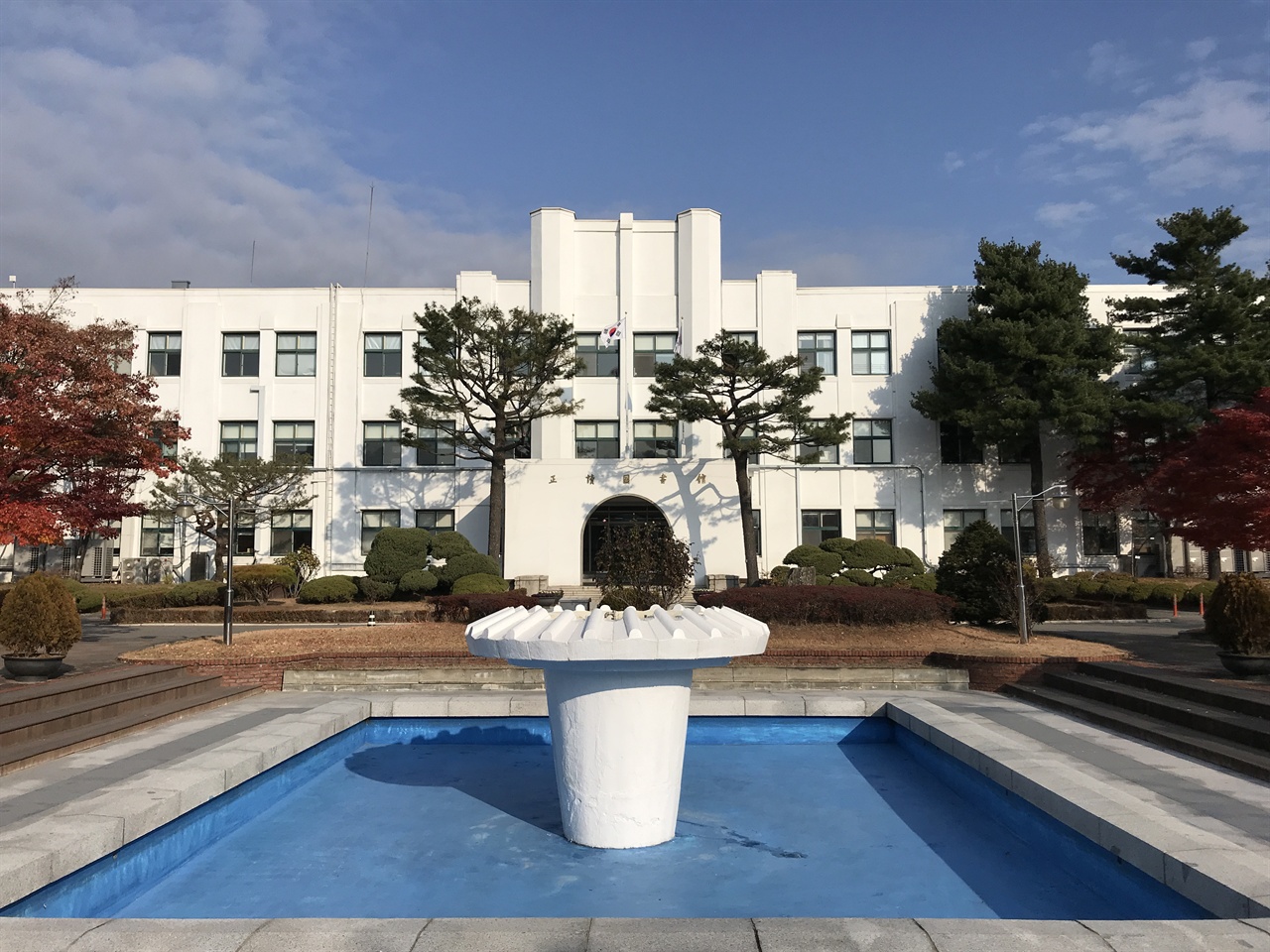
National Museum of Modern and Contemporary Art, SeoulEnjoy modern art exhibitions and the outdoor plaza.
3
National Museum of Modern and Contemporary Art, SeoulEnjoy modern art exhibitions and the outdoor plaza. -
 4
4
-
 5
5
Food & Dining 2
-
 6
6
-
 7
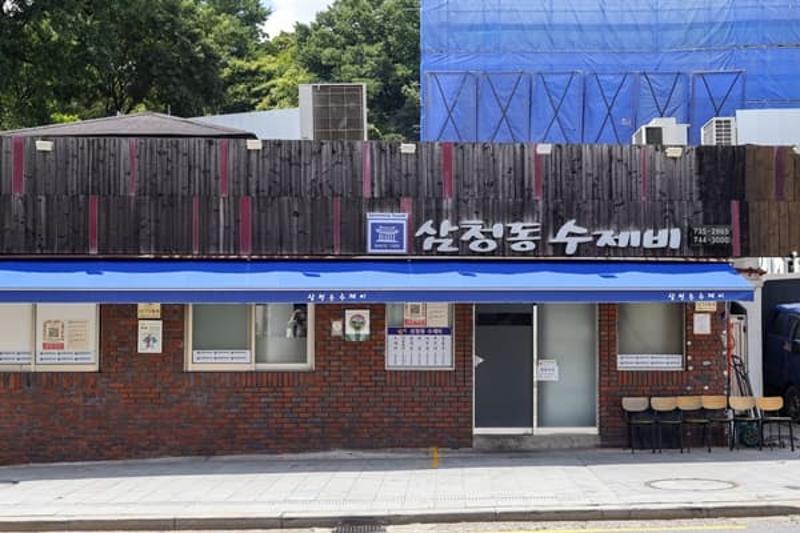
Samcheongdong SujebiA restaurant known for sujebi (handmade dumpling dough soup) and seafood pajeon.
7
Samcheongdong SujebiA restaurant known for sujebi (handmade dumpling dough soup) and seafood pajeon.
Events in This Area
Festivals in This Area
More Travel Guides in This Area
 Travel Guide
Exploring the Courtyards of the Former Defense Security Command Site at the National Museum of Modern and Contemporary Art, Seoul
 Travel Guide
The Three Owners of Baek In-je House and Its Men’s Quarters on a Bukchon Hill Since 1913
 Travel Guide
Hyoja-ro 12, National Palace Museum of Korea — Royal Collections at the Site of the Old Royal Residence Offices of Gyeongbokgung Palace
 Travel Guide
Seoul Crafts Museum at the Site of Andong Byeolgung Palace
Korea News
 News
News
aespa’s Winter—Can a Person Really Be This Cute? A Daily Life Full of Pure Charm
 News
News
Tom Cruise Spotted Taking a Late-Night Walk at Hangang Park… Strolled for an Hour in a Black Suit
 News
News
'Jimin, We'll always be with you' Peru Embraced 'Jimtober' Birthday Celebrations... "I'm Happy"
 News
News