Exploring the Courtyards of the Former Defense Security Command Site at the National Museum of Modern and Contemporary Art, Seoul
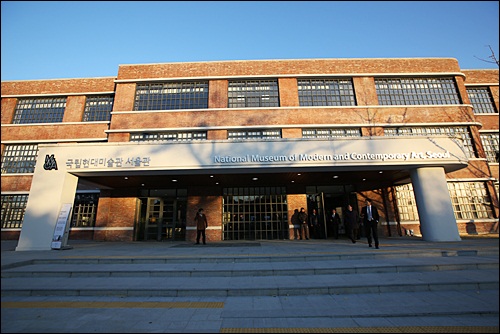
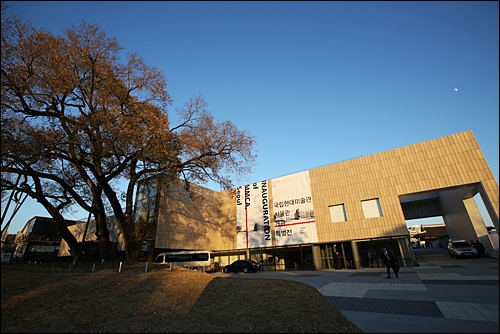
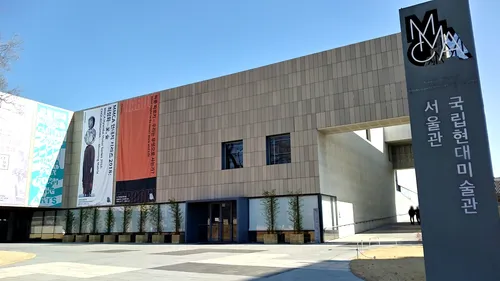
The National Museum of Modern and Contemporary Art, Seoul, is a national art museum that opened in November 2013 on the former site of the Defense Security Command in Sogyeok-dong, east of Gyeongbokgung Palace. Rather than viewing only the galleries, walk through Jongchinbu, the former Defense Security Command headquarters, and the three courtyards together to appreciate the architecture and sense of place.
I’ve been here?
Your check-in helps the next traveler.
No one has checked in yet Be the first
One tap — no writing needed
Why the Former Defense Security Command Site in Sogyeok-dong Became a Museum in November 2013
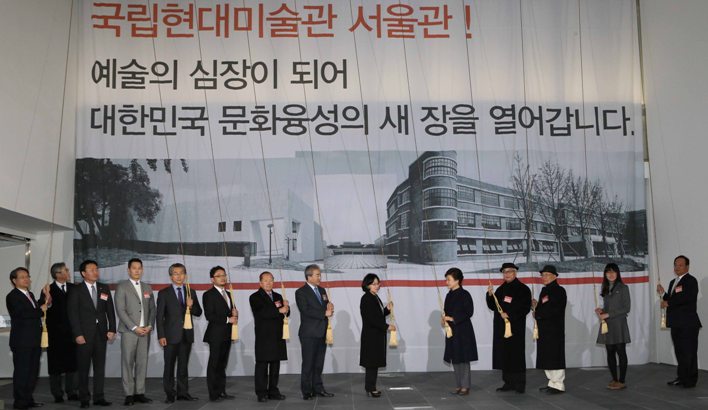
The National Museum of Modern and Contemporary Art, Seoul opened on November 13, 2013, at the former site of the Korean Defense Security Command in Sogyeok-dong, 30 Samcheong-ro, Jongno-gu, Seoul. The National Museum of Modern and Contemporary Art began at Gyeongbokgung Palace in 1969, later expanding to Deoksugung Palace and Gwacheon; with the opening of the Seoul branch, it established a national museum base in the heart of the capital.
This site was home to the Saganwon, Gyujanggak, and Jongchinbu during the Joseon period. During the Japanese colonial period, it was used as the Japanese Army Capital Hospital, and from the 1970s onward as the headquarters of the Korean Defense Security Command. The Seoul branch preserves the former main building of the Defense Security Command, a National Registered Cultural Heritage, and retains the Jongchinbu building, creating a setting where the eras of the Joseon royal family, the colonial period, and modern state institutions overlap on one site.
Reading the “Wall-Free” Design Across a 27,264㎡ Site and Three Courtyards
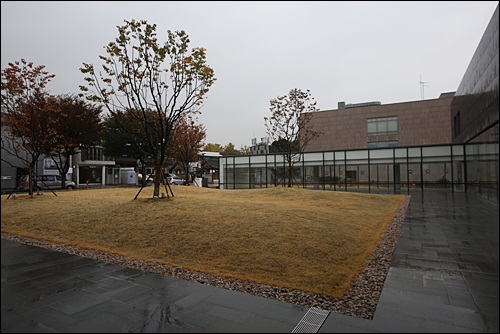
The Seoul branch was built on a 27,264㎡ site with a total floor area of 52,125㎡. At the time of its opening, it included eight galleries, a multipurpose project hall, cinema, library, digital archive, and food, beverage, and retail facilities. Visitors are not confined to a single building; instead, the central experience involves moving between the exhibition, education, and conservation science buildings and several courtyards.
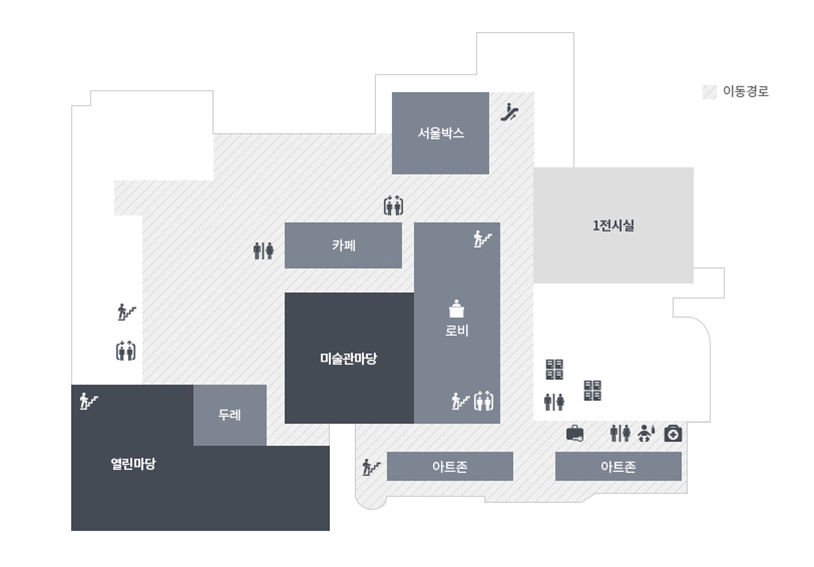
In particular, the site adopts an open route leading from Bukchon-gil and Samcheongdong-gil into the courtyards. The official floor plan marks the Museum Courtyard and Open Courtyard on the first floor, the Exhibition Courtyard on the basement level, and the Gyeongbokgung Courtyard on the third floor. Because the route includes outdoor areas, it is advisable to bring an umbrella and wear shoes with good traction on rainy days.
18:00 on Mondays, Tuesdays, Thursdays, Fridays, and Sundays; 21:00 on Wednesdays and Saturdays: Calculate the Admission Cutoff First
The standard visiting hours for the National Museum of Modern and Contemporary Art, Seoul are 10:00–18:00 on Mondays, Tuesdays, Thursdays, Fridays, and Sundays, and 10:00–21:00 on Wednesdays and Saturdays. Admission is allowed only until one hour before closing, so visitors must enter by 17:00 on regular opening days and by 20:00 on late-opening days.
Closed days are January 1, Seollal, and Chuseok. There are also temporary closures on the first Tuesday of June, September, and December. Exhibition fees and free-admission eligibility may vary by exhibition, so rather than assuming a fixed admission price, it is safest to check the exhibition detail page for the date of your visit. Advance reservation is optional and tickets can also be purchased on site, but online reservations allow visitors to select the date, time, and ticket type for up to four people.
- Main telephone: 02-3701-9500
- Lost and found: 02-3701-9770
- Seoul Digital Library inquiries: 02-3701-9563
- Official website: https://www.mmca.go.kr
1 km from Anguk Station Exit 1: Walking with Dongsipjagak as Your Landmark
The easiest public transportation route to understand is from Exit 1 of Anguk Station on Line 3. Walk straight for about 500 m from the exit with Dongsipjagak in view, then continue approximately 500 m to the right to reach the museum. The total distance is about 1 km, so allow roughly 15 minutes depending on your walking speed.
From Exit 4 of Gyeongbokgung Station on Line 3, walk about 300 m to Gwanghwamun Samgeori, cross the crosswalk toward Gwanghwamun, then walk approximately 300 m toward Anguk Station and another 500 m from Dongsipjagak. From Exit 2 of Gwanghwamun Station on Line 5, walk straight for about 500 m, cross the crosswalk, continue approximately 300 m toward Anguk Station, and then follow the route for about 500 m after Dongsipjagak. By bus, visitors can get off at the Anguk Station, Jogyesa Temple, Gwanghwamun, or Sejong Center for the Performing Arts stops.
Parking at 3,000 Won per Hour and a Maximum Daily Fee of 20,000 Won: A Guide for Drivers
The Seoul branch has a parking lot. The fee is 3,000 won for the first hour, 500 won for every additional 10 minutes, and a maximum of 20,000 won per day. Visitors who use exhibition, performance, or cultural facilities, spend at least 10,000 won at the art shop or convenience facilities, or hold a paid museum membership are eligible for a one-hour parking discount.
Patriots and veterans, persons with disabilities, and others may receive a 50% discount depending on the applicable conditions, so supporting documents should be prepared. The Samcheong-dong and Bukchon areas have many pedestrians and narrow roads. If you plan to continue on foot to Gyeongbokgung Palace or Bukchon after viewing the exhibition, taking the subway is simpler both in terms of route and parking cost.
How to Divide Your Visit Between Galleries 2–7 and the 122-Seat MMCA Film Theater on Basement Level 1
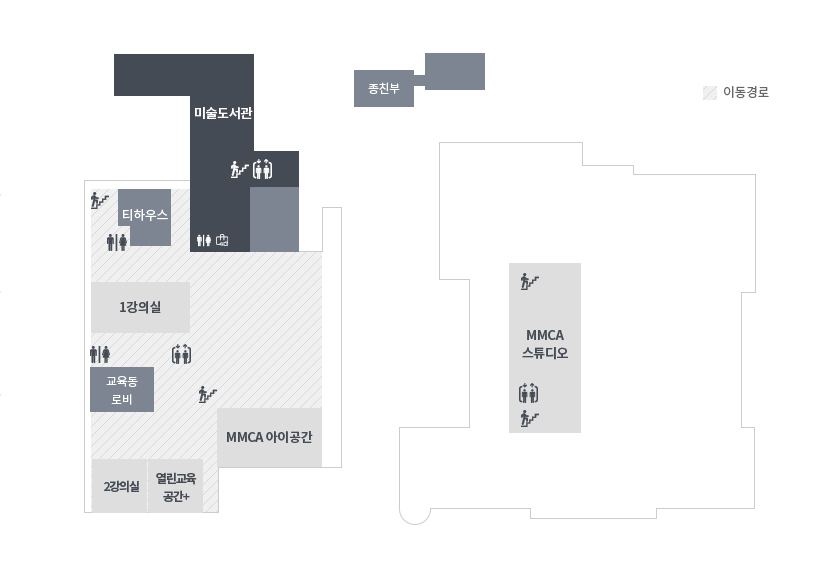
The exhibition spaces are divided between the basement and above-ground floors. Basement level 1 contains Galleries 2–7, the Media Lab, Exhibition Courtyard, MMCA Multi-Space, and MMCA Film Theater. Gallery 1 and Seoul Box are on the first floor, while Gallery 8, the Digital Library, and Jongchinbu are on the second floor. On a first visit, it saves time to check the floor map at the entrance before moving around rather than navigating solely by exhibition titles.
The MMCA Film Theater is on basement level 1 and has 122 seats, including two accessible seats. It is equipped with a 3D HD-class DLP projector, 2K projection, and DOLBY/DTS 5.1 sound. If you plan to watch a film or video program, check the screening time and any separate reservation or admission requirements in the exhibition schedule. Allow 90 minutes for a quick visit focused only on the exhibitions, or two to three hours if you include several galleries, Jongchinbu, and video programs.
From Jongchinbu and the Digital Library to Gyeongbokgung Courtyard: Easily Missed Points Beyond the Exhibitions
Jongchinbu and the Digital Library are both on the second floor, allowing visitors to see, along one route, the government building that handled affairs concerning Joseon royal relatives and a modern space for art-related materials after finishing the exhibitions. Jongchinbu most directly demonstrates that the Seoul branch is not simply a newly built museum, but a place where existing architectural heritage has been preserved, relocated, and put to use.
The Gyeongbokgung Courtyard, Digital Archive, and seminar rooms on the third floor are spaces where visitors can linger at a different pace from the galleries. Wheelchair and stroller users can follow the official floor guide, which indicates the locations of elevators and accessible seats. Although the stated policy is to provide brochures in Korean, English, Japanese, and Chinese, the language and availability of exhibition tours and programs may vary on the day.
Linking Samcheong-dong, Bukchon, and Gyeongbokgung After Your Visit—But Choose Only One Direction
The Seoul branch is situated between Bukchon-gil and Samcheongdong-gil, making it easy to divide your route before and after your visit. If you approached from Anguk Station, you can continue toward Bukchon and Insadong; if you approached from Gyeongbokgung Station, you can continue toward Gyeongbokgung Palace and Gwanghwamun. Trying to include both directions in one day means a great deal of walking through alleys and palace grounds, so if you plan to spend two hours or more at the museum, choosing just one direction is more practical.
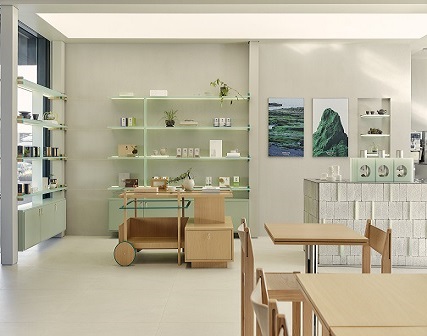
Inside the museum are a Terrarosa Coffee next to the lobby on the first floor of the exhibition building, the Korean restaurant Dure on the first floor of the education building, the Osulloc tea house next to the Digital Library, an art bookstore, and an art shop. If you want to avoid waiting at outside restaurants, check whether these facilities are operating on the day and use them before or after your visit.
Why You Should Check the Day’s Notices Separately for Exhibition Fees, Photography, and Docents
The National Museum of Modern and Contemporary Art, Seoul does not operate with a single permanent admission ticket; paid, free, and discounted conditions may vary by exhibition. Online reservations open weekly at 18:00 every Monday on a one-week rolling basis, and same-day bookings are also possible. Tickets released through cancellations are reflected in the system immediately.
The permitted scope of photography, restrictions on flash, tripods, and video recording, exhibition tour times, and bag-storage rules may also vary by artwork and exhibition. Therefore, on the day of your visit, check both the exhibition detail page and notices on the official website. Remember that a reservation QR admission ticket can be viewed only on a mobile device; this will make the admission process smoother.
Before You Go
- Address
- 30 Samcheong-ro, Jongno-gu, Seoul (Sogyeok-dong), 03062
- Hours
- 10:00–18:00 on Mondays, Tuesdays, Thursdays, Fridays, and Sundays; 10:00–21:00 on Wednesdays and Saturdays. Admission closes one hour before closing.
- Closed
- January 1, Seollal, Chuseok, and temporary closures on the first Tuesday of June, September, and December
- Admission
- Varies by exhibition
- Phone
- 02-3701-9500
- Official site
- https://www.mmca.go.kr
- Transport
- About 1 km from Exit 1 of Anguk Station on Line 3, approximately a 15-minute walk. Also accessible from Exit 4 of Gyeongbokgung Station on Line 3 and Exit 2 of Gwanghwamun Station on Line 5. Get off at the Anguk Station, Jogyesa Temple, Gwanghwamun, or Sejong Center for the Performing Arts stops.
- Parking
- Available. 3,000 won for the first hour, 500 won per additional 10 minutes, and a maximum of 20,000 won per day. One-hour discount available when conditions such as using exhibition, performance, or cultural facilities are met.
- Time needed
- 90 minutes for exhibitions; two to three hours including exhibitions, Jongchinbu, and video programs
- Accessibility
- Information about elevators and accessible seats is provided. The MMCA Film Theater has two accessible seats out of 122 total seats. Brochures are stated to be available in Korean, English, Japanese, and Chinese.
The information above is accurate as of the time of writing. Check the official guidance again before visiting.

Places
Nearby Attractions 5
-
 1
1
-
 2
2
-
 3
3
-
 4
Sounds Forest
4
Sounds Forest -
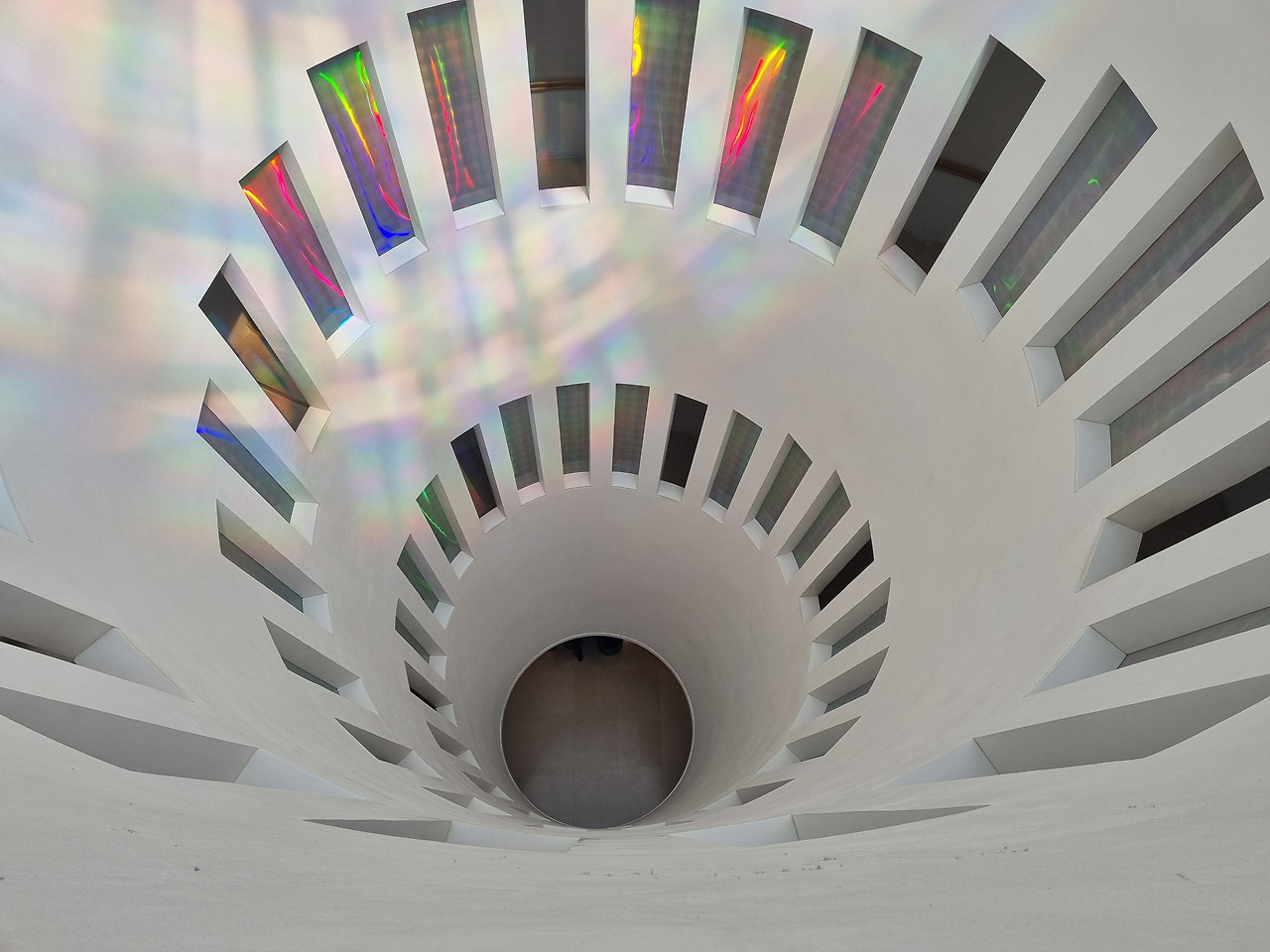 5
5
Food & Dining 1
-
 6
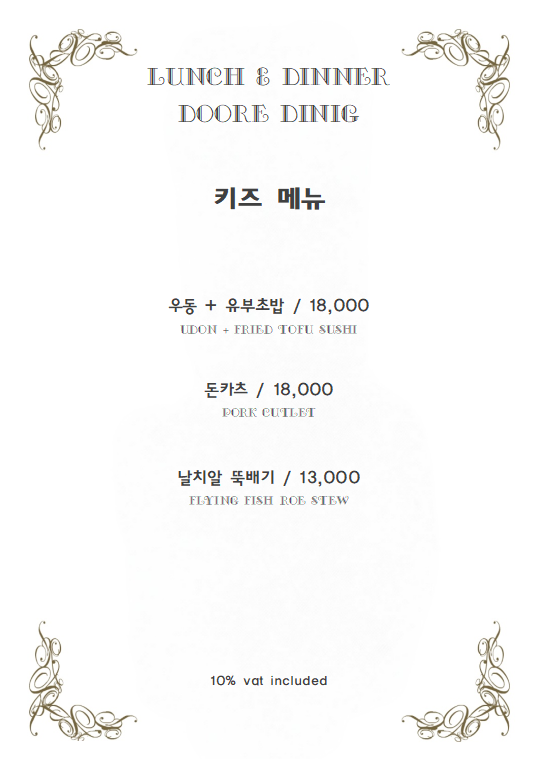
Dure National Museum of Modern and Contemporary Art, Seoul Branch
6
Dure National Museum of Modern and Contemporary Art, Seoul Branch
Events in This Area
Festivals in This Area
More Travel Guides in This Area
 Travel Guide
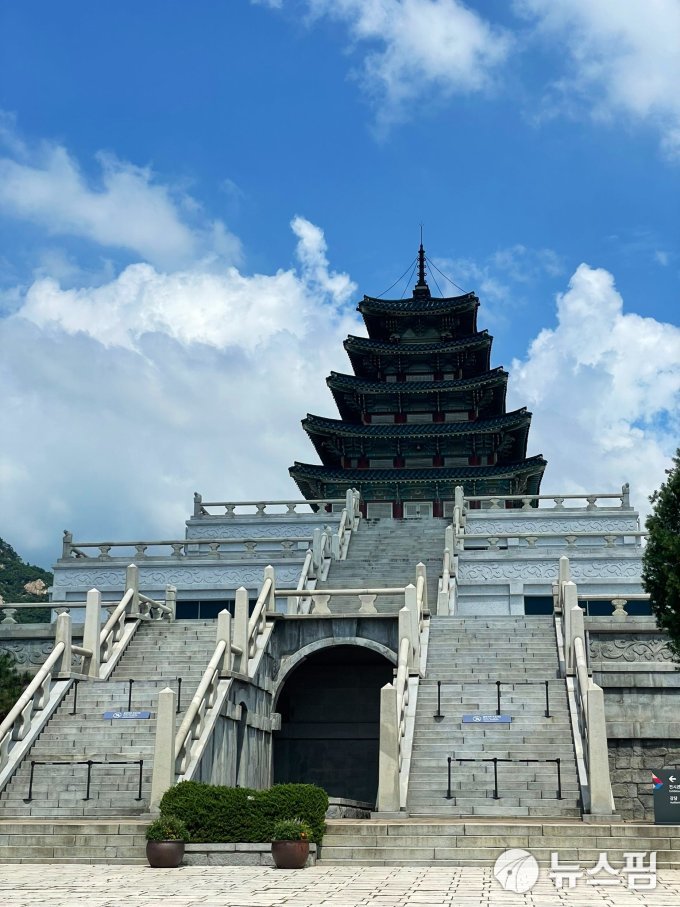
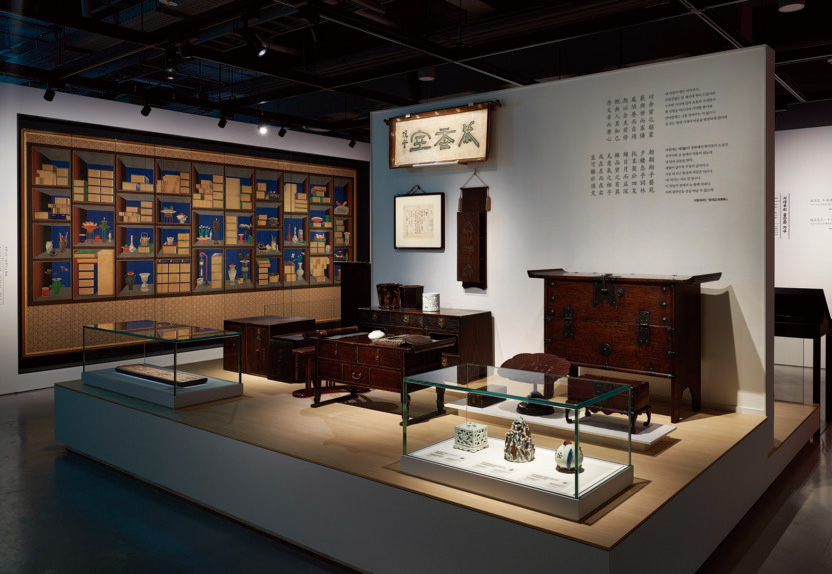
National Folk Museum of Korea — Korean Life History in the 1972 Building at Seonwonjeon Old Site
 Travel Guide
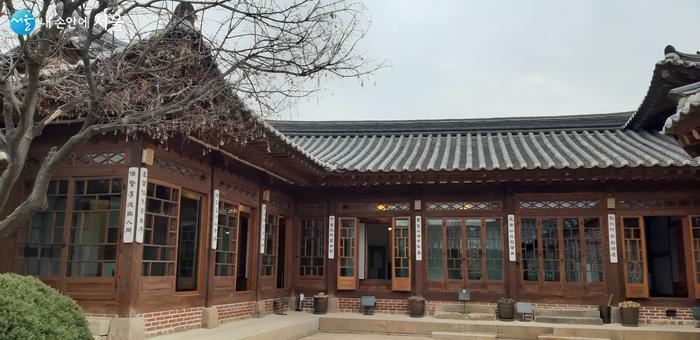
Seoul Crafts Museum at the Site of Andong Byeolgung Palace
 Travel Guide
The Three Owners of Baek In-je House and Its Men’s Quarters on a Bukchon Hill Since 1913
 Travel Guide
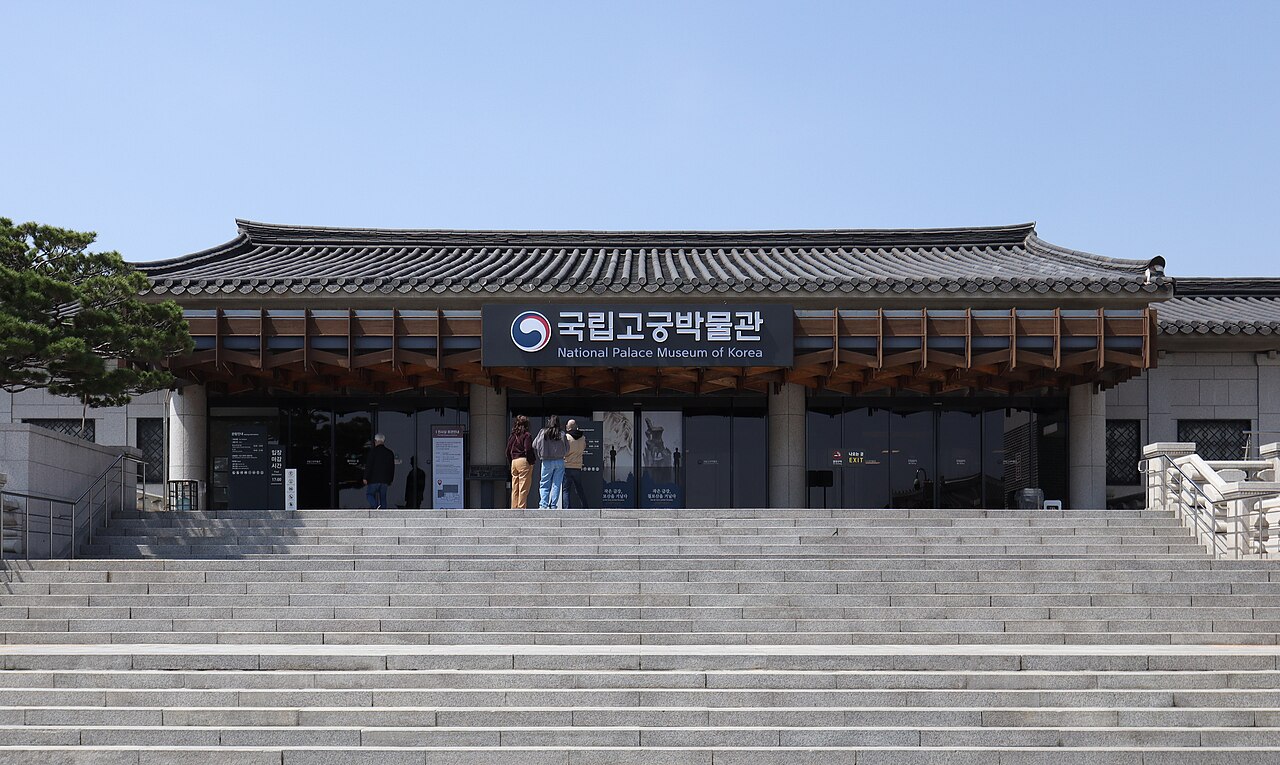
Hyoja-ro 12, National Palace Museum of Korea — Royal Collections at the Site of the Old Royal Residence Offices of Gyeongbokgung Palace
Korea News
 News
News
aespa’s Winter—Can a Person Really Be This Cute? A Daily Life Full of Pure Charm
 News
News
Tom Cruise Spotted Taking a Late-Night Walk at Hangang Park… Strolled for an Hour in a Black Suit
 News
News
'Jimin, We'll always be with you' Peru Embraced 'Jimtober' Birthday Celebrations... "I'm Happy"
 News
News