The Three Owners of Baek In-je House and Its Men’s Quarters on a Bukchon Hill Since 1913
Baek In-je House is a large modern hanok built in 1913 by Han Sang-ryong, executive director of Hanseong Bank. After passing to physician Baek In-je in 1944, it opened to the public in 2015 as a Historic House Museum. Located about 464 m from Exit 2 of Anguk Station, it is explored by following the changes in elevation among the garden, servants’ quarters, men’s quarters, and detached pavilion.

I’ve been here?
Your check-in helps the next traveler.
No one has checked in yet Be the first
One tap — no writing needed
Completed on July 3, 1913, as Han Sang-ryong’s hilltop house in Bukchon
Baek In-je’s House was completed on July 3, 1913. Its original builder was Han Sang-ryong, who served as executive director of Hansung Bank, and it is a representative modern hanok in Bukchon, built on a 2,460㎡ site. The building’s current total floor area is listed as 545㎡. Unlike the flat-site hanok houses in the alleys of Gahoe-dong, this house makes use of sloping land, placing the men’s quarters, women’s quarters, and detached pavilion at different locations and elevations to create varied views.
This house was not originally the home of “Baek In-je.” It came into the ownership of Hansung Bank on June 29, 1928, and was also rented by a Cheondogyo organization as lodging and a meeting place for members who had come to Seoul from the provinces. On January 29, 1935, it passed to Choi Seon-ik, who acquired the Joseon Jungang Ilbo and appointed Yeo Un-hyeong as its president. On September 1, 1944, Baek In-je, the founder of Baek Hospital, became its owner.
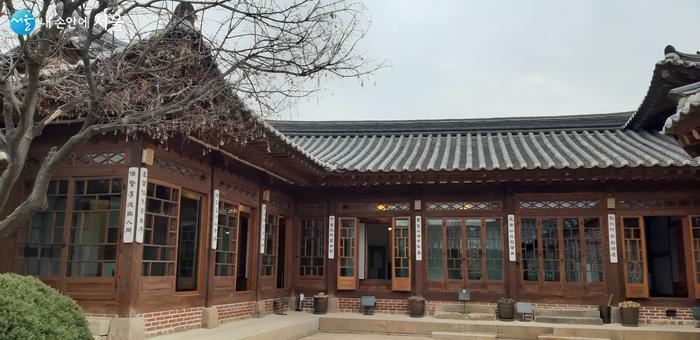
Why traces of Hansung Bank, Choi Seon-ik, and Baek In-je overlap in one house
The house takes its name from the physician Baek In-je, who owned it from 1944. Born in 1898, Baek In-je was known as a surgeon and the founder of Baek Hospital, and this house was a private space where his family lived. It is therefore not simply a hanok that shows the lifestyle of aristocratic families in the late Joseon period; it is also a historical record of modern Seoul housing, preserving in succession the lives and careers of figures from the colonial-era financial, media, and medical fields.
The Seoul Metropolitan Government acquired the house on November 30, 2009, and after restoration opened it as a historic house museum on November 18, 2015. Earlier, on March 17, 1977, it had been designated as Seoul Metropolitan Government Folklore Cultural Heritage. When visiting, do not look only at its exterior as a “traditional hanok.” Considering the timeline—built in 1913, owned by a bank in 1928, owned by Choi Seon-ik in 1935, and owned by Baek In-je in 1944—makes the character of the space clearer.
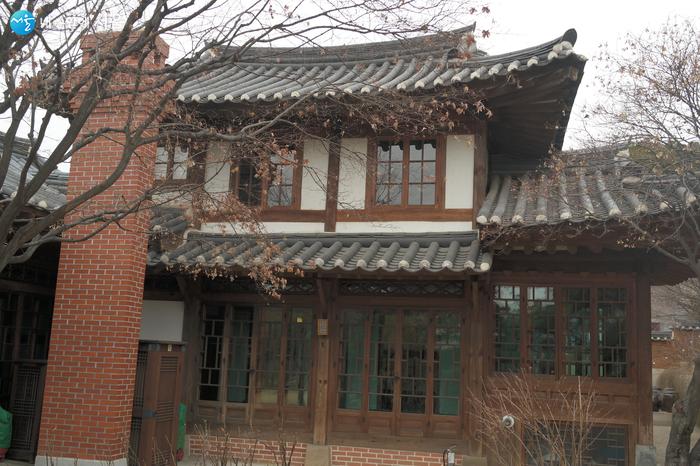
From the men’s quarters garden to the detached pavilion: Reading the 2,460㎡ layout in three levels
The first places to focus on along the visitor route are the men’s quarters and the garden. The official introduction explains that a large garden is arranged around the men’s quarters, with a small detached pavilion at the highest point. The men’s quarters, once an external reception space for men; the women’s quarters, the center of family life; and the upper detached pavilion are positioned at different elevations within the same boundary wall, making the spatial divisions of a modern upper-class residence easy to understand.
The interiors of the men’s quarters and detached pavilion may be open only to visitors attending a guided tour, so if you want to see the interiors, it is best not to assume that a self-guided visit alone will be sufficient. Visitors without reservations generally tour the grounds and exterior spaces. Visiting hours are 09:00–18:00, with admission closing at 17:30, so if you plan to see both the garden and the building exteriors, it is safest to allow at least 40–60 minutes.
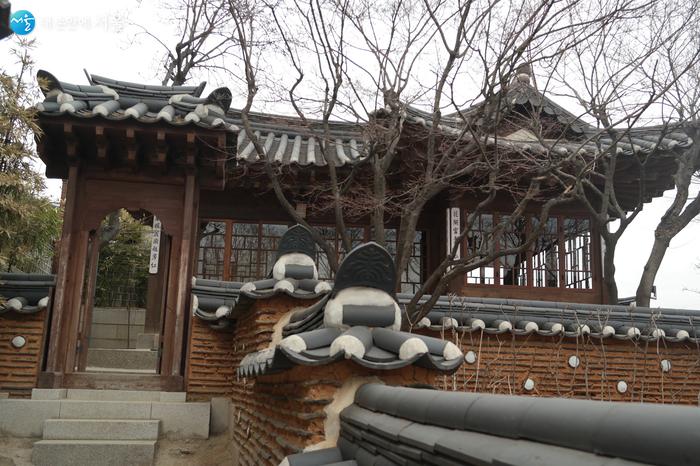
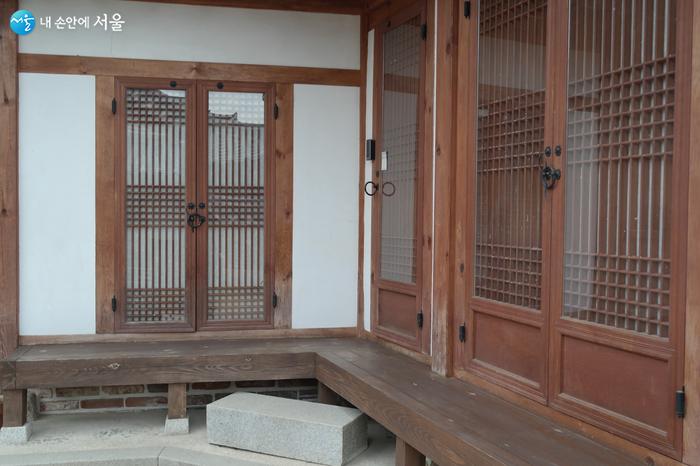
Free admission from 09:00–18:00; closed Mondays and January 1
Baek In-je’s House is open daily from 09:00 to 18:00, with admission closing at 17:30. Admission is free. It is closed every Monday and on January 1. If a Monday is a public holiday, or if guided-tour times change, it is best to check the Seoul Museum of History notices again before visiting. The main inquiry telephone number is 02-724-0200, and 02-724-0232 is also provided for visitor information.
The official website is the Baek In-je’s House history and visitor information page of the Seoul Museum of History. The address is 16 Bukchon-ro 7-gil, Jongno-gu, Seoul (93-1 Gahoe-dong), postal code 03055. There has been a notice of extended hours until 20:00 on Fridays and Saturdays in August, but seasonal programs may change, so this should not be regarded as the regular operating schedule.
464 m from Exit 2 of Anguk Station: In Bukchon’s alleys, prioritize directions over noise
For the subway, Exit 2 of Anguk Station on Line 3 is the reference point. According to the official tourism information, the house is approximately 464 m away. The route follows Bukchon-ro into Bukchon Hanok Village before turning onto Bukchon-ro 7-gil. Unlike access to a museum on level ground, the route includes alleyways and sloped sections, so travelers with large suitcases or mobility aids should check the walking route again in a map app on site.
Since no confirmed official information is available about conditions or fees for general visitors using the dedicated parking area, those arriving by car should separately check for nearby public or paid parking lots. Bukchon is a residential neighborhood where people actually live, so basic courtesy is essential: do not make loud noises in the alleys or occupy doorways for a long time. Because detailed official information is also limited on wheelchair and stroller routes and the regular availability of multilingual guidance, advance inquiries are recommended.
Guided tours at 10:00, 11:00, 14:00, and 15:00 Tuesday–Friday, with foreign-language tours at 16:00 Wednesday–Friday
Guided tours are offered on weekdays from Tuesday through Friday at 10:00, 11:00, 14:00, and 15:00. Tours on Saturdays, Sundays, and public holidays are at 11:00, 14:00, 15:00, and 16:00, though the number of sessions may vary depending on operating conditions. Online reservations are given priority through Seoul’s public service reservation system, and on-site registration may be possible if seats remain.
Foreign-language tours are offered at 16:00 in Japanese on Wednesdays, Chinese on Thursdays, and English on Fridays. Reservations must be made at least three days before the visit, and reservations for the following month open on the 15th of the current month. Groups of more than 10 people require a separate inquiry, so groups should contact the operating institution in advance rather than simply trying to make individual reservations.
A 90-minute course combining Jeongdok Library at 100 m and the Bukchon Information Center at 90 m
The Bukchon Village Information Center is listed as approximately 90 m from Baek In-je’s House, while Jeongdok Library and Hanji House are each approximately 100 m away. Allow 40–60 minutes for the house itself, or about 60–90 minutes if attending a guided tour, then continue toward Jeongdok Library to compare Bukchon’s residential streets and public cultural spaces in one outing.
For photography, the period after opening in the morning or before and after the afternoon guided tours is better than just before admission closes. After 17:30, entry is no longer permitted, and entry and movement may overlap when a reserved tour begins. Visitor videos and review-style content published since 2025 often highlight the differences in elevation among the garden, main hall, and detached pavilion, but the permitted scope of photography and interior access may vary depending on events and conservation conditions, so on-site instructions should take priority.
Before You Go
- Address
- 16 Bukchon-ro 7-gil, Jongno-gu, Seoul (93-1 Gahoe-dong)
- Hours
- 09:00–18:00, admission closes at 17:30
- Closed
- Every Monday and January 1
- Admission
- Free
- Phone
- 02-724-0200
- Official site
- https://museum.seoul.go.kr/www/guide/vis/BIJHShow/BIJHHistory.jsp?sso=ok
- Transport
- Approximately 464 m from Exit 2 of Anguk Station on Subway Line 3
- Time needed
- 40–60 minutes self-guided, 60–90 minutes including a guided tour
- Accessibility
- Because the route includes alleys and sloped sections, advance inquiries are recommended before traveling by wheelchair or stroller. Foreign-language tours are offered at 16:00: Japanese on Wednesdays, Chinese on Thursdays, and English on Fridays.
The information above is current as of the time of writing. Check the official information again before visiting.

Places
Nearby Attractions 4
-
 1
1
-
 2
2
-
 3
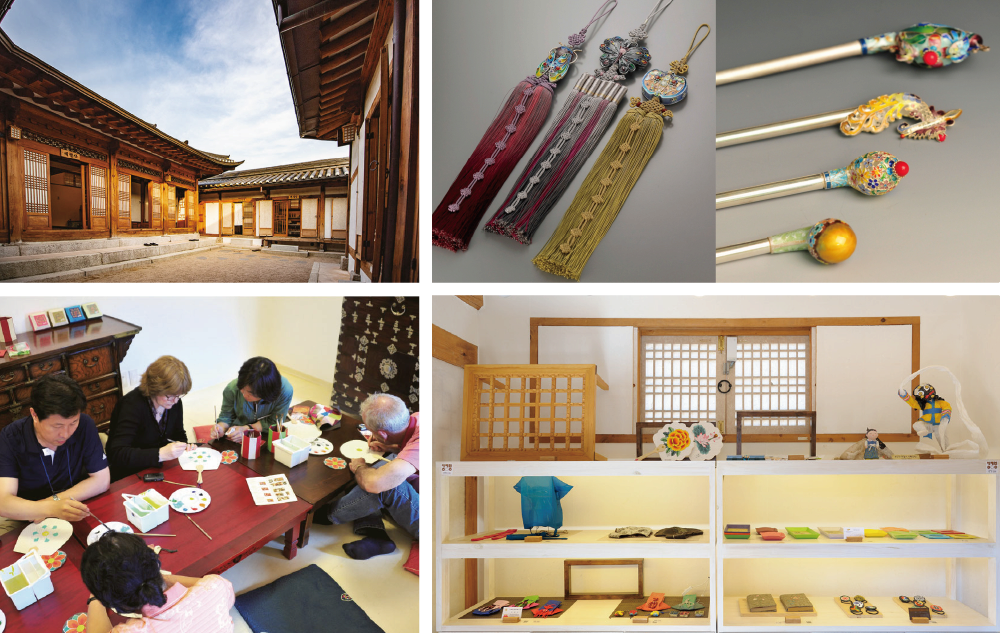
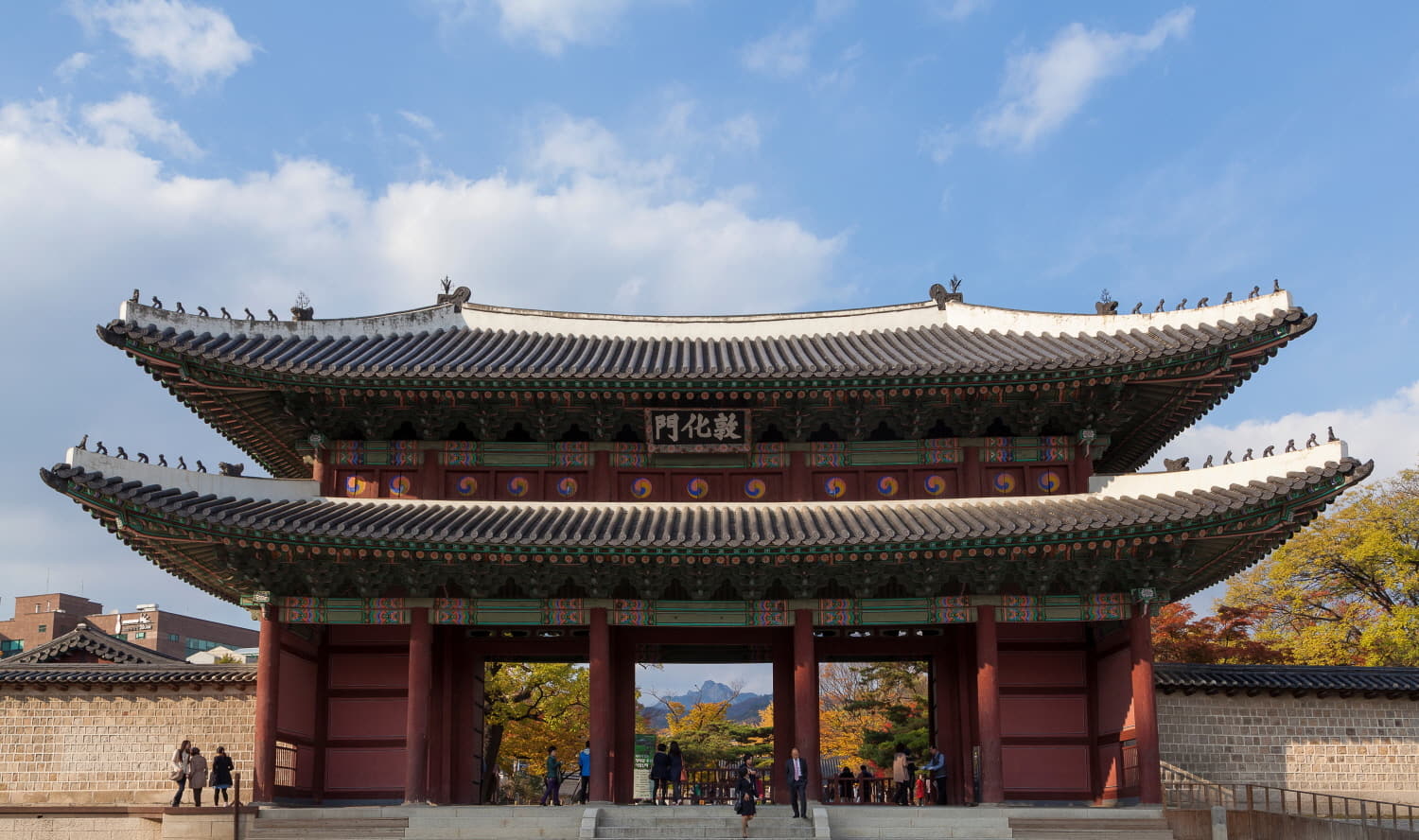
Bukchon Traditional Crafts Experience CenterExperience traditional crafts hands-on in a hanok workshop.
3
Bukchon Traditional Crafts Experience CenterExperience traditional crafts hands-on in a hanok workshop. -
 4
4
Food & Dining 2
-
 5
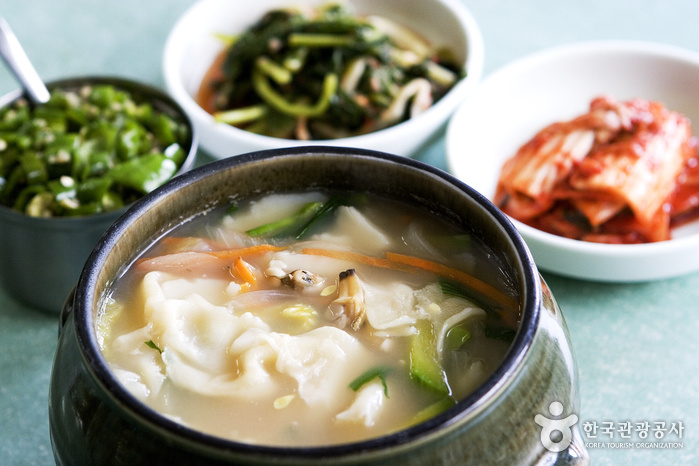
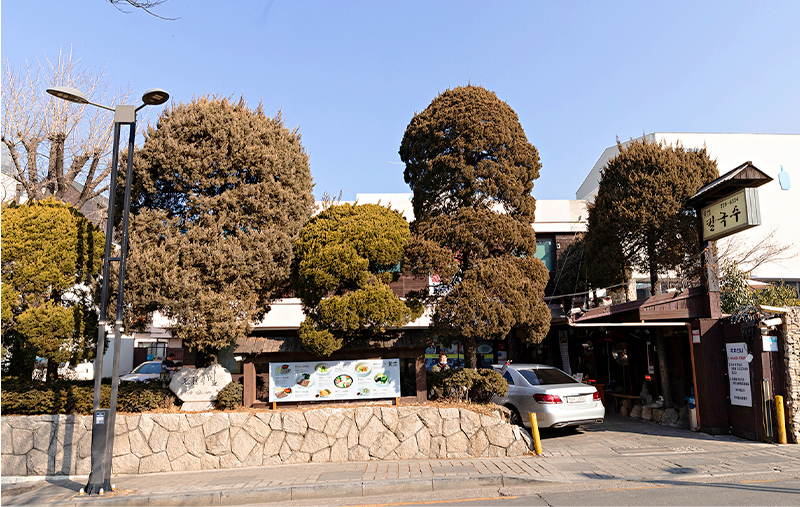
Samcheong-dong SujebiEnjoy local dishes such as sujebi (hand-torn dough soup) made with anchovy broth and potato pancakes.
5
Samcheong-dong SujebiEnjoy local dishes such as sujebi (hand-torn dough soup) made with anchovy broth and potato pancakes. -
 6
6
Events in This Area


Festivals in This Area
More Travel Guides in This Area
 Travel Guide
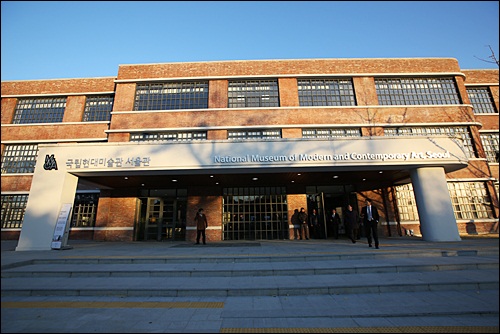
Exploring the Courtyards of the Former Defense Security Command Site at the National Museum of Modern and Contemporary Art, Seoul
 Travel Guide
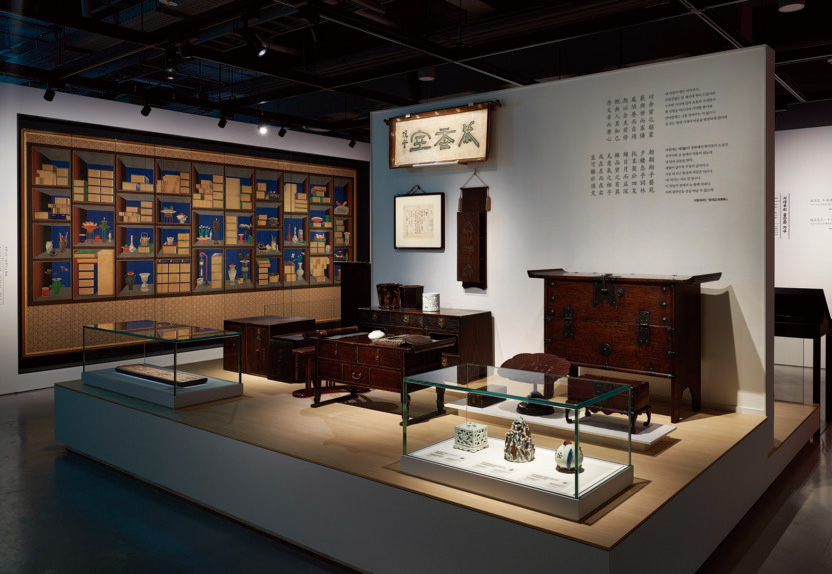
Seoul Crafts Museum at the Site of Andong Byeolgung Palace
 Travel Guide
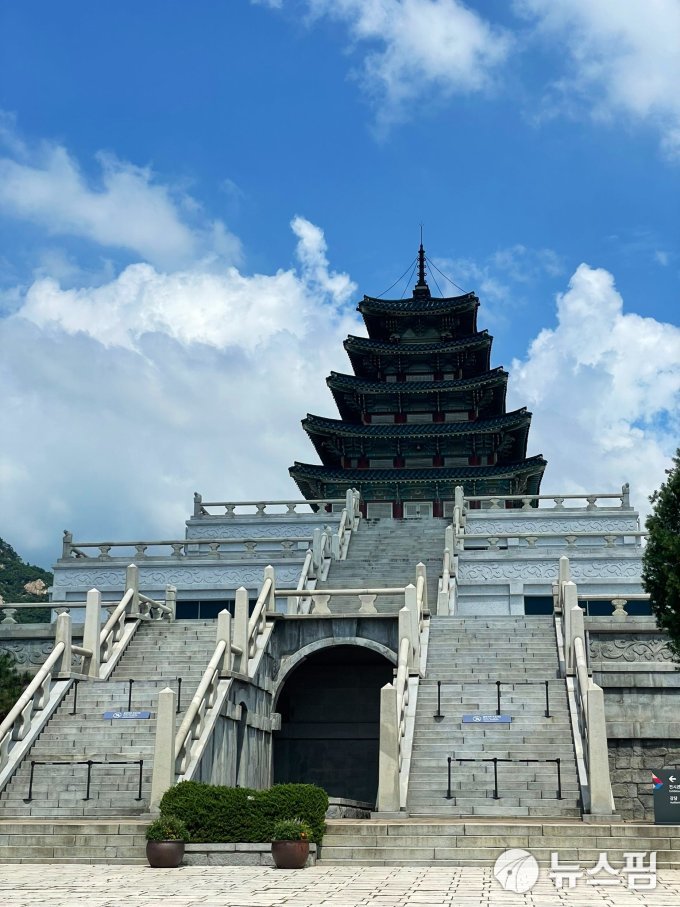
National Folk Museum of Korea — Korean Life History in the 1972 Building at Seonwonjeon Old Site
 Travel Guide
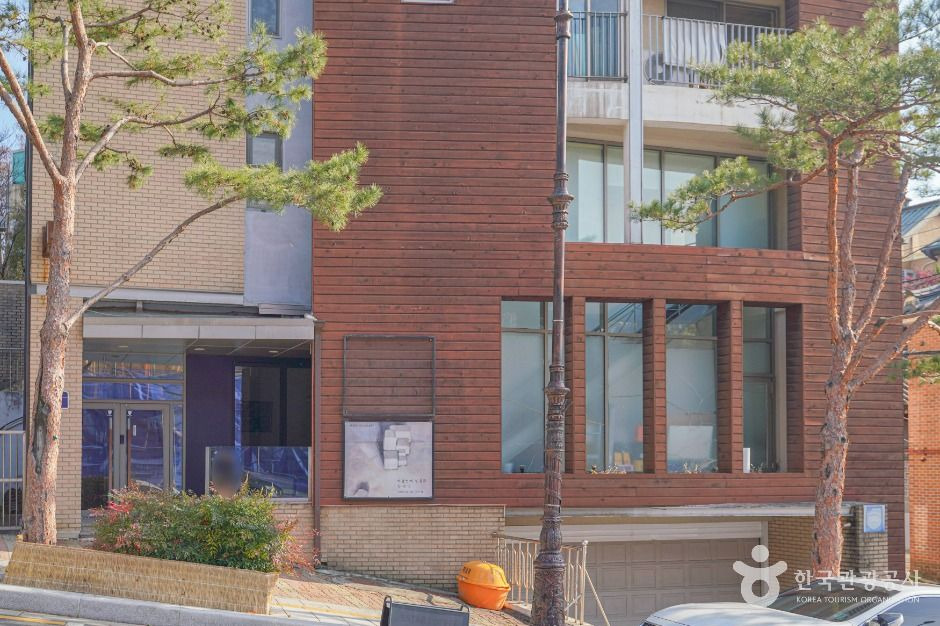
Bukchon-ro 94: A Time to Read Exhibitions and Hanok Roofs Together at Imok Gallery, Founded in 1976
Korea News
 News
News
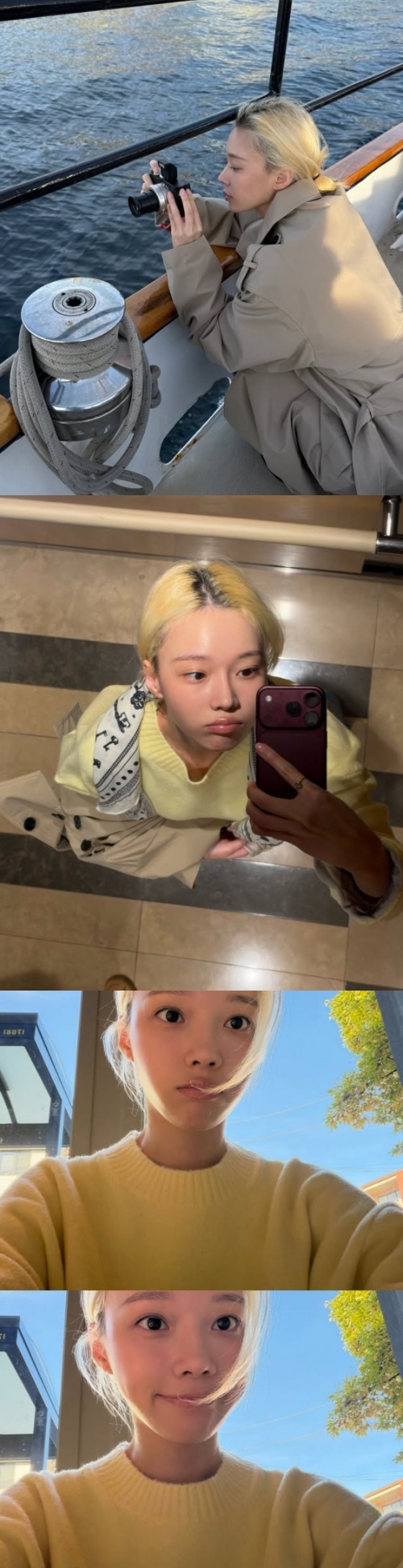
aespa’s Winter—Can a Person Really Be This Cute? A Daily Life Full of Pure Charm
 News
News
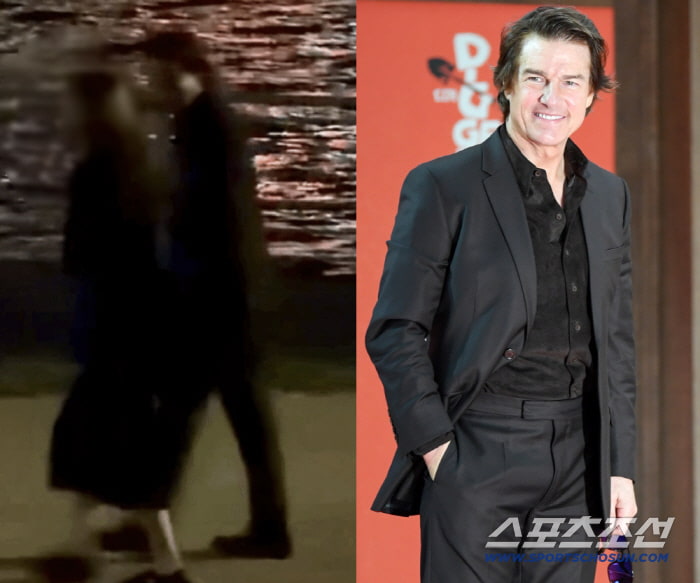
Tom Cruise Spotted Taking a Late-Night Walk at Hangang Park… Strolled for an Hour in a Black Suit
 News
News
'Jimin, We'll always be with you' Peru Embraced 'Jimtober' Birthday Celebrations... "I'm Happy"
 News
News