Seoul Crafts Museum at the Site of Andong Byeolgung Palace
The Seoul Crafts Museum is the first national, public, specialized crafts museum in Korea, established by the Seoul Metropolitan Government in July 2021 on the former Pungmun Girls’ High School grounds in Anguk-dong, Jongno-gu—where the Andong Byeolgung Palace of the Joseon Dynasty once stood. It is free to visit from 10:00 to 18:00, Tuesday through Sunday. On Fridays, it stays open until 21:00 for evening hours. It is a 3-minute walk from Exit 1 of Anguk Station on Subway Line 3.

I’ve been here?
Your check-in helps the next traveler.
No one has checked in yet Be the first
One tap — no writing needed
From the home of King Sejong's son to the wedding site of Sunjong, Andong Byeolgung
The Anguk-dong site in Jongno-gu where the Seoul Museum of Craft Art now stands was once the home of Yeongeung Daegun, a son of King Sejong during the Joseon Dynasty. It later became the site of Andong Byeolgung (Anguk-dong Byeolgung), built for the wedding ceremony of Sunjong. Known as an auspicious site, Andong Byeolgung served, together with the Jongchinbu to the east, as a residence for members of the Joseon royal family.
In 1906, the wedding ceremony of Sunjong, then Crown Prince, and Empress Sunjeonghyo was held here. After the dynasty's decline, the royal couple of Uiwang spent their final years here from 1948 to 1955. To mark the 120th anniversary of the couple's wedding ceremony, the Seoul Museum of Craft Art collaborated with the Oryundae Korean Martyrs Museum on the special exhibition Andong Byeolgung, Layers of Time, highlighting imperial court costume artifacts from this era.
This area was the center of Jongno-gu, where the Joseon Dynasty's government-run artisan organization, Gyeonggongjang, produced handicrafts for delivery to government offices. Large and small workshops and galleries still remain around the museum, so the character of the site has not changed significantly.
The 1936 sale, Hwimun Elementary School, and Poongmoon Girls' High School's relocation in 2017
The site of Andong Byeolgung, once owned by the royal family, was sold at a bargain price in 1936 during the Japanese colonial period to Choi Chang-hak, who had amassed wealth through mining. The following year, in 1937, An Yu-pung, wife of Min Yeong-hwi, founder of Hwimun Uisuk, purchased approximately 4,000 pyeong of land and its attached buildings for 300,000 hwan and established Gyeongseong Hwimun Elementary School.
In 1943, Min Deok-gi, a great-grandson, renamed the school Poongmoon Girls' High School and reopened it for students of a girls' school that had closed. It officially opened on April 10, 1945, with an entrance ceremony for two first-year classes. The school remained here until relocating to Jagok-ro in Gangnam-gu in 2017.
The Seoul Metropolitan Government purchased the site after the school left and decided to build a museum dedicated to craft. On July 16, 2021, seven years after its master plan was established, the museum began pre-opening visits. Kim Jeong-hwa, who served as general director of opening preparations for one year and three months, was selected through a public competition as the inaugural director and prepared for the opening for a total of three years and three months.
A renovation preserving all five former school buildings
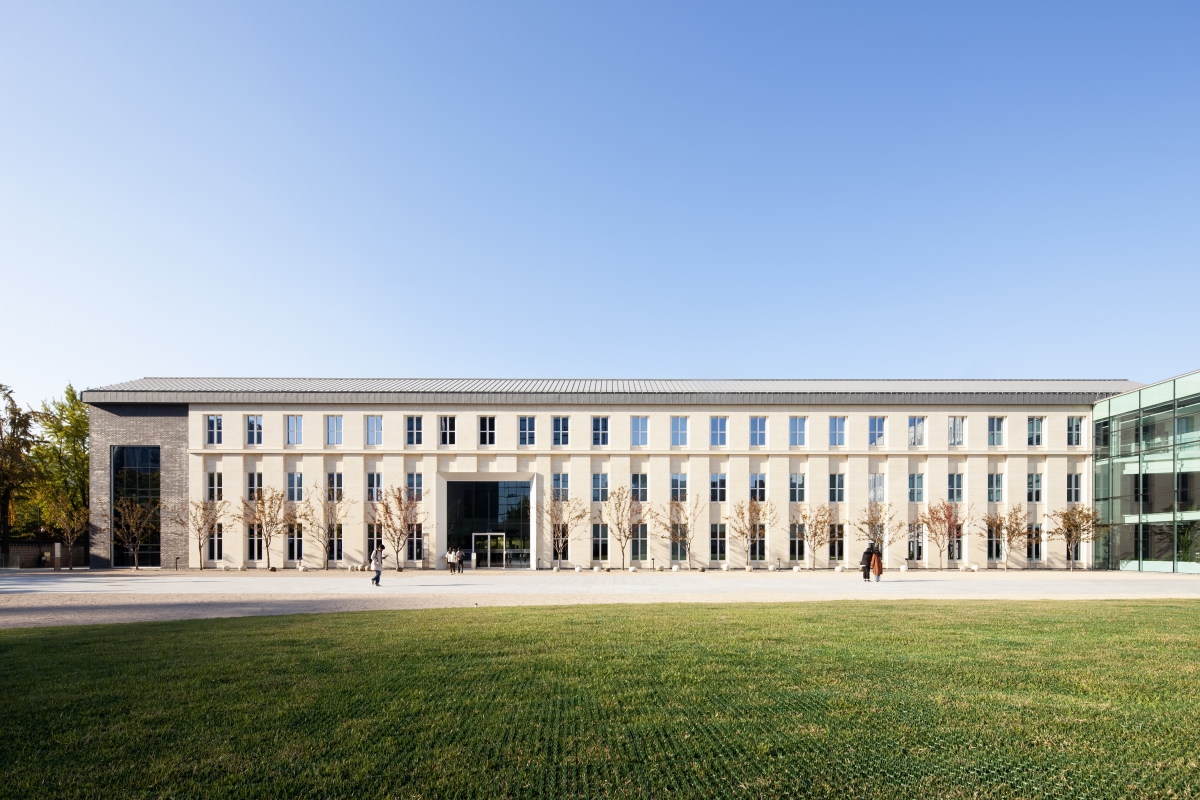
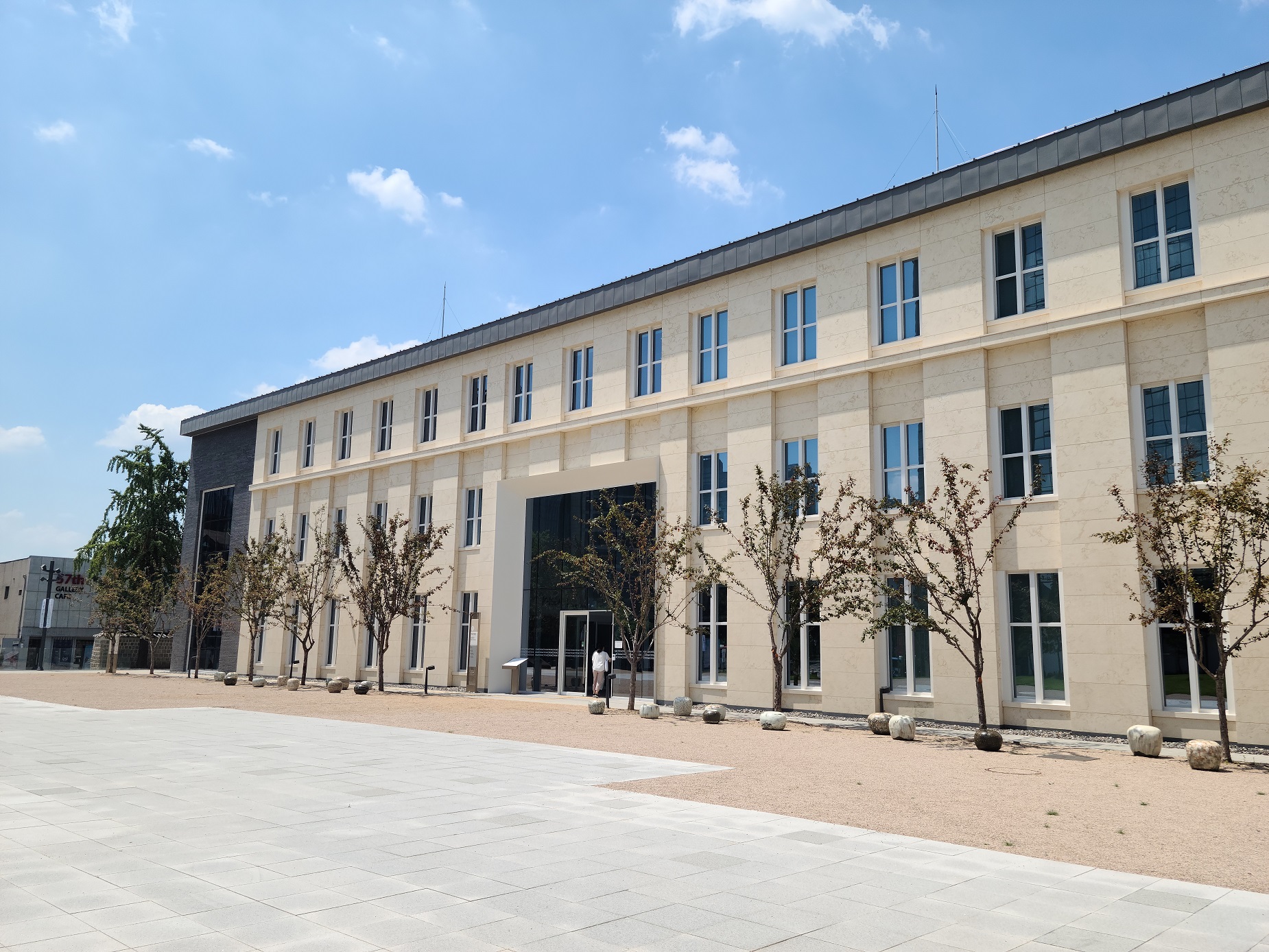
The museum was created by renovating five buildings of the former Poongmoon Girls' High School. The walls and school gates that once surrounded the campus were removed so that the streets and courtyard flow directly into one another. Its distinctive feature is four entrances that connect directly to surrounding streets, rather than a separate main gate.
The front exterior wall of Exhibition Building 1, used as the main building, is finished with Luxor Beige Marble quarried from the Egyptian desert. There is a 1.5 m elevation difference between the old stone-wall path and the former byeolgung site, connected by stairs. A centuries-old ginkgo tree remains on the grounds and is regarded as a symbol of the site's continuity from the Andong Byeolgung era.
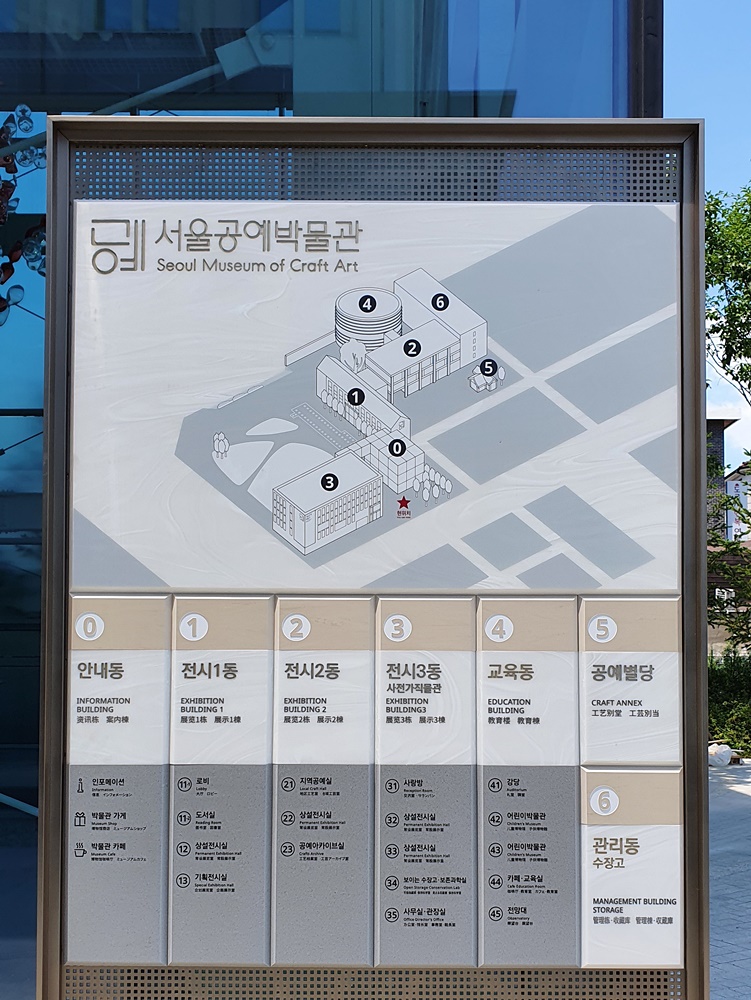
From left to right, the buildings are arranged as the Administration Building, Exhibition Building 2, Exhibition Building 1, Information Building, and Exhibition Building 3 (Textile Craft Hall). The Education Building, which houses the Children's Museum, stands in the Craft Yard (inner courtyard) in front of Exhibition Building 2, while the Craft Byeoldang, a hanok building, is located behind Exhibition Building 2.
Tuesday–Sunday, 10 AM–6 PM; Fridays until 9 PM — Free admission information
The Seoul Museum of Craft Art is open from 10 AM to 6 PM, Tuesday through Sunday, with extended evening hours until 9 PM every Friday. It is closed every Monday and January 1, as well as on other days designated by the Mayor of Seoul.
Admission to permanent exhibitions is free, and visitors may explore freely without advance reservations. However, groups of 20 or more are advised to reserve in advance, as entry may be restricted when visitor capacity is exceeded. The Children's Museum in the Education Building requires an online reservation even for a single visitor. The main telephone number is 02-6450-7000, and the official website is craftmuseum.seoul.go.kr.
From August 4 to 23, 2026, Exhibition Buildings 1 and 2 will be temporarily closed to prepare for the next special exhibitions. During the same period, the Craft Library will also be closed from August 4 to 12. It is advisable to check notices on the website before visiting.
A 3-minute walk from Anguk Station Exit 1, but no parking lot
By public transit, the museum is about a 3-minute walk, or just over 50 m, from Exit 1 of Anguk Station on Subway Line 3. Buses 109, 151, 162, 171, 172, 272, 601, 710, and 7025, among others, stop at Anguk Station·Seoul Museum of Craft Art or Anguk Station Exit 6·Insadong stops.
There is no parking lot for general visitors inside the museum. This is because parking facilities were deliberately omitted to protect the underground remains of the Andong Byeolgung site. Only two accessible parking spaces are available on the one-way section of Yun Boseon-gil beside the Information Building, from 10 AM to 6 PM, Tuesday through Sunday. Each vehicle may use them free of charge for up to two hours, and reservations are not accepted.
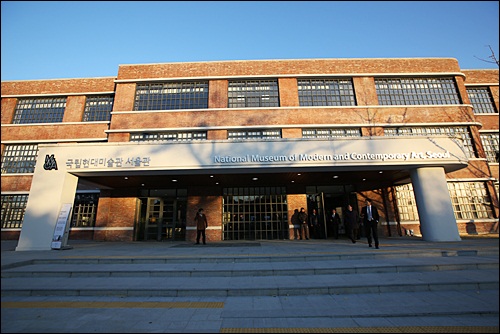
General vehicles must use nearby paid parking facilities. On weekdays, the Jeongdok Library public parking lot, a 5-minute walk away, is an option. On weekends, alternatives include the National Museum of Modern and Contemporary Art, Seoul parking lot with 384 spaces, an 8-minute walk away, or the Gran Seoul parking lot, a 7-minute walk away, which costs 6,000 won for a full weekend day.
About 32,000 items, with collections distributed across five exhibition buildings
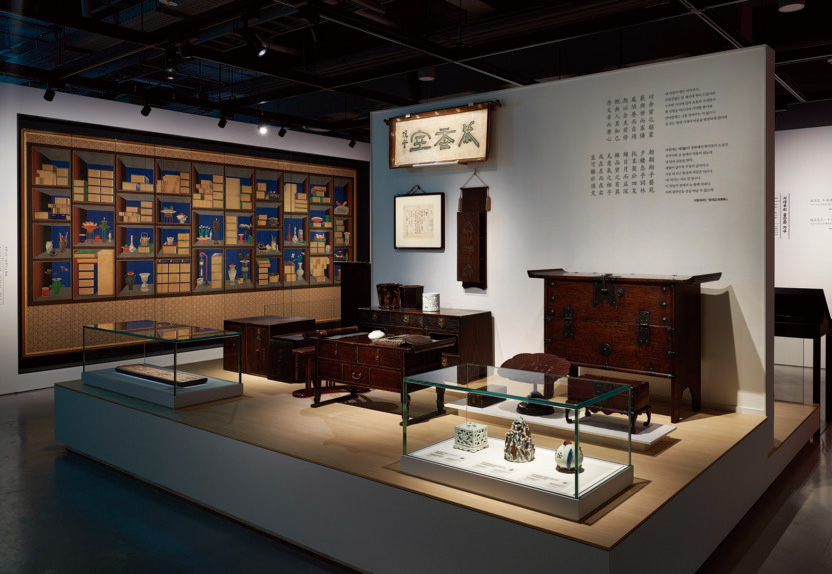
The collection, which numbered about 20,000 items when the museum opened, has continued to grow and now includes approximately 32,000 craftworks and archival materials. It encompasses diverse eras and fields, from traditional to contemporary craft.
Exhibition spaces are divided among several buildings for craft history, contemporary craft, regional craft, and children's craft exhibitions. Exhibition Building 3 is operated separately as a space dedicated to textile craft. Docent tours are offered Tuesday through Saturday: the Textile Craft Exhibition begins at 11 AM and 2 PM, while the Craft History Exhibition begins at noon and 3 PM, with an additional 6:30 PM tour on Fridays. Each tour lasts 50 minutes and gathers in Exhibition Building 3 and the first-floor lobby of Exhibition Building 1, respectively.
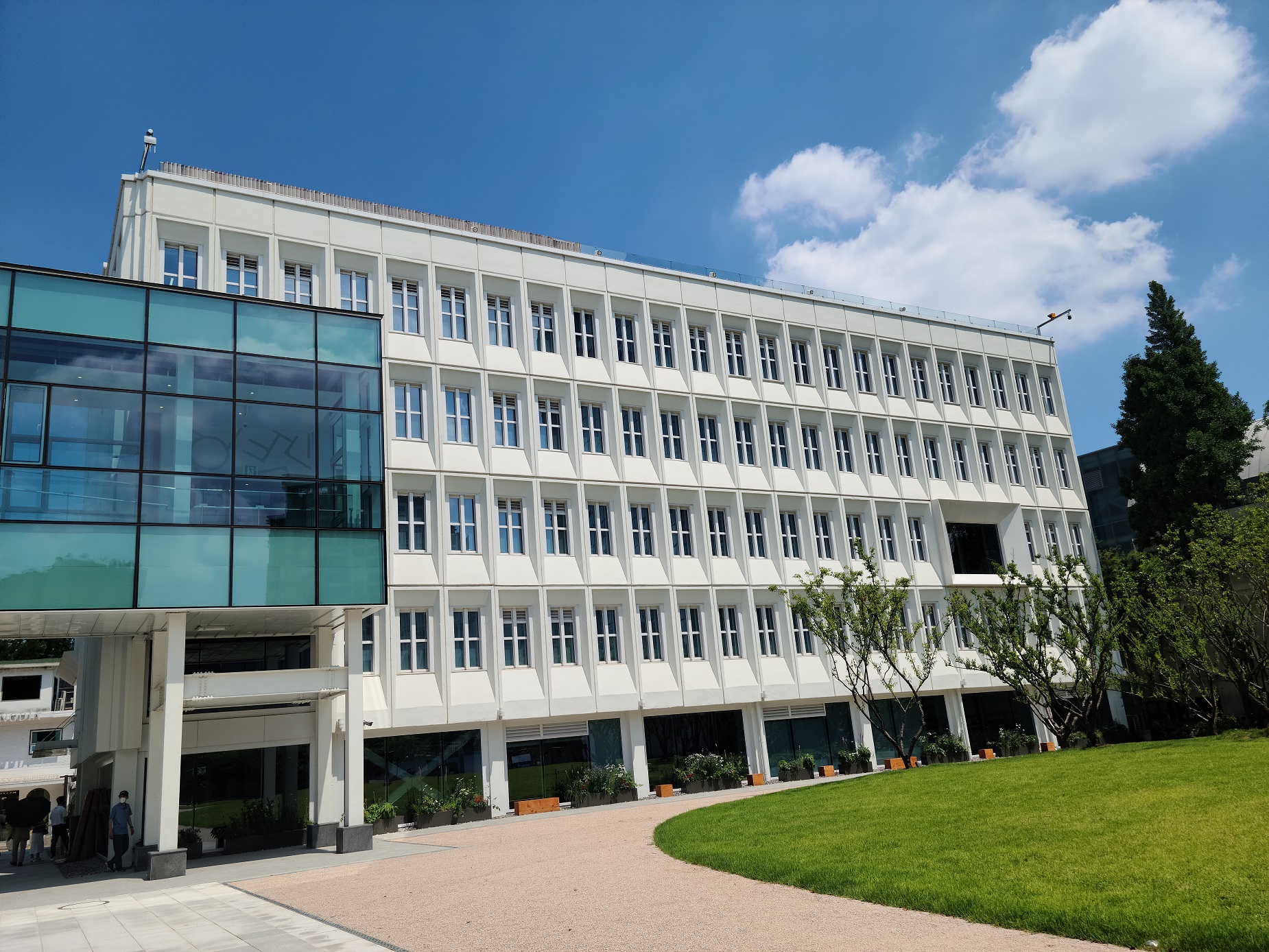
Special exhibitions rotate regularly, including an exhibition on the intersection of craft and technology held from August 26 through November 23, 2025. In addition to permanent exhibitions, what is available to see varies by the time of visit.
Reservations required: the Children's Museum “Craft Village”
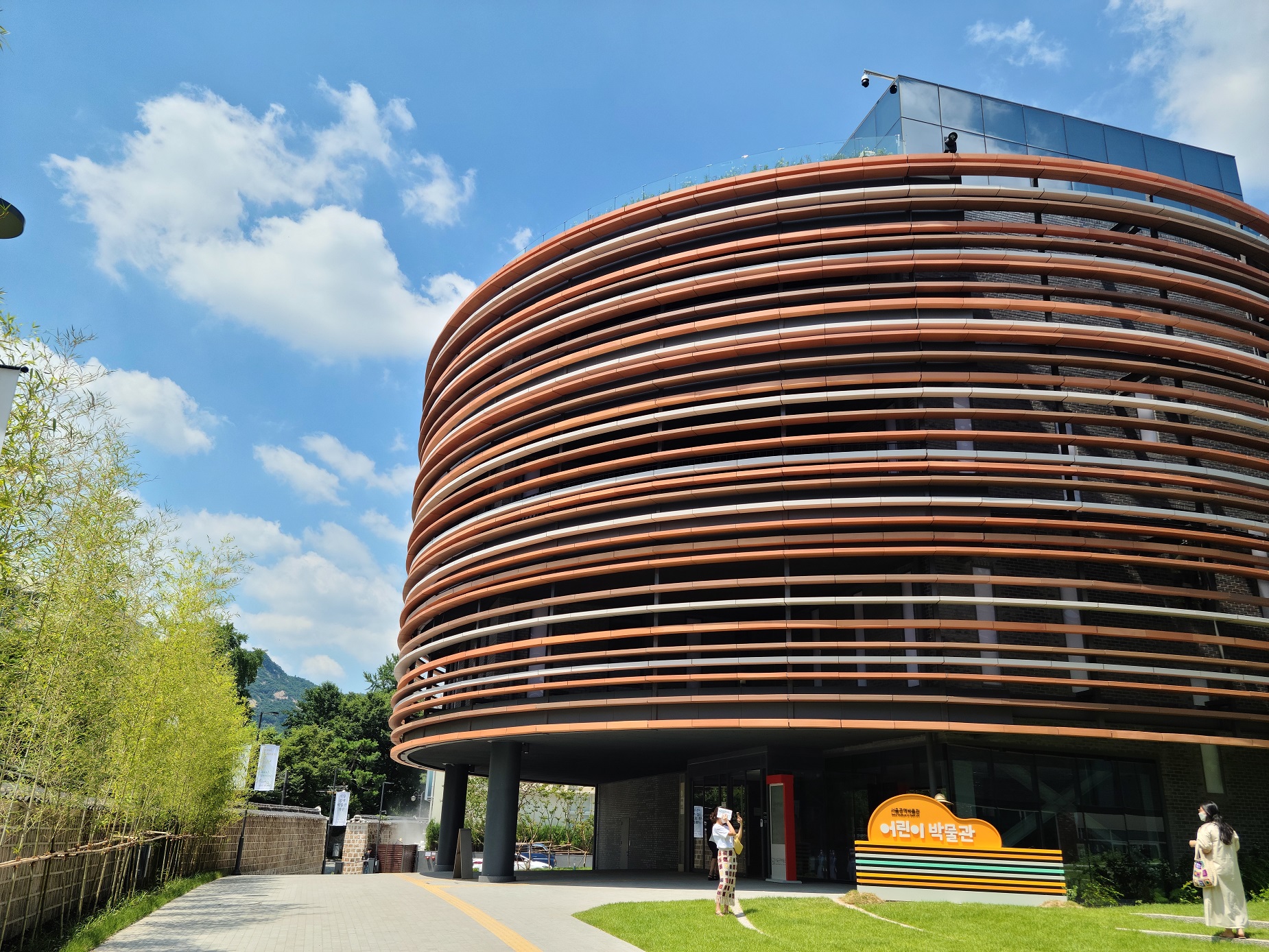
The Children's Museum “Craft Village” in the Education Building is for children aged 5 to 9 and may only be entered when accompanied by an adult guardian. Children aged 12 and under cannot enter without a guardian.
There are three weekday sessions (10 AM, 1:20 PM, and 4 PM, 100 minutes each) and four weekend sessions (10 AM, 11:50 AM, 2:10 PM, and 4:10 PM, 90 minutes each). Each reservation permits entry to only one of the second or third floors, so separate reservations are required to visit both floors.
As it is highly popular, weekend reservations often fill up as soon as they open. It is best to check in advance when reservations open for your visit date and book promptly. Reservations and admission are both free, and visitors enter after confirming their reservation at the information desk on the first floor of the Education Building.
Free stroller and wheelchair rentals, plus docent services for visitors with visual impairments
Infants, young children, older adults, and visitors with disabilities may leave an ID at the information desk to borrow strollers (10 available) or wheelchairs (5 available) free of charge. Nursing rooms are located on the first floor of Exhibition Building 3 and the fourth floor of the Education Building. Eating indoors is prohibited to maintain a pleasant viewing environment.
For visitors with visual impairments, a specialized docent service provides audio guidance when a smart device is placed against a tag. A multisensory viewing zone with Braille and tactile models is also available. English Commentary is provided as well, but its schedule may change, so it is safest to check the monthly tour schedule in advance.
Rest areas are located on the first floor of the Information Building and in the fourth-floor café of the Education Building. The latter café connects via an external staircase to the fifth-floor roof garden, where visitors can rest while taking in views of Inwangsan and the surrounding landscape.
A route combining Bukchon and Insadong, and things to know in advance
The museum is close to Bukchon Hanok Village, Insadong, and Gyeongbokgung Palace, making it easy to explore them together on foot. From the southern Insadong direction, the street and courtyard connect directly without a wall, making access convenient.
However, the museum is centered on permanent exhibitions, placing more emphasis on carefully examining crafts, their production processes, and their historical context than on flashy hands-on attractions. If you are visiting with children and want an activity-focused experience, it is especially important not to miss a Children's Museum reservation.
During summer, certain exhibition buildings may close for a period to prepare for upcoming exhibitions. It is safest to check website notices for the buildings affected a few days before your visit and plan accordingly.
Before You Go
- Address
- 4 Yulgok-ro 3-gil, Anguk-dong, Jongno-gu, Seoul
- Hours
- Tuesday–Sunday, 10:00–18:00 (extended hours until 21:00 on Fridays); closed every Monday and January 1
- Closed
- Every Monday, January 1, and days designated by the Mayor of Seoul
- Admission
- Free (for permanent exhibitions; some special exhibitions may charge admission)
- Phone
- 02-6450-7000
- Official site
- https://craftmuseum.seoul.go.kr/main
- Transport
- About a 3-minute walk (approximately 50 m) from Exit 1 of Anguk Station on Subway Line 3. Buses 109, 151, 162, 171, 172, 272, 601, 710, and 7025, among others, stop at Anguk Station·Seoul Museum of Craft Art or Anguk Station Exit 6·Insadong.
- Parking
- No parking for general museum visitors (to protect Andong Byeolgung remains). Only two accessible parking spaces beside the Information Building operate Tuesday–Sunday, 10:00–18:00 (up to 2 hours; no reservations). Nearby paid options include Jeongdok Library public parking lot (5-minute walk), National Museum of Modern and Contemporary Art, Seoul parking lot (8-minute walk, 384 spaces), and Gran Seoul parking lot (7-minute walk).
- Time needed
- Approximately 1.5–2 hours for permanent exhibitions; add 80–100 minutes per session with a separate Children's Museum reservation
- Accessibility
- Free rental of 10 strollers and 5 wheelchairs (information desk; ID required), specialized audio docent service and Braille/tactile models for visitors with visual impairments, and English-language tours available (schedule subject to change)
The information above is current as of the time of writing. Please check official guidance again before visiting.

Places
Nearby Attractions 5
-
 1
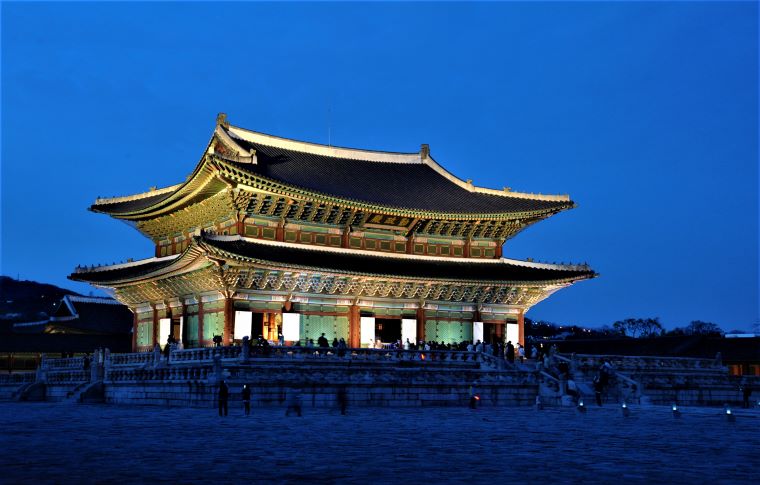
Gyeongbokgung PalaceExplore a royal palace of the Joseon Dynasty and view its halls and gardens.
1
Gyeongbokgung PalaceExplore a royal palace of the Joseon Dynasty and view its halls and gardens. -
 2
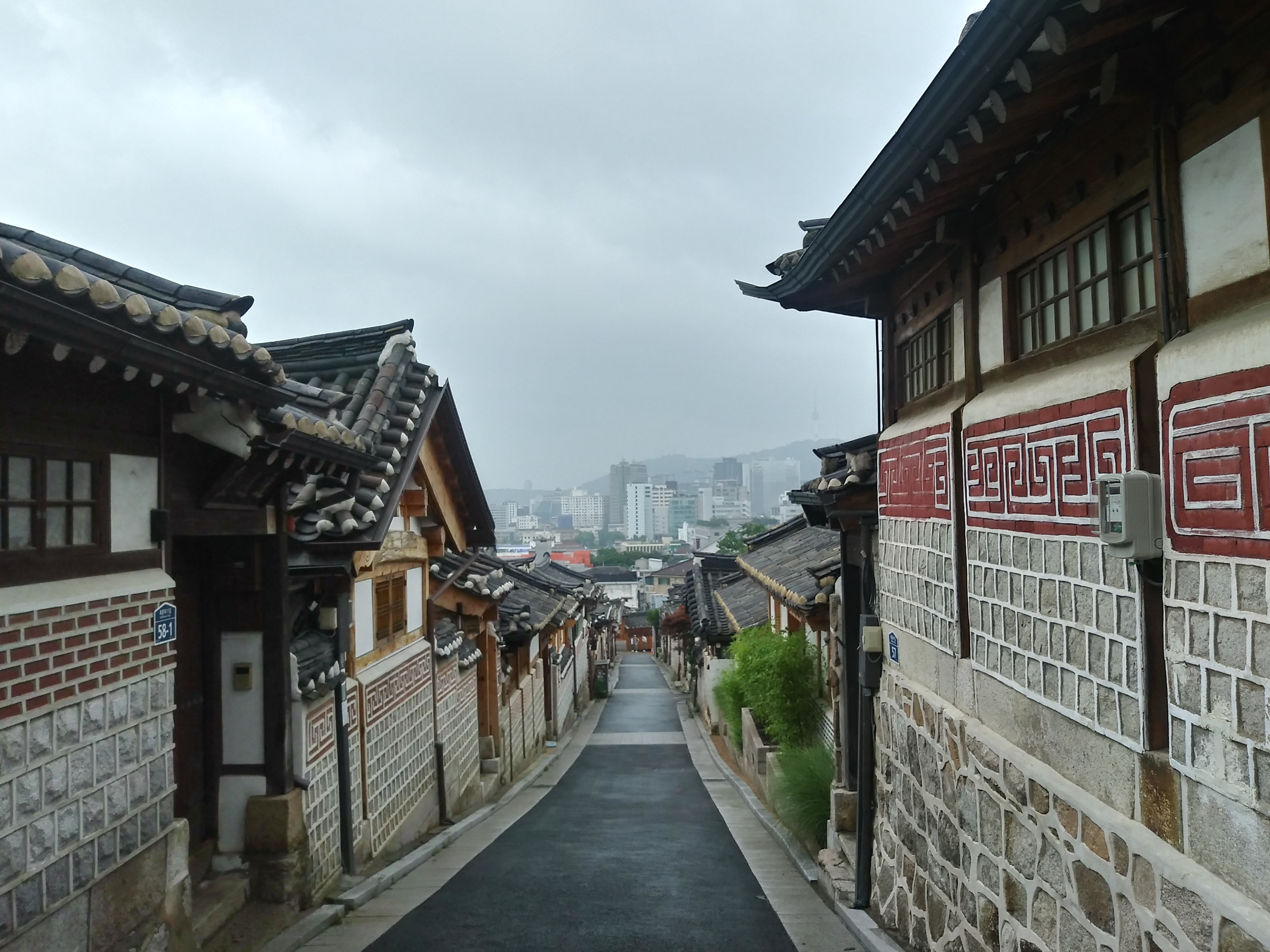
Bukchon Hanok VillageExperience the atmosphere of traditional residences while strolling through Hanok alleys.
2
Bukchon Hanok VillageExperience the atmosphere of traditional residences while strolling through Hanok alleys. -
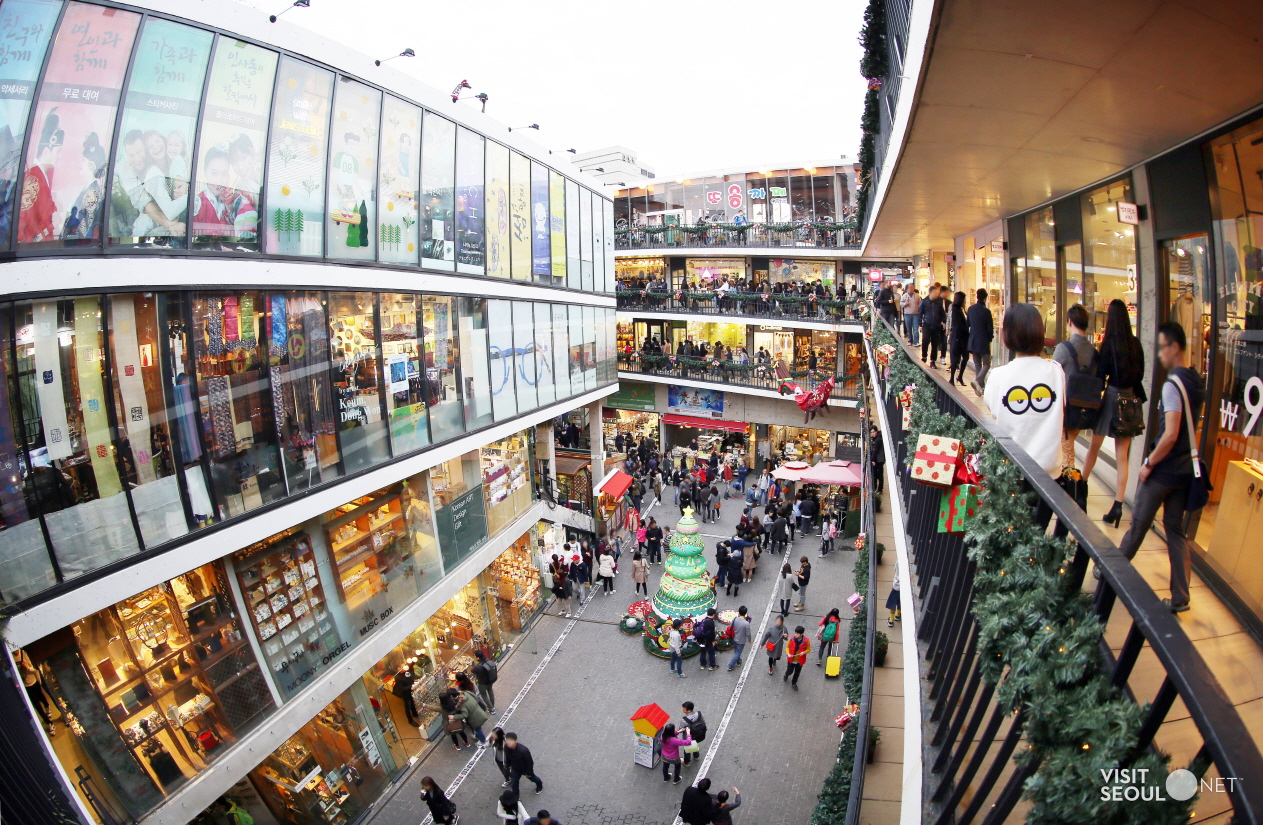 3
3
-
 4
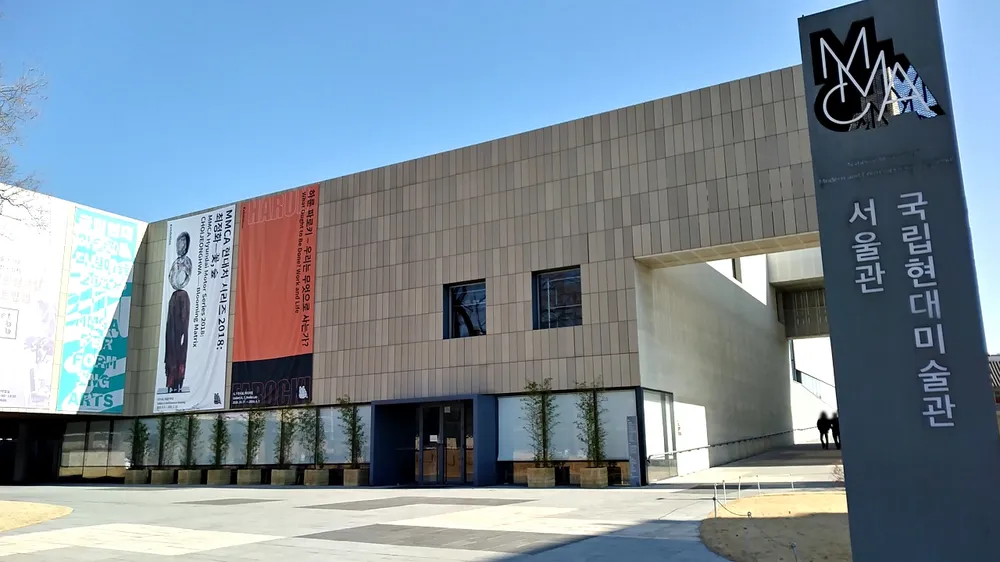
National Museum of Modern and Contemporary Art, SeoulEnjoy modern art exhibitions along with outdoor spaces.
4
National Museum of Modern and Contemporary Art, SeoulEnjoy modern art exhibitions along with outdoor spaces. -
 5
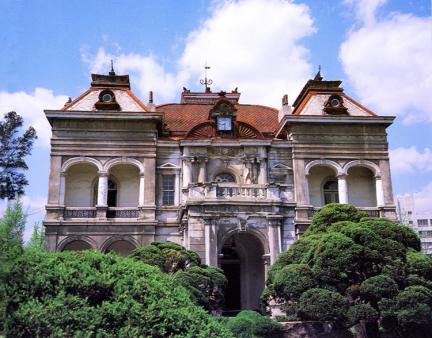
UnhyeongungTour the former royal residence and garden of a Joseon Dynasty royal annex palace.
5
UnhyeongungTour the former royal residence and garden of a Joseon Dynasty royal annex palace.
Events in This Area

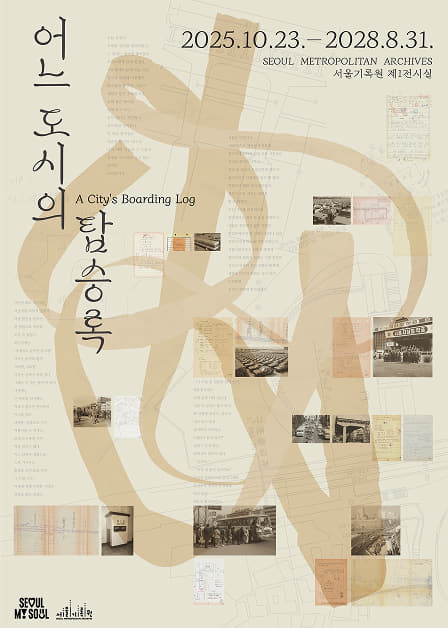
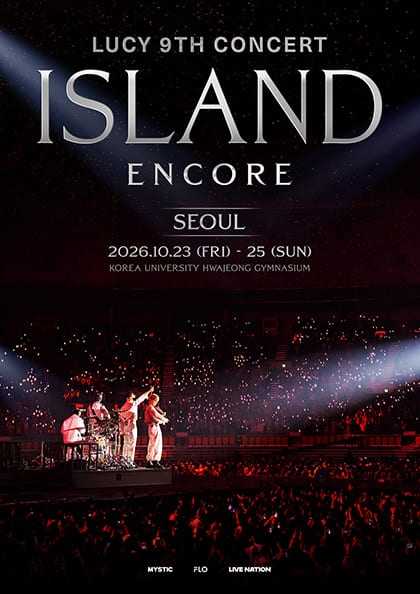
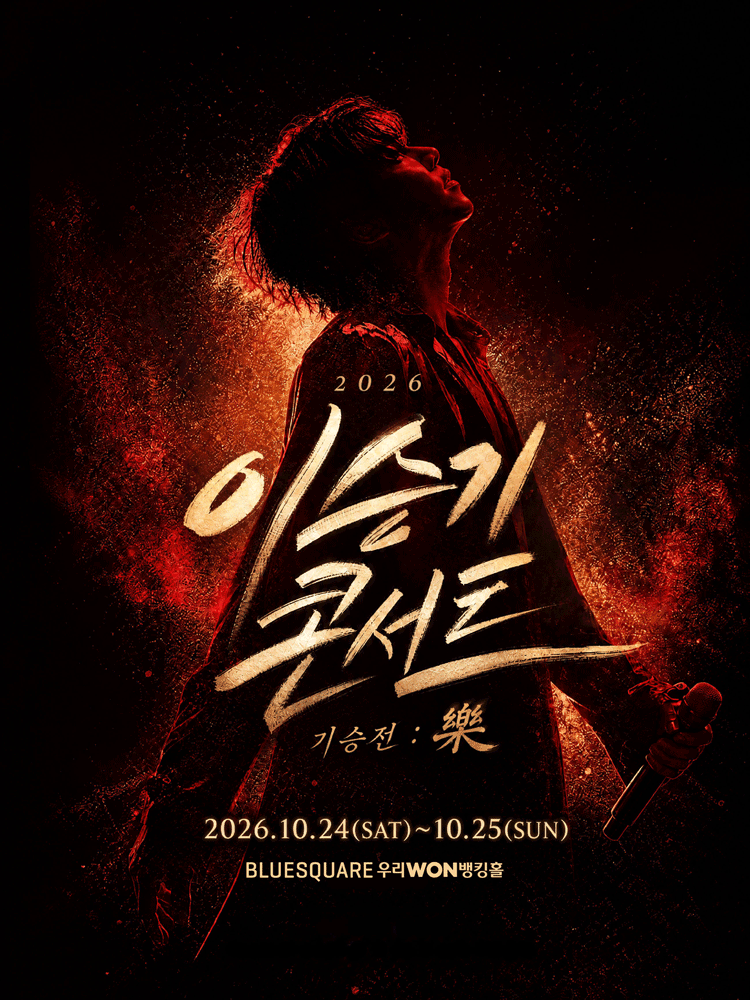
Festivals in This Area
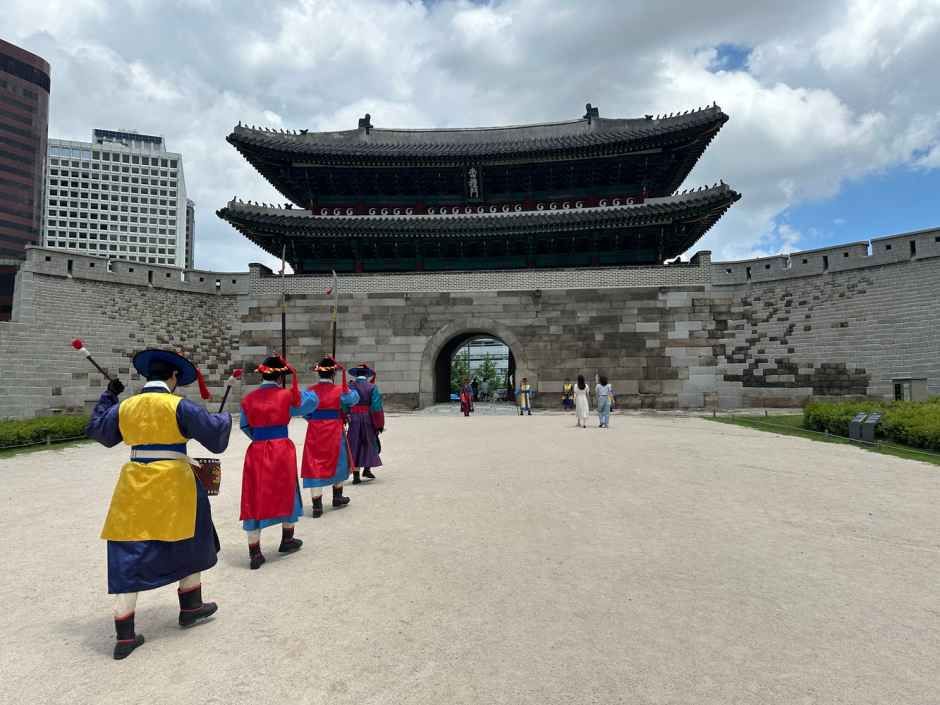
More Travel Guides in This Area
 Travel Guide
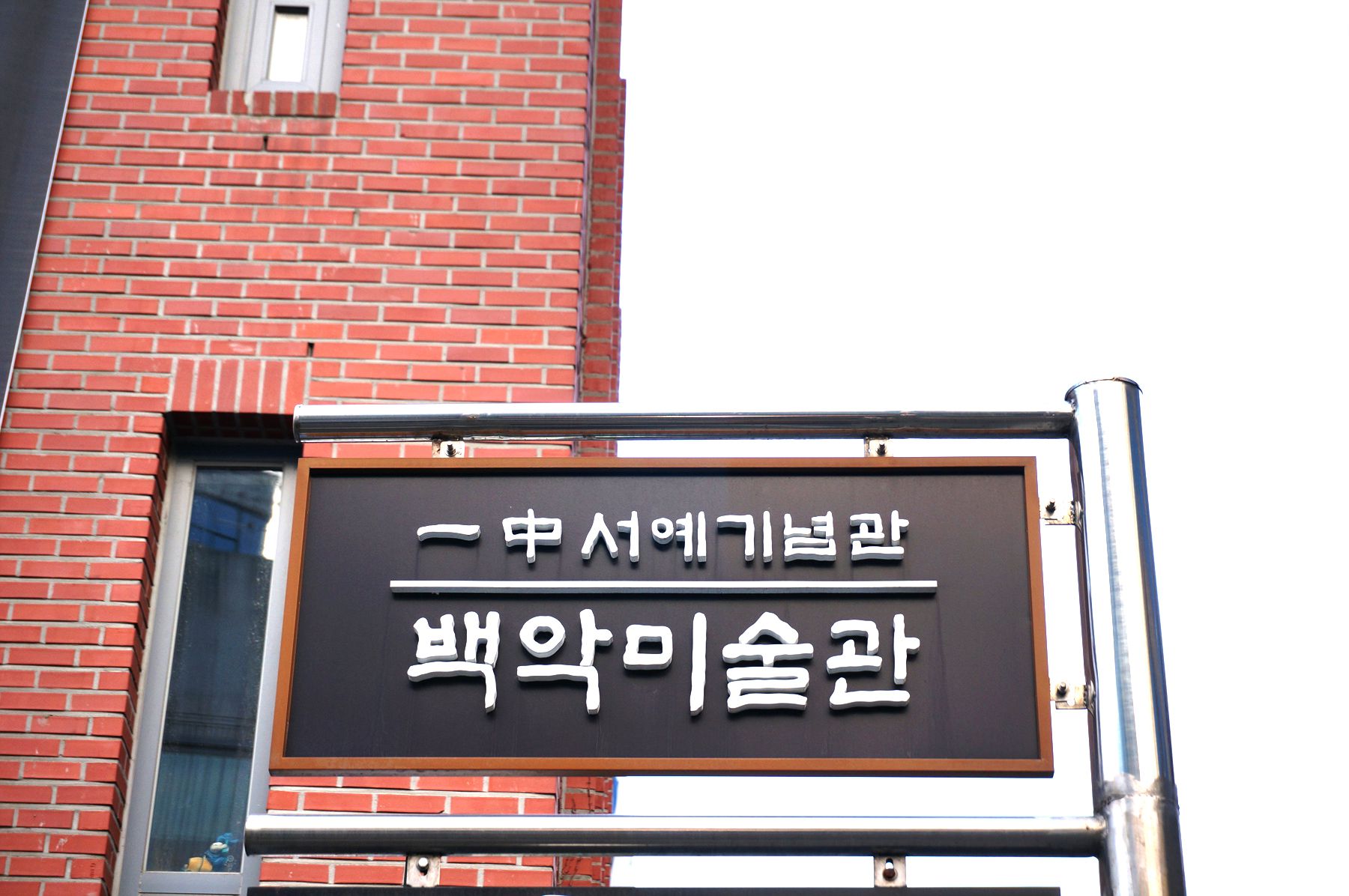
The Calligraphic Legacy of Iljung Kim Chung-hyun on Insadong 9-gil: Baegak Museum
 Travel Guide
Exploring the Courtyards of the Former Defense Security Command Site at the National Museum of Modern and Contemporary Art, Seoul
 Travel Guide
The Three Owners of Baek In-je House and Its Men’s Quarters on a Bukchon Hill Since 1913
 Travel Guide
LCK’s Stage Beneath Jonggak Station: LoL Park
Korea News
 News
News
aespa’s Winter—Can a Person Really Be This Cute? A Daily Life Full of Pure Charm
 News
News
Tom Cruise Spotted Taking a Late-Night Walk at Hangang Park… Strolled for an Hour in a Black Suit
 News
News
'Jimin, We'll always be with you' Peru Embraced 'Jimtober' Birthday Celebrations... "I'm Happy"
 News
News