Gyeongdong Market — From a former farming plot to a market where about 70% of the nation’s medicinal herbs gather
Gyeongdong Market opened in June 1960 as the “Gyeongdong Public Market,” a traditional market in Seoul’s Dongdaemun-gu district. It encompasses Seoul Yakryeong Market, where about 70% of the country’s herbal medicine trading volume is concentrated. The former site of the Gyeongdong Theater has been revived as the Starbucks Gyeongdong 1960 branch and the LG Goldstar Electronics “Refresh” Center, creating a space where traditional market culture and retro hot spots coexist.
I’ve been here?
Your check-in helps the next traveler.
No one has checked in yet Be the first
One tap — no writing needed
June 1960: 'Gyeongdong Public Market' Opens on Former Farmland
Gyeongdong Market began as a public market in 1960. According to Dongdaemun-gu records, 'Gyeongdong Public Market' opened in June 1960 near a street-vendor market. Originally, this area was farmland, and during the Japanese colonial period it was adjacent to major Korean residential areas on the outskirts of Seoul, resulting in heavy foot traffic. Regarding the origin of its name, an explanation remains that it was likely called Gyeongdong Market because it meant 'a market east (Dong) of Seoul (Gyeong)'.
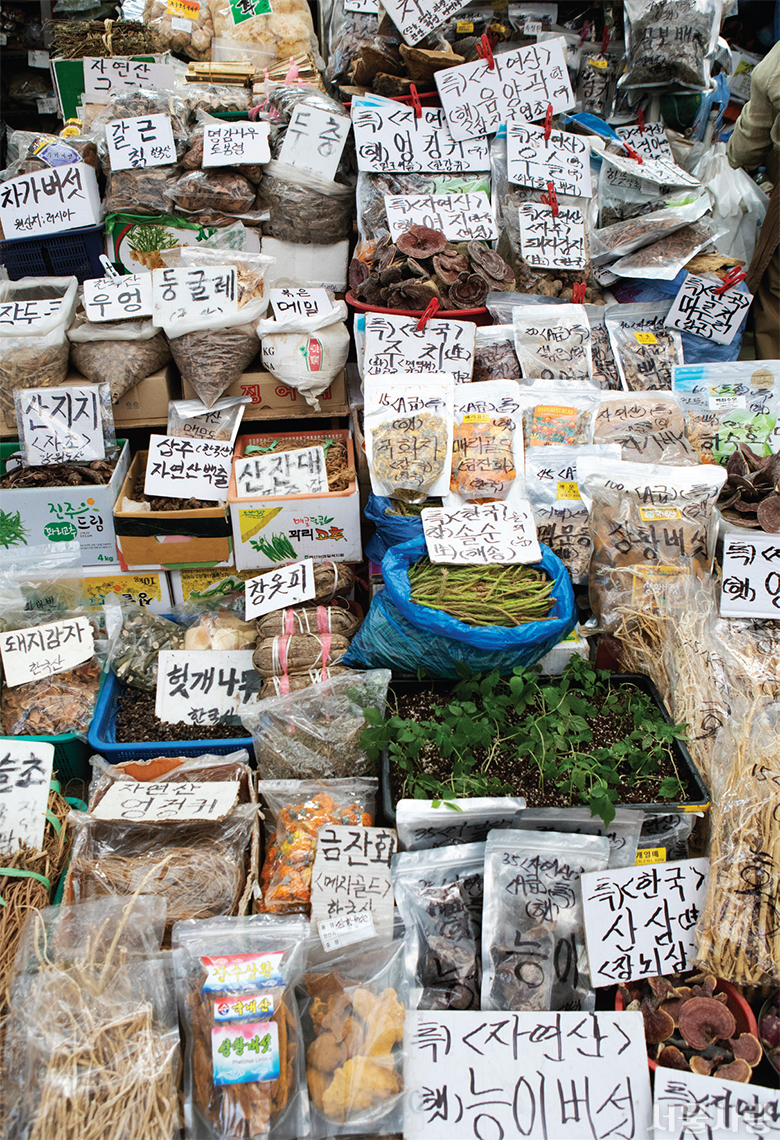
As life in Seoul began to recover after the Korean War, agricultural produce and vegetables grown and gathered by farmers from northern Gyeonggi-do and Gangwon-do flowed in through the former Seongdong Station (now Hansol Donguibogam) and Cheongnyangni Station. Later, railway development brought a flood of agricultural produce, minerals, and forest products through the Jungang Line, expanding the market's role and creating a vast market town together with the adjacent Cheongnyangni Market. Gyeongdong Market is famous for its connection by road to Majang-dong, where there is a livestock market. From shortly after its opening, Gyeongdong Market became known as the market selling all agricultural products, vegetables, and fruit at the lowest prices in Seoul. The market's permitted management area is about 10,000㎡, and its scale is much larger when nearby similar markets are included.
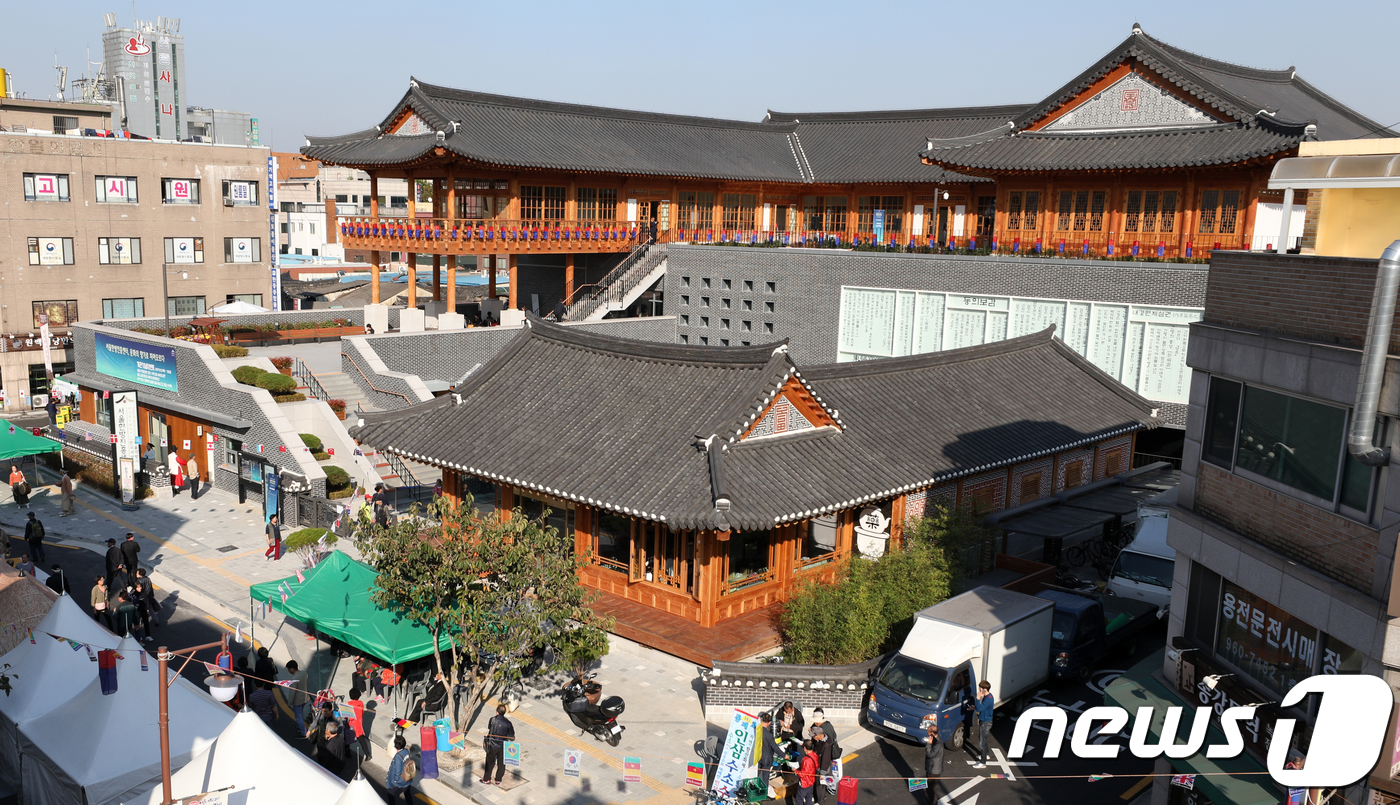
Even today, when viewed from above, most of the buildings are hanok, and most buildings of three stories or more were constructed in the 1960s and 1970s. The Hansol Donguibogam Building at the market entrance is the former site of the Cheongnyangni branch of Midopa Department Store, owned by the Daenong Group, which went bankrupt during the IMF crisis; it is a building completed in 1976 that was expanded and remodeled to give it a modern exterior.
70% of Korea's Herbal Medicines: Seoul Yangnyeongsi and 500 Years of Boje-won
Gyeongdong Market is considered Korea's largest specialized herbal medicine market, accounting for about 70% of herbal medicine transactions, and Seoul Yangnyeongsi and Gyeongdong Market were originally regarded as a single market, but Seoul Yangnyeongsi became separated from Gyeongdong Market as a specialized market. An institution under Dongdaemun-gu also states that Seoul Yangnyeongsi, through which 70% of the nation's herbal medicines are distributed, is located in this area. In the 1970s, Gyeongdong Market established its position as a nationwide specialized market for ritual offerings, seasonings, and herbal medicines, and from 1983, it began handling ginseng, fresh ginseng, and honey, and in 1995 it was designated a traditional herbal medicine market district, becoming known as Gyeongdong Yangnyeongsi and Seoul Yangnyeongsi.
The area's establishment as a herbal medicine commercial district has roots in Joseon-era history. Namuwiki reports that, according to the Seoul K-Medicine Promotion Center, Seoul Yangnyeongsi has a 600-year history because Boje-won was located in this area, and explains that Boje-won was a relief institution that treated sick people and distributed food; it was established nearby in the early Joseon period and operated for nearly 500 years until the late 19th century. The Seoul Yangnyeongsi Museum of Korean Medicine, which documents this history, opened in 2006 to revitalize the local economy and relocated to the second floor of the Seoul K-Medicine Promotion Center on October 27, 2017. The museum has a total area of 706 pyeong, including a 230-pyeong exhibition hall, and displays about 420 artifacts related to Korean medicine and about 360 varieties of herbal medicine; admission is KRW 1,000 for adults and KRW 500 for students and military personnel, and it is closed on Mondays, January 1, Seollal, and Chuseok.
From Abandoned Theater to Cafe — Starbucks Gyeongdong 1960
Starbucks opened its 'Gyeongdong 1960' store on December 16, 2022, in the remodeled Gyeongdong Theater located in Gyeongdong Market. Gyeongdong Theater was an abandoned theater built in the 1960s that had remained unused, but it was transformed into a new space through this store. Dongdaemun-gu states that the theater closed in 1994. The store covers 363.5 pyeong in total and has approximately 200 seats across the third and fourth floors of the Gyeongdong Market main building.
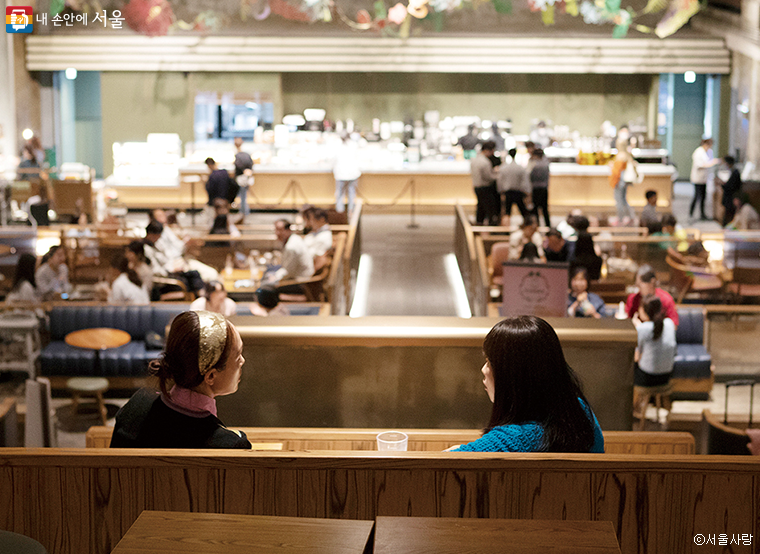
The bar counter visible from the entrance is designed around a concept reminiscent of an old theater ticket booth. To add the value of mutual growth, Starbucks signed a four-party mutual-growth agreement with the Korea Commission for Corporate Partnership, the Gyeongdong Market Merchants Association, and KD Market Co., Ltd., and sets aside KRW 300 from every item sold at the store to create a Gyeongdong Market mutual-growth fund. One visitor review from 2025 records operating hours of 09:00–22:00.
Goldstar Electronics Service Refresh Center — A Free Experience Center Created by LG Electronics
Opened on the same day as Starbucks, the Goldstar Electronics Service Refresh Center is a mixed-use cultural space with a total area of approximately 1,200 square meters (㎡), operated by LG Electronics. According to official information, it is open year-round from 09:00 to 20:00, with experience sessions available from 11:00 to 19:00. The facility consists of Mind Refresh, Refresh, Personality Refresh, Style Refresh, and Mood Refresh corners on the third floor, and the Escape Your Worries corner, a ThinQ escape-room cafe, on the fourth floor.
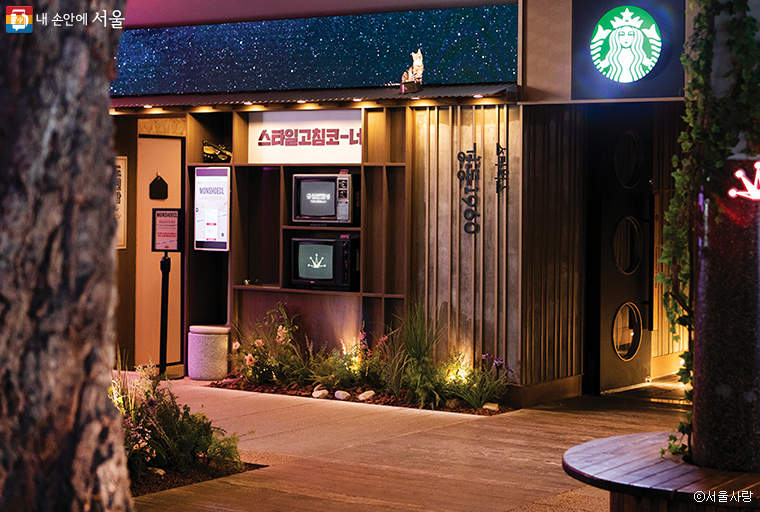
Related reports describe Goldstar Electronics Service as reviving memories for older generations while offering younger generations the fresh appeal of retro sensibility. Since visitors can go directly from inside Goldstar Electronics Service to Starbucks Gyeongdong 1960, the route naturally allows visitors to explore both spaces together. Experiences are reserved via an on-site QR code after registration, and all are free.
'Gyeongdong 1960 Night Market' on the Rooftop on Friday, Saturday, and Sunday Nights
From November 11, 2023, for about one month, the Seoul Metropolitan Government operated the 'Rooftop Food Truck Night Market—Gyeongdong 1960' on the rooftop of the Gyeongdong Market annex building (Youth Mall), every Friday, Saturday, and Sunday from 6:00 p.m. to 11:00 p.m.. It was the first food-truck night market in the country to be held on the rooftop of a traditional market, made possible when food-truck operations, previously permitted only in public parking lots under ordinances, were expanded to attached parking lots.
The Gyeongdong 1960 Night Market was made possible through the combined efforts of multiple parties, including the Seoul Metropolitan Government, the Office for Government Policy Coordination, the Seoul Metropolitan Council, Dongdaemun-gu, and Gyeongdong Market merchants. The food-truck area sells a variety of food and drinks, including electric-roasted chicken, tteokbokki, fried foods, Vietnamese sandwiches, steak, fried rice, banh mi, dried pollack snacks, and tanghulu. Three of the 10 food trucks operate with Hyundai Motor Company sponsorship, while LG Electronics created the retro-style 'Goldstar Electronics Service Outdoor Camping Zone'. However, the operating schedule may change depending on weather conditions, so it is safest to check official channel announcements before visiting.
From Jegi-dong Station Exit 2 to Cheongnyangni Station — Practical Transportation Guide
Gyeongdong Market is conveniently accessible because it is adjacent to Jegi-dong Station on Subway Line 1. More specifically, it is a 6–8 minute walk from Exit 2 of Jegi-dong Station on Subway Line 1 or Exit 1 of Cheongnyangni Station; from Exit 1 of Cheongnyangni Station on the Gyeongui–Jungang Line, Gyeongchun Line, or Bundang Line, it is a 14-minute walk. Shops on the Seoul Yangnyeongsi side are about a five-minute walk from Exit 2 of Jegi-dong Station.
By bus, the Gyeongdong Market (06-169), In Front of Gyeongdong Market (06-775), and Jegi-dong Station–Seoul Yangnyeongsi (06-023) stops are a 1–3 minute walk away. The Seoul Light Rail Northeast Line is under construction and is scheduled to open in November 2027; once opened, a new station near the Gyeongdong Market intersection is expected to further improve access. For reference, because many older people visit to buy herbal medicine, Jegi-dong Station is known for having the highest fare-free ridership rate among urban rail stations nationwide.
Where to Park? Comparing the Annex Underground Parking Lot and Yangnyeongsi Public Parking Lot
If visiting by car, the Gyeongdong Market annex underground parking lot is directly in front of Exit 2 of Jegi-dong Station, offering good access and direct entry into the market. If parking fees are a concern, the Yangnyeongsi Public Parking Lot is available 24 hours a day at the low rate of KRW 300 per 10 minutes, and is less crowded than the Gyeongdong Market public parking lot inside the market.
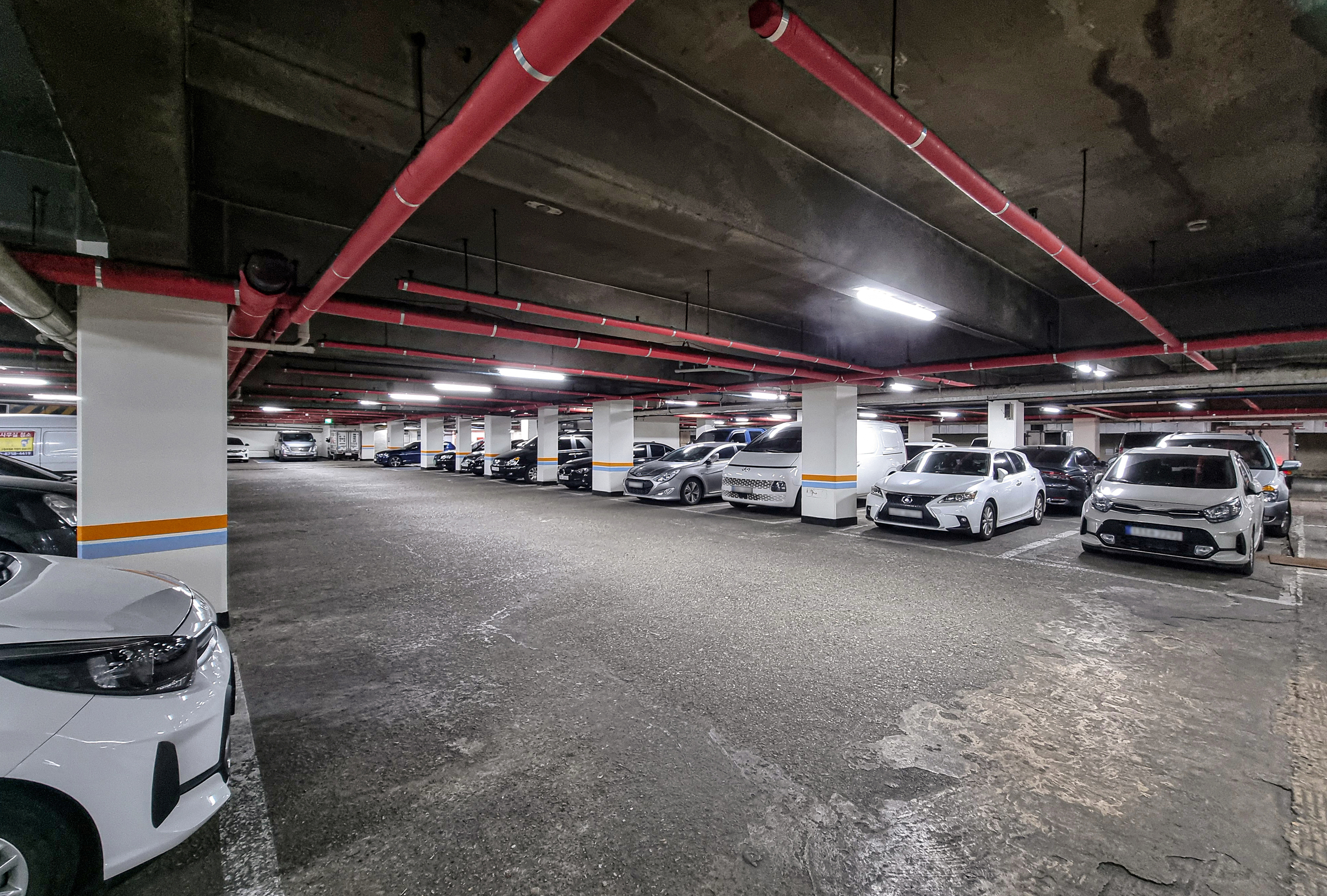
If approaching from the Cheongnyangni side, the Cheongnyangni Market Public Parking Lot, open weekdays from 09:00 to 19:00 and Saturdays from 09:00 to 15:00, is an on-street parking lot located directly beside Gyeongdong Market and charges KRW 1,000 per 10 minutes; however, presenting a traditional market receipt gives visitors a 50% parking discount. During the Seollal and Chuseok holiday periods, traffic around Wangsan-ro and Gosanja-ro comes close to a standstill due to the crowds, so public transportation is preferable at these times.
From Andongjip Hand-Cut Noodles to Glutinous Rice Doughnuts — What to Eat
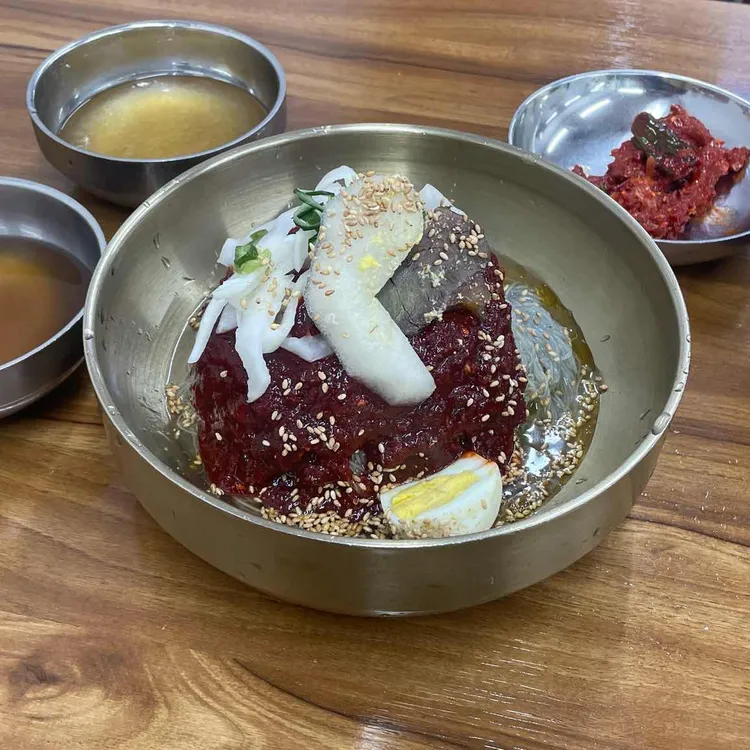
Long-established naengmyeon restaurants are especially famous. 'Gyeongdong Hamheung Naengmyeon' is appealing for its chewy, thin noodles and spicy seasoning, and long lines have formed at this old restaurant every summer for many years. Known for its spicy naengmyeon, 'Grandmother Naengmyeon' charges KRW 7,000 for a regular bowl and KRW 9,000 for a large bowl, while 'Gyeongdong Market Pyongyang Naengmyeon' is also a place with a steady stream of regular customers.
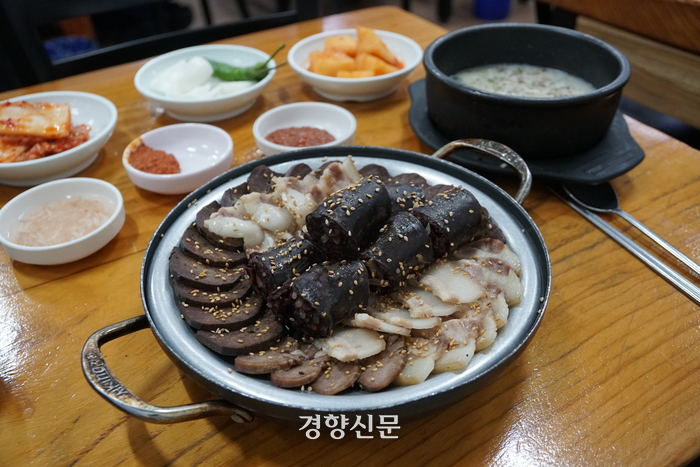
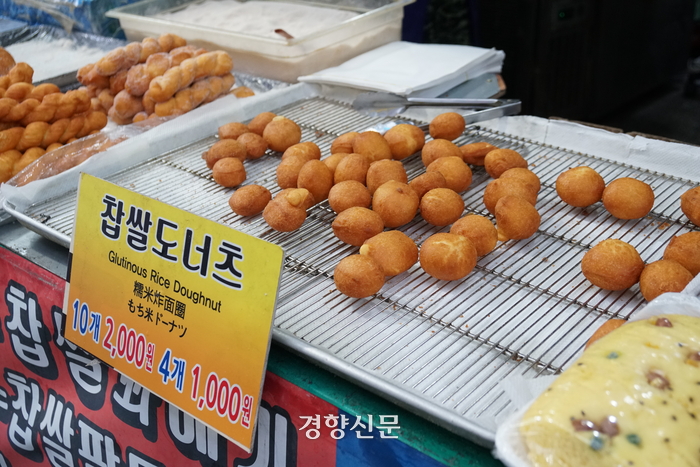
The annex basement shopping arcade is packed with popular restaurants for knife-cut noodles and bibimbap. There are reviews saying that even with a napa cabbage pancake (KRW 8,000) or boiled pork (KRW 12,000) added to noodles, the total does not exceed KRW 20,000, while 'Honam Restaurant' in the same underground arcade is known for its bibimbap (KRW 9,000), topped with generous portions of around 10 kinds of vegetables sourced from the market every dawn. Glutinous rice doughnuts are a popular snack.
The 'Seoul Family' Youth Mall also offers newer menu items. 'Pado Sikttak,' located in the 'Seoul Family' Youth Mall, sells sushi, udon, spicy fish stew, rice bowls, and more, and won the grand prize at the 2022 National Young Merchant Cooking Competition.
Why It Is Called 'Hongdae Street for Seniors' and What First-Time Visitors Should Know
Namuwiki describes this market as a place called 'Hongdae Street for Seniors' because there are many older people who come to buy herbal medicine. However, quite a few younger people also visit places selling food and fruit. In fact, a range of facilities, including the Gyeongdong Market Youth Mall, Gyeongdong 1960 Night Market, Starbucks Gyeongdong 1960, Goldstar Electronics Service Refresh Center, and the Dog Us Planet dog playground, operate together, broadening the age range of visitors.
An easily overlooked point for first-time visitors is pedestrian traffic. Wangsan-ro and Gosanja-ro, which pass through this area, are often congested because of Gyeongdong Market, and visitors should anticipate the characteristic bustle of a traditional market, with narrow passageways, carts, and people all mixed together. On the other hand, it is worth spending half a day here if you are interested in the home-style flavors of old restaurants, retro interiors, and affordable herbal medicines and health foods. For payment, most places accept cards, but some street stalls and small shops may primarily take cash or bank transfers, so carrying a small amount of cash is advisable.
Before You Go
- Address
- 1st Floor, 46 Gyeongdong Market-ro 10-gil, Dongdaemun-gu, Seoul (nearby landmark building address: 3 Gosanja-ro 36-gil)
- Hours
- Traditional market (fruit, dried seafood, etc.) 04:00–19:00, varies by shop / Herbal medicine shopping district (Seoul Yangnyeongsi) 09:00–19:00 / Starbucks Gyeongdong 1960 09:00–22:00 / Goldstar Electronics Service Refresh Center 09:00–20:00 (experiences 11:00–19:00, open year-round) / Gyeongdong 1960 Night Market Fri–Sun 18:00–23:00 (seasonal operation) / Seoul Yangnyeongsi Museum of Korean Medicine: summer season (Mar–Oct) 10:00–18:00, winter season (Nov–Feb) 10:00–17:00
- Closed
- Most traditional market shops are closed on Seollal and Chuseok itself (varies by shop) / Seoul Yangnyeongsi Museum of Korean Medicine: every Monday, January 1, Seollal, and Chuseok itself (closed the following day when Monday is a public holiday) / Goldstar Electronics Service Refresh Center and Starbucks Gyeongdong 1960 are open year-round
- Admission
- Entry to the market itself is free. Seoul Yangnyeongsi Museum of Korean Medicine admission: KRW 1,000 for adults and KRW 500 for students and military personnel; herbal foot bath experience KRW 6,000; Boje-won Korean medicine experience KRW 5,000; Goldstar Electronics Service Refresh Center experiences are free
- Phone
- Gyeongdong Market Merchants Association 02-967-8721 / Goldstar Electronics Service Refresh Center 02-3777-1114 / Seoul K-Medicine Promotion Center (Museum of Korean Medicine) 02-969-9241
- Official site
- https://www.kyungdongmarket.co.kr/
- Transport
- Five-minute walk from Exit 2 of Jegi-dong Station on Subway Line 1 (two minutes on foot toward Seoul Yangnyeongsi); 6–8-minute walk from Exit 1 of Cheongnyangni Station; 14-minute walk from Exit 1 of Cheongnyangni Station on the Gyeongui–Jungang Line, Gyeongchun Line, or Bundang Line. By bus, get off at Gyeongdong Market (06-169), In Front of Gyeongdong Market (06-775), or Jegi-dong Station–Seoul Yangnyeongsi (06-023), then walk 1–3 minutes
- Parking
- Gyeongdong Market annex underground parking lot (in front of Exit 2 of Jegi-dong Station; Mon–Sat 08:00–18:00, Sun 09:00–18:00) / Yangnyeongsi Public Parking Lot (26 Yangnyeong Jungang-ro, open 24 hours, KRW 300 per 10 minutes) / Cheongnyangni Market Public Parking Lot (weekdays 09:00–19:00, Sat 09:00–15:00, KRW 1,000 per 10 minutes, 50% discount when presenting a traditional market receipt)
- Time needed
- 1–1.5 hours for the market alone; 3 hours or more when including Starbucks Gyeongdong 1960, Goldstar Electronics Service, and the Seoul Yangnyeongsi Museum of Korean Medicine
- Accessibility
- Wheelchair entry is possible via ramps from public parking lots, but passageways are narrow and there are many carts, so caution is needed when using strollers or wheelchairs; foreign-language signage is limited
The information above is current as of the time of writing. Please check official guidance again before visiting.

Places
Nearby Attractions 5
-
 1
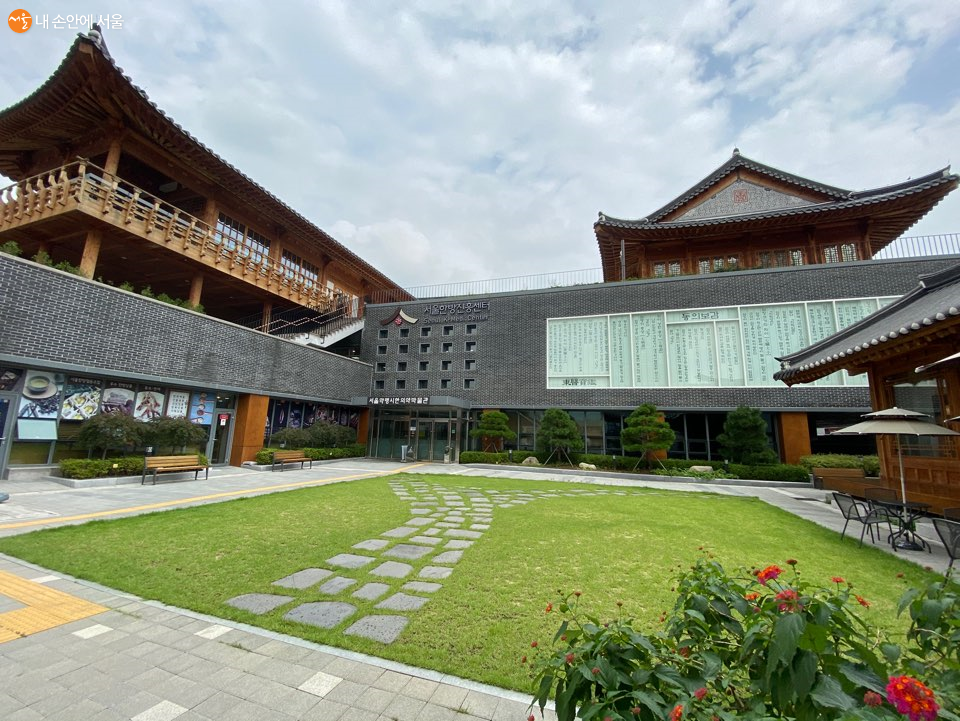
Seoul Herbal Medicine Promotion CenterA multi-cultural space where you can enjoy exhibitions and hands-on experiences of Korean traditional medicine.
1
Seoul Herbal Medicine Promotion CenterA multi-cultural space where you can enjoy exhibitions and hands-on experiences of Korean traditional medicine. -
 2
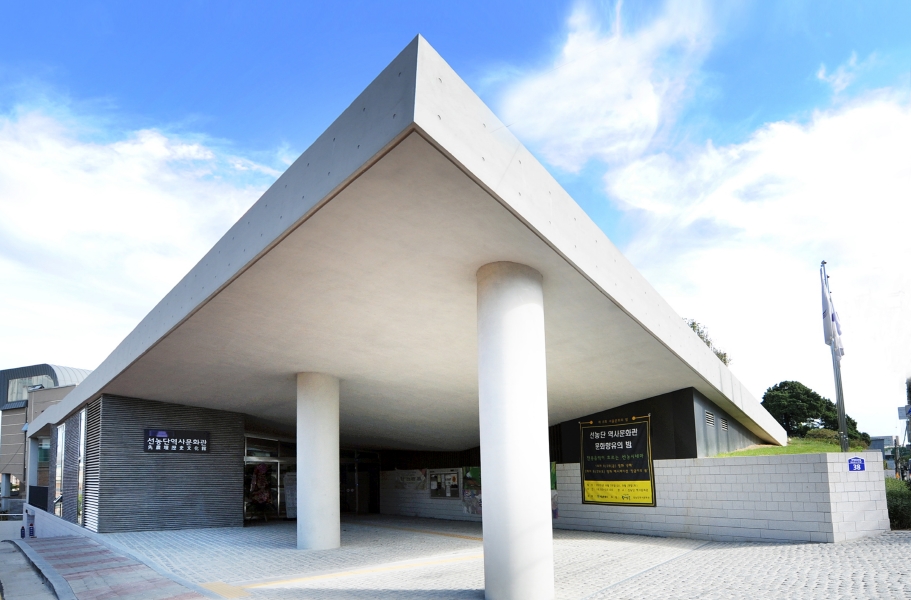
Seoul Yangnyeongsi Korean Medicine MuseumA museum showcasing the history of Korean medicine and medicinal ingredients.
2
Seoul Yangnyeongsi Korean Medicine MuseumA museum showcasing the history of Korean medicine and medicinal ingredients. -
 3
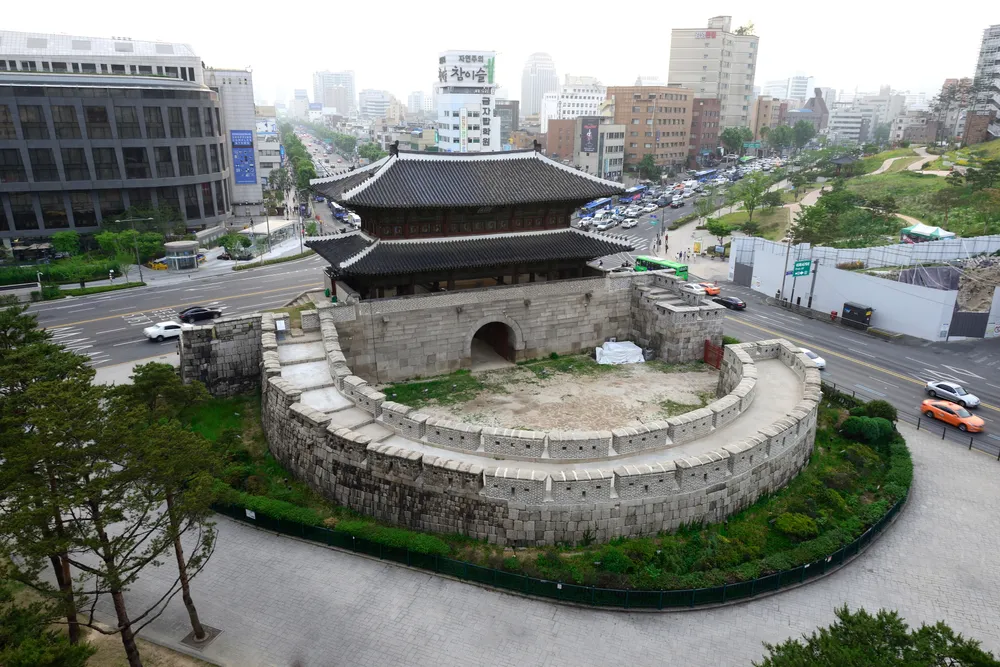
Seonnongdan History & Culture Center (Dongdaemun-gu)A history and culture center introducing the Seonnongje festival and agricultural culture.
3
Seonnongdan History & Culture Center (Dongdaemun-gu)A history and culture center introducing the Seonnongje festival and agricultural culture. -
 4
4
-
 5
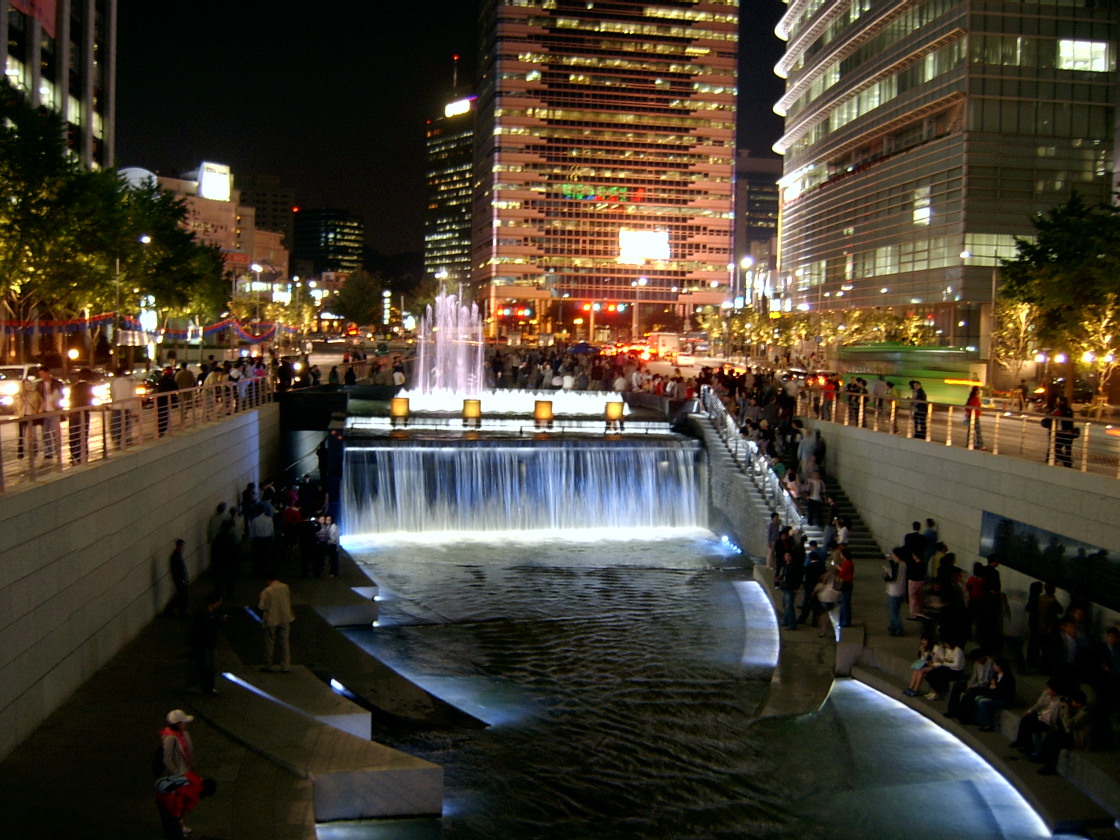
Cheonggyecheon StreamA riverside walking path where you can enjoy a stroll through the city and take in the night views.
5
Cheonggyecheon StreamA riverside walking path where you can enjoy a stroll through the city and take in the night views.
Food & Dining 2
-
 6
6
-
 7
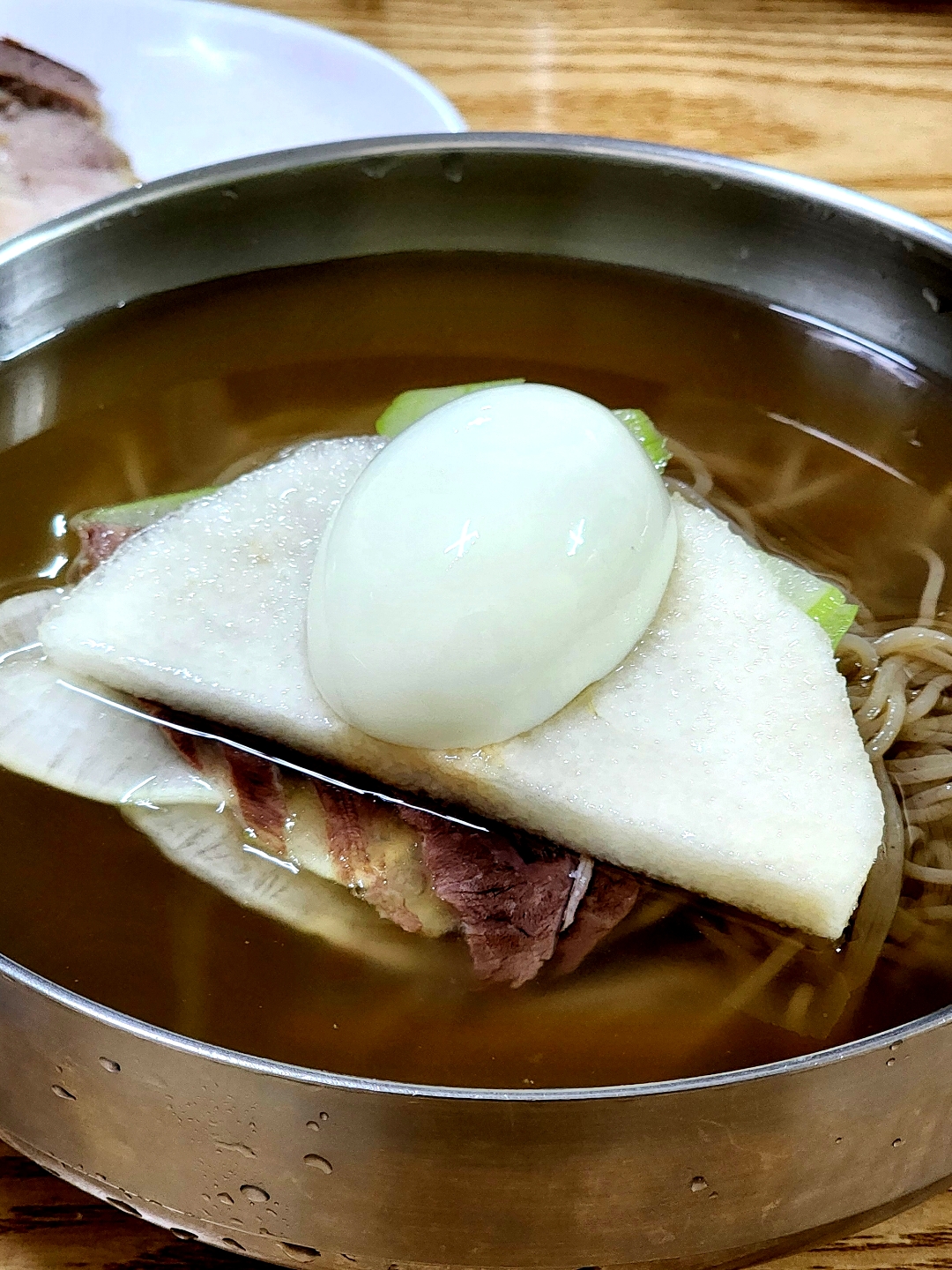
Gyeongdong Market Pyongyang Cold NoodlesA place to enjoy Pyongyang cold noodles with a light, clear broth.
7
Gyeongdong Market Pyongyang Cold NoodlesA place to enjoy Pyongyang cold noodles with a light, clear broth.
Events in This Area
Festivals in This Area
More Travel Guides in This Area
 Travel Guide
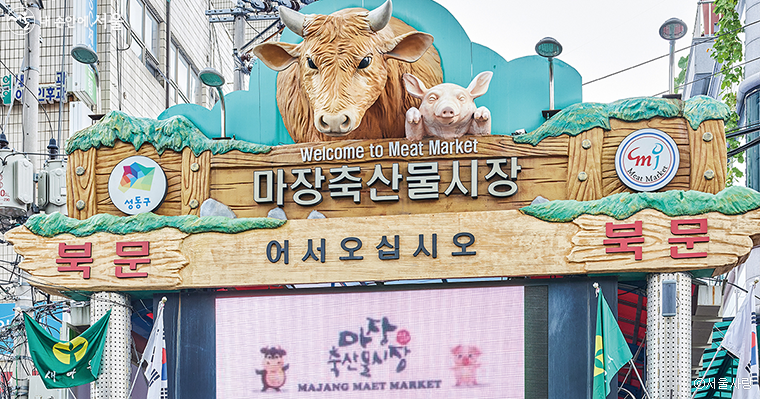
Seoul’s Meat Distribution Alley Created by a 1963 Slaughterhouse and 2,500 Shops: Majang Meat Market
 Travel Guide
Beauty Play: Experience K-Beauty Firsthand Across Four Floors in Hongdae’s Alleyways
 Travel Guide
Eastward Walk Along Cheonggyecheon Starting at Hwanghakgyo — 1.27 km Waterway in Front of E-mart Cheonggyecheon Branch
 Travel Guide
Dongmyo Flea Market
Korea News
 News
News
"Overcoming the Getty curse" Jang Wonyoung, with unreal proportions and beauty straight out of a Barbie doll
 News
News
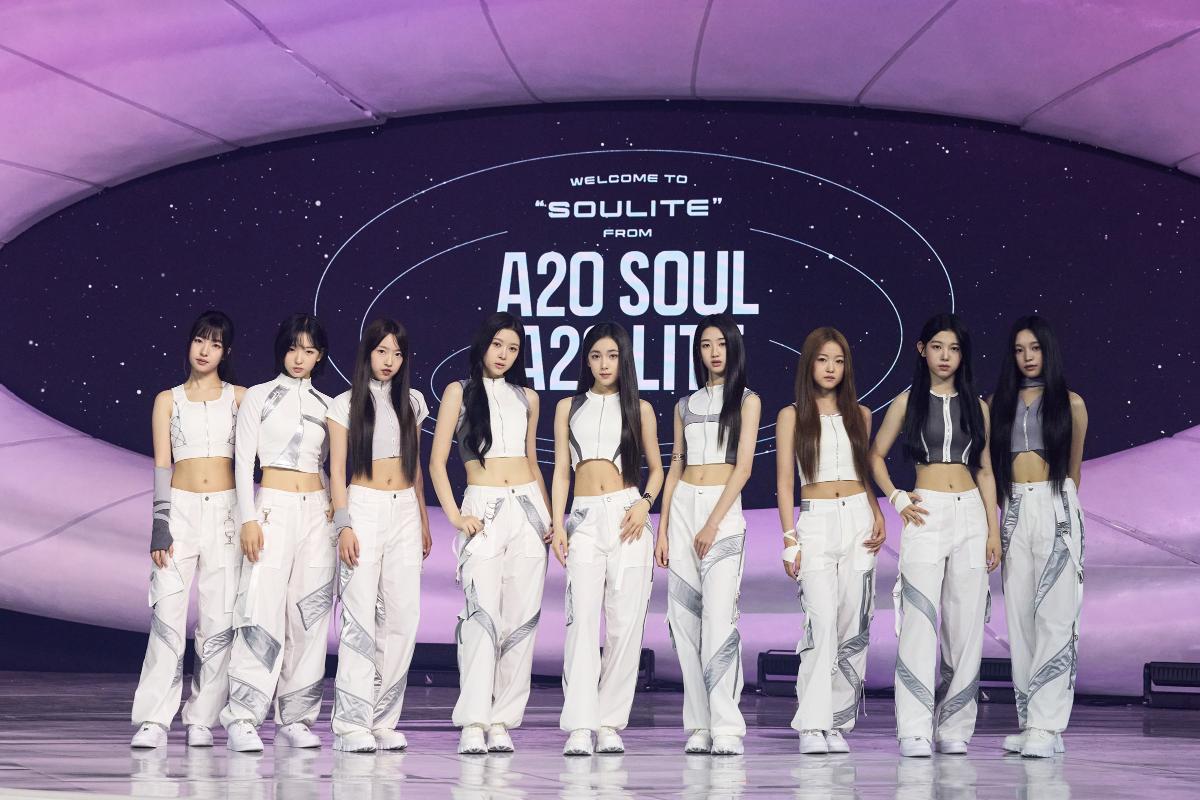
A2O LITE Tops Melon TOP100 Just 29 Hours After Debut, Setting the Fastest Record for a Debut Song
![Billlie's Tsuki 'Makes an Entrance Showing Off Her Beautiful Figure' [MK Photo]](https://kotourlive-images.s3.ap-northeast-1.amazonaws.com/news/1792027947835_957f0cb8_news_5c0023c5-e9a0-4640-9154-cb0b69d810c4.jpg) News
News
Billlie's Tsuki 'Makes an Entrance Showing Off Her Beautiful Figure' [MK Photo]
![ENHYPEN ‘Fighting for the Macau performance too!’ [★Video]](https://kotourlive-images.s3.ap-northeast-1.amazonaws.com/news/1792027887815_5057637d_news_8041e5cd-8b22-4193-bb46-880c65d944f7.jpg) News
News