Dongmyo Flea Market
A flea market of the largest scale in Seoul, where a street of around 303 meters of sidewalk stalls runs along the walls of Donggwanwangmyo in Sunggindong, Jongno-gu. It began in the 1980s as a general goods bazaar, became a nationwide spot after appearing on the 2013 TV program “Infinite Challenge,” and today draws a mix of people—teens through those in their 70s—plus foreign tourists, all hunting for thrift clothing like outfits priced at 1,000 won.
I’ve been here?
Your check-in helps the next traveler.
10 people viewed this week Be the first
One tap — no writing needed
Donggwanwangmyo, a shrine built for Guan Yu in 1601
The name Dongmyo Flea Market comes from the shrine standing beside the market, Donggwanwangmyo, a shrine where rites are held for Guan Yu, a general of Shu Han in China. Construction began after it was believed that the Joseon and Ming forces had defeated the Japanese army during the Imjin War thanks to General Guan Yu's virtue, and the Ming emperor sent a personally inscribed plaque, and it was begun in the 32nd year of King Seonjo's reign (1599) and completed two years later in 1601. It was designated a National Treasure in 1963. Inside are wooden statues of Guan Yu and four others, including his relatives Guan Ping and Zhou Cang; it has a distinctive structure with five bays at the front, six bays at the side, and a T-shaped roof.
Dongmyo is an abbreviation of "Donggwanwangmyo" and is a shrine venerating Guan Yu, the general appearing in Romance of the Three Kingdoms, as a deity. The present market formed around three sides of these walls, distinguishing it from other traditional Seoul markets in that the shrine and commercial district physically share one space.
From the "Women's Market," said to have been started by Queen Jeongsun's maids, to the 1980s general-goods market
Some trace the history of today's Dongmyo Flea Market, formed by around 600 street stalls in front of Dongmyo, back to the Joseon period. Originally a vegetable market, this site is said to have begun when court maids sold vegetables on the street to support Lady Song, Queen Jeongsun, who was expelled from the palace after King Danjong was demoted. As more women began operating stalls, it was also called the "Women's Market"; it continued functioning as a market during the Japanese colonial period, and a full-fledged commercial district developed from the 1980s as secondhand general-goods vendors gathered here.
The situation in Hwanghak-dong, across Cheonggyecheon, was similar during the same period. After the Korean War, people gathered in Hwanghak-dong along Cheonggyecheon and began street vending, gradually developing it into an antiques market. 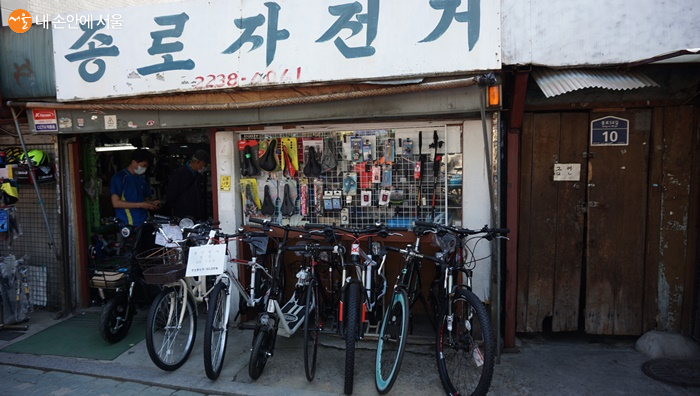
The street stalls along the Donggwanwangmyo wall today, created by the Cheonggyecheon restoration and DDP construction
As the Cheonggyecheon restoration project proceeded in 2003, a major crackdown on street stalls took place around Hwanghak-dong Flea Market, and many stalls were removed. In 2004, the Seoul Metropolitan Government opened a market inside Dongdaemun Stadium and absorbed the Hwanghak-dong Flea Market vendors. When Dongdaemun Stadium itself later disappeared, a second relocation occurred. Run-down alleys near cultural heritage began attracting attention as a flea market in the early 2010s, influenced by the construction of DDP and the demolition of Dongdaemun Stadium. General-goods vendors who had operated at the stadium site moved to the Seoul Folk Flea Market in Hwanghak-dong, established by the Seoul Metropolitan Government, while sellers who did not enter the permanent market began laying out street stalls near the Donggwanwangmyo wall to sell secondhand goods.
The sellers who moved into Dongmyo this way are known, then as now, to deal mainly in clothing, bags, shoes, and similar goods. The merchandise mix of today's stalls lining the wall was essentially formed during this period.
2013's Infinite Challenge and Kiko Kostadinov's 2018 "best street in the world"
After singer G-Dragon visited Dongmyo through the MBC variety show "Infinite Challenge" in 2013, numerous broadcasters rushed to feature the area, and the market began to gain nationwide recognition. Following this broadcast, Dongmyo Flea Market was regarded as an emerging "hot place" enjoyed by a wide range of age groups. In 2018, overseas fashion designer Kiko Kostadinov visited Dongmyo Market and posted photos of the clothing worn by elderly people who frequent the area on social media, calling it "the best street in the world".
Dongmyo Secondhand Market is now visited by people of diverse ages, from teenagers to those in their 70s. So-called hipsters come to buy affordable secondhand clothes for the appeal of vintage fashion, while younger generations seeking Walkmans, film cameras, and early digital cameras amid the retro trend are also a common sight.
61 m from Exit 3 of Dongmyoap Station, but the street stalls extend for 303 m
The market address is 243 Nangyero, Sungin-dong, Jongno-gu, Seoul, and it is 61 m from Exit 3 of Dongmyoap Station on Subway Lines 1 and 6. This location is based on the road-name address, while the actual stretch occupied by stalls is much longer. According to a 2024 investigation by the Seoul Metropolitan Government Audit Committee, the road that Jongno-gu Office is responsible for managing extends 303 m in total, on both sides. 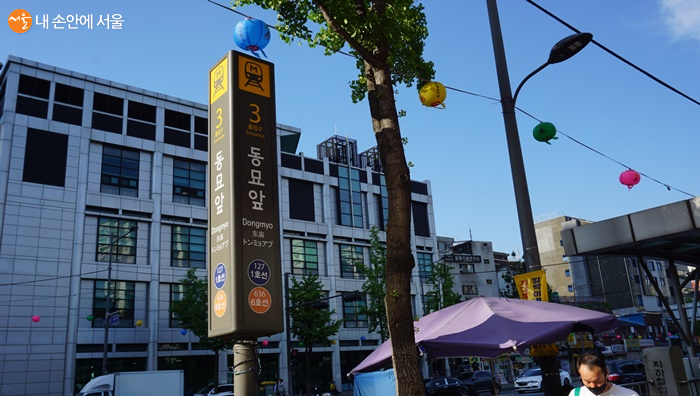
Since October 2016, the Jongno-gu Office Transportation Administration Division has implemented a "car-free street" for a better pedestrian environment and more pleasant tourism; given that pedestrian volume vastly exceeds vehicle traffic in this area, vehicle access is prohibited from noon to 6 p.m. on weekends and public holidays. During these hours, stalls and crowds fill even the middle of the road, so weekday mornings are easier for those using strollers or wheelchairs.
Weekday afternoons, all day on weekends — what "open year-round" really means
Official Seoul Metropolitan Government information lists Dongmyo Secondhand Market's hours as "open year-round". However, it does not open at the same scale every day. Holiday afternoons, when around 250 vendors set up their displays, are the best time for shopping; the market opens only partially on weekdays and operates all day on weekends. On weekdays, only permanent shops and a few street vendors operate, while on weekends both established shops and street stalls are active, attracting more visitors than on weekdays.
Both a five-minute walk and a distance of 61 m from Exit 3 of Dongmyoap Station on Subway Lines 1 and 6 are cited; this can be understood as the difference between the entrance directly outside the exit and the central area where stalls are concentrated. First-time visitors should plan their route with the understanding that vendors begin filling their displays around noon and the market is busiest in the afternoon rather than in the morning.
From KRW 1,000 to KRW 100,000: how secondhand clothing is priced
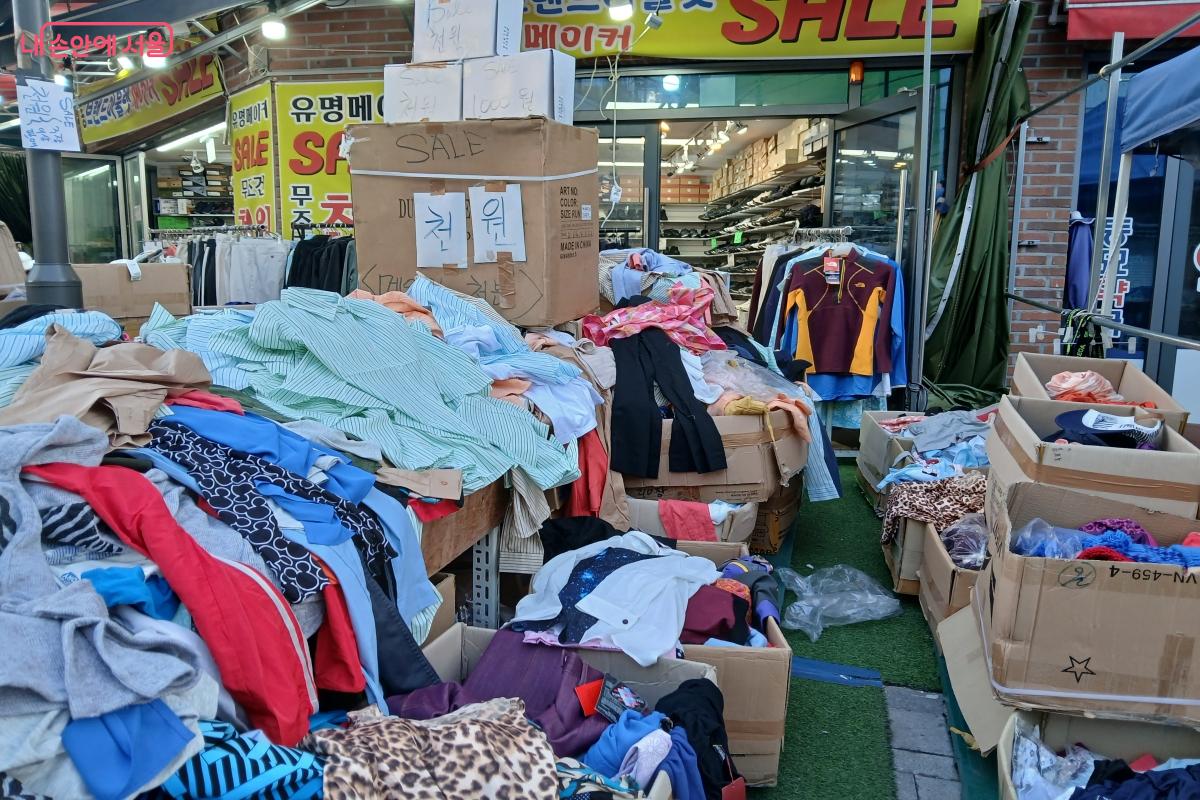
Vendors primarily purchase clothing collected in recycling bins at apartment complexes through annual contracts, paying KRW 250–300 per kilogram; most garments cost around KRW 1,000, while fur and leather items sell in the KRW 10,000 range and luxury brands can approach KRW 100,000. As word has spread, bargain hunters come from outside the region, and online shopping mall operators also make bulk purchases.
There is more room for bargaining over antiques and miscellaneous goods. 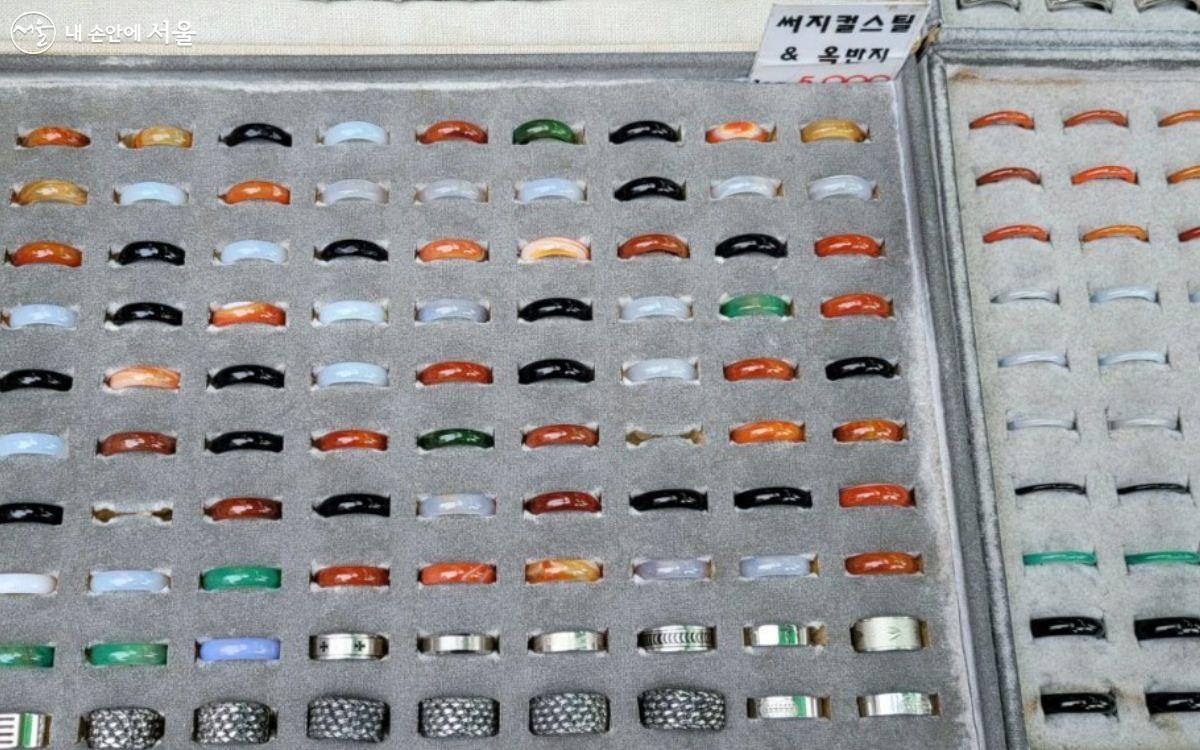
Plenty to see, but not enough to eat, according to the merchants' association president
The market's signature foods include old-fashioned toast and small cups of makgeolli for just KRW 1,000, fried meat and bibim noodles for KRW 3,000, and spicy pollock stew for KRW 5,000. 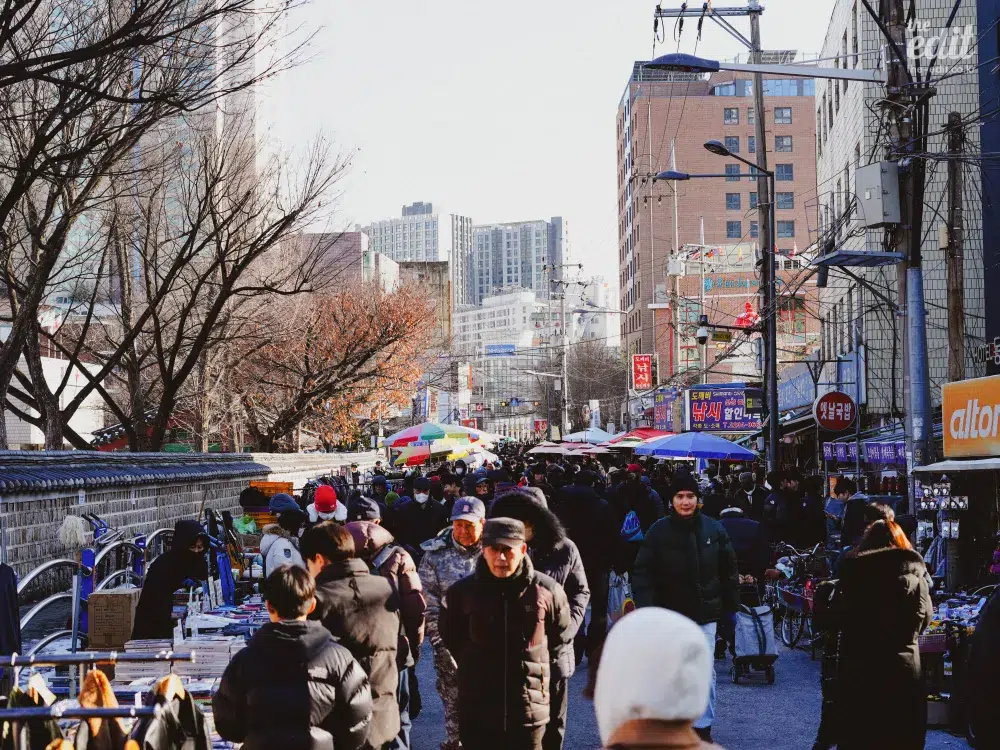
However, the merchants' group representing the market identifies this as a weakness. Go Jaebang, president of the merchants' association, says that revitalizing food offerings and expanding convenience facilities are essential for the market to become more beloved; compared with the attractions, there are relatively few food options, so more diverse restaurants are needed, along with facilities such as parking and public restrooms. First-time travelers would do well to check the locations of convenience stores and restrooms on a map in advance.
The 2024 Seoul audit: how long will the stalls remain here?
The street stalls at Dongmyo Flea Market are in a legally precarious position. Although it is a hip street-vendor district, the merchants look troubled because the Seoul Metropolitan Government has expressed the opinion that the competent local authority, Jongno-gu Office, needs to make improvements, and the legal issues surrounding stalls occupying roads are clear. The "Audit Results on the Management Status of Illegal Structures, Including Unauthorized Road Occupation," announced by the Seoul Metropolitan Government Audit Committee in May 2024, noted that Jongno-gu Office had not carried out enforcement or administrative measures regarding the occupation of sidewalks and roadways on both sides of the full 303 m stretch.
That does not mean removal happened immediately. A resident near Dongmyo Market expressed concern that the enjoyment of choosing cheap, trendy goods is what differentiates the area, and that while removing all the stalls might make the cityscape cleaner, it would erase the very reason people come here. Jongno-gu Office has also delayed a decision between the site's value as a tourist attraction and enforcement, so it is worth keeping in mind that the composition and scale of the stalls may vary depending on when you visit.
A half-day route from Cheonggyecheon Used Book Street to Seoul Folk Flea Market
Within a 15-minute walk of the flea market are Dongdaemun Stationery and Toy Market, Seoul Folk Flea Market, and Dongdaemun Comprehensive Market, while Heunginjimun, designated a treasure, and the Seoul City Wall Trail continuing from Heunginjimun Park are also among the attractions.
Seoul Folk Flea Market, also called Sinseol-dong Folk Flea Market, is often introduced alongside Dongmyo Flea Market as its natural companion. It also connects to the used book street when walking along Cheonggyecheon, so a frequently recommended route is to shop for secondhand items in Dongmyo in the morning and walk along Cheonggyecheon toward Dongdaemun Design Plaza (DDP) in the afternoon.
Who this market may not suit
Dongmyo Flea Market is not a fixed-price shopping mall. Clothing is sold in piles, with washing conditions and storage environments difficult to predict; the sight of clothes stacked like mountains on the ground for sale has itself become a symbol of this market. It may be a tiring experience for those sensitive to hygiene and return policies, or for those seeking efficient shopping in a short amount of time.
Moreover, the alleys become crowded from around noon with a mix of elderly visitors showing the marks of age, people in their 20s and 30s wearing cargo pants, and foreign visitors, so those who dislike crowds and narrow passageways, or who feel uncomfortable bargaining in Korean, may prefer a quieter early-afternoon time on weekdays. Conversely, it is one of Seoul's premier hunting grounds for people who enjoy the process of rummaging through goods at low prices and for those seeking retro or vintage items.
Before You Go
- Address
- 102-8 Sungin-dong, Jongno-gu, Seoul (road-name address: 243 Nangyero)
- Hours
- Officially open year-round. In practice, it opens partially on weekday afternoons and all day on weekends, with crowds gathering from around noon
- Closed
- Officially open year-round (according to Seoul Metropolitan Government guidance). However, due to variations in street-stall operations by source and period, checking recent reviews before visiting is recommended
- Admission
- Free (street market; no separate admission fee. Purchases are paid for individually)
- Phone
- 02-120 (Seoul Dasan Call Center)
- Official site
- https://korean.visitseoul.net/shopping/Dongmyo-Flea-Market-KR_/9648
- Transport
- The market entrance is about 61 m, or a 1-minute walk, from Exit 3 of Dongmyoap Station on Subway Lines 1 and 6; stalls continue for about 303 m toward Cheonggyecheon
- Parking
- Public paid parking is available near Dongmyo Park. Vehicle access is restricted due to the car-free street from noon to 6 p.m. on weekends and public holidays
- Time needed
- About 1–2 hours (based on the approximately 303 m street-stall section)
- Accessibility
- Because it is a street market, passage space for strollers and wheelchairs may narrow during crowded hours. Separate foreign-language signage has not been confirmed
The information above is current as of the time of writing. Please check official guidance again before visiting.

Places
Nearby Attractions 5
-
 1
Seoul Pungmul MarketAn indoor and outdoor market where you can browse traditional markets and antiques.
1
Seoul Pungmul MarketAn indoor and outdoor market where you can browse traditional markets and antiques. -
 2
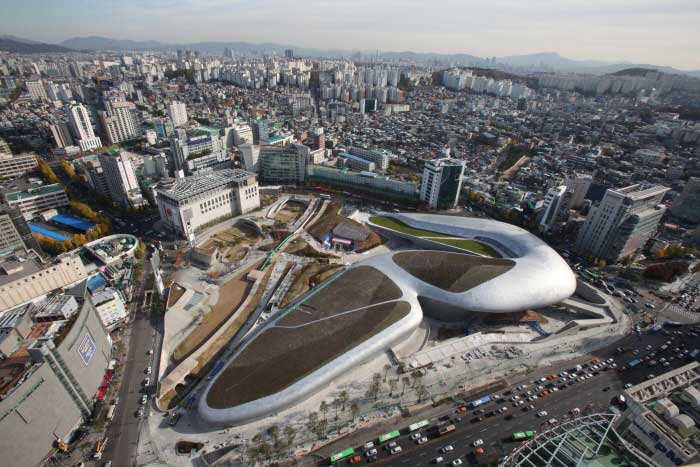
Dongdaemun Design PlazaEnjoy the night’s sculptural beauty while watching exhibitions and design events.
2
Dongdaemun Design PlazaEnjoy the night’s sculptural beauty while watching exhibitions and design events. -
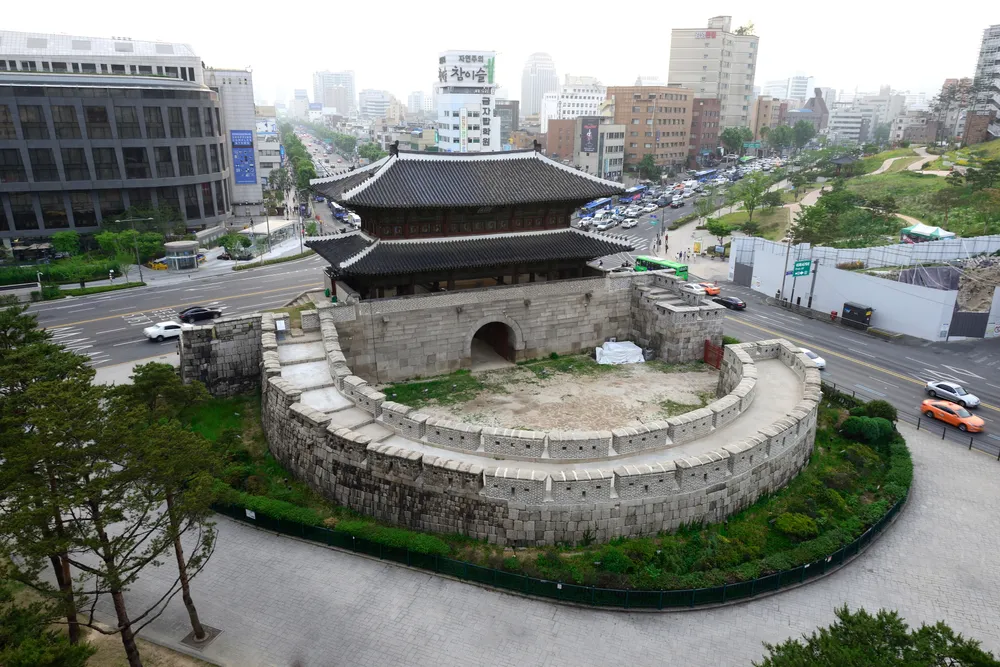 3
3
-
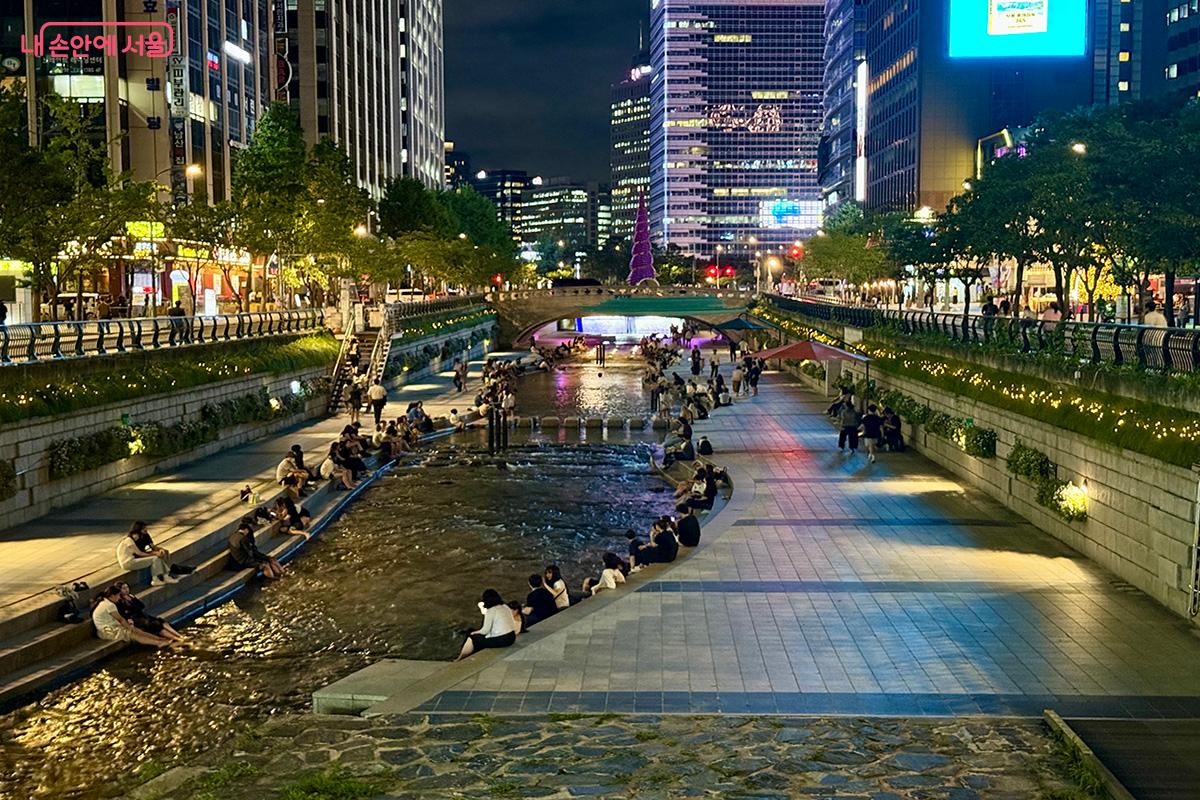 4
Cheonggyecheon StreamA restful space to walk along the stream-side promenade in the heart of the city.
4
Cheonggyecheon StreamA restful space to walk along the stream-side promenade in the heart of the city. -
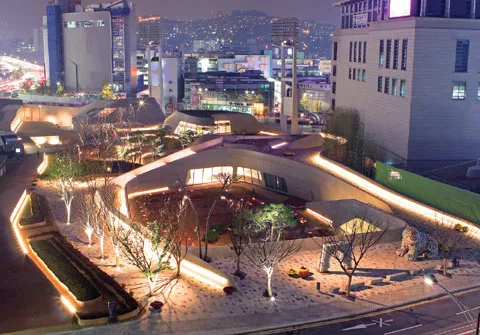 5
Dongdaemun History & Culture ParkA complex space where you can enjoy historical sites, a park, and exhibitions together.
5
Dongdaemun History & Culture ParkA complex space where you can enjoy historical sites, a park, and exhibitions together.
Events in This Area
Festivals in This Area
More Travel Guides in This Area
 Travel Guide
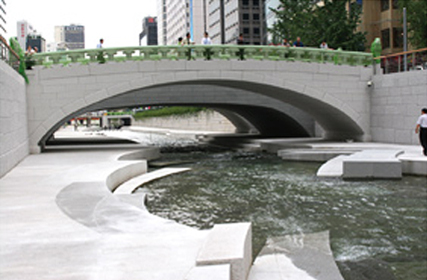
Eastward Walk Along Cheonggyecheon Starting at Hwanghakgyo — 1.27 km Waterway in Front of E-mart Cheonggyecheon Branch
 Travel Guide
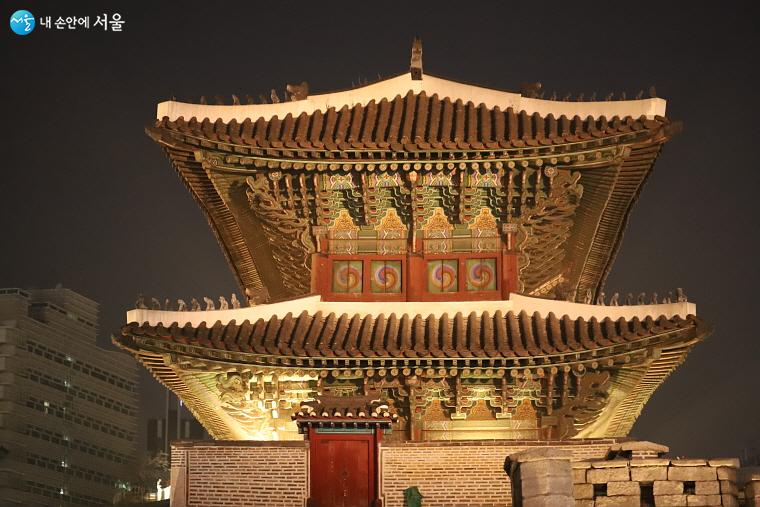
A Seoul Dongdaemun Route Where Day and Night Differ, from Heunginjimun to DDP
 Travel Guide
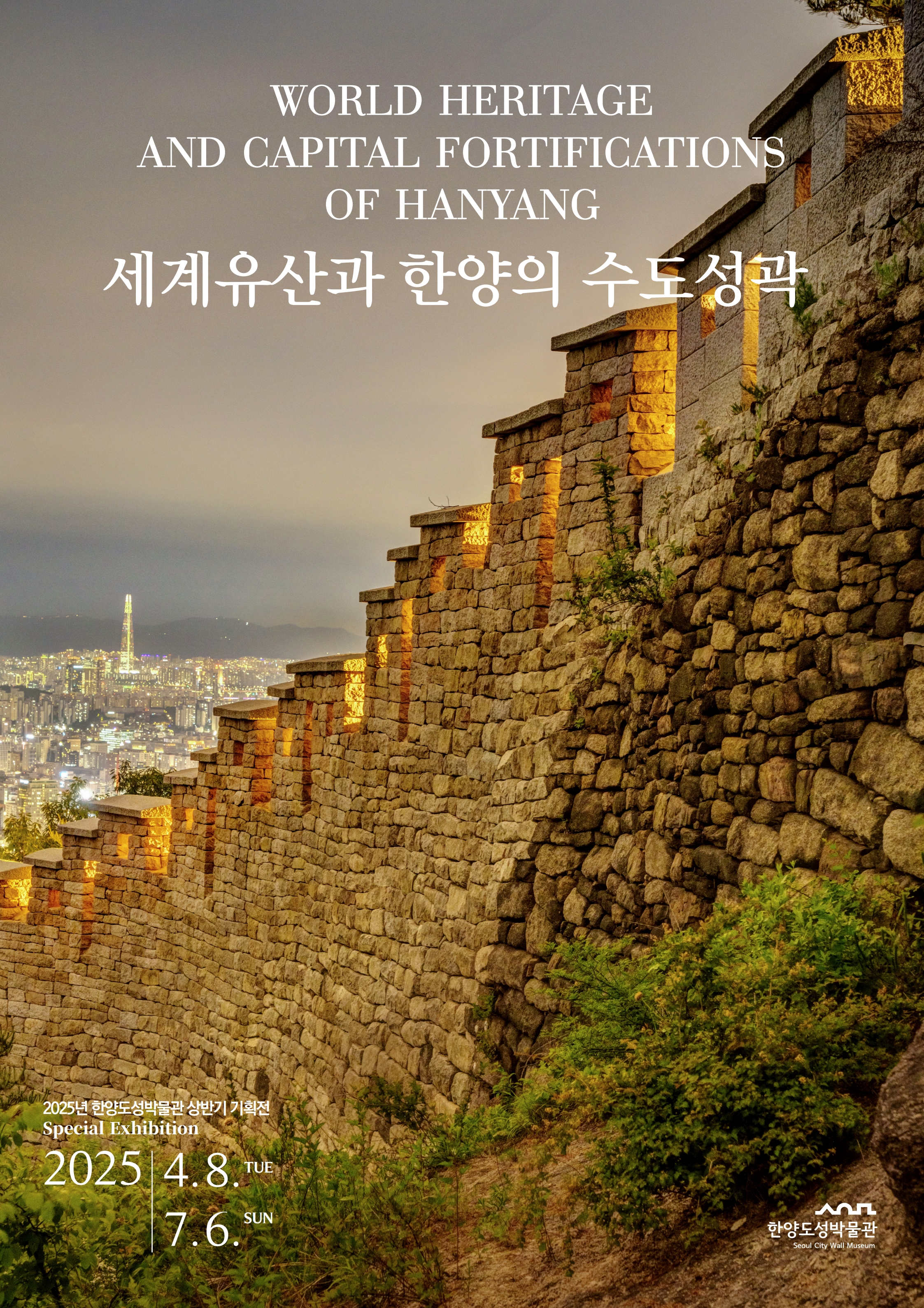
Reading the History of Hanyangdoseong from 1396 beside Heunginjimun Gate: Seoul City Wall Museum
 Travel Guide
From beneath 45,133 silver panels to Igansumun — Seoul DDP Dongdaemun Design Plaza
Korea News
 News
News
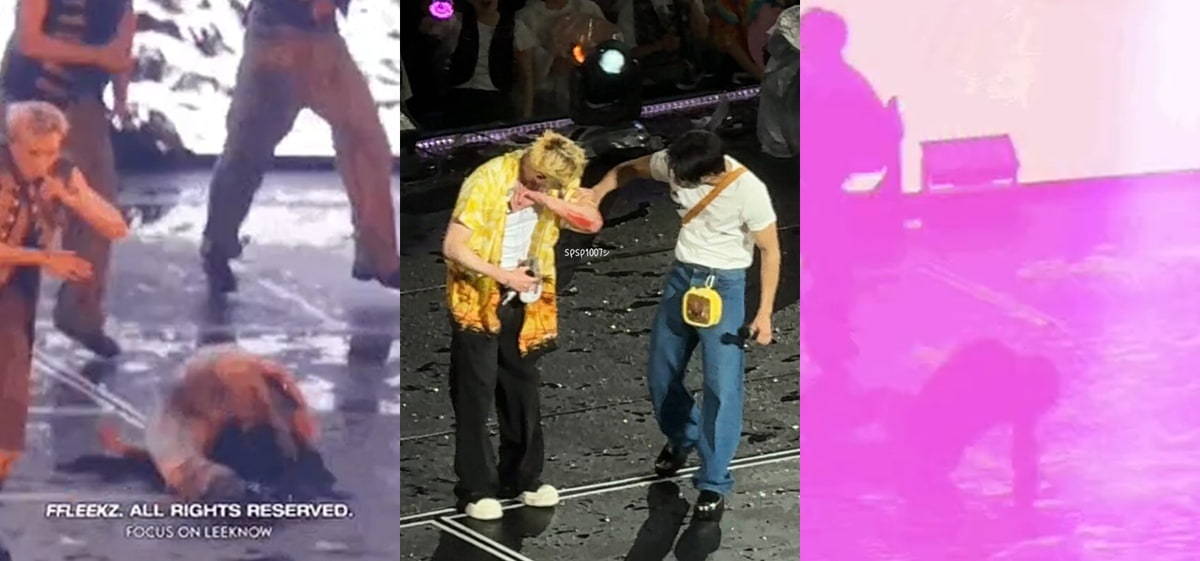
During Stray Kids’ stage, a “thud” left him bleeding… Lee Know was taken to the hospital
 News
News
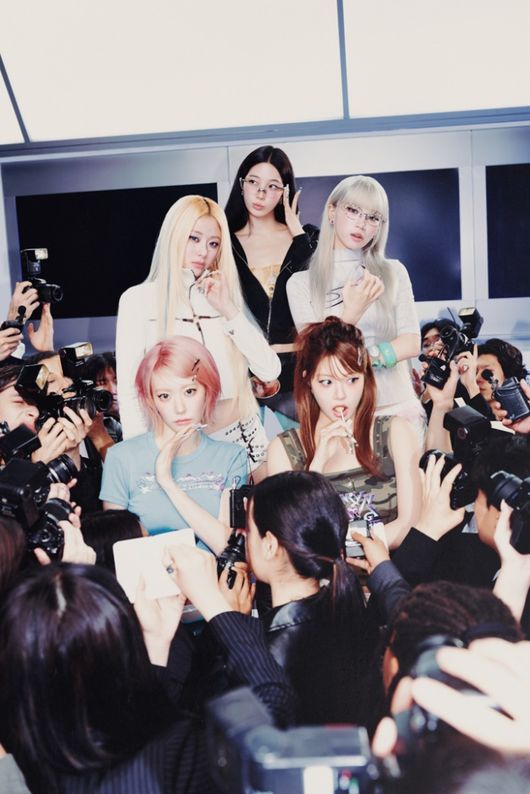
'Comeback' LE SSERAFIM holds a confident and relaxed press conference
 News
News
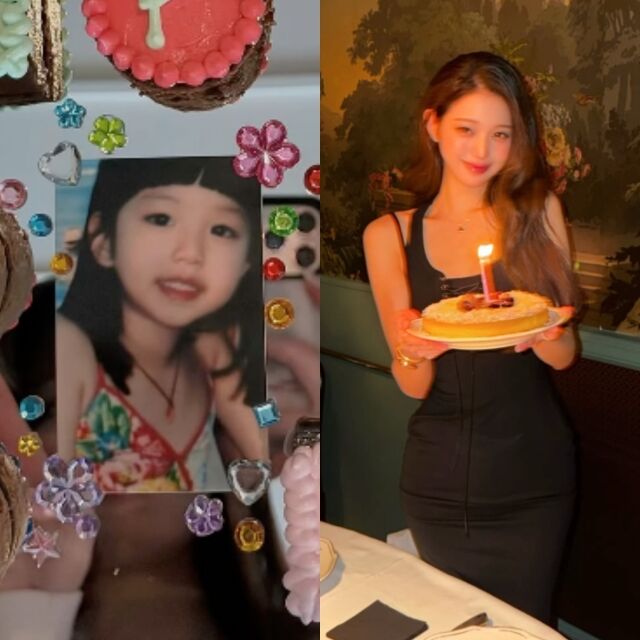
Jang Won-young: This girl has grown so much… Shares childhood photos to celebrate her birthday
 News
News