
From the 1308 Main Hall to Jeonghyesa’s 1,080 Steps: The Story of Time at Sudeoksa Temple, Yesan
Sudeoksa Temple, the headquarters of the Jogye Order’s 7th district, brings together Goryeo wooden architecture, Naepo Buddhist culture, modern and contemporary Seon Buddhism, and the artistic history of Lee Ung-no at the foot of Deoksungsan Mountain. Center your visit on the National Treasure Main Hall and the free Geunyeok Seongbo Museum, then, if your stamina allows, extend the route along the 2-kilometer mountain trail leading to Jeonghyesa Temple and Deoksungsan Mountain.
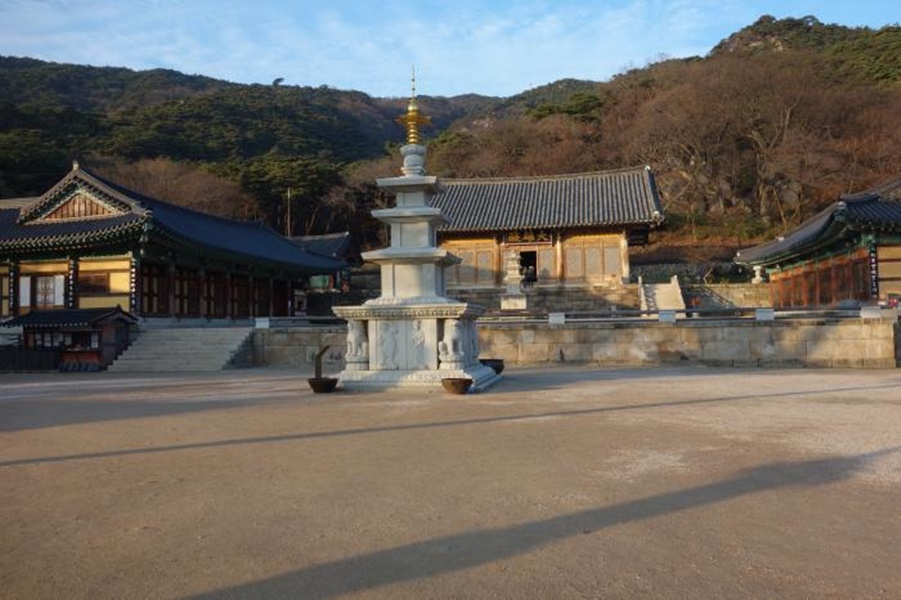
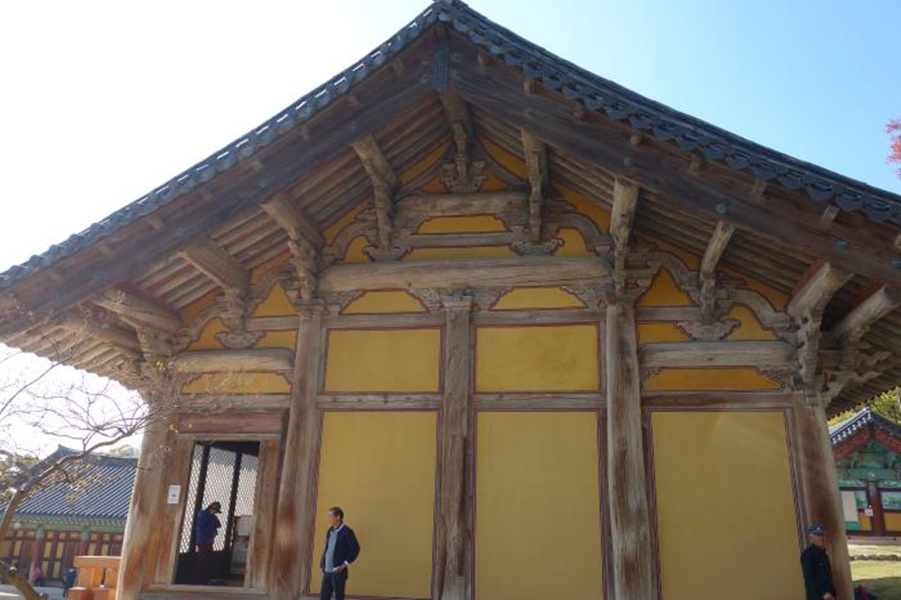
The Structure of National Treasure No. 49, Daeungjeon, with an Inscription Dating to 1308
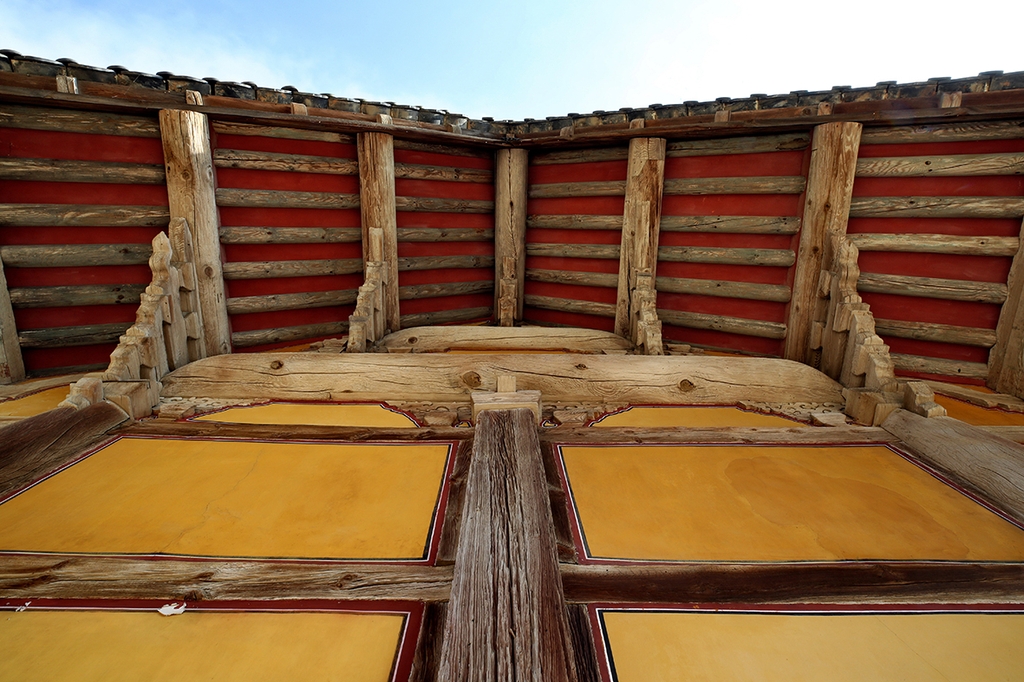
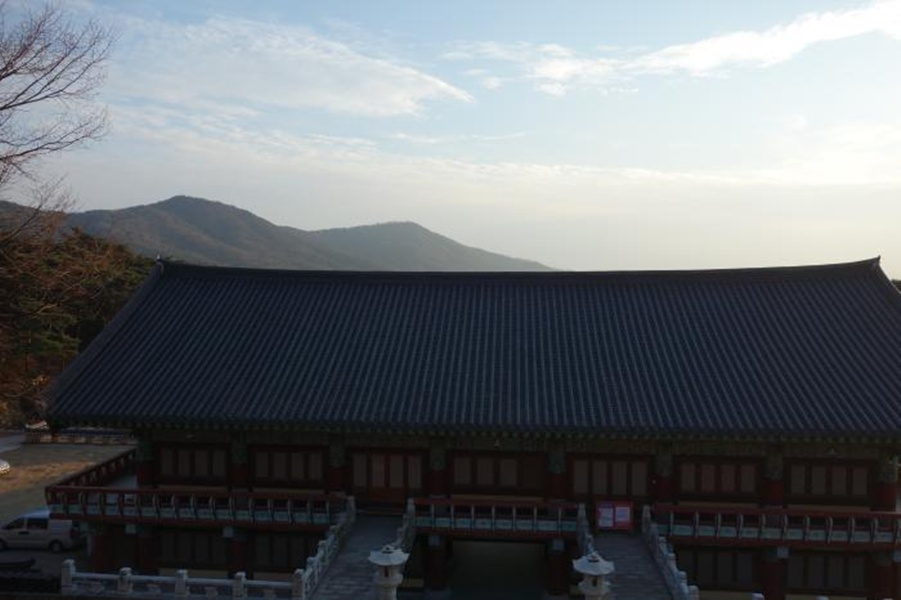
The heart of Sudeoksa Temple is Daeungjeon, National Treasure No. 49. An ink inscription discovered during dismantling and repairs in 1937 confirmed that it was built in 1308, the 34th year of the reign of King Chungnyeol of Goryeo. The National Heritage information describes the building as a hall enshrining the triad of Shakyamuni, Amitabha, and Bhaisajyaguru, with three bays across the front, four bays along the side, and a gable roof.
Daeungjeon is an excellent place to observe the jusimpo bracket style, in which brackets are placed only above the columns, as well as entasis columns that bulge in the middle. By examining the three-part folding doors on the front, the timber joints on the side, and the columns standing on square foundation stones in sequence, visitors can understand the proportions of Goryeo timber architecture. Visitors may enter the interior, but photography is prohibited, so it is best to put cameras away outside the hall.
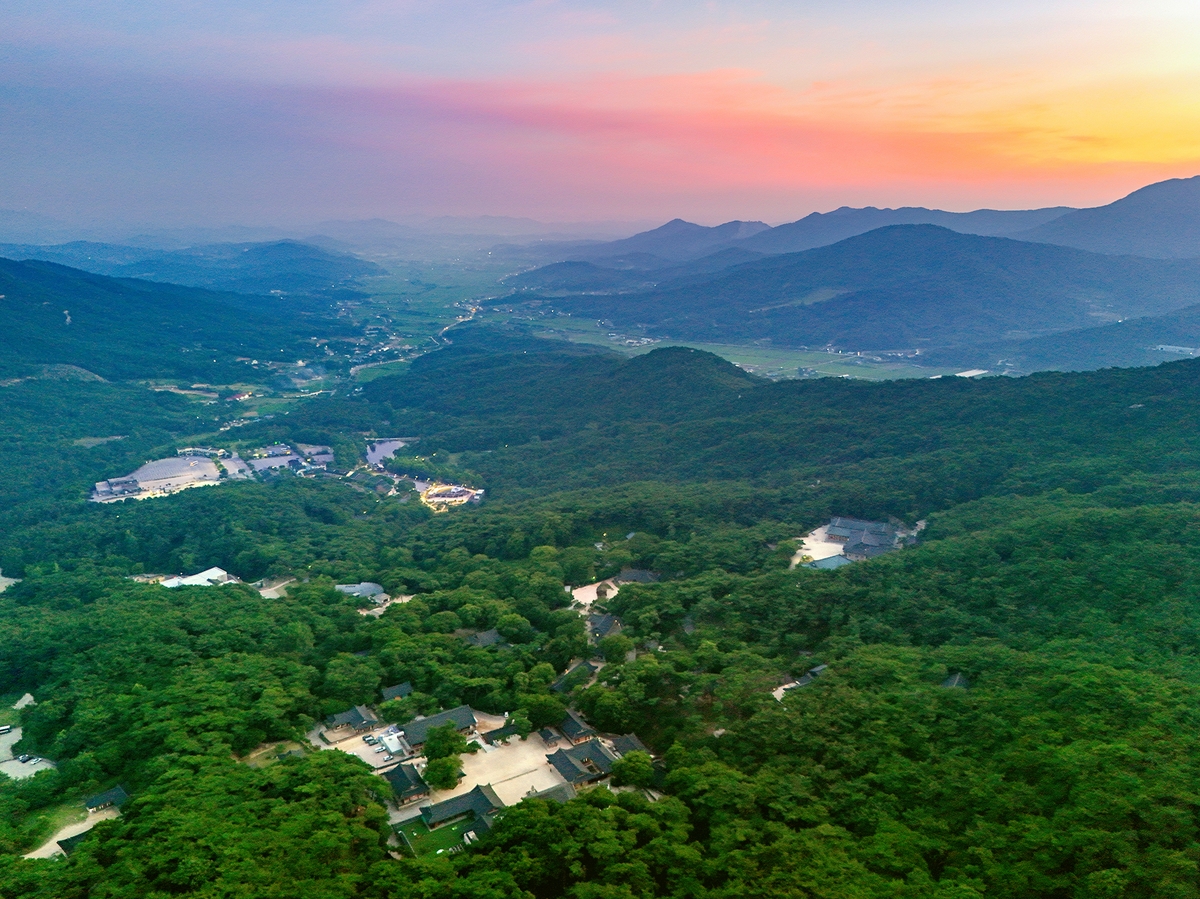
The Presumed Baekje Founding and the Buddhist Sphere of Deoksungsan Shaped by Naepo's Waterways
No precise founding record for Sudeoksa Temple survives. The National Heritage Portal states that scholars generally presume it may have been founded between 554 and 597, during the reign of King Wideok of Baekje. Accordingly, a date based on tradition, such as “founded in 384,” is more accurately understood in the context of its long history as a temple connected with the Baekje sphere rather than as a confirmed fact.
The area around Yesan, Hongseong, Dangjin, and Seosan, where Sudeoksa Temple is located, belongs to the Naepo cultural region. Naepo refers to terrain where the sea or a lake extends inland, and in the past it was a place where inland areas and the sea were connected by waterways, encouraging active exchanges of goods and culture. Deoksungsan Mountain lies at the end of the Charyeong Mountains and is 495 meters above sea level, while Gayasan Mountain, at 678 meters, serves as a landmark shaping the mountain landscape around Sudeoksa Temple.
- Daeungjeon construction: 1308
- Daeungjeon dimensions: 3 bays across the front, 4 bays along the side
- Deoksungsan Mountain elevation: 495 m above sea level
- Gayasan Mountain elevation: 678 m above sea level
A 15-Minute Route Planned Around the Geunyeok Seongbo Hall's Tuesday–Sunday Hours of 10:00–16:00
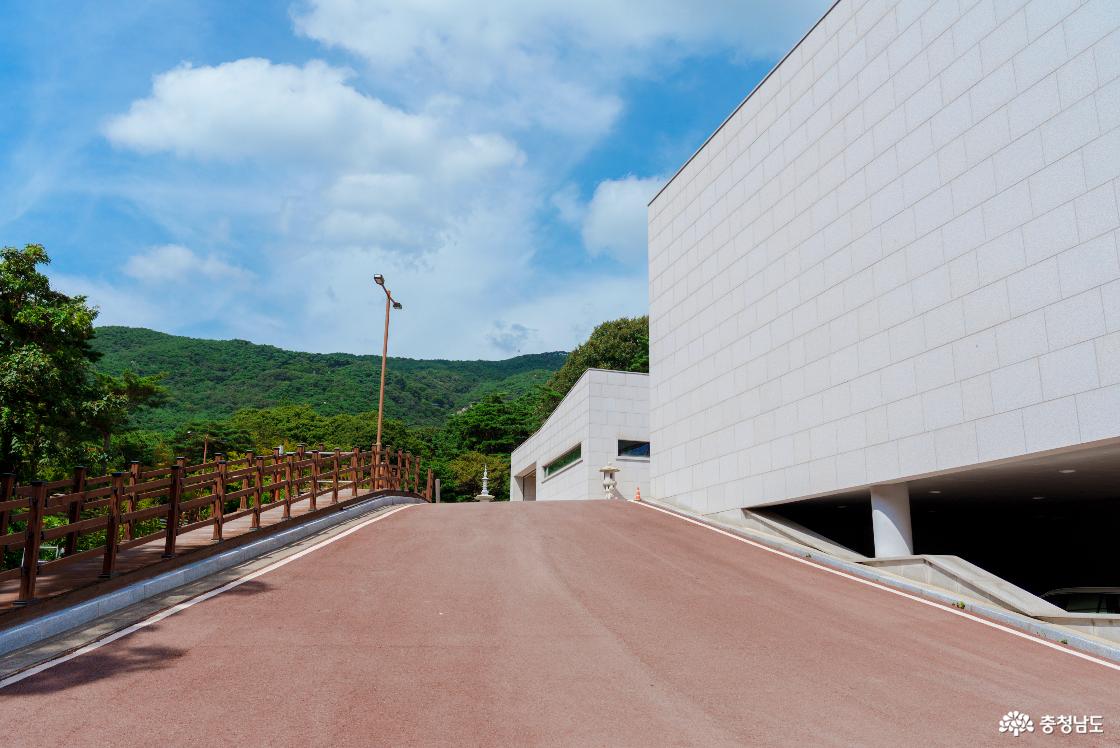
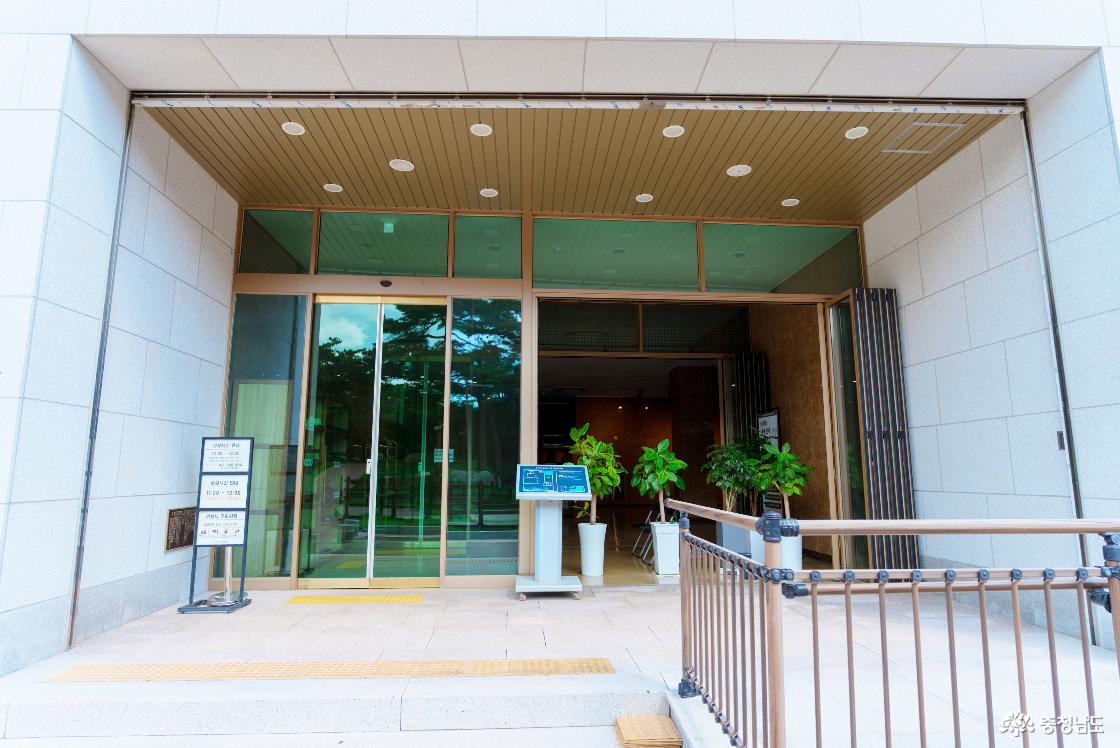
If you want to examine the cultural heritage at Sudeoksa Temple more closely, it is best to include the Geunyeok Seongbo Hall early in your itinerary. According to Chungcheongnam-do guidance, its address is 78 Sudeoksaan-gil, Deoksan-myeon, Yesan-gun, Chungcheongnam-do. It is open from 10:00 to 16:00 Tuesday through Sunday, but viewing is unavailable from 11:20 to 12:30. Admission closes 30 minutes before closing, it is regularly closed every Monday, and admission is free.
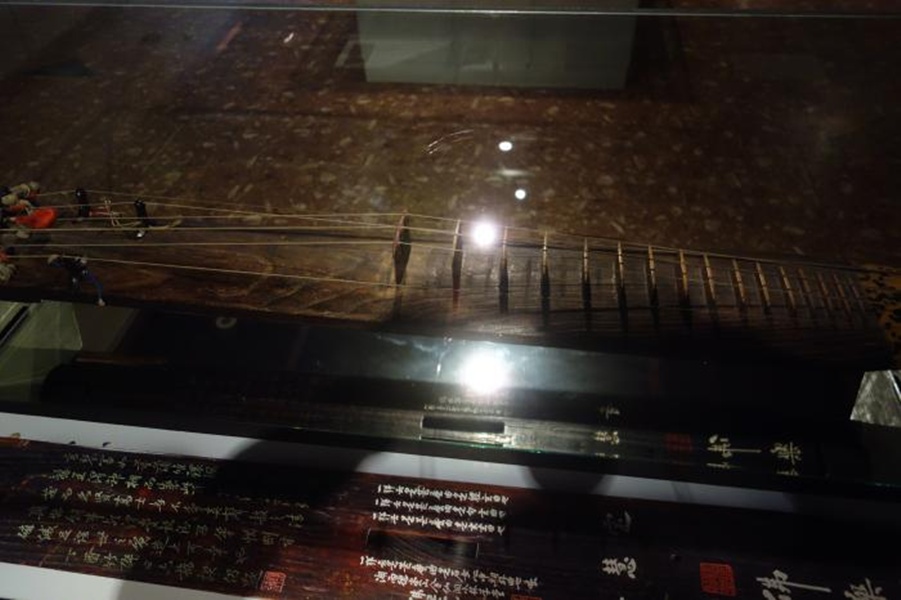
The Seongbo Hall displays Buddhist cultural heritage from Sudeoksa Temple and its affiliated temples, and visitors can see artifacts associated with Mangong and the personal effects of Reverend Ilyeop. The Chungnam Culture Portal lists the main telephone number as 041-330-7777 and separate operating hours of 09:30–17:00, so it is safest to reconfirm closures and the lunch break by phone on the day of your visit. A September 2025 guide from Chungcheongnam-do introduced the walk from the Seongbo Hall to Daeungjeon as taking approximately 15 minutes.
Modern History at the Entrance to Sudeoksa: Mangong, Kim Ilyeop, and Lee Ungno
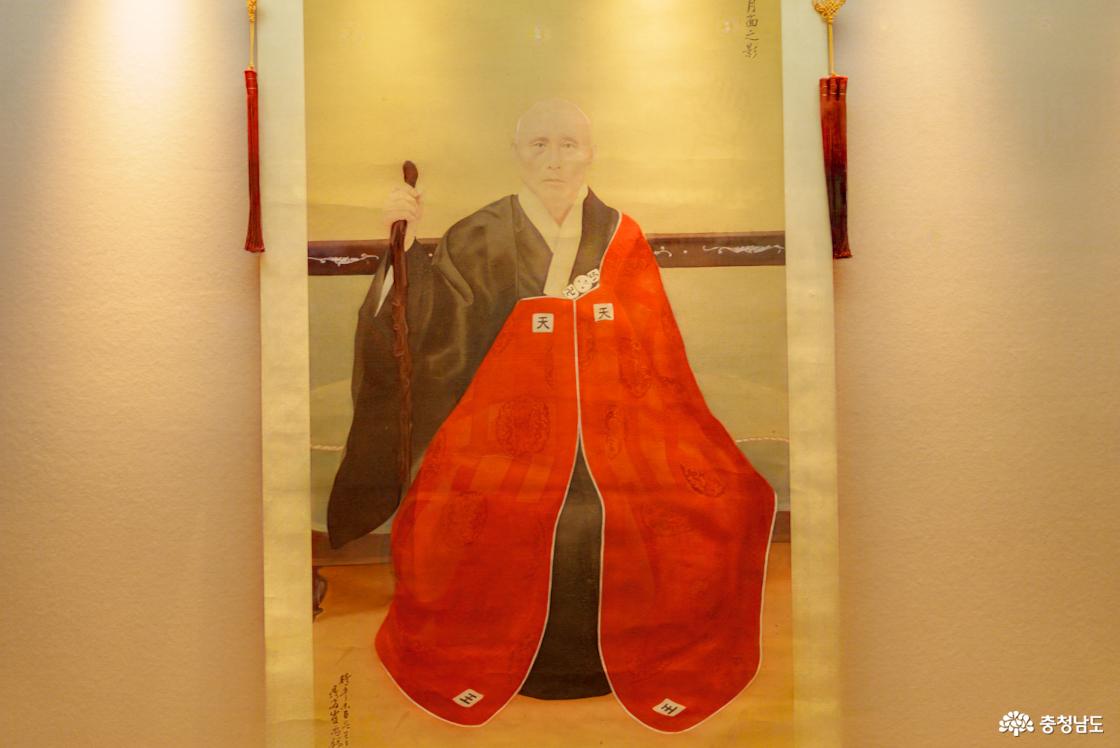
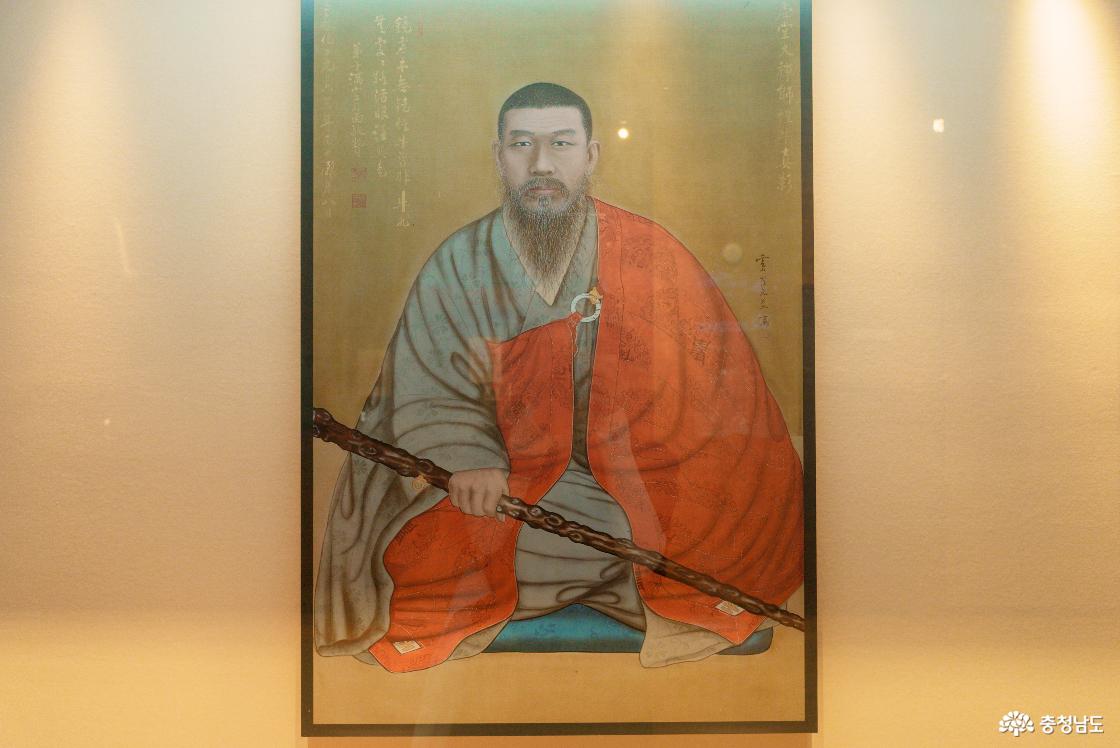
Sudeoksa Temple is not a place where visitors see only an old Buddhist hall. Mangong Wolmyeon (1871–1946), a disciple of Gyeongheo (1849–1912), was a figure who led the revival of modern Seon Buddhism. Sudeoksa is known as Deoksung Chongnim, a monastic complex equipped with a Seon meditation center, a lecture hall, a Vinaya center, and a Buddha-name chanting center. Chongnim refers to a temple complex that combines these four educational and practice functions, and Sudeoksa was elevated to the status of Deoksung Chongnim in 1984.
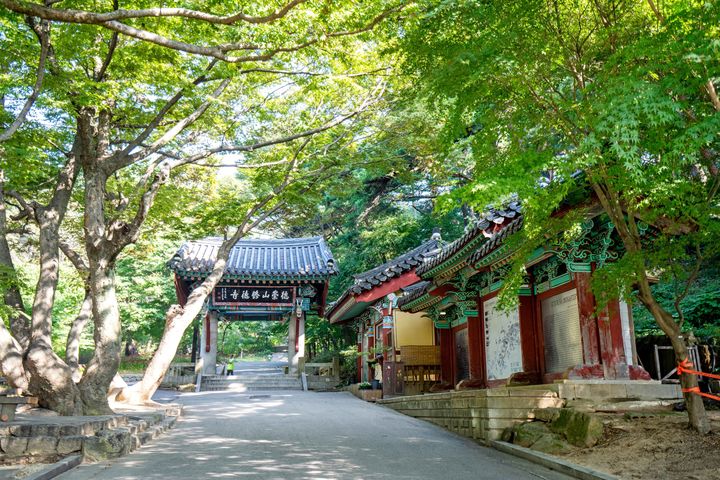
Mangong opened the path of meditation to Buddhist nuns, and Gyeonseongam, known as the first meditation hall for nuns, was established as a result. Kim Ilyeop (1896–1971), a writer, women's rights activist, and Buddhist thinker, also practiced here. Sudeok Yeogwan near the Iljumun Gate was purchased by the painter Lee Ungno (1904–1989) in 1944 and served as his workplace until he left for France in 1959. It is worth visiting together with the nearby Sun Museum of Art.
The Choice of 1,080 Steps and About 2 km to Jeonghyesa, or One Hour Each Way to the Summit
If you plan to walk farther along the mountain trail after visiting Daeungjeon, you should set aside a separate route toward Jeonghyesa. The route from Sudeoksa's main temple through Jeonghyesa to the summit of Deoksungsan is described as approximately 2 km and about one hour each way, while the valley path toward Jeonghyesa contains 1,080 stone steps. The difficulty is different from a mostly level temple visit, so sneakers or hiking shoes with good traction are recommended.
Along the path are Sorim Chodang, where Mangong practiced, a standing statue of Avalokiteshvara, and Mangongtap. Near the summit is Jeonwolsa, where Mangong practiced in his later years and passed away. If the 1,080 steps and uphill climb feel demanding, a realistic itinerary is to explore only the parking lot, Iljumun Gate, Geunyeok Seongbo Hall, and Daeungjeon for 1.5 to 2 hours. If you include the stair hike, it is better to allow at least three hours, including rest and the return journey.
Choosing Transportation to Sudeoksa from Yesan Station or Yesan Bus Terminal
By car, the drive from Deoksan Interchange on the West Coast Expressway to the Sudeoksa parking lot is said to take about five minutes. There are parking lots in the Sudeoksa area, and because many vehicles may use both the temple entrance and the restaurant district, it is better to arrive early on weekends and lantern festival days. The latest official information on parking fees and the operation of accessible parking spaces could not be confirmed, so follow on-site signs and guidance from the management office.
For public transportation, use Yesan Station or Yesan Bus Terminal as your base. Chungcheongnam-do Provincial Park guidance lists 16 daily services from Yongsan Station to Yesan Station, taking about two hours, and 11 daily services from Yongsan Station to Sinryewon Station, taking about one hour and 50 minutes. There are four daily buses from Seoul Nambu Bus Terminal to Yesan Bus Terminal, taking about two hours and 10 minutes; 12 daily buses from Daejeon Dongbu Bus Terminal, taking about one hour and 50 minutes; and 25 daily buses from Daejeon Seobu Bus Terminal, taking about two hours. Rural buses from Yesan Station toward Sudeoksa may have changing timetables, so it is safest to contact Yesan Transportation at 041-332-7494 before departure.
- Address: 79 Sudeoksaan-gil, Deoksan-myeon, Yesan-gun, Chungcheongnam-do
- Official website: https://www.sudeoksa.com
- Seongbo Hall main telephone: 041-330-7777
- Yesan Transportation inquiries: 041-332-7494
Preparing to Respect the Photography-Free Hall and Free Museum
Because Sudeoksa is a practicing temple, visitors should not take photographs inside Daeungjeon, should keep noise down during services and communal meals, and should avoid obstructing passage. In particular, the areas around Jeonghyesa and Gyeonseongam are practice spaces, so visitors should prioritize signs and access restrictions rather than moving through them like a tourist route while speaking loudly. It is appropriate to photograph the timber structure and courtyard outside Daeungjeon, along with scenery in permitted areas.
Foreign visitors may find it helpful to learn temple etiquette in advance. Remove hats and sunglasses inside the hall, move quietly while avoiding the central passage, and do not take photographs where photography is prohibited. The latest official information on wheelchair and stroller accessibility, English-language materials, and step-free access throughout the entire site could not be confirmed, so it is difficult to make definitive statements. Given the many stairs on the Daeungjeon–Jeonghyesa route, travelers requiring mobility assistance should plan around the Seongbo Hall and entrance area and call ahead for advice.
Before You Go
- Address
- 79 Sudeoksaan-gil, Deoksan-myeon, Yesan-gun, Chungcheongnam-do
- Hours
- The latest official hours for general access to the Sudeoksa grounds could not be confirmed. Geunyeok Seongbo Hall: Tuesday–Sunday, 10:00–16:00 (no viewing from 11:20–12:30; last admission 15:30)
- Closed
- The latest official closing days for the Sudeoksa grounds could not be confirmed. Geunyeok Seongbo Hall: every Monday
- Admission
- The latest official admission fee for the Sudeoksa grounds could not be confirmed. Geunyeok Seongbo Hall: free
- Phone
- The latest official main number for Sudeoksa could not be confirmed. Geunyeok Seongbo Hall: 041-330-7777
- Official site
- https://www.sudeoksa.com
- Transport
- Yongsan Station–Yesan Station: about 2 hours, listed as 16 services daily. Before taking a rural bus toward Sudeoksa from Yesan Station or Yesan Bus Terminal, calling Yesan Transportation at 041-332-7494 is recommended
- Parking
- Parking lots are available in the Sudeoksa area. The fee could not be confirmed through the latest official information
- Time needed
- 1.5–2 hours for Daeungjeon and Geunyeok Seongbo Hall; at least 3 hours including Jeonghyesa and the summit of Deoksungsan
- Accessibility
- There are many stairs toward Daeungjeon and Jeonghyesa. Calling ahead is recommended to inquire about step-free routes for wheelchairs and strollers and foreign-language guidance
The information above is current as of the time of writing. Check the official guidance again before visiting.

Places
Nearby Attractions 3
-
 1
1
-
 2
2
-
 3
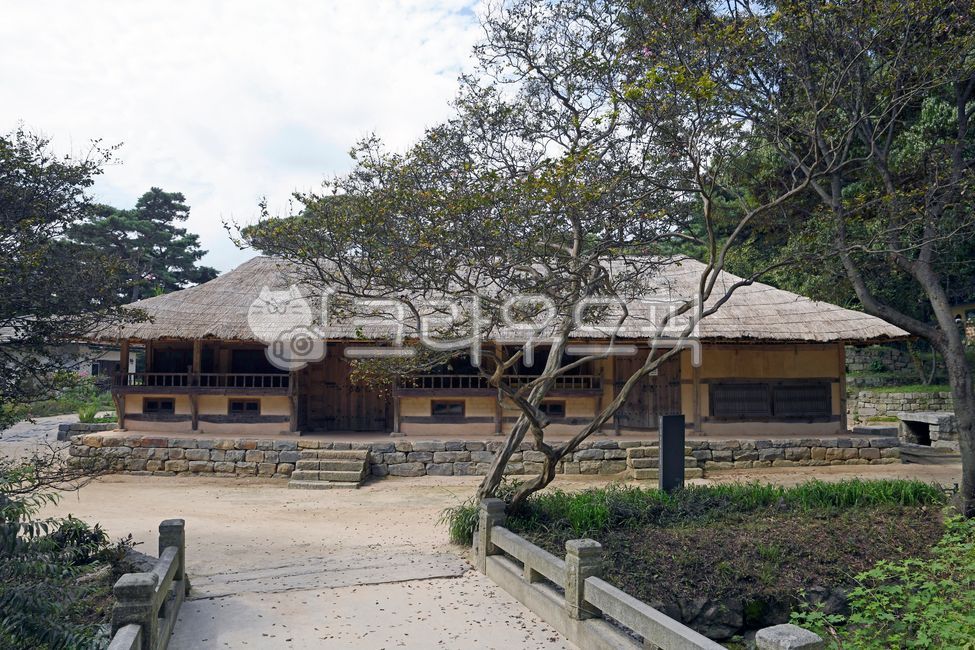
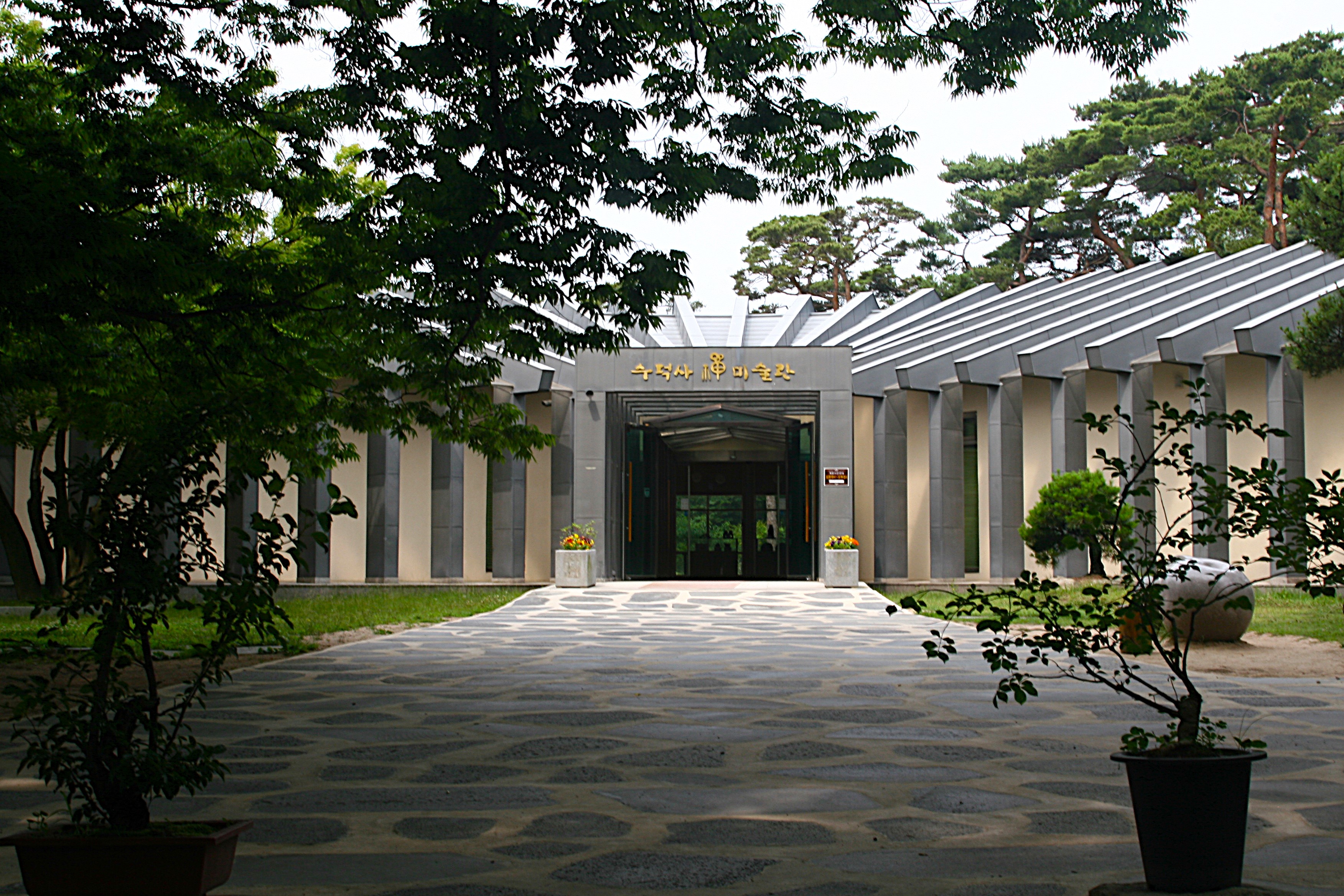
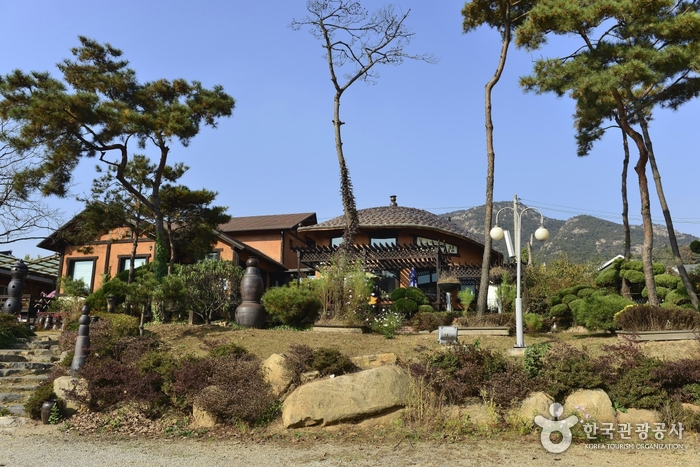
Korean Traditional Architecture MuseumView models of traditional wooden architecture and architectural materials.
3
Korean Traditional Architecture MuseumView models of traditional wooden architecture and architectural materials.
Food & Dining 3
-
 4
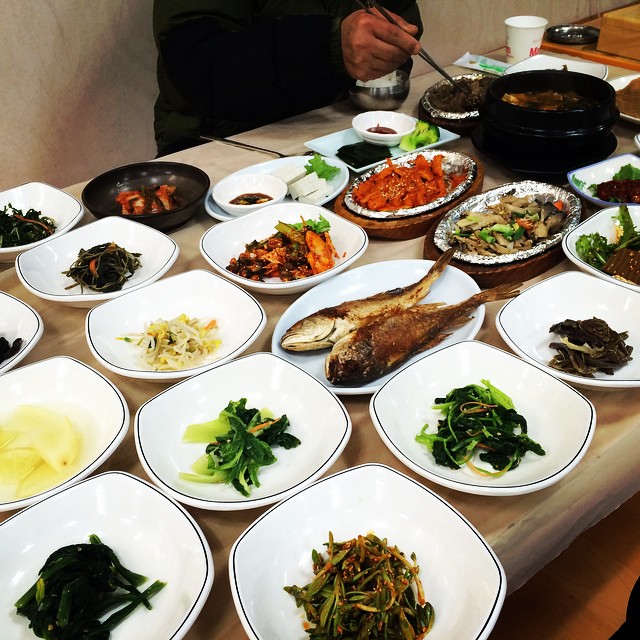
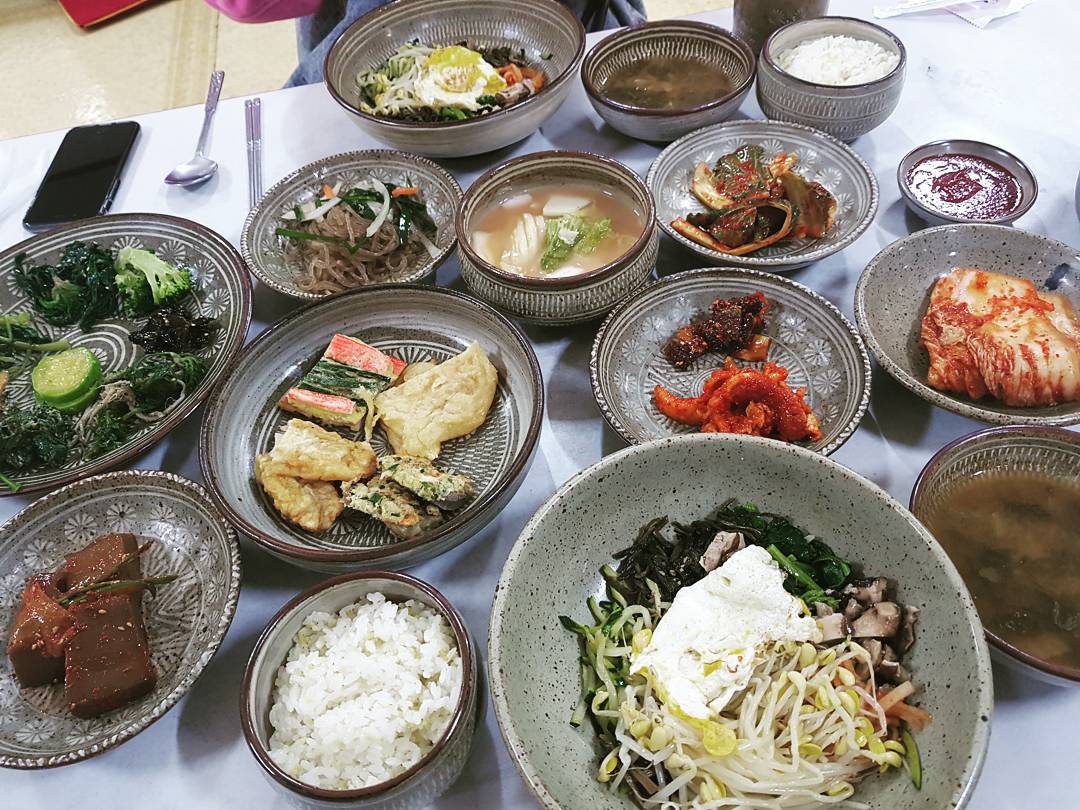
Sudeokgol MirakEnjoy a traditional Korean set meal featuring seasonal wild greens and deodeok root.
4
Sudeokgol MirakEnjoy a traditional Korean set meal featuring seasonal wild greens and deodeok root. -
 5
Sanchon RestaurantEnjoy a set meal featuring wild greens and deodeok, along with wild greens bibimbap.
5
Sanchon RestaurantEnjoy a set meal featuring wild greens and deodeok, along with wild greens bibimbap. -
 6
Seoul SikdangEnjoy a traditional Korean meal featuring wild mountain greens and rice cooked in a pot.
6
Seoul SikdangEnjoy a traditional Korean meal featuring wild mountain greens and rice cooked in a pot.
Events in This Area
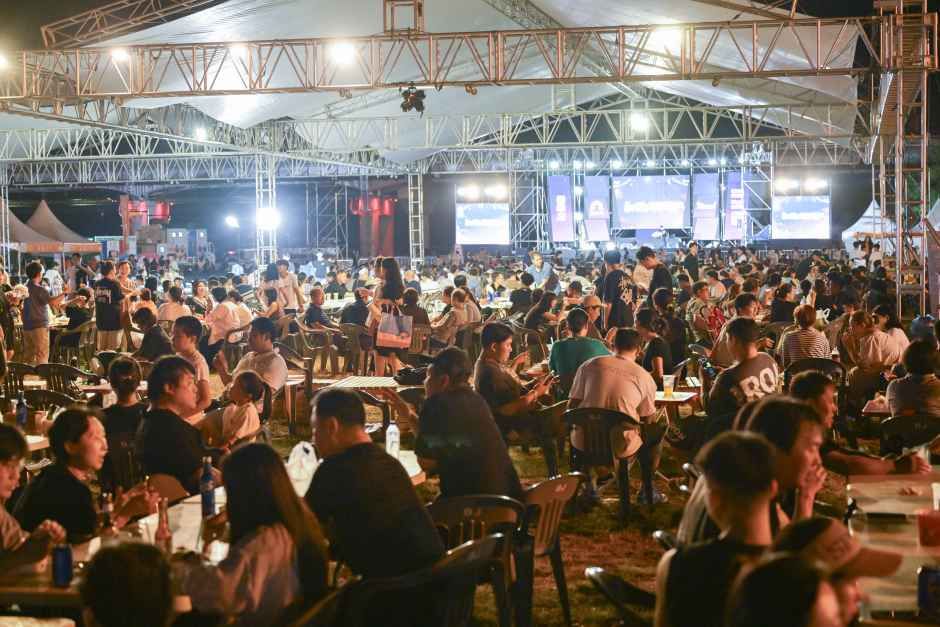

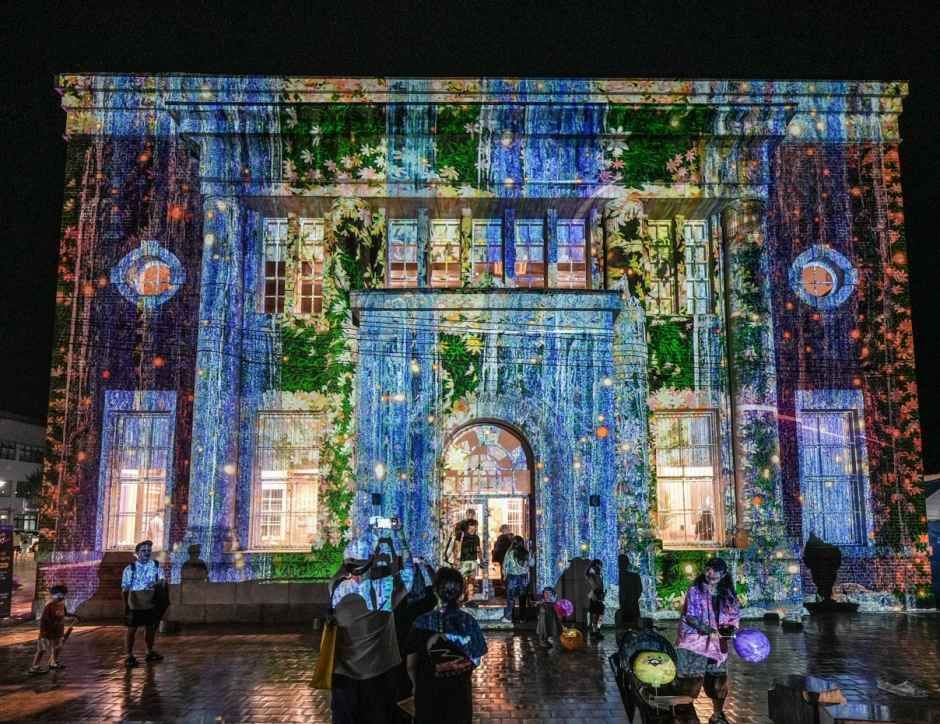
Festivals in This Area

More Travel Guides in This Area
 Travel Guide
Dangjin’s Waemok Village, Where the Sun Rises at the Edge of the West Sea
 Travel Guide
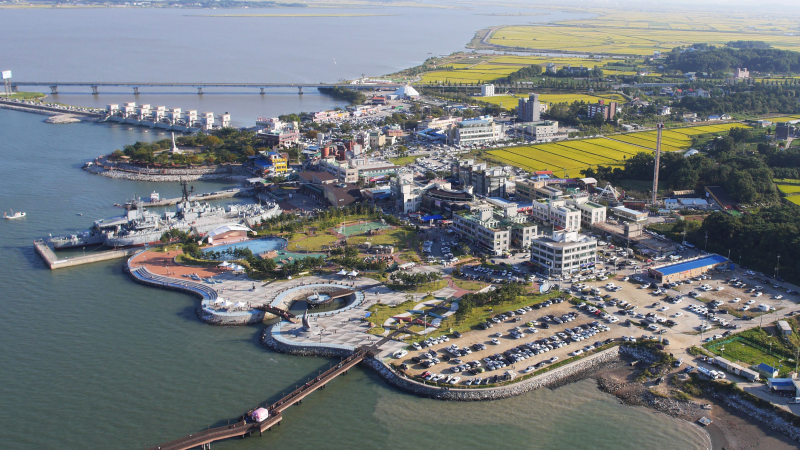
Dangjin’s Sapgyoho Tourist Area, Linking Warships and a Ferris Wheel at Sapgyocheon Embankment with a West Sea Deck
 Travel Guide
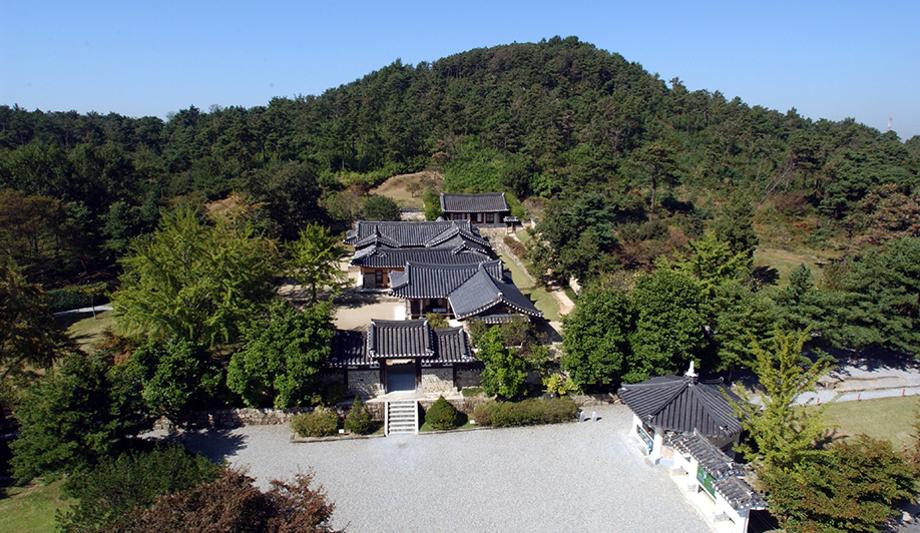
Yesan Chusa House: Tracing the Roots of Chusa Calligraphy in a 53-Room Residence
 Travel Guide
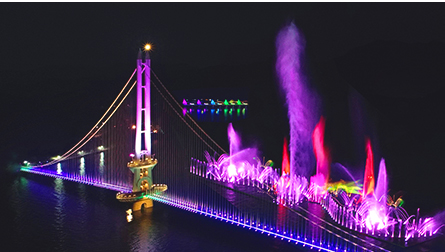
Crossing 402 m of water to meet the 110 m fountain at Yedangho Suspension Bridge
Korea News
![ZEROBASEONE ‘ZEROBASEONE Shining Even at Night!’ [★Video]](https://kotourlive-images.s3.ap-northeast-1.amazonaws.com/news/1786629298196_13d8a4bb_news_075face7-fb4e-402c-b833-25ccaf88cf8f.jpg) News
News
ZEROBASEONE ‘ZEROBASEONE Shining Even at Night!’ [★Video]
 News
News
Kwon Eun-bi, First Comeback Since Moving from Woollim to RBW: “Aiming for a September Release”
 News
News
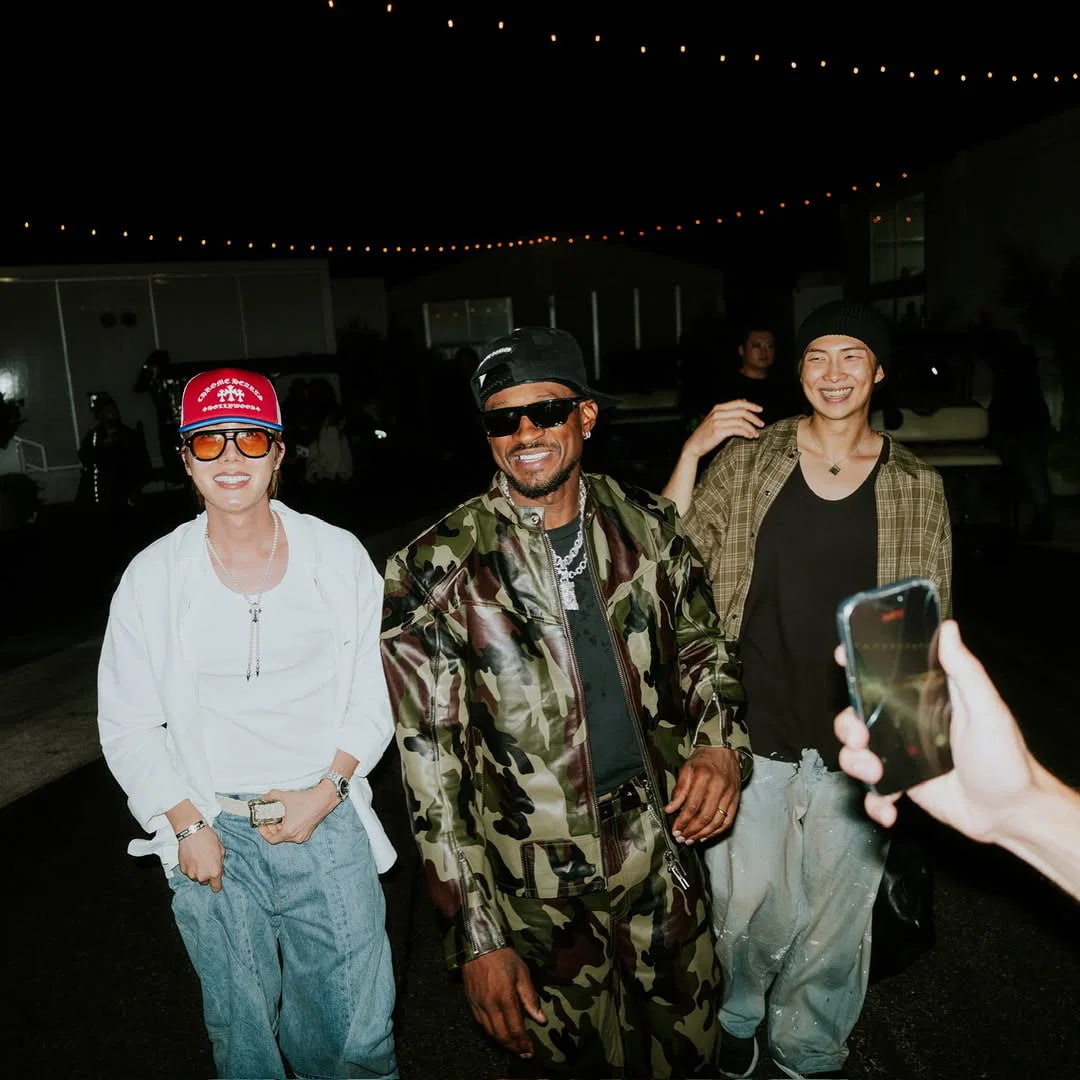
“Did Jungkook’s connection continue?” Pop star Usher spotted warmly hugging BTS’s RM and J-Hope
 News
News