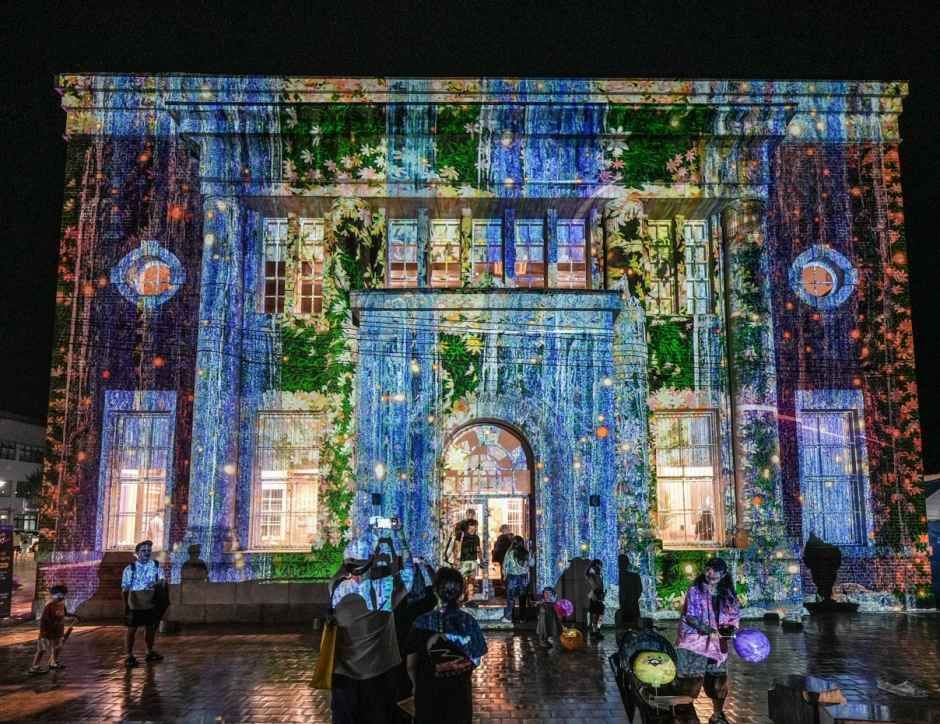
At 6 p.m., the moment when Gongju's old downtown transforms into 1926
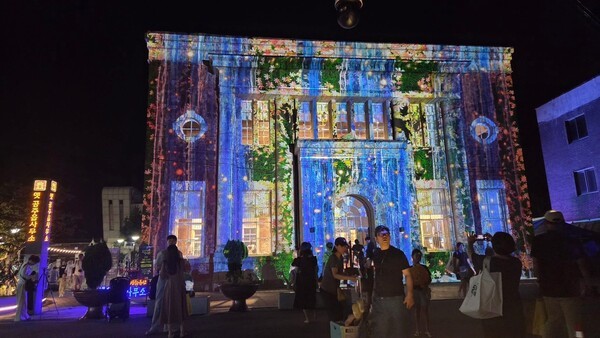
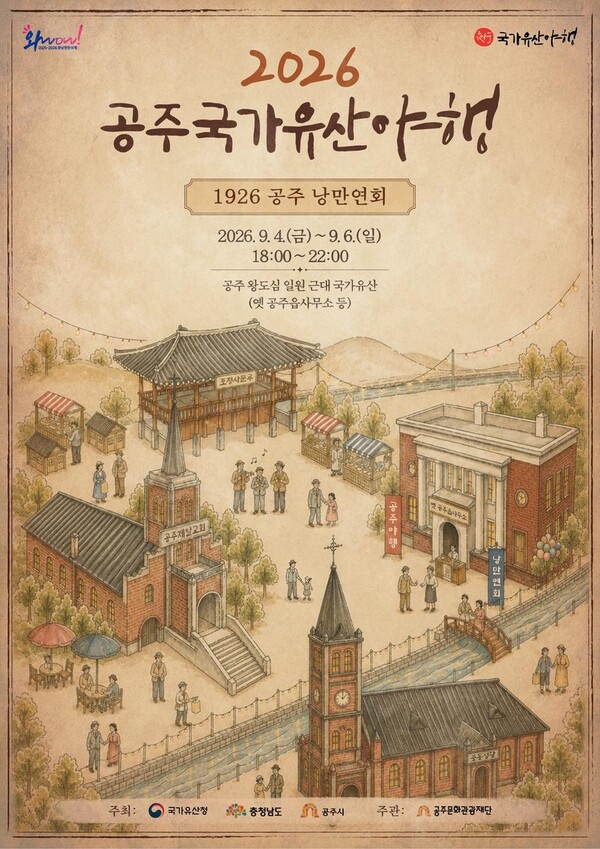
If you visit Gongju during the day, it is a city of the Baekje Kingdom. Yes, that Gongju, with the Tomb of King Muryeong and Gongsanseong Fortress. But after the sun goes down, the alleys of the old downtown show a completely different face, and that is the National Heritage Night Walk. I stood in front of the old Gongju-eup Office at first feeling a bit puzzled. Images flow across the exterior walls of the red-brick building, and actors dressed as modern girls and modern boys pass through the alleys. The backdrop is 1926. The old map called the 'Gongju City Map,' published that year, marks its 100th anniversary this year, and the Night Walk itself, now in its 10th year, takes on the theme of '1926 Gongju Romantic Banquet.' In other words, it is a full recreation of modern Gongju's nights from 100 years ago.
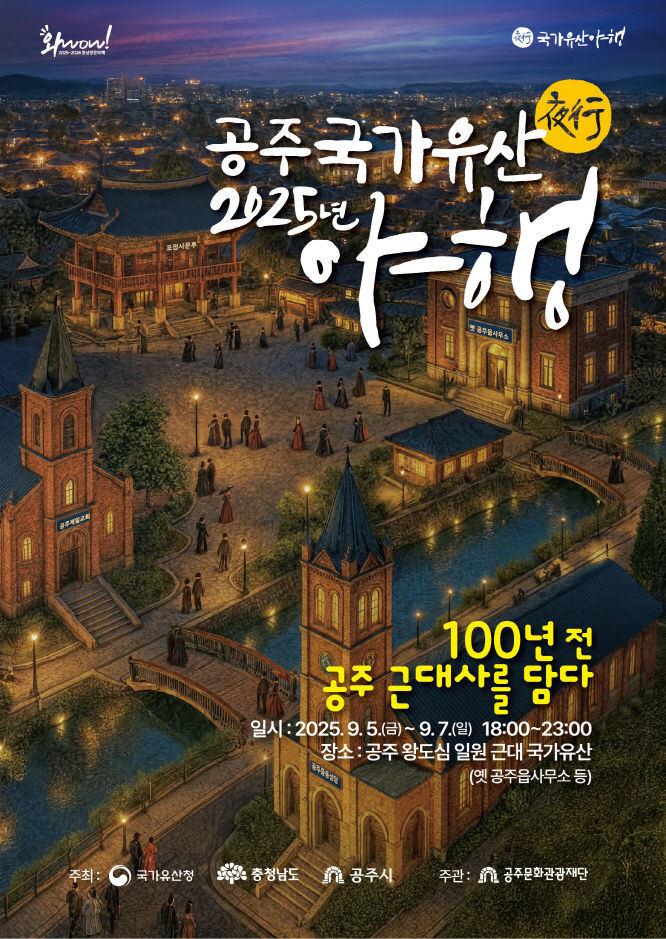
The event venue is the old downtown area of Gongju's royal city center, where modern national heritage sites such as the former Gongju-eup Office, Gongju First Church, Gongju Jungdong Cathedral, and Pojeongsa Gate Pavilion are densely gathered. Because programs divided into eight night-themed categories take place simultaneously in various alleys from 6 p.m. to 11 p.m., the fun comes more from walking around and collecting experiences than from staying in one place for too long. Another advantage is that the sites are close enough together to tour on foot without much difficulty.
Before you go: advance reservations and date check
The one thing I most want to emphasize after my visit is advance reservations. The headline programs of the Night Walk, such as the Romantic Banquet at the former Gongju-eup Office, the Modern Life Photo Studio at Gongju Jungdong Cathedral, and the Tea Society at Gongju Hasseok Village, are operated by advance reservation and sell out early. Last year, too, these reservation-only programs sold out quickly. If there is something you absolutely want to do, be sure to check the application schedule in advance on the official website. On the other hand, there are far more programs you can simply enjoy while wandering around, such as the media facade, night market, alley performances, rental of modern costumes, and rickshaw experiences, so even if you come without a reservation, there is plenty to see.
The event is held for three days every year in early September, on Friday, Saturday, and Sunday. However, the dates change slightly from year to year, so be sure to check the official schedule for that year before visiting. Early September nights in Gongju are pleasant, but if you walk outdoors until 11 p.m., it can feel surprisingly chilly. A light outer layer is a must, and although the alleys are mostly flat, comfortable shoes are the best choice for all the walking.
A day by bus: from arrival to the night market, and all the way home
Since I travel on foot, I took an express bus from Seoul. Gongju Intercity Bus Terminal is the transportation hub for Gongju, connected to Seoul (Gangnam and Nambu), East Seoul, and Incheon Airport. The terminal is in Singwan-dong, across the Geum River, so to reach the event area in the old downtown you need to take a city bus or taxi. Walking would be a bit too far. Since there are city bus stops, a taxi stand, and a public bicycle rental station all gathered in front of the terminal, transferring was not difficult. If you have luggage,
- the paid parking lot on the terminal's second floor (first 30 minutes: 600 won, then 250 won per additional 10 minutes, daily maximum 15,000 won)
- the lockers and portable battery rental service inside the terminal
- the Gongju Tourist Information Center inside the terminal for maps and brochures
When you arrive in the old downtown, lights continue along Jewolcheon Stream. The night market and flea market are set up around Jewolcheon Stream and Gamyeong-gil, and I had dinner there. There are many foods made with Gongju specialty products, and the area was bustling with family visitors. Like most Korean festivals these days, card and mobile payment are generally accepted, but some night market stalls and small booths only take cash, so it is a good idea to bring a little cash just in case. For restrooms, you can use those in modern heritage buildings and public facilities in the old downtown.
As for language, to be honest, the English guidance is not very extensive. But since the charm of the Night Walk is to see and feel things, this was not a major problem. The media facade needs no subtitles, and the life-photo studio where you dress in modern costumes, ride a rickshaw, and take pictures also has almost no language barrier. Programs with a heavy Korean-language component, such as narration plays and lectures on modern history, are a bit difficult to understand, but they are only part of the whole. Plan your return in advance. The program ends at 11 p.m., and the last city bus from the old downtown to the terminal may stop running quite early. I took a taxi at the end, but at night the demand for rides increases, so I recommend leaving some extra time.
From the media facade to the rickshaw: moments I loved
The most impressive part was the media facade using the exterior wall of the former Gongju-eup Office as a screen. A century-old Gongju street flowed like a painting over the modern red brick, and everyone stopped walking to look up. Passing through the gate of time that symbolizes a 'time trip to Gongju in 1926,' you can rent modern costumes and walk through the alleys, naturally blending in with the romantic banquet staged by the actors. The midnight banquet featuring modern girls, modern boys, and jazz dancers performing dance and music is the signature scene of this festival. In addition, there are contents perfectly matched to 'that era, that alley,' such as a 100-year-old Gongju postcard exhibition, screenings of 1920s classic films at the former Academy Theater, and silent film narration plays.
There are many interactive programs too. The mission tour 'The Secret Letter of the Moonlit Night Guest' is a program where you solve missions while walking through the alleys using old maps and modern stories as clues, so even travelers who do not know the area naturally end up exploring every corner of the old downtown. Because many stages are created together by local residents, youth performance groups, and university clubs, the atmosphere felt less like a polished commercial festival and more like a warm neighborhood effort with everyone rolling up their sleeves.
So, who do I recommend it for?
It would be a pity to remember Gongju only as a quiet historic city after seeing just the Baekje ruins. The Night Walk is perfect for travelers who enjoy modern architecture, alleys, light, and performances, and who want to experience a local atmosphere that does not feel like a typical tourist spot. It is also great for families with children and for couples who love taking photos. Reserve one or two of the representative programs that require booking in advance, and for the rest, simply walk wherever your feet take you along Jewolcheon Stream. On a cool night in early September, I think I will long remember that moment when 100-year-old Gongju flowed over the red brick walls.
| Item | Score | Basis |
|---|---|---|
| Language accessibility | 2.5 | English guidance is not very extensive, but the media facade, photos, and experiences have low language barriers |
| Transportation accessibility | 3.0 | The terminal is connected to Seoul and Incheon Airport, but you need to transfer to a city bus or taxi to reach the old downtown, and late-night return requires caution |
| Facilities for foreign visitors | 3.0 | Basic convenience is good, including terminal lockers, a tourist information center, and parking, but on-site foreign-language support is limited |
| Local cultural experience | 4.5 | A recreation of modern Gongju in 1926, with rich local content such as media facades, romantic banquets, and mission tours |
| Value for money | 4.0 | Many free performances and media facades, and the night market food is reasonably priced |
| Cleanliness/Safety | 4.0 | Restrooms are available in public facilities and heritage buildings in the old downtown, and it is generally comfortable with many family visitors |
| Food/Convenience facilities | 3.5 | Specialty foods at the Jewolcheon and Gamyeong-gil night market and flea market, though some stalls only accept cash |
This article was compiled by our editorial team from official announcements and coverage of previous editions; it is not a first-hand visit report. Please confirm the final schedule and fees on the official website.
Festival Details
-
Festival Period9/4/2026 ~ 9/6/2026
-
Festival Venue8 Ucheguk-gil, Gongju-si, Chungcheongnam-do
-
Admission FeeFree (some programs are paid)
-
TagsGongju National Heritage Night National heritage media façade 100th anniversary of Gongju’s Map 1926 Gongju Romantic Banquet Modern history experience 147 Night Market
More Festivals

Popular Concerts
![[Play&Stay]ILLIT LIVE ‘PRESS START♥’ ENCORE in KOREA + Hotels](https://kotourlive-images.s3.ap-northeast-1.amazonaws.com/concerts/1790560840067_340ff0d2_thumbnail.gif)
More Travel Guides in This Area
 Travel Guide
Gongsanseong, Baekje’s royal fortress overlooking the Geumgang River: a 2.6 km walk
 Travel Guide
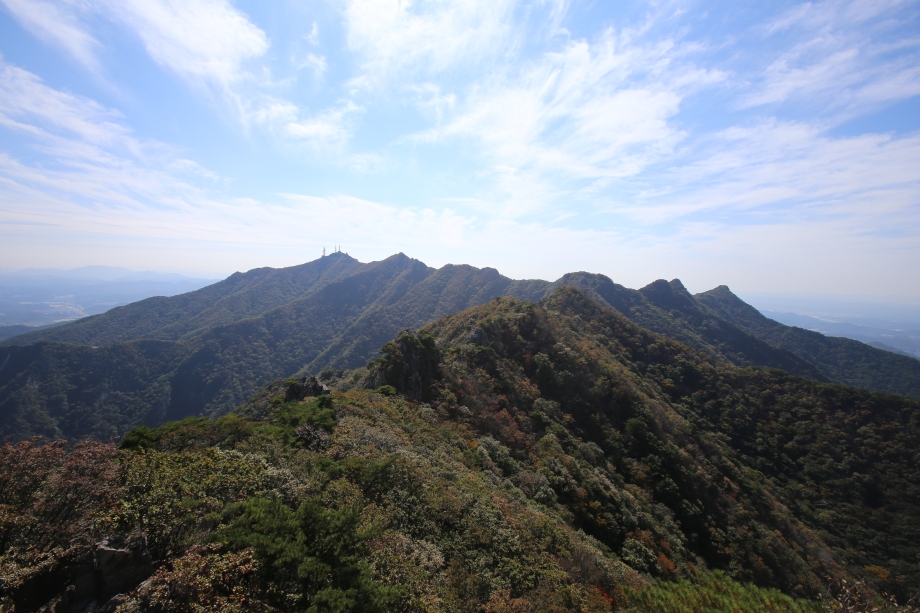
How to Get to Gwaneumbong from Gyeryongsan National Park with Cheonhwangbong Closed
 Travel Guide
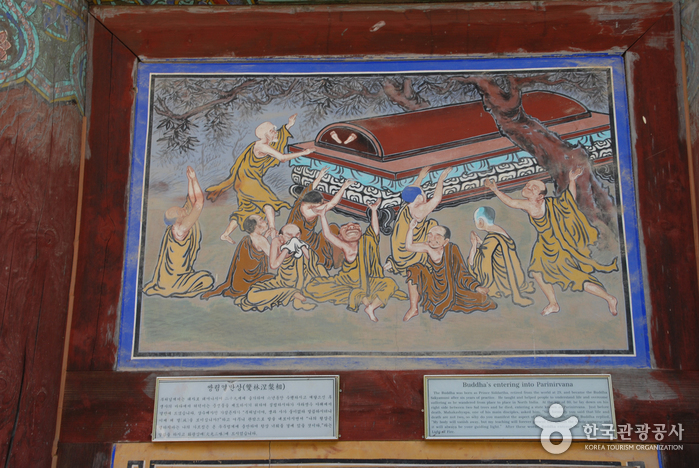
Donghaksa Temple, Visiting for the First Time Between Munpilbong Peak and Donghaksa Valley
 Travel Guide