
How to Read the 2.8-Meter “Smile of Baekje” in Gayasan Valley
The Rock-carved Buddha Triad at Yonghyeon-ri, Seosan, National Treasure No. 84, was carved in the late Baekje period at a gateway along the Gayasan Valley route that once linked China and Buyeo. By allowing for the stone steps along the viewing route and the intervals between public transportation services, you can take a more leisurely look at the distinctive triad composition of the Principal Buddha, the Bodhisattva Dipankara, and the Pensive Bodhisattva.
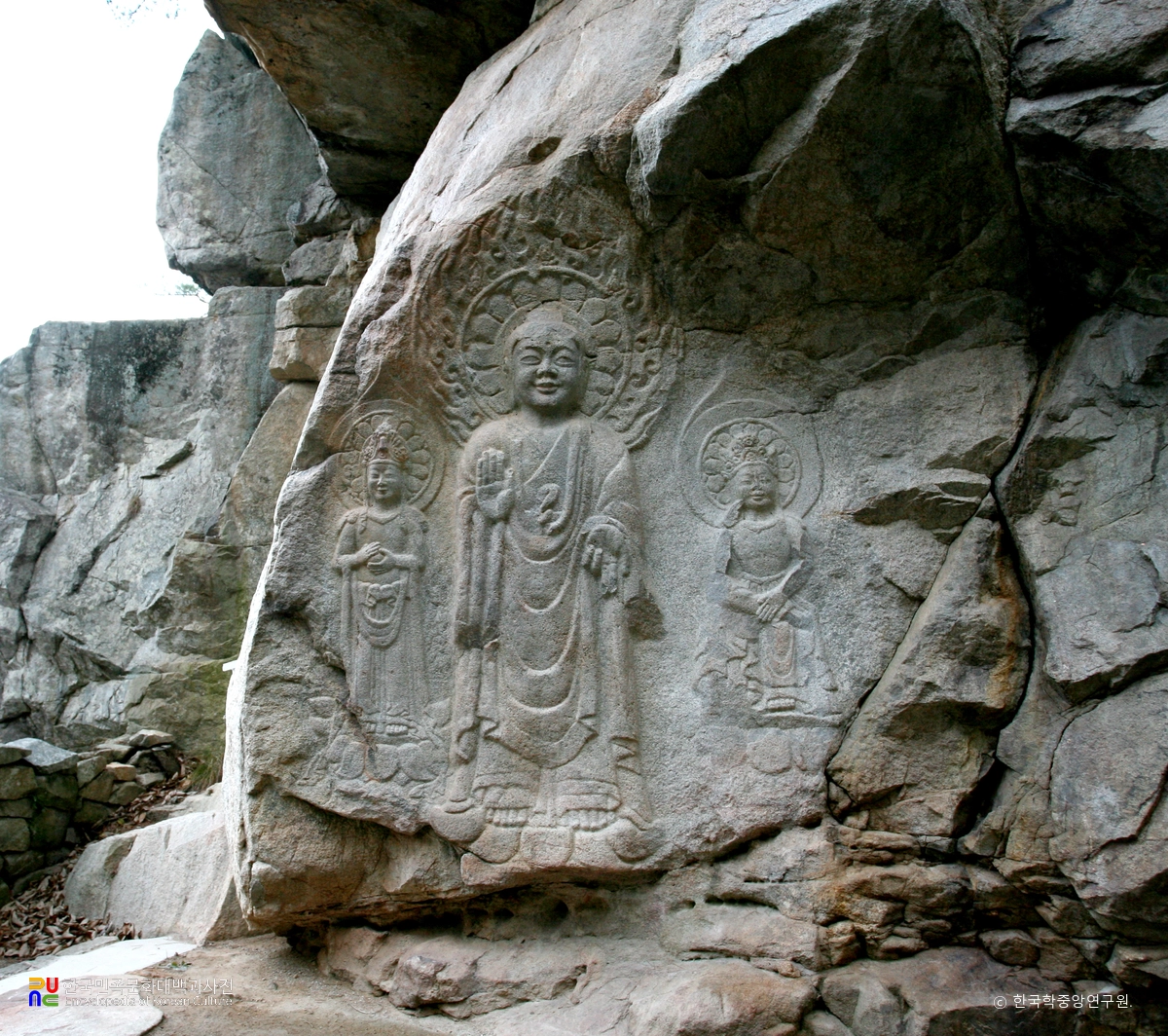
Why National Treasure No. 84 Stands at the Entrance to the Gayasan Valley
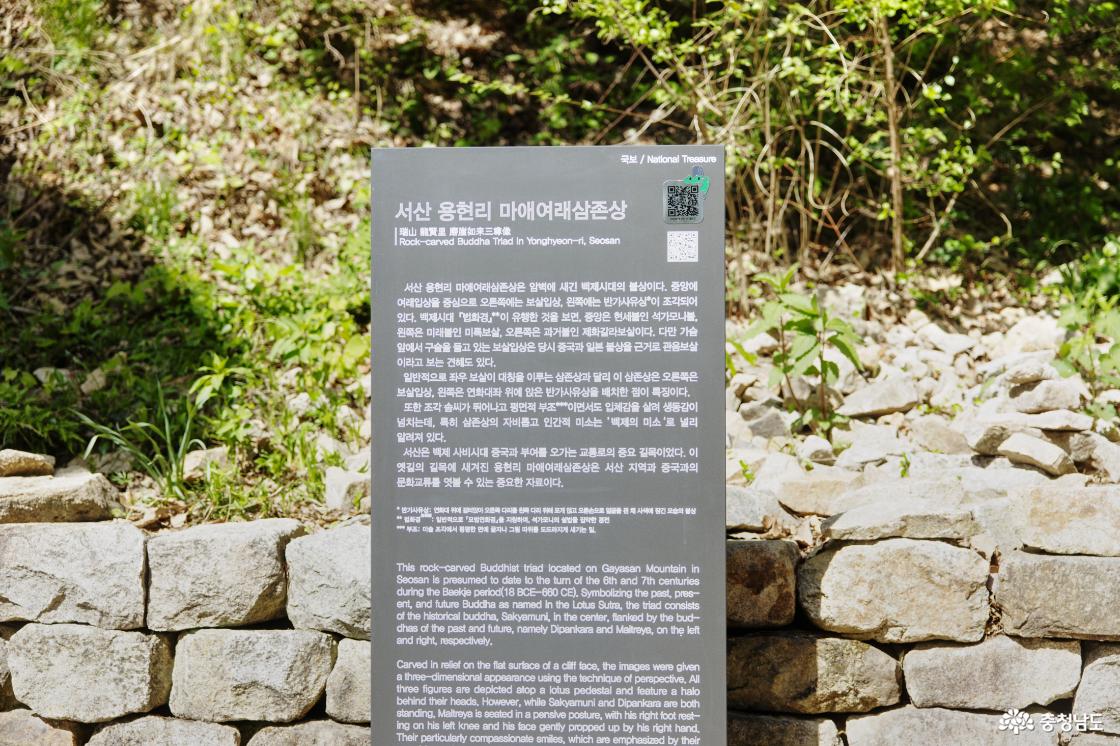
The Seosan Yonghyeon-ri Rock-carved Buddha Triad is a late Baekje-period rock-carved Buddhist sculpture engraved on a cliff in the Gayasan Valley of Unsan-myeon, Seosan-si, Chungcheongnam-do. It is thought to date from the late sixth to early seventh century, or around AD 600. Located along the route from the Taean Peninsula through the Gayasan Valley to Buyeo, the Baekje capital, it is regarded as a heritage site demonstrating exchanges with China and the influx of Buddhist culture at the time.
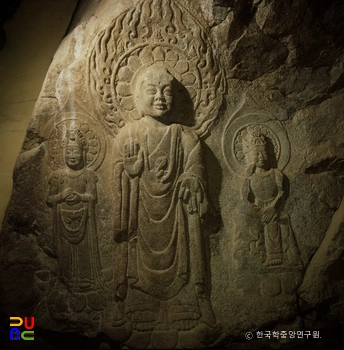
The central principal Buddha is a 280 cm-tall standing Tathagata. To the viewer’s right is a 170 cm-tall standing Dipankara Bodhisattva, while a 166 cm-tall Maitreya pensive figure is placed on the left. The combination of a standing bodhisattva and a seated pensive figure is rare and is believed to represent Shakyamuni, Maitreya, and Dipankara Bodhisattva from the Lotus Sutra.
Hong Sa-jun’s 1959 Investigation and National Treasure Designation on December 20, 1962
This Buddhist sculpture became widely known through the story that Hong Sa-jun, then director of the Buyeo National Museum, found it in 1959 after hearing a woodcutter’s tale about “Inbawi” during a cultural heritage field survey. It was subsequently designated National Treasure No. 84 on December 20, 1962. In 2010, its name was changed from “Seosan Rock-carved Three Buddhas” to its current name, “Seosan Yonghyeon-ri Rock-carved Buddha Triad.”
For conservation, a protective pavilion was built in 1964, and in 2007 the pavilion was removed and a corrosion inhibitor was applied. From 2007 to 2008, efflorescence and pollutants were removed and conservation treatment was carried out on surrounding cracks. Further conservation treatment took place in 2014. Rather than viewing the rock carvings from close range, it is advisable to observe the overall composition and surface condition together from the designated viewing line beyond the railing.
Visiting Hours: 09:00–18:00, Extended Until 21:00 in July and August
The site is open year-round, with regular hours from 09:00 to 18:00. In July and August, hours are extended from 09:00 to 21:00. Since no separate admission fee is listed in the official information, admission is presented as free. Before setting out, it is safest to contact the management office at 041-660-2538 to ask about operating changes and the availability of guided interpretation.
The same number can be used to request a tour at the management office. Previous guidance from Seosan City stated that a cultural tourism interpreter was stationed there from 10:00 to 17:00, but availability may vary by season. Foreign-language assistance and group tours should therefore be confirmed by phone before visiting.
- Address: 65-13, Maeasamnjonbul-gil, Unsan-myeon, Seosan-si, Chungcheongnam-do
- Visiting hours: Open year-round, 09:00–18:00
- Summer extension: July–August, 09:00–21:00
- Inquiries: 041-660-2538
- Official information: https://www.seosan.go.kr/public/contents.do?key=838
30–40 Minutes from Seosan Public Bus Terminal on a Bus Bound for Unsan or Wonpyeong
By public transportation, take a local bus bound for Unsan or Wonpyeong from Seosan Public Bus Terminal. According to Seosan City’s official information, buses run approximately every two and a half hours, and the journey from the terminal takes about 30–40 minutes. It is best to plan the return bus schedule first. Since this is not an urban tourist attraction with frequent departures, check the last bus and stop location again on the day of your visit.
By car, the recommended route is to approach from Seosan IC on the Seohaean Expressway, following National Route 32 toward Unsan and Gopung-ri. From the Seoul area, another suggested route is to exit at Haemi IC via Anseong JC and Seopyeongtaek JC, then pass through Deoksan, Unsan (Wonpyeong-ri), Local Route 618, and Gopung-ri. Parking fees and the number of parking spaces are not listed on the official page, so it is better to contact the management office in advance.
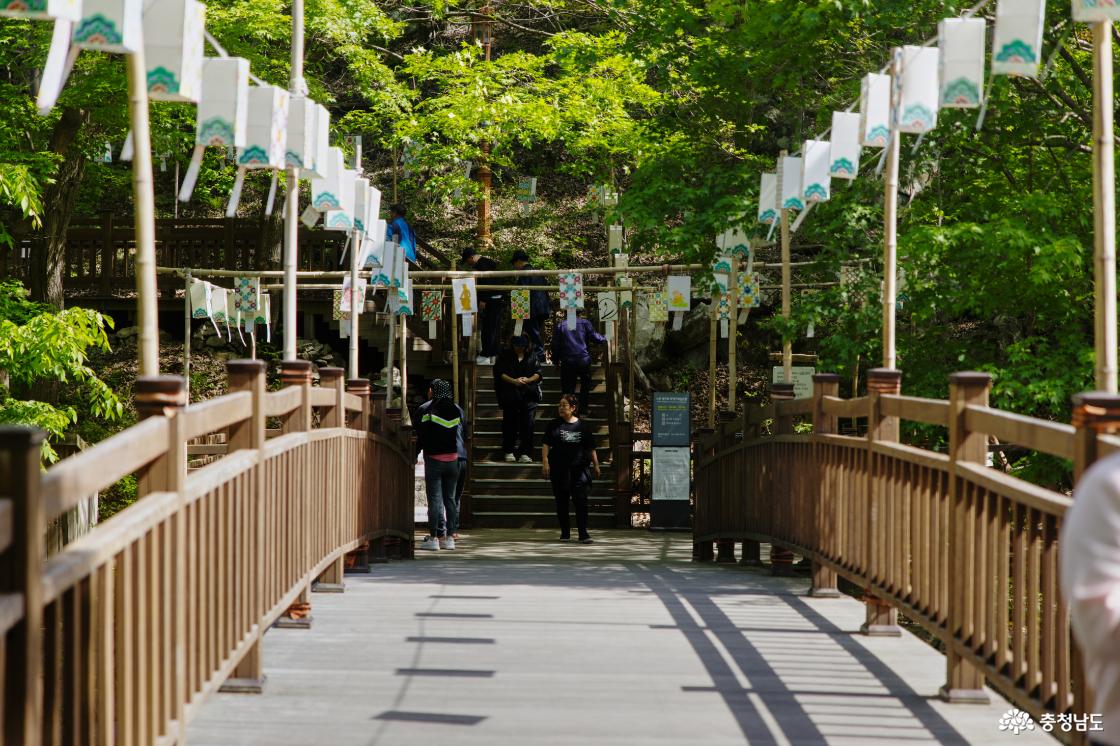
5–10 Minutes over a Bridge and Stone Steps: Non-Slip Shoes Recommended over a Stroller
From the entrance, the route crosses the valley, passes the management office and the Bulimun Gate, and then climbs stone steps to the triad. A field report by Chungcheongnam-do in May 2025 recorded an uphill walk of approximately 5–10 minutes along a route with many stone steps. Including time spent at the heritage site, allowing 30–50 minutes for the visit is reasonable.
The route is short but is not a flat museum-style walkway. The stone-step section may be challenging for visitors with mobility difficulties, wheelchair users, and families with strollers, so check in advance whether accessibility assistance is available. The steps and areas around the valley may become slippery after rain, so shoes with slip-resistant soles are recommended.
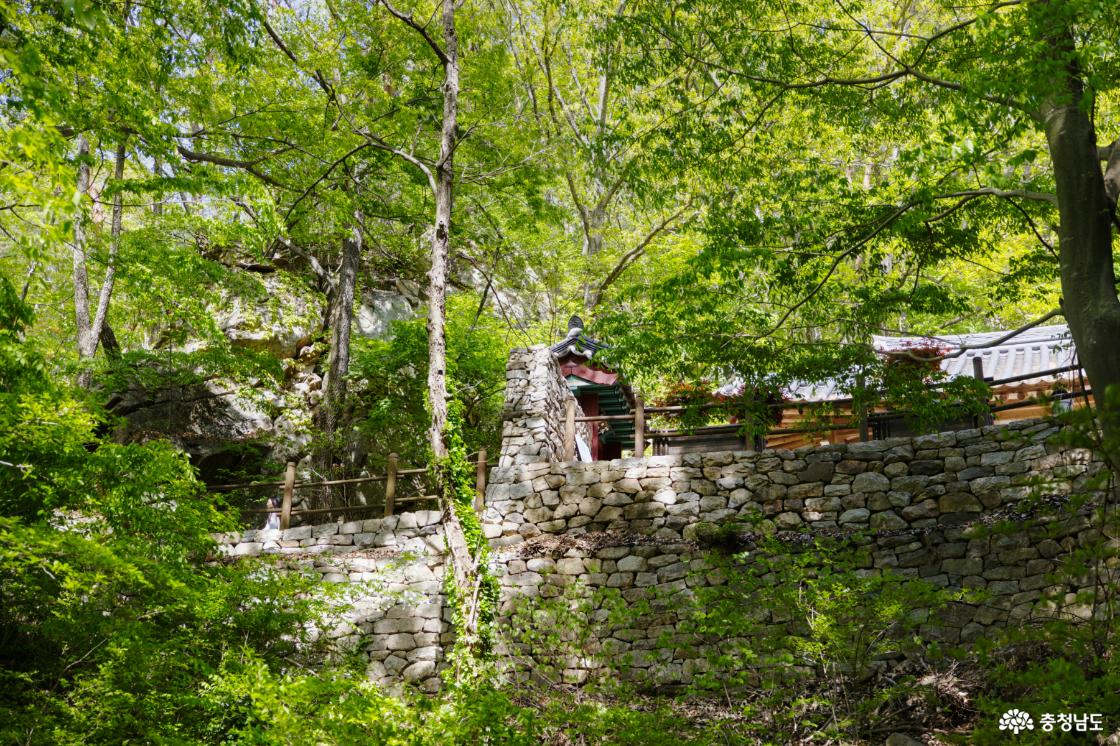
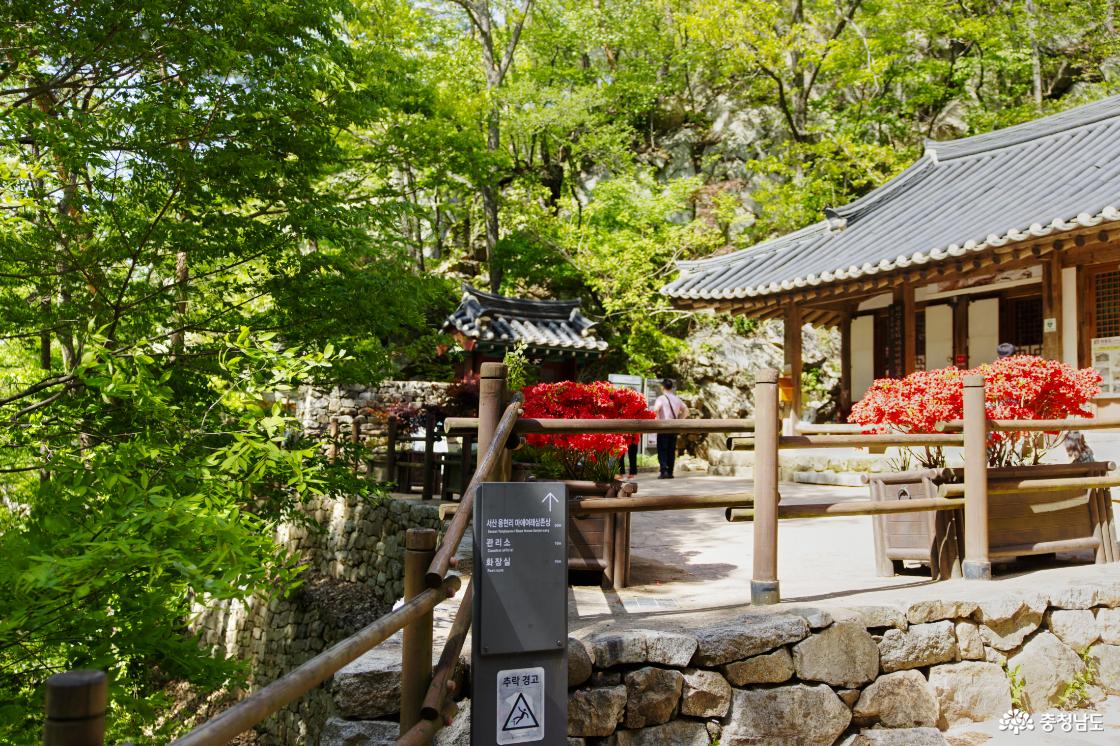
The 280 cm Principal Buddha’s Hand Gestures and the Cliff Inclined at 80 Degrees
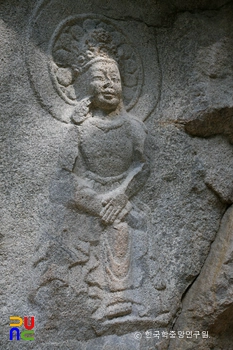
The standing principal Tathagata is characterized by a round, full face, semicircular eyebrows, almond-shaped eyes, a low and broad nose, and a smiling mouth. The right hand is raised in the abhaya mudra, signifying the dispelling of fear, while the left hand is lowered in the varada mudra, signifying the granting of wishes. A lotus is carved inside the halo, with flame patterns on the outside.
Dipankara Bodhisattva holds a cintamani jewel with both hands and wears an ornate crown. The pensive figure rests the right leg over the left and supports the chin with the fingers of the right hand. Seosan City’s cultural tourism information explains that the rock face was inclined at approximately 80 degrees so that wind and rain would not strike it directly. The changing impression of the expressions depending on the direction of light is another point of interest when observing the site.
Combine It with Gaesimsa Temple and Bowonsa Temple Site, but Leave Time for Each Place
Gaesimsa Temple and the Seosan Bowonsa Temple Site are often mentioned together in the same Unsan-myeon and Gayasan area. Seosan City’s cultural tourism page lists Gaesimsa, Munsusa, the placenta chamber and stele of King Myeongjong of Seosan, and the Seosan Yeomiri Stone Standing Buddha as nearby attractions. However, with buses running approximately every two and a half hours, public-transport travelers will find it more practical to consider taxi transfers or a private car rather than fitting many places tightly into one day.
If you are visiting only the Rock-carved Buddha Triad, allow 30–50 minutes for the stairs and viewing, with additional time if you wish to hear an explanation. In the morning, arrive after the regular opening time of 09:00 to distinguish the three carved figures. In summer, you can take advantage of the extended hours until 21:00. However, return transportation late in the day must be arranged separately.
Before You Go
- Address
- 65-13, Maeasamnjonbul-gil, Unsan-myeon, Seosan-si, Chungcheongnam-do
- Hours
- Open year-round, 09:00–18:00; extended hours in July–August, 09:00–21:00
- Closed
- Open year-round
- Admission
- Free
- Phone
- 041-660-2538
- Official site
- https://www.seosan.go.kr/public/contents.do?key=838
- Transport
- Take a local bus bound for Unsan or Wonpyeong from Seosan Public Bus Terminal; approximately every two and a half hours and 30–40 minutes travel time. Checking the stop and same-day schedule in advance is recommended.
- Time needed
- 30–50 minutes recommended; approximately 5–10 minutes uphill on stone steps from the entrance
- Accessibility
- The valley bridge, stone steps, and uphill sections may make wheelchair and stroller access difficult. Advance inquiries to the management office are recommended for guided tours and foreign-language assistance.
The information above is current as of the time of writing. Check the official information again before visiting.

Places
Nearby Attractions 3
-
 1
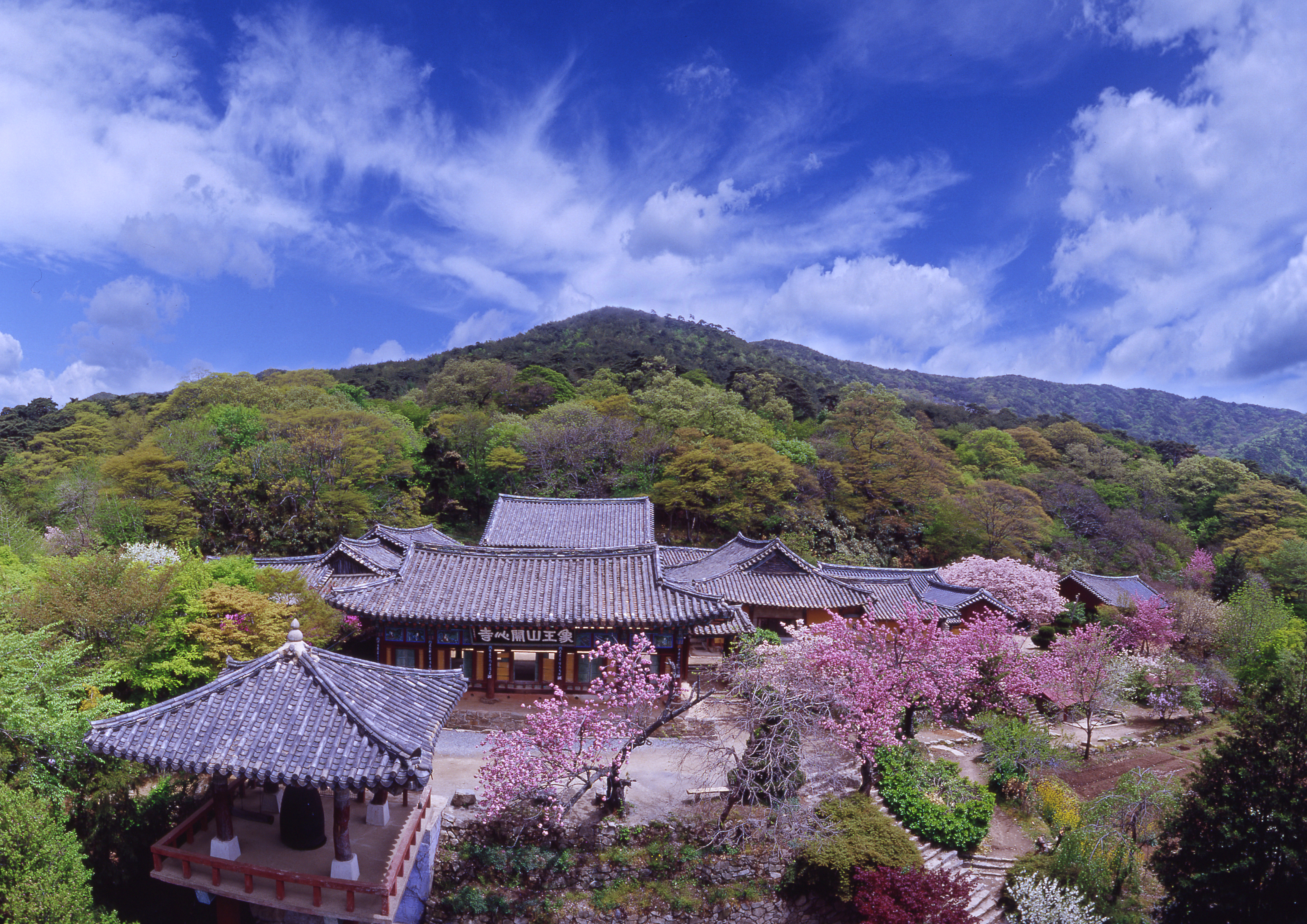
Gaesimsa TempleA temple where you can explore mountain temple architecture and valley scenery together.
1
Gaesimsa TempleA temple where you can explore mountain temple architecture and valley scenery together. -
 2
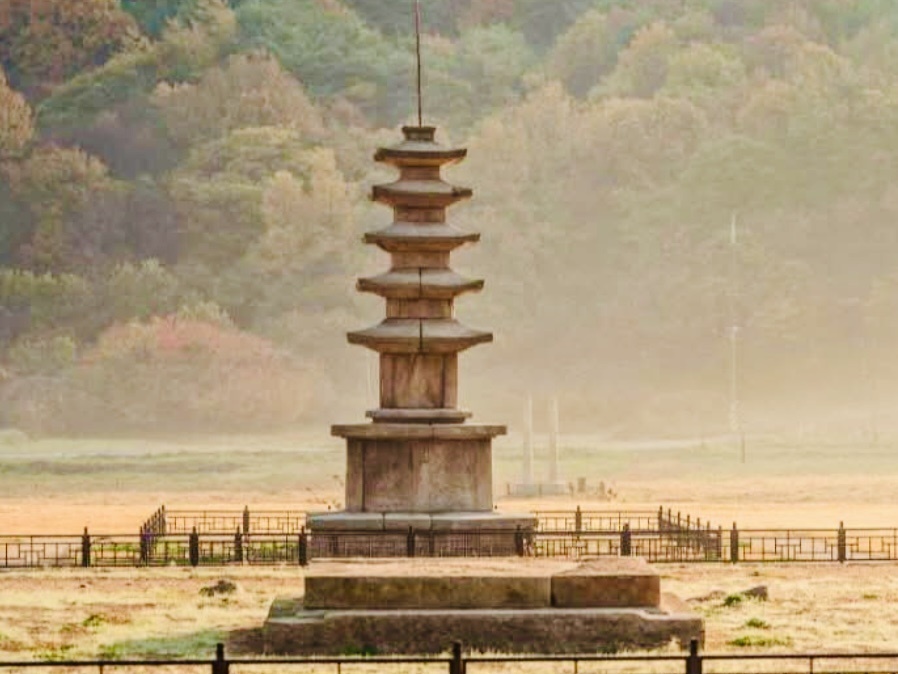
Bowonsa Temple Site, SeosanA former temple site where visitors can explore Buddhist relics, including a five-story pagoda and flagpole supports.
2
Bowonsa Temple Site, SeosanA former temple site where visitors can explore Buddhist relics, including a five-story pagoda and flagpole supports. -
 3
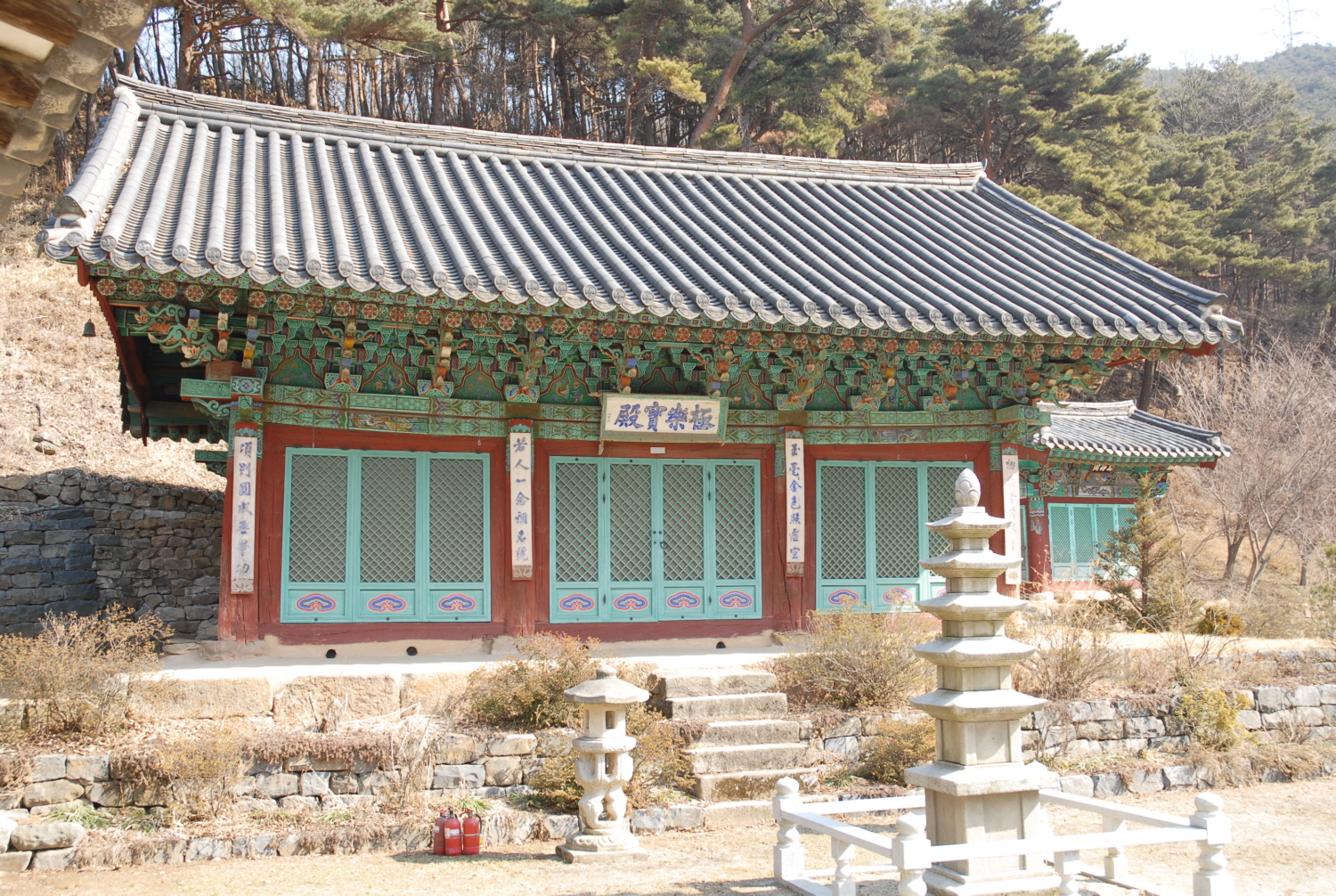
Munsusa TempleA place to explore Buddhist artifacts from the Goryeo period and enjoy the tranquil scenery of a mountain temple.
3
Munsusa TempleA place to explore Buddhist artifacts from the Goryeo period and enjoy the tranquil scenery of a mountain temple.
Food & Dining 3
-
 4
Kkotpineun SangolA restaurant where you can enjoy baeksuk and chicken dishes in Yonghyeon Valley.
4
Kkotpineun SangolA restaurant where you can enjoy baeksuk and chicken dishes in Yonghyeon Valley. -
 5
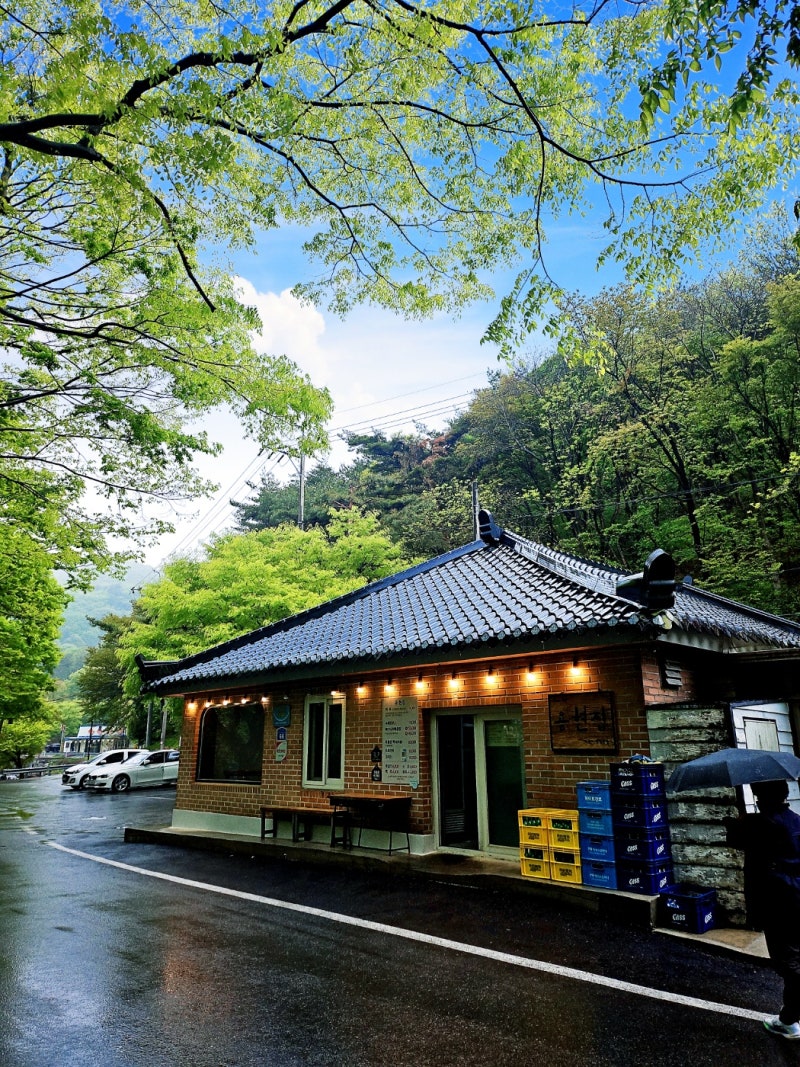
YonghyeonjipA restaurant where you can enjoy eoujuk (fish porridge) and local dishes while taking in the valley scenery.
5
YonghyeonjipA restaurant where you can enjoy eoujuk (fish porridge) and local dishes while taking in the valley scenery. -
 6
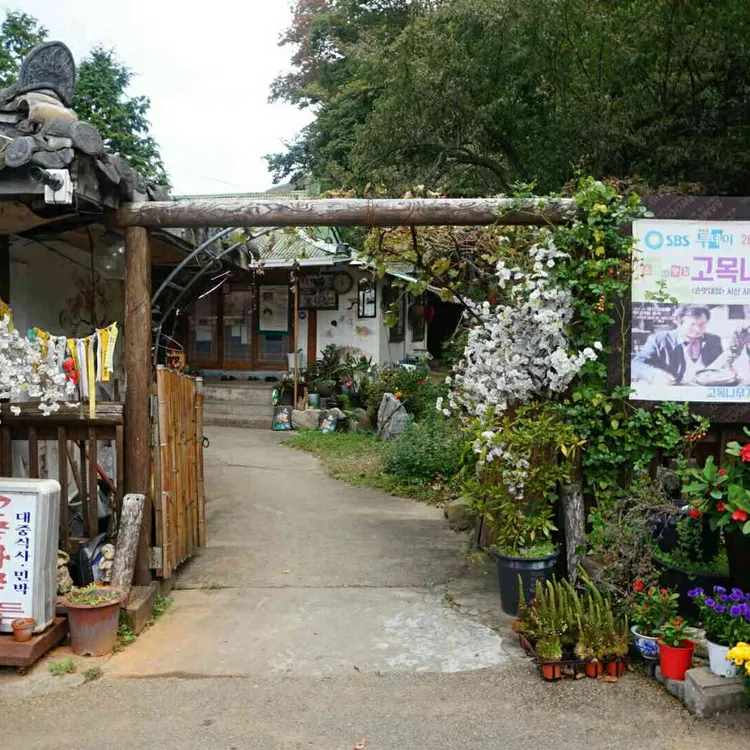
Gomoknamu GardenA restaurant near Gaesimsa Temple serving wild vegetable bibimbap and Korean cuisine.
6
Gomoknamu GardenA restaurant near Gaesimsa Temple serving wild vegetable bibimbap and Korean cuisine.
Events in This Area

Festivals in This Area

More Travel Guides in This Area
 Travel Guide
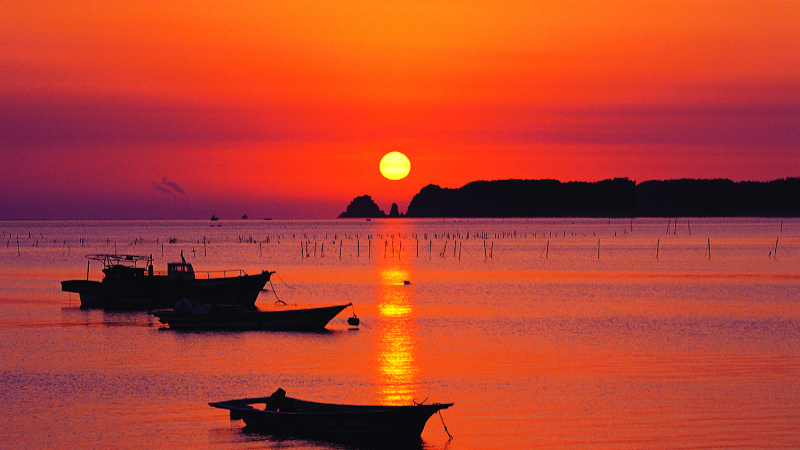
Dangjin’s Waemok Village, Where the Sun Rises at the Edge of the West Sea
 Travel Guide
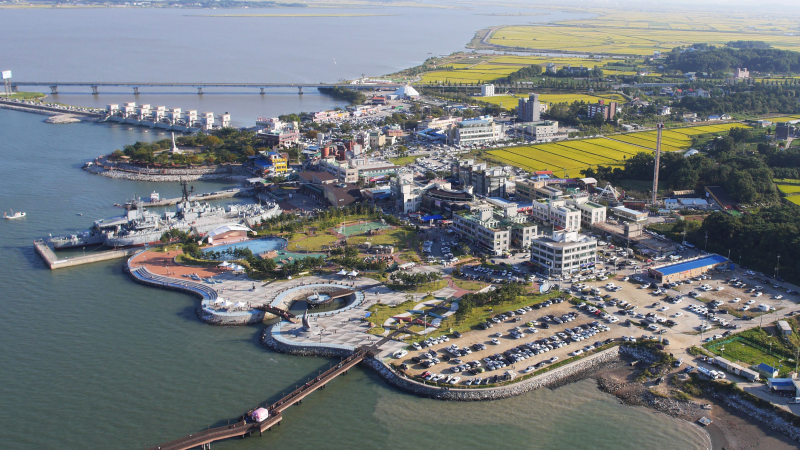
Dangjin’s Sapgyoho Tourist Area, Linking Warships and a Ferris Wheel at Sapgyocheon Embankment with a West Sea Deck
 Travel Guide
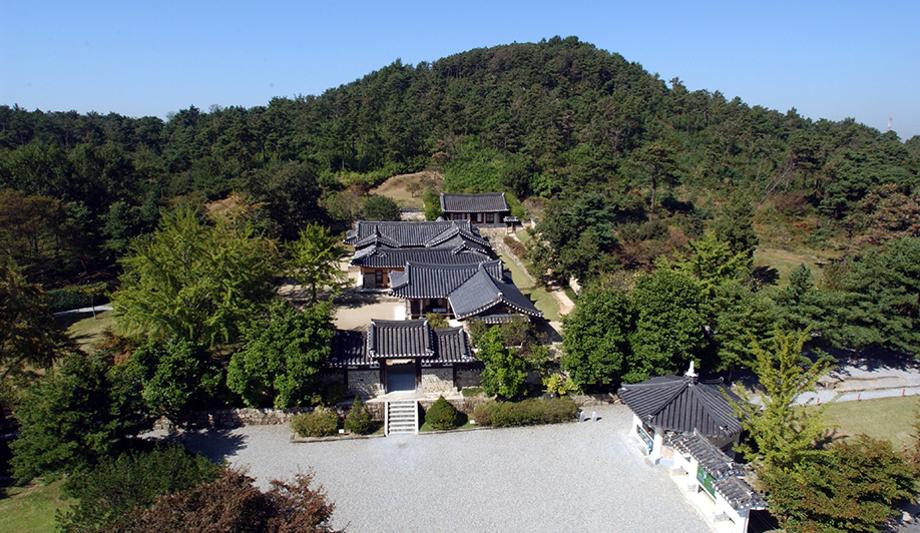
Yesan Chusa House: Tracing the Roots of Chusa Calligraphy in a 53-Room Residence
 Travel Guide
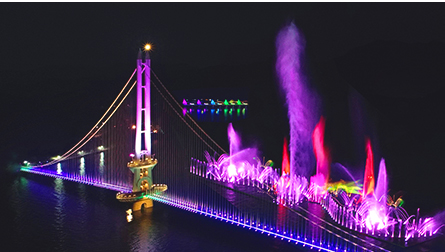
Crossing 402 m of water to meet the 110 m fountain at Yedangho Suspension Bridge
Korea News
![ZEROBASEONE ‘ZEROBASEONE Shining Even at Night!’ [★Video]](https://kotourlive-images.s3.ap-northeast-1.amazonaws.com/news/1786629298196_13d8a4bb_news_075face7-fb4e-402c-b833-25ccaf88cf8f.jpg) News
News
ZEROBASEONE ‘ZEROBASEONE Shining Even at Night!’ [★Video]
 News
News
Kwon Eun-bi, First Comeback Since Moving from Woollim to RBW: “Aiming for a September Release”
 News
News
“Did Jungkook’s connection continue?” Pop star Usher spotted warmly hugging BTS’s RM and J-Hope
 News
News