From Daehanmun Gate to Seokjojeon: A 90-Minute Journey Through the Last Imperial Palace of the Korean Empire
Deoksugung Palace began as King Seonjo’s temporary residence after the Imjin War and was expanded into the imperial palace of the Korean Empire in 1897. Following the contrasting architectural languages of Junghwajeon Hall, Hamnyeongjeon Hall, and Seokjojeon, visitors can experience the transition from the Joseon royal court to the modern state along a single route.
I’ve been here?
Your check-in helps the next traveler.
No one has checked in yet Be the first
One tap — no writing needed
Gyeongungung, King Seonjo's Residence in 1593 and the Daehan Empire's Imperial Palace in 1897
Deoksugung Palace was not originally built as a formal royal palace. It stood on the former private residence of Grand Prince Wolsan, the elder brother of King Seongjong. After the palaces of Hanyang burned during the Imjin War, King Seonjo stayed here in 1593, and the site began to be used as a royal residence. It was known as Gyeongungung at the time, and the political upheavals of the late Joseon period and the Daehan Empire remain layered throughout this space.
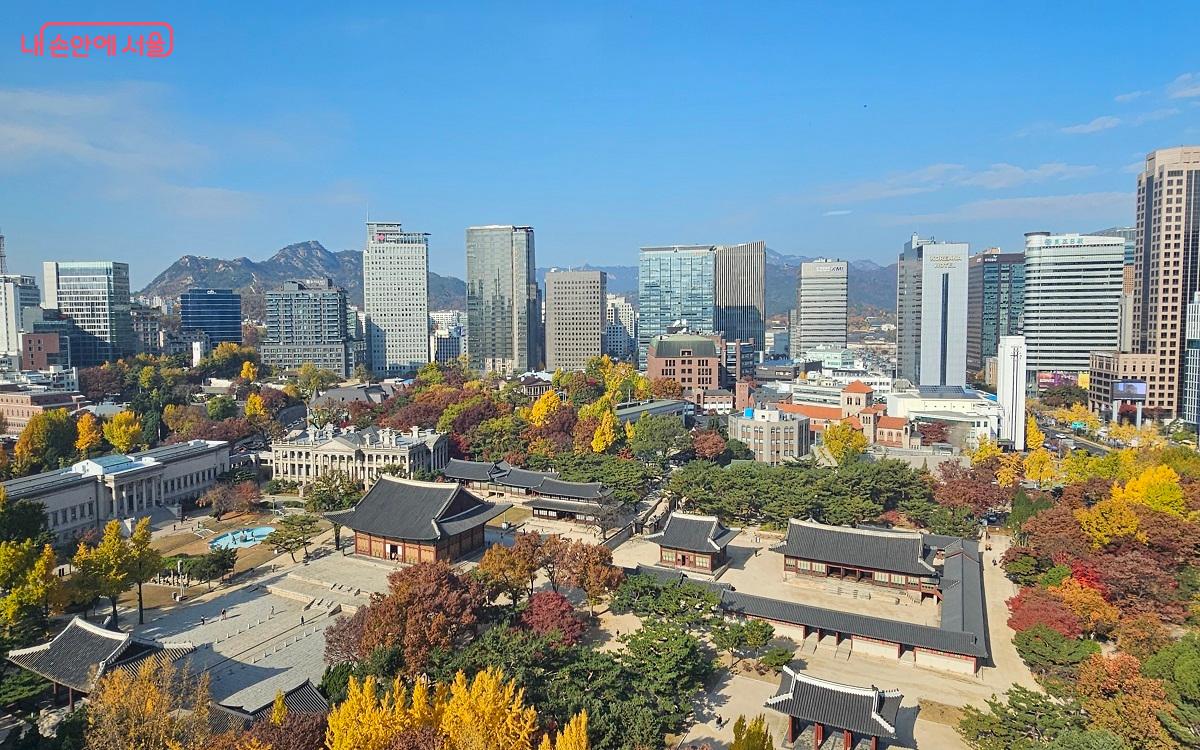
After the Gabo Palace Incident in 1896, Gojong moved here, and after proclaiming the Daehan Empire in 1897, he expanded Gyeongungung into an imperial palace. The layout extending from Daehanmun through Junghwamun and Junghwanjeon, the emperor's living quarters Hamnyeongjeon, and the Western-style Seokjojeon reflects the choices made during the Daehan Empire to add the forms of a modern state to the foundation of a traditional royal palace. The name Deoksugung was given after Gojong abdicated in favor of Sunjong in 1907, and it was also where Gojong died in Hamnyeongjeon in 1919.
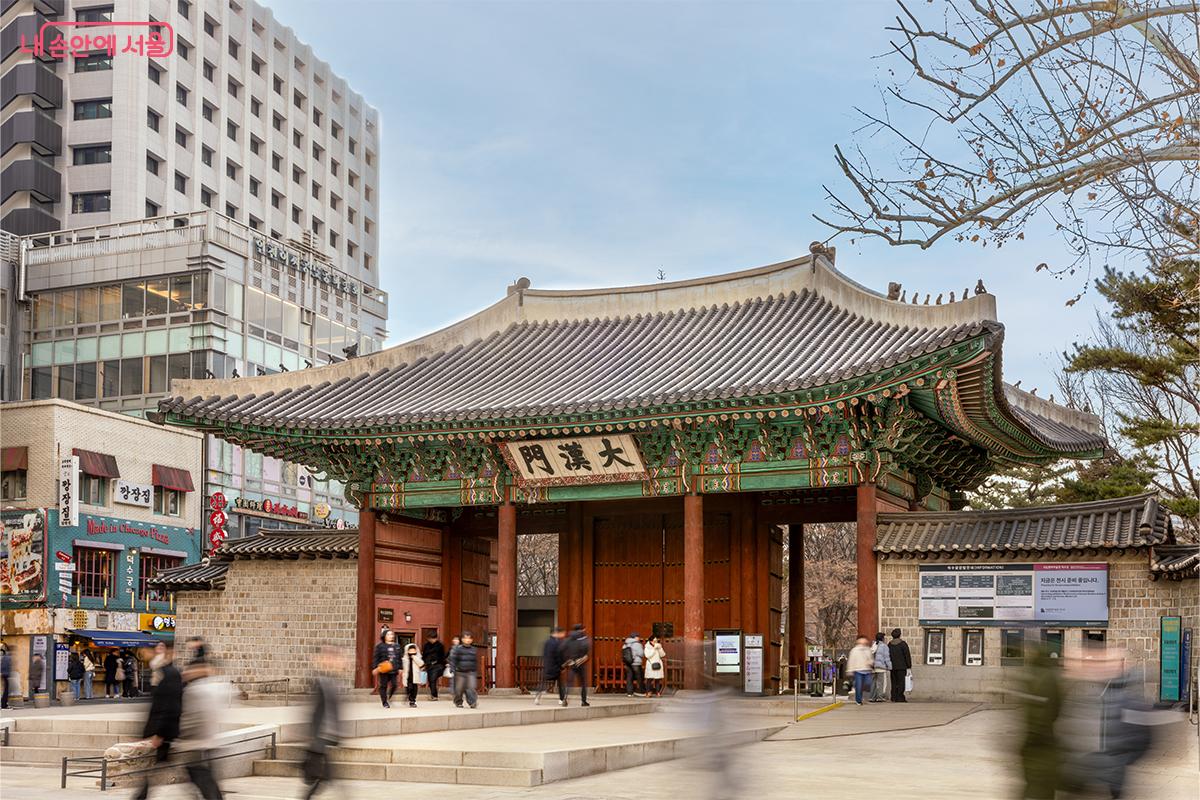
Daehanmun, Junghwamun, and Junghwanjeon: From the Main Gate Where State Ceremonies Passed to the Main Throne Hall
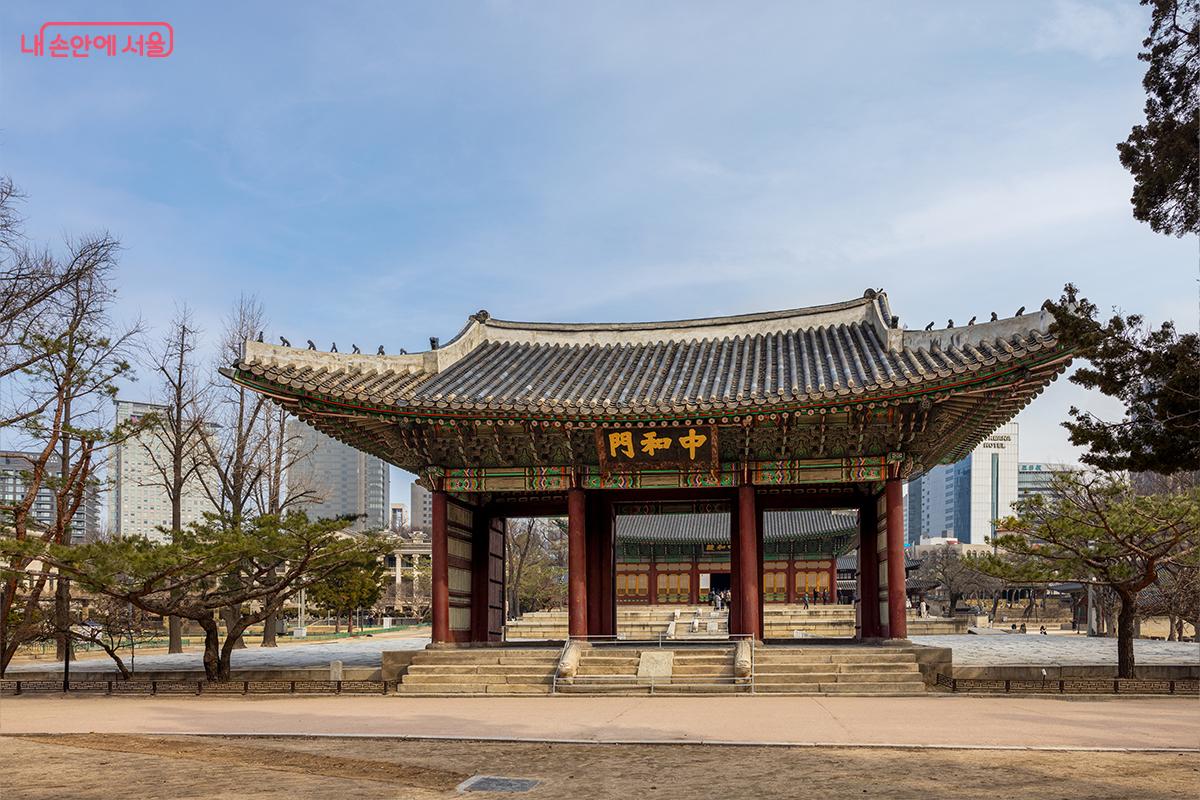
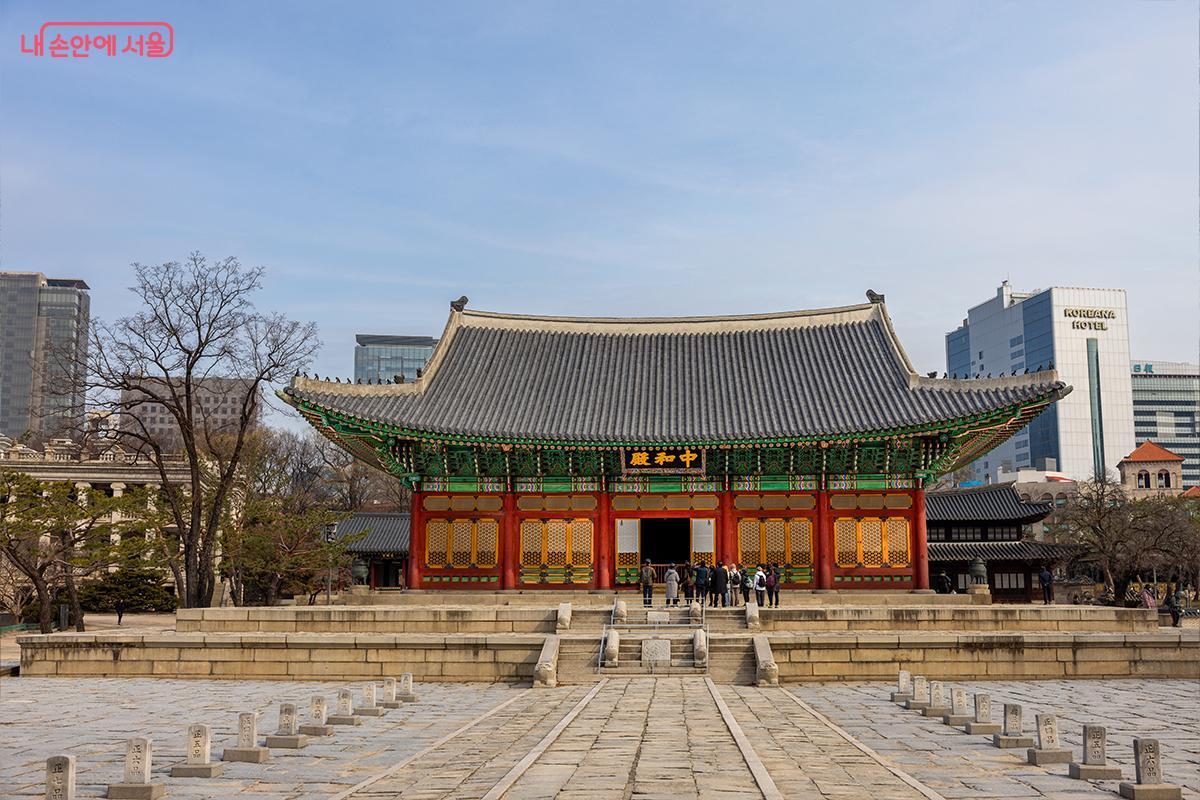
After passing through the main gate, Daehanmun, visitors cross Geumcheongyo Bridge and Junghwamun before reaching Junghwanjeon. Junghwanjeon was the main throne hall where official state events were held, including greetings between the emperor and officials and receptions for foreign envoys. Junghwamun was rebuilt after being destroyed in the 1904 Deoksugung Palace fire, and the building seen today bears traces of the palace's restoration during the Daehan Empire.
A guided explanation of the palace buildings, beginning near the general information board inside Daehanmun, makes it easier to understand the significance of the route. Korean- and foreign-language commentary times may vary depending on the season and operating days, and groups of 10 or more must make an advance reservation. Rather than rushing along the fixed visitor route, it is better to allow approximately 15–20 minutes from Daehanmun to Junghwanjeon, followed by at least 60 minutes for the living quarters and Seokjojeon.
Gojong's Life and Memories of the Imjin War Seen at Hamnyeongjeon, Jeukjodang, and Seokeodang
Hamnyeongjeon, northwest of Junghwanjeon, was used as Gojong's sleeping quarters, and he died here in 1919. Looking only at the main throne hall on the palace's central axis can make it easy to understand Deoksugung solely as a space for state ceremonies, but the area around Hamnyeongjeon was the everyday space where the emperor actually lived and conducted state affairs.
Jeukjodang and Seokeodang reveal an earlier layer of Deoksugung. Seokeodang was the building where King Seonjo temporarily stayed during the Imjin War, and together with Jeukjodang, it is considered one of the palace buildings that formed the foundation of Deoksugung. Viewing this traditional wooden-architecture area alongside Seokjojeon, completed in 1910, makes it clear that memories of the royal family fleeing the war in the late 16th century and the symbol of modernization in the early 20th century coexist within one palace.
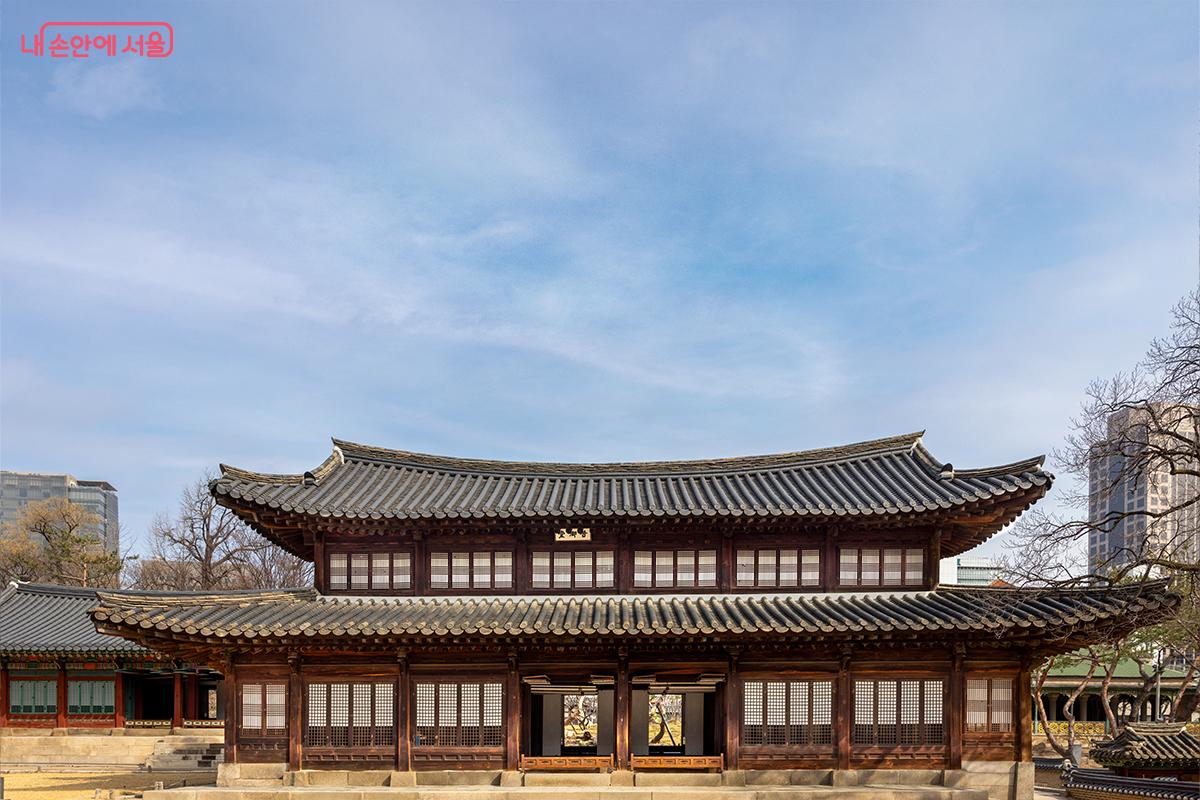
Seokjojeon, 1900–1910: A Reception Space of the Daehan Empire Built in the British Neoclassical Style
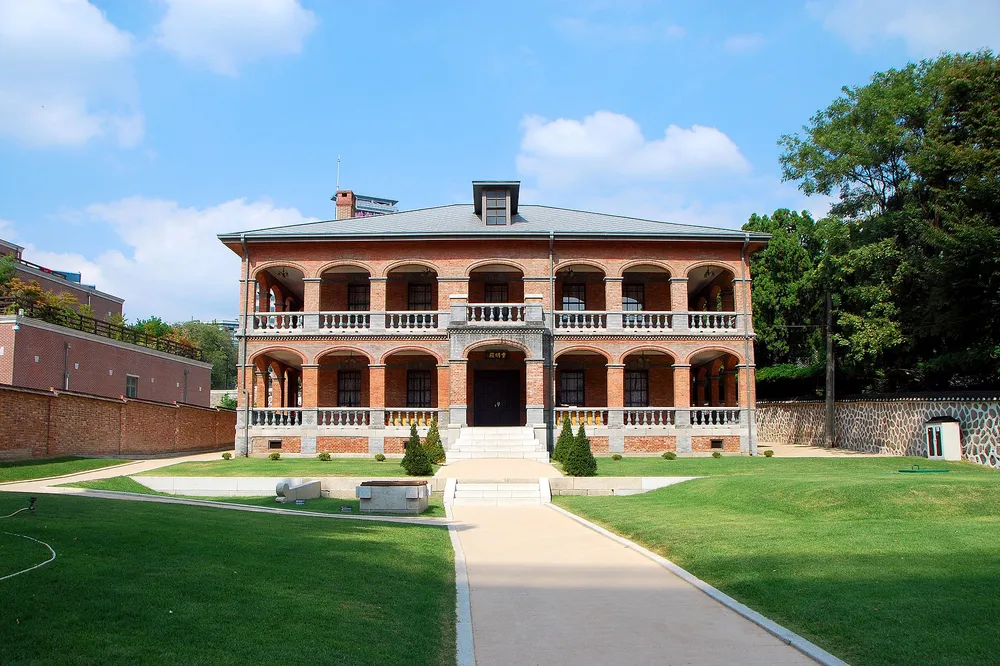
Seokjojeon is a stone building constructed when the Daehan Empire was adopting Western-style forms of statehood. Designed by the Englishman Harding, construction began in 1900 and was completed in 1910. It features a symmetrical exterior and columns characteristic of the neoclassical style. Seokjojeon was added to the palace, which was centered on traditional wooden architecture, because a modern space was needed for receiving foreign envoys and holding official imperial events.
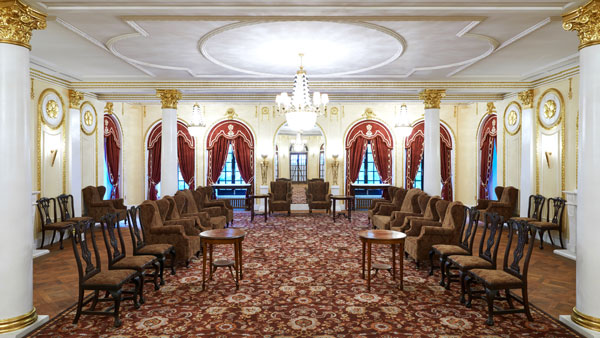
Today, the Seokjojeon Daehan Empire History Museum consists of a basement level, first floor, and second floor. The basement presents exhibitions related to the Daehan Empire and its restoration. The first floor recreates public spaces such as the reception room, guest room, and grand dining room, while the second floor recreates private spaces such as the emperor's and empress's bedrooms and living rooms. General guided tours are accepted on a first-come, first-served basis at the Seokjojeon information desk daily at 09:30 and 16:30, with a maximum of 20 people per session. Tour sessions may vary depending on events and weather conditions.
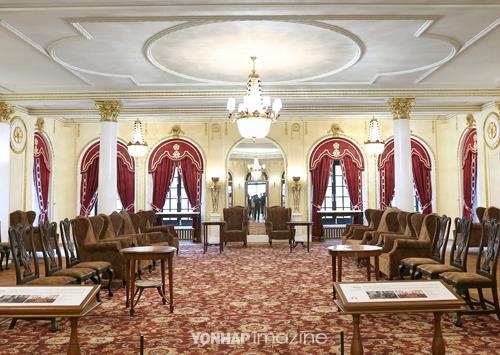
How Not to Miss the 09:30 and 16:30 Tours at the Seokjojeon Daehan Empire History Museum
To see the interior of Seokjojeon, it is best to treat admission to Deoksugung and participation in a museum tour as separate matters. Admission to Deoksugung is 1,000 won for Korean nationals aged 25–64 and foreign nationals aged 19–64, while groups of 10 or more pay 800 won. General tours of Seokjojeon operate on a first-come, first-served basis at the information desk on the day of the visit, so if seeing it at a particular time is important, it is safest to check Seokjojeon immediately after entering.
The Seokjojeon exhibition rooms contain preserved furniture and recreated spaces, making a visit timed to a guided session more suitable than staying independently for a long time. Palace-building tours begin at the general information board after passing Daehanmun and Geumcheongyo, while Seokjojeon tours are booked at the Seokjojeon information desk. Separate tours for visitors with mobility difficulties, including wheelchair users, have operated on a trial basis in the past, so visitors requiring assistance should contact the Deoksugung Palace Management Office at 02-751-0740 before visiting.
From Exit 2 of City Hall Station to Daehanmun and Preparing for Monday Closure
Deoksugung Palace is located at 99 Sejong-daero, Jung-gu, Seoul, and the simplest public transportation access is City Hall Station on Subway Lines 1 and 2. It takes approximately 3–5 minutes to walk from Exit 2 of City Hall Station to Daehanmun, following Sejong-daero. Visitors arriving by bus from Seoul Station, Gwanghwamun, or Euljiro can get off at the City Hall Front or Seoul City Hall stop and approach in the direction of Daehanmun.
Deoksugung is closed every Monday, and opening days may be adjusted for holidays, substitute holidays, or special events. Closing times for general visits vary by season, so visitors should check the official notice on the day. There is no parking lot for general visitors inside the palace, so the subway is recommended over driving. Weekday mornings are a good time to combine tours of the palace buildings and Seokjojeon at a relaxed pace, while outdoor events and tours may change in rain or strong winds.
- Admission: Adults 1,000 won; groups of 10 or more 800 won
- Closed: Every Monday
- Main contact: Deoksugung Palace Management Office, 02-751-0740
- Recommended time: 60–90 minutes for the palace buildings; 90–120 minutes including the Seokjojeon tour
- Parking: No parking lot for general visitors inside the palace
Connecting Jeongdong-gil's 900 m Route to Jungmyeongjeon, the Final Diplomatic Sites of the Daehan Empire
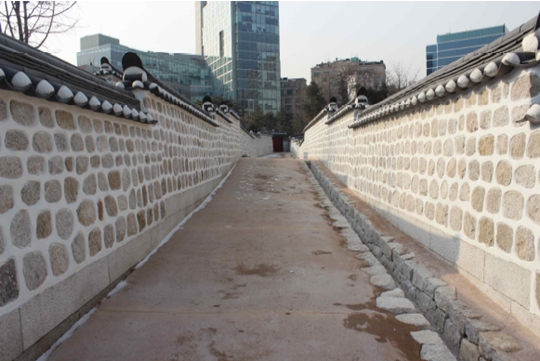
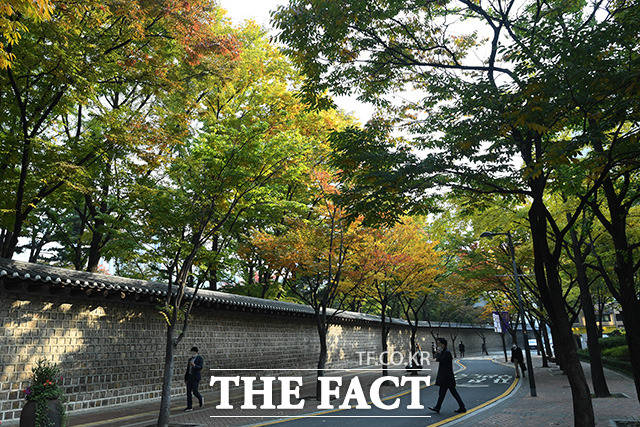
After visiting Deoksugung, visitors can combine Jeongdong-gil and Jungmyeongjeon on the same day. The stonewall road around Deoksugung is known to be approximately 900 m long, and the Jeongdong area retains diplomatic spaces from the Daehan Empire as well as modern educational and religious facilities. After viewing imperial authority and state ceremonies inside the palace, heading out onto the streets of Jeongdong allows visitors to understand the urban environment in which the Daehan Empire attempted diplomacy and reform.
In particular, Jungmyeongjeon is known as the building where the Japan–Korea Treaty of 1905 was signed, complementing Deoksugung's story of the Daehan Empire. It takes about 10 minutes to walk from Deoksugung to Jungmyeongjeon, but its operating hours and closing days may differ from those of Deoksugung. The Deoksugung branch of the National Museum of Modern and Contemporary Art uses the Seokjojeon West Wing building, so visitors adding an art exhibition should remember that the palace admission ticket and museum exhibition ticket are separate.
Before You Go
- Address
- 99 Sejong-daero, Jung-gu, Seoul
- Hours
- Varies by season. Check the official visiting-hours notice before visiting.
- Closed
- Every Monday
- Admission
- Adults 1,000 won / Groups of 10 or more 800 won
- Phone
- 02-751-0740
- Official site
- https://royal.khs.go.kr
- Transport
- Approximately 3–5 minutes on foot from Exit 2 of City Hall Station on Subway Lines 1 and 2 to Daehanmun
- Parking
- No parking lot for general visitors inside the palace
- Time needed
- 60–90 minutes for the palace buildings; 90–120 minutes including the Seokjojeon tour
- Accessibility
- Visitors are advised to call 02-751-0740 before visiting to ask whether separate tours for visitors with mobility difficulties are available at Seokjojeon. Foreign-language tours of the palace buildings are offered.
The information above is accurate as of the time of writing. Check the official information again before visiting.

Places
Nearby Attractions 5
-
 1
1
-
 2
2
-
 3
3
-
 4
4
-
 5
5
Food & Dining 5
-
 6
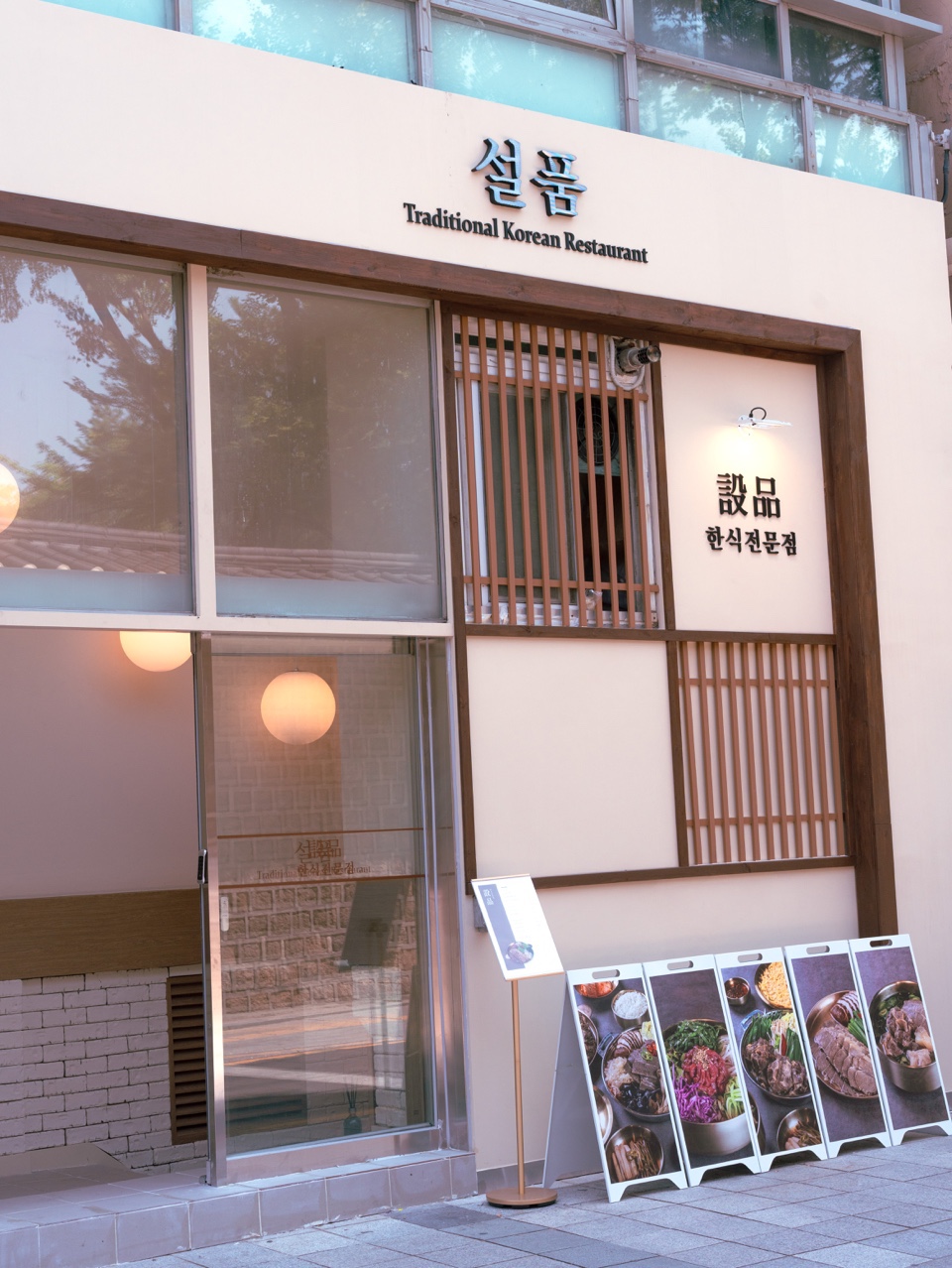
Seolpum Deoksugung Branch
6
Seolpum Deoksugung Branch -
 7
7
-
 8
8
-
 9
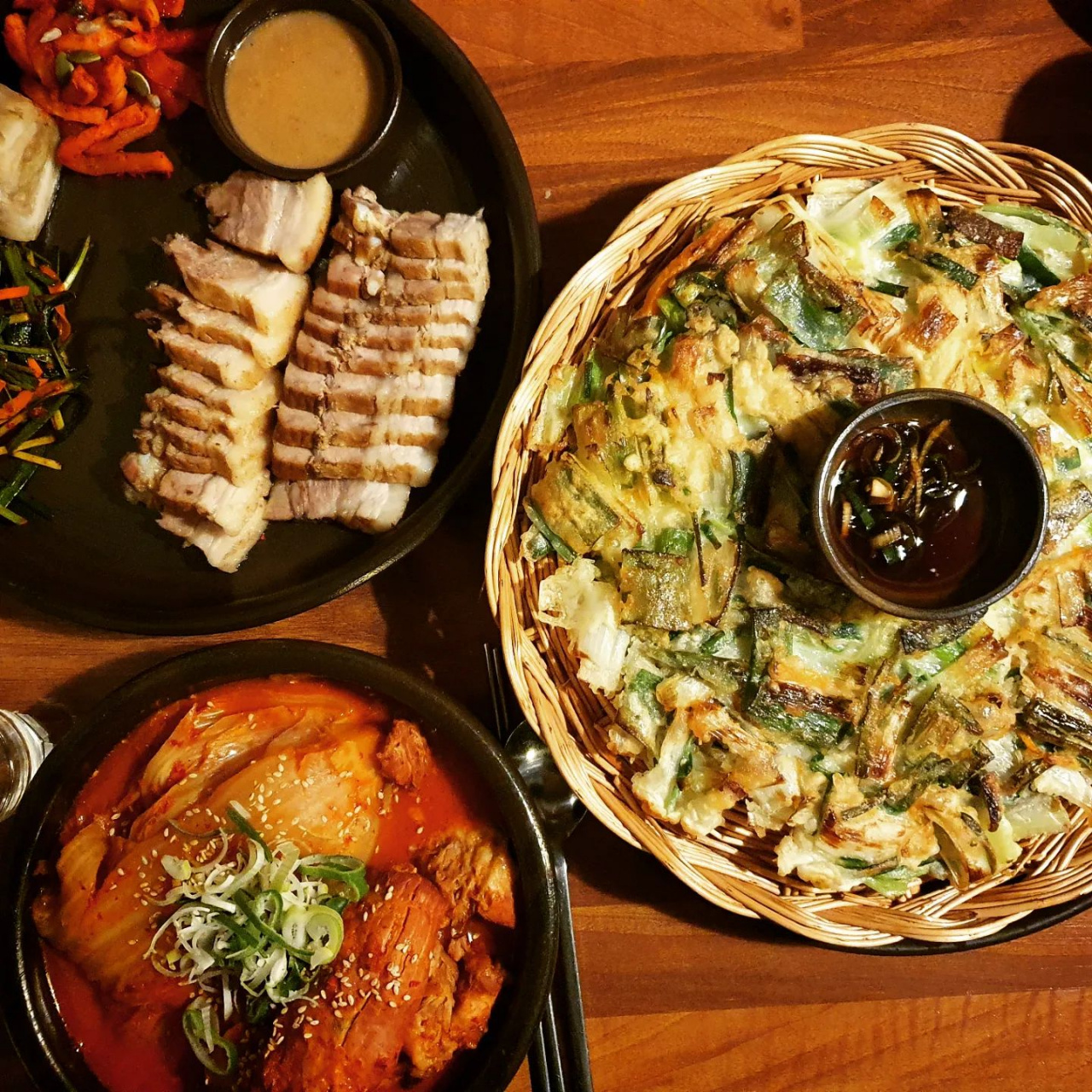
Sungnyedodam
9
Sungnyedodam -
 10
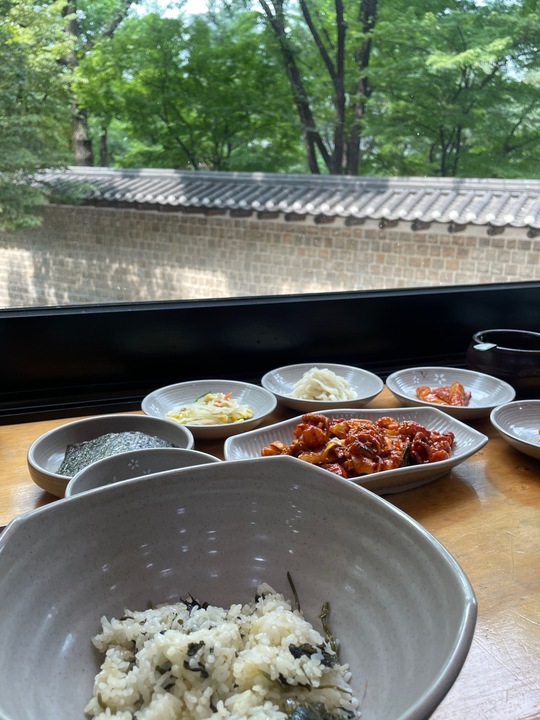
Jeongdeon Darak
10
Jeongdeon Darak
Events in This Area

Festivals in This Area
More Travel Guides in This Area
 Travel Guide
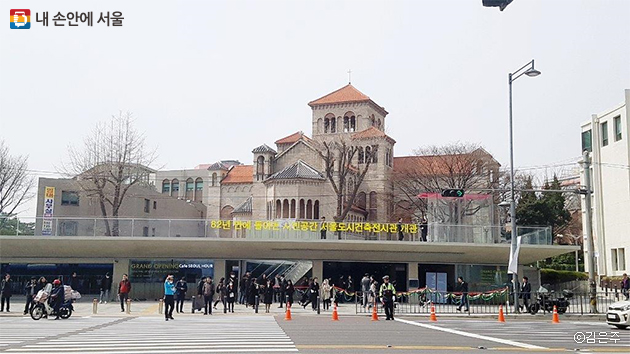
Reading Seoul’s Future Three Floors Underground at the 1937 Postal Bureau Site
 Travel Guide
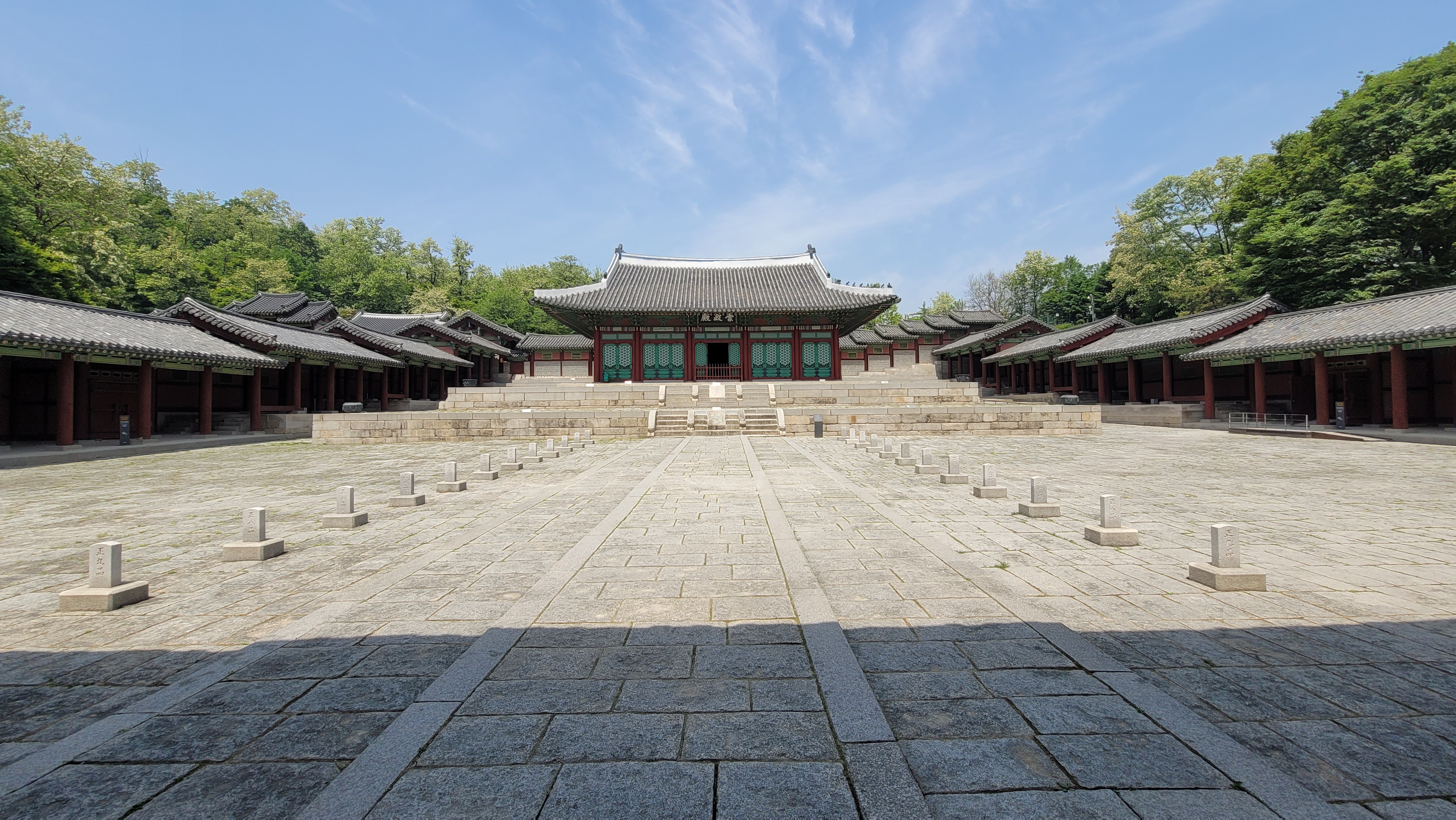
Gyeonghuigung Palace: A 60-Minute Walk Along the Axis of the Vanished Western Palace
 Travel Guide
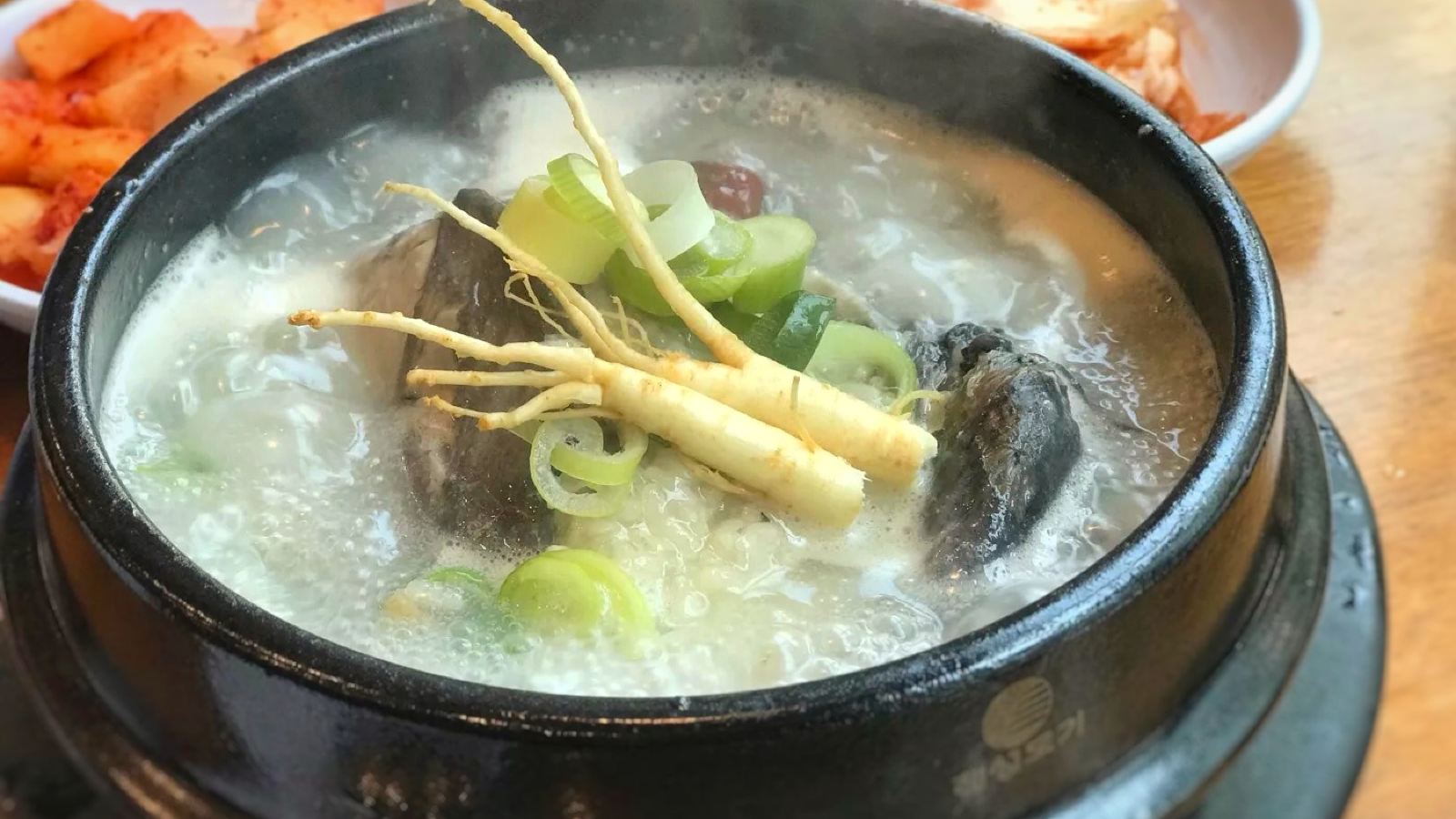
A Bowl at Goryeo Samgyetang Main Branch in an Alley near City Hall Station
 Travel Guide
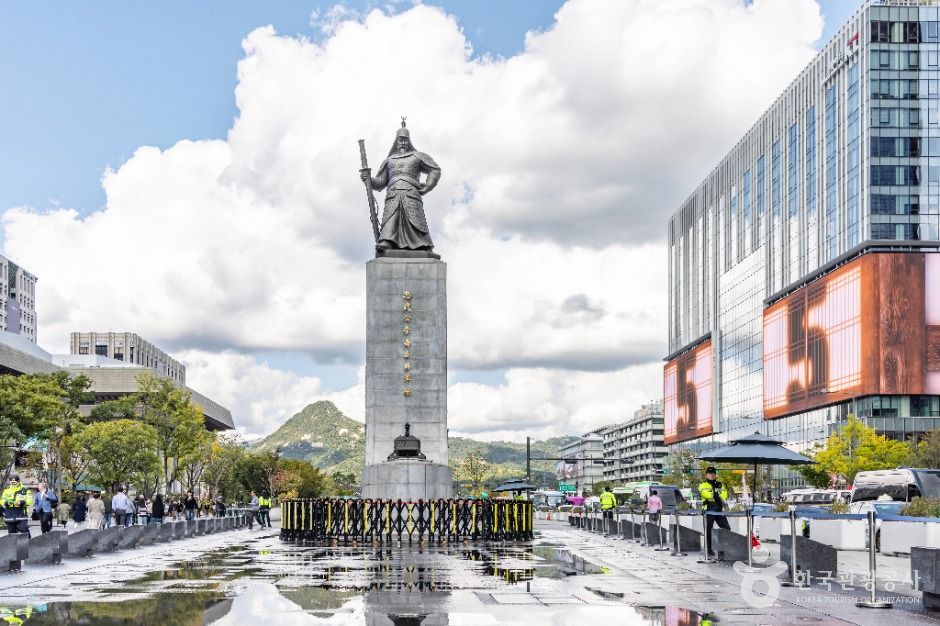
Statue of Admiral Yi Sun-sin Standing 17 m in the Middle of Gwanghwamun
Korea News
 News
News
aespa’s Winter—Can a Person Really Be This Cute? A Daily Life Full of Pure Charm
 News
News
Tom Cruise Spotted Taking a Late-Night Walk at Hangang Park… Strolled for an Hour in a Black Suit
 News
News
'Jimin, We'll always be with you' Peru Embraced 'Jimtober' Birthday Celebrations... "I'm Happy"
 News
News