Gyeonghuigung Palace: A 60-Minute Walk Along the Axis of the Vanished Western Palace
Gyeonghuigung Palace is a secondary palace of the late Joseon period whose construction was begun by King Gwanghaegun in 1617; it has been known by its current name since 1760. Following the route connecting Heunghwamun, Geumcheongyo Bridge, Sungjeongjeon, Jajeongjeon, Taeryeongjeon, and Seoam, you can see at a glance the fragmented history of a palace that has undergone demolition and restoration.
I’ve been here?
Your check-in helps the next traveler.
No one has checked in yet Be the first
One tap — no writing needed
Why Gyeongdeokgung Changed to Gyeonghuigung in 1760
Gyeonghuigung was built as a secondary palace during the reign of Gwanghaegun, the 15th king of Joseon. Construction began in 1617, the ninth year of Gwanghaegun’s reign, and it was originally called Gyeongdeokgung. The palace site was reportedly where Jeongwon-gun, who later became King Injo, had his private residence. Located west of the capital, it was called the “Western Palace,” forming a counterpart to the “Eastern Palaces” of Changdeokgung and Changgyeonggung.
In 1760, the 36th year of King Yeongjo’s reign, the name was changed to Gyeonghuigung because “Gyeongdeok” overlapped in pronunciation with the posthumous title of the honored King Wonjong. Ten kings, from Injo to Cheoljong, used this palace as a secondary residence, and Yeongjo spent half of his reign at Gyeonghuigung. Records also state that Gyeongjong, Jeongjo, and Heonjong ascended to the throne at Sungjeongmun, showing that this was not merely a detached palace but an actual stage for royal authority in the late Joseon period.
The Landscape of “Partial Restoration” Left by the 1865 Demolition and 1987 Restoration
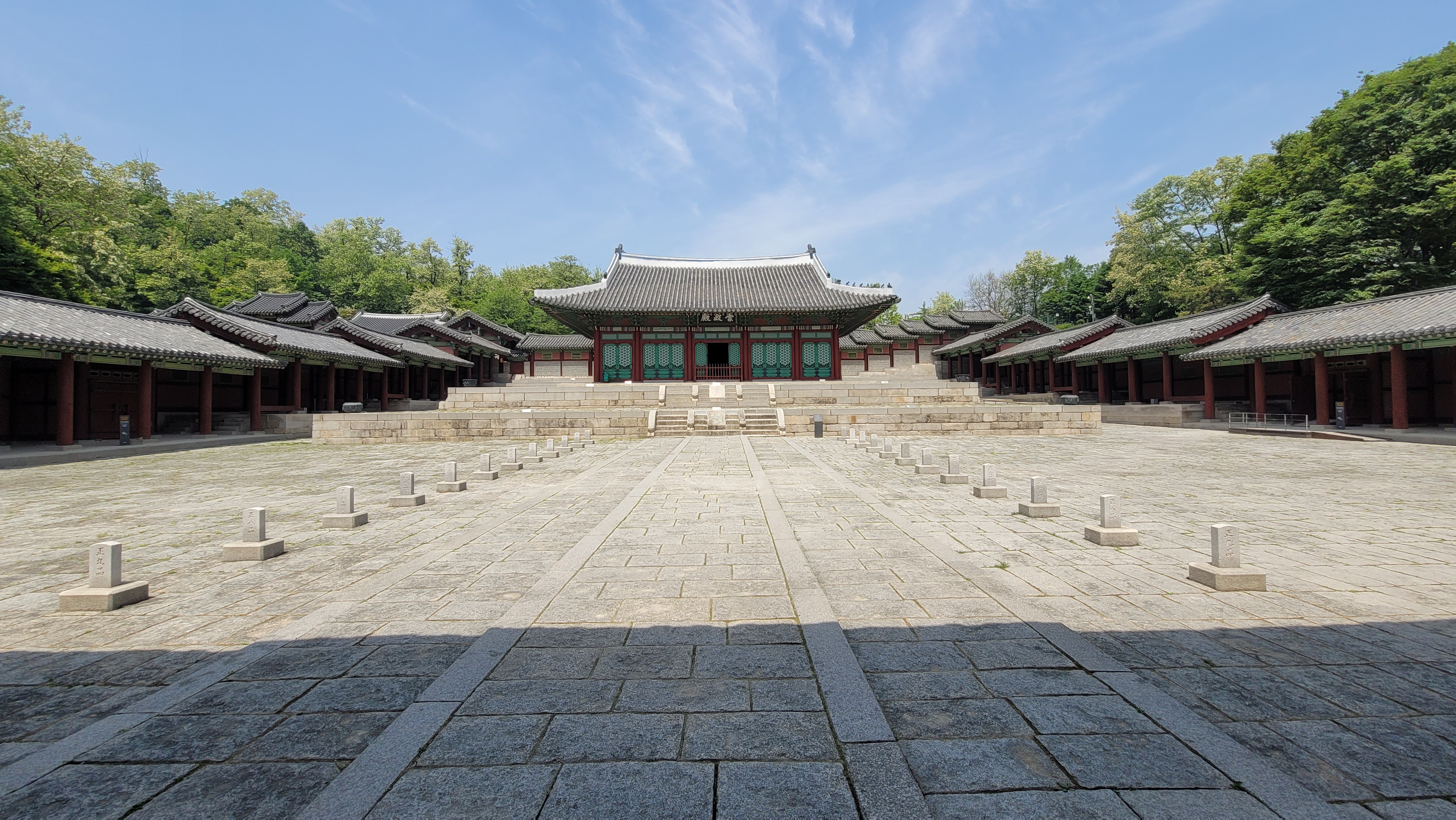
The reason Gyeonghuigung appears smaller than its original size is the damage it suffered during the 19th and 20th centuries. When reconstruction of Gyeongbokgung began in 1865, the second year of King Gojong’s reign, many buildings at Gyeonghuigung were demolished and their materials were used for construction at Gyeongbokgung. During the Japanese colonial period, the palace site was significantly altered by the construction of schools and changes to the terrain.
The site of Gyeonghuigung was designated Historic Site No. 271 in September 1980, and the Seoul Metropolitan Government began excavation and restoration projects in 1987. Heunghwamun was restored in 1987, Sungjeongjeon in 1991, Jajeongjeon and the corridors in 1998, and the Taeryeongjeon compound in 2000. Therefore, it is best to keep in mind that this is not a palace whose original form remains completely intact, but rather part of the Western Palace brought back to life based on the surviving remains and documentary research.
From Heunghwamun to Sungjeongjeon: The Western Palace’s First 15 Minutes
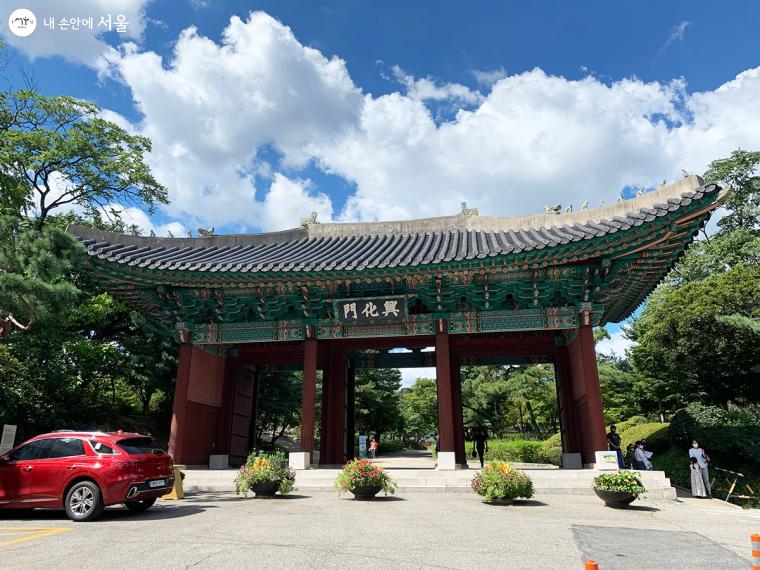
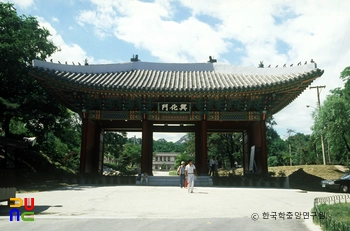
The easiest route to understand is to begin at Heunghwamun in the southeast, cross Geumcheongyo, and continue toward Sungjeongmun and Sungjeongjeon. Heunghwamun is the main gate of Gyeonghuigung, but the original site is now occupied by the Salvation Army Hall, so the gate was rebuilt about 100 meters west of its original location. The fact that the position seen when standing in front of the gate is not the same as the original main-gate site offers one of the clearest views of Gyeonghuigung’s history of damage.
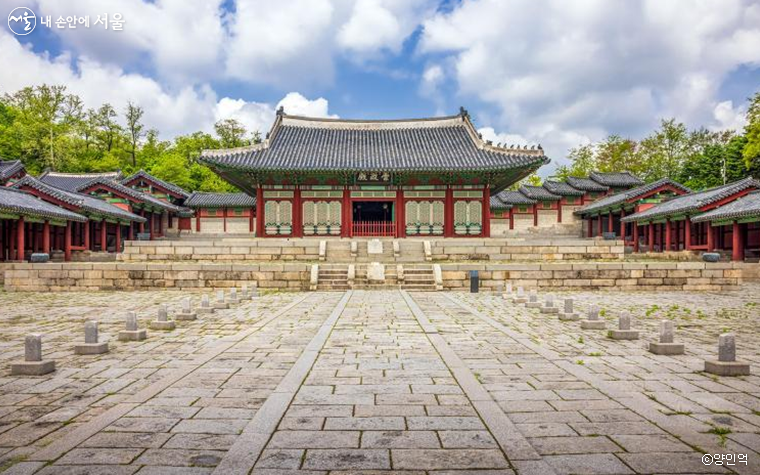
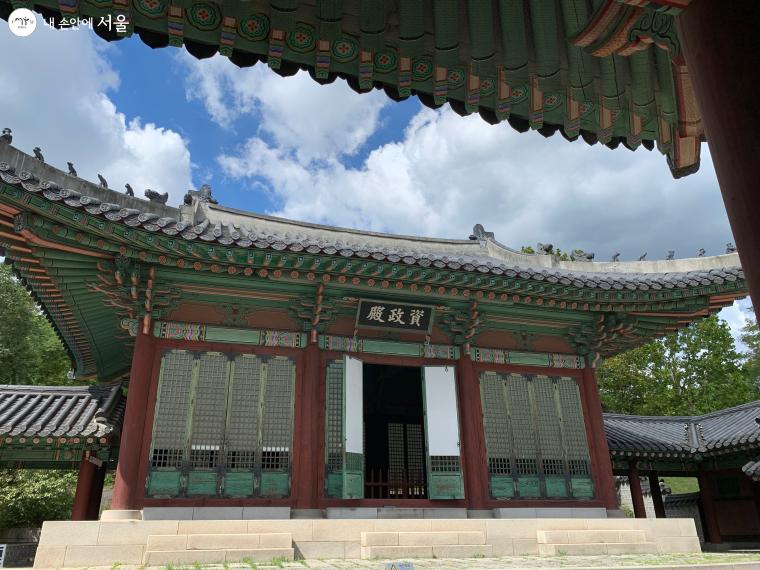
Geumcheongyo is a stone bridge used to cross the waterway before entering the palace, while Sungjeongjeon is the main hall where the king received court audiences and held state ceremonies, banquets, and meetings with envoys. Sungjeongjeon was restored in 1991, and even when the interior is visible, access must follow on-site controls. Allow about 15 minutes from Heunghwamun to Sungjeongjeon, including time for photography.
Royal Duties and Portrait Enshrinement at Jajeongjeon, Taeryeongjeon, and Seoram
Behind Sungjeongjeon, Jajeongjeon was the king’s council hall, where he discussed state affairs with his ministers and held scholarly conferences. Unlike Sungjeongjeon, which centered on state ceremonies, Jajeongjeon was a space where the administration of government took place. Restored in 1998, Jajeongjeon and its corridors follow the terrain farther behind Sungjeongjeon, revealing a different spatial flow from the palace’s level, plaza-like central area.
Farther inside, Taeryeongjeon is the building that once housed a portrait of King Yeongjo; its compound was restored in 2000. Seoram, the rock behind Taeryeongjeon, was known as a scenic spot within the palace, and visitors are told that a spring called “Amcheon” once existed below the rock. To see Sungjeongjeon, Jajeongjeon, Taeryeongjeon, and Seoram, allow at least 45 minutes from Heunghwamun, or 60–75 minutes if walking while reading the information panels.
Free Admission from 09:00 to 18:00; Avoid Mondays and January 1
Gyeonghuigung is open from 09:00 to 18:00 and closed every Monday and on January 1. Admission is free. It is managed by the Seoul Museum of History, and the main contact number is 02-724-0274~6. The official information page is https://museum.seoul.go.kr/www/intro/annexIntro/annex_20/annex_20_03.jsp, and it is advisable to check again before departure for any changes to access due to events, construction, or weather.
The address is 55 Saemunan-ro, Jongno-gu, Seoul. It is best to enter before 5 p.m. Although admission is free, regular guided-tour times inside the palace cannot be assumed to be permanently fixed, so check separate announcements for group tours or educational programs. Because some sections include stairs and slopes, visitors who walk slowly should allow at least 75 minutes.
Getting There via Seodaemun Station on Line 5 and the Seoul Museum of History
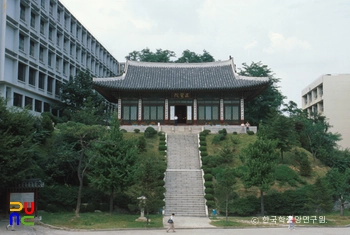
By subway, you can approach via Seodaemun Station on Line 5 or Gyeongbokgung Station on Line 3. Gyeonghuigung is right next to the Seoul Museum of History. For first-time visitors, setting “Seoul Museum of History, 55 Saemunan-ro” as an additional destination on the map, rather than searching only for “Gyeonghuigung,” makes it easier to identify the entrance location.
When traveling by car, visitors generally use a parking lot near the Seoul Museum of History rather than relying on dedicated parking for Gyeonghuigung. Because parking hours, fees, and availability may change, it is best to contact the museum for information on the day of your visit. The palace is an outdoor historic site with some slopes and uneven surfaces, so wheelchair and stroller users should first check the accessible areas and the eastern-gate ramp with on-site staff or at 02-724-0274~6.
- Public transportation reference points: Seodaemun Station on Line 5, Gyeongbokgung Station on Line 3
- Nearby facility: Seoul Museum of History
- Recommended time: 60–75 minutes
- Admission: Free
Pairing It with the Seoul Museum of History Makes the “Empty Spaces of the Palace Site” Clearer
Visiting the Seoul Museum of History next to Gyeonghuigung helps explain Seoul’s urban changes and the background to Gyeonghuigung’s restoration, aspects that are difficult to understand from palace architecture alone. The two sites are adjacent, so almost no travel time is required; an efficient plan is to spend 60 minutes at Gyeonghuigung and then add a separate period for the museum.
Gyeonghuigung is better suited to visitors who want to trace how a secondary palace of late Joseon, urban development, damage during the colonial period, and modern restoration overlap in one place than to travelers expecting the expansive collection of buildings found at Gyeongbokgung. Those who want to see many royal buildings can connect it with other palaces in the nearby Gwanghwamun area as part of a day’s itinerary, but at Gyeonghuigung itself, it is more appropriate to take time to appreciate the restored core buildings and the terrain.
Before You Go
- Address
- 55 Saemunan-ro, Jongno-gu, Seoul
- Hours
- 09:00–18:00
- Closed
- Every Monday and January 1
- Admission
- Free
- Phone
- 02-724-0274~6
- Official site
- https://museum.seoul.go.kr/www/intro/annexIntro/annex_20/annex_20_03.jsp?sso=ok
- Transport
- Use Seodaemun Station on Line 5 or Gyeongbokgung Station on Line 3; next to the Seoul Museum of History
- Parking
- Dedicated parking information for Gyeonghuigung could not be confirmed. Contact the museum before visiting about availability and fees at nearby parking lots
- Time needed
- 60–75 minutes
- Accessibility
- Because the outdoor palace site has slopes and uneven surfaces, wheelchair and stroller users are advised to call 02-724-0274~6 in advance to ask about accessible areas
The information above is current as of the time of writing. Check the official information again before visiting.

Places
Nearby Attractions 5
-
 1
1
-
 2
2
-
 3
3
-
 4
4
-
 5
5
Food & Dining 5
-
 6
Gyeongbokgung Palace Restaurant
6
Gyeongbokgung Palace Restaurant -
 7
Gwanghwamun Station MUTAN Gwanghwamun Store
7
Gwanghwamun Station MUTAN Gwanghwamun Store -
 8
8
-
 9
9
-
 10
Wongiyok Gwanghwamun Branch
10
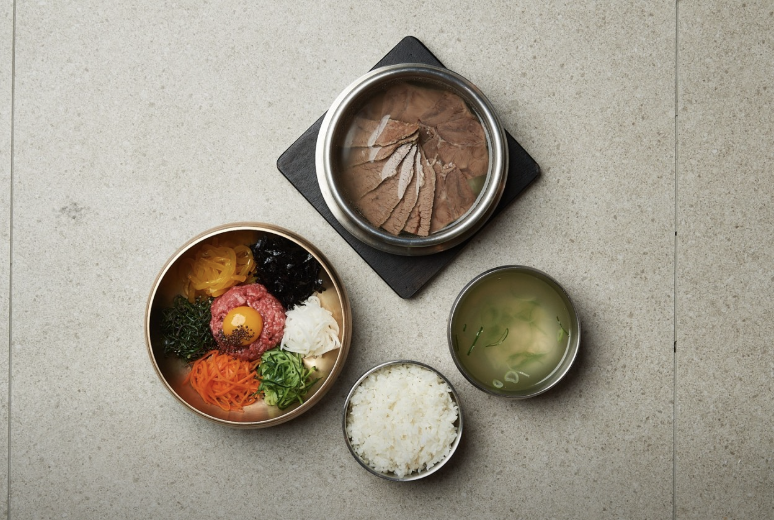
Wongiyok Gwanghwamun Branch
Events in This Area

Festivals in This Area
More Travel Guides in This Area
 Travel Guide
A Bowl at Goryeo Samgyetang Main Branch in an Alley near City Hall Station
 Travel Guide
From Daehanmun Gate to Seokjojeon: A 90-Minute Journey Through the Last Imperial Palace of the Korean Empire
 Travel Guide
Reading Seoul’s Future Three Floors Underground at the 1937 Postal Bureau Site
 Travel Guide
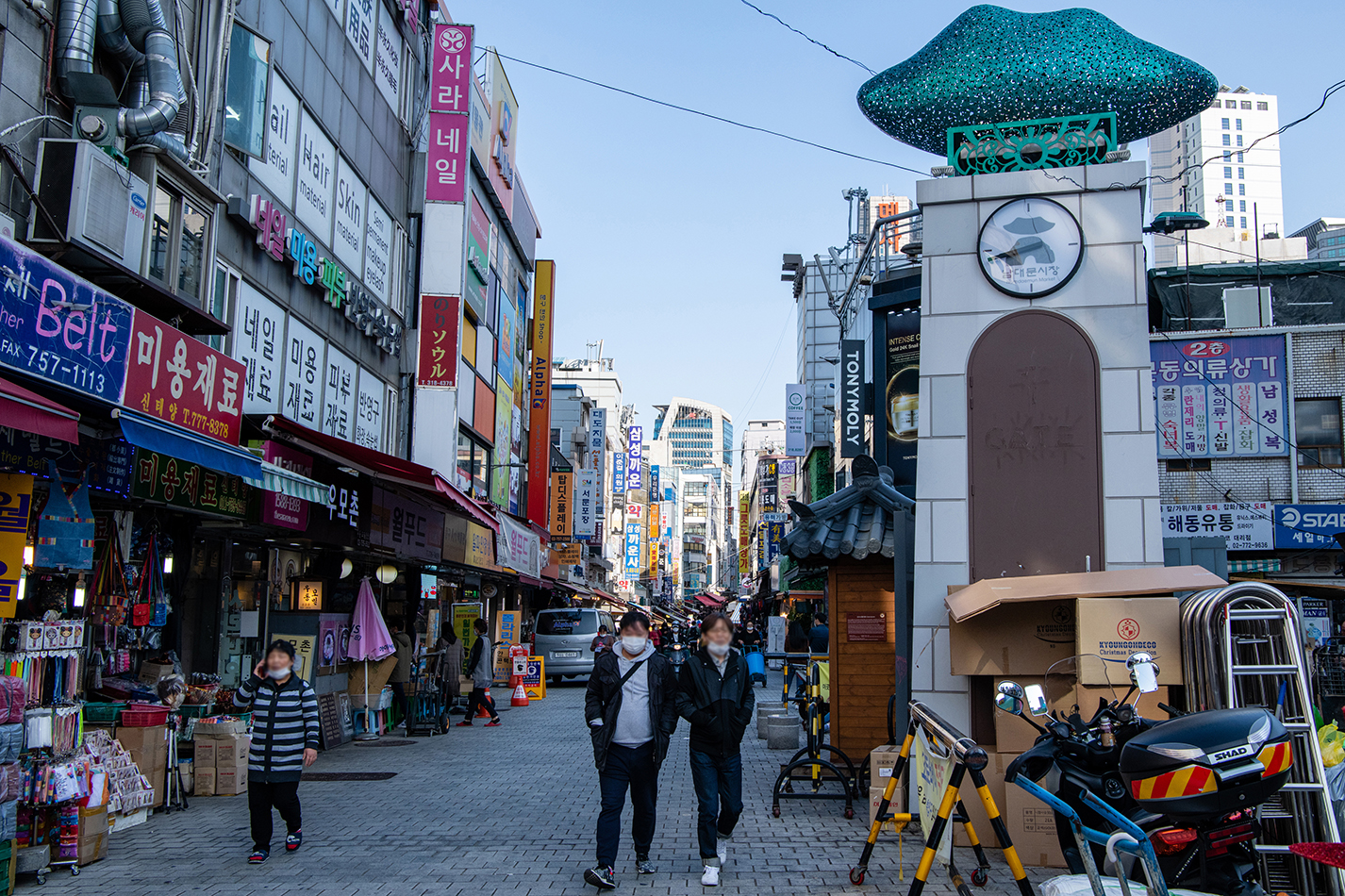
From Sungnyemun Gate and the 1897 Changnae Market to the Night Wholesale Alleys: How to Read Namdaemun Market
Korea News
 News
News
Tom Cruise Spotted Taking a Late-Night Walk at Hangang Park… Strolled for an Hour in a Black Suit
 News
News
'Jimin, We'll always be with you' Peru Embraced 'Jimtober' Birthday Celebrations... "I'm Happy"
 News
News
BTS’s Jungkook stands alongside Messi and Ronaldo… No. 5 worldwide in TikTok views
 News
News