
Wonju Miro Art Central Market: From a 1950s Market to Four Art Alleys
Wonju Miro Art Central Market is a traditional market in the old city center that began as Jungang-dong’s five-day market in the 1950s, with a daily-needs market on the first floor adjoining workshops, cafés, and exhibition spaces on the second. Even first-time visitors can easily find their way by using the signs for Buildings A, B, C, and D and the steel columns as landmarks.
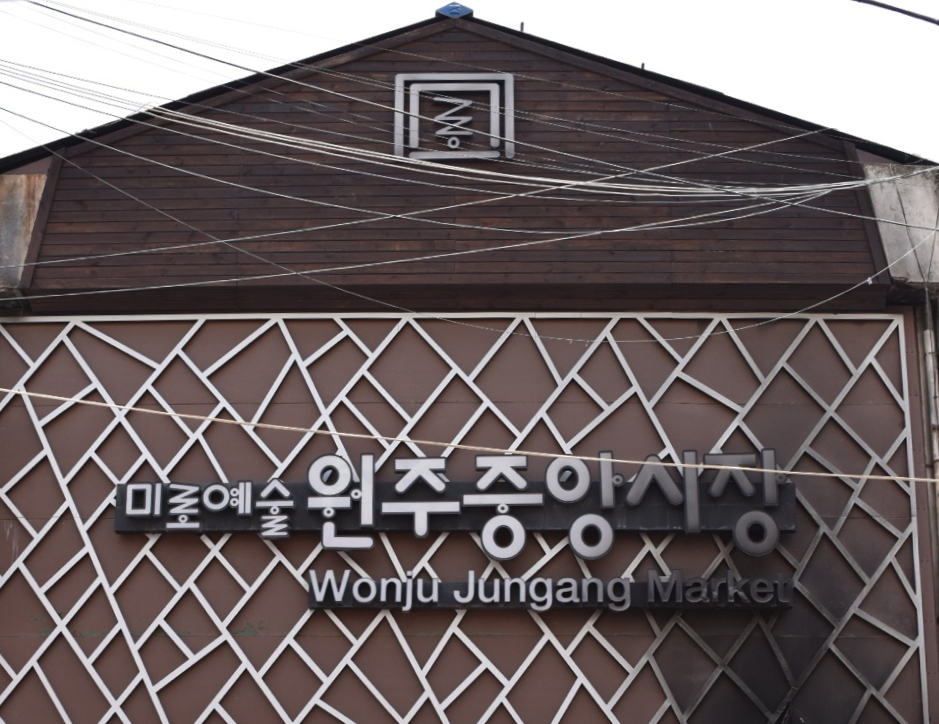

A Marketplace in Wonju’s Old Downtown That Began at the Jungang-dong Five-Day Market in the 1950s
Wonju Miro Arts Jungang Market began to take shape at the five-day market held around Jungang-dong, Wonju, in 1950. The number of stores and food alleys later increased, and public market data records it as a permanent market opened in 1965 with approximately 545 stores. Because it contains agricultural and livestock products, processed foods, clothing, shoes, and restaurants, it offers a good overview of the everyday commercial district of Wonju’s old downtown at a glance, rather than focusing on just one type of product.
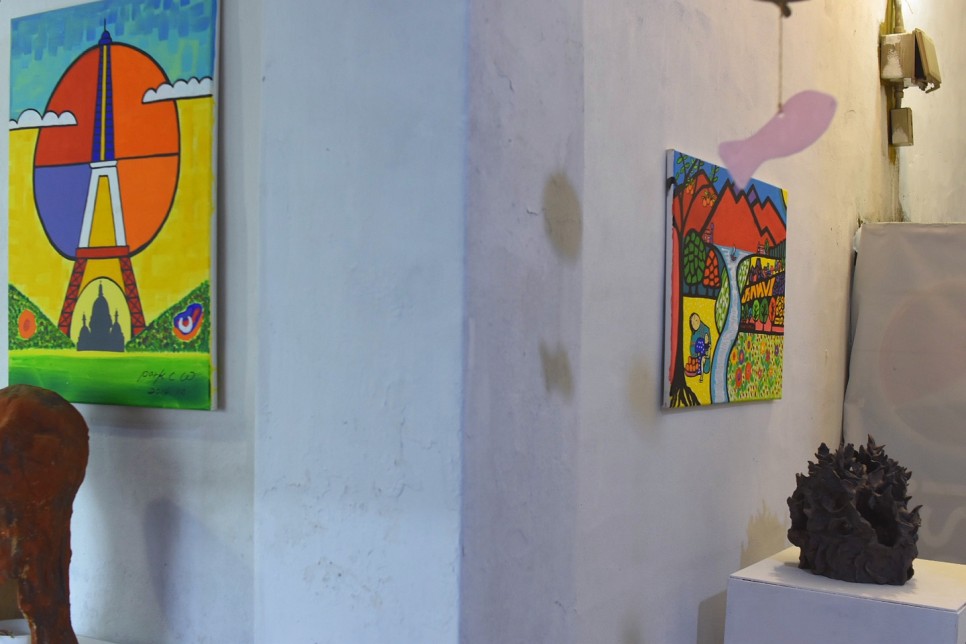
The “Miro Arts” in the market’s name stands out in the alley-like space on the second floor of Jungang Market. After being selected as a Culture and Tourism Market in 2015, the market shifted toward combining art and young merchants, and workshops, cafés, and exhibition-oriented stores moved into the second floor. The key point is that this is an example of a living market and creative space overlapping in the commercial center of Wonju’s old downtown, where the Joseon-era Gangwon Gamyeong was located.
How to Find Your Way Using the Four Buildings and Steel Columns
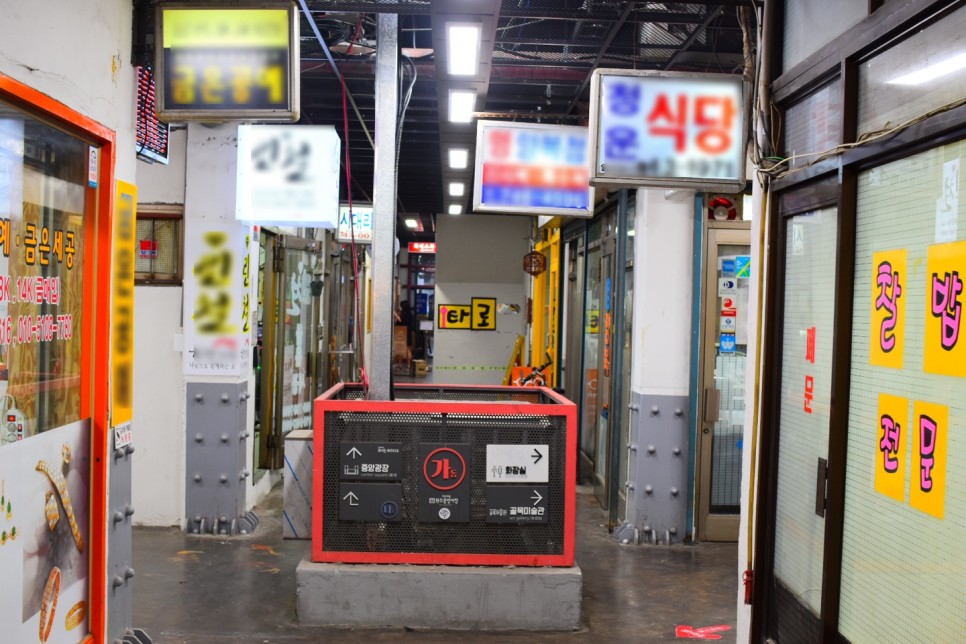
Miro Arts Market is divided into four buildings, Ga, Na, Da, and Ra, with a central plaza at the point where the buildings meet. When you first enter, check the letter of the building closest to the entrance where you started, and use the steel columns, chimneys, and signposts in the center of each building as reference points at intersections. Rather than continuing in one direction, the fastest way to recover if you get lost is usually to return to the central plaza.
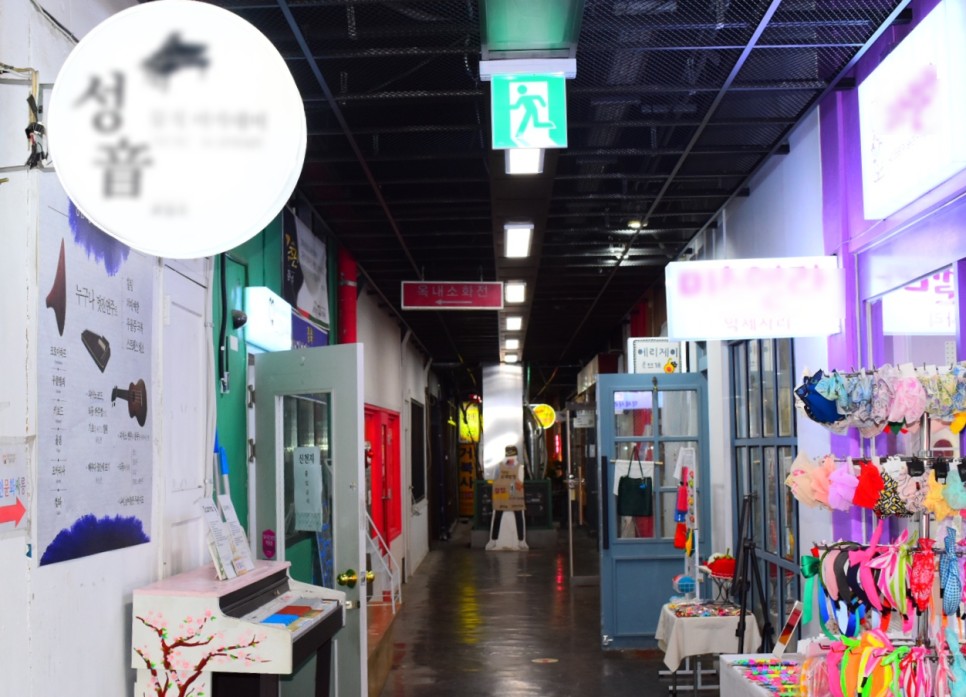
The second floor has workshop alleys and exhibition spaces, and signboards and steel structures from the market’s past remain. Guide materials introduce a visible radio booth and alley galleries, but actual operations of exhibitions, broadcasts, and individual workshops may vary by date. If you have a particular workshop or restaurant in mind, it is safest to call the market’s main number, 033-743-2570, first to ask whether it is open that day.
Allow for Differences Between Stores Based on the Listed Hours of 10:00–20:00
A 2020 guide from the Ministry of Culture, Sports and Tourism lists the market’s operating hours as 10:00–20:00, with regular closing days on the second and fourth Sundays of each month. However, restaurants, workshops, and retail stores inside the traditional market may each have different opening and closing times, and the latest market information based on public data also notes that “business hours vary by store.”
Admission itself is free, and no reservation procedure applying to the entire market has been confirmed. If you are visiting to eat, however, lunch and dinner operating hours may vary by store, and individual closures may occur during holiday periods. Therefore, if you are targeting a particular kalguksu restaurant, workshop, or café, contacting 033-743-2570 before departing can help avoid wasted time.
105 m to the Wonil-ro Jungang Market Stop, 145 m to the Gangwon Gamyeong Stop
The address is 6 Jungangsijang-gil, Wonju-si, Gangwon Special Self-Governing Province. By public transportation, the Wonil-ro Jungang Market bus stop is approximately 105 m away, and the Gangwon Gamyeong stop is approximately 145 m away. Routes including 2-1, 2, 3-1, 3, 4, 4-1, 6, 7, 8, 21, 22, 23, 24, 30, and 31 stop at these locations, so check the routes again in a bus arrival-information app according to your departure point.
Earlier guides suggested taking city buses 2 and 41 from Wonju Station, buses 51 and 55 from Manjong Station, and buses 31, 34, 86, 7, 5, 5-1, 5-2, and 6 from Wonju Intercity Bus Terminal. Routes may be adjusted, so rather than searching only by route number, it is more practical to search for the Wonil-ro Jungang Market or Gangwon Gamyeong stop as your destination. The market alleys are narrow and require frequent changes of direction, so wheelchair and stroller users are better off planning a route mainly on the first floor with a companion.
Parking Information at 600 Won per 30 Minutes and Choosing the 33-Space Ilsandong Public Parking Lot
Market guide materials list the parking fee as 600 won per 30 minutes, and public market information registers the market as having parking and restrooms. However, parking operators and fees inside and near the market may change, so if you drive, check the parking location and applicable rates again on site.
Ilsan Parking Lot in Ilsandong 9 near the market is listed as having 33 spaces and being about a three-minute walk from the market. This parking information also lists a basic fee of 600 won for 30 minutes, followed by 500 won per additional 10 minutes, so the cost difference can become significant for longer stays. If you plan to shop on the first floor and also visit workshops and eat on the second floor, it is advisable to allow a basic stay of one to one and a half hours and manage your parking time separately.
An Efficient Order for Combining the First-Floor Living Market and Second-Floor Young Merchants’ Workshops
The first floor focuses on agricultural products, livestock products, processed foods, clothing, shoes, and restaurants, while cafés and handicraft workshops are gathered in the Miro Arts Market on the second floor. The Korea Tourism Organization’s English guidebook introduces workshops run by young merchants on the second floor, including quilting, glass art, sewing, pottery, and candle making. However, the actual businesses occupying the market may change, so it is best to look around the stores open that day rather than expect a specific experience.
An efficient route is to finish any necessary meal or shopping on the first floor, then go upstairs and check the Ga, Na, Da, and Ra building signs and the central plaza. Allow 40–60 minutes if you are only eating, and around 1.5 hours if you take your time visiting the second-floor workshops and exhibition spaces. The layout may not suit travelers who find stair access difficult or who want to shop for specific brands.
Linking Gangwon Gamyeong, Jayu Market, and Culture Street on a Walking Route Through the Old Downtown
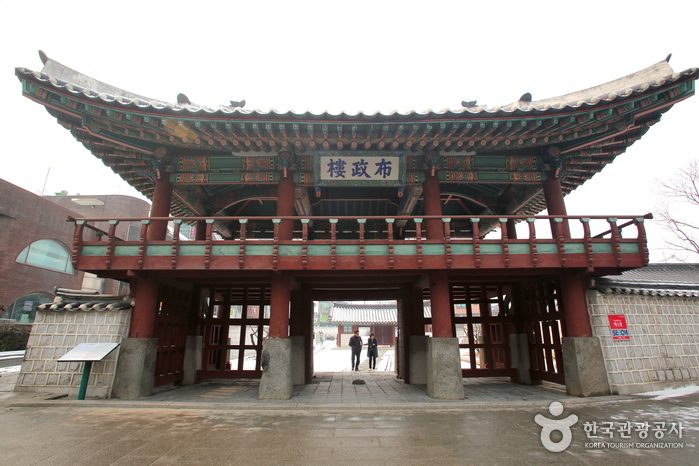
The name of the Gangwon Gamyeong stop, about 145 m from the market, refers to the nearby Gangwon Gamyeong. Wonju was once the location of Gangwon Gamyeong, which served as the administrative, military, economic, and cultural center of Gangwon Province until the provincial office moved to Chuncheon in 1896. Rather than viewing the market alone, walking through the Gamyeong area as well makes it easier to understand the context in which a commercial district developed in Wonju’s former administrative center.
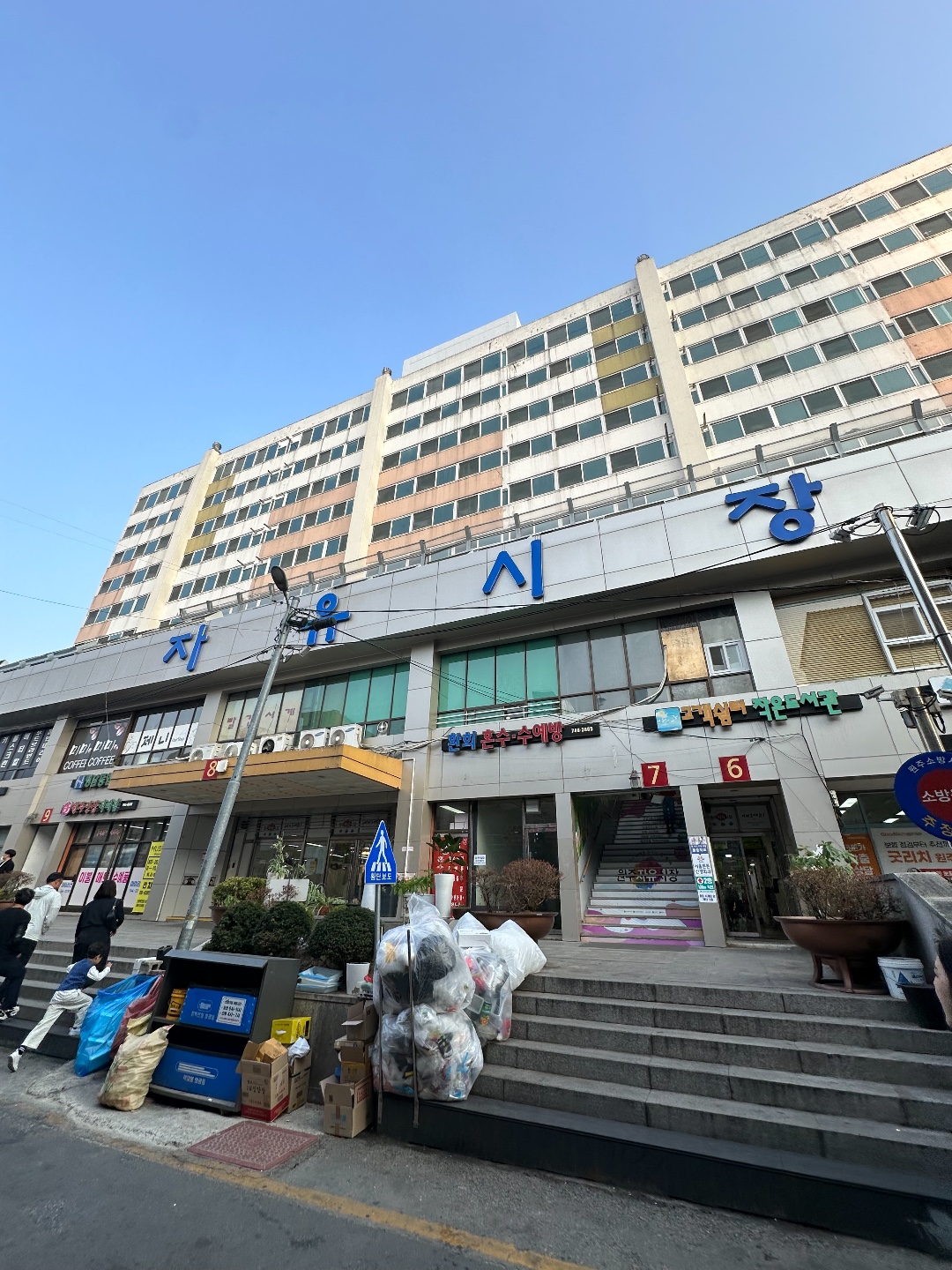
Wonju Jayu Market is next to Miro Arts Jungang Market, and Wonju Culture Street is also nearby, making them easy to connect as a walking itinerary through the old downtown. A straightforward plan is to visit the first and second floors of the market in the morning or early afternoon, then continue to Gangwon Gamyeong, Jayu Market, and Culture Street. An official Wonju City video from 2023 also covers Jayu Market, Jungang Market, Jungwon Market, Miro Arts Market, and Doraemi Market together, which may be useful for travelers who want to compare several of Wonju’s traditional markets.
Before You Go
- Address
- 6 Jungangsijang-gil, Wonju-si, Gangwon Special Self-Governing Province
- Hours
- Based on listed hours of 10:00–20:00; varies by store
- Closed
- Based on the listed second and fourth Sundays of each month; varies by store
- Admission
- Free
- Phone
- 033-743-2570
- Official site
- https://www.wonju.go.kr/tour/viewTnResrceDataT.do?key=5477&rcpp=12&resrceNo=6045&sc1=20&sc9=DYNLIST&si1=56&tc10=Y
- Transport
- Approximately 105 m to the Wonil-ro Jungang Market stop and 145 m to the Gangwon Gamyeong stop. Routes including 2-1, 2, 3-1, 3, 4, 4-1, 6, 7, 8, 21, 22, 23, 24, 30, and 31 stop there.
- Parking
- Market parking available. Listed rate is 600 won per 30 minutes; check on site.
- Time needed
- 40–60 minutes for eating and shopping; approximately 1.5 hours including second-floor workshops and exhibitions
- Accessibility
- Restrooms available. Because the alleys are narrow and there are stairs between floors, wheelchair and stroller users are advised to stay mainly on the first floor and bring a companion.
The information above is current as of the time of writing. Check the official information again before visiting.

Places
Nearby Attractions 5
-
 1
Gangwon Gamyeong Historic SiteExplore the remains of the administrative center of Gangwon Province during the Joseon period.
1
Gangwon Gamyeong Historic SiteExplore the remains of the administrative center of Gangwon Province during the Joseon period. -
 2
2
-
 3
3
-
 4
4
-
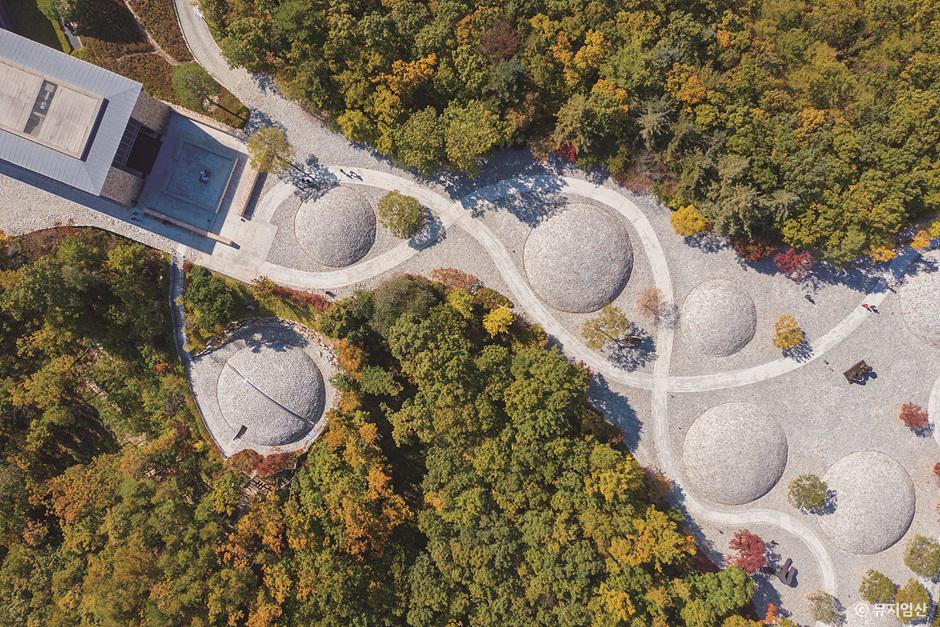 5
Park Kyung-ri Literature ParkTake a stroll while exploring Park Kyung-ri's former home and literary exhibits.
5
Park Kyung-ri Literature ParkTake a stroll while exploring Park Kyung-ri's former home and literary exhibits.
Food & Dining 3
-
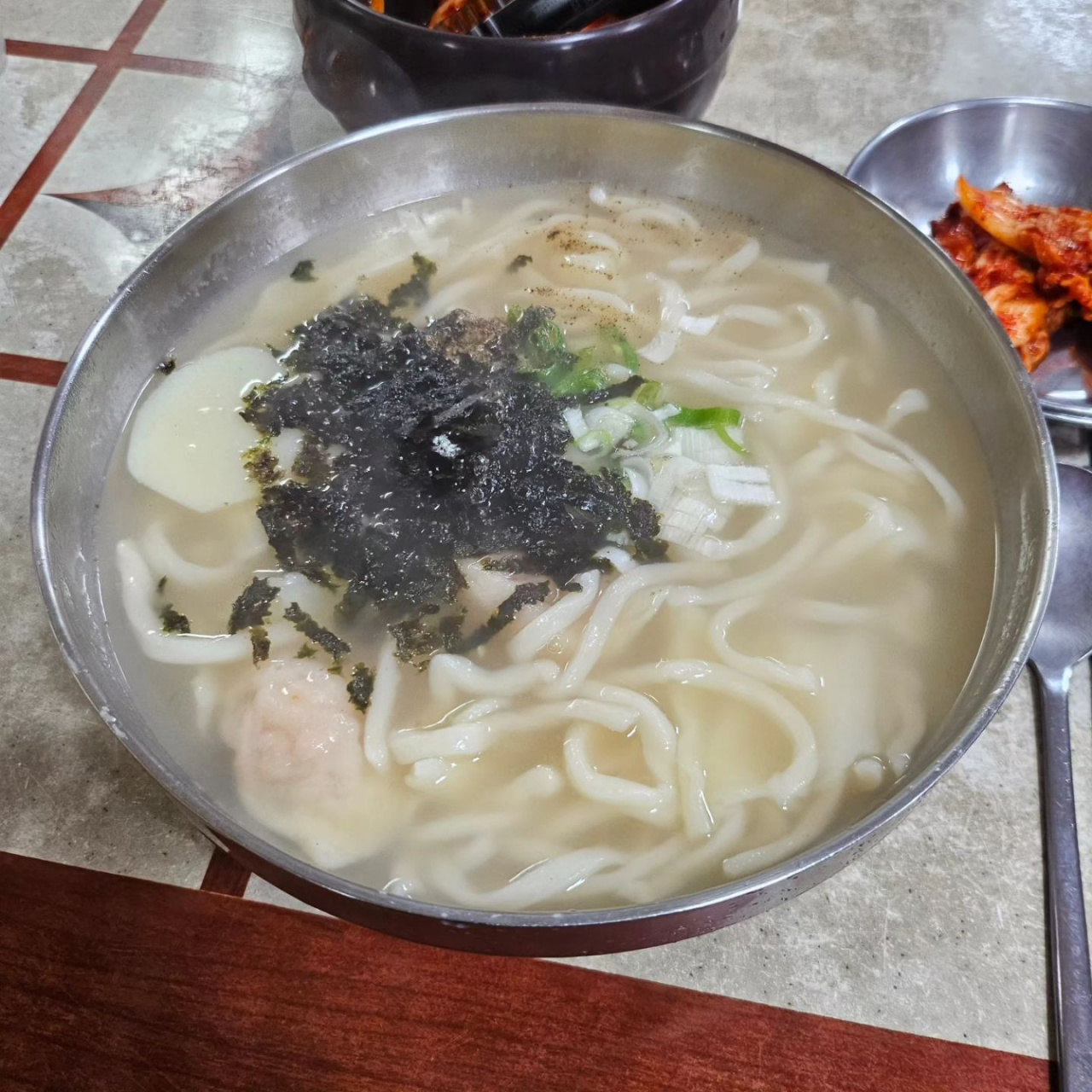 6
Gohyang KalguksuA restaurant in Jayu Market serving kalguksu (hand-cut noodle soup), sujebi (hand-torn dough soup), and mandu-guk (dumpling soup).
6
Gohyang KalguksuA restaurant in Jayu Market serving kalguksu (hand-cut noodle soup), sujebi (hand-torn dough soup), and mandu-guk (dumpling soup). -
 7
7
-
 8
8
Events in This Area

Festivals in This Area

More Travel Guides in This Area
 Travel Guide
Indoor and Outdoor Routes at High1 Water World in Gohan, 1,100 Meters Above Sea Level
 Travel Guide
5.4 km from Gungchon to Yonghwa: Samcheok Marine Rail Bike Linking Donghae Cliffs and Tunnels
 Travel Guide
Gangchon Rail Park Gim You-jeong Station
 Travel Guide
5.3 km Above the Seomgang Cliffs: The Walking Route Through Sogeumsan Grand Valley
Korea News
![ZEROBASEONE ‘ZEROBASEONE Shining Even at Night!’ [★Video]](https://kotourlive-images.s3.ap-northeast-1.amazonaws.com/news/1786629298196_13d8a4bb_news_075face7-fb4e-402c-b833-25ccaf88cf8f.jpg) News
News
ZEROBASEONE ‘ZEROBASEONE Shining Even at Night!’ [★Video]
 News
News
Kwon Eun-bi, First Comeback Since Moving from Woollim to RBW: “Aiming for a September Release”
 News
News
“Did Jungkook’s connection continue?” Pop star Usher spotted warmly hugging BTS’s RM and J-Hope
 News
News