I’ve been here?
Your check-in helps the next traveler.
No one has checked in yet Be the first
One tap — no writing needed
The Day the Brick House Began to Sing — A Small Museum at the End of the Alleys in Jangwi-dong
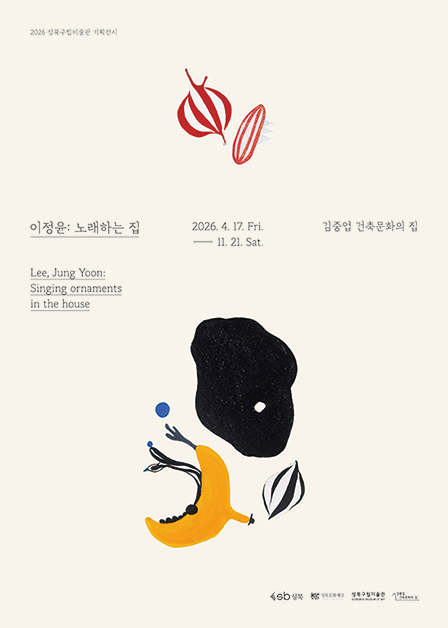
In Jangwi-dong, Seongbuk-gu, in the northeast of Seoul, if you walk through the ordinary residential alleys, you will come across a two-story Western-style house wrapped in red brick and colorful stained-glass windows. This is Kim Chung-up House of Architecture and Culture. It is a detached house that first-generation Korean modernist architect Kim Chung-up personally remodeled in the 1980s, and it opened as a cultural space in 2018, so now anyone can step inside. The reason I visited was because this house is wearing a different look throughout 2026. The Seongbuk-gu Museum of Art special exhibition, Lee Jeong-yoon: Singing House, is currently on view.
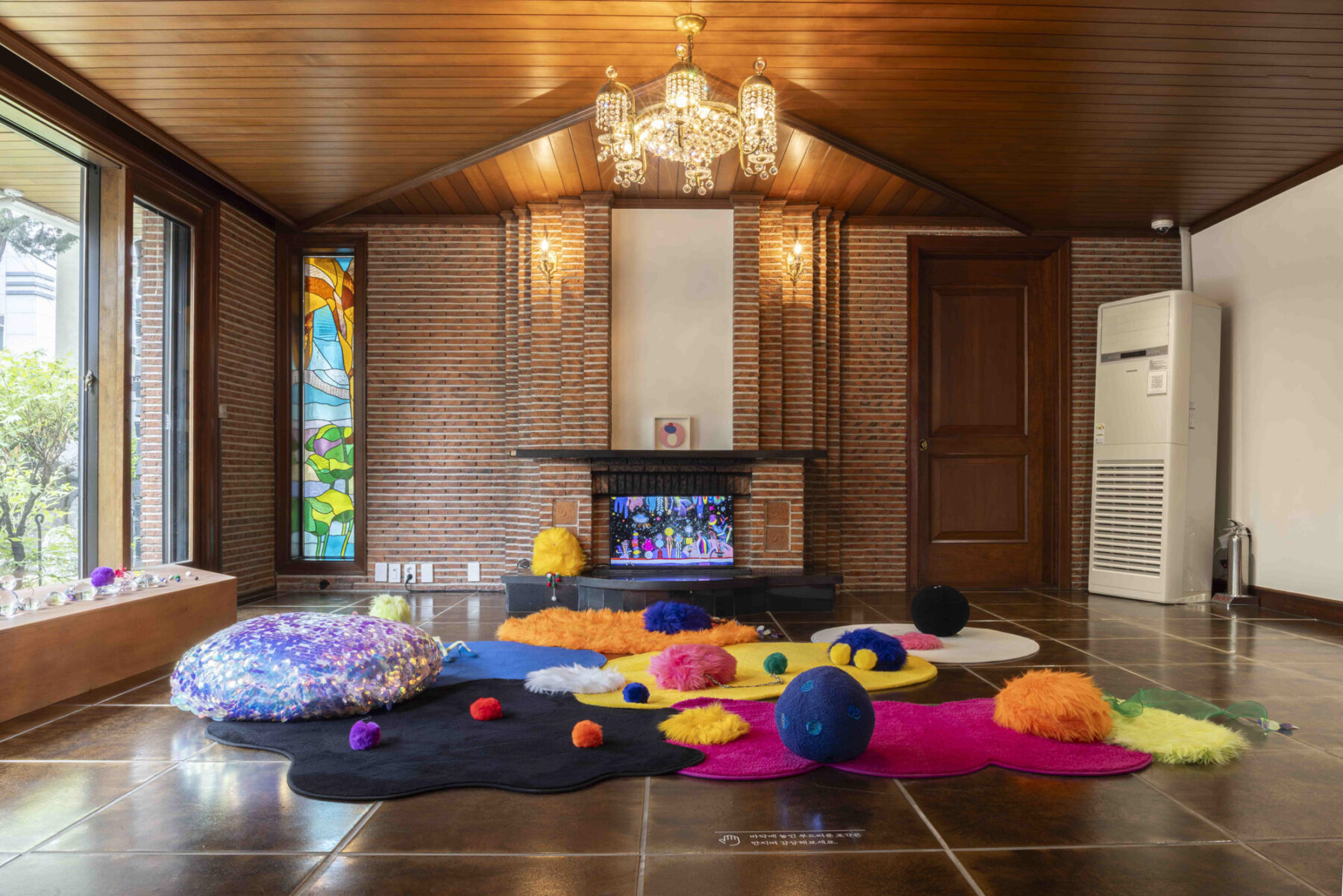
What makes this exhibition special is that it is not the usual kind of show that hangs paintings on white museum walls. Artist Lee Jeong-yoon has turned Kim Chung-up's house itself into the stage for the work. The artist works with soft materials that can easily be transformed or broken, such as inflatable sculptures, stuffed dolls, and glass fragments. Those colorful fabric objects are placed like musical notes beside the red-brick fireplace, beneath the stained-glass windows, and in the garden and greenhouse. In a way, the artist has visually translated Kim Chung-up's lifetime belief that "architecture is music." The exhibition runs from April 17, 2026, through November 21.
No reservation or admission fee needed — a half-day itinerary for foreign travelers
First, I want to reassure you about the most important thing. This exhibition does not require advance reservations, and admission is completely free. Since there is no need to buy a ticket or wait in line, it is perfect for a spontaneous visit when you suddenly have some free time in your schedule. Just be sure to check the operating days. It is open only from Tuesday to Saturday, and closed on Sundays, Mondays, and public holidays. On top of that, it is closed for the entire month of August, so if you go in the middle of summer, you may make a wasted trip. Hours are 10:00 a.m. to 5:00 p.m., but entry is not allowed during the lunch break from 12:00 to 1:00 p.m., so it is best to plan your route around that time.
The easiest way to get there is by subway. The most common route is to get off at Dolgoji Station on Line 6 and walk into the neighborhood alleys. Since it is deep inside a residential area, it is more accurate to enter the road-name address in Naver Map or KakaoMap rather than Google Maps: 11, Jangwiro 21na-gil. One thing to know in advance is that there is no dedicated parking lot. The museum also recommends public transportation, and if you do come by car, you will need to use Dongbanggogae Public Parking Lot, which is about a 7-minute walk away. So for foreign travelers, I would simply recommend coming by subway.
When you enter the front door, you change into slippers and tour the house. Since it was originally a lived-in home, the route itself — moving from room to room and up the stairs — is part of the viewing experience. The fireplace and chandelier in the first-floor living room, and the stained-glass windows in the entrance hall and stairwell are attractions in themselves, and the artist's works are layered on top of them. There are around 50 works, mixing installation, video, and painting, so if you take your time, the visit will take about an hour. If you keep in mind that this is not a large museum but one neighborhood house, your expectations will be just right.
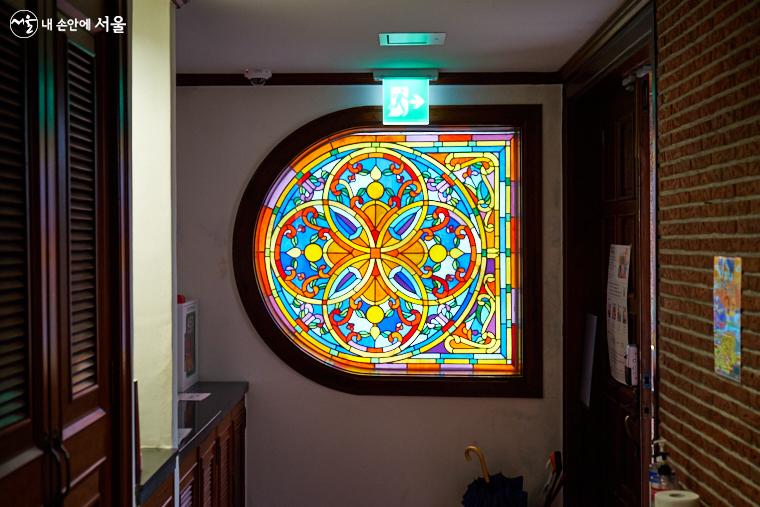
Viewing with the "Liquid Cat" — you do not need to worry about language
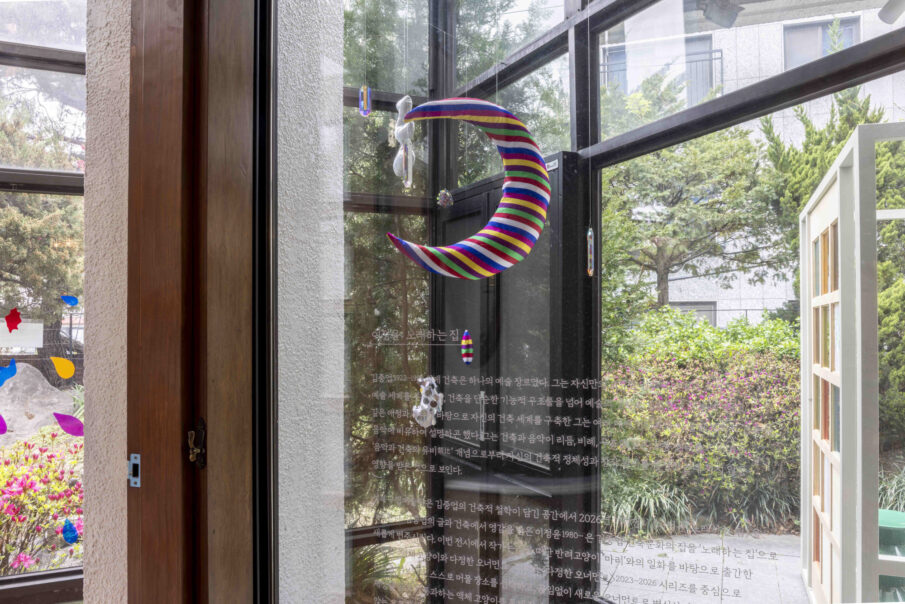
If you know the backbone of the exhibition before you go, it becomes much more interesting. The works begin with Lee Jeong-yoon's picture book Liquid Cat and Gentle Ornament. Inspired by the artist's pet cat, "Mari," the "liquid cat" is a being that does not fix its form, but continuously changes shape and moves while choosing where to stay on its own. New works such as Singing House, Gentle Ornament, and Gentle Ornament: Seed are placed in pairs with elements of Kim Chung-up's architecture, such as the garden, greenhouse, fireplace, hanok-style wooden floor well platform, and stained-glass windows. Singing House, made of fused glass and a steel frame, is a 200 cm three-dimensional structure, so it catches the eye even from afar.
As for the language issue that foreign friends would be most curious about, honestly, there is not a wealth of English guidance. Since this is a small public cultural space, it is difficult to expect detailed multilingual docents or an audio guide. But that is not a major barrier here. This is an exhibition to be experienced with the body through color, form, and the spaces where light enters, rather than through written explanations, so even if you do not know Korean, you can still enjoy it through your senses. The English exhibition title is also set as "Singing ornaments in the house," which makes it easy to explain in one sentence to any foreign companion.
There are also a few small tips worth knowing on site. On the first floor, there is a children's bookstore and a resting area, so visiting with kids is not a burden. Around April, to coincide with "Culture Day," there were also events where the first few visitors received an exhibition poster. These surprise events vary from time to time, so it is a good idea to check the official website before you visit. Also, because the light coming through the stained glass changes with the season and time of day, the same works can look like different scenes. A bright sunny morning was especially beautiful for photos.
Who I would recommend this to
I would recommend this place to people who want to savor architecture and contemporary art together in a quiet, personal space, rather than at a flashy mega-festival or a crowded landmark. Since it is free and does not require reservations, you can stop by without pressure and encounter, in one place, the touch of Kim Chung-up — a master from Pyongyang who studied under Le Corbusier — and the imagination of a contemporary artist who has added soft color on top of it. I hope you will slowly walk through the alleys of Jangwi-dong and listen to the moment when a small house in the middle of busy Seoul begins to sing.
| Item | Score | Basis |
|---|---|---|
| Language accessibility | 2.5 | Detailed multilingual guidance and docents are limited, but because this is a sensory-centered exhibition, it can still be enjoyed without language; English exhibition title provided |
| Transport accessibility | 3.5 | Accessible from Dolgoji Station on Line 6, but it is deep inside a residential area and has no dedicated parking lot |
| Foreign visitor facilities | 3.0 | Free and no reservation required, so entry itself is easy; children's bookstore and rest area are available, but there are few facilities specifically for foreign visitors |
| Local cultural experience | 4.5 | Experience Korean modern and contemporary architecture and contemporary art at the same time in a Western-style house remodeled by Kim Chung-up and designated as a Seoul Future Heritage site |
| Value for money | 5.0 | Admission is free and no reservation is needed, so there is no cost burden at all |
| Cleanliness/Safety | 4.0 | A neat small-scale space where visitors change into indoor slippers; well managed as a public facility |
| Food/Convenience facilities | 2.5 | Limited information on on-site cafes or restaurants; since it is a residential area, nearby convenience facilities are also sparse |
This article was compiled by our editorial team from official announcements and coverage of previous editions; it is not a first-hand visit report. Please confirm the final schedule and fees on the official website.
Festival Details
-
Festival Period4/17/2026 ~ 11/21/2026
-
Festival VenueKim Joong-eop Architecture Culture House
-
Operating Hours10:00-17:00
-
Admission FeeFree
-
TagsSeongbuk-gu Municipal Art Museum special exhibition Lee Jeong-yun Singing House Kim Joong-eop Architecture Culture House Gentle Ornament
More Festivals
Popular Concerts
![EXO PLANET #6 - EXhOrizon [dot] -](https://kotourlive-images.s3.ap-northeast-1.amazonaws.com/concerts/1787215796640_ee65f451_thumbnail.jpg)


More Travel Guides in This Area
 Travel Guide
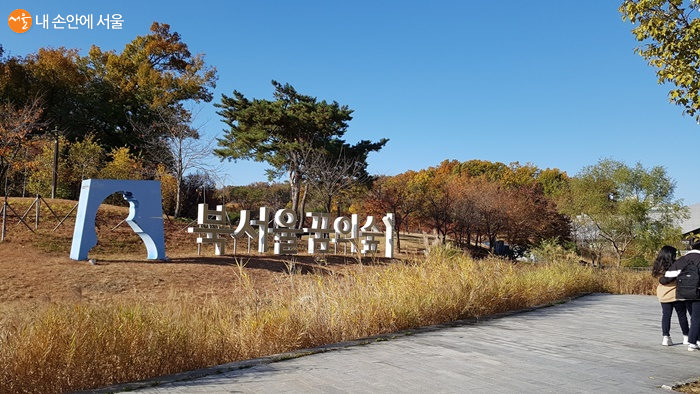
Bukseoul Dream Forest — a 660,000㎡ forest left behind by Dreamland
 Travel Guide
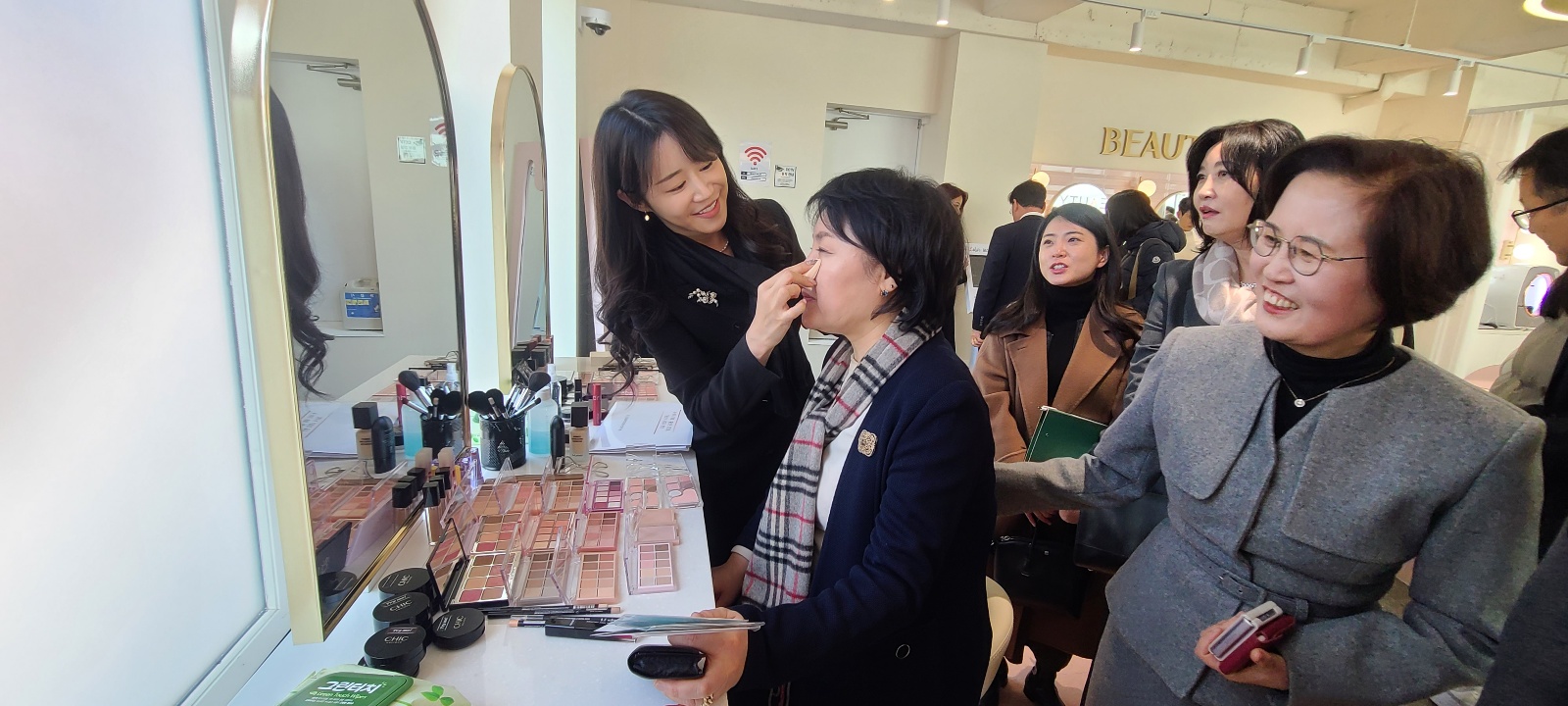
Beauty Play: Experience K-Beauty Firsthand Across Four Floors in Hongdae’s Alleyways
 Travel Guide
Choansan Mountain — From a Resting Place for Eunuchs to Nowon’s Hydrangea Garden
 Travel Guide