From the Northern Judicial Complex in 1974 to the Seoul Museum of Living History in 2019, a record of everyday Seoul just 3 minutes from Taereung Entrance Station
The Seoul Museum of Living History is a free museum of modern and contemporary everyday life created by preserving and remodeling the former Seoul Northern District Court and Seoul Northern District Prosecutors' Office buildings. You can find permanent exhibitions on the 1st to 3rd floors, a detention room and courtroom experience space, and the advance-reservation children's activity room 'Ompang' just a 3-minute walk from Taereung Entrance Station.

I’ve been here?
Your check-in helps the next traveler.
No one has checked in yet Be the first
One tap — no writing needed
The northern legal complex relocated in 2010, and became a museum of everyday life in September 2019
Seoul Museum of History of Everyday Life is a museum of modern and contemporary daily life that opened in September 2019. After the Seoul Northern District Court and the Seoul Northern District Prosecutors' Office moved to a new building in July 2010, the remaining northern legal complex was converted by Seoul City into a cultural facility. The court building's first occupancy approval date was August 30, 1974, and remodeling took place from October 2017 to December 2018.
This place deals with the changes Seoul citizens have experienced from liberation to the present in finding homes, going to school, getting married, working, and living. Rather than simply displaying old objects, it lets visitors read the everyday culture formed as Seoul's population grew from about 900,000 immediately after liberation, surged after the war, and became a major metropolis, through layered themes by floor. The total floor area of the facility, using three wings, is 8,894.78㎡.
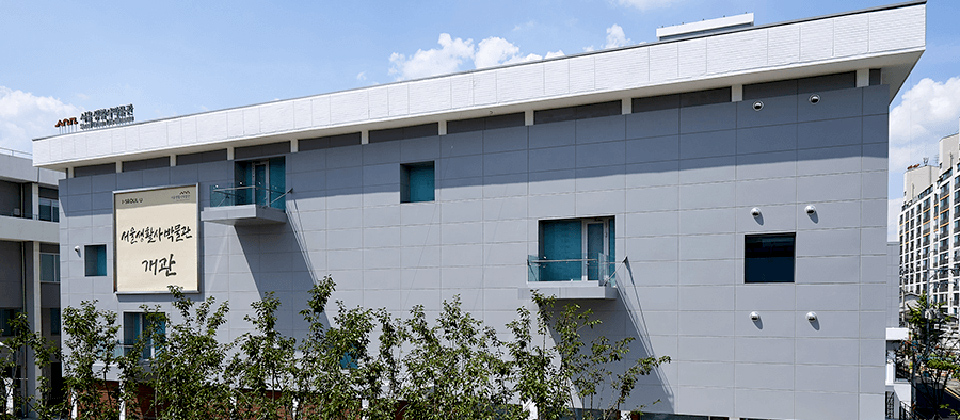
From Pony Taxi on the first floor to coal tongs on the third, three floors that read Seoul
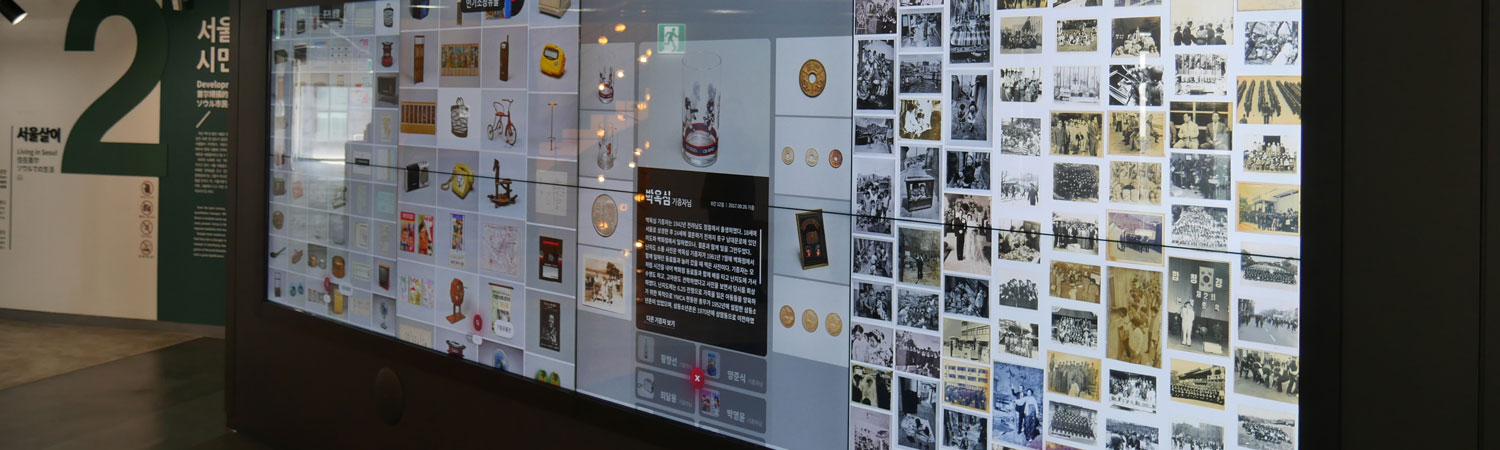
The permanent exhibition continues with the first floor's "Seoul Scenery," the second floor's "Life in Seoul," and the third floor's "Dreams of Seoul." The first floor is the starting point, where Seoul's transformation from ruins after the Korean War into a city is traced through photos, videos, and popular culture materials, and the exhibition space displays road scenes and vehicle materials from that period.
The second floor covers the stories of people who moved to Seoul, grew up here, and experienced marriage, childbirth, and child-rearing. The third floor focuses on the daily lives of Seoul families centered on home, education, and work. In particular, the third floor reconstructs changes in living rooms and kitchens by era to show changes in housing culture, so if you move upward from the first floor in chronological order, the connection between urban change and personal life becomes clearer.
- First floor: postwar Seoul changes and Seoul scenery
- Second floor: Seoul residents who experienced migration, growth, marriage, and child-rearing
- Third floor: housing, education, livelihood, and family daily life
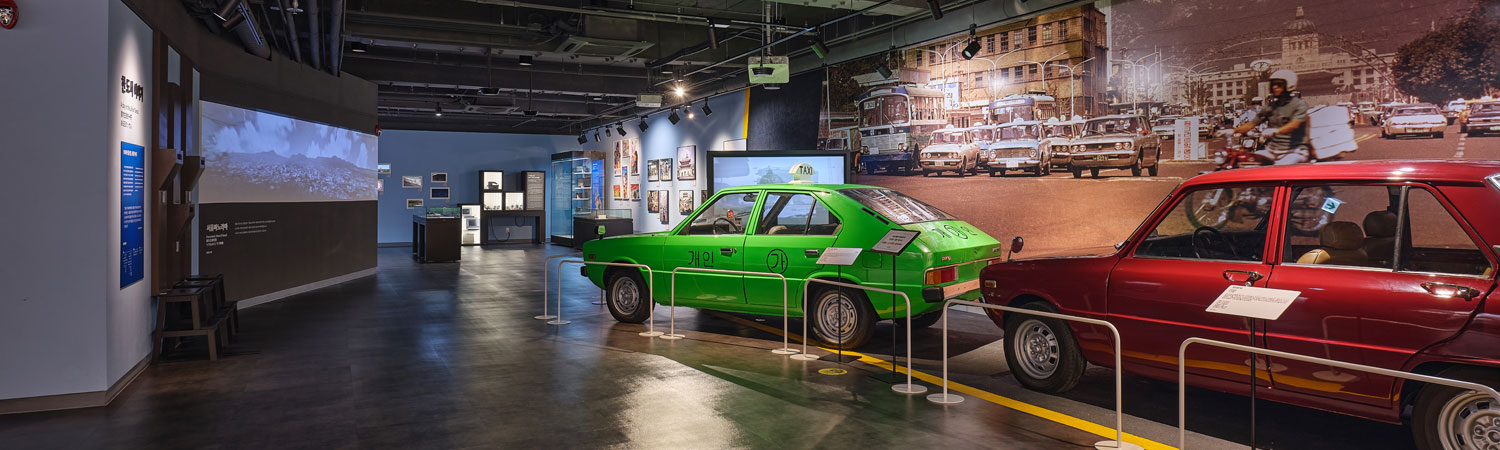
The detention room from 1974 to 2010 and old alleys: why the court building was not erased
Rather than stopping after seeing only the main building's everyday-life exhibition, it is better to include the first-floor detention room exhibition hall on a separate route. This detention room was the place where untried detainees waiting for trial stayed at the Seoul Northern District Prosecutors' Office from 1974 to 2010, and the museum did not remove it but reconfigured it as an exhibition space.
The exhibition hall recreates the holding area and visiting room, and behind them links together a 1960s-1990s Seoul alley with a repair shop, comic-book room, music cafe, and stationery store. The courtroom experience room also recreates the courtroom of the former Seoul Northern District Court, so the core of this museum is that the building's past as a judicial facility and its present role recording citizens' daily lives overlap in one place.
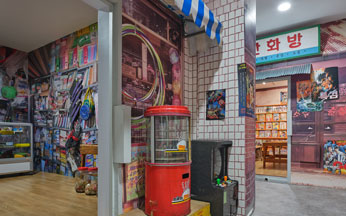
"Ompang" for ages 36 months to elementary school students is 120 minutes, 3 times a day, and is different from the regular exhibition
The children's experience room "Ompang" is a reservation-based space for preschoolers aged 36 months and older, accompanied by a guardian, through elementary school students. The general permanent exhibition is open for individual or group free viewing, but Ompang operates three times a day from Tuesday to Sunday, with 120 minutes per session. On Tuesdays, Wednesdays, and Thursdays, the first session from 09:40 to 11:40 is for groups only, while individuals may use the 13:00 to 15:00 or 15:30 to 17:30 sessions.
The advance reservation capacity is 180 people per day, or 60 per session, and on-site registration is 90 people per day, or 30 per session. Reservations are available from 09:00, 14 days before the visit date, until 23:00 the day before. On the day of the visit, on-site first-come, first-served registration is accepted at the information desk in the first-floor lobby starting one hour before each session.
The first- and second-floor experience rooms are themed around ants and insects, the neighborhood and occupations, and sensory play. If you want to see them together with the permanent exhibition, it is less rushed to visit the exhibition before and after the afternoon experience session than to finish the 09:40 session, have lunch, and then see the first- through third-floor exhibits, because you may otherwise be pressed by the 17:30 admission deadline.
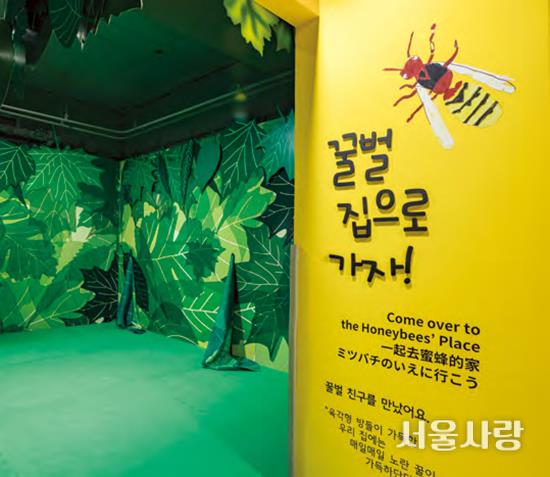
Three minutes from exits 5 and 6 of Taereung Entrance Station, and bus route 11116 is the right one
By subway, it is a 3-minute walk to the museum from exits 5 or 6 of Taereung Entrance Station on Lines 6 and 7. The address is 27 Dongil-ro 174-gil, Nowon-gu, Seoul, and the former name Seoul Northern District Court is also used, so it is easier to find if taxi drivers or map searches know the building's predecessor.
By bus, the most direct stop is "Seoul Museum of History of Everyday Life · Nonghyup Front" (11116). At this stop, branch buses 1132, 1141, 1155, 1156, and 1221, as well as buses 65-1, 73, 75, 76, 82A, and 82B, stop. Depending on the opposite side or travel direction, you can also use the "Taereung Entrance Station Exit 7 · Seoul Museum of History of Everyday Life" stop (11117).
- Taereung Intersection (11115): 1141, 1224, 1227
- Seoul Museum of History of Everyday Life · Nonghyup Front (11116): 1132, 1141, 1155, 1156, 1221, and others
- Taereung Entrance Station Exit 4 (11103): 105, 146, 3100, 3500, 3600, 6100
Free admission Tuesday to Sunday, 09:00 to 18:00, with the real meaning of the 17:30 admission deadline
Museum hours are 09:00 to 18:00 from Tuesday to Sunday, and admission ends at 17:30. Admission is free, and both individuals and groups may enter the permanent exhibitions freely. Closed days are every Monday except public holidays, and January 1; if Monday is a legal holiday, the museum is open.
If this is your first visit, allowing 90 to 120 minutes is appropriate. You can divide your time into 20 to 25 minutes for the first-floor Seoul Scenery, 15 to 20 minutes for the detention room exhibition hall and courtroom experience room, 40 to 50 minutes for the second- and third-floor Life in Seoul and Dreams of Seoul, and about 15 minutes for the lobby, special exhibition hall, or museum shop. Since entry is not allowed after 17:30, it is better to arrive by 16:00 at the latest if you want to see the entire permanent exhibition.
The official website is https://museum.seoul.go.kr/sulm/index.do and the main phone number is 02-3399-2900. In the history-of-everyday-life exhibition rooms, portable audio guides in four languages, Korean, English, Japanese, and Chinese, can be rented at the information desk, so even visitors who find Korean explanatory texts difficult can follow the themes by floor and the artifact numbers.
118 small-car spaces and a 2.2m height limit, plus a resting area open from 11:00 to 14:00
If you come by car, 118 spaces for small cars are available, and only vehicles up to 2.2m in height can park. The parking lot operates 08:00 to 22:00 on weekdays, and 08:00 to 20:00 on Saturdays, Sundays, and public holidays. The basic fee is 1,200 won for the first 30 minutes, then 300 won per 5 minutes, and the daily parking fee during operating hours is 19,200 won. Large buses may drop off only their passengers at the central steps of the main gate and cannot be parked in the museum lot.
Inside, there are elevators, restrooms, an information desk, and a nursing room, and elevators can be used for moving between floors. The visitor rest area where lunch boxes can be eaten is open from 11:00 to 14:00, and the courtroom experience room that preserves the structure of the old court, the multipurpose lounge "Daom," the museum shop, and the cafe are also in the main building.
Parking discounts are 80% for people with disabilities, national merit recipients, and people affected by Agent Orange, 50% for compact cars and low-emission vehicles, and 50% for families with the Multi-Child Happiness Card for two or more children. Food and drinks, flash and tripod photography, and pets other than guide dogs are restricted in the exhibition halls, so it is neat to eat lunch boxes in the rest area and enter the exhibition space carrying only a bag.
Before You Go
- Address
- 27 Dongil-ro 174-gil, Nowon-gu, Seoul, Seoul Museum of History of Everyday Life (former Seoul Northern District Court)
- Hours
- Tue-Sun 09:00-18:00, admission ends at 17:30
- Closed
- Every Monday except public holidays, and January 1. Open if Monday is a legal holiday
- Admission
- Free
- Phone
- 02-3399-2900
- Official site
- https://museum.seoul.go.kr/sulm/index.do
- Transport
- A 3-minute walk from exit 5 or 6 of Taereung Entrance Station on Lines 6 and 7. Seoul Museum of History of Everyday Life · Nonghyup Front (11116) stop: 1132, 1141, 1155, 1156, 1221, 65-1, 73, 75, 76, 82A, 82B.
- Parking
- 118 spaces for small cars, vehicle height 2.2m or less. Weekdays 08:00-22:00 / Sat, Sun, public holidays 08:00-20:00. First 30 minutes 1,200 won, then 300 won per 5 minutes, 19,200 won per day.
- Time needed
- 90-120 minutes for the permanent exhibition and detention room exhibition hall. Add 120 minutes per session when using the children's experience room Ompang.
- Accessibility
- Elevators, restrooms, and a nursing room are available. The audio guide in the everyday-life exhibition rooms is provided in four languages: Korean, English, Japanese, and Chinese.
The information above is current as of the time of writing. Please check the official guidance again before visiting.

Places
Nearby Attractions 4
-
 1
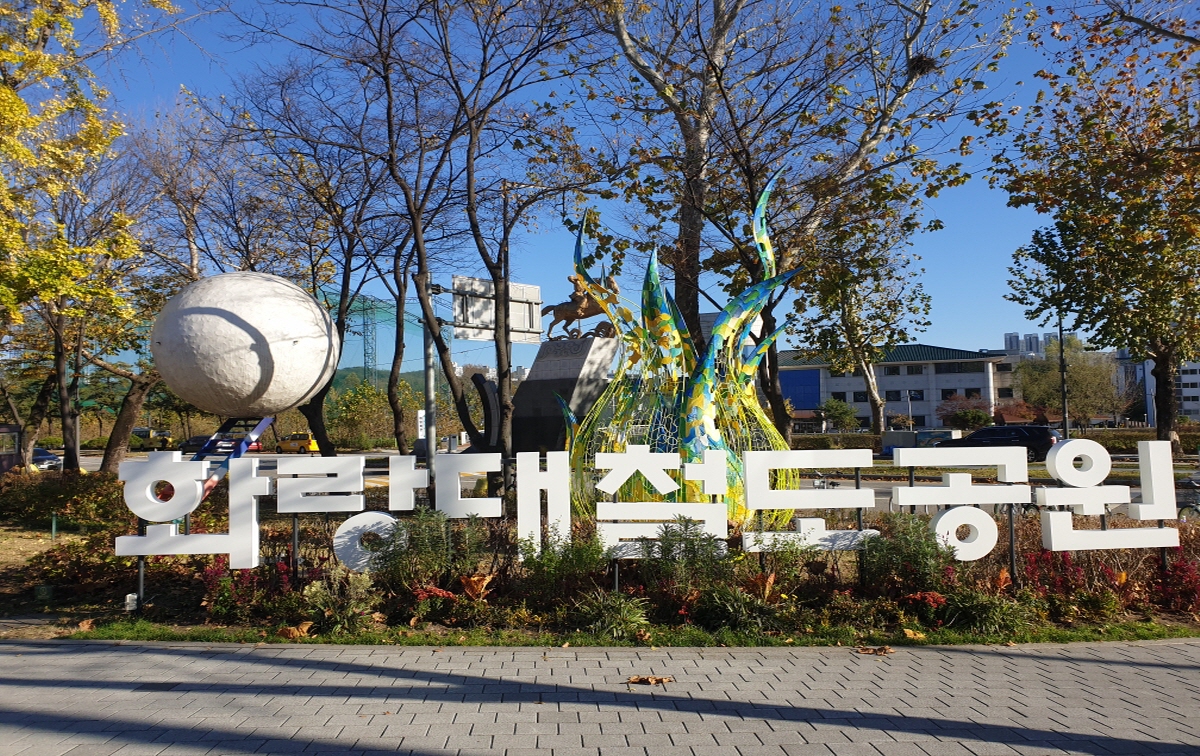
Hwarangdae Railroad ParkA park where you can stroll and take photos along old railway tracks and trains.
1
Hwarangdae Railroad ParkA park where you can stroll and take photos along old railway tracks and trains. -
 2
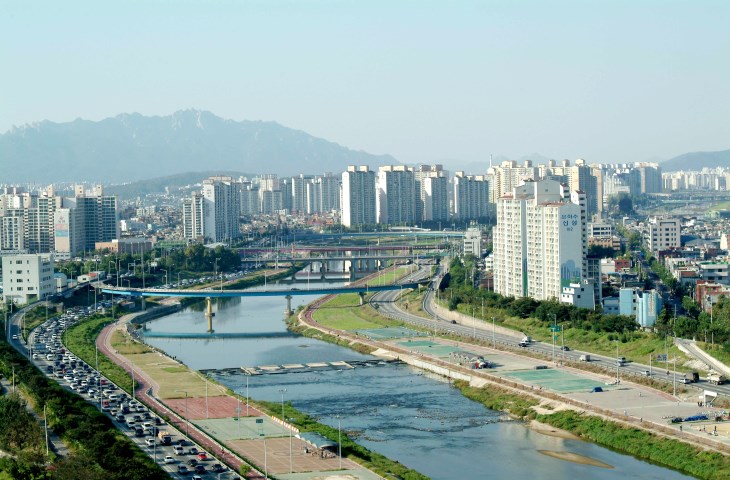
Jungnangcheon StreamA riverside walkway great for strolling along the river and riding a bicycle.
2
Jungnangcheon StreamA riverside walkway great for strolling along the river and riding a bicycle. -
 3
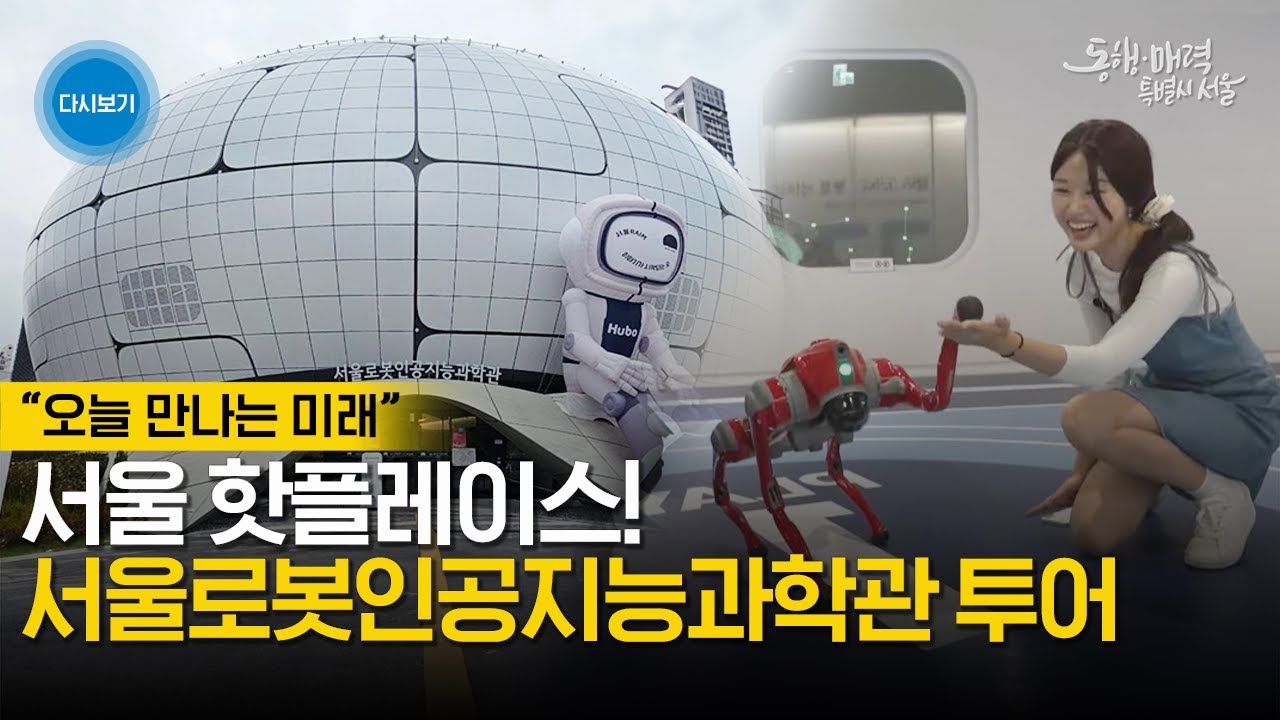
Seoul Bot Robot and AI Science MuseumA science museum where you can see and experience robot and AI exhibitions.
3
Seoul Bot Robot and AI Science MuseumA science museum where you can see and experience robot and AI exhibitions. -
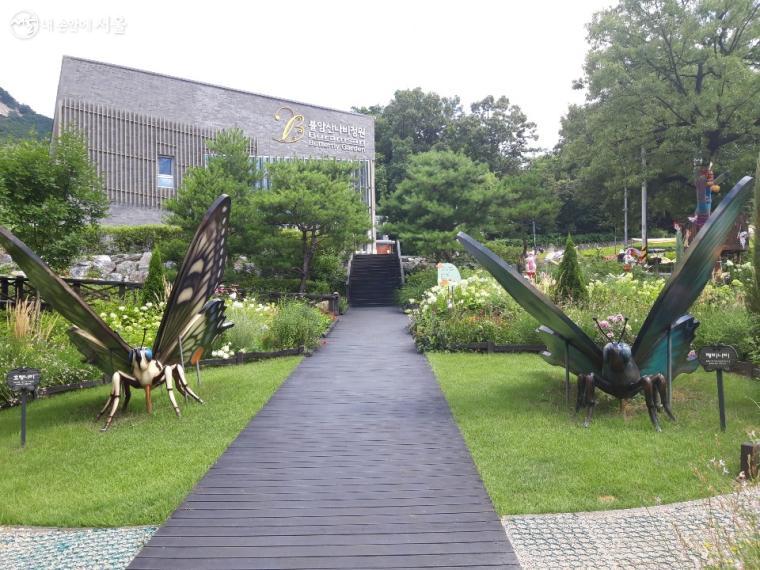 4
Bulamsan Butterfly GardenA small garden where you can enjoy butterfly exhibitions and ecological experiences.
4
Bulamsan Butterfly GardenA small garden where you can enjoy butterfly exhibitions and ecological experiences.
Events in This Area

Festivals in This Area

More Travel Guides in This Area
 Travel Guide
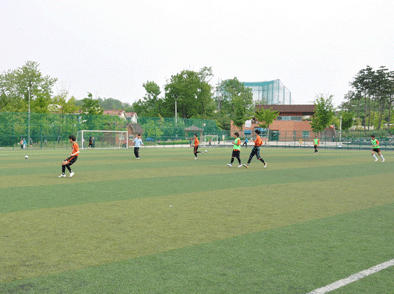
Choansan Mountain — From a Resting Place for Eunuchs to Nowon’s Hydrangea Garden
 Travel Guide
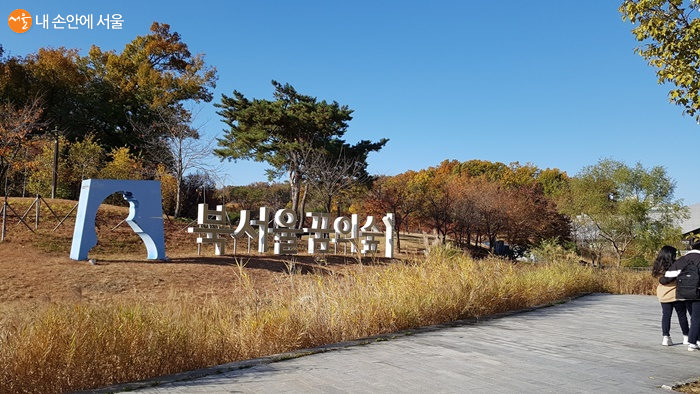
Bukseoul Dream Forest — a 660,000㎡ forest left behind by Dreamland
 Travel Guide
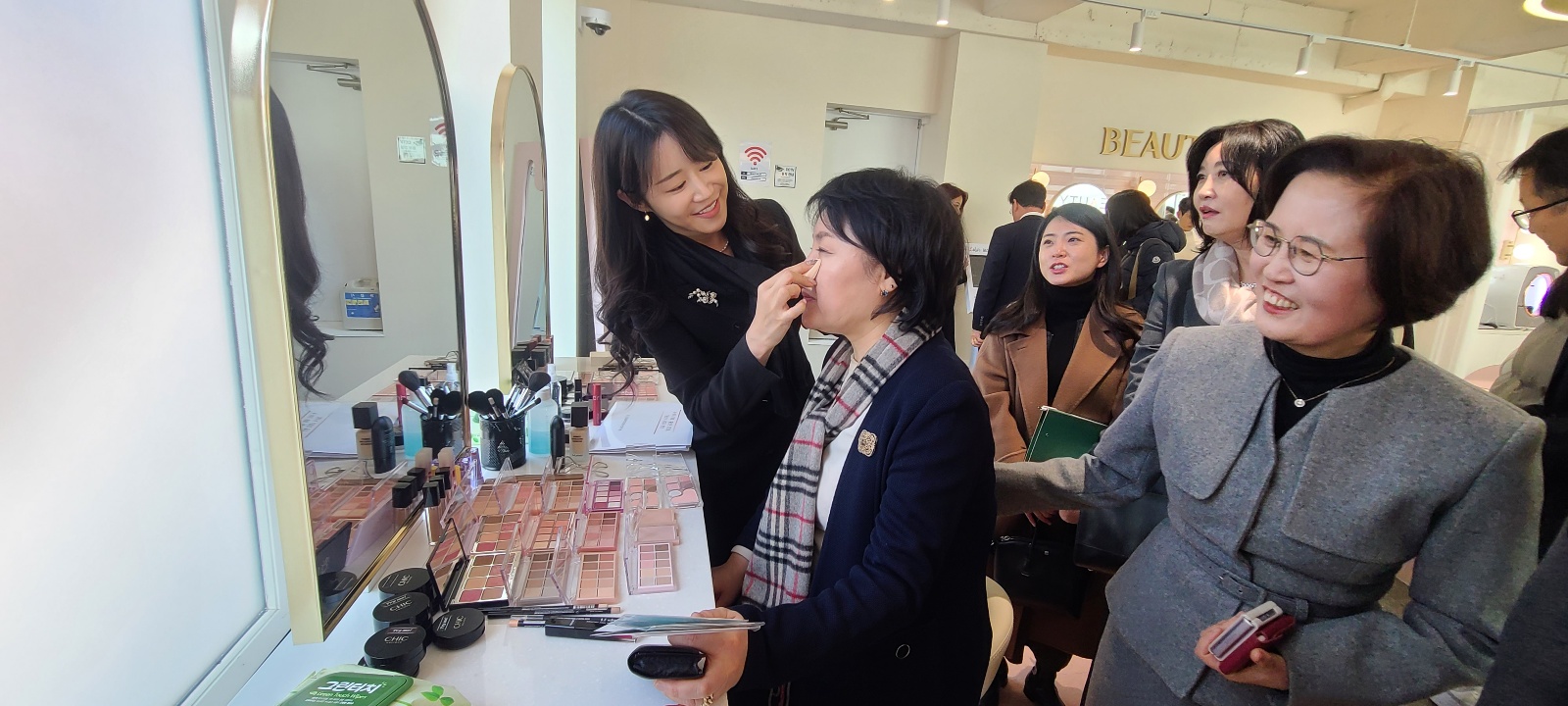
Beauty Play: Experience K-Beauty Firsthand Across Four Floors in Hongdae’s Alleyways
 Travel Guide
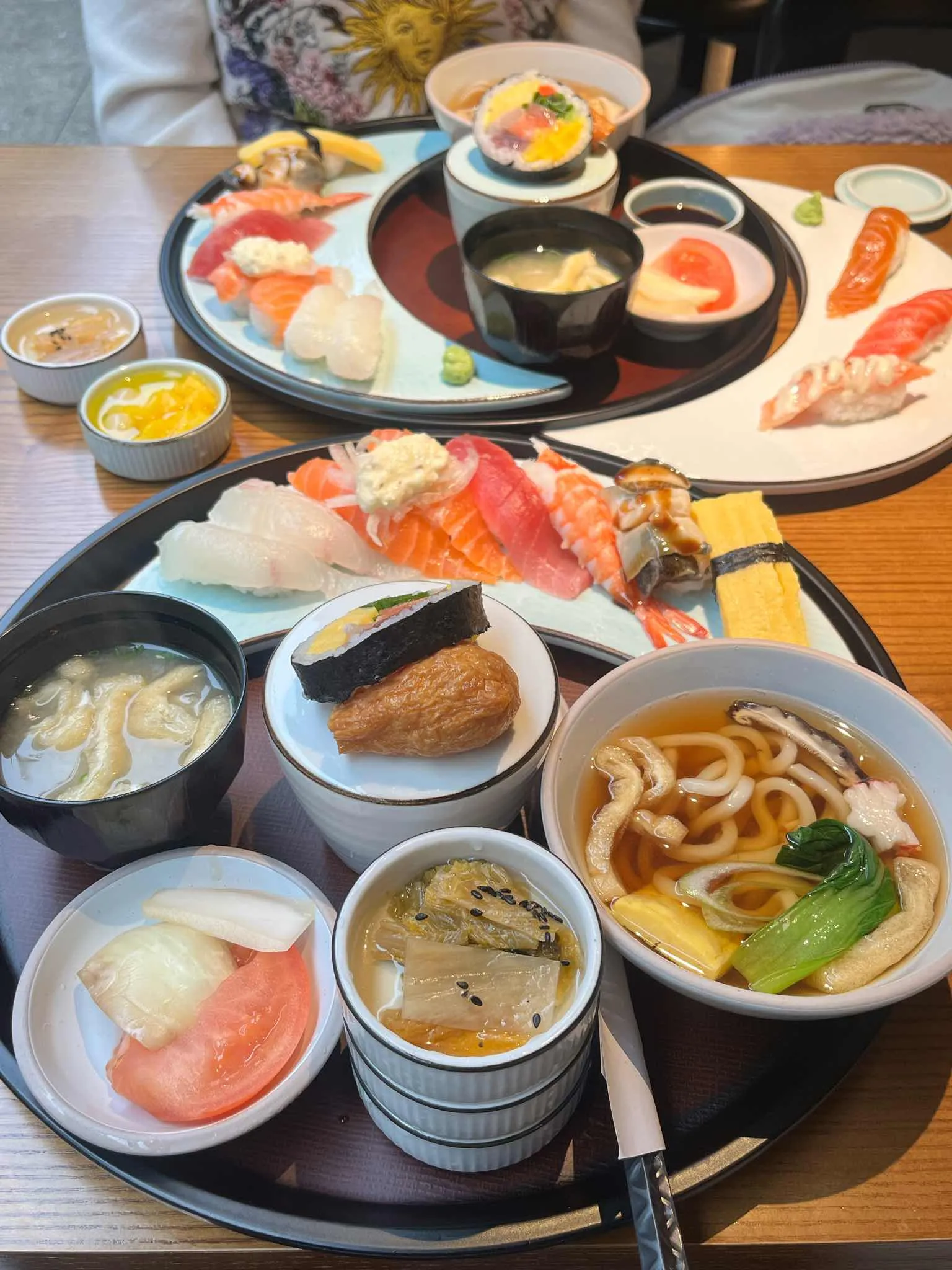
23 m from Exit 1 of Nowon Station, choose 10·12·14-piece sushi at Sangmu Sushi Nowon Station branch
Korea News
 News
News
During Stray Kids’ stage, a “thud” left him bleeding… Lee Know was taken to the hospital
 News
News
'Comeback' LE SSERAFIM holds a confident and relaxed press conference
 News
News
Jang Won-young: This girl has grown so much… Shares childhood photos to celebrate her birthday
 News
News