Bukseoul Dream Forest — a 660,000㎡ forest left behind by Dreamland
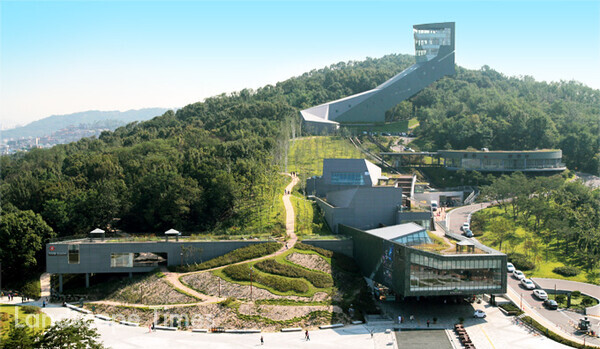
Located in Beon-dong, Gangbuk-gu, this park was created on the site of the former amusement park Dreamland. It is the fourth-largest park in Seoul. Within a single site, you can find nature, history, and cultural facilities, including a 49.7 m observatory, the former home of the Joseon royal court’s son-in-law (Changnyeong Wi-gungjaesa), an enclosure where 19 deer live, and a summer water-play area.

I’ve been here?
Your check-in helps the next traveler.
13 people viewed this week Be the first
One tap — no writing needed
The Site of Dreamland — From Odong Neighborhood Park in 1987 to Bukseoul Dream Forest in 2009
This area was originally a hilly woodland containing Opaesan and Byeogosan. 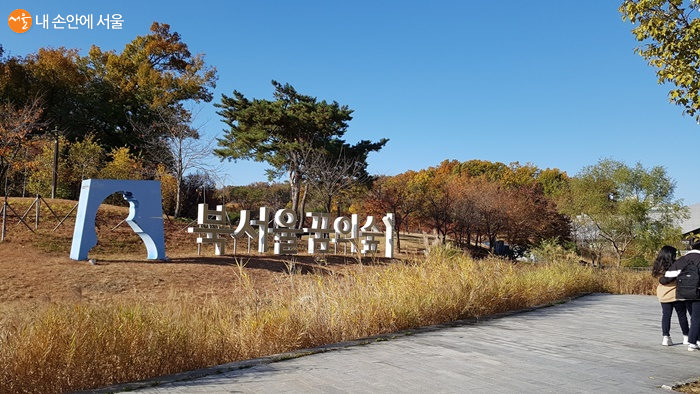
Until the 1990s, Dreamland was highly popular as northern Seoul's largest entertainment facility. However, financial difficulties faced by its original owner led to its acquisition by organized crime, and it rapidly declined in the 2000s amid competition from other theme parks in the Seoul metropolitan area. As investment in its facilities ceased, it was not properly maintained. The Seoul Metropolitan Government announced plans to turn the site, the largest green area in northern Seoul, into a park on November 16, 2007. Following two years of construction, it opened on October 17, 2009.
This green park was created on the approximately 660,000-square-meter site formerly occupied by Dreamland, making it Seoul's fourth-largest park after World Cup Park, Olympic Park, and Seoul Forest. The first-phase development covers 662,543 square meters, while the total planned development area reaches 900,000 square meters. At the park's southwestern entrance, which had been damaged by the construction of a sledding hill, two 300-seat performance halls, a multipurpose hall, and an art center were built.
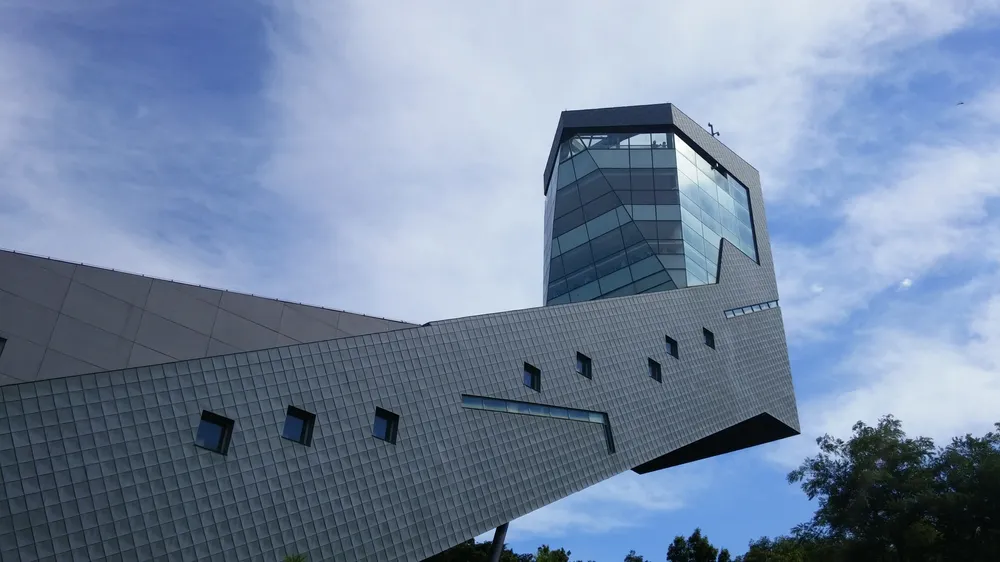
49.7 m Observatory: Ride Korea's First Inclined Elevator to the Top
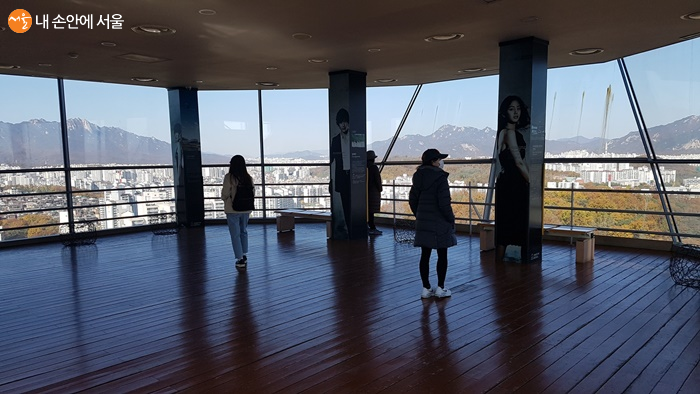
Famous as a filming location for Iris and for Korea's first inclined elevator, the observatory has become a landmark of Bukseoul Dream Forest. The exterior elevator is the first in Korea to have a section on the second floor where its incline changes (21˚↔16˚). A notice indicates that the speed changes in this section, creating an experience entirely different from riding a vertical elevator.
The exhibition hall is open from 10:00 a.m. to 6:00 p.m., with admission permitted until 30 minutes before closing. It is closed every Monday along with the Sangsang Toktok Museum of Art and Dream Gallery, while admission to the observatory itself is free.
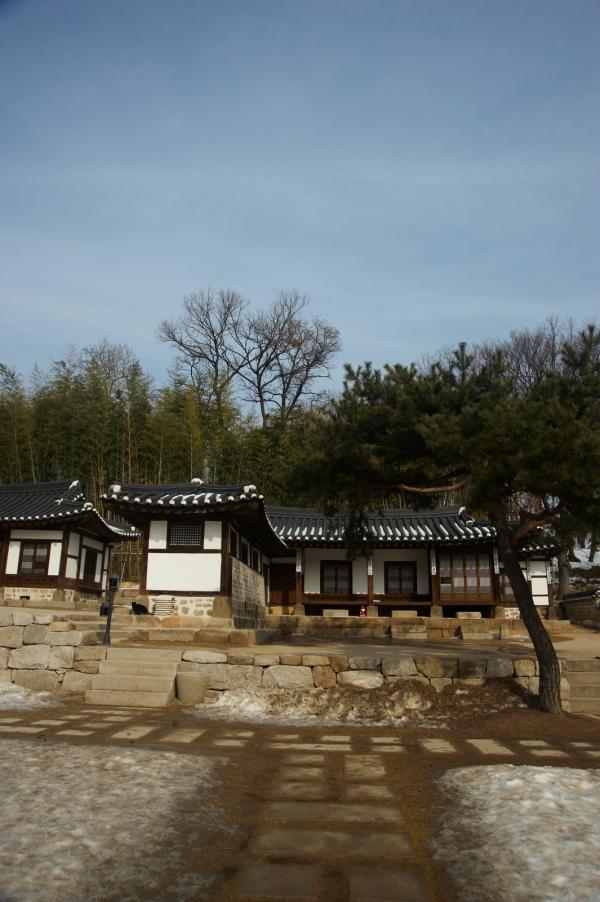
Former Home of a Joseon Royal Son-in-Law: Changnyeongwi Gungjaesa and Wolyeongji
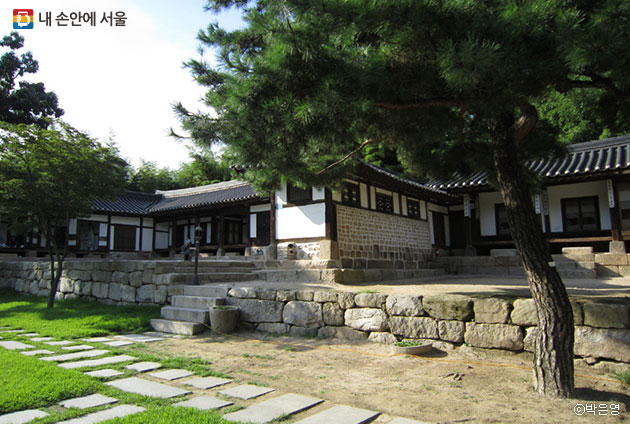
This historic house is more than simply an old residence; it is also where Kim Seok-jin took his own life in martyrdom during the forced annexation of Korea by Japan. Through a reinterpretation of the traditional landscape, it recreates and offers an experiential space of the lives of past ancestors. It comprises traditional structures and features including "Changnyeongwi Gungjaesa (Registered Cultural Heritage No. 40)," a bamboo grove, Wolgwangdae, Aewoljeong, and a stone bridge, where visitors can enjoy a tranquil natural atmosphere.
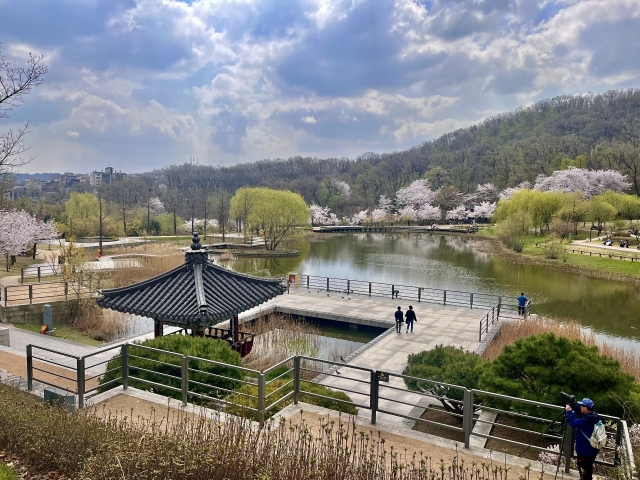
The large pond behind the historic house, Wolyeongji, covers 12,526 square meters, while nearby Chilpokji covers 3,598 square meters. Wolgwang Waterfall, Wolgwangdae, and the stone bridge combine to recreate a traditional Joseon-style landscape.
From Mia Sageori Station by Neighborhood Bus — The Northeast Line Will Open in 2027
From Exit 1 of Mia Sageori Station on Line 4 → take Gangbuk Bus No. 05 at the stop opposite the Lotte Department Store parking-lot exit (09771) → get off at Bukseoul Dream Forest (West Gate); or from Exit 3 of Mia Sageori Station → take Bus No. 1124 → get off at West Gate. From Exit 3 of Dolgoji Station on Line 6, take Bus No. 147 and get off at Bukseoul Dream Forest (East Gate). Other options include trunk bus No. 147 from Exit 1 of Wolgye Station on Line 1; Seongbuk neighborhood buses No. 14-1 and 14-2 from Exit 1 of Seokgye Station on Line 1; and Gangbuk neighborhood buses No. 09 and 11 from Exit 1 of Mia Sageori Station on Line 4.
Compared with Seoul's other large parks, this park is a fair distance from subway stations, so taking a bus is recommended. However, a Northeast Line station is scheduled to open directly in front of the East Gate in November 2027, greatly improving accessibility.
There are 386 parking spaces in total: 312 at the East Gate and 74 at the West Gate. The fee is 300 won per 10 minutes. As this is a heavily visited park, public transportation is preferable to driving on weekends from April through November. For inquiries about Dream Forest Art Center, call 02-2289-5401; for the Art Center information desk, call 02-399-1000 (9:00 a.m.–8:00 p.m.).
May Through September, at Noon and Every 40 Minutes — Summer Water Play Area and Winter Wolyeongji
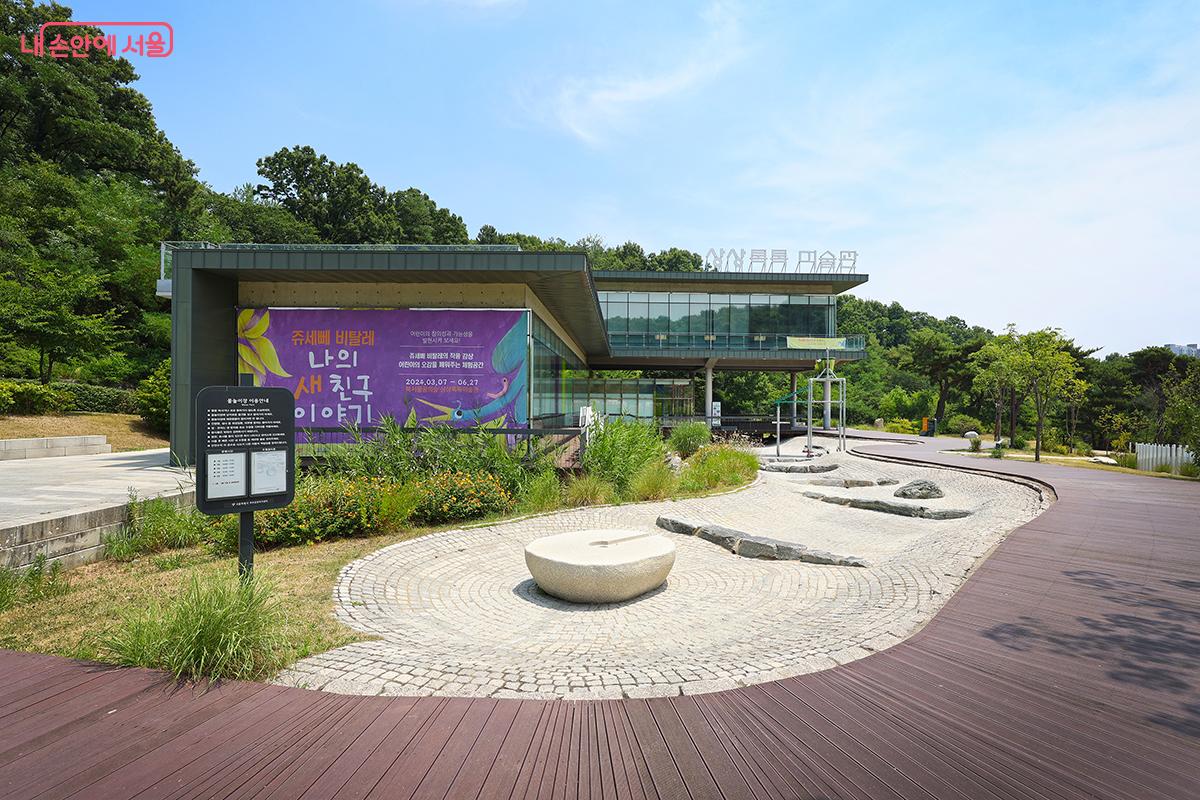
Shade tents, commonly seen in summer, are normally prohibited in the park because they can damage lawns and other green areas and inconvenience other visitors. However, they may be installed temporarily from May through October while the water play area is in operation.
The scenery changes completely with the seasons. As winter approaches, all water is drained from Wolyeongji and only a relatively shallow level is retained; at this time, the water freezes completely into an ice rink.
19 Deer and the Sangsang Toktok Museum of Art — Why Visitors with Children Flock Here
The deer enclosure, registered as another park facility, covers 2,511 square meters and contains 19 deer: 8 females and 11 males. In the past, visitors could buy feed from a nearby vending machine, but as of 2024 the vending machine has been removed, and a notice advises visitors not to feed the deer indiscriminately.
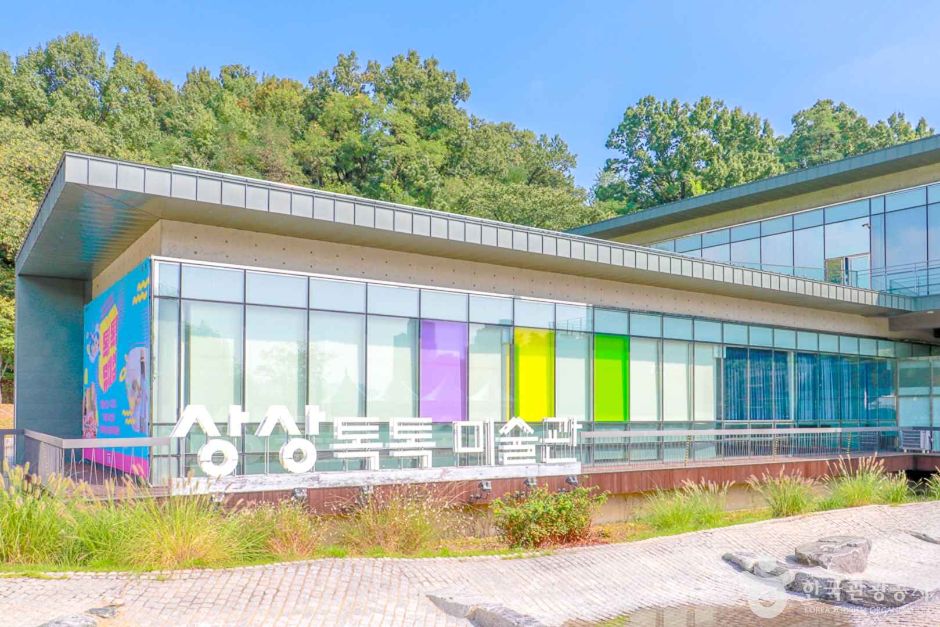
The Sangsang Toktok Museum of Art has an exhibition area of 453 square meters (approximately 137 pyeong). It is open from 10:00 to 18:00 (last admission at 17:30) and closes every Monday. A visit takes about 60 minutes, and admission fees vary by exhibition. Parking at the Dream Forest Art Center parking lot costs 300 won per 10 minutes. This hands-on art space for children and families features exhibitions combining nature and art, allowing visitors to interact with artworks beyond simply viewing them.
Cherry Blossom Paths, Autumn Foliage Forests, and Sloping Terrain — When to Visit and Who It Suits
Ecological landscaped spaces, including cherry blossom paths and autumn foliage forests, let visitors experience seasonal changes throughout the year. The park also features landscape elements with a traditional ambiance, such as the large Wolyeongji pond and Wolgwang Waterfall. On spring weekdays, many kindergartens and elementary schools come here for picnics.
However, the terrain is not entirely flat. Across the park, there is a gentle uphill slope when traveling from the East Gate toward the West Gate. Going downhill from the West Gate toward the East Gate is easy, but climbing back up can require considerable stamina depending on the walking trail chosen. The area near the deer enclosure is entirely uphill, and the slope around the West Gate observatory is comparable to a hiking trail, so visitors with strollers or mobility difficulties should check their route in advance.
The park itself is open daily from 00:00 to 24:00 year-round, and admission is free. Wheelchairs and strollers are also available for rent, allowing people with mobility limitations and families with infants and young children to use the park.
Before You Go
- Address
- 173 Wolgye-ro, Beon-dong, Gangbuk-gu, Seoul
- Hours
- Park: open 00:00–24:00 year-round (free) · Observatory, Sangsang Toktok Museum of Art/Dream Gallery: 10:00–18:00 (last admission 17:30) · Water play area: weekends and public holidays from May–September, five sessions daily from 12:00 at 40-minute intervals
- Closed
- Park: open year-round · Observatory, Sangsang Toktok Museum of Art, and Dream Gallery: closed every Monday
- Admission
- Park and observatory: free admission · Sangsang Toktok Museum of Art/Dream Gallery: separate fees by exhibition
- Phone
- 02-2289-5401 (Dream Forest Art Center) / 02-399-1000 (Art Center information desk, 09:00–20:00)
- Official site
- https://parks.seoul.go.kr/template/sub/dreamforest.do
- Transport
- Exit 1, Mia Sageori Station, Line 4 → Gangbuk neighborhood buses 05, 09, or 11 (West Gate/East Gate); Exit 3 → branch bus 1124 (West Gate) / Exit 3, Dolgoji Station, Line 6 → trunk bus 147 (East Gate) / Exit 1, Wolgye Station, Line 1 → 147 / Exit 1, Seokgye Station, Line 1 → Seongbuk neighborhood buses 14-1 or 14-2 / A station in front of the East Gate is planned when the Northeast Line opens in November 2027
- Parking
- East Gate: 312 spaces · West Gate: 74 spaces; 386 spaces total. Fee: 300 won per 10 minutes. Waiting occurs on weekends from April–November; public transportation recommended
- Time needed
- Approximately 60 minutes for the Sangsang Toktok Museum of Art (additional time for walking around the park)
- Accessibility
- Strollers are available for rent at the visitor center; wheelchairs and strollers can be rented. However, there is an uphill slope from the East Gate toward the West Gate, so it is not an entirely flat route
The information above is current as of the time of writing. Please check official information again before your visit.

Places
Nearby Attractions 5
-
 1
Bukseoul Dream Forest ObservatoryView of the northeastern Seoul area from the observation elevator.
1
Bukseoul Dream Forest ObservatoryView of the northeastern Seoul area from the observation elevator. -
 2
2
-
 3
3
-
 4
Sangsang Toktok Art MuseumAn art museum with hands-on, interactive exhibitions for children.
4
Sangsang Toktok Art MuseumAn art museum with hands-on, interactive exhibitions for children. -
 5
5
Food & Dining 1
-
 6
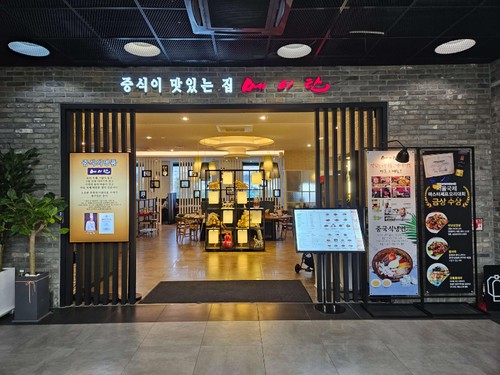
Meitan Seongsu Seoul Forest BranchA Chinese restaurant offering both Chinese cuisine and set-course meals.
6
Meitan Seongsu Seoul Forest BranchA Chinese restaurant offering both Chinese cuisine and set-course meals.
Events in This Area

Festivals in This Area

More Travel Guides in This Area
 Travel Guide
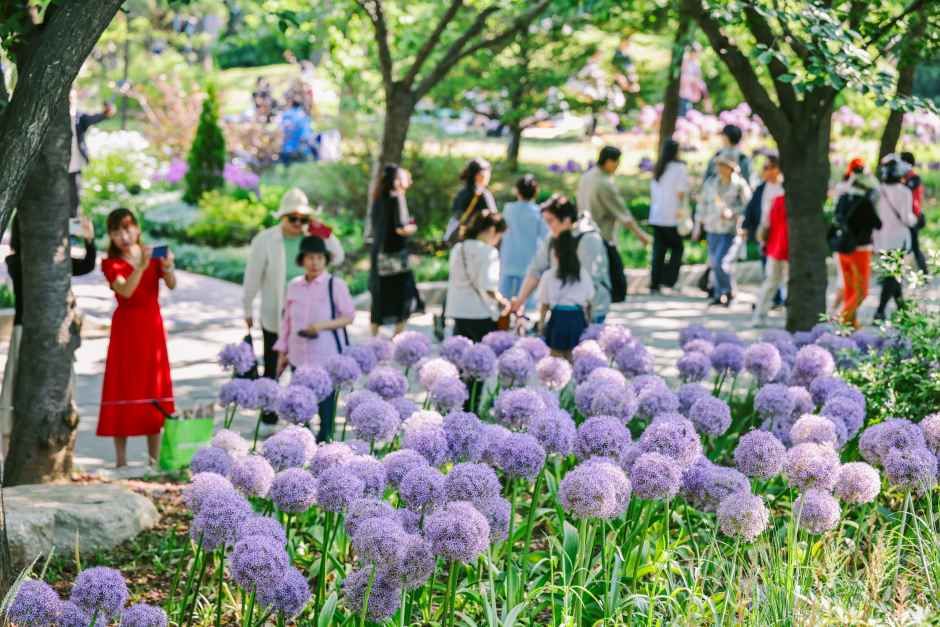
Choansan Mountain — From a Resting Place for Eunuchs to Nowon’s Hydrangea Garden
 Travel Guide
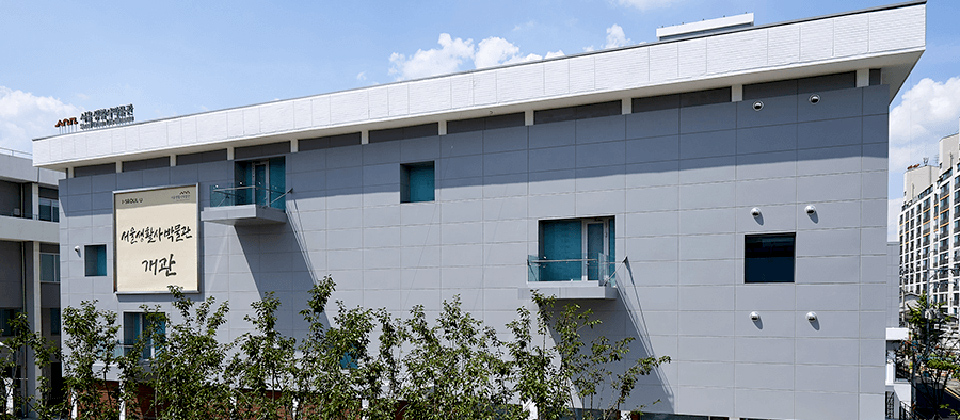
From the Northern Judicial Complex in 1974 to the Seoul Museum of Living History in 2019, a record of everyday Seoul just 3 minutes from Taereung Entrance Station
 Travel Guide
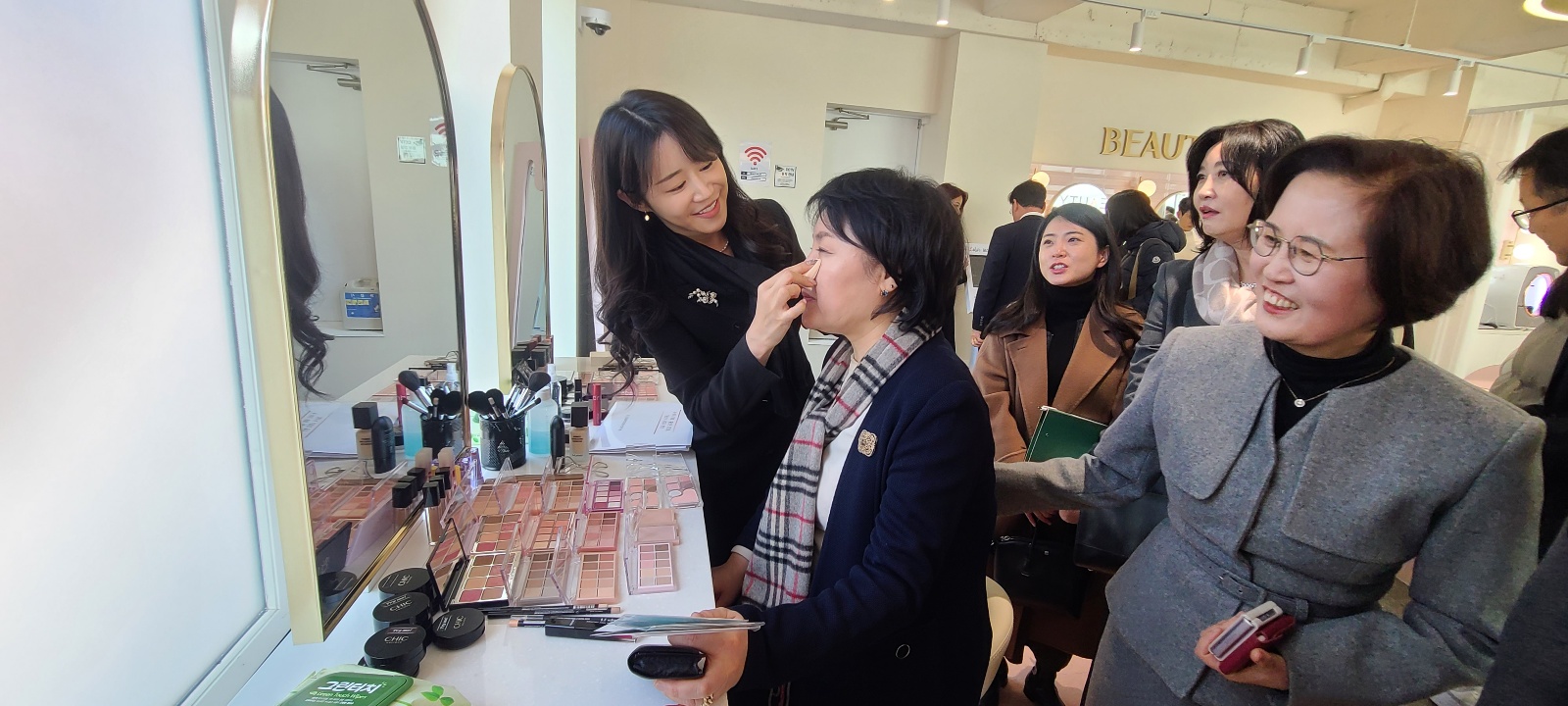
Beauty Play: Experience K-Beauty Firsthand Across Four Floors in Hongdae’s Alleyways
 Travel Guide
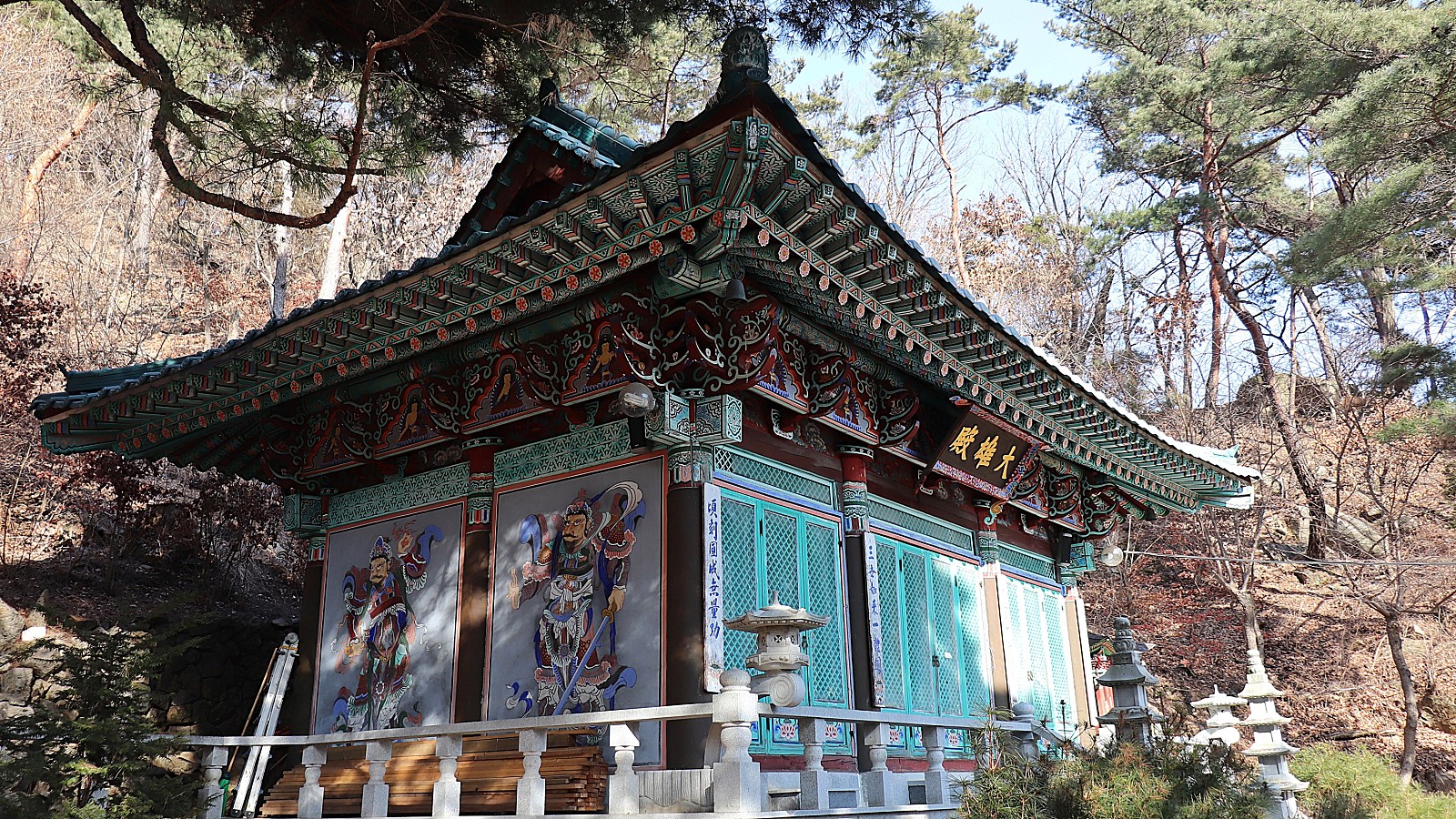
From Baengnyeonsa Temple to the Azalea Ridge: A 2.7 km Trail from a 1930 Mountain Temple to Bukhansan
Korea News
 News
News
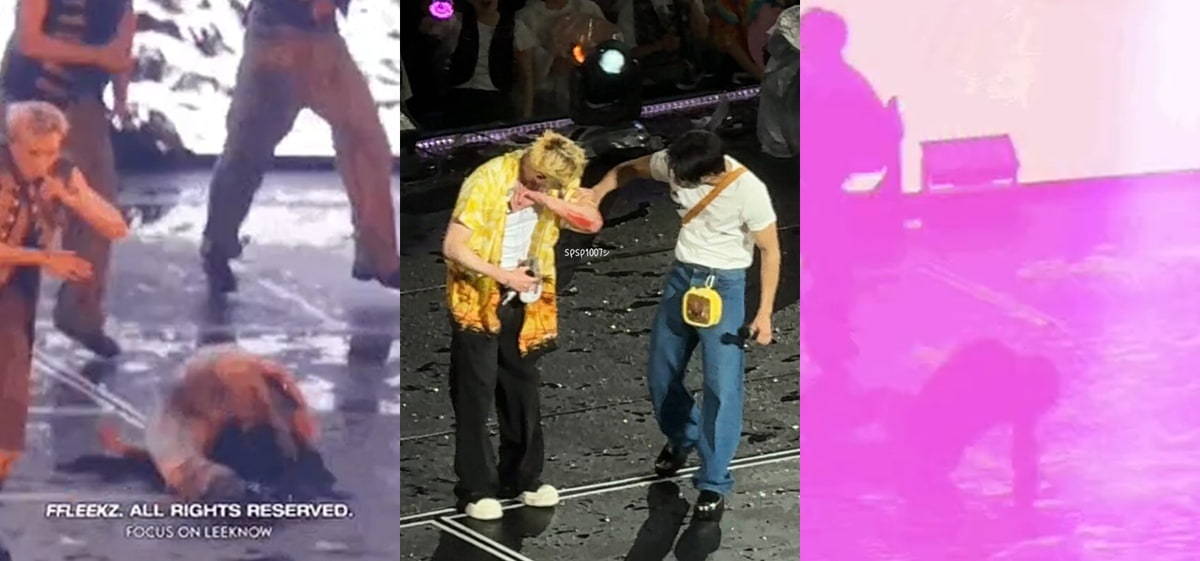
During Stray Kids’ stage, a “thud” left him bleeding… Lee Know was taken to the hospital
 News
News
'Comeback' LE SSERAFIM holds a confident and relaxed press conference
 News
News
Jang Won-young: This girl has grown so much… Shares childhood photos to celebrate her birthday
 News
News