
Jukbangryeom Fish Weirs in the Jijok Strait, 700 m Beneath Changseon Bridge
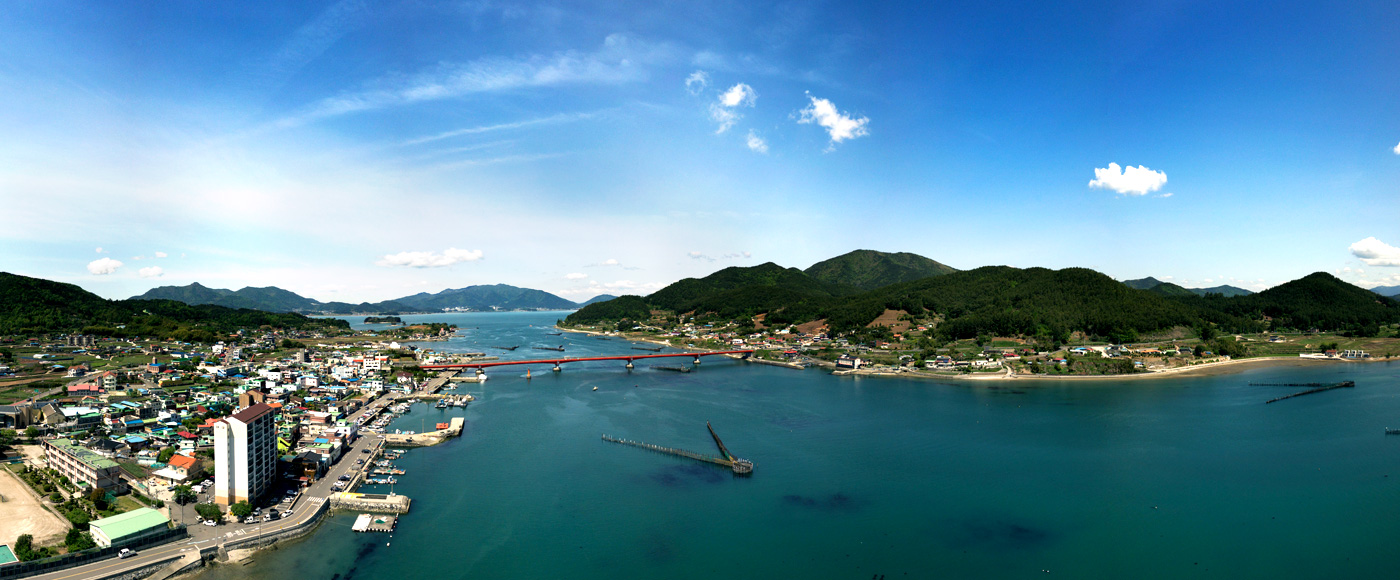
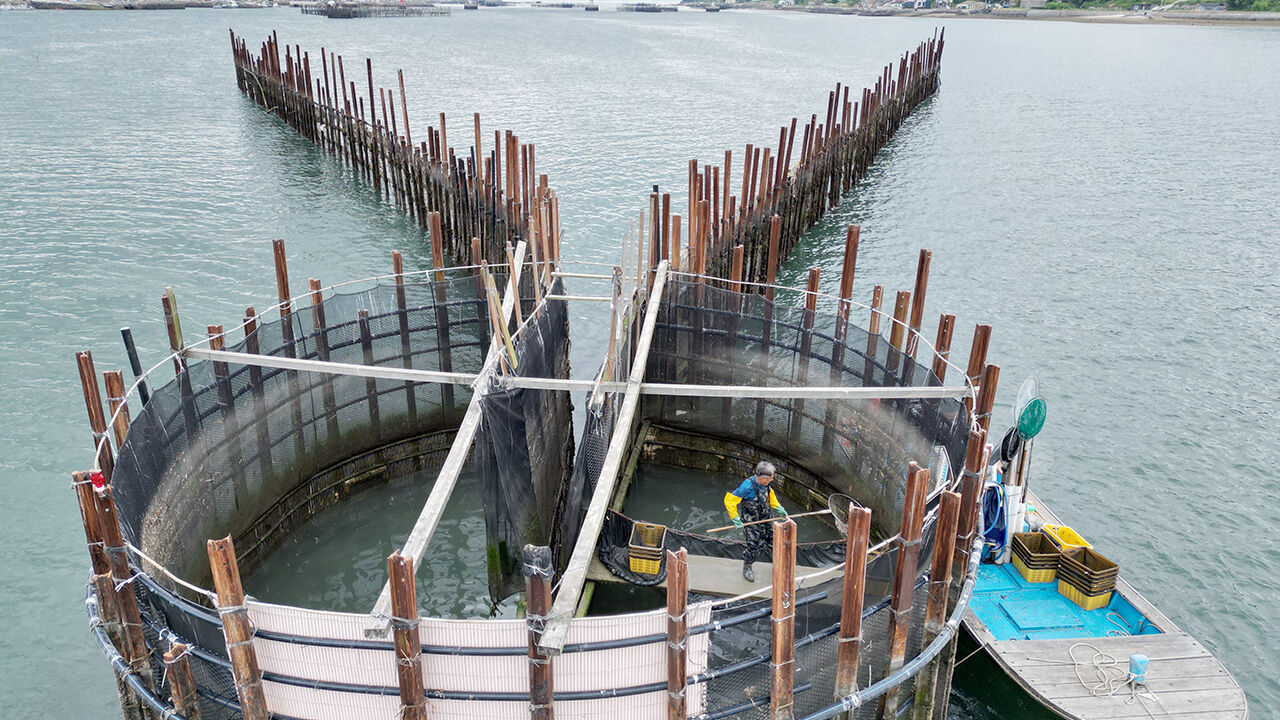
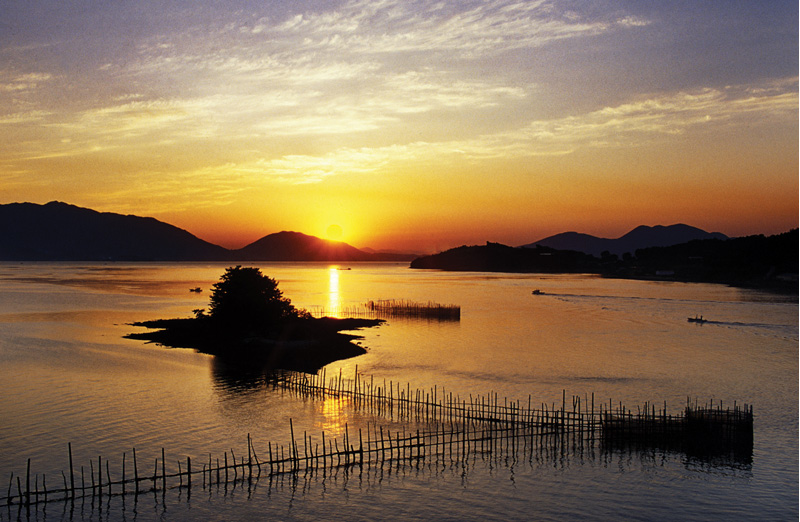
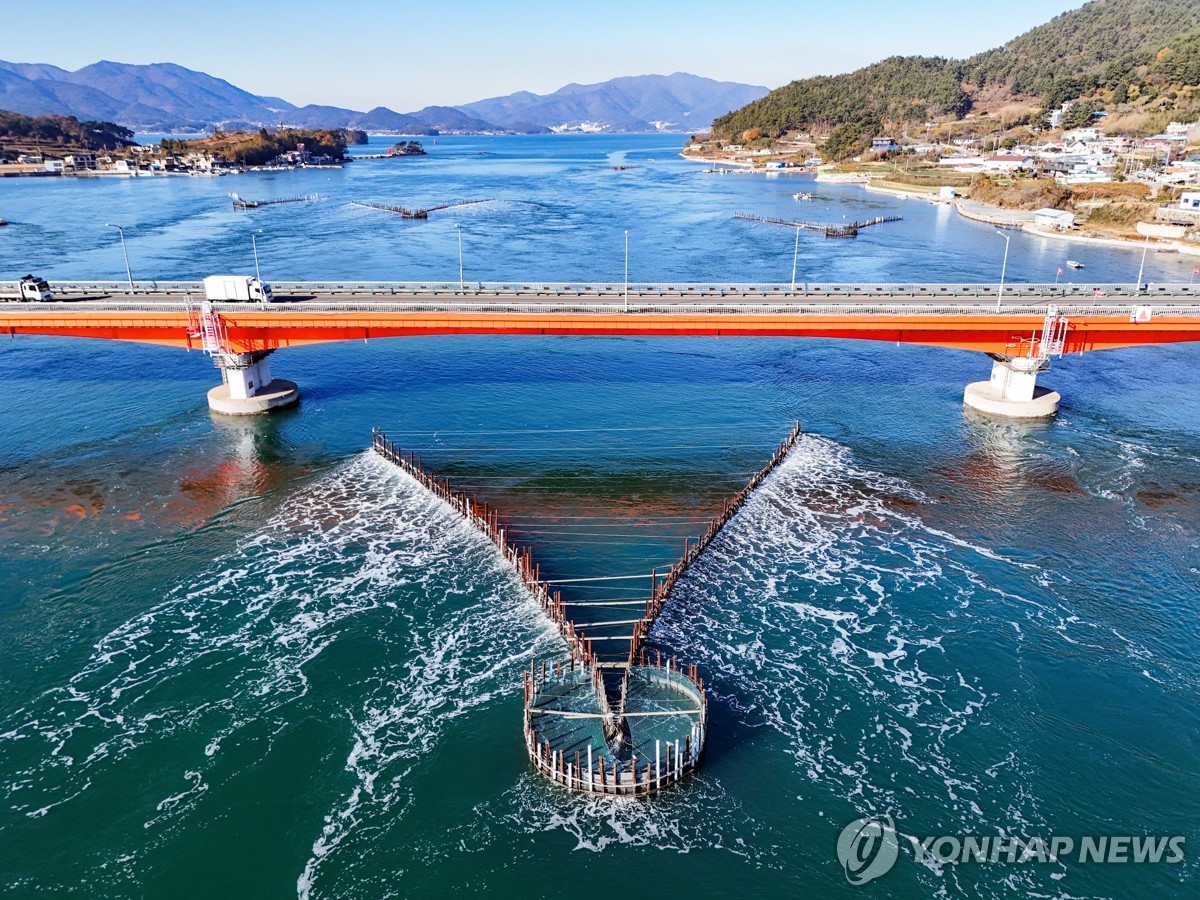
The Jijok Strait between Samdong-myeon on Namhae Island and Changseon Island is a traditional fishing landscape where anchovies have long been caught using currents flowing at 13–15 km/h. Walk to the viewing platform beneath Changseon Bridge to see the structure of the V-shaped jukbangryeom fish weirs, and keep in mind that fishing operations vary depending on the tides and conditions on site.
Why the 13–15 km/h “Sondo” Current Made the V-Shaped Jukbangnyeom Possible
Jijok Strait is a narrow waterway between Jijok-ri, Samdong-myeon, Namhae Island, and Jijok-ri, Changseon-myeon, Changseon Island. Namhae Culture and Tourism calls this strait “Sondo” and explains that when the tide goes out, the current flowing from Gangjin Bay toward the open sea reaches 13–15 km/h.
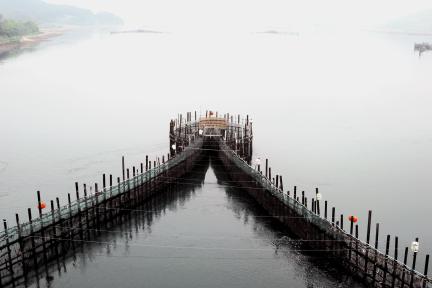
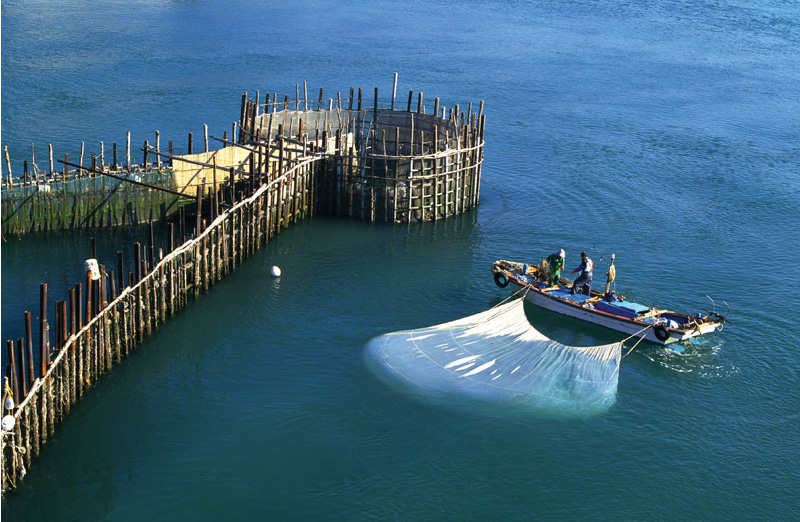
A jukbangnyeom is a fish weir made by setting oak stakes in a V shape and combining bamboo screens with nets. Its structure guides fish that have lost their direction in the fast current inward along the stakes, gathering them near a cylindrical bamboo screen, so it should not be approached like an activity site on a calm beach.
A Fishing Landscape Continuing from a 1469 Record to Scenic Site No. 71 in 2010
The Namhae section of the Supplement to the Geography of Gyeongsang Province, compiled in 1469, the first year of King Yejong’s reign in Joseon, records that stone octopus, skate, and octopus were produced at Bangjeon; Bangjeon is interpreted as referring to the jukbangnyeom. Thus, fishing here is not simply a tourist facility but a strait-based living technology connected to documents dating back at least to the 15th century.
The jukbangnyeom of Jijok Strait in Namhae was designated Scenic Site No. 71 in 2010, while the Jijok Strait jukbangnyeom fishery has been preserved as a Nationally Important Fisheries Heritage System since 2015 and as one branch of the 2019 National Intangible Heritage “Traditional Fishing Methods—Fish Weirs.” In July 2025, it was inscribed on the Food and Agriculture Organization of the United Nations FAO’s Globally Important Agricultural Heritage Systems list.
700 m from the Information Center under Changseon Bridge to the Viewing Platform: The Actual Route
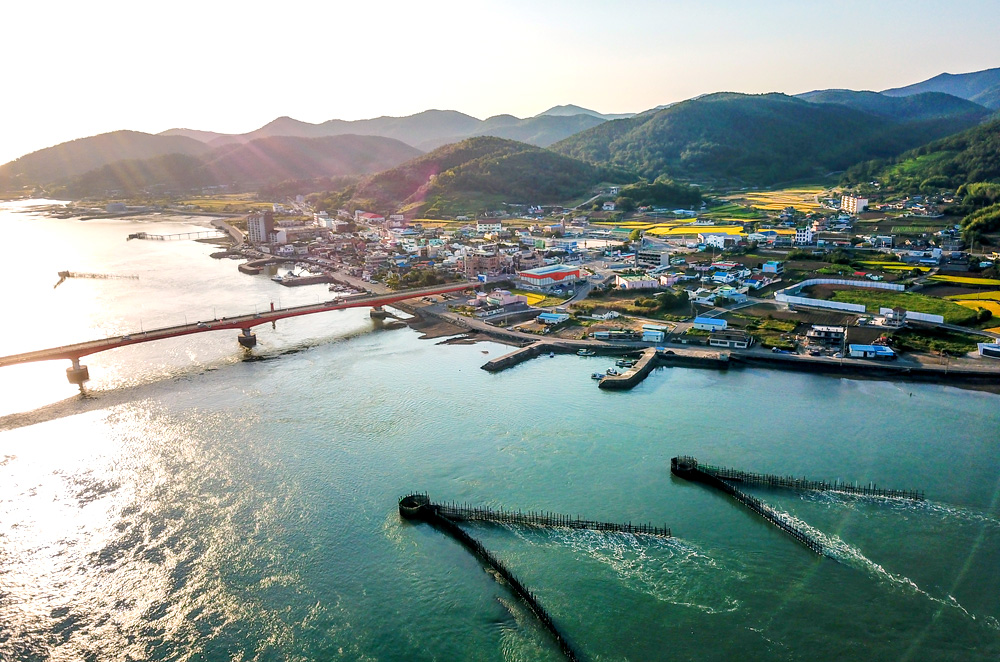
First-time visitors should not stop around Changseon Bridge; it is better to distinguish between the locations of the jukbangnyeom information center and the viewing platform. According to Namhae Culture and Tourism information, the tourist complex beneath Jijok Bridge has an information center covering the origins of the jukbangnyeom, the fishing process, and jukbang anchovies. From there, it is approximately 700 m to the viewing platform where the actual jukbangnyeom can be seen.
The viewing platform is a spot on a structure extending over the sea, allowing visitors to see the jukbangnyeom up close. Korea Tourism Organization materials introduce a 100 m long and 2 m wide pedestrian bridge and viewing platform at Jijok Port. Since the wind may be strong and the floor may be wet, nonslip shoes are recommended, and visitors must not enter the working areas of fishing boats or the inner sections of the fishing gear without permission.
To See Fishing in Progress, Check the Tides Before the “Time”
The Jijok Strait jukbangnyeom is not a performance-style facility where visitors buy tickets and watch at a set time. The scenery inside the nets and whether fishers are working depend on the tides that bring in anchovies, the actual fishing schedule, and the weather. At the site reported on by SBS in June 2024, fishers lifted anchovies with dip nets during an incoming tide suitable for fishing.
Therefore, if you definitely want to see fishing in progress, it is safest to ask Namhae County tourism information or the on-site information center about the tides and sections open for viewing on the day of your visit. Even when fishing is not taking place, visitors can observe Changseon Bridge, the V-shaped fish weir, and the currents of the strait, but the site should not be planned as a place that guarantees an “anchovy-fishing demonstration.”
Free Admission, with Separate Opening Hours and Closing Days Unconfirmed, at This Outdoor Heritage Site
The Jijok Strait jukbangnyeom is an outdoor heritage landscape centered on the strait and viewing platform. No separate admission fee has been confirmed, and it is presented as free of charge. However, the operating hours or regular closing days of an independent ticket facility have not been clearly confirmed on official tourism pages, so it is advisable to contact Namhae County before visiting at night or in bad weather.
Tourism inquiries are handled by the Namhae County Culture and Tourism Division at 055-860-8631. Official information can be checked on the Namhae Culture and Tourism website under “Namhae Jijok Strait Jukbangnyeom.” The address used for access to the site is the area around 65 Jukbang-ro, Samdong-myeon, Namhae-gun, Gyeongsangnam-do. Allowing 30–60 minutes, including photography, is generally sufficient to see both the viewing platform and the strait.
By Car, Take Changseon Bridge after Changseon–Samcheonpo Bridge; by Public Transport, Transfer at Namhae Bus Terminal
By car, the recommended route is to exit at Sacheon IC toward Sacheon and Sacheon Airport, then pass Changseon–Samcheonpo Bridge and Dongbu-daero before approaching in the direction of Changseon Bridge. After entering Changseon Island via Changseon–Samcheonpo Bridge, the Jijok Strait section is immediately before or after crossing Changseon Bridge toward Namhae Island.
This is not a destination reached directly on foot from a railway station. Korea Tourism Organization travel information presents Namhae Public Bus Terminal as the center of overland transportation in the Namhae area, so public-transport travelers should separately check the day’s rural bus services toward Samdong-myeon and Changseon-myeon and the appropriate stop after arriving at the terminal. Since no fixed official information has been confirmed about parking availability or fees near the viewing platform, drivers should follow on-site parking signs first.
Two Ways to Combine a Jukbang Anchovy Meal and German Village on the Same Day
Jijok-ri around the jukbangnyeom has developed a restaurant area specializing in sliced raw anchovy and anchovy ssambap. Korea Tourism Organization suggests a day route connecting German Village, Namhae Treasure Island Observatory, and Seolli Skywalk after visiting the Jijok Strait jukbangnyeom, and introduces the cluster of sliced-anchovy and anchovy-ssambap restaurants around Dongbu-daero 1876beon-gil in Samdong-myeon.
If scenery is the priority, visit Changseon Bridge and the viewing platform before traveling toward Changseon–Samcheonpo Bridge. If dining and a village walk are the priority, it is more natural in terms of route to continue from Jijok-ri, Samdong-myeon, toward German Village and the Mulgeon-ri windbreak forest. Since Jijok Strait is a place for observing currents and fishing gear, travelers expecting a wide beach walk or indoor exhibitions may find it more suitable to include German Village or Treasure Island Observatory in their plans.
Before You Go
- Address
- Around 65 Jukbang-ro, Samdong-myeon, Namhae-gun, Gyeongsangnam-do
- Admission
- Free
- Phone
- 055-860-8631
- Official site
- https://www.namhae.go.kr/tour/00511.web?amode=view&idx=199
- Transport
- By car: Sacheon IC → Changseon–Samcheonpo Bridge → Dongbu-daero → toward Changseon Bridge. Public transport: After arriving at Namhae Public Bus Terminal, check the day’s rural bus services toward Samdong-myeon and Changseon-myeon and the appropriate stop.
- Time needed
- 30–60 minutes
- Accessibility
- The viewing platform is described as a 2 m wide pedestrian bridge, but wheelchair and stroller accessibility and the availability of foreign-language guidance have not been confirmed.
The information above is current as of the time of writing. Check the official guidance again before visiting.

Places
Nearby Attractions 5
-
 1
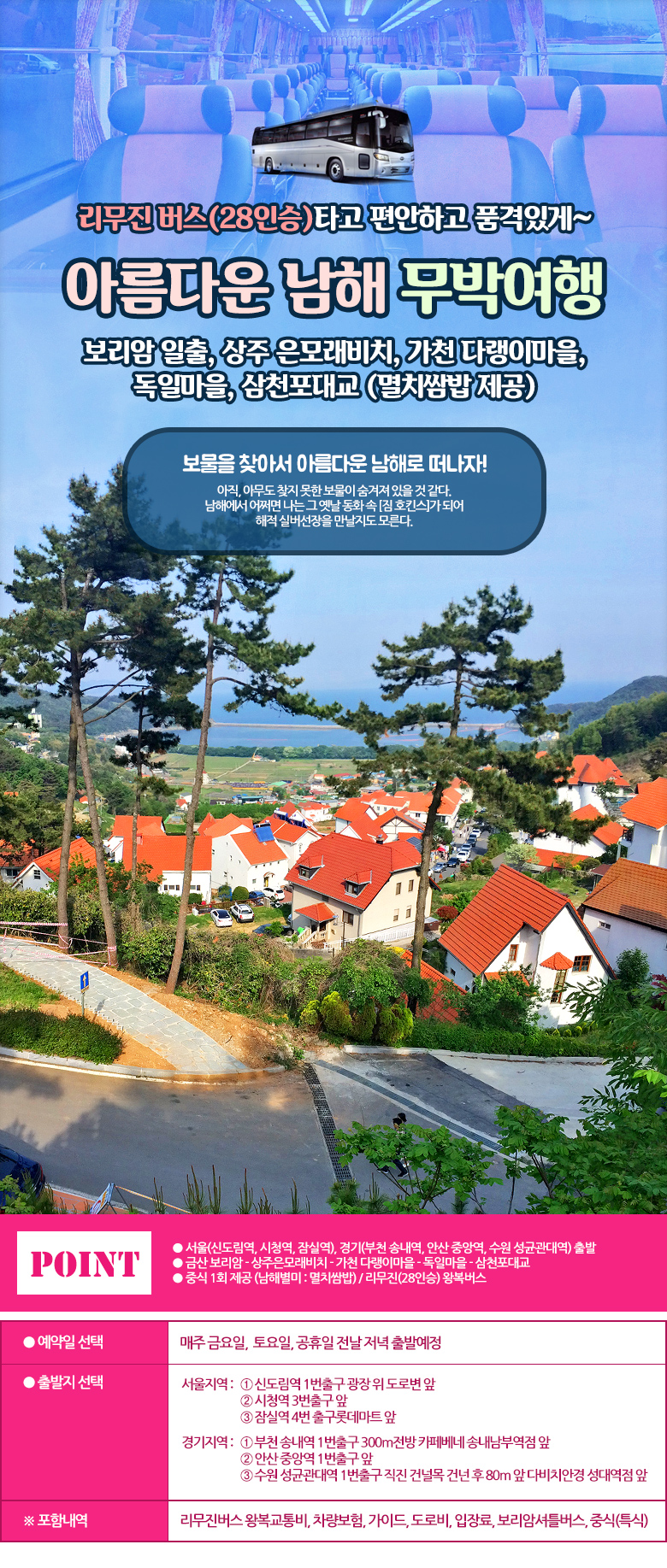
German VillageA village where you can explore German-style houses and the history of Koreans dispatched to Germany to work as miners and nurses.
1
German VillageA village where you can explore German-style houses and the history of Koreans dispatched to Germany to work as miners and nurses. -
 2
2
-
 3
3
-
 4
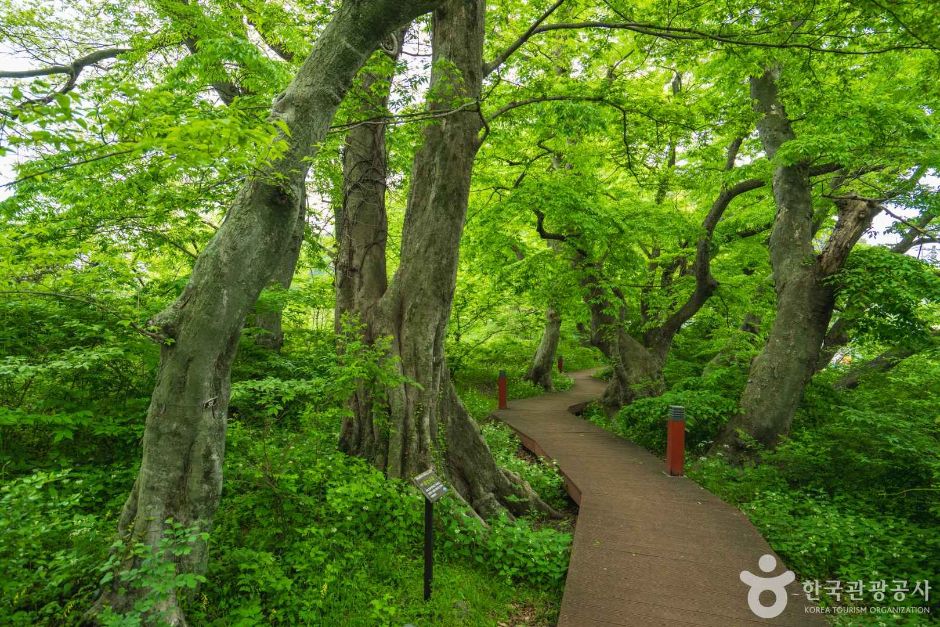
Namhae Mulgeon-ri Bangjo Eoburim ForestA place where you can enjoy views of the sea while walking along an old coastal forest path.
4
Namhae Mulgeon-ri Bangjo Eoburim ForestA place where you can enjoy views of the sea while walking along an old coastal forest path. -
 5
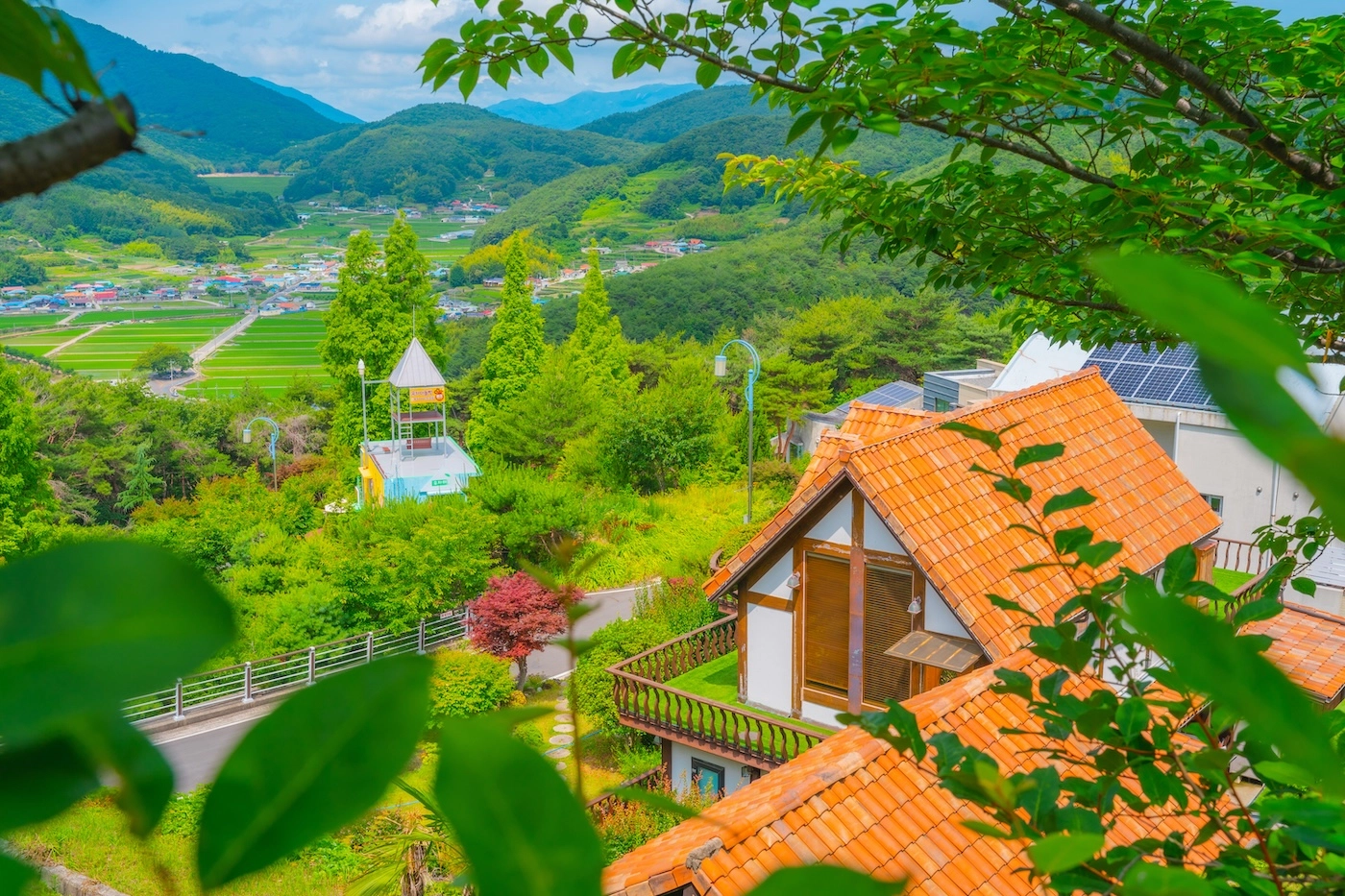
Horticultural Art VillageAn art village where you can explore gardens and exotic houses together
5
Horticultural Art VillageAn art village where you can explore gardens and exotic houses together
Food & Dining 1
-
 6
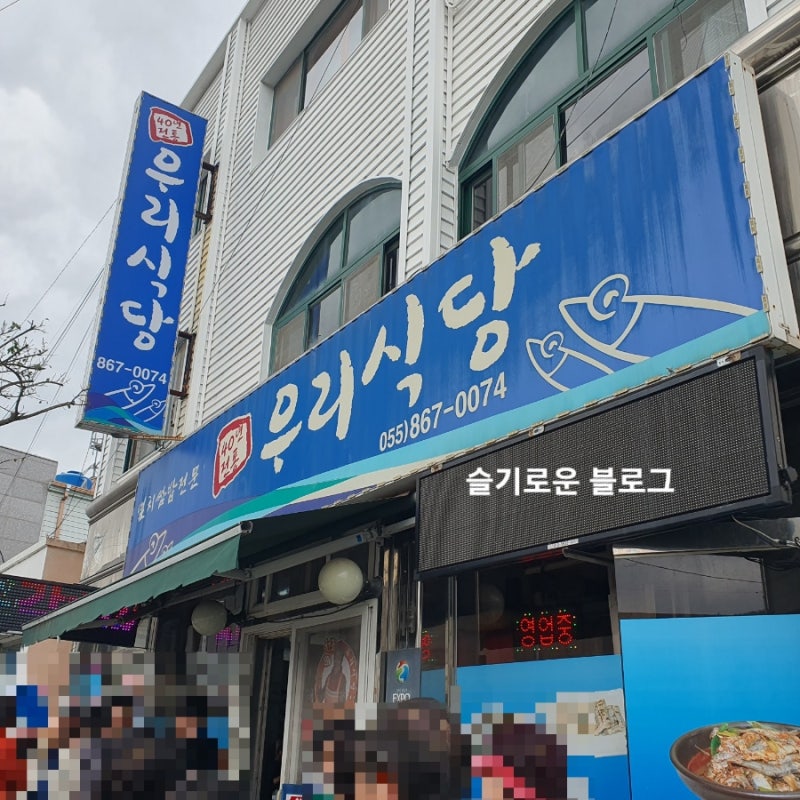
Uri SikdangA restaurant serving seasoned raw anchovy salad and ssambap made with anchovies caught using traditional bamboo fish traps.
6
Uri SikdangA restaurant serving seasoned raw anchovy salad and ssambap made with anchovies caught using traditional bamboo fish traps.
Events in This Area

Festivals in This Area

More Travel Guides in This Area
 Travel Guide
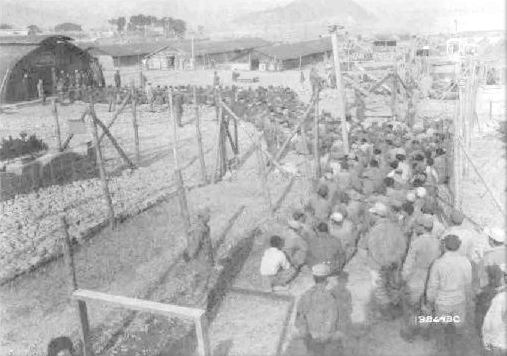
The Memory of an Island Where 173,000 People Stayed: Geoje POW Camp History Hall Park
 Travel Guide
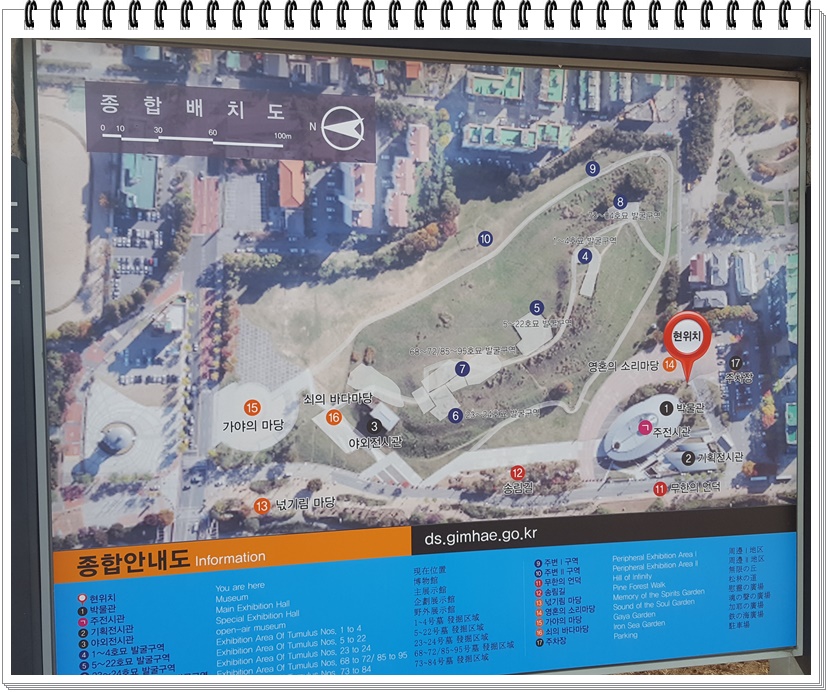
The International Character of Geumgwan Gaya in Gimhae, Beginning with Wooden-Chamber Tombs No. 29 and 39
 Travel Guide
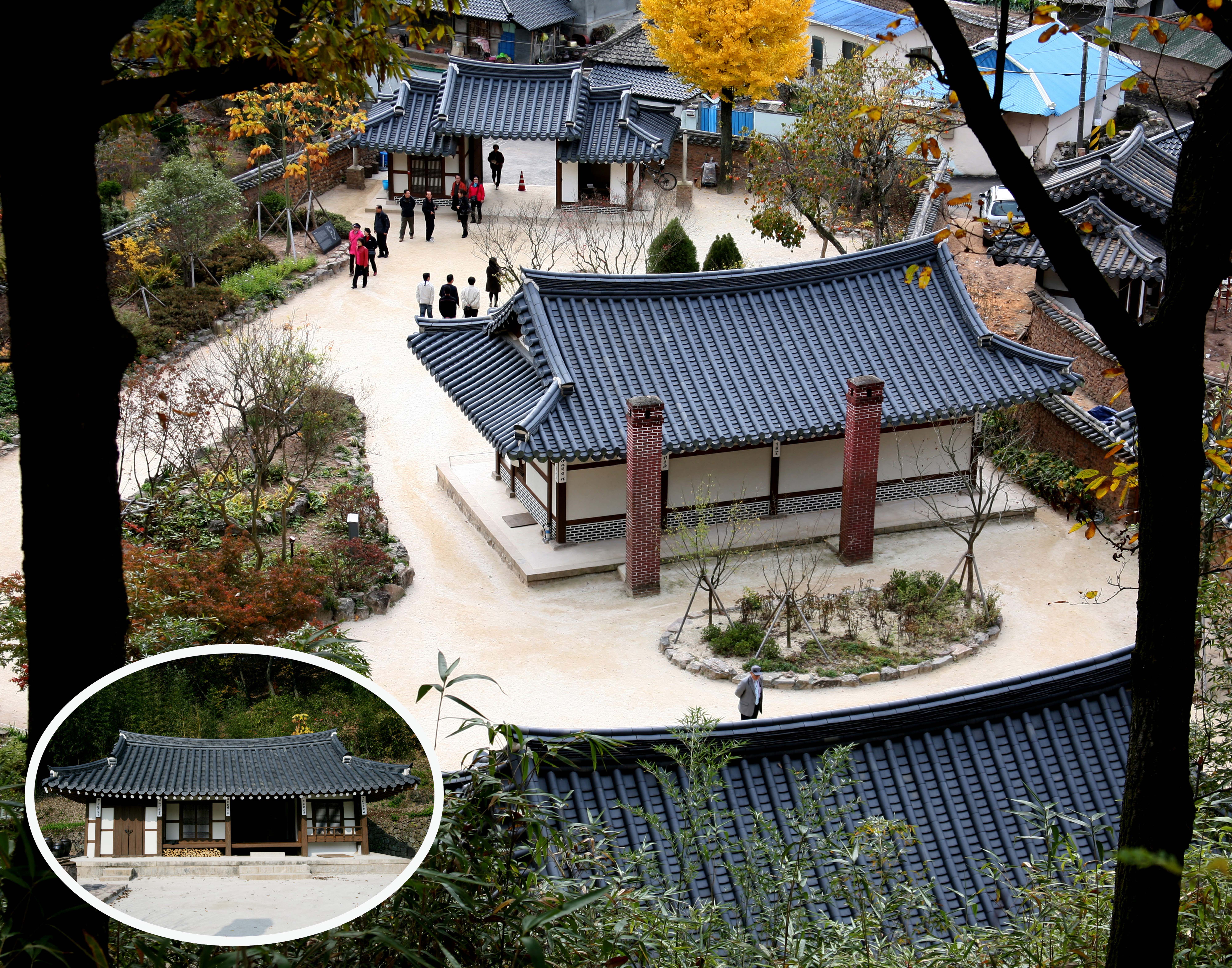
Lee Byung-chul’s Uiryeong Origins, Read in a Hanok Built in 1851
 Travel Guide
The Iron Kingdom Read from the Foot of Gujibong: Gimhae National Museum
Korea News
![ZEROBASEONE ‘ZEROBASEONE Shining Even at Night!’ [★Video]](https://kotourlive-images.s3.ap-northeast-1.amazonaws.com/news/1786629298196_13d8a4bb_news_075face7-fb4e-402c-b833-25ccaf88cf8f.jpg) News
News
ZEROBASEONE ‘ZEROBASEONE Shining Even at Night!’ [★Video]
 News
News
Kwon Eun-bi, First Comeback Since Moving from Woollim to RBW: “Aiming for a September Release”
 News
News
“Did Jungkook’s connection continue?” Pop star Usher spotted warmly hugging BTS’s RM and J-Hope
 News
News