
The Memory of an Island Where 173,000 People Stayed: Geoje POW Camp History Hall Park
Geoje POW Camp History Hall Park exhibits and recreates the history of the Gohyeon area, where a large-scale prisoner-of-war camp was established during the Korean War. Allow at least two hours to see the outdoor remains, museum, and hands-on facilities, and check the Tuesday closure and parking hours in advance.
Why the Gohyeon Plain Plan Changed to Accommodate 220,000 People in 1951
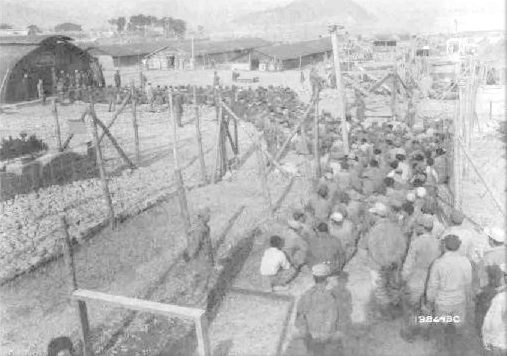
Geoje POW Camp Historic Park preserves the memory of the Geoje Island prisoner-of-war camp, where North Korean and Chinese Communist prisoners captured during the Korean War were detained. On Geoje Island, construction of the camp began in January 1951 around Gohyeon, Yangjeong, Suwol, and Jangpyeong, and the transfer of prisoners began in earnest in February 1951.
The initial plan was designed for 60,000 people, but it was expanded to accommodate 220,000. Geoje Island was selected because of its geographical advantages as an island, relatively easy access to water, and land suitable for growing food. However, most of the flat land at the time consisted of rice paddies, so the water had to be drained and the ground filled. Roads and mooring facilities also had to be newly constructed.
How to Read the Story of Up to 173,000 Prisoners and the May 7, 1952 Incident
Materials from the National Museum of Korean History explain that the Geoje camp held up to 173,000 prisoners by the end of June 1951, including 150,000 North Korean People's Army prisoners and 20,000 Chinese Communist prisoners. A vast system of detention, security, and supplies had effectively been established within the living area of Geoje residents, so this is a place where visitors should consider changes in local social history alongside the war exhibitions.
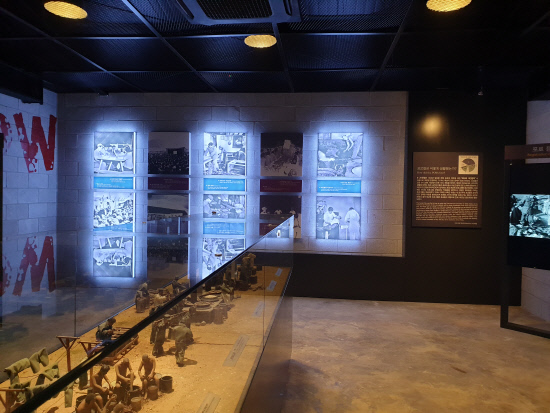
The official chronology records a riot related to prisoner screening at Detention Unit 62 on February 18, 1952; the classification of pro-Communist and anti-Communist prisoners from April 8 to 30; the abduction of Brigadier General Dodd on May 7; and the order to release anti-Communist prisoners on June 18, 1953. At the entrance, first review the timeline, then connect the Prisoner Life Hall, Historic Museum, and remaining historic sites in sequence to follow the chronology of events more easily.
Starting at 61 Gyeryong-ro: 09:00 Visits and Tuesday Closures
The official address is Geoje POW Camp Historic Park, 61 Gyeryong-ro, Geoje-si, Gyeongsangnam-do, and the main telephone number is 055-639-0625. The official website is https://www.gmdc.co.kr/_pow/. The historic park is closed every Tuesday and on the day of Lunar New Year's Day and Chuseok. If Tuesday is a public holiday, it is closed on the following weekday instead.
Current online information sometimes lists different general visiting hours by season, so it is safest to reconfirm the day's admission closing time by telephone or through an official notice before departure. The monorail operates from 09:00 to 18:00, with the last boarding at the 16:00 departure, and does not operate every Tuesday or on the days of Lunar New Year's Day and Chuseok. Allow 2–3 hours for the outdoor and indoor exhibitions together, or at least 3 hours if taking the monorail round trip.
Choosing Between Admission from 7,000 Won for Adults and a 15,000-Won Monorail Round Trip
External travel information lists general admission to the historic park as 7,000 won for adults, 5,000 won for youths, and 3,000 won for children. Combined tickets are listed as 14,000 won for adults, 12,000 won for youths, and 9,000 won for children. Fees may vary depending on experiential facility operations and discount policies, so confirm them on-site before purchasing tickets or call 055-639-0625.
The Geoje Tourist Monorail costs 15,000 won for a standard round trip and 10,000 won for a standard one-way trip. It has fifteen six-passenger cars. The round-trip distance is 3,540 meters, the one-way travel time is approximately 30 minutes, and the stated interval between departures is four minutes. Monorail passengers do not pay the historic park admission fee separately, but must keep their boarding ticket when boarding again at the upper station after completing a round trip.
How to Get There by Buses 100, 110, 130, and 3000 from the Gohyeon Terminal Area
Since Geoje has no railway station, it is practical to plan transportation around Gohyeon Bus Terminal. The official access information lists buses 100, 100-1, 100-2, 102, 104, 110, 113, 130, 130-2, 132, 132-1, 132-2, 151, 3000, and 4000 as routes serving the historic park.
Routes may be adjusted frequently, so check the direction and stop in Geoje's bus information system immediately before boarding. In particular, buses 100, 102, 104, 110, and 130 are often shown as serving the Baek Hospital, Suwol, Gohyeon, and terminal areas. It is advisable to ask the driver once more whether the destination sign includes “POW Camp” or a stop near Gyeryong-ro.
Preparing for Travel Across the Large Grounds: 2,000 Won for Three Hours by Car
Parking at the historic park costs 2,000 won for up to three hours for passenger cars, with an additional 1,000 won charged for every 30 minutes beyond three hours. Motorcycles cost 1,000 won for three hours, while buses and trucks of 2.5 tons or more cost 5,000 won for three hours. Vehicles that exit within 20 minutes after visiting the park are exempt from the parking fee.
Users of monorail round-trip tickets are informed that they receive an exemption from additional parking fees for three hours or more, excluding one-way use. An accessible-tourism guide notes that accessible parking spaces are provided at several locations because the historic park and Peace Park cover a large area and have multiple access routes to exhibition spaces. However, outdoor routes, slopes, and access to experiential facilities may vary depending on the visitor's circumstances, so wheelchair users should call in advance to ask about travel routes.
A Site That Remained as a Historic Memorial after Operations Ended on January 5, 1954
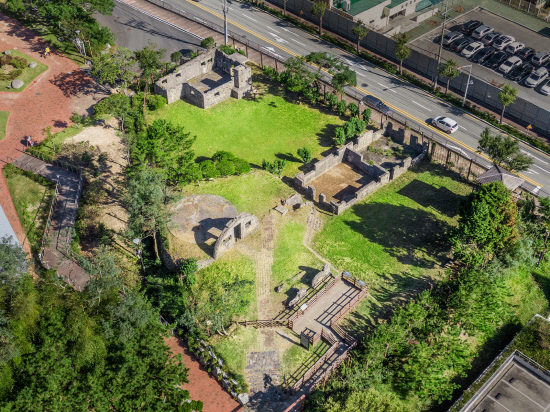
Operations at the Geoje Island POW camp ended on January 5, 1954. The remaining historic sites were designated as Gyeongsangnam-do cultural heritage materials on December 20, 1983, and the collection of historic materials began in October 1995. The current exhibition spaces are not merely themed facilities created after the war ended; they are the result of an effort to preserve the site's historical significance and records as part of public memory.
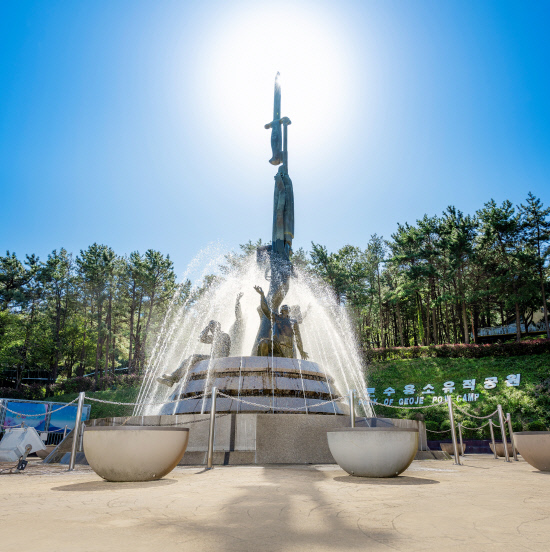
The POW Camp Historic Memorial opened in its first phase on October 15, 1999, and the historic park opened in its second phase on November 16, 2002. It was registered as a Type 1 specialized museum on December 28, 2012, and the 1950 Experience Hall and Peace Park opened in succession in 2013. Understanding this chronology makes it possible to distinguish the reconstructed exhibits from the surviving historic sites and consider what each one conveys.
If Violent Scenes Feel Overwhelming, Choose Peace Park and Explanation Times First
This site deals with difficult wartime history, including camp riots, prisoner separation, repatriation debates, and measures to evacuate civilians. When visiting with children, rather than rushing through the experiential facilities, first ask about available exhibition explanations and age suitability. It is better to allow sufficient explanation alongside the text- and photograph-based exhibitions.
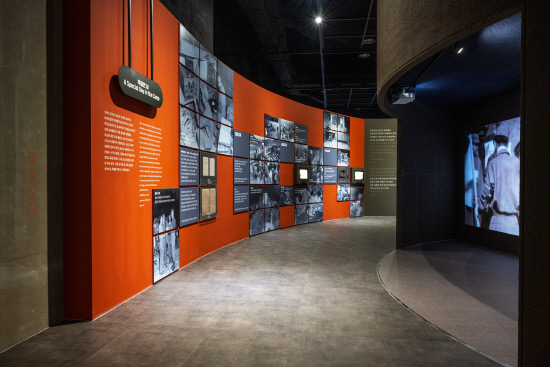
Official facilities include a 4D cinema, 1950 Experience Hall, VR Experience Hall, permanent exhibition, and sign-language exhibition. Food and drinks may not be brought onto the monorail, and pets other than assistance dogs cannot board. If you would like to learn the background through video first, you can refer to the park's official channel's “Touring Geoje Island POW Camp Historic Park” and the Geoje Island POW camp episode of an EBS documentary.
Before You Go
- Address
- Geoje POW Camp Historic Park, 61 Gyeryong-ro, Geoje-si, Gyeongsangnam-do
- Hours
- For general historic park visiting hours, confirm before departure at 055-639-0625 or through an official notice / Geoje Tourist Monorail 09:00–18:00, last boarding at the 16:00 departure
- Closed
- Every Tuesday (if Tuesday is a public holiday, the following weekday), and the days of Lunar New Year's Day and Chuseok / the monorail also does not operate every Tuesday and on the days of Lunar New Year's Day and Chuseok
- Admission
- General admission: adults 7,000 won, youths 5,000 won, children 3,000 won / combined ticket: adults 14,000 won, youths 12,000 won, children 9,000 won (confirmation before visiting recommended)
- Phone
- 055-639-0625
- Official site
- https://www.gmdc.co.kr/_pow/
- Transport
- Buses 100, 100-1, 100-2, 102, 104, 110, 113, 130, 130-2, 132, 132-1, 132-2, 151, 3000, and 4000 are available from the Gohyeon Bus Terminal area (checking the stop and direction on the day is recommended)
- Parking
- Passenger cars: 2,000 won for 3 hours, then 1,000 won per additional 30 minutes / motorcycles: 1,000 won for 3 hours / buses and trucks of 2.5 tons or more: 5,000 won for 3 hours / fee waived for exits within 20 minutes
- Time needed
- 2–3 hours for the historic park; at least 3 hours including a monorail round trip
- Accessibility
- Accessible parking spaces and accessible restrooms are available; because the outdoor grounds are large and include slopes and experiential facilities, calling in advance to ask about accessibility is recommended
The information above is based on the time of writing. Check the official information again before visiting.

Places
Nearby Attractions 3
-
 1
1
-
 2
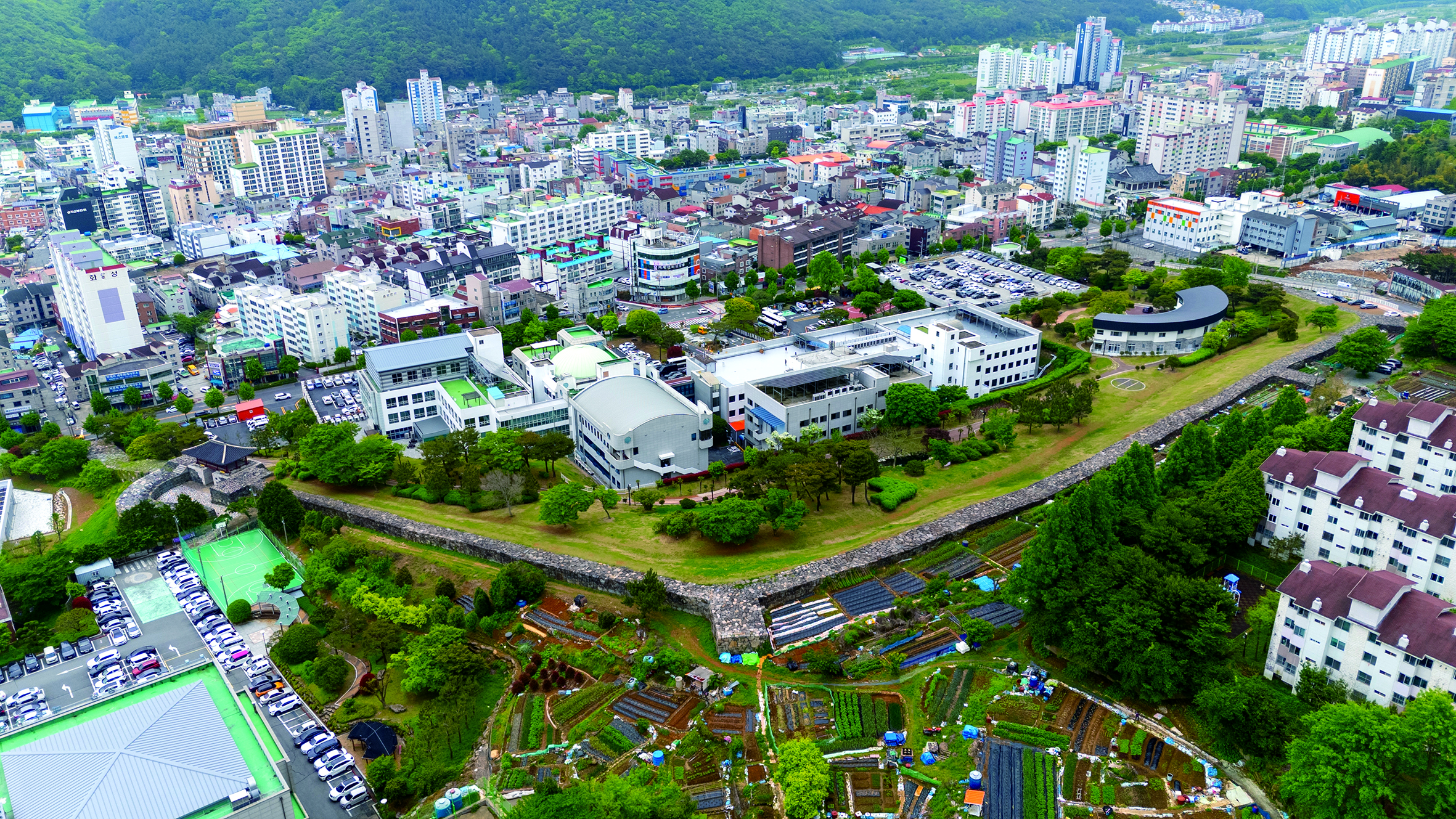
Geoje Gohyeonseong FortressExplore the walls and ruins of the Joseon-era fortress of Geoje-hyeon.
2
Geoje Gohyeonseong FortressExplore the walls and ruins of the Joseon-era fortress of Geoje-hyeon. -
 3
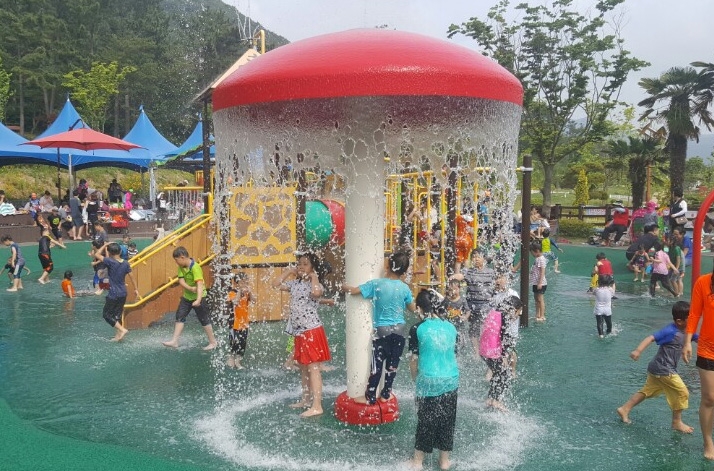
Dokbongsan Wellbeing ParkEnjoy the urban greenery while strolling along the walking paths and through the flower gardens.
3
Dokbongsan Wellbeing ParkEnjoy the urban greenery while strolling along the walking paths and through the flower gardens.
Food & Dining 3
-
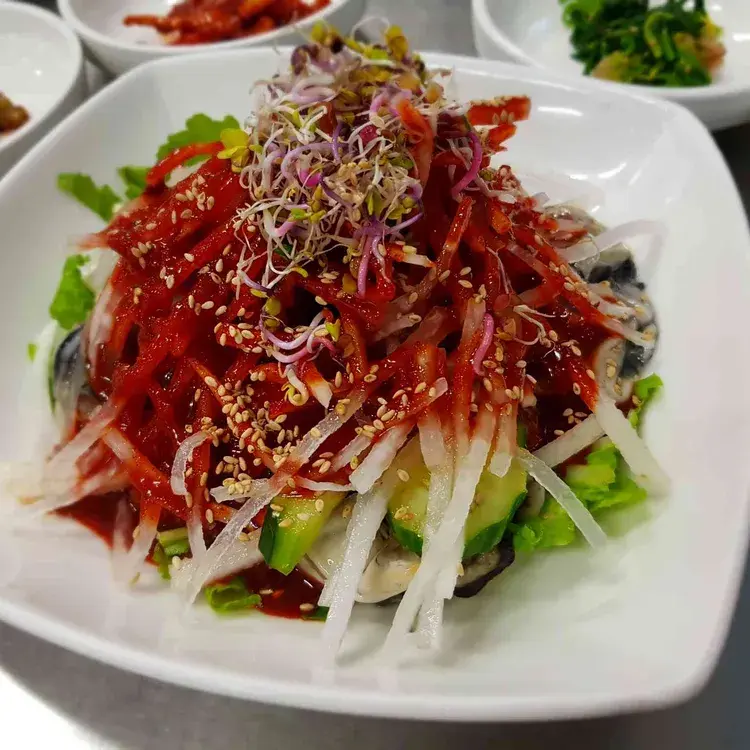 4
Poro Prison Camp Oyster GrillEnjoy oyster dishes such as grilled oysters, oyster pancakes, and oyster soup with rice.
4
Poro Prison Camp Oyster GrillEnjoy oyster dishes such as grilled oysters, oyster pancakes, and oyster soup with rice. -
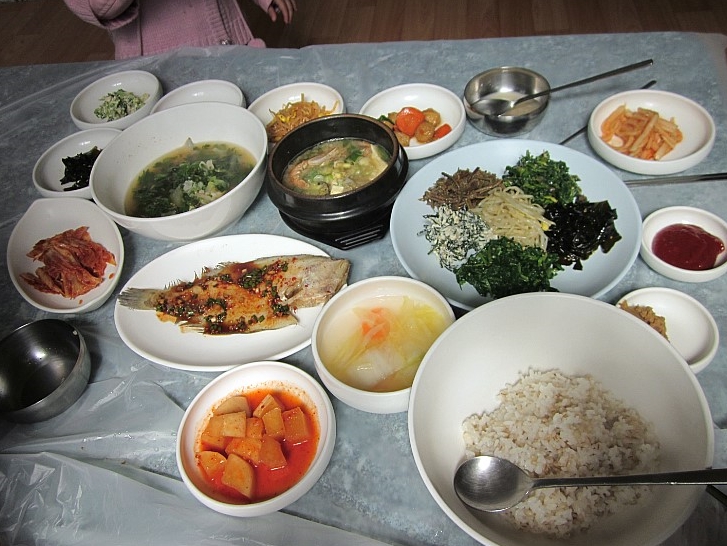 5
Gamasot BoribapEnjoy a set meal of barley rice served with seasoned vegetables and soybean paste.
5
Gamasot BoribapEnjoy a set meal of barley rice served with seasoned vegetables and soybean paste. -
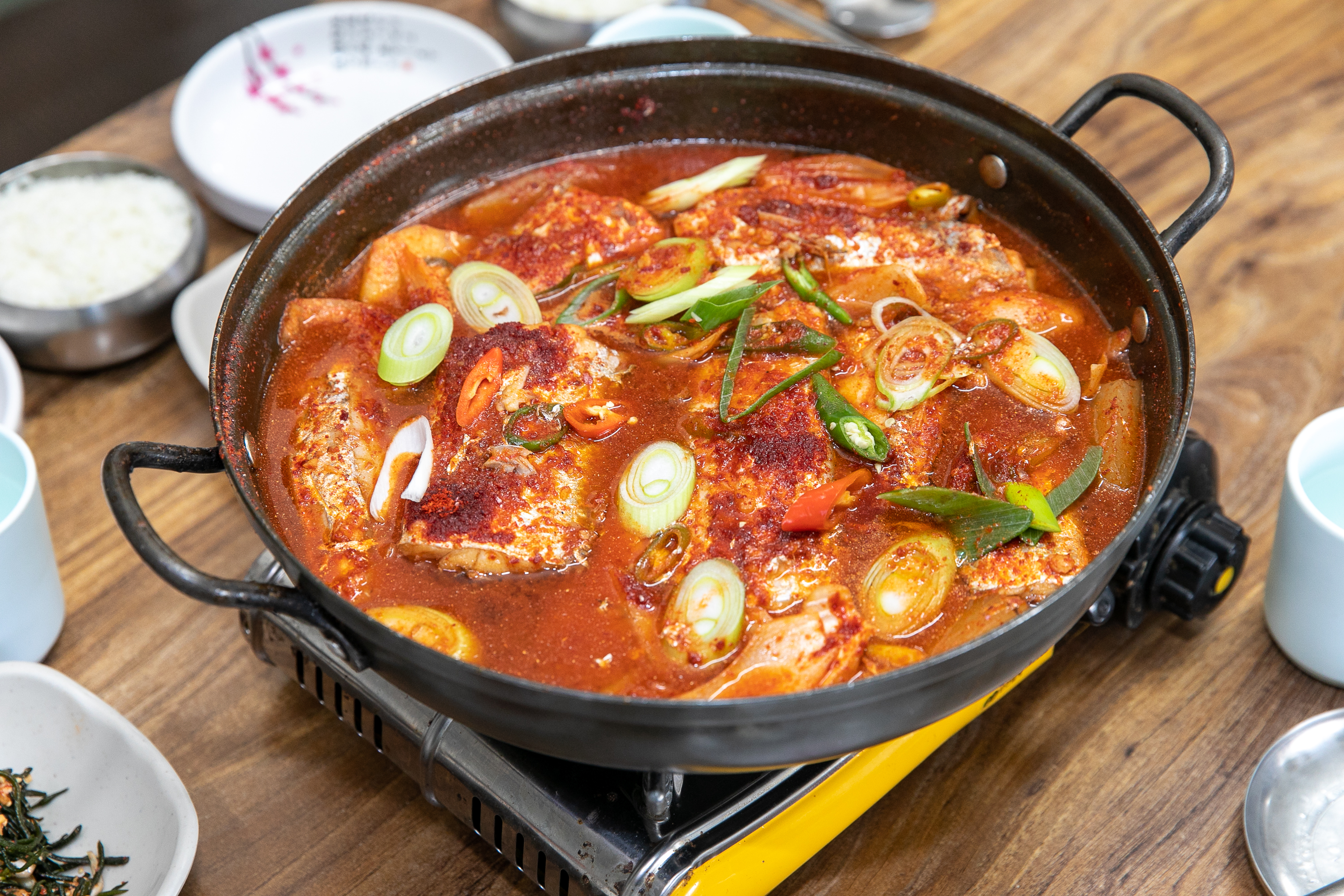 6
6
Events in This Area

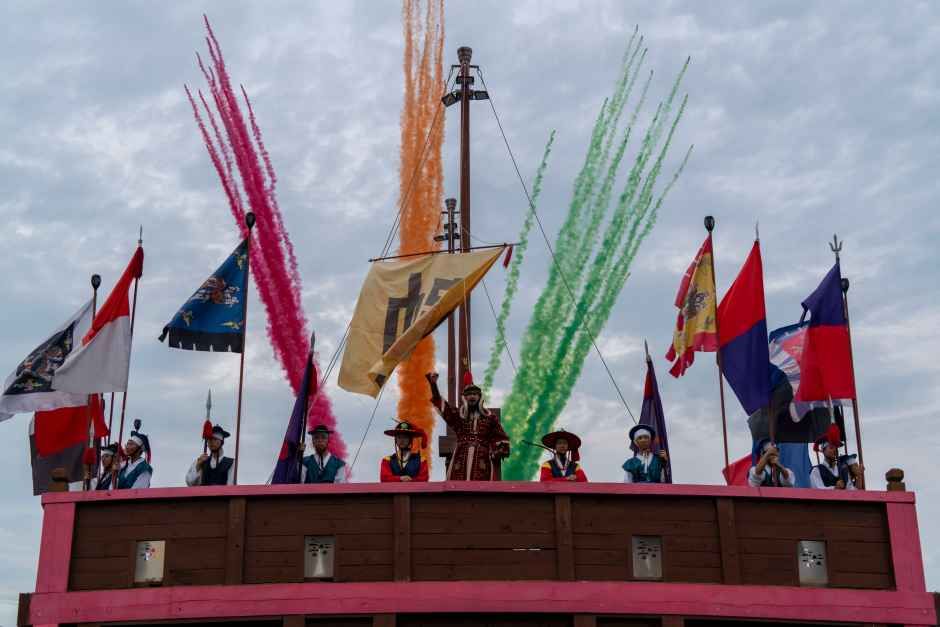
Festivals in This Area

More Travel Guides in This Area
 Travel Guide
The International Character of Geumgwan Gaya in Gimhae, Beginning with Wooden-Chamber Tombs No. 29 and 39
 Travel Guide
Lee Byung-chul’s Uiryeong Origins, Read in a Hanok Built in 1851
 Travel Guide
The Iron Kingdom Read from the Foot of Gujibong: Gimhae National Museum
 Travel Guide
The History of the Port City Told on Floors 1 and 2 of Jinhae Tower
Korea News
![ZEROBASEONE ‘ZEROBASEONE Shining Even at Night!’ [★Video]](https://kotourlive-images.s3.ap-northeast-1.amazonaws.com/news/1786629298196_13d8a4bb_news_075face7-fb4e-402c-b833-25ccaf88cf8f.jpg) News
News
ZEROBASEONE ‘ZEROBASEONE Shining Even at Night!’ [★Video]
 News
News
Kwon Eun-bi, First Comeback Since Moving from Woollim to RBW: “Aiming for a September Release”
 News
News
“Did Jungkook’s connection continue?” Pop star Usher spotted warmly hugging BTS’s RM and J-Hope
 News
News