The Iron Kingdom Read from the Foot of Gujibong: Gimhae National Museum
Opened on July 29, 1998, Gimhae National Museum is a national museum in Gimhae, the heart of Geumgwan Gaya, focusing on Gaya pottery, ironware, and trade. It is close to Exit 2 of Museum Station on the Busan–Gimhae Light Rail Transit and makes an ideal starting point for a half-day route connecting the Daeseong-dong Tombs and Royal Tomb of King Suro.

I’ve been here?
Your check-in helps the next traveler.
No one has checked in yet Be the first
One tap — no writing needed
A specialized national museum of Gaya history established at the foot of Gujibong Peak on July 29, 1998
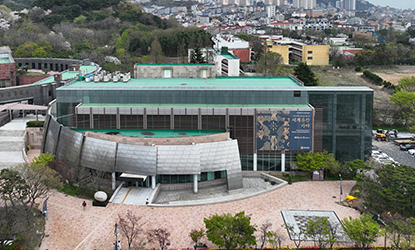
The National Gimhae Museum is a national museum specializing in Gaya history that opened on July 29, 1998. The museum stands at the foot of Gujibong Peak in Gimhae, known as the center of Geumgwan Gaya. Within a geographical context connected to the founding mythology of Gaya, it researches, preserves, and exhibits Gaya cultural heritage.
The building itself is also connected to the exhibition theme. Architect Jang Se-yang’s design is described as drawing on iron, Gaya’s representative product; black bricks; and the corridors of traditional architecture as motifs. Looking at the exterior before entering gives visitors a hint of why this museum explains Gaya, the “Kingdom of Iron,” even before they view the exhibitions.
- Opened: July 29, 1998
- Address: 190 Gaya-ui-gil, Gimhae-si, Gyeongsangnam-do (232, Gusan-dong)
- Telephone: 055-320-6800
- Official website: https://gimhae.museum.go.kr/
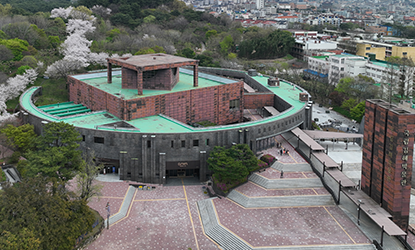
Reading the permanent exhibition divided into “The Road to Gaya” and “Gaya and Its People”
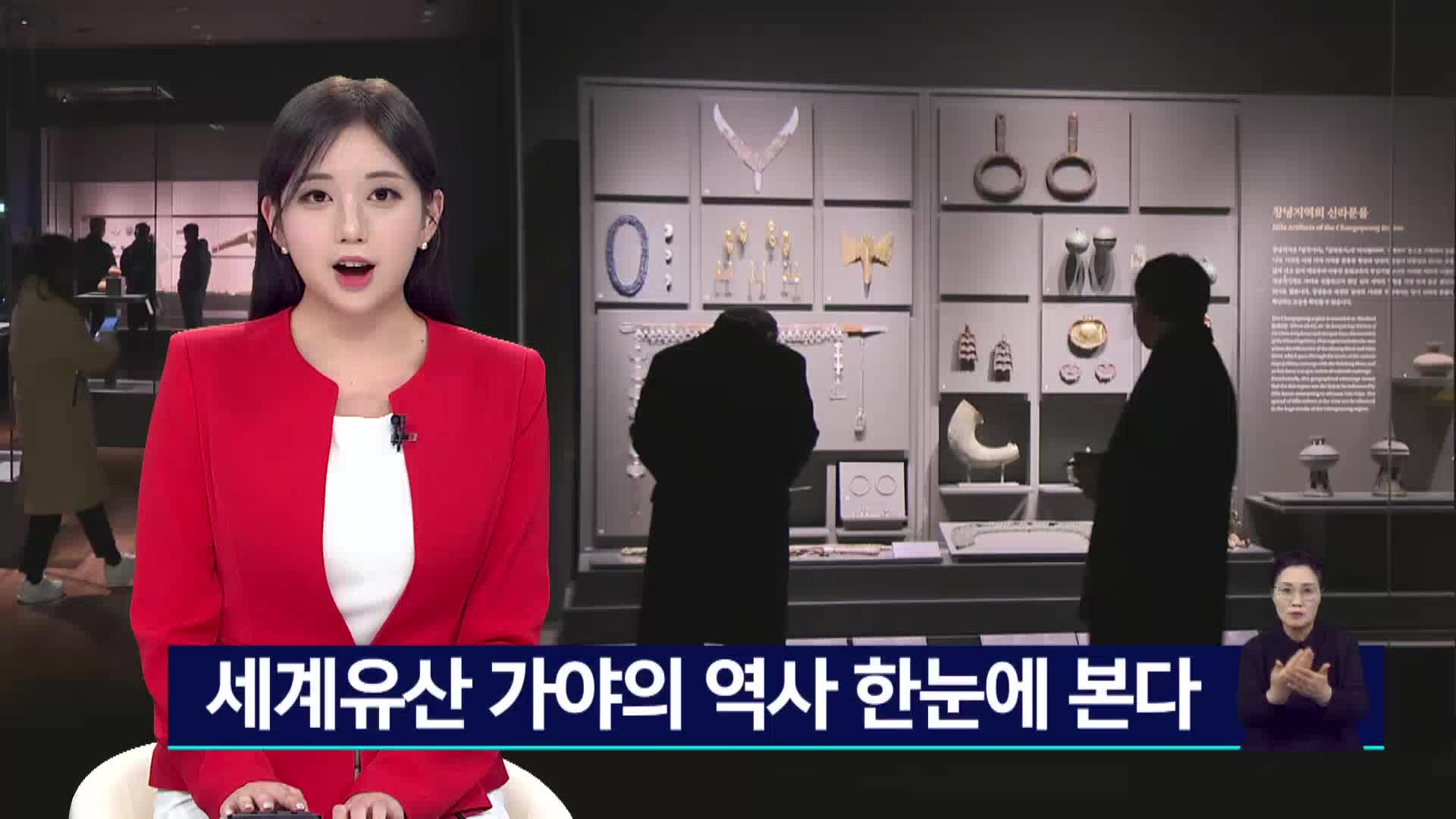
The permanent exhibition follows a flow from “The Road to Gaya” on the first floor to “Gaya and Its People” on the second floor. On the first floor, visitors explore prehistoric culture in the lower Nakdong River region and the formation of Gaya by following the lives of people before Gaya, the dawn and development of Gaya, and the expansion of Silla power.
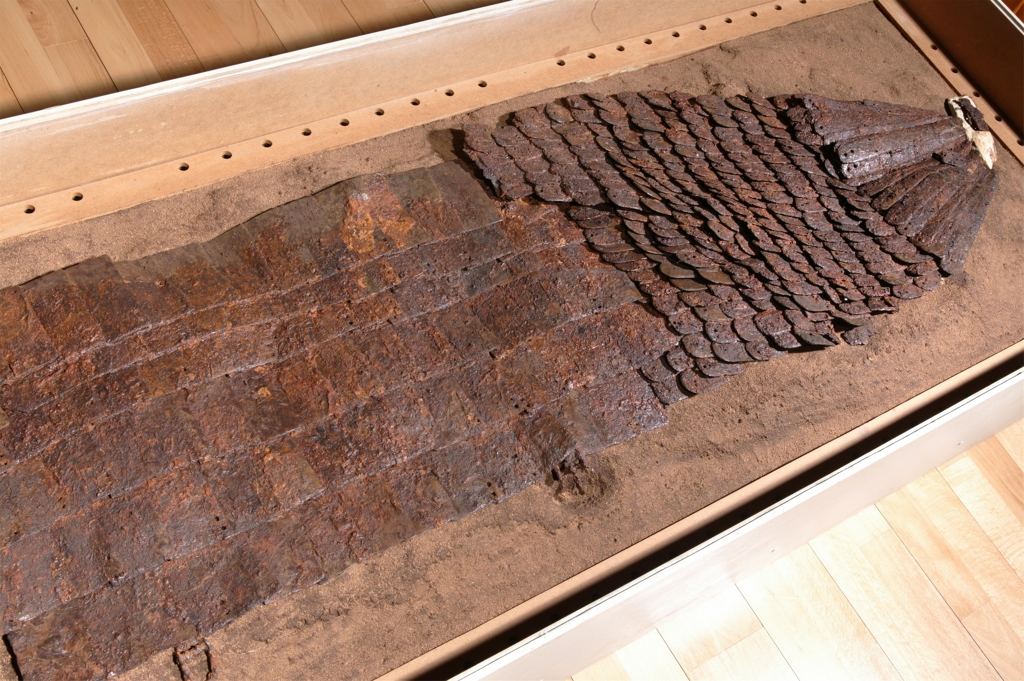
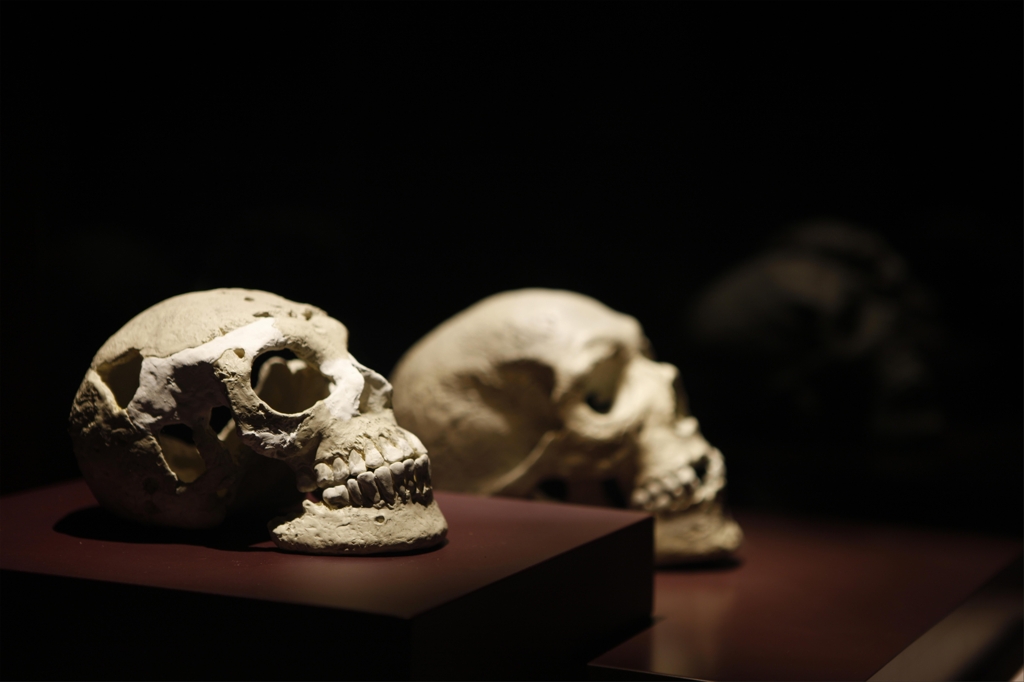
The second floor covers themes including Gaya’s style, people’s daily lives, Gaya pottery, the Kingdom of Iron, and the Maritime Kingdom. Rather than simply memorizing the names of kingdoms, focus on how pottery, ironware, ornaments, and trade materials show that Gaya was a confederation of several political entities that made use of the Nakdong River basin and maritime exchange. This makes the viewing sequence clearer.
- Permanent exhibition hours: 09:00–18:00
- Last admission to the permanent exhibition: 30 minutes before closing
- Permanent exhibition admission: Free
- Permanent exhibition tours: Tuesday 11:00·14:00, Wednesday 11:00, Thursday 11:00·14:00, Friday 14:00
- Weekend tours: Saturday and Sunday at 11:00·14:00
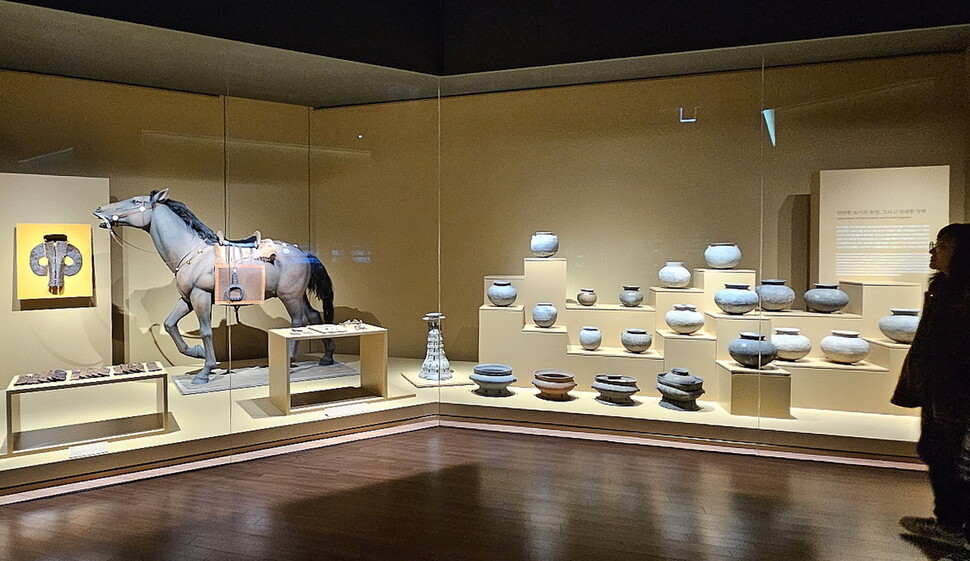
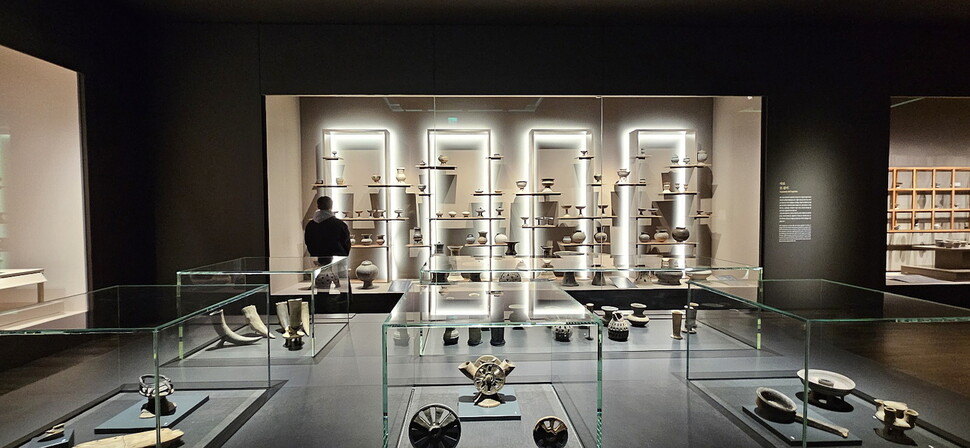
View the tumuli map first in “Gaya, a World Heritage Site,” opened on January 23, 2024
The permanent exhibition includes the “Gaya, a World Heritage Site” space, which opened on January 23, 2024. Because it explains through exhibits the context of the Gaya Tumuli’s inscription as a World Heritage Site, it is best to visit this space first if you plan to walk through the Daeseong-dong Tumuli afterward.
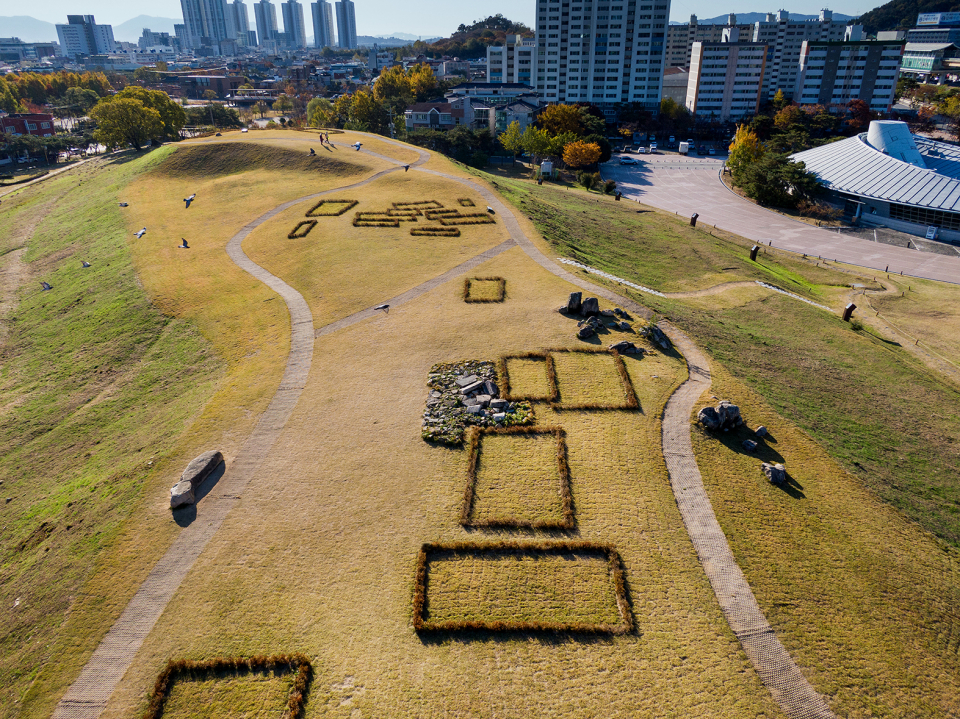
The Daeseong-dong Tumuli in Gimhae extend along Gaya-ui Street south of the National Gimhae Museum. If you first examine the context in which artifacts were excavated at the museum and then move to the terrain of the actual tumuli, it is easier to understand three-dimensionally why the burial grounds of Geumgwan Gaya’s ruling class remain within the city, compared with viewing the artifacts separately.
- Gaya Tumuli World Heritage exhibition opening: January 23, 2024
- Related sites: Gimhae Daeseong-dong Tumuli · Daeseong-dong Tumuli Museum
- Recommended order: Museum permanent exhibition → Gaya, a World Heritage Site → Daeseong-dong Tumuli
- Walkable connections: The National Gimhae Museum, Daeseong-dong Tumuli, and Royal Tomb of King Suro are located close together.
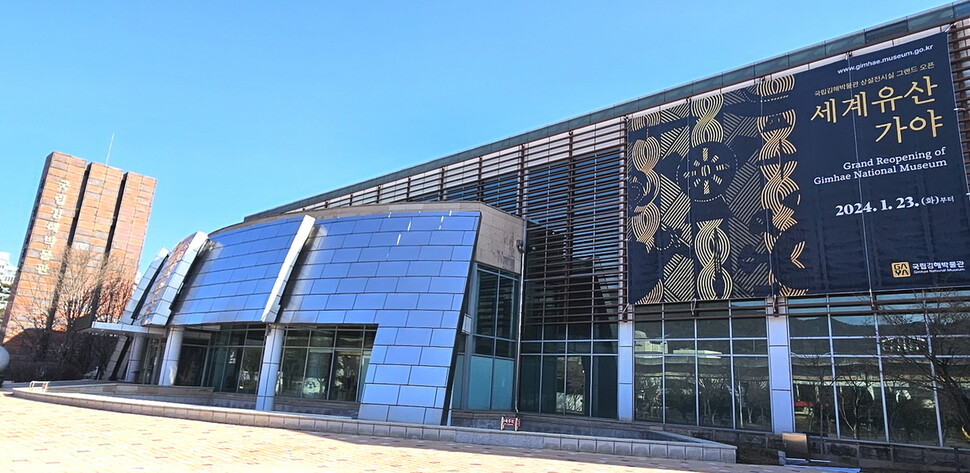
Museum Station Exit 2 and three parking lots: transportation basics for first-time visitors
By public transportation, get off at Museum Station on the Busan–Gimhae Light Rail Transit and use the direction of Exit 2. The museum is about a five-minute walk from either Museum Station or the Gimhae Arts Center bus stop. Buses 5-1, 8, 58, 59, and 100 stop at the Gimhae Arts Center stop, while Bus 100 and the Inner–Outer Circulation buses also pass the Museum Station stop.
For visitors arriving by car, there are three parking lots, accommodating at least 166 vehicles, including 18 large vehicles. Parking is free, and the lots are open from 09:00 to 19:00. They can also be used on museum closure days. Groups traveling by bus should inquire in advance, taking the capacity for 18 buses into account.
- Light rail: Direction of Exit 2 at Museum Station on the Busan–Gimhae Light Rail Transit
- Walk: About 5 minutes from Museum Station or the Gimhae Arts Center bus stop
- Buses: 5-1, 8, 58, 59, 100, Inner–Outer Circulation
- Parking: Free; three parking lots; total capacity of at least 166 vehicles
- Parking lot hours: 09:00–19:00; available on closure days
Plan your visit to avoid Monday closures and admission restrictions after 17:30
The permanent exhibition is open daily from 09:00 to 18:00, but admission is available only until 30 minutes before closing. Therefore, the last admission time is 17:30, and arriving by at least 16:00 is recommended for a relaxed look at the Gaya exhibitions. Exhibition tours are operated by volunteers, so times may change depending on circumstances.
The museum is closed every Monday, January 1, Lunar New Year’s Day, and the day of Chuseok. If a Monday is a public holiday, the museum closes on the first weekday afterward, so be sure to check the official visitor information again when planning around a holiday period. Special and themed exhibitions may have separate admission fees, but the permanent exhibition and Children’s Museum are free.
- Regular closure: Every Monday
- Additional closures: January 1, Lunar New Year’s Day, and the day of Chuseok
- Monday public holidays: Closed on the following first weekday
- Permanent exhibition: 09:00–18:00; last admission at 17:30
- Permanent exhibition and Children’s Museum: Free
Children’s Museum “Gayanuri,” open 10:00–17:50, generally requires booking one day in advance
Gayanuri, the Children’s Museum, is open from 10:00 to 17:50 and does not operate from 12:00 to 13:00 for preparation. Admission is allowed until 20 minutes past each hour, so visitors should allow plenty of time rather than arriving just before a session begins.
Advance reservation on the website by the day before the visit is generally required for the Children’s Museum. Same-day, first-come, first-served registration is accepted on-site only when spaces remain. Families with preschool or elementary-school children can schedule the permanent exhibition and Children’s Museum on the same day; placing lunch during the 12:00–13:00 break makes the route more natural.
- Children’s Museum hours: 10:00–17:50
- Closed for operations: 12:00–13:00
- Admission available until: 20 minutes past each hour
- Reservations: Advance website reservation by the day before the visit
- Same-day registration: First come, first served, subject to remaining spaces
A half-day Gimhae Gaya route linking the Daeseong-dong Tumuli and Royal Tomb of King Suro
If you are visiting only the National Gimhae Museum, allowing 1.5 to 2 hours focused on the permanent exhibition is appropriate. Following the exhibition tour schedule allows you to add approximately 40–50 minutes of guided explanation, which is especially useful for first-time visitors learning about Gaya history.
For a half-day itinerary, arrive at Museum Station, view the permanent exhibition at the National Gimhae Museum, walk along Gaya-ui Street to the Daeseong-dong Tumuli and Daeseong-dong Tumuli Museum, and then continue to the Royal Tomb of King Suro. This route connects Geumgwan Gaya artifacts, the terrain of royal tombs and tumuli, and sites related to the founding mythology within one city.
- Recommended museum visit: 1.5–2 hours
- Exhibition tour duration: Approximately 40–50 minutes
- Half-day connection: National Gimhae Museum → Daeseong-dong Tumuli → Daeseong-dong Tumuli Museum → Royal Tomb of King Suro
- Visitor inquiries: 055-320-6800
Before You Go
- Address
- 190 Gaya-ui-gil, Gimhae-si, Gyeongsangnam-do (232, Gusan-dong)
- Hours
- Permanent exhibition 09:00–18:00 (last admission 17:30); Children’s Museum 10:00–17:50 (not operating 12:00–13:00)
- Closed
- Every Monday, January 1, Lunar New Year’s Day, and the day of Chuseok. If Monday is a public holiday, closed on the following first weekday
- Admission
- Permanent exhibition and Children’s Museum are free (special and themed exhibitions may have separate admission fees)
- Phone
- 055-320-6800
- Official site
- https://gimhae.museum.go.kr/
- Transport
- Direction of Exit 2 at Museum Station on the Busan–Gimhae Light Rail Transit; about a 5-minute walk. Buses 5-1·8·58·59·100 stop at the Gimhae Arts Center stop; Bus 100 and Inner–Outer Circulation buses stop at Museum Station
- Parking
- Free. Three parking lots provide space for at least 166 vehicles, including 18 large vehicles. Open 09:00–19:00 and available on closure days
- Time needed
- 1.5–2 hours focused on the permanent exhibition; approximately 2 hours including an exhibition tour
- Accessibility
- The Children’s Museum requires advance website reservations; remaining spaces may be filled on-site on a first-come, first-served basis on the day. Foreign-language pages are available in English, Chinese, and Japanese.
The information above is based on the time of writing. Please check the official guidance again before visiting.

Places
Nearby Attractions 3
-
 1
Gimhae Daeseong-dong TumuliExplore the tombs of the ruling elite of Geumgwan Gaya and the surrounding burial-mound landscape.
1
Gimhae Daeseong-dong TumuliExplore the tombs of the ruling elite of Geumgwan Gaya and the surrounding burial-mound landscape. -
 2
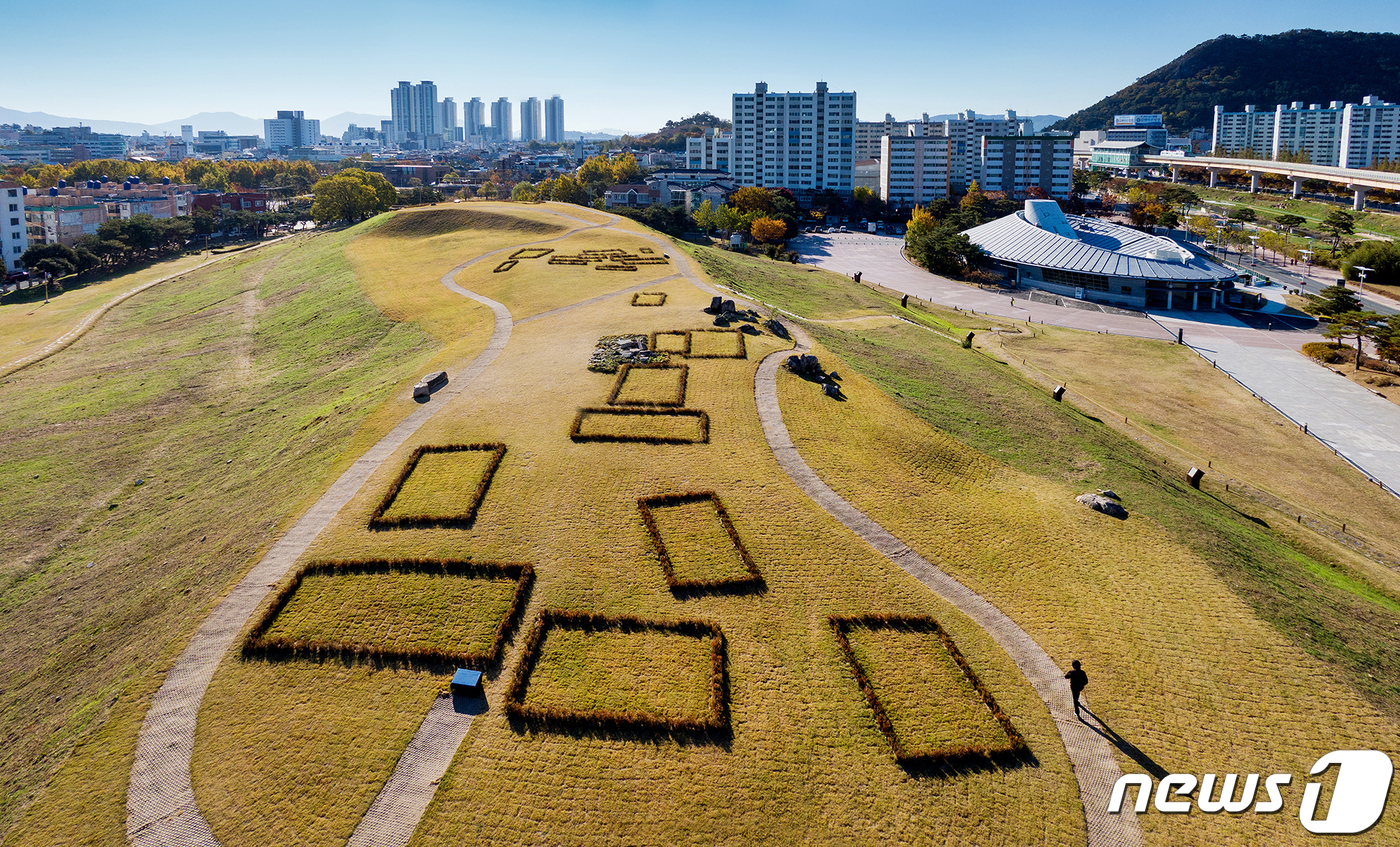
Daeseong-dong Tomb MuseumExhibits artifacts excavated from the Daeseong-dong Ancient Tombs and presents the culture surrounding the tombs.
2
Daeseong-dong Tomb MuseumExhibits artifacts excavated from the Daeseong-dong Ancient Tombs and presents the culture surrounding the tombs. -
 3
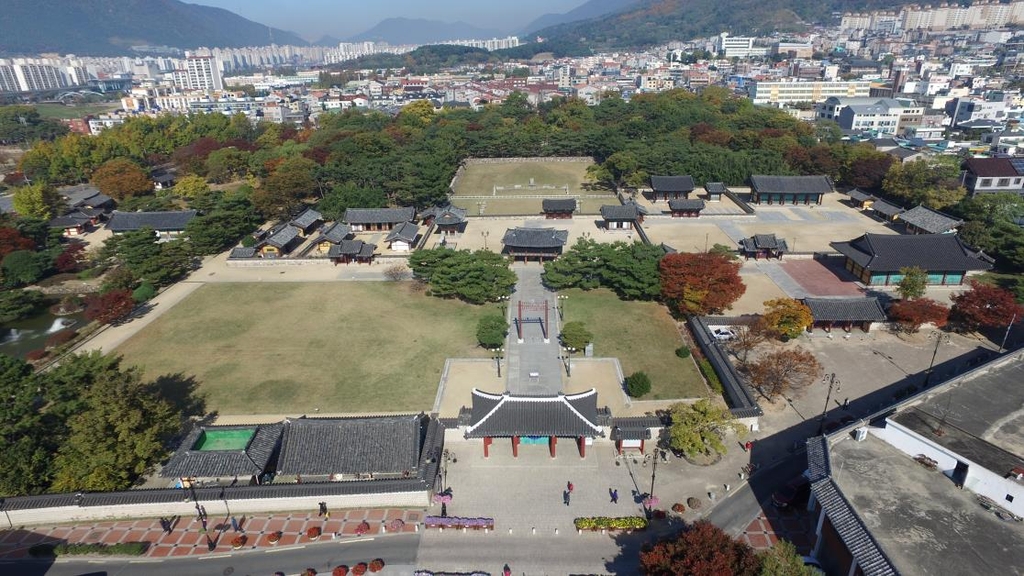
Tomb of King SuroExplore the tomb complex and ceremonial spaces of King Suro, the founder of the Gaya state of Geumgwan Gaya.
3
Tomb of King SuroExplore the tomb complex and ceremonial spaces of King Suro, the founder of the Gaya state of Geumgwan Gaya.
Food & Dining 3
-
 4
4
-
 5
5
-
 6
6
Events in This Area


Festivals in This Area


More Travel Guides in This Area
 Travel Guide
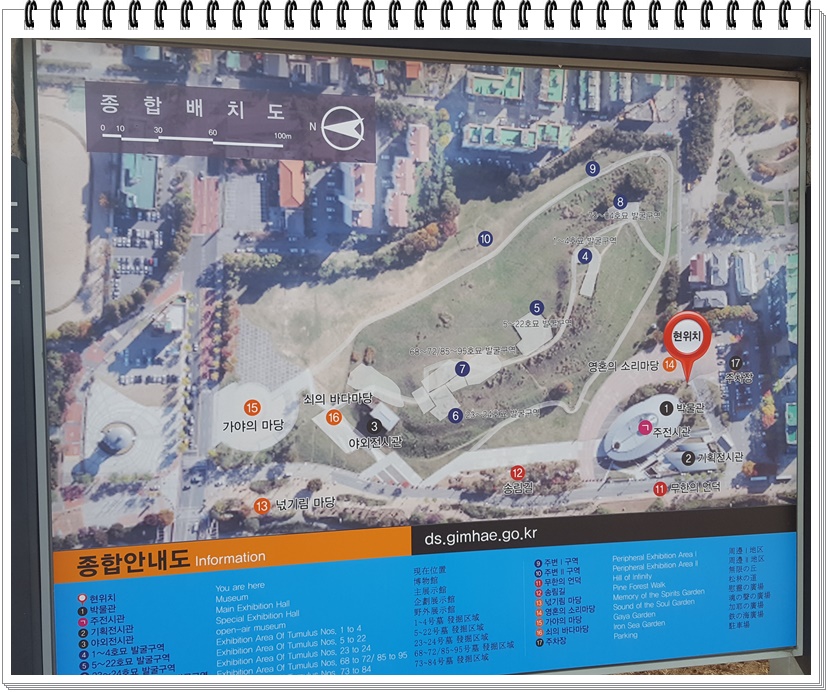
The International Character of Geumgwan Gaya in Gimhae, Beginning with Wooden-Chamber Tombs No. 29 and 39
 Travel Guide
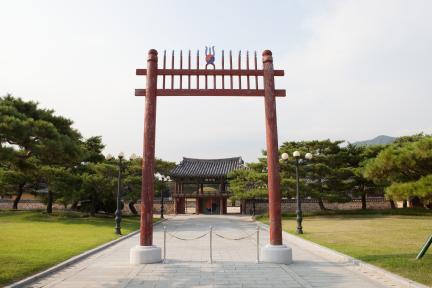
Walking Through the Memories of Geumgwan Gaya at the Royal Tomb of King Suro in Gimhae
 Travel Guide
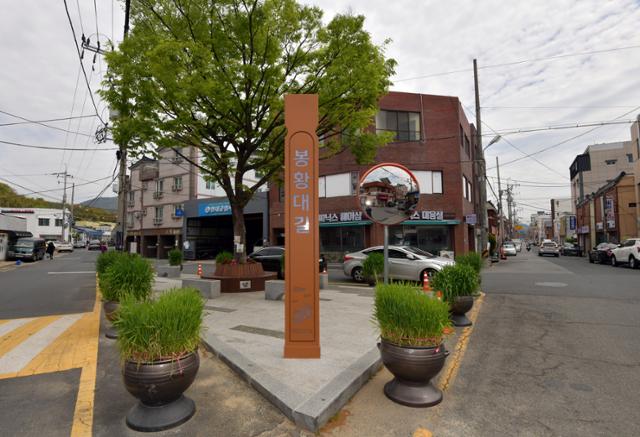
Gimhae’s Bongnidan-gil: A 500-Meter Alley Beside Gaya’s Old Harbor
 Travel Guide
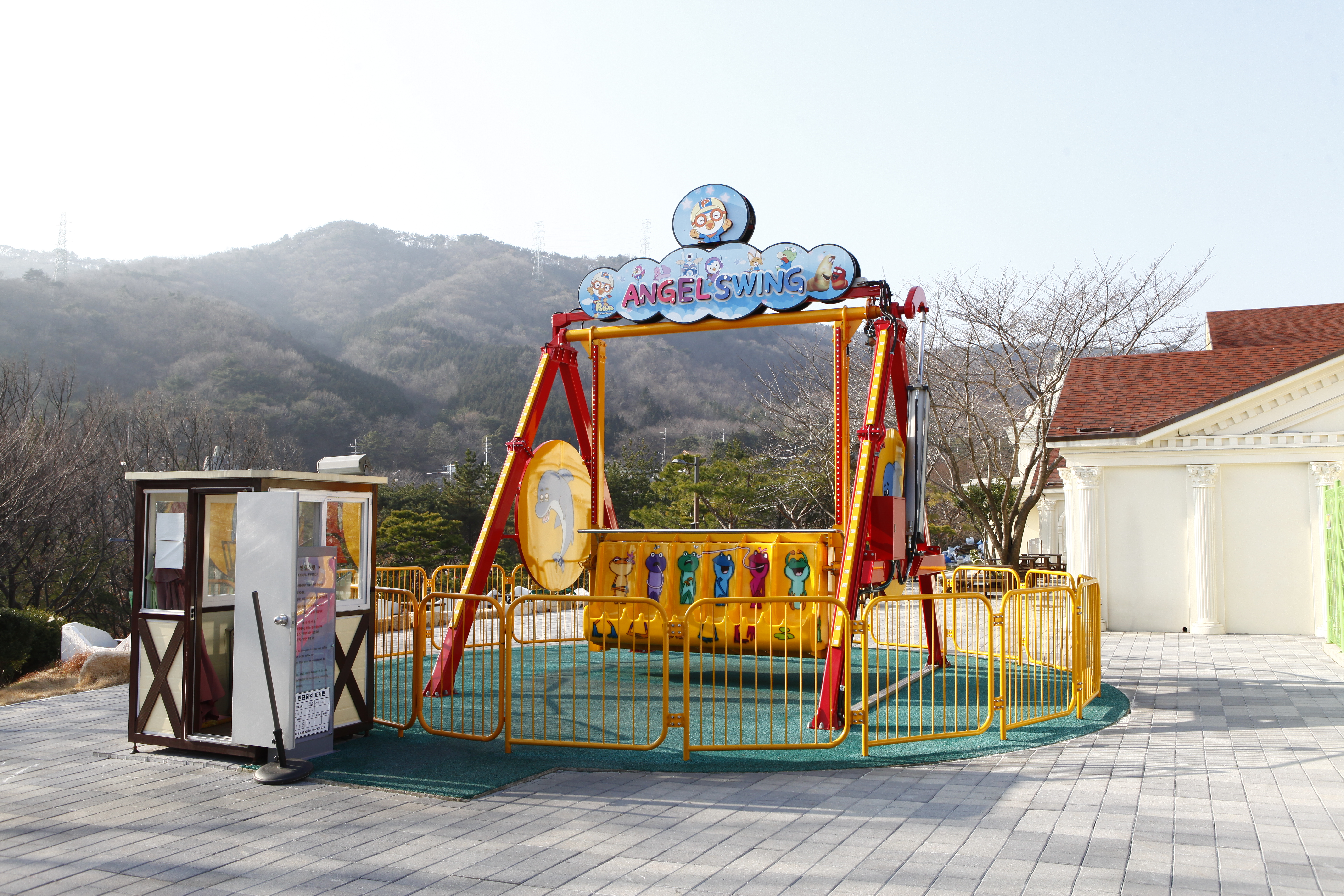
Gimhae Gaya Land, a Great Place for Children Aged 3 to Early Elementary School to Play at the Foot of Sineosan Mountain
Korea News
![BLACKPINK’s Lisa Dominates the VMA Red Carpet in a Sheer Corset Dress and Red Fur [Star Issue]](https://kotourlive-images.s3.ap-northeast-1.amazonaws.com/news/1790557894714_010e956a_news_94409db1-fab6-40bf-bc7b-4b985b1fbac7.jpg) News
News
BLACKPINK’s Lisa Dominates the VMA Red Carpet in a Sheer Corset Dress and Red Fur [Star Issue]
![BLACKPINK’s Jisoo Spotted by Surprise with BIGBANG in London… Their Special Loyalty as Labelmates [IS High Cut]](https://kotourlive-images.s3.ap-northeast-1.amazonaws.com/news/1790557854683_6ea979f5_news_caab62e5-8462-43c8-8622-da794f3df9de.png) News
News
BLACKPINK’s Jisoo Spotted by Surprise with BIGBANG in London… Their Special Loyalty as Labelmates [IS High Cut]
 News
News
Tattoos All Over Her Body… AOA’s Jimin Draws Shocked Attention After Kwon Mina’s ‘Bullying’ Allegations
![You’ll Have to Look Twice… Choi Min-a-soo Perfectly Pulls Off Everything from a Daring Illusion Dress at the Awards Ceremony to Long Braided Hair [RE:STAR]](https://kotourlive-images.s3.ap-northeast-1.amazonaws.com/news/1790492384850_1f293dad_news_d834c50e-0685-43ef-9aa5-6995cd6d8848.jpg) News
News