
The International Character of Geumgwan Gaya in Gimhae, Beginning with Wooden-Chamber Tombs No. 29 and 39
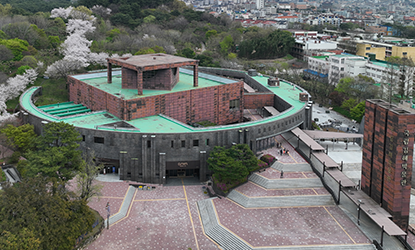
Daeseongdong Tomb Museum is a Gaya-specialized museum in Gimhae that opened in August 2003, located right beside the Daeseongdong Ancient Tombs, one component of the UNESCO World Heritage Site “Gaya Tumuli.” Visiting the indoor exhibits together with the outdoor exhibition halls for Tombs No. 29 and 39, restored to reflect their excavation condition, offers a single-route understanding of the burial practices, trade, and evidence of sacrificial burial among the ruling elite of Geumgwan Gaya.
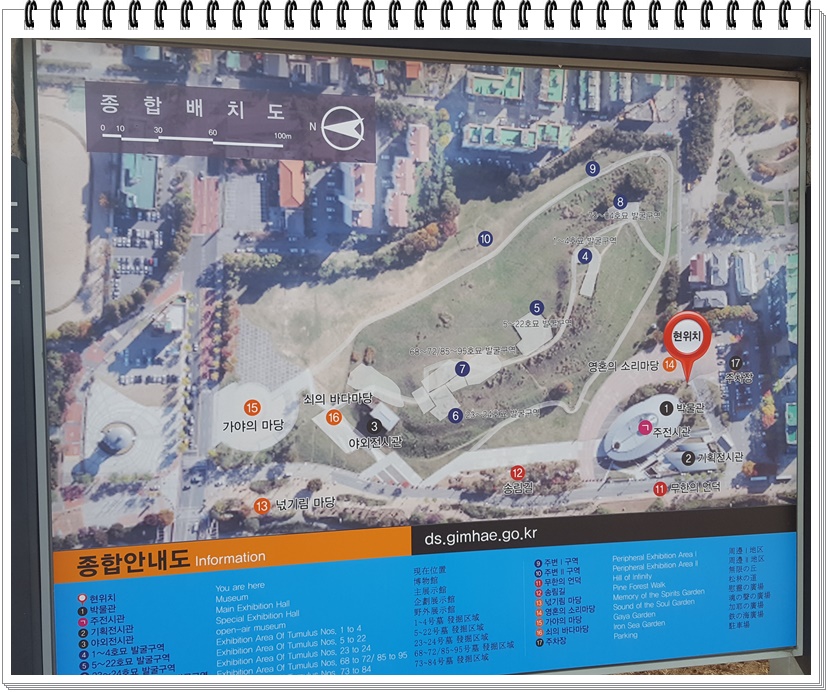

A Museum Opened in August 2003, Offering Views of Geumgwan Gaya from the Middle of an Ancient Tomb Cluster
Daeseong-dong Tomb Museum is a specialized museum that opened in August 2003 after Gimhae City carried out a Gaya cultural heritage environment improvement project. Its address is 126, Gaya-ui-gil, Gimhae-si, Gyeongsangnam-do, and its main telephone number is 055-350-0401. The official website is https://www.gimhae.go.kr/ds.web.
The museum’s key feature is that it connects directly to the Gimhae Daeseong-dong Ancient Tombs behind the building, rather than relying solely on the building itself. The Daeseong-dong Ancient Tombs were designated Historic Site No. 341 in 1991 and were inscribed on the UNESCO World Heritage List in 2023 as one of the seven component sites of the “Gaya Tumuli.” If you first read the explanation that this heritage site demonstrates how the various polities of the Gaya confederacy maintained horizontal relationships from the 1st to 6th centuries, the context becomes clear: the tombs of Gimhae were significant beyond local history.
Tomb No. 29 and Tomb No. 39: An Open-Air Exhibition Hall Restoring the Excavated Surfaces as Found
After viewing the permanent exhibition, it is best to move to the open-air exhibition hall and see the wooden-chamber tombs No. 29 and No. 39. These are large tombs displayed in the open based on their condition at the time of excavation. Tomb No. 29 is introduced as a wooden-chamber tomb considered an early royal tomb, while Tomb No. 39 is presented as a wooden-chamber tomb built after destroying Tomb No. 29.
According to the museum’s response in 2025, no human bones were excavated from Tomb No. 29. However, glass beads were found near the feet of the principal occupant, along with an empty space large enough to accommodate two or more people, suggesting the possibility that at least one person had been sacrificed and buried with the deceased. In Tomb No. 39, two sets of human remains were excavated together with glass beads near the north wall of the main chamber, indicating that two sacrificial attendants had been interred. This is a place where sacrificial burial can be understood through excavation evidence rather than treated simply as legend.
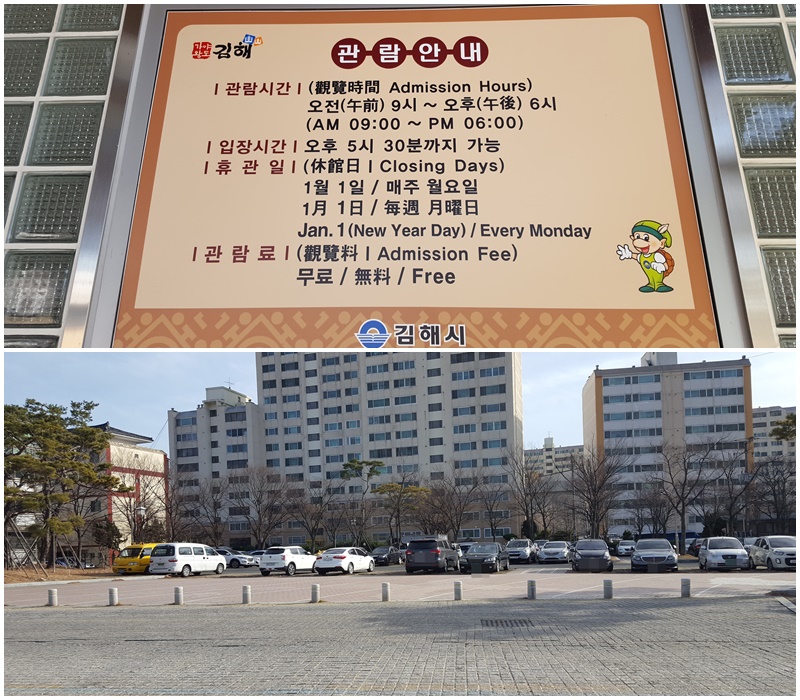
What the Bronze Arrowheads from Tomb No. 108 Reveal about Gimhae’s Fourth-Century Trade Network
The Daeseong-dong Ancient Tombs are known as the burial ground of the highest ruling class of Geumgwan Gaya. During the 10th excavation survey in 2020, more than 30 bronze arrowheads were identified in Tomb No. 108, a fourth-century tomb of the aristocratic class, and about 200 artifacts, including traces of lacquerware decorated with patterns, were also revealed.
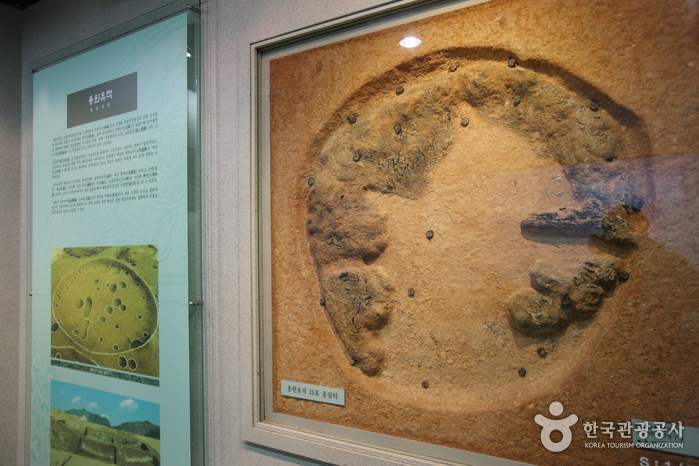
Foreign-style artifacts such as gilt-bronze crowns, bronze vessels, gilt-bronze belts, fragments of Roman glass, wave-shaped bronze objects, and tubular bronze objects were excavated from the Daeseong-dong tombs. These grave goods provide archaeological clues that the Gimhae polity engaged in maritime exchanges with China and Japan. In the exhibition hall, rather than quickly skimming only the pottery, compare which tombs yielded glass, metalwork, and weapons to better understand Geumgwan Gaya’s external relations.
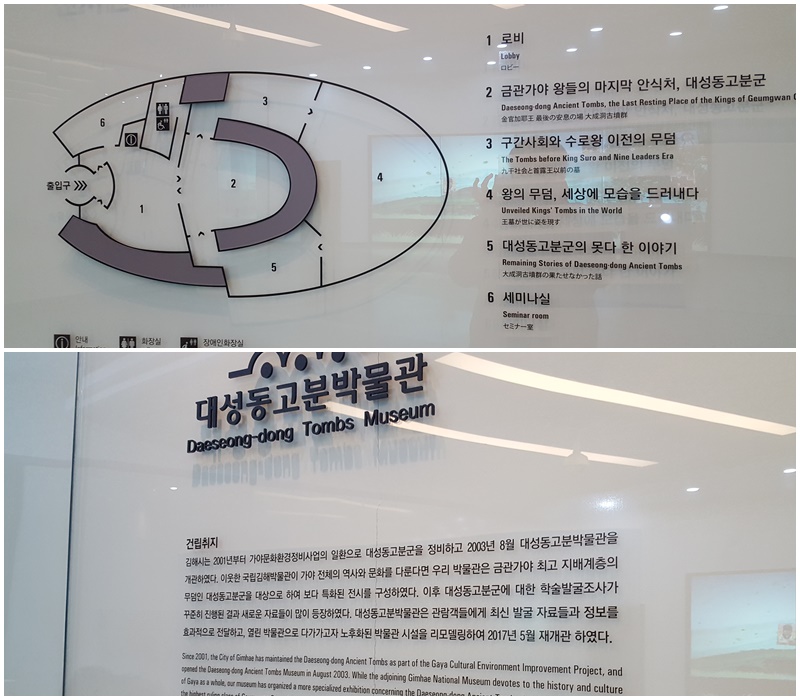
Free Admission from 09:00 to 18:00, with Entry until 17:30
Visiting hours are 09:00–18:00 from Tuesday through Sunday, with admission closing at 17:30. The museum is closed every Monday, January 1, and the day of Seollal and Chuseok. Admission is free, so visitors can explore both the exhibitions and the outdoor tomb cluster without going through an on-site ticketing process.
The site covers 65,331.89㎡, the building has a total floor area of 2,902.12㎡, and the landscaped area is 42,980㎡. Allowing 60–90 minutes is appropriate if you include the indoor permanent exhibition, open-air exhibition hall, and a walk around the tomb cluster. However, it is difficult to see the outdoor tombs sufficiently just before closing, so arriving before 16:30 is advisable.
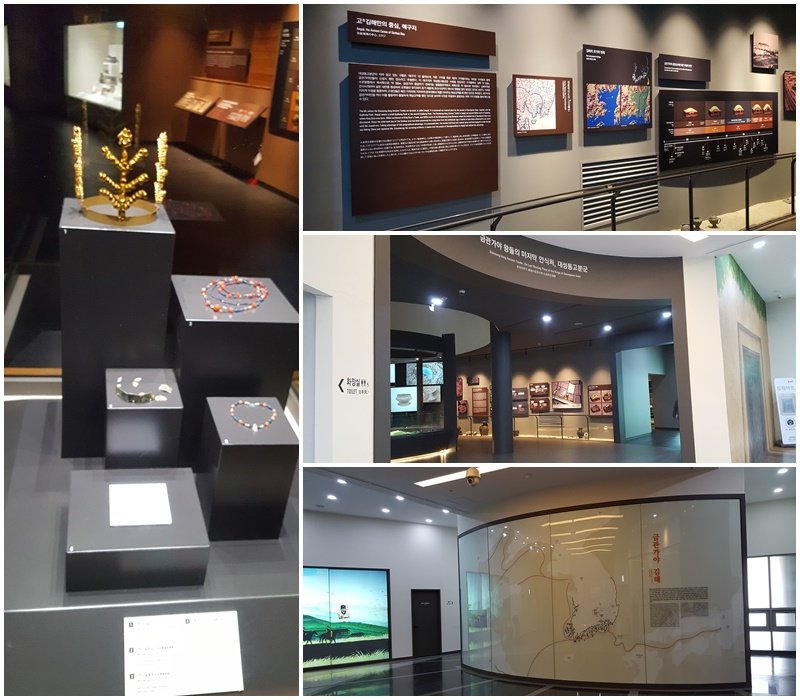
353 m from Royal Tomb of King Suro Station, 492 m from Museum Station
The distance from Royal Tomb of King Suro Station on the Busan–Gimhae Light Rail Transit to the museum parking lot is approximately 353 m, or about a five-minute walk. From Museum Station, it is approximately 492 m, or about a seven-minute walk. The “Royal Tomb of King Suro Station–Museum Station” walking route on the Gimhae Tourism Portal passes Royal Tomb of King Suro, Surungwon, Gimhae Folk Museum, Daeseong-dong Tomb Museum, and the Daeseong-dong Ancient Tombs before continuing to Museum Station.
Those arriving by car can use the parking facilities, which accommodate 60 small vehicles and 10 large vehicles. The walk between the outdoor tombs and the museum is short, but because the itinerary includes grassy mounds, shoes with good slip resistance are preferable on rainy days. A stroller rental service is not provided, so visitors who need one should prepare their own equipment.
How to Include Gujibong and Bonghwangdae in the 10:00 and 14:00 “Walking Gimhae” Program
Those who want to explore the museum more deeply can use the “Walking Gimhae” guided program offered by the Gimhae Tourism Portal. It operates twice daily, at 10:00 and 14:00, from Tuesday through Sunday, and consists of walking with a cultural tourism interpreter across the three hills of Gujibong, the Daeseong-dong Ancient Tombs, and Bonghwangdae.
Participation is free, with groups ranging from a minimum of 3 to a maximum of 10 people, and advance reservations must be made at least 3 days before the tour date. For reservations, contact the Gimhae Comprehensive Tourist Information Center at 055-330-4447 or 055-338-1330. English, Chinese, Japanese, and sign-language tourism interpretation require reservations at least one week in advance. If you are traveling with foreign visitors, it is therefore better to confirm the group size and language before departure rather than request these services on the day of the museum visit.
The Ridgelines of the Daeseong-dong Ancient Tombs That You Miss If You See Only the Indoor Exhibitions
The Daeseong-dong Ancient Tombs are a burial cluster of the ruling class established on hills in Gimhae’s old city center. The Korea Heritage Service explains that the seven Gaya Tumuli sites are elite ruling-class burial clusters built over long periods on highly visible hills at the centers of their respective polities. Therefore, after viewing the museum’s indoor exhibitions, it is essential to go outside and see the terrain where the tombs are situated.
For a short itinerary, divide the visit into 30 minutes for the permanent exhibition, 20 minutes for the open-air exhibition hall, and 20 minutes for walking around the tomb cluster. This site is better suited to travelers who want to connect excavation traces, tomb structures, and World Heritage landscapes than to those expecting a large museum with a vast number of artifacts. Special exhibitions change by period, so it is advisable to check the exhibition announcements on the official website before visiting.
10 Things to Check Before Visiting Daeseong-dong Tomb Museum
Although admission is free, the museum is closed on Mondays, and entry closes after 17:30. Parking is listed as accommodating 60 small vehicles and 10 large vehicles. By light rail, the museum is about five minutes from Royal Tomb of King Suro Station and about seven minutes from Museum Station. For general inquiries, call 055-350-0401.
Ongoing on-site interpretation provided by the museum is listed as available from 10:00 to 17:00, while guided tours and foreign-language or sign-language interpretation require reservations at least one week in advance. Groups and families should confirm the interpretation schedule first. Individual visitors can naturally connect the exhibition content with the actual terrain by following the route: indoor exhibition → outdoor exhibitions of Tombs No. 29 and 39 → Daeseong-dong Ancient Tombs.
Before You Go
- Address
- 126, Gaya-ui-gil, Gimhae-si, Gyeongsangnam-do (Daeseong-dong)
- Hours
- Tue–Sun 09:00–18:00 (admission closes at 17:30)
- Closed
- Every Monday, January 1, and the day of Seollal and Chuseok
- Admission
- Free
- Phone
- 055-350-0401
- Official site
- https://www.gimhae.go.kr/ds.web
- Transport
- Approximately 353 m and a 5-minute walk from Royal Tomb of King Suro Station on the Busan–Gimhae Light Rail Transit; approximately 492 m and a 7-minute walk from Museum Station
- Parking
- Available (60 small vehicles, 10 large vehicles)
- Time needed
- 60–90 minutes
- Accessibility
- No stroller rental service. English, Chinese, Japanese, and sign-language tourism interpretation require reservations at least one week in advance.
The information above is accurate as of the time of writing. Check the official guidance again before visiting.

Places
Nearby Attractions 3
-
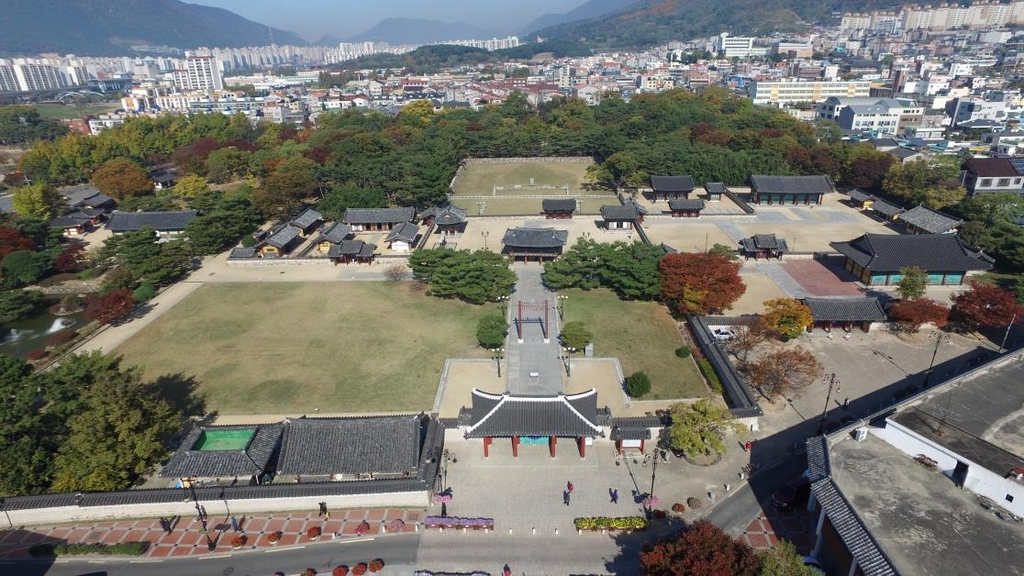 1
Royal Tomb of King Suro, GimhaeA historic site where visitors can explore the tomb of King Suro, the founder of the Gaya kingdom.
1
Royal Tomb of King Suro, GimhaeA historic site where visitors can explore the tomb of King Suro, the founder of the Gaya kingdom. -
 2
SuryungwonA forest garden walking trail connecting the Royal Tomb of King Suro and the Daeseong-dong Ancient Tombs.
2
SuryungwonA forest garden walking trail connecting the Royal Tomb of King Suro and the Daeseong-dong Ancient Tombs. -
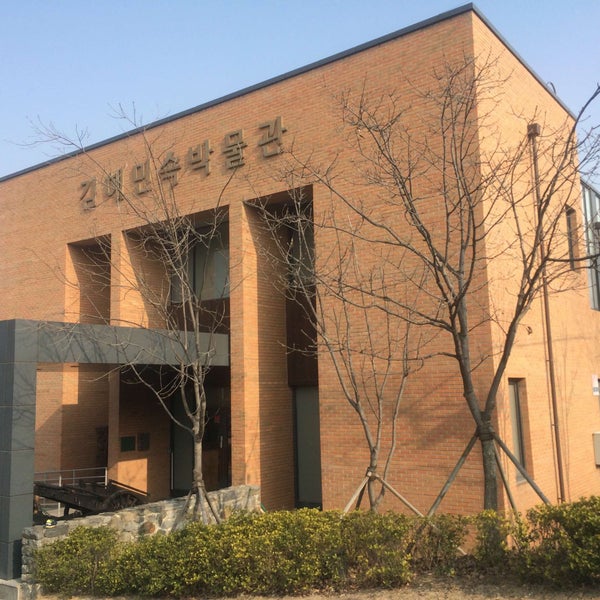 3
Gimhae Folk MuseumA museum showcasing the everyday culture and folk materials of the Gimhae region.
3
Gimhae Folk MuseumA museum showcasing the everyday culture and folk materials of the Gimhae region.
Food & Dining 3
-
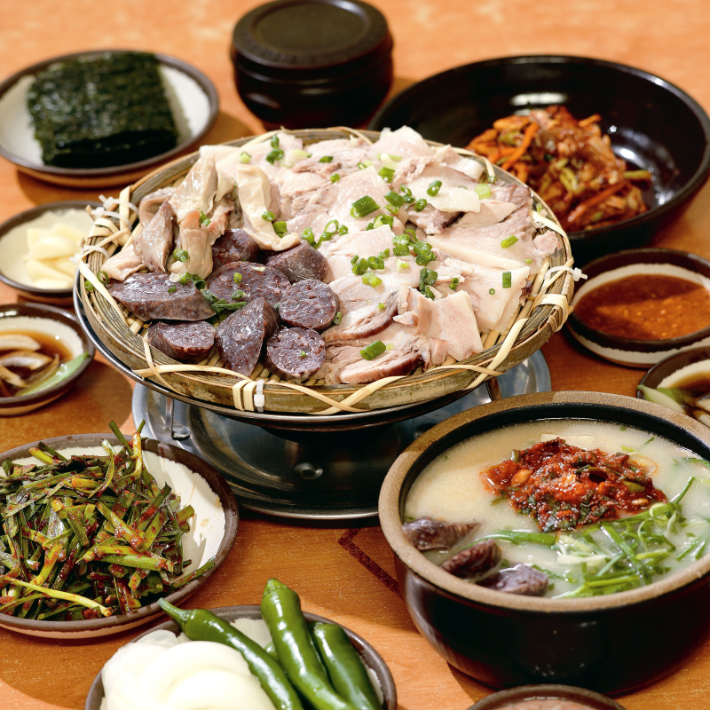 4
4
-
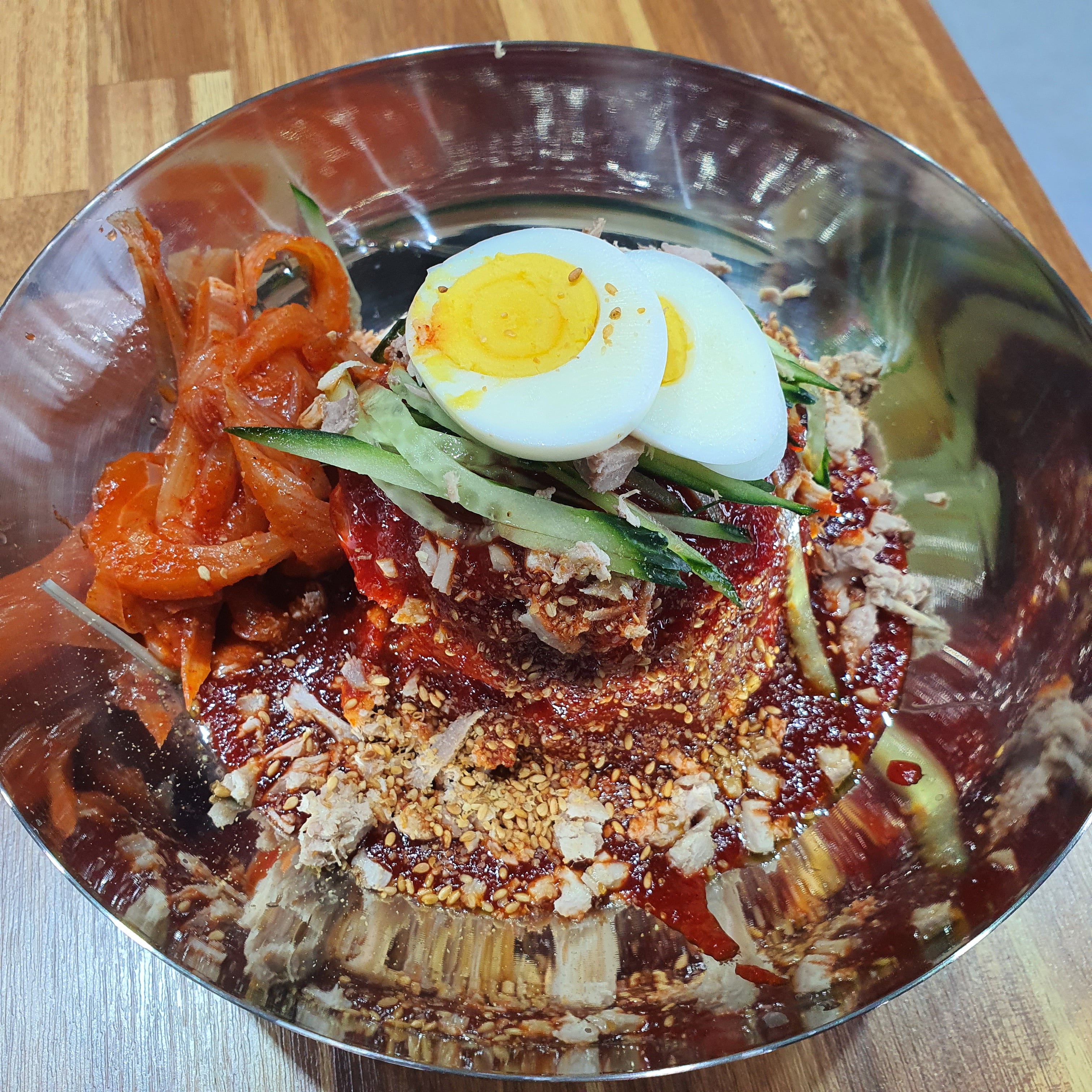 5
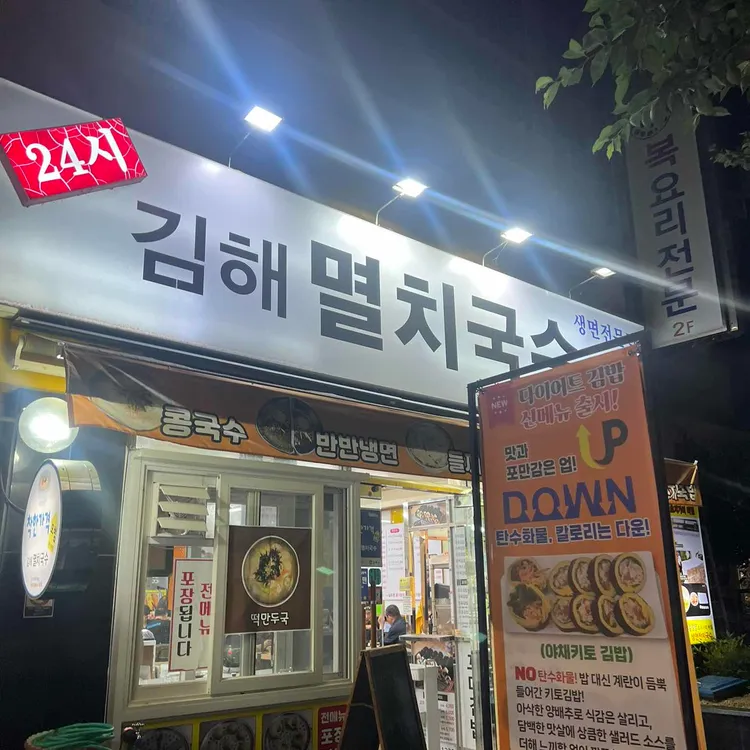
Busan Milmyeon Gimhae Main BranchA noodle restaurant serving mul milmyeon, bibim milmyeon, and pork bone soup.
5
Busan Milmyeon Gimhae Main BranchA noodle restaurant serving mul milmyeon, bibim milmyeon, and pork bone soup. -
 6
6
Events in This Area

Festivals in This Area

More Travel Guides in This Area
 Travel Guide
The Memory of an Island Where 173,000 People Stayed: Geoje POW Camp History Hall Park
 Travel Guide
Lee Byung-chul’s Uiryeong Origins, Read in a Hanok Built in 1851
 Travel Guide
The Iron Kingdom Read from the Foot of Gujibong: Gimhae National Museum
 Travel Guide
The History of the Port City Told on Floors 1 and 2 of Jinhae Tower
Korea News
![ZEROBASEONE ‘ZEROBASEONE Shining Even at Night!’ [★Video]](https://kotourlive-images.s3.ap-northeast-1.amazonaws.com/news/1786629298196_13d8a4bb_news_075face7-fb4e-402c-b833-25ccaf88cf8f.jpg) News
News
ZEROBASEONE ‘ZEROBASEONE Shining Even at Night!’ [★Video]
 News
News
Kwon Eun-bi, First Comeback Since Moving from Woollim to RBW: “Aiming for a September Release”
 News
News
“Did Jungkook’s connection continue?” Pop star Usher spotted warmly hugging BTS’s RM and J-Hope
 News
News