A 250-Year-Old Market That Began at a Grain Depot in the 36th Year of King Yeongjo: Masan Fish Market
Masan Fish Market is the largest seafood market in Gyeongsangnam-do, carrying on the legacy of Masan Market, which emerged organically after a government grain depot was established there in 1760. It spans parts of Dongsung-dong, Namseong-dong, and Sinpo-dong. Within walking distance are the Sashimi Restaurant Alley, home to more than 200 restaurants, Daepung Alley, the dried seafood and salted seafood alleys, and Odong-dong Agujjim Street across the road.
I’ve been here?
Your check-in helps the next traveler.
No one has checked in yet Be the first
One tap — no writing needed
The Roots of Masan Fish Market: Begun at a Grain Tax Granary in the 36th Year of King Yeongjo’s Reign (1760)
The origins of Masan Fish Market date back to the late Joseon period. The market formed organically in 1760, the 36th year of King Yeongjo’s reign, when a grain tax granary was established here. After Masanchang was installed, the magistrate of Changwon assigned officials and transport workers to the granary, and villages gradually appeared around the harbor, giving the market, known as Masanjang, its initial shape. The name Changdong in what is now Masan is also said to have originated from Masanchang at that time.
When Masanpo opened as a port in 1899, foreign manufactured goods flowed in, helping revitalize the market and becoming a foundation supporting Masan’s economy. Masan Port later expanded to its present location through several rounds of land reclamation between 1927 and 1940, beginning with reclamation around the current Namseong-dong Post Office in 1914. In 1948, Happosa, a consultative organization for merchant brokers, was established, and in 1962 the Masan Fisheries Cooperative was founded, consolidating the receipt and distribution networks for catches.
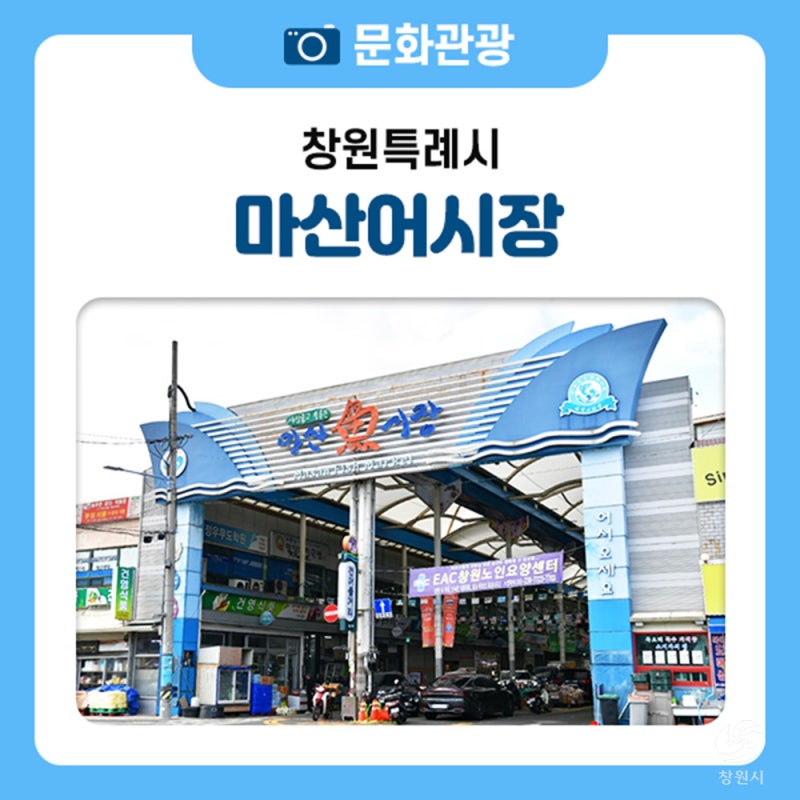
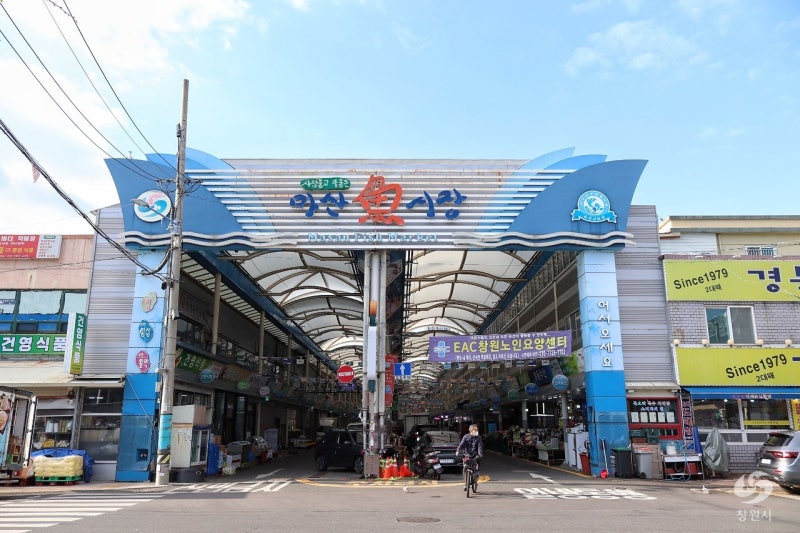
More Than 2,020 Shops Spanning Three Neighborhoods: Dongsung-dong, Namseong-dong, and Sinpo-dong
Masan Fish Market is a seafood market spanning parts of Dongseo-dong, including Dongsung-dong, Namseong-dong, and Sinpo-dong 2-ga, in Masanhappo-gu, Changwon. According to Wikipedia, it covers approximately 190,000 square meters (57,400 pyeong) and has more than 2,020 shops, comprising 1,320 permanent stores and about 700 street stalls. An estimated 30,000 to 50,000 people use the market each day. Other sources count approximately 1,200 shops and about 200 sashimi restaurants, so shop-count statistics vary somewhat depending on when the survey was conducted.
The market is also clearly specialized by business type. A separate group of 154 shops, including 28 pufferfish restaurants and 16 restaurants specializing in hagfish, gives the market dining and entertainment functions beyond simple retail. Korea Tourism Organization materials introduce Masan Fish Market as one of CNN’s Best 9 tourist destinations in Gyeongsangnam-do and explain that its facilities have been modernized with arcades, spacious courtyards, and rest areas.
Sashimi Restaurant Alley and Daepung Alley: Choosing Sashimi from the Aquariums
The busiest parts of Masan Fish Market are Sashimi Restaurant Alley and Daepung Alley, developed as a sashimi restaurant specialty district. Restaurants with live fish swimming in aquariums stand alongside long rows of stalls displaying various kinds of seafood. Some establishments in the newly developed Sashimi Restaurant Alley operate 24 hours, keeping the area busy throughout the day. Across the street toward the sea, freshly delivered seafood changes hands every dawn at the auction market in Masan Port.
The species handled also vary by season. Seasonal fish take center stage, such as flounder in spring and gizzard shad in autumn. Wild sashimi ingredients freshly caught around Tongyeong and Geoje, as well as fish from nearby Jindong, are said to be especially popular. Before Seollal or Chuseok, the alleys become so crowded with people shopping for the holidays that there is barely room to walk, another factor to consider when planning a visit.
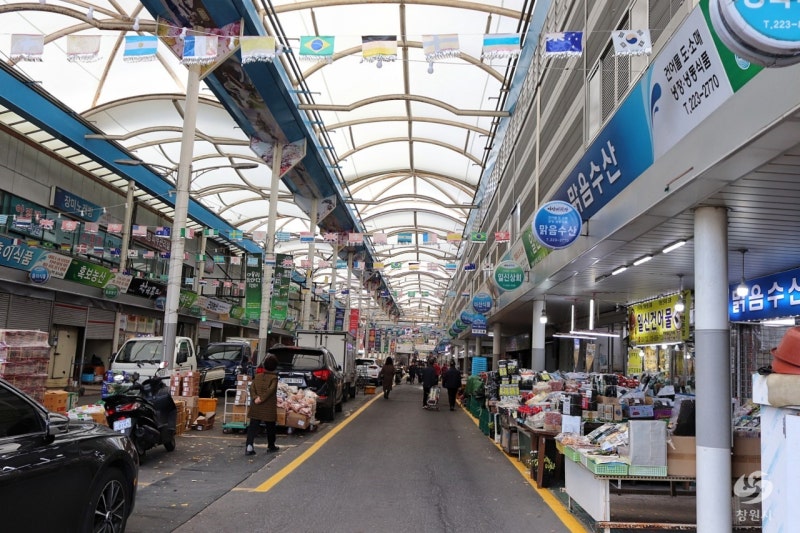
Jindong Alley, Salted Seafood Alley, and Dried Seafood Alley—Including Fish for Ritual Offerings
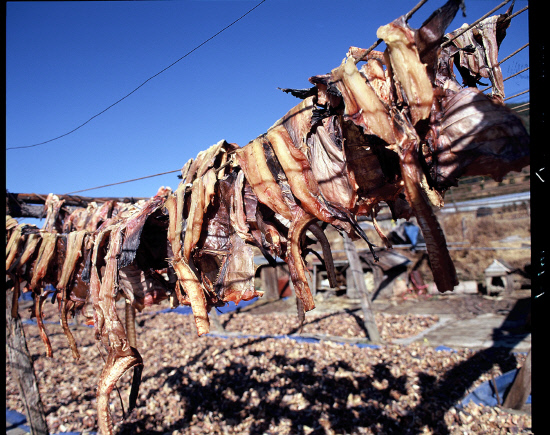
From the dried seafood shops at the market entrance, vegetable stores, salted seafood shops, and fish shops continue in succession. Jindong Alley, Salted Seafood Alley, and Dried Seafood Alley have been organized into distinct sections. Products are divided into live fish, dried seafood, meat for ritual offerings, salted seafood, fish and shellfish, fruits and vegetables, the Pork Alley, and medicinal herbs. Although it is called a “fish market,” it also functions as a daily-life marketplace. Anchovies have long been a signature seafood product of Masan, and the wide range of varieties and prices makes it possible to choose according to their intended use.
Fish for holiday tables and ancestral rites are neatly displayed, and visitors can also purchase various salted seafood, including Masan’s specialty sea squirt, as well as ceremonial rice cakes. Dried goods such as seaweed, kelp, laver, octopus, dried pollock, dried filefish, and spear squid are also arranged in orderly rows. For visitors looking to buy ingredients to take home in addition to a plate of sashimi, this section is more useful.
Across Haean-daero: Odong-dong Agujjim Street and Its Origins in the Early 1960s
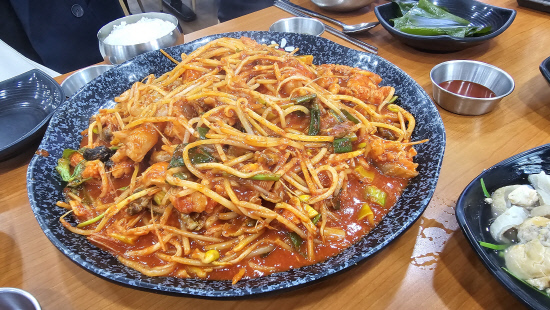
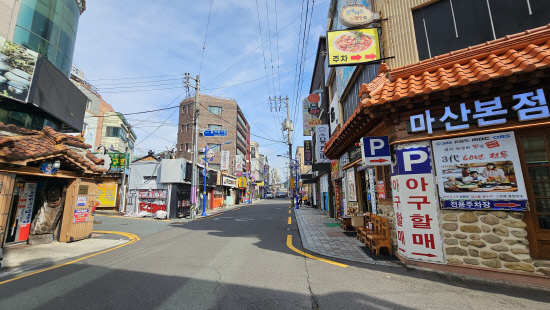
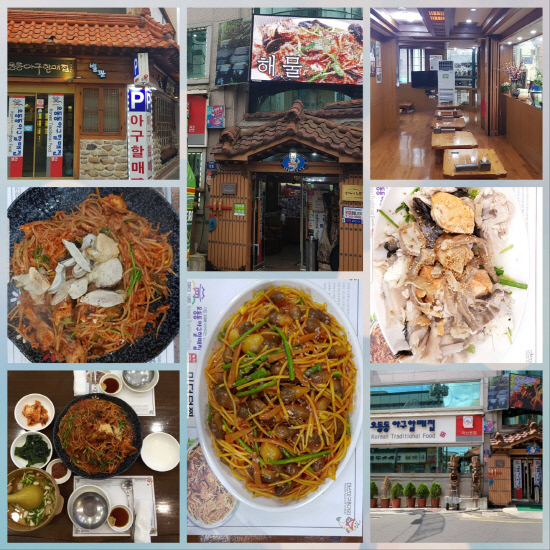
Next to the Masan Fish Market parking lot are a sashimi restaurant street and a pufferfish cuisine street. Across the road is Odong-dong Agujjim Street, forming a single food district that can be explored on foot. In the early 1960s, a dish made by steaming anglerfish caught by fishermen in central Odong-dong, Masan, with soybean paste, red pepper paste, bean sprouts, and water parsley became well known. It is said that this led to the formation of an anglerfish stew restaurant district around Odong-dong. From the late 1970s, agu jjim became known among visitors from outside the area as “a dish you must eat when visiting Masan,” attracting Jinhae Gunhangje Festival tourists and business travelers.
It is worth noting, however, that the original Masan-style agu jjim uses semi-dried anglerfish and emphasizes spiciness. Travelers accustomed to the Seoul- or Incheon-style fresh anglerfish stew, thickened with starch, may therefore find that the original style does not suit their palate. Recently, fresh anglerfish stew has become the dominant style, and in Masan the proportions of dried and fresh anglerfish stew are said to be nearly equal.
Three Days in Late August: The 24th Masan Fish Market Festival (2025)
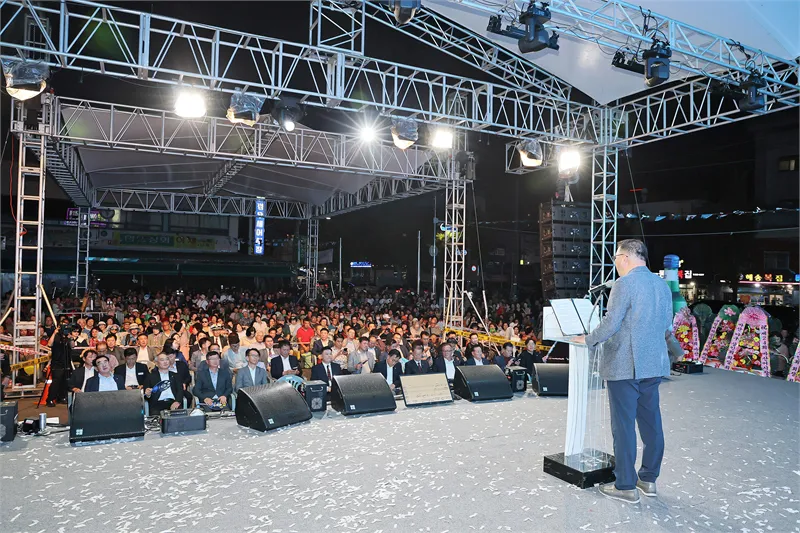
Hosted and organized by the Masan Fish Market Merchants’ Association, the Masan Fish Market Festival takes place at the end of summer each year. In 2025, the 24th festival was held for three days, from August 29 to 31, at a special stage at the Masan Fish Market Customer Support Center and throughout the market. About 1,000 citizens and tourists attended the opening ceremony at 7 p.m. on August 29, which featured a fusion traditional Korean music performance. The merchants’ association president stated at the opening that more than 5,000 people had already visited and the market had regained its vitality.
The festival features instant auctions, performances by local singers, preliminary and final rounds of a fish market singing contest, free gizzard shad tastings, and cooking competitions. According to the merchants’ association, gizzard shad sashimi and grilled gizzard shad are especially delicious at this time of year, as reflected in the saying, “By autumn, a gizzard shad’s head is said to contain three bushels of sesame.” Visitors seeking seasonal gizzard shad should therefore consider coming from late August to early September.
Getting There via West Masan IC and the Fish Market Bus Stops
By public transportation, the city bus is the most convenient option. Get off at the Eosijang (in front of Seongmo Eye Clinic) (321906) or Eosijang (in front of Sangho Savings Bank) (321905) bus stops, which are a three-minute walk away. Changwon Bus No. 100 connects Changdong and the Fish Market shopping district with the Yongma-ro area, so this section is particularly busy with passengers. When driving, West Masan IC on the Namhae Expressway is convenient. From the Masan Express Bus Terminal, follow the coastal road toward Sanho Park to reach the market.
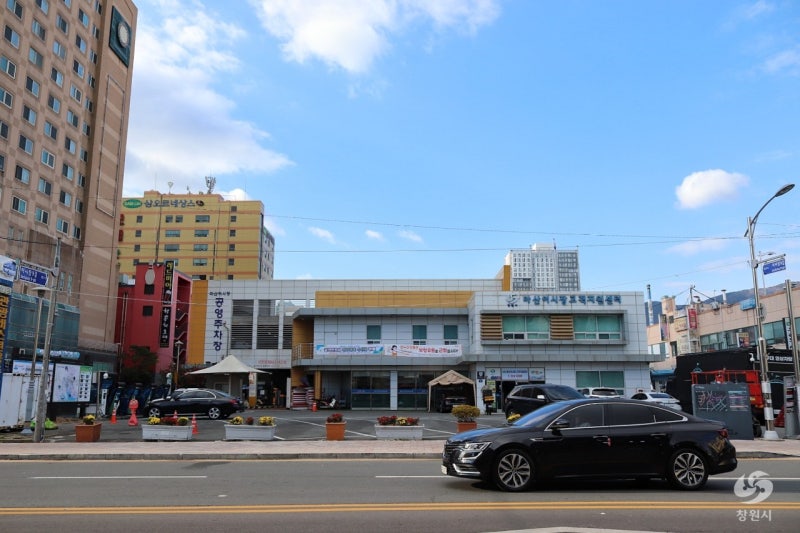
Along the coastal road, the old Masan Fish Market is on the right and the new fish market is on the left, so the perceived walking route differs depending on which direction you enter from. Parking is available at the Fish Market Public Parking Lot for a fee. Accessible parking spaces are provided separately at the Seobu Public Parking Lot, and there are no thresholds at the main entrance or along the passageways, allowing wheelchair access.
Pre-Visit Checklist: Reservations, Parking, and Pets
Many restaurants inside the market alleys do not have dedicated parking, so it is best to check in advance whether nearby public or paid parking is available. Some restaurants also have variable closing days or operating hours, making it advisable to reconfirm by phone. For example, one Korean restaurant near the market has been confirmed to operate from 11:30 to 21:00 on weekdays, with last orders at 20:00, a break from 16:00 to 17:30, and closure on Sundays. Visitors should keep in mind that hours vary considerably by establishment.
For group gatherings, sushi or course-meal restaurants with private rooms are reportedly suitable. For solo visitors, restaurants offering à la carte items may be more appropriate than those where set meals must be ordered for at least two people. Some establishments allow pets, but seating arrangements may vary depending on the restaurant, so advance inquiries are recommended. Because traditional markets involve bargaining, lively noise, and extended walking through narrow passageways, the market may not suit visitors seeking a quiet, orderly shopping experience.
Before You Go
- Address
- 60 Dongseodong 2-gil, Masanhappo-gu, Changwon-si, Gyeongsangnam-do (Masan Fish Market area; the Customer Support Center address is 7 Bokyoriro)
- Hours
- 10:00–22:00; varies by shop (some restaurants in Sashimi Restaurant Alley operate 24 hours)
- Closed
- No official regular closing day; closing days vary by shop
- Admission
- Free (seafood and food purchases are charged separately)
- Phone
- 055-224-0009 (Masan Fish Market Customer Support Center)
- Official site
- https://xn--hz2bi0kxybg9db5c.org/ko/
- Transport
- Get off at the bus stops “Eosijang (in front of Seongmo Eye Clinic)” or “Eosijang (in front of Sangho Savings Bank)” and walk for 3 minutes. Changwon Bus No. 100 and others are available. From the Masan Express Bus Terminal, the market can be reached on foot along the coastal road
- Parking
- Use the Fish Market Public Parking Lot for a fee; accessible parking is provided separately at the Seobu Public Parking Lot
- Accessibility
- The main entrance and passageways have no thresholds, allowing wheelchair access. An accessible restroom is available at the Seobu Public Parking Lot. The availability of foreign-language information has not been confirmed
The information above is current as of the time of writing. Please check the official information again before visiting.

Places
Nearby Attractions 4
-
 1
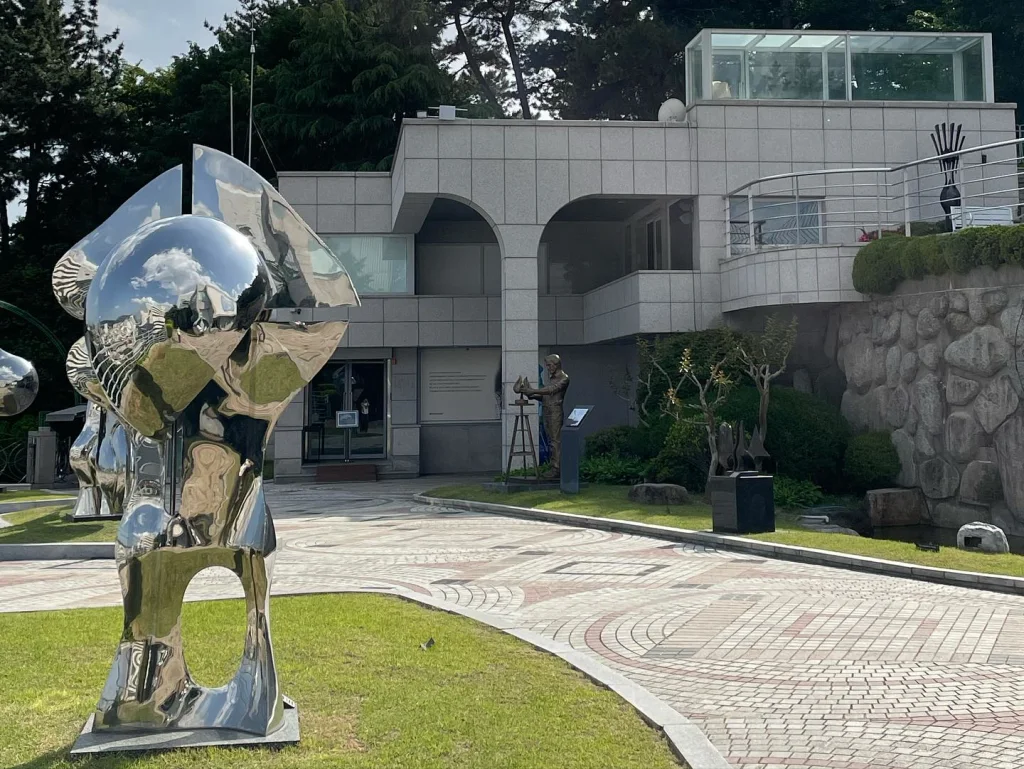
Changwon Municipal Masan Moon Shin Art MuseumEnjoy the works and artistic world of the sculptor Moon Shin.
1
Changwon Municipal Masan Moon Shin Art MuseumEnjoy the works and artistic world of the sculptor Moon Shin. -
 2
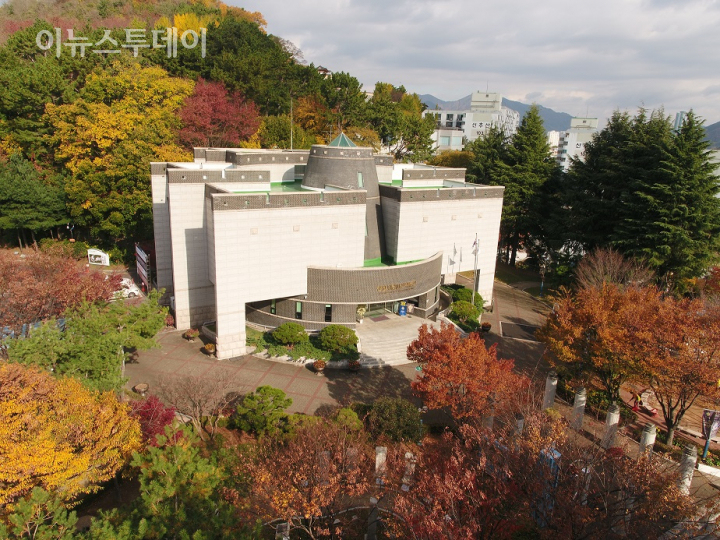
Changwon Municipal Masan MuseumExplore Masan’s history and local culture through exhibitions.
2
Changwon Municipal Masan MuseumExplore Masan’s history and local culture through exhibitions. -
 3
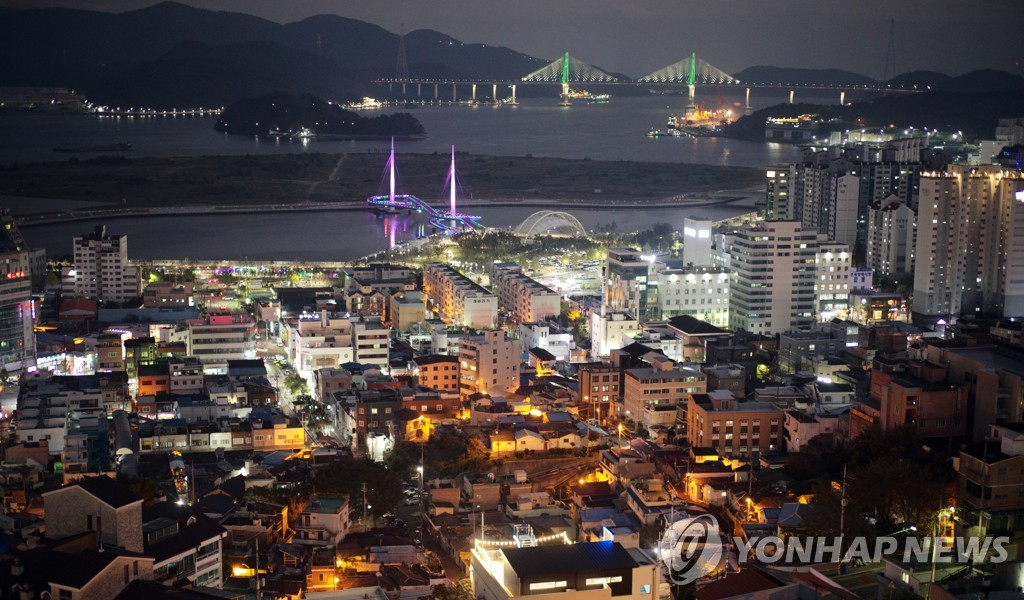
3·15 Marine Nuri ParkEnjoy a stroll and the night view overlooking Masan Bay. (https://access.visitkorea.or.kr/ms/detail.do?cotId=d73ecf29-769c-4b8b-9153-c579b2e8eda3&utm_source=openai)
3
3·15 Marine Nuri ParkEnjoy a stroll and the night view overlooking Masan Bay. (https://access.visitkorea.or.kr/ms/detail.do?cotId=d73ecf29-769c-4b8b-9153-c579b2e8eda3&utm_source=openai) -
 4
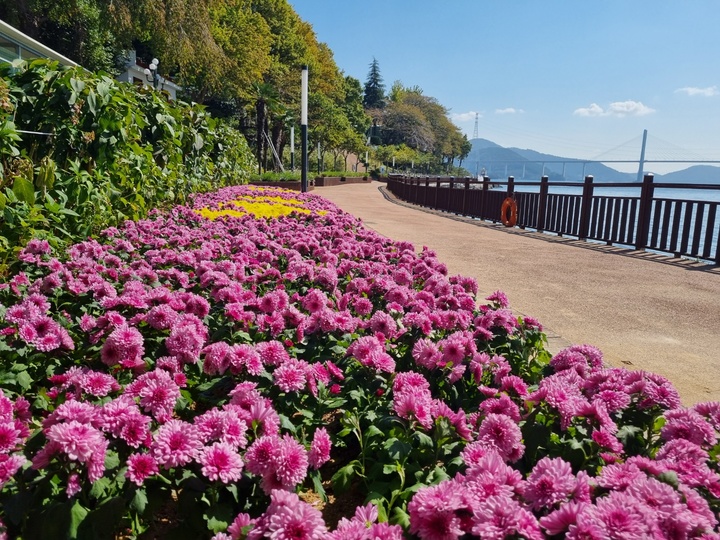
Dotseom Marine Amusement ParkTake a sightseeing boat and explore the island’s circular walking trail and observatory.
4
Dotseom Marine Amusement ParkTake a sightseeing boat and explore the island’s circular walking trail and observatory.
Food & Dining 4
-
 5
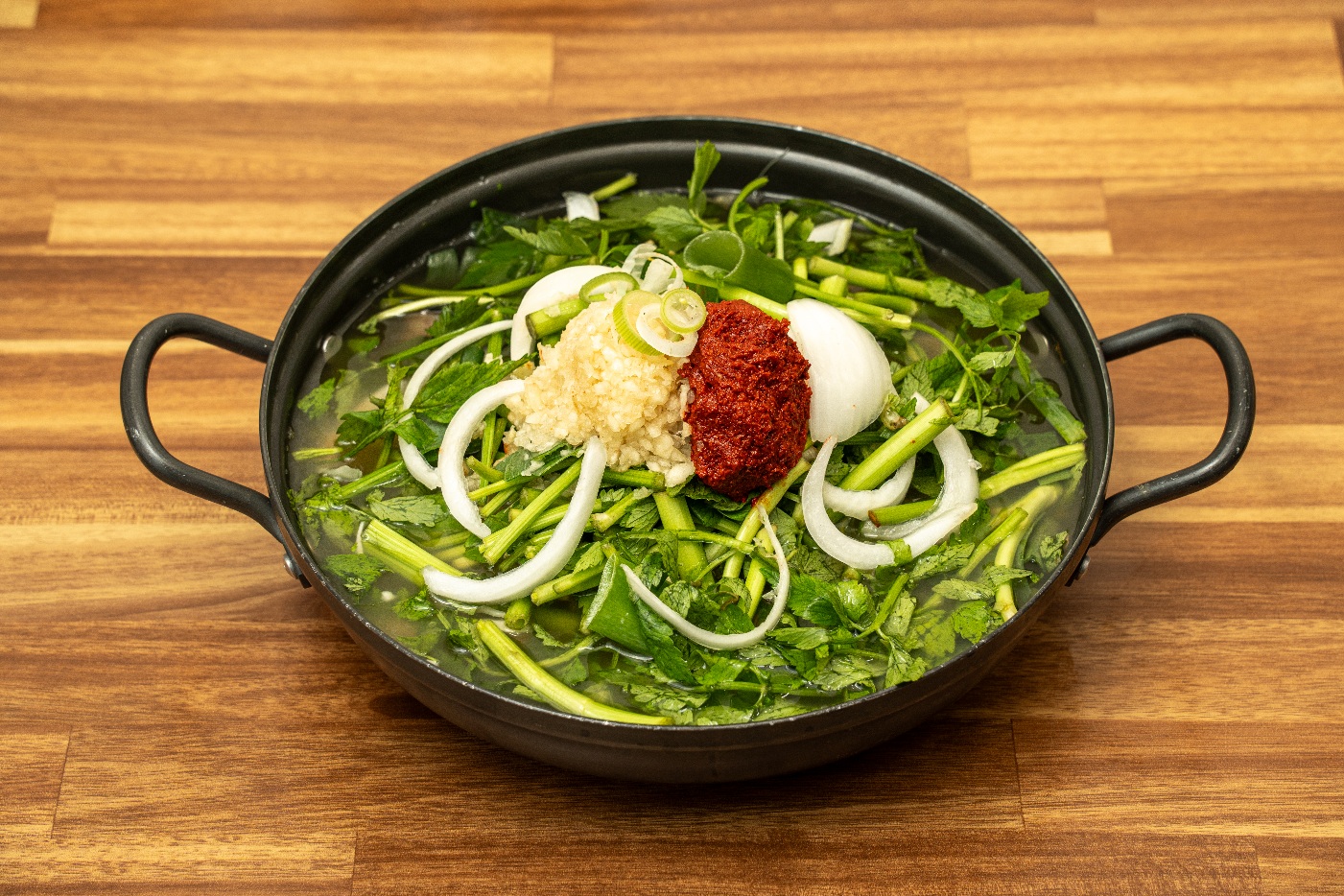
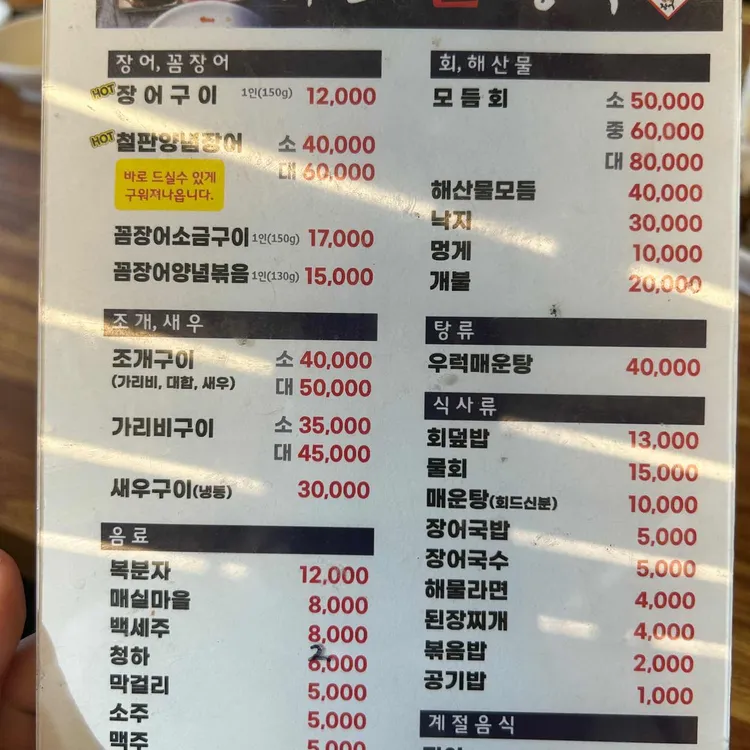
Odong-dong Agujjim StreetA food street lined with specialty restaurants serving Masan-style agu-jjim, or spicy braised monkfish.
5
Odong-dong Agujjim StreetA food street lined with specialty restaurants serving Masan-style agu-jjim, or spicy braised monkfish. -
 6
6
-
 7
7
-
 8
8
Events in This Area
Festivals in This Area
More Travel Guides in This Area
 Travel Guide
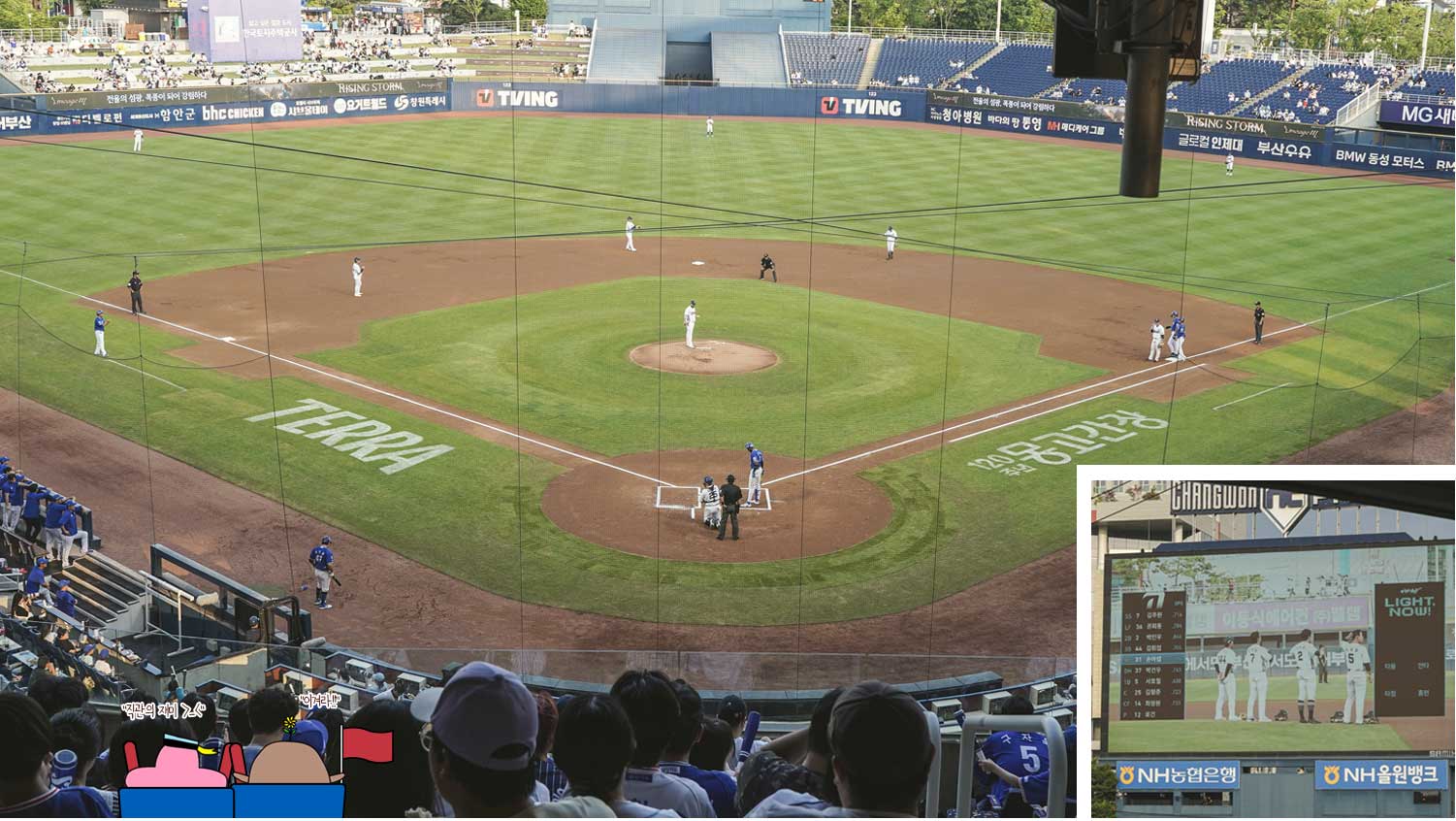
How to Enjoy a Baseball Game and a Day in Masan at Changwon NC Park
 Travel Guide
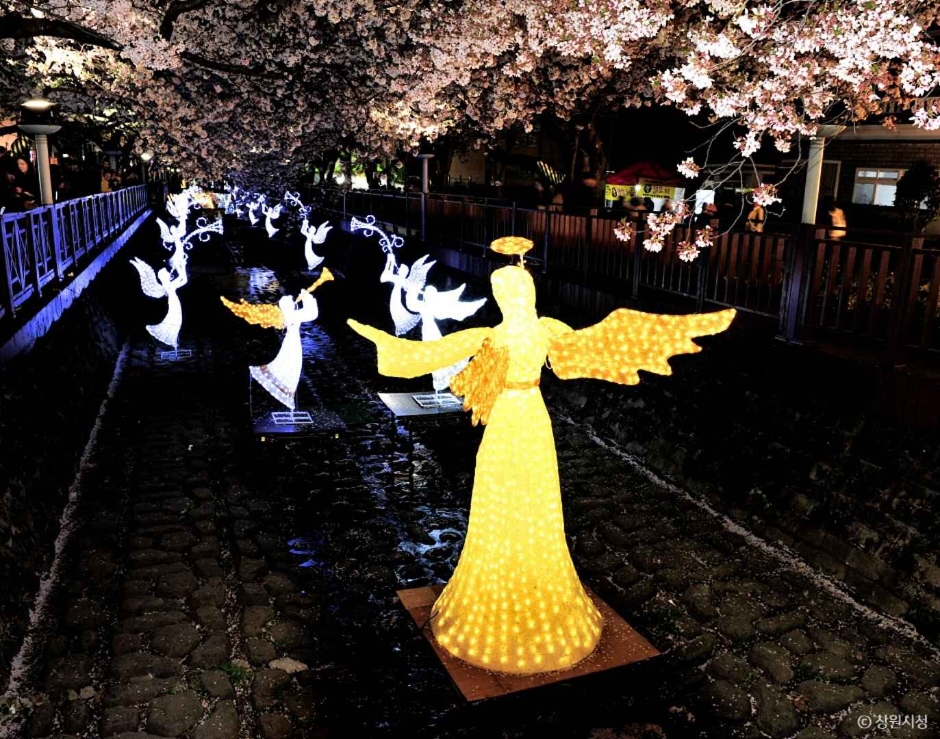
Yeojwacheon Romance Bridge, named after a drama scene and Jinhae’s 1.5 km cherry blossom road
 Travel Guide
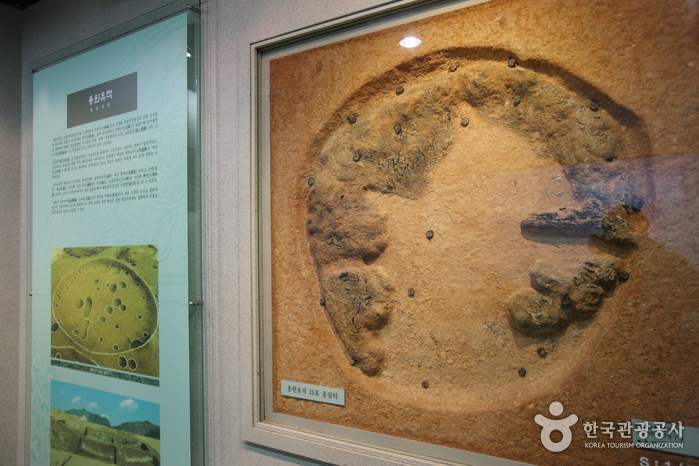
The History of the Port City Told on Floors 1 and 2 of Jinhae Tower
 Travel Guide
![Han So-hee, Radiant Beauty After Going Blonde… Unmatched Aura [N Shot]](https://kotourlive-images.s3.ap-northeast-1.amazonaws.com/news/1788056981544_83c8b0b3_news_66e33b45-cf84-4724-87d9-d1340820437d.jpg)
![BOYNEXTDOOR’s Sungho selected as the new MC of ‘Show! Music Core’ [Official Statement]](https://kotourlive-images.s3.ap-northeast-1.amazonaws.com/news/1787908108799_a3cc378e_news_9a3cd086-931c-4b58-b977-4a5ac371238a.jpg)
![[Photo] KISS OF LIFE’s Natty Shows Off Her Glamorous Figure](https://kotourlive-images.s3.ap-northeast-1.amazonaws.com/news/1787908133694_557864f4_news_016e92e2-55c1-4838-9702-eb03b2ad56ec.jpg)
![Hyeri “Cute Wink” [★Photo]](https://kotourlive-images.s3.ap-northeast-1.amazonaws.com/news/1787908093800_c9b7529f_news_9274613b-0b8f-4076-a430-25a1545a679d.jpg)