From 24 Jahamun-ro 9-gil to Suseong-dong Valley — 2.5 km Through Seochon's Jungin Village
Seochon is a living alley district left between the west side of Gyeongbokgung Palace and the east side of Inwangsan Mountain, where the residential area of Joseon-era jungin, traces of modern and contemporary artists, and Tongin Market overlap. If you connect 24 Jahamun-ro 9-gil as the starting point with Tongin Market, Daeo Bookstore, the area around Park No-soo Museum, and Suseong-dong Valley, it becomes a walking route of about 2 to 3 hours.

I’ve been here?
Your check-in helps the next traveler.
No one has checked in yet Be the first
One tap — no writing needed
West of Gyeongbokgung Palace, the living area of Junsubang — the two names of ‘Seochon’ and ‘Sejong Village’
Seochon is a place name that covers the area around Cheongun-dong, Hyoja-dong, Changseong-dong, Tongui-dong, Singyo-dong, Tongin-dong, Ogin-dong, Chebu-dong, Nusu-dong, Nuha-dong, and Sajik-dong, between the west side of Gyeongbokgung Palace and the east side of Inwangsan Mountain. ‘Seochon’ is a directional name based on Gyeongbokgung Palace, while in resident and administrative contexts, legal neighborhood names such as Tongin-dong or Ogin-dong are used more directly.
If Bukchon was a residential area for royalty and the scholar-official class during the Joseon Dynasty, Seochon is known as a place where the middle class, such as physicians and interpreters, mainly lived. Because it is introduced as the place where King Sejong was born and raised, the name ‘Sejong Village’ is also used alongside it, and the site information board says that residents began using the Sejong Village name in 2010 while aiming to create a village of culture and the arts.
As low building heights and development restrictions to preserve the historic landscape of Gyeongbokgung Palace have been applied for a long time, the area has retained a form in which low hanok roofs, brick houses, and narrow alleys continue instead of wide roads. Today’s Seochon differs from Bukchon’s densely packed hanok tourist district in that it is a living area where residential homes, small shops, workshops, and exhibition spaces are mixed within the same block.

From 24 Jahamun-ro 9-gil to Tongin Market — the order for walking the 2.5 km route in segments
The starting point, 24 Jahamun-ro 9-gil in Jongno-gu, is inside an alley in Tongin-dong. From Exit 2 of Gyeongbokgung Station on Line 3, walk northwest along Jahamun-ro for about 600 m, usually 8 to 10 minutes; the simplest route is to pass the entrance to the Sejong Village Food Culture Street in front of the station exit, move toward Woori Bank, and then turn into Jahamun-ro 9-gil.
For first-time visitors, instead of wandering back and forth through the alleys, it is better to move west and north in this order: 24 Jahamun-ro 9-gil → around Daeo Bookstore → Tongin Market South Gate → around Ogin-gil and Park No-soo Art Museum → Suseongdong Valley. This reduces the distance you have to retrace. When you return from Suseongdong Valley to Gyeongbokgung Station, the total walking distance is roughly 2.5 km, and the actual walking time, excluding photos, market meals, and exhibition viewing, is about 40 to 50 minutes.
- Short walk: 24 Jahamun-ro 9-gil → around Daeo Bookstore → Tongin Market, about 50 to 70 minutes
- Standard route: including Tongin Market → Ogin-gil → Suseongdong Valley, about 2 to 3 hours
- Long route: connecting from Suseongdong Valley to Inwangsan forest trail and the Yoon Dong-ju Literature Museum area, 3 hours or more
Jahamun-ro is relatively flat, but the final stretch from Ogin-gil toward Suseongdong Valley becomes inclined. Even if it looks close on a map, stairs and narrow sidewalks appear as you get closer to Inwangsan, so it is better to choose your shoes differently for just the market and alley area versus when you also plan to go to the valley.
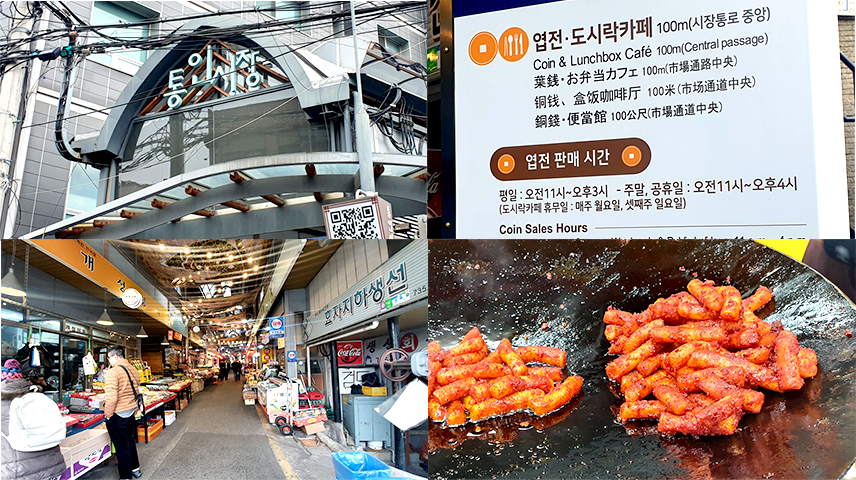
Tongin Market South Gate and yeopjeon lunch boxes — the lunch period to fit 11:00 to 16:00
Tongin Market is the dining point in the Seochon route. The market entrance is along Jahamun-ro, and from 24 Jahamun-ro 9-gil to the South Gate is about 300 m. Each shop’s business hours differ, but according to Seoul city guidance, the lunchbox cafe operates on weekdays from 11:00 to 16:00 and on weekends from 11:00 to 17:00, and yeopjeon can be purchased until 15:00 on weekdays and 16:00 on weekends.
The yeopjeon lunch box works by buying yeopjeon, filling side dishes at participating stores, and eating them at the lunchbox cafe. Therefore, it is better to include the market after 11 a.m. rather than early in the morning, and on weekdays you should finish buying yeopjeon before 3 p.m., or before 4 p.m. on weekends, to have a wider range of choices. The entire market does not follow one uniform schedule like a single restaurant, so if you are not using the lunchbox cafe, you can choose based on each store’s display and business signs.
Crossing Jahamun-ro from the South Gate of Tongin Market leads toward Ogin-gil and Inwangsan Mountain. Rather than finishing your meal at the market and returning the same way toward Gyeongbokgung Station, it is better to follow the gentle uphill slope of Ogin-gil toward Park No-soo Art Museum and Suseongdong Valley, connecting Seochon’s residential alleys and natural terrain in sequence.
Daeo Bookstore, Yi Sang’s House, and Park No-soo House — why literature and painting overlap in Seochon
Seochon is a neighborhood where traces of modern and contemporary artists and writers such as Lee Jung-seob, Chun Kyung-ja, Yoon Dong-ju, Yi Sang, and Park No-soo overlap. The low residential area between Gyeongbokgung Palace and Inwangsan Mountain could accommodate studios, boarding houses, and small shops even in the 20th century, and this human layer is the starting point for understanding today’s cultural spaces in the alleys.
Daeo Bookstore is an old bookstore introduced in a 2016 government travel article as a Seochon landmark with more than 60 years of history. In the current streetscape, hanok eaves, brick commercial buildings, and newly changed cafe and shop signs appear mixed in one frame, so rather than making a single store your destination, it is easier to understand the structure of Seochon by reading the alleys one block at a time around Jahamun-ro where Daeo Bookstore is located.
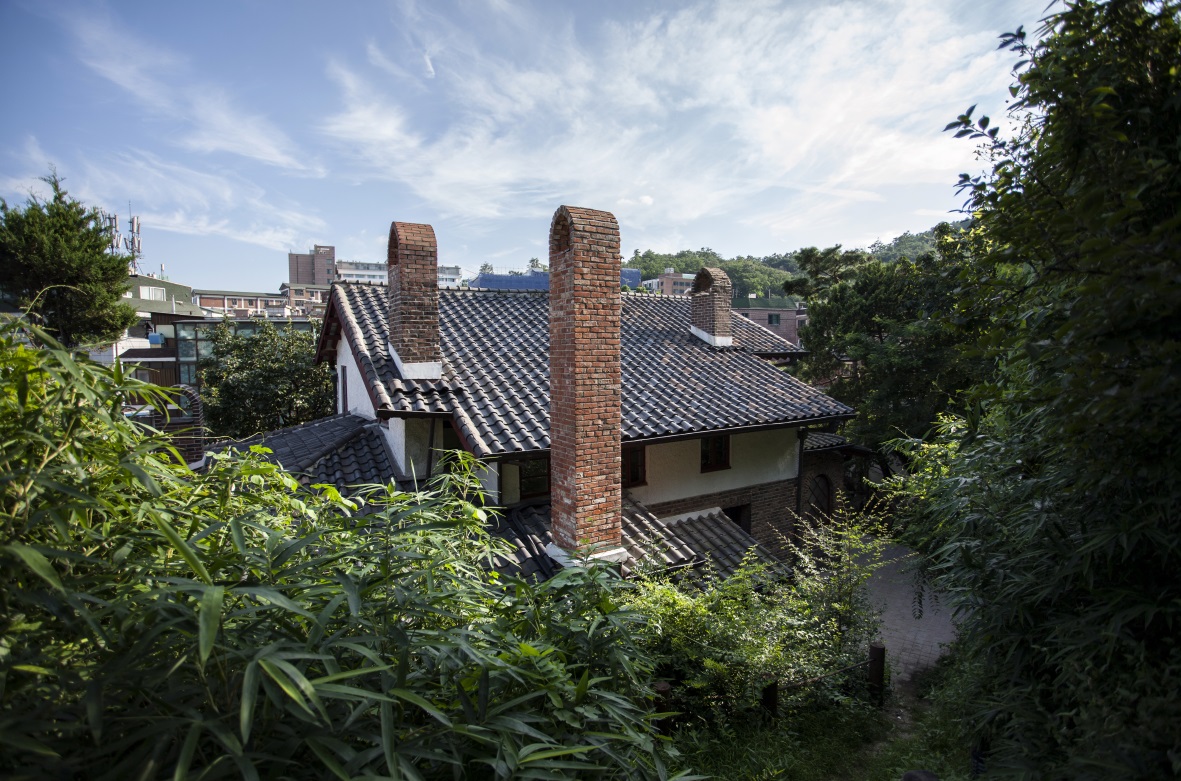
Park No-soo Art Museum is a Jongno-gu municipal museum housed in a house built in the late 1930s. If you plan to include an exhibition visit, separate the schedule from the free Seochon alley walk, since this is a facility with a separate admission ticket and closing days. The alleys themselves have no entry gate or closing time, but museums, cafes, and shops each close according to their own business hours.
From demolition in 2010 to restoration in 2012 — Suseongdong Valley and the 6 m-long Girin Bridge
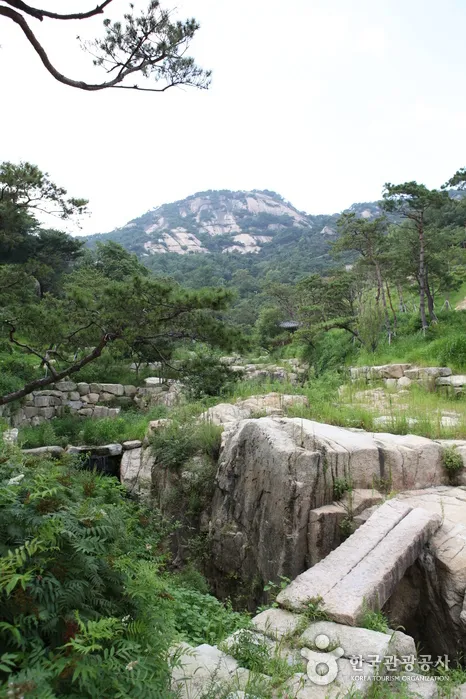
Suseongdong Valley is known as a landscape featured in Gyeomjae Jeong Seon’s ‘Jangdong Palgyeongcheop.’ When the Ogin Demonstration Apartment built in 1971 was demolished in 2010, the old valley site was revealed, and the restoration project proceeded from February 2009 to July 2012. During this process, about 10,000 square meters of green space and valley area were created.
The heart of the valley is Girin Bridge, made from a single stone block. It is introduced as a Joseon-era stone bridge preserved in original form within Hanyangdoseong in Seoul, and a stone bridge about 1 m wide and about 6 m long crosses the stream. Suseongdong Valley is not merely a hiking endpoint; it is an example of returning a site that had been an apartment complex to an urban landscape connected to Jeong Seon’s painting.
Climb toward Inwangsan Mountain along Ogin-gil from the west entrance of Tongin Market, and you will reach the valley. It is about a 15 to 20 minute walk from the market, and right after rain the stone paths and edges of the valley can be slippery. For wheelchairs and strollers, it is realistic to limit movement to the flat sections around Jahamun-ro and the market, and to view the stone bridge and inclined sections inside the valley only with assistance from a companion.
600 m from Exit 2 of Gyeongbokgung Station on Line 3 — distinguishing bus stops from alley entrances
The most practical rail access to Seochon is Gyeongbokgung Station on Seoul Subway Line 3. Gyeongbokgung Station opened on October 18, 1985, and Exit 2 is convenient when entering the Seochon food street and Tongin-dong. Exit 3 is useful for the west gate of Gyeongbokgung Palace, Hyoja-ro, and the galleries in Tongui-dong, while Exit 4 can also be used depending on your route when heading to facilities across Sajik-ro.
Tourist guide materials state that branch buses 1020, 1711, 7016, 7022, and 7212 stop at the Gyeongbokgung Station bus stop. Because bus routes may be reorganized, it is best to check arrival information in a transit app on the day of travel, but the disembarkation point remains Gyeongbokgung Station, and the direction from Exit 2 along Jahamun-ro toward the northwest does not change.
There is no dedicated parking lot for tourists in Seochon. Since the narrow residential alleys are shared by pedestrians and residents’ vehicles, it is better to come on foot from Gyeongbokgung Station or park in a nearby public or private parking lot rather than trying to drive directly to 24 Jahamun-ro 9-gil in search of a parking space, as this helps avoid the alley width and one-way sections.

Alleys open 24 hours, shops that close — the actual timetable for a free walk
Seochon is not a single facility surrounded by walls, but a collection of public walkways and residential alleys, so the alleys themselves can be passed through 24 hours a day and there is no admission fee. There is also no regular closing day. However, Tongin Market’s lunchbox cafe has separate operating hours of 11:00 to 16:00 on weekdays and 11:00 to 17:00 on weekends, and museums, cafes, and restaurants all have their own days off.
If your plan includes meals and shopping, it is efficient to start with Tongin Market between 11:00 and 16:00, then move on to Ogin-gil and Suseongdong Valley. Conversely, early in the morning or in the evening, rather than following a route to see shops one after another, it is better to set a 60 to 90 minute walk focused on the architecture outside the Gyeongbokgung Palace wall, Jahamun-ro, and the residential alleys.
Tourism information is provided in multiple languages, including Korean and English, by the Korea Tourism Organization at 1330. The official tourism page for Seochon is https://english.visitseoul.net/attractions/SeochonHanokVillage/ENPhyd9ee, and on that page the representative address is listed as 45 Pilun-daero, Jongno-gu, Seoul. 24 Jahamun-ro 9-gil is a separate starting point that leads into the Tongin-dong alley area northwest of that representative point.
Before You Go
- Address
- 24 Jahamun-ro 9-gil area, Jongno-gu, Seoul (Seochon alley in Tongin-dong)
- Hours
- Open 24 hours (alleys and public walkways); Tongin Market, museums, and shops follow their own business hours
- Closed
- None (open year-round)
- Admission
- Free (alley walk); separate charges apply for Tongin Market lunch boxes, museums, and shops
- Phone
- 1330 (Korea Tourism Organization travel information)
- Official site
- https://english.visitseoul.net/attractions/SeochonHanokVillage/ENPhyd9ee
- Transport
- About 600 m, 8 to 10 minutes on foot from Exit 2 of Gyeongbokgung Station on Line 3. Branch buses 1020, 1711, 7016, 7022, and 7212 are available at the Gyeongbokgung Station bus stop.
- Parking
- No dedicated parking lot. Due to the narrow residential alleys, public transit or nearby public/private parking is recommended.
- Time needed
- 50 to 70 minutes centered on Tongin Market / 2 to 3 hours including Suseongdong Valley / 3 hours or more with Inwangsan forest trail
- Accessibility
- The Jahamun-ro and Tongin Market area is relatively flat, but Ogin-gil and Suseongdong Valley include slopes, stone paths, and narrow sections. The official Visit Seoul page provides information in English.
The information above is current as of the time of writing. Please check the official guidance again before visiting.

Places
Nearby Attractions 4
-
 1
1
-
 2
2
-
 3
Jongno-gu Park No-soo Art MuseumAn art museum where you can view modern and contemporary paintings alongside a hanok.
3
Jongno-gu Park No-soo Art MuseumAn art museum where you can view modern and contemporary paintings alongside a hanok. -
 4
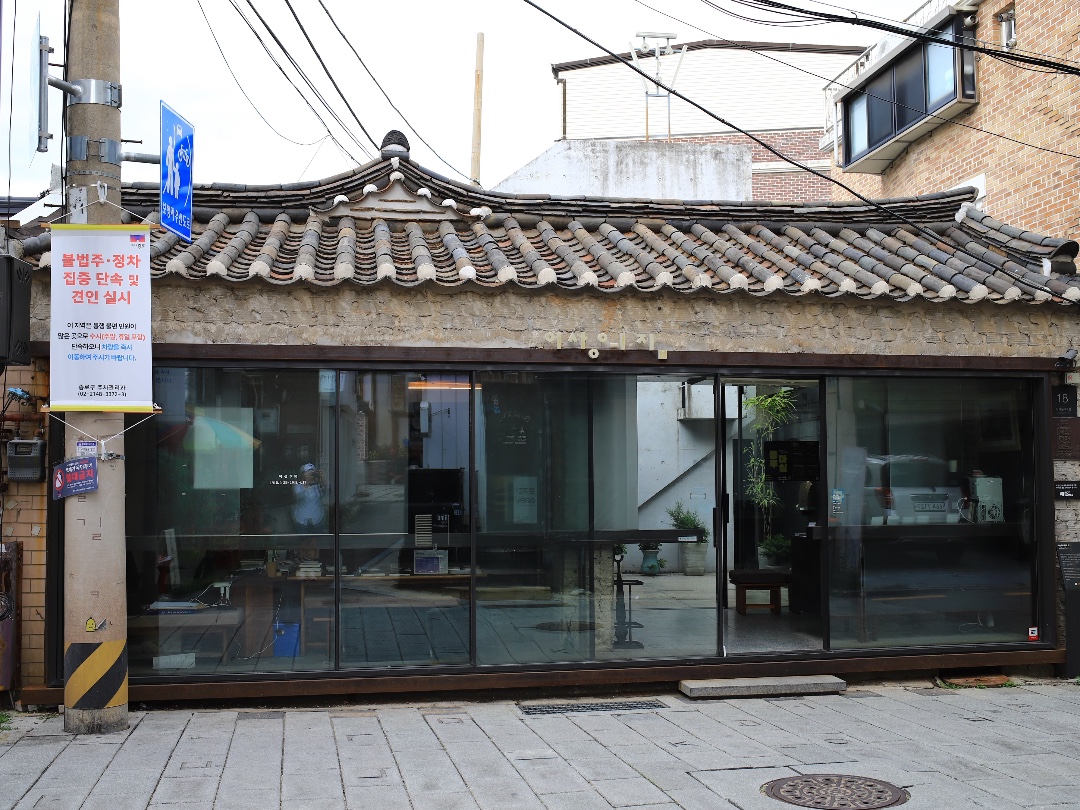
Yi Sang's HouseA place to learn about the life of literary figure Yi Sang and discover traces of him in Seochon.
4
Yi Sang's HouseA place to learn about the life of literary figure Yi Sang and discover traces of him in Seochon.
Food & Dining 1
-
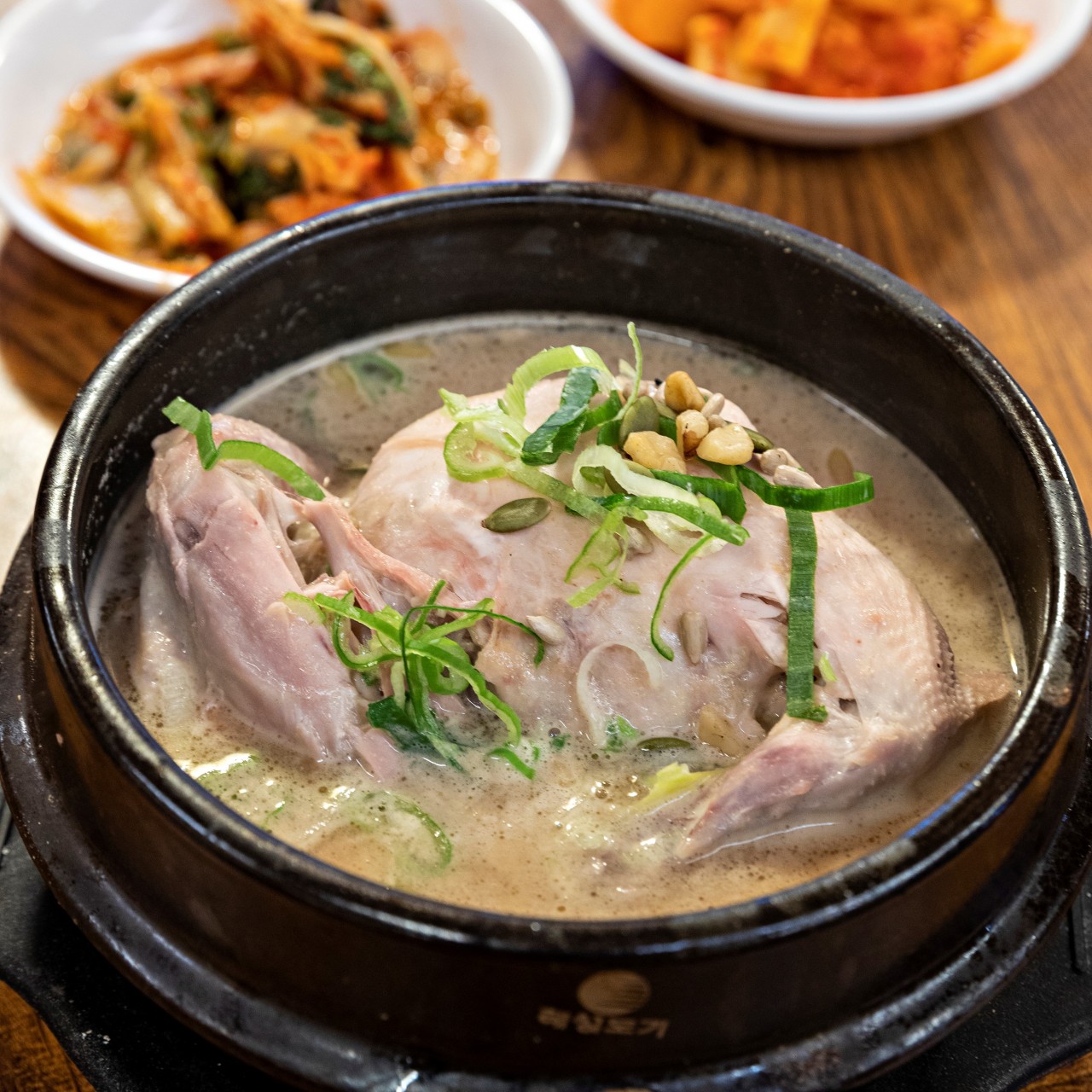 5
Tosokchon SamgyetangA restaurant serving Korean nourishing cuisine centered around samgyetang (ginseng chicken soup).
5
Tosokchon SamgyetangA restaurant serving Korean nourishing cuisine centered around samgyetang (ginseng chicken soup).
Events in This Area

Festivals in This Area
More Travel Guides in This Area
 Travel Guide
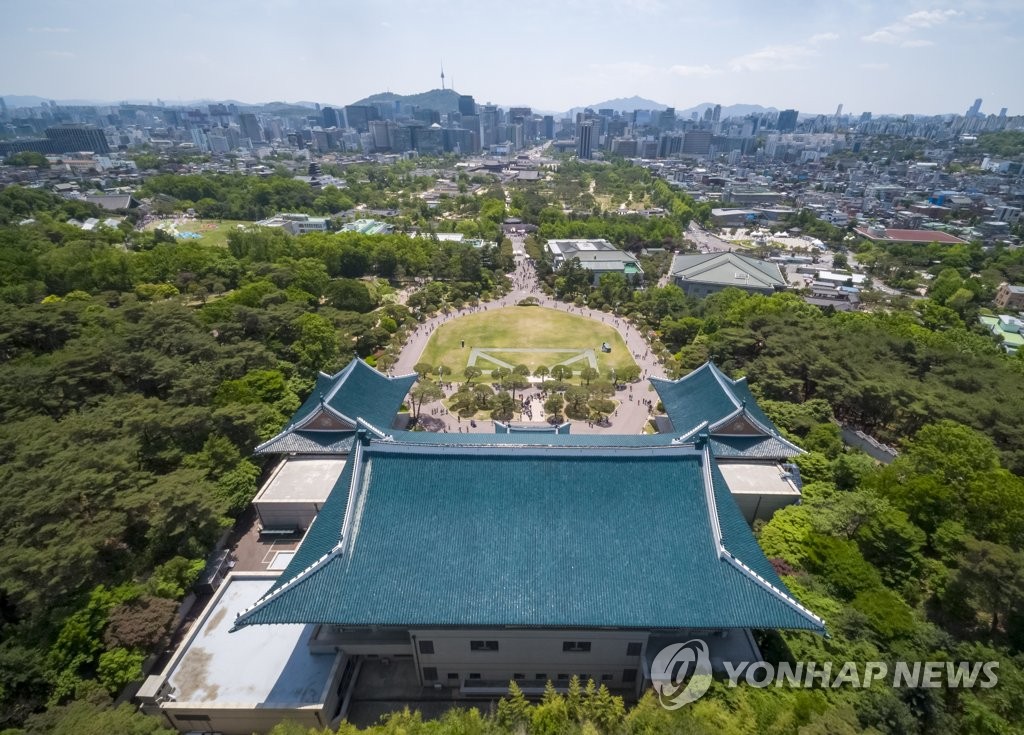
How to Walk Through 74 Years of Power Beneath Bukaksan Mountain: A Visit to the Blue House
 Travel Guide
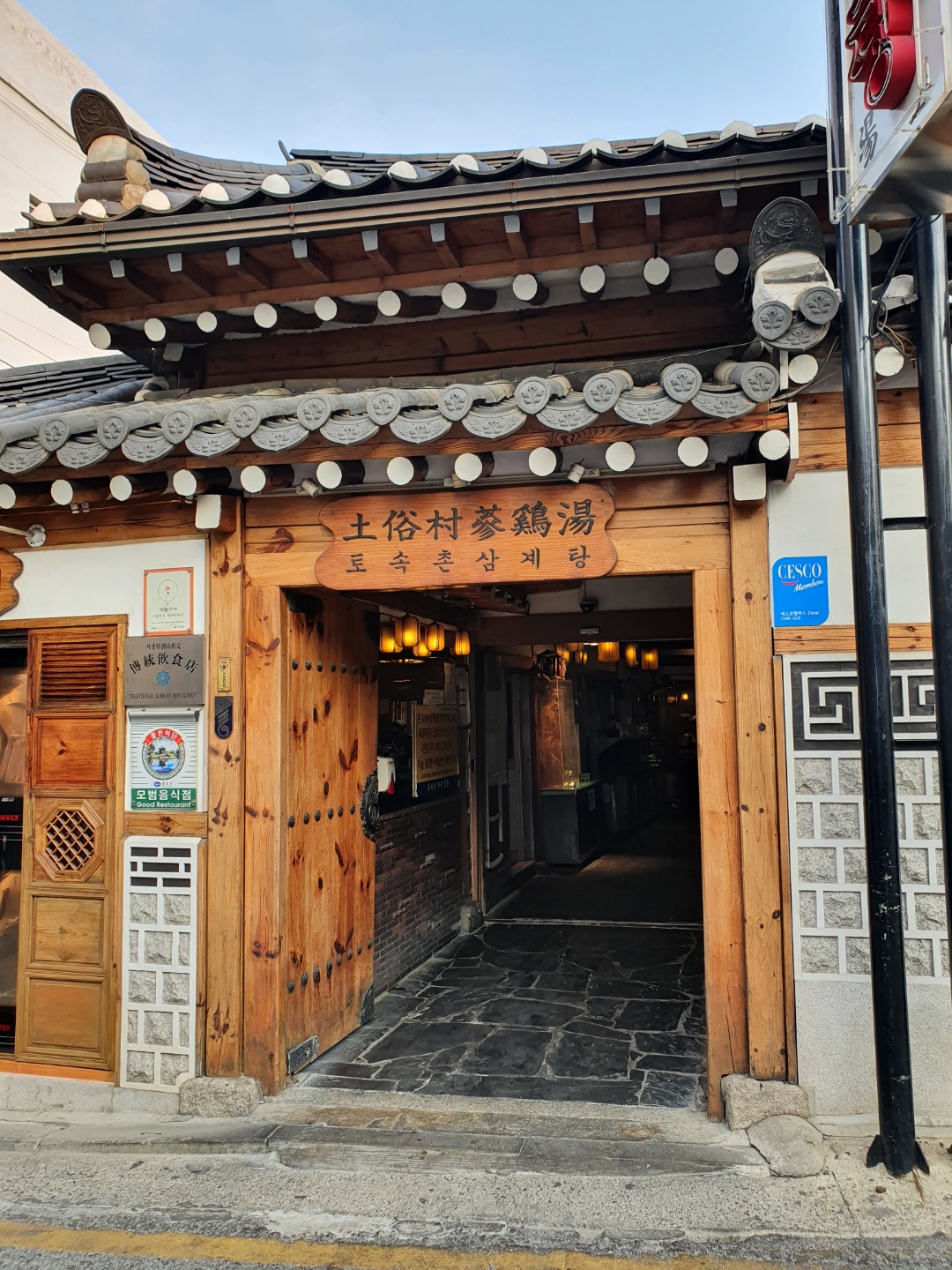
170 m from Exit 2 of Gyeongbokgung Station: a Hanok dining experience at Tosokchon Samgyetang, serving since 1983
 Travel Guide
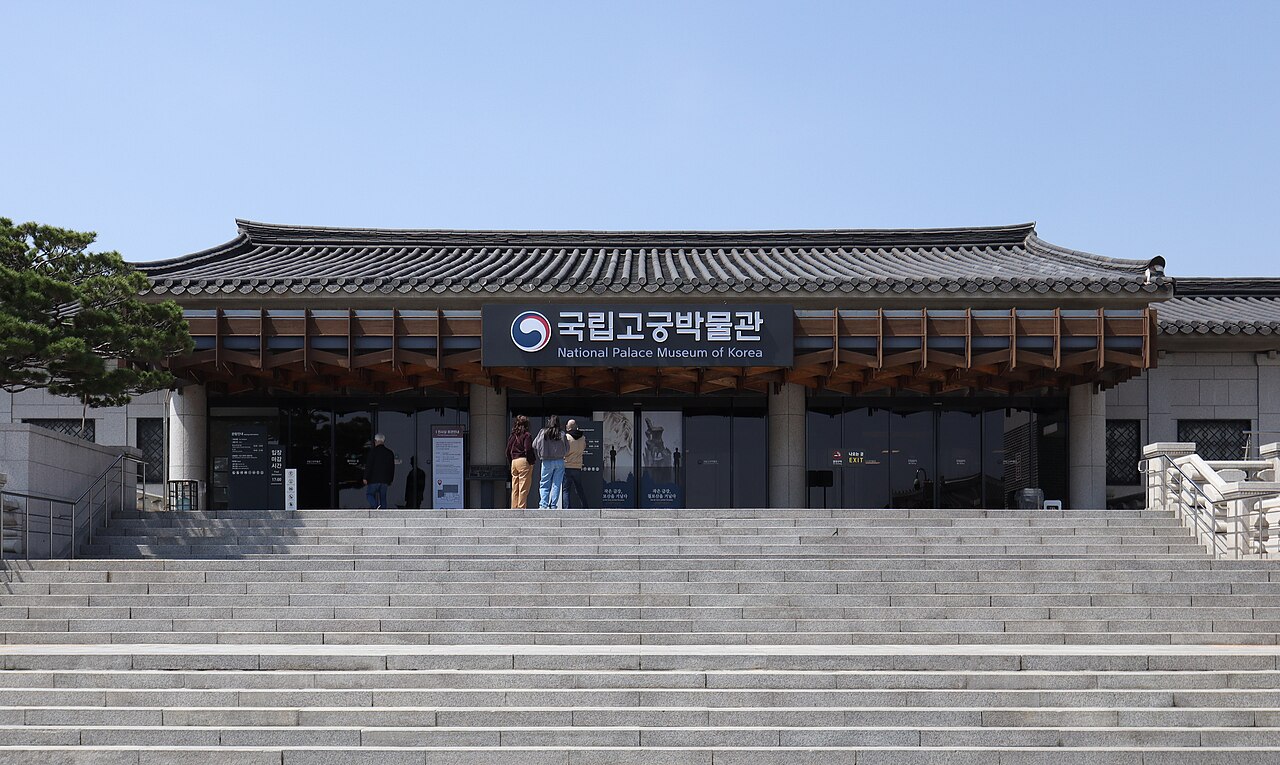
Hyoja-ro 12, National Palace Museum of Korea — Royal Collections at the Site of the Old Royal Residence Offices of Gyeongbokgung Palace
 Travel Guide
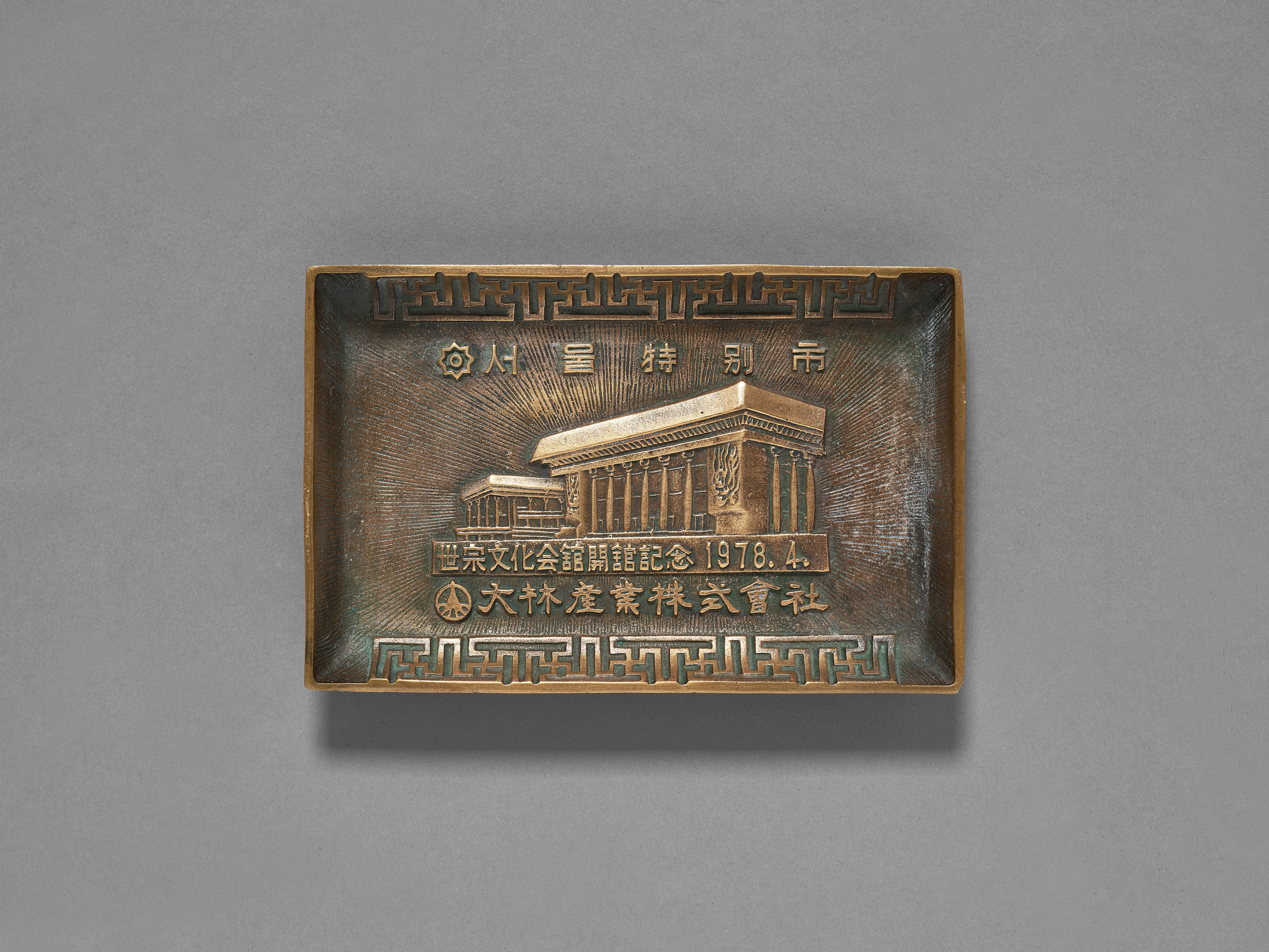
Beside Gwanghwamun Square: Sejong Center, Seoul’s 1978 Performing Arts Venue
Korea News
 News
News
aespa’s Winter—Can a Person Really Be This Cute? A Daily Life Full of Pure Charm
 News
News
Tom Cruise Spotted Taking a Late-Night Walk at Hangang Park… Strolled for an Hour in a Black Suit
 News
News
'Jimin, We'll always be with you' Peru Embraced 'Jimtober' Birthday Celebrations... "I'm Happy"
 News
News