Five Houses Carrying the Memories of Pildong Valley: Namsangol Hanok Village
Namsangol Hanok Village is a traditional cultural space that opened on April 18, 1998, on the northern slope of Namsan in Pildong, an area renowned during the Joseon period for summer retreats and elegant leisure. Five hanok houses from various parts of Seoul were relocated and restored here. Within walking distance of Chungmuro Station and free to enter, it is easy to combine hanok architecture, traditional gardens, and weekend programs into a one- to two-hour visit.

I’ve been here?
Your check-in helps the next traveler.
No one has checked in yet Be the first
One tap — no writing needed
April 18, 1998: Reinterpreting Pil-dong’s Former Summer Retreat with Five Hanok Houses
Pil-dong, home to Namsangol Hanok Village, was known during the Joseon period for summer retreats and leisurely living, thanks to the waterways and valleys on the northern foothills of Namsan. After purchasing the site, which had been a military protection zone, the Seoul Metropolitan Government relocated and restored traditional houses designated as folk cultural properties that had been scattered throughout the city, creating this space on April 18, 1998.
The main appeal here is not a newly built “hanok landscape,” but the opportunity to compare five actual houses from different social classes and periods in one place. The houses include the Yi Seung-eop House of the master carpenter Yi Seung-eop in Samgak-dong, the Kim Chun-yeong House of Royal Guard Officer Kim Chun-yeong in Samcheong-dong, the Min Family House in Gwanhun-dong, the ancestral shrine of Yun Taek-yeong, Haepung Buwongun, in Jegi-dong, and the Yun Family House in Ogin-dong. Relocated and restored, they illustrate class differences in Seoul’s residential culture from the late Joseon period through the opening of the country.
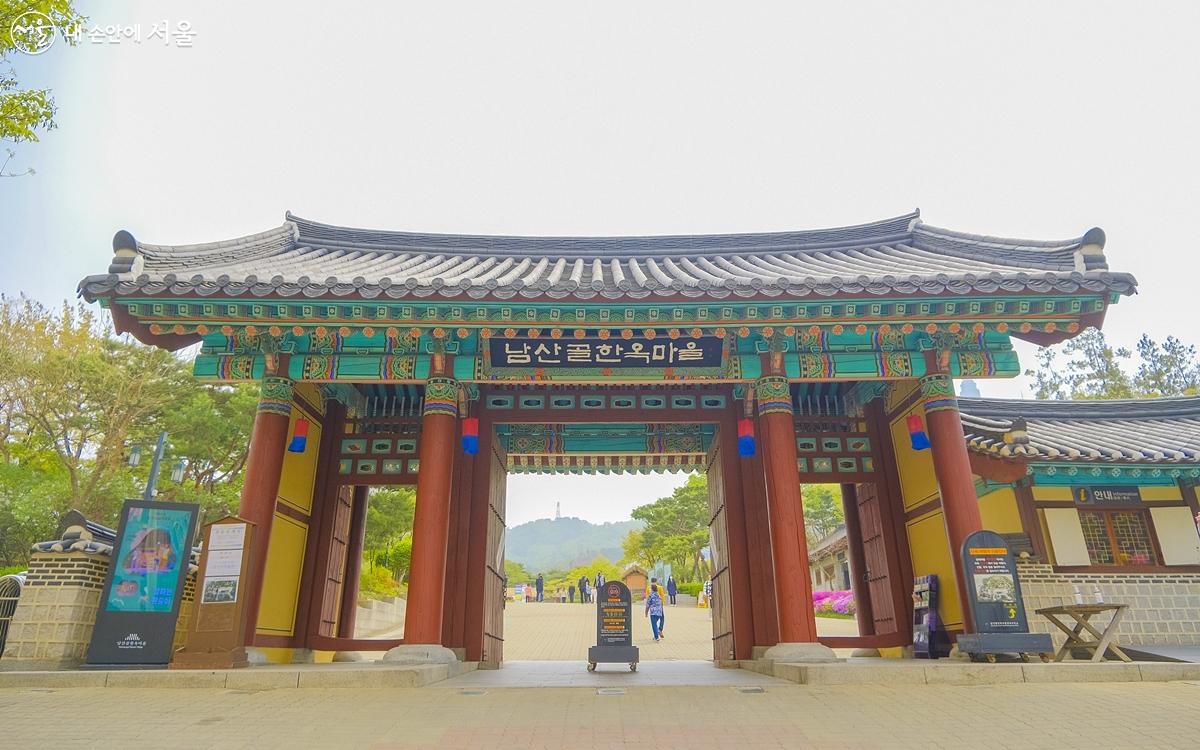
From Master Carpenter Yi Seung-eop to Haepung Buwongun Yun Taek-yeong: How the Owners’ Status Shaped the Houses
The Yi Seung-eop House of the master carpenter Yi Seung-eop in Samgak-dong is associated with Yi Seung-eop, who took part in the reconstruction of Gyeongbokgung Palace. Its lattice patterns, carved railings, and the arrangement in which the front and rear roof lengths differ reveal the residential techniques of a master carpenter. Seoul Metropolitan Government materials introduce this house as an example of the residential culture and architectural technology of late Joseon Seoul.
The Kim Chun-yeong House of Royal Guard Officer Kim Chun-yeong in Samcheong-dong is a medium-small house belonging to Kim Chun-yeong, a military officer responsible for guarding the palace, and is characterized by a hwabang wall, an exterior wall designed to prevent fires. The Min Family House in Gwanhun-dong is part of the mansion where Min Yeong-hwi and the Min family lived, and is Seoul Tangible Folk Cultural Property No. 18. The Yun Taek-yeong Shrine was built by Yun Taek-yeong, the father-in-law of King Sunjong, while the Yun Family House in Ogin-dong is known to have belonged to Yun Deok-yeong, the maternal uncle of Empress Sunjeonghyo. The houses should therefore be read not only through their size and decoration, but also through their historical backgrounds.
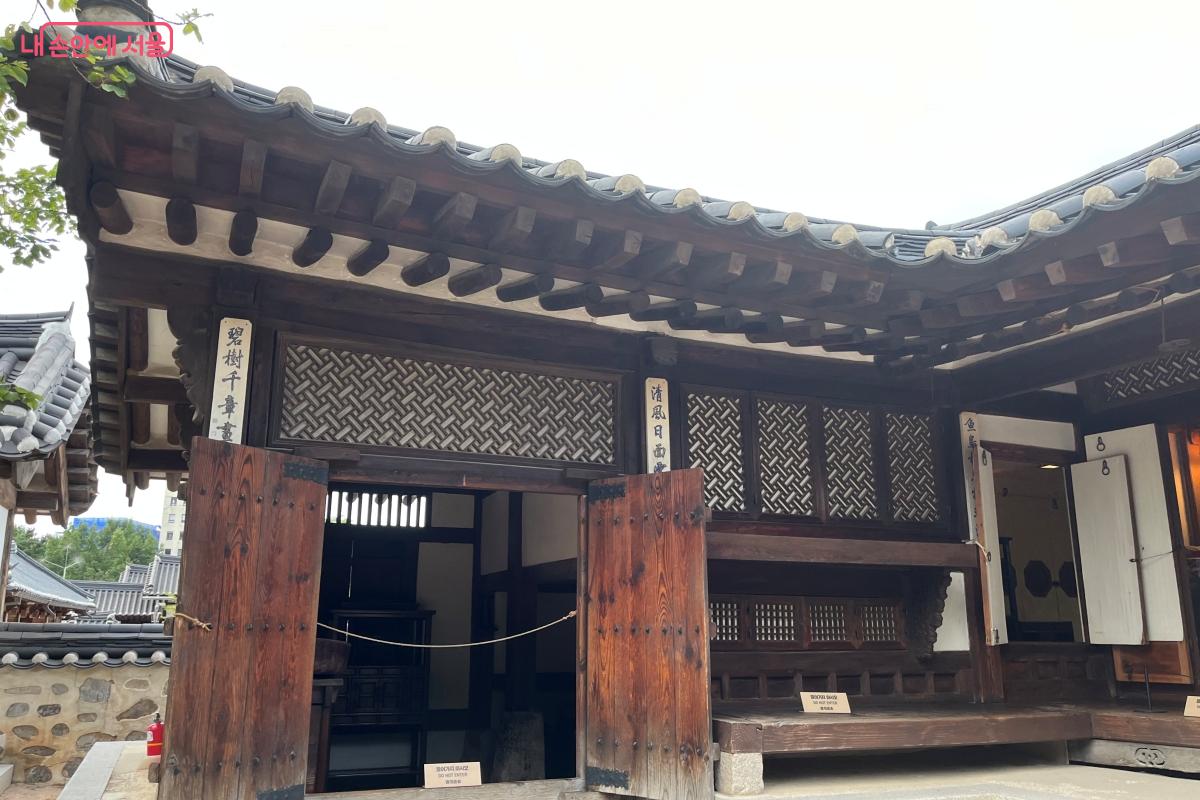
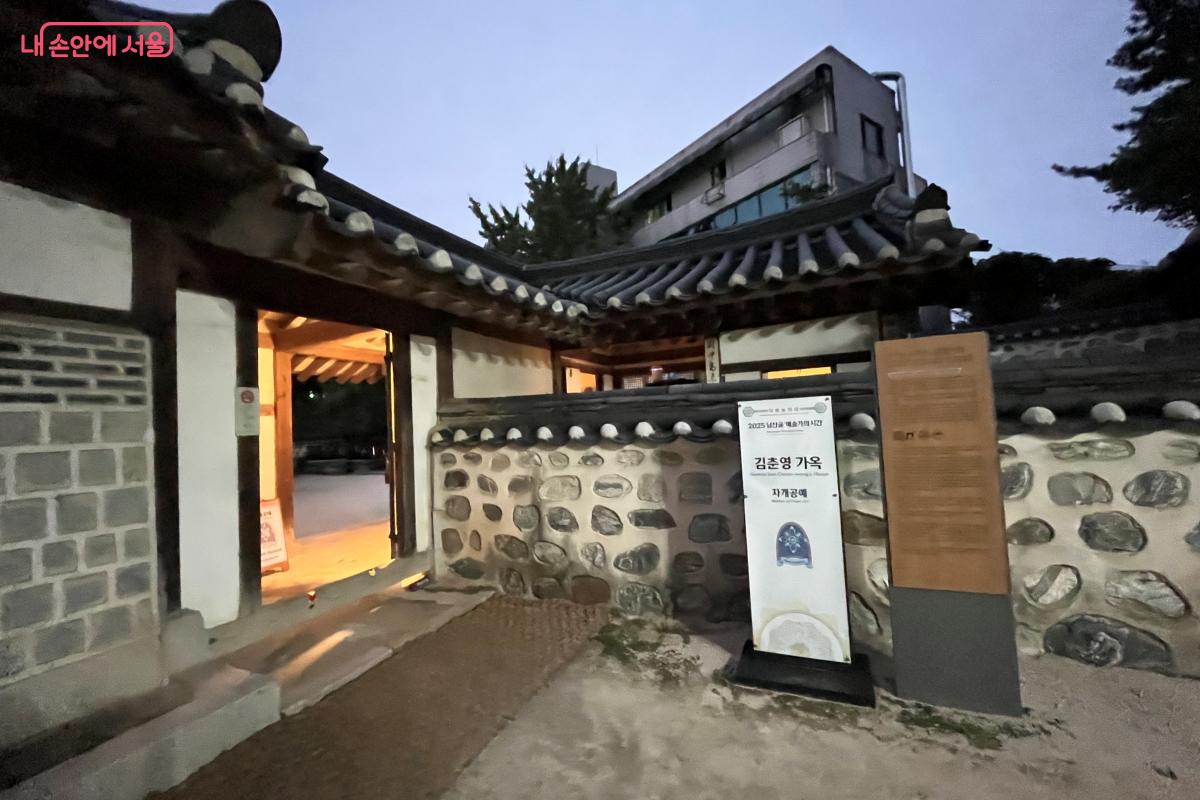
A Walk Along Pil-dong’s Waterways from Cheonugak to Cheonuji and Cheonghakji
Rather than leaving after seeing only the hanok, walk from the main gate in the order of Cheonugak, Cheonuji, the traditional garden, Cheonghakji, and the traditional houses to better understand why Pil-dong was once a scenic destination. Cheonuji is a pond named after the area, while Cheonugak is a pavilion beside it. Cheonghakji is introduced as a good spot for framing a hanok and pond together.
The outdoor area operates from 09:00 to 21:00, Tuesday through Sunday, from April to October, and from 09:00 to 20:00, Tuesday through Sunday, from November to March. It is closed on Mondays. Admission is free. In summer, arrive around 18:00, before the sun begins to set, and in winter, arrive earlier than one hour before closing to allow enough time to see the pond and all five houses.
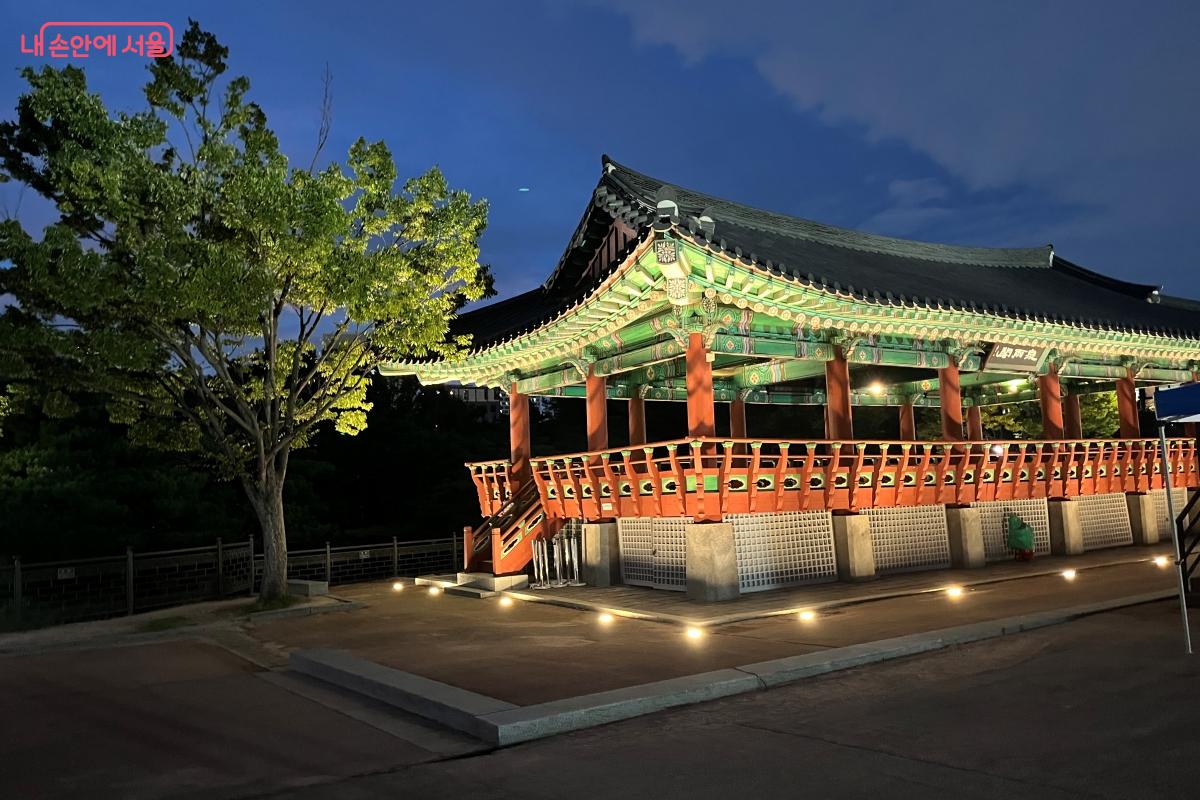
A 10-Minute Route from Chungmuro Station Exits 3 and 4, and Parking Considerations
Exits 3 and 4 of Chungmuro Station on Subway Lines 3 and 4 are the most practical access points. According to Seoul Metropolitan Government guidance, Namsangol Hanok Village is about a 10-minute walk from Exit 4, and event information also indicates the use of Exits 3 and 4. On your first visit, leave the station and head toward Toegye-ro 34-gil to find the main gate.
According to the available information, there is no separate parking lot inside the village; visitors can use the Seoul public parking lot in front of the main gate for a fee. The Namsangol Hanok Village parking inquiry phone number is 02-2275-6122. On weekends with traditional weddings or holiday events, taking the subway is safer than driving. General inquiries can be made at the traditional houses’ operations office at 02-6358-5533.
- Address: 28 Toegye-ro 34-gil, Jung-gu, Seoul
- Nearest subway: Chungmuro Station Exits 3 and 4, about a 10-minute walk
- Admission: Free
- Official website: https://www.hanokmaeul.co.kr/
Weekend Traditional Weddings and Friday–Sunday Programs: Why You Should Check the Date First
Viewing the traditional houses is possible without a reservation, but workshops and performances differ in schedule, fees, and capacity. The 2025 operating plan listed traditional experiences from Friday through Sunday each week from April to December, excluding July and August, with two sessions per day. Since material-based workshops may end early when supplies run out, it is best to check the notices and program pages on the official website before visiting.
Traditional weddings have been scheduled as regular weekend programs from March to November in the Min Family House and the Cheonugak courtyard, excluding July and August. Past Seoul Metropolitan Government information also introduced cases in which actual weddings were held at 11:00, 13:00, and 15:00 on Saturdays and Sundays, but the sessions and locations may change each year. If you are visiting specifically to see a wedding demonstration, confirm the time based on the official notice for that day.
A 90-Minute Plan Combining Seoul’s 600-Year Time Capsule with the Namsan Circular Trail
Allow 60–90 minutes for the hanok village alone, or 90–120 minutes if you include the garden, time capsule, and events. The Seoul 600-Year Time Capsule was buried in 1994 to commemorate Seoul’s 600th anniversary, containing 600 objects representing everyday life. Since it is scheduled to be opened in 2394, it creates a contrast between the past of the hanok and the future of Seoul along the same route.
If you have more time, you can pass the Seoul Namsan Gugak Center and continue toward the Namsan circular trail. Conversely, if a hilly walk on Namsan would be difficult or your visit centers on wheelchair or stroller access, prioritize the level sections and garden of the hanok village. For safety, ask the operations office on the day of your visit about access routes to each event venue and the availability of restrooms and ramps. Foreign-language guidance and interpretation support for programs are not always fixed, so advance confirmation is necessary.
Before You Go
- Address
- 28 Toegye-ro 34-gil, Jung-gu, Seoul
- Hours
- April–October: Tue–Sun 09:00–21:00; November–March: Tue–Sun 09:00–20:00
- Closed
- Mondays
- Admission
- Free
- Phone
- 02-6358-5533
- Official site
- https://www.hanokmaeul.co.kr/
- Transport
- Use Chungmuro Station on Subway Lines 3 and 4, Exits 3 and 4; about a 10-minute walk from Exit 4
- Parking
- No separate parking lot inside the village. Paid parking is available at the Seoul public parking lot in front of the main gate. Parking inquiries: 02-2275-6122
- Time needed
- 60–90 minutes; 90–120 minutes including events, garden, and time capsule
- Accessibility
- The level garden and traditional houses can be viewed, but visitors are advised to ask the operations office before visiting about wheelchair and stroller routes and foreign-language guidance
The information above is current as of the time of writing. Check the official guidance again before visiting.

Places
Nearby Attractions 5
-
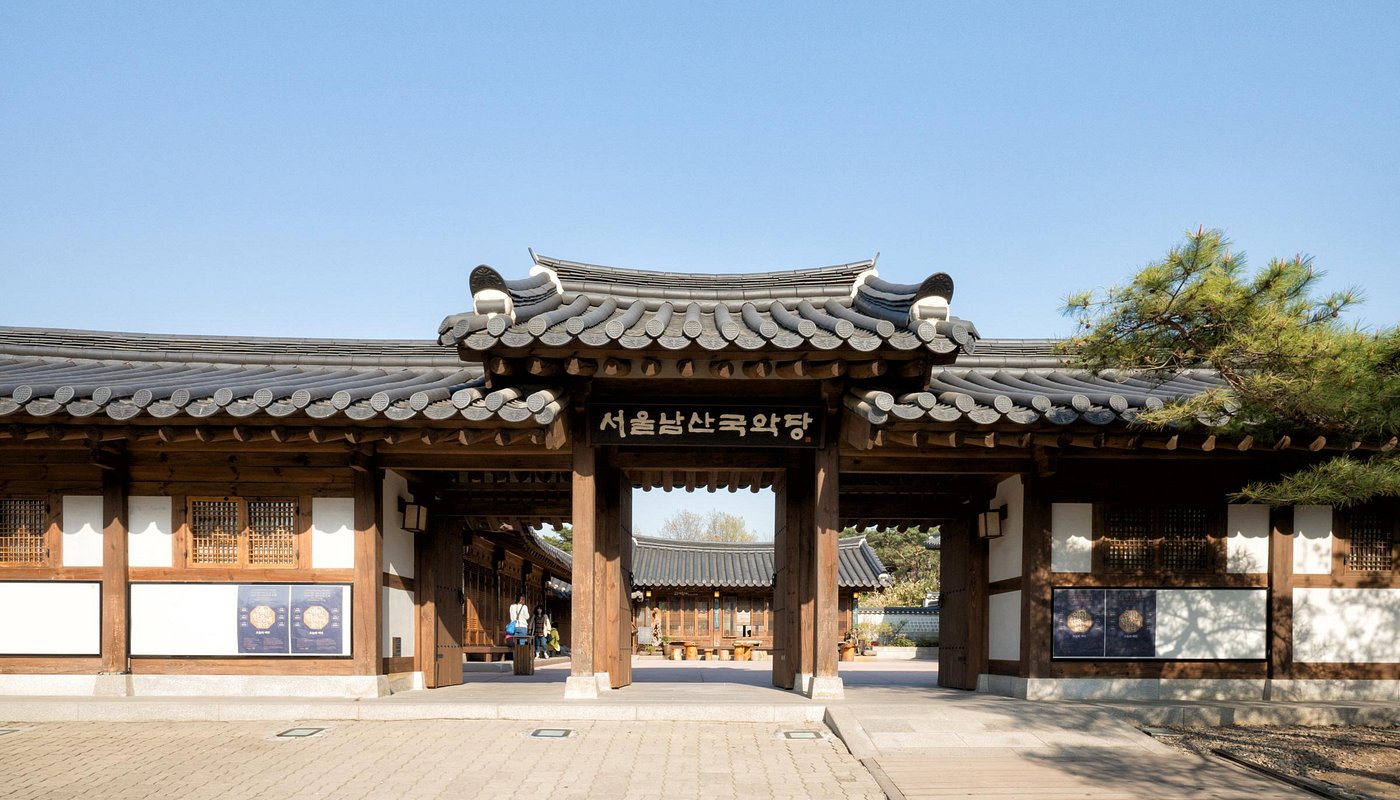 1
Seoul Namsan Gukak CenterA performance venue where visitors can enjoy gugak performances and traditional cultural programs.
1
Seoul Namsan Gukak CenterA performance venue where visitors can enjoy gugak performances and traditional cultural programs. -
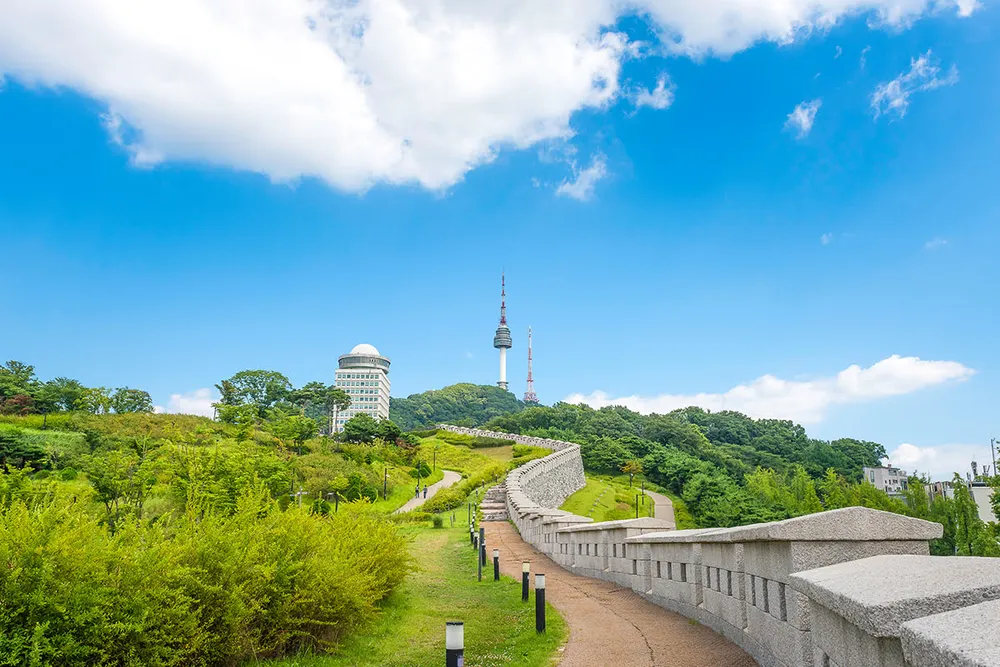 2
Namsan ParkA park where you can walk along the forest trails of Namsan, enjoy views of the city, and relax.
2
Namsan ParkA park where you can walk along the forest trails of Namsan, enjoy views of the city, and relax. -
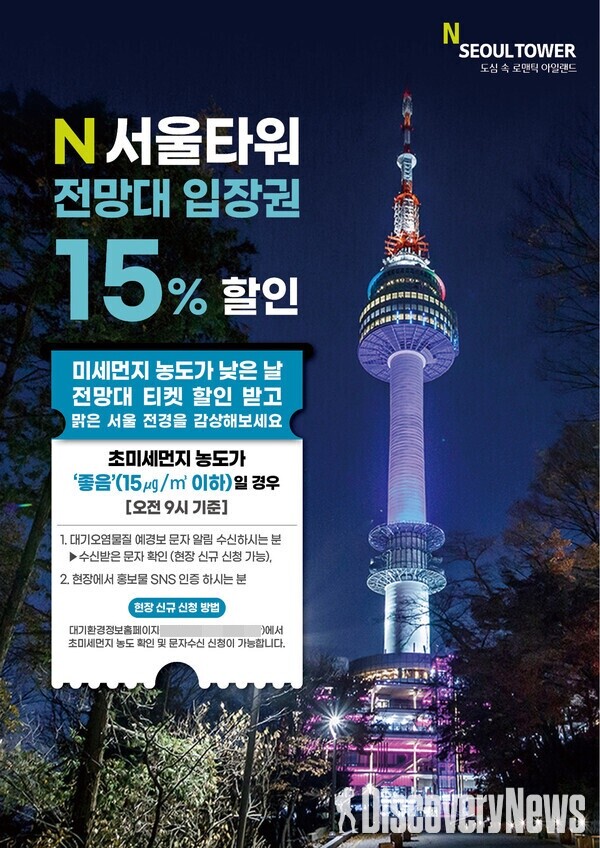 3
N Seoul TowerA landmark offering 360-degree panoramic views of Seoul from its observation deck.
3
N Seoul TowerA landmark offering 360-degree panoramic views of Seoul from its observation deck. -
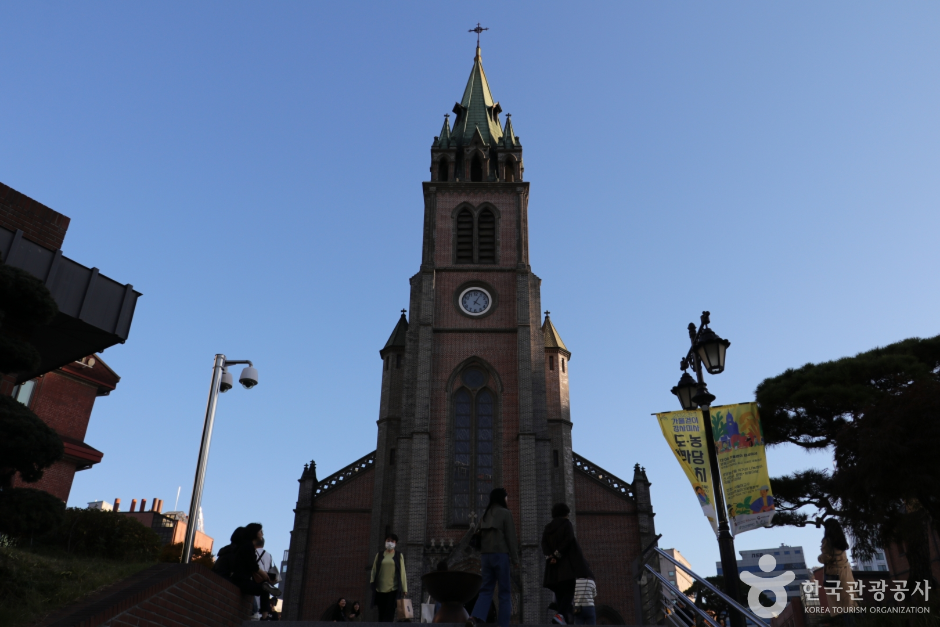 4
Myeongdong CathedralA place to tour a Gothic-style cathedral and walk around the Myeongdong area.
4
Myeongdong CathedralA place to tour a Gothic-style cathedral and walk around the Myeongdong area. -
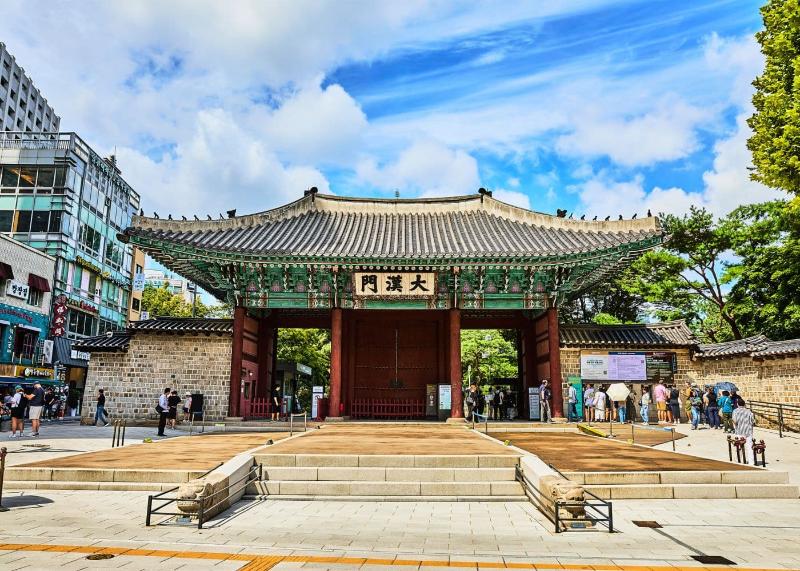 5
Deoksugung PalaceA historic site where you can explore traditional palace buildings alongside Western-style architecture.
5
Deoksugung PalaceA historic site where you can explore traditional palace buildings alongside Western-style architecture.
Events in This Area


Festivals in This Area

More Travel Guides in This Area
 Travel Guide
Five Seoul Hanok Houses from 1998 at Chungmuro Station Exits 3 and 4
 Travel Guide
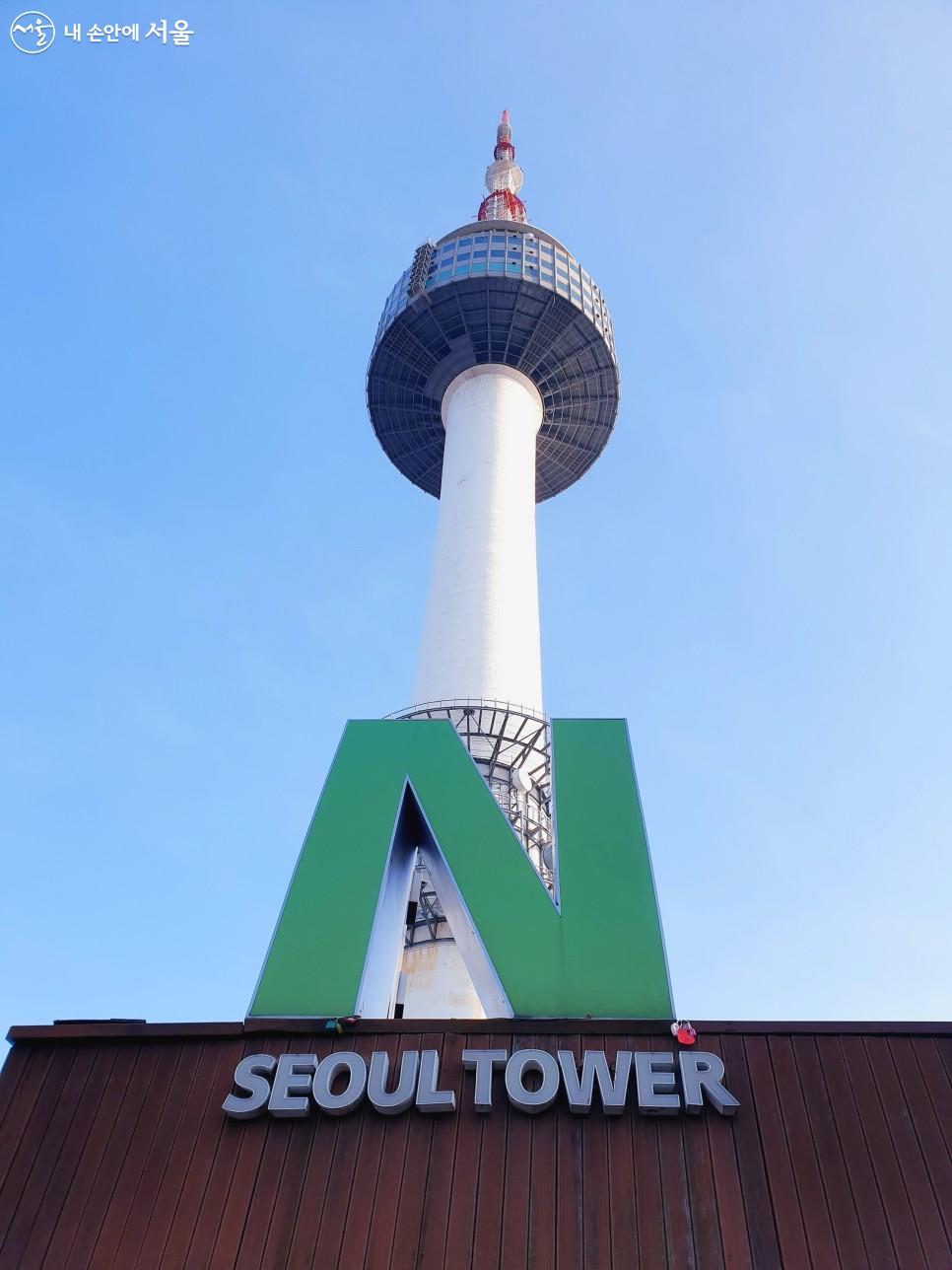
From Mokmyeoksan Beacon Mound to N Seoul Tower, How to Climb Namsan's 270 m
 Travel Guide
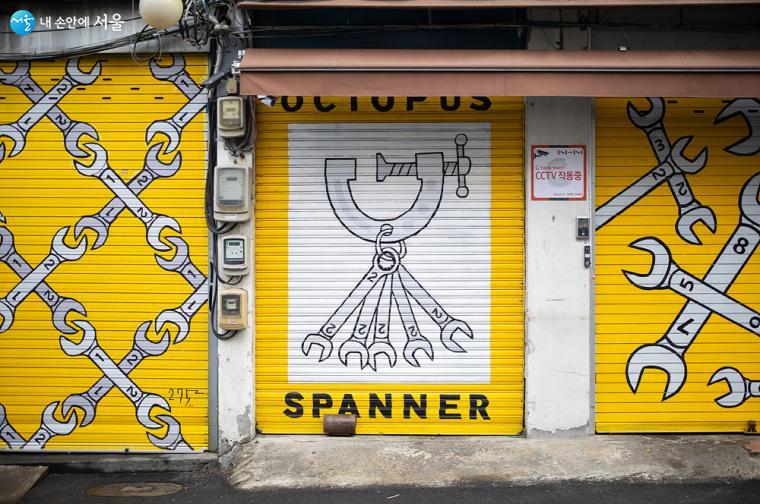
Euljiro 3(sam)-ga, a Seoul work district where printing, tile, and nogari alleys overlap in one block
 Travel Guide
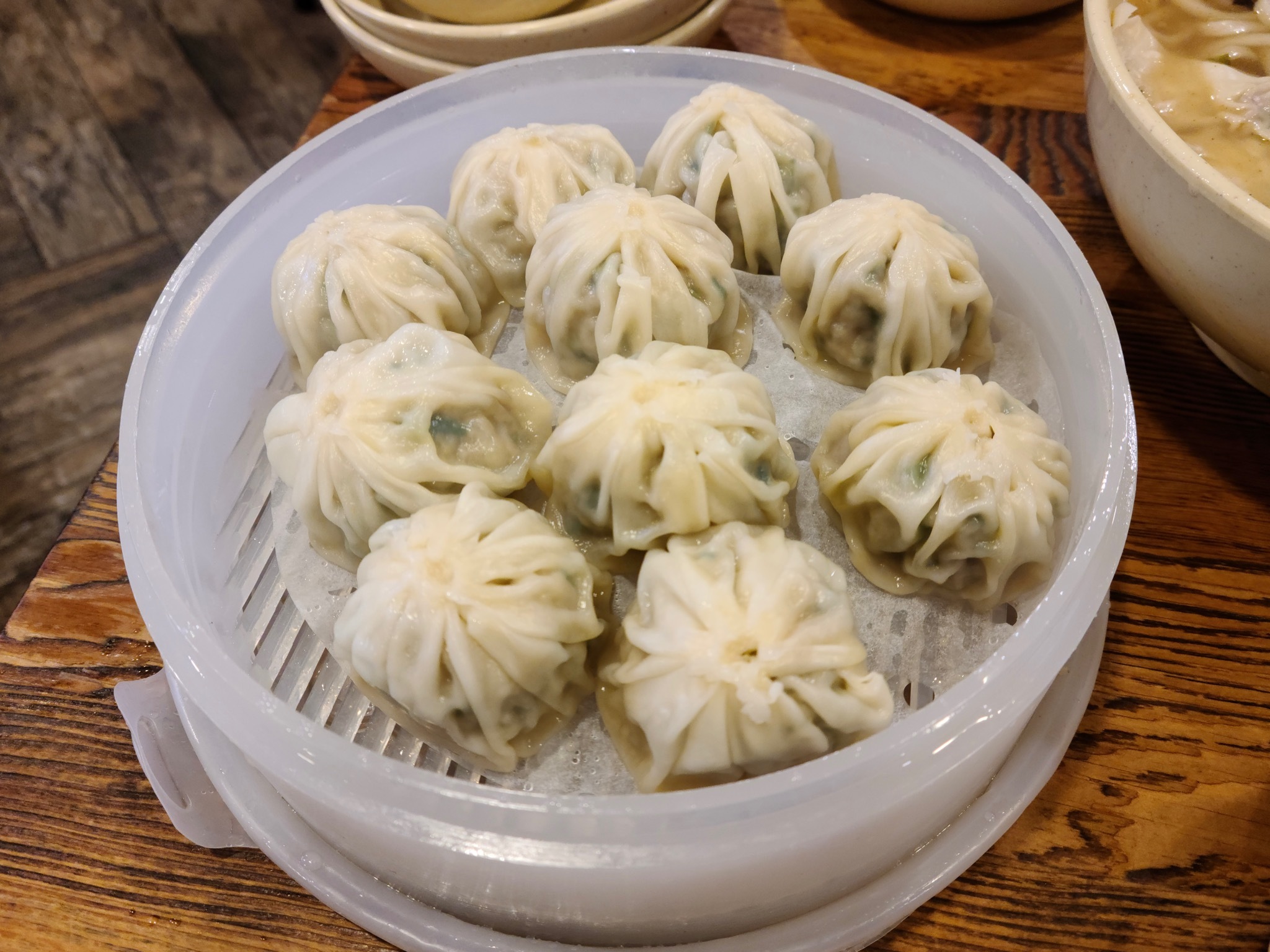
8 Things to Know About a Bowl of Myeongdong Kalguksu at Myeongdong Kyoja Main Branch, Established in 1966
Korea News
 News
News
BTS’s “Arirang” Surpasses 5 Billion Streams…Highest Among Albums Released This Year
!['Salon Drip' San: "ATEEZ's 'reverse export' feeling... We didn't expect the 'Bad' craze" [RE:TV]](https://kotourlive-images.s3.ap-northeast-1.amazonaws.com/news/1791944381066_82499d27_news_5532e781-915c-426a-aab0-e4580e1952e8.jpg) News
News
'Salon Drip' San: "ATEEZ's 'reverse export' feeling... We didn't expect the 'Bad' craze" [RE:TV]
 News
News
“He gathered nine BoAs to create Girls’ Generation” — Lee Soo-man’s uncanny girl-group visuals send fans into a frenzy
 News
News