Five Seoul Hanok Houses from 1998 at Chungmuro Station Exits 3 and 4
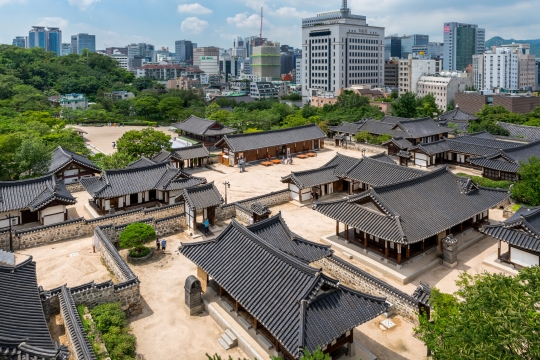
Namsangol Hanok Village is a traditional cultural space that opened in 1998 after relocating and restoring five Joseon-era hanok houses that had been scattered around Pil-dong on the north side of Namsan. It is directly accessible from Chungmuro Station, and you can also explore the traditional houses, gardens, and the Seoul Millennium Time Capsule Plaza together in 60 to 90 minutes.

I’ve been here?
Your check-in helps the next traveler.
No one has checked in yet Be the first
One tap — no writing needed
The Identity of the Five Joseon-era Hanok Houses Moved to Pildong in 1998
Namsangol Hanok Village was created as part of Seoul’s “Restoring Namsan to Its Original Form” project and opened on April 18, 1998. It is a space where five folk-material hanok houses, originally located in various parts of Seoul and differing in architectural style and scale, were moved to Pildong and restored. The site covers 7,934㎡, and the total floor area of the buildings is 1,297㎡.
The permanently open houses are the house of Lee Seung-eop, master carpenter of Samgak-dong; the house of Kim Chun-yeong, military official of Samcheong-dong; the house of the Min family in Gwanhun-dong; the residential quarters of Yun Taek-yeong, Heepung Buwongun, in Jegi-dong; and the house of the Yun family in Ookin-dong. Among them, the four houses of Lee Seung-eop, Kim Chun-yeong, the Min family, and the Yun family have been designated Seoul Folk Cultural Heritage. Rather than being merely a newly built hanok complex, it is a place where residential forms of different social classes and occupations can be compared in one setting.
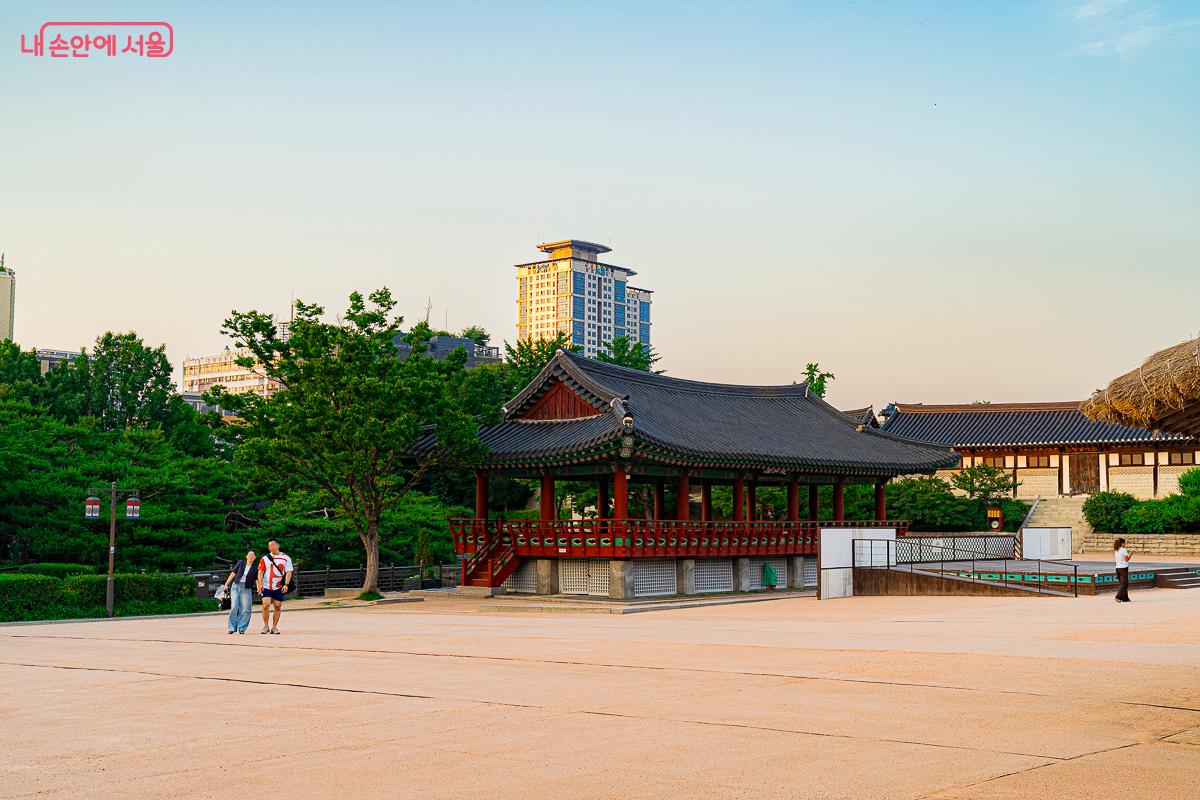
The Place of 'Namsangol' Left by the Northern Slope Valley and Cheonwugak on Namsan
The village is located in Pildong on the northern foot of Namsan. Namsan rises 270 meters above sea level, and after King Taejo of Joseon moved the capital to Hanyang in 1394, it came to be called Namsan, meaning the mountain south of the city walls. The waterways and valley scenery on Namsan’s northern slope formed the background for this area being regarded as a scenic site in the past, and the village’s traditional garden recreates that impression of the landscape with a pond, pavilion, and walking paths at its center.
The traditional garden is open 24 hours a day, but viewing of the traditional houses, including the interiors, is limited by season. From April to October, opening hours are 09:00 to 21:00, and from November to March, 09:00 to 20:00; it is closed every Monday. However, if Monday falls on a public holiday, temporary holiday, or substitute holiday, it operates as normal, so during long holiday periods it is best to check the official notice again.
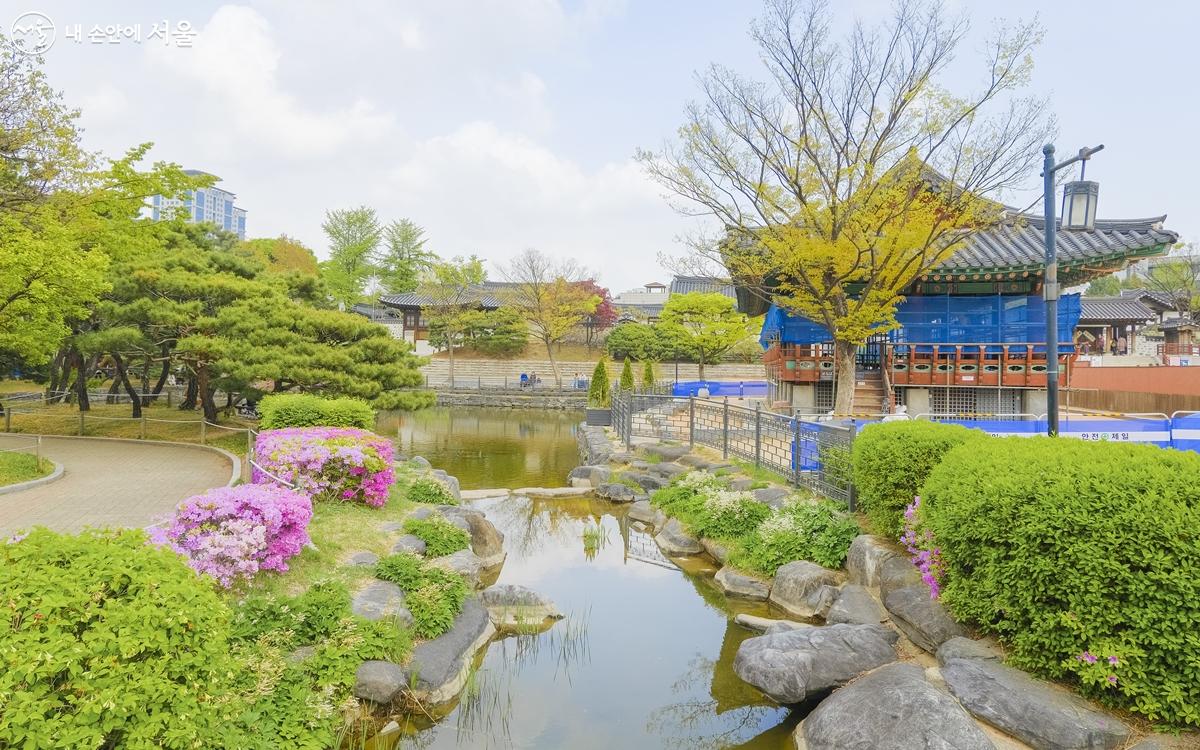
Seoul Millennium Time Capsule Plaza to Open on November 29, 2394
Rather than leaving after seeing only the five hanok houses, extending your route to the Seoul Millennium Time Capsule Plaza south of the traditional garden reveals that this place is not just a “Joseon reenactment space.” Created in 1994 to commemorate 600 years since Seoul’s designation as the capital, the time capsule contains 600 artifacts showing Seoul and the daily lives of its citizens, housed inside a monument modeled after the Bosingak Bell.
The time capsule is scheduled to be opened on November 29, 2394. The circular plaza, set lower like a meteor crater, is known as a citizen-selected work symbolizing timelessness, and it places records of Joseon-era life in the hanok and 20th-century Seoul on a single route. After touring the hanok, it is usually best to allow 60 to 90 minutes for the garden, Cheonwugak, and the Time Capsule Plaza together.
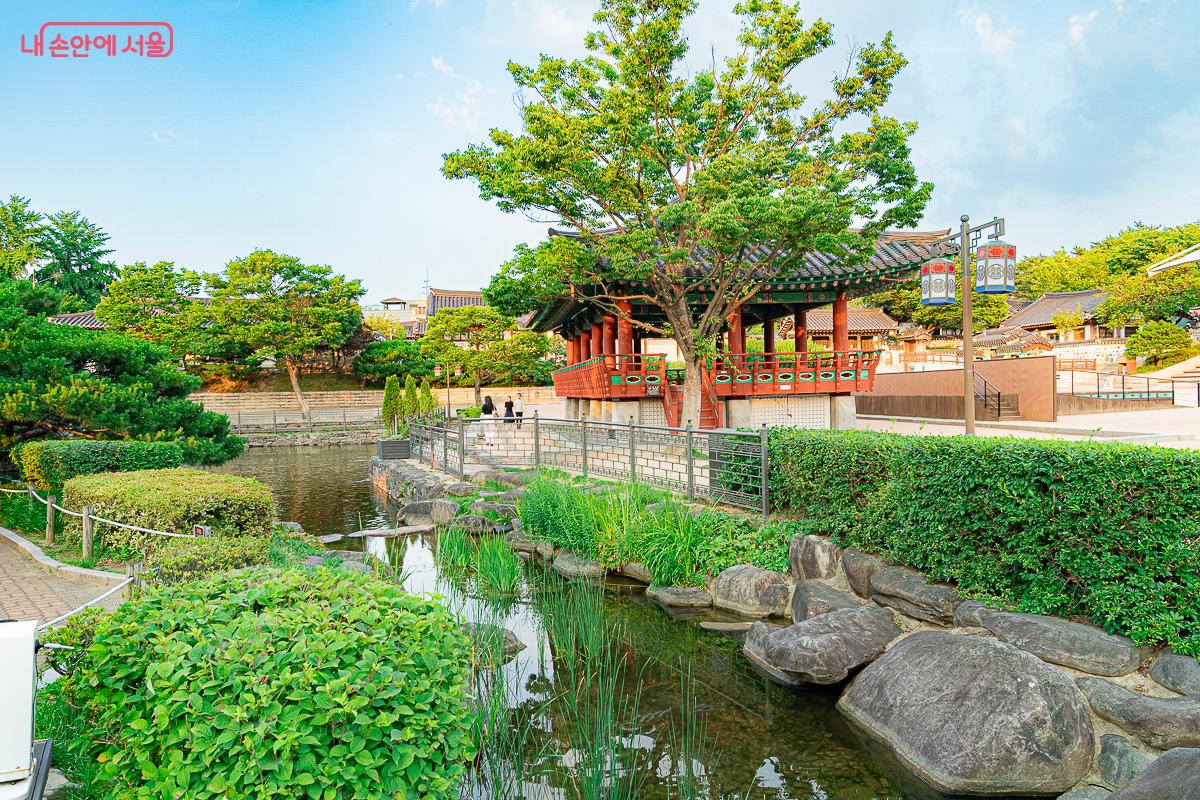
A Route That Starts Right from Exits 3 and 4 of Chungmuro Station
The address is 28 Toegye-ro 34-gil, Jung-gu, Seoul, postal code 04626. You can use Exit 3 or Exit 4 of Chungmuro Station on Lines 3 and 4, and the Seoul Culture Portal directs visitors to the area near those exits. Even travelers with luggage can simply transfer to Line 4 from the Myeongdong or Seoul Station area and set Chungmuro Station as their destination, as the transfer structure is straightforward.
Bus routes include 104, 105, 140, 421, 507, 604, N16, and 7011, as well as Namsan circular buses 02 and 05. The main gate management office is 02-2133-6274~5, the traditional house operations office is 02-6358-5533, and inquiries for cultural tourism interpretation are 02-2133-6269. Event operating hours or the availability of specific houses may vary by date-specific programs, so checking with the main number before departure is the most reliable option.
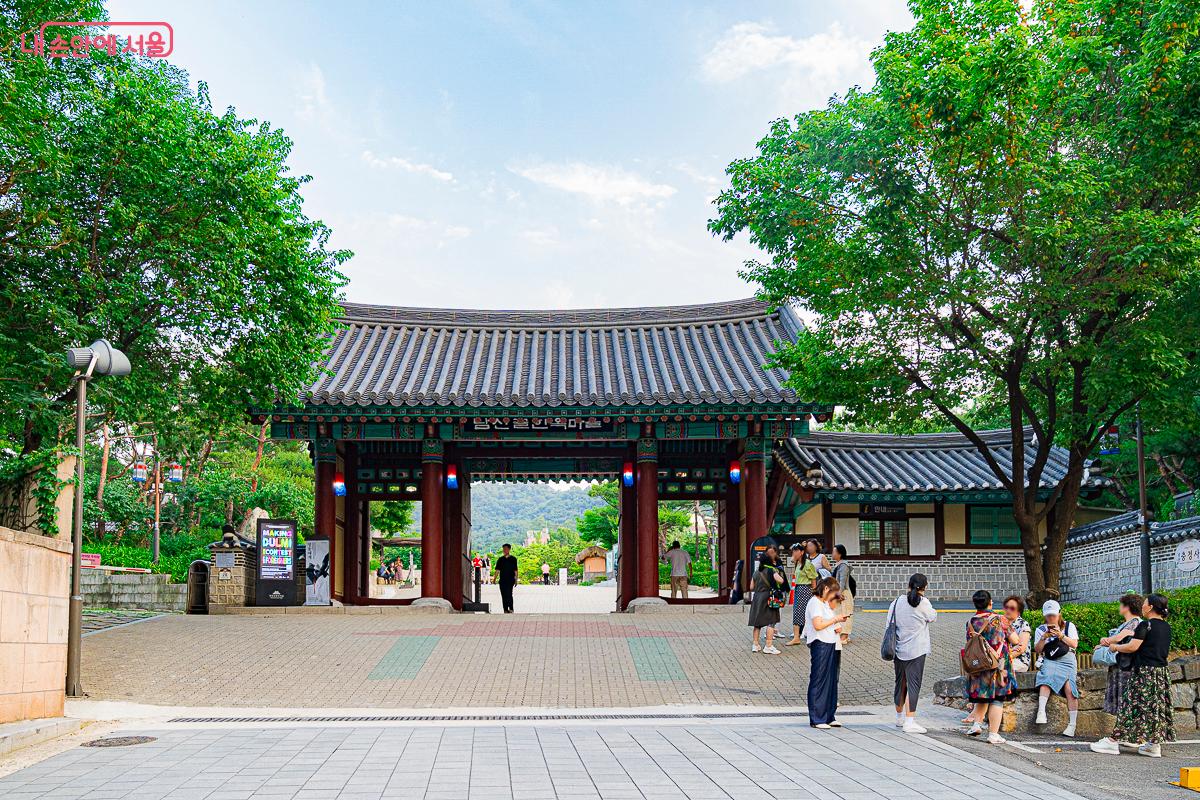
Admission Is Free, but Experience and Event Fees Are Checked Separately by Date
Viewing the traditional houses at Namsangol Hanok Village is free. The official website is https://www.hanokmaeul.co.kr/, and the main inquiry number is 02-6358-5533. General visits to walk through the hanok and traditional garden are not said to require a separate reservation, but craft, food, and traditional wedding experiences may have date-specific recruitment, material fees, and early sell-out conditions.
For example, during the 2026 Seollal festival, paid experiences such as mother-of-pearl key rings for 20,000 won, handmade soap for 15,000 won, and bow-making for 12,000 to 18,000 won were offered, while free craft activities and food sharing ended once the prepared supplies ran out. Therefore, you should distinguish between free admission and paid programs, and if your purpose is to participate in experiences, you should separately check the event page for time, cost, and whether on-site registration is available.
- Traditional house viewing: Free
- Traditional garden: Open 24 hours
- Traditional houses: 09:00 to 21:00 in summer, 09:00 to 20:00 in winter
- Regular closing day: Every Monday; normal operation if Monday is a public holiday
Why You Should Visit Without a Dedicated Parking Lot and the Pedestrian Access
The Seoul Culture Portal states that Namsangol Hanok Village does not have a separate dedicated parking lot. It is better to use Chungmuro Station rather than planning on arriving by private car. Although the Namsan Park guide separately lists 02-2275-6122 as the inquiry number for the Namsangol Hanok Village parking area, you should check by phone whether it can actually be used that day, together with the notice that there is no separate parking lot for events.
A 2025 Seoul city citizen reporter guide introduced the village’s walking paths as smooth and not steep, and noted the use of wheelchairs and strollers. Foreign-language leaflets are also available at the entrance. However, since this is a Seoul Folk Cultural Heritage site, you must follow on-site guidance regarding detailed access conditions inside the houses and event spaces, photo restrictions, and food and drink rules. In a 2025 event notice, it was stated that consuming food and beverages, including water, was not allowed.
If Your Goal Is the Outdoor Garden Rather Than the Inside of the Hanok, Avoid After 20:00
In spring and autumn, if you want to see both the hanok and the garden, it is better to arrive earlier than one or two hours before closing. Although hanok viewing from April to October runs until 21:00, exhibitions, experiences, and performances follow separate schedules and may change depending on rain, severe weather, or other events. Even though the traditional garden is open 24 hours, that should be distinguished from whether “indoor hanok viewing” is possible at night.
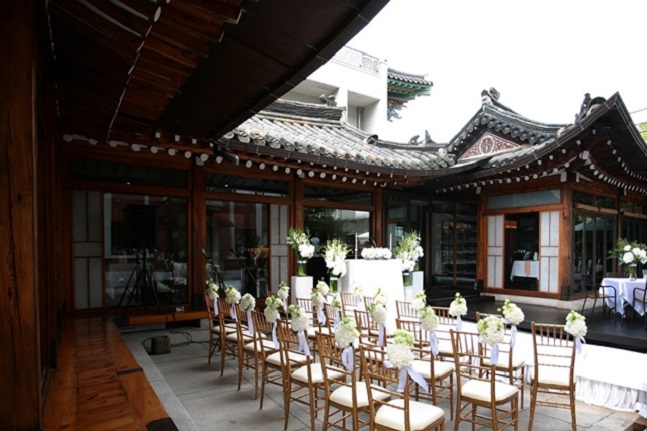
This place is more suitable for travelers who want to briefly and densely see the structure of the restored houses and the garden on the Namsan slope than for those expecting a large commercial hanok street or a food alley. Reading the names of the five hanok houses and their former locations first, then walking from the traditional garden to Cheonwugak and the Time Capsule Plaza before returning to Chungmuro Station, is the simplest route for first-time foreign visitors as well.
Before You Go
- Address
- 28 Toegye-ro 34-gil, Jung-gu, Seoul
- Hours
- Traditional houses: 09:00 to 21:00 from Apr to Oct, 09:00 to 20:00 from Nov to Mar / Traditional garden: Open 24 hours
- Closed
- Every Monday (if Monday is a public holiday, temporary holiday, or substitute holiday, it operates as normal)
- Admission
- Free
- Phone
- 02-6358-5533
- Official site
- https://www.hanokmaeul.co.kr/
- Transport
- Subway Line 3 or 4, Chungmuro Station, Exits 3 and 4. Buses 104, 105, 140, 421, 507, 604, N16, 7011, Namsan circular 02 and 05.
- Parking
- No separate dedicated parking lot. Parking inquiries: 02-2275-6122.
- Time needed
- 60 to 90 minutes
- Accessibility
- The walking paths are relatively gentle, and foreign-language leaflet availability is noted. Detailed accessibility conditions vary by house and should be checked on-site.
The information above is current as of the time of writing. Please check the official guidance again before visiting.

Places
Nearby Attractions 5
-
 1
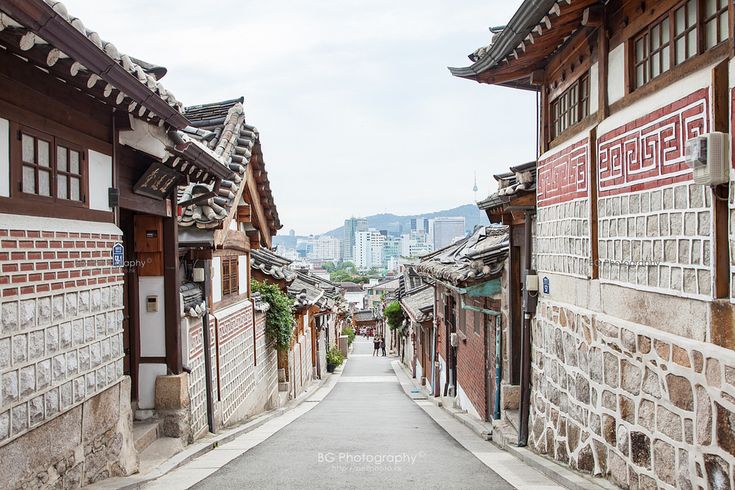
Bukchon Hanok Village
1
Bukchon Hanok Village -
 2
2
-
 3
3
-
 4
4
-
 5
5
Food & Dining 5
-
 6
6
-
 7
7
-
 8
8
-
 9
9
-
 10
10
Events in This Area



Festivals in This Area

More Travel Guides in This Area
 Travel Guide
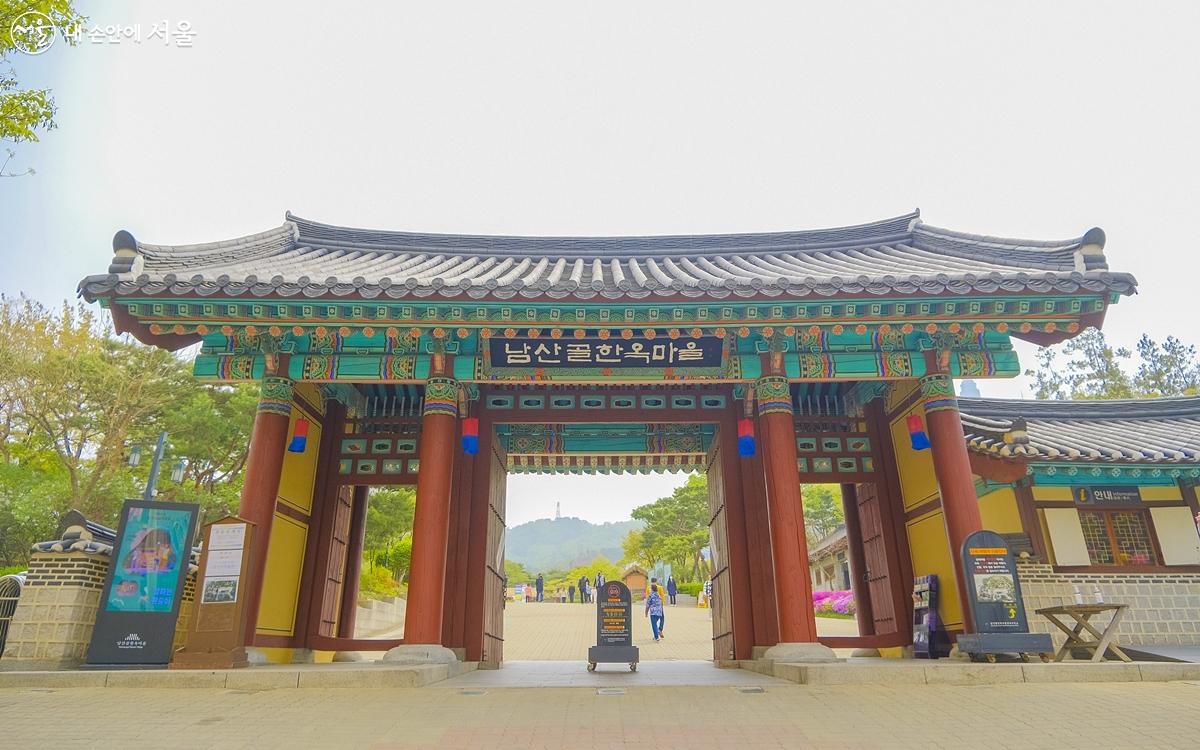
Five Houses Carrying the Memories of Pildong Valley: Namsangol Hanok Village
 Travel Guide
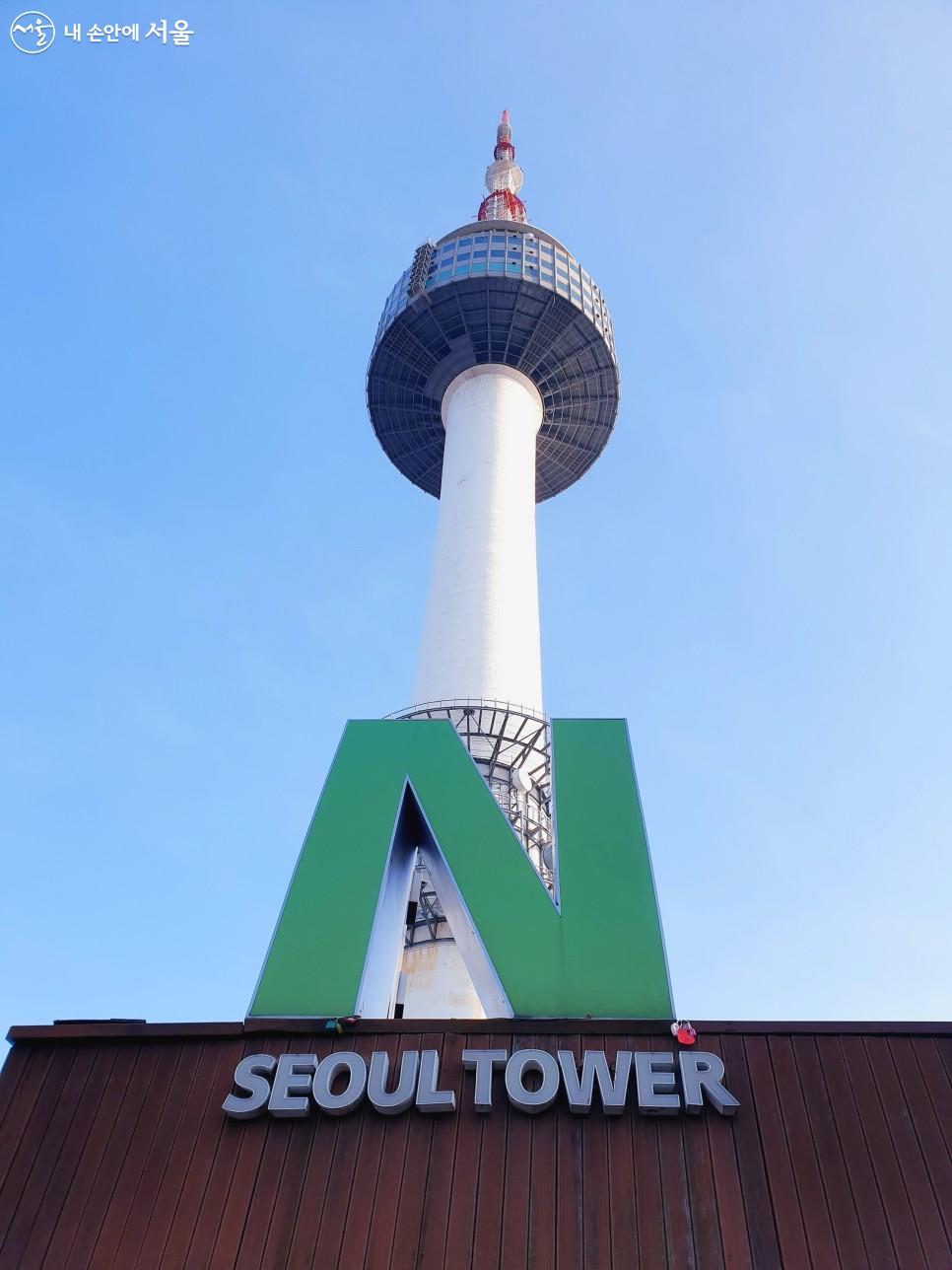
From Mokmyeoksan Beacon Mound to N Seoul Tower, How to Climb Namsan's 270 m
 Travel Guide
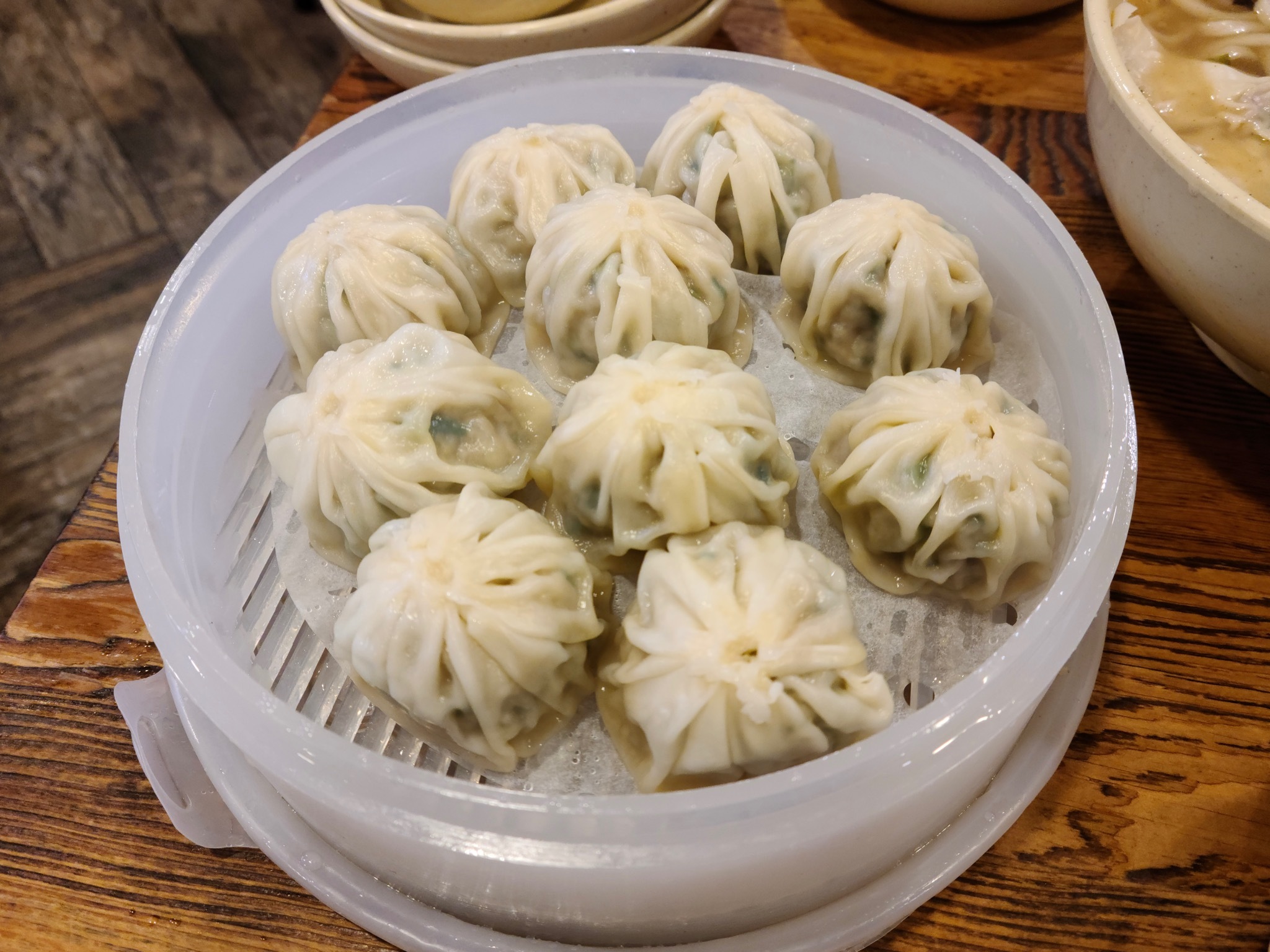
8 Things to Know About a Bowl of Myeongdong Kalguksu at Myeongdong Kyoja Main Branch, Established in 1966
 Travel Guide
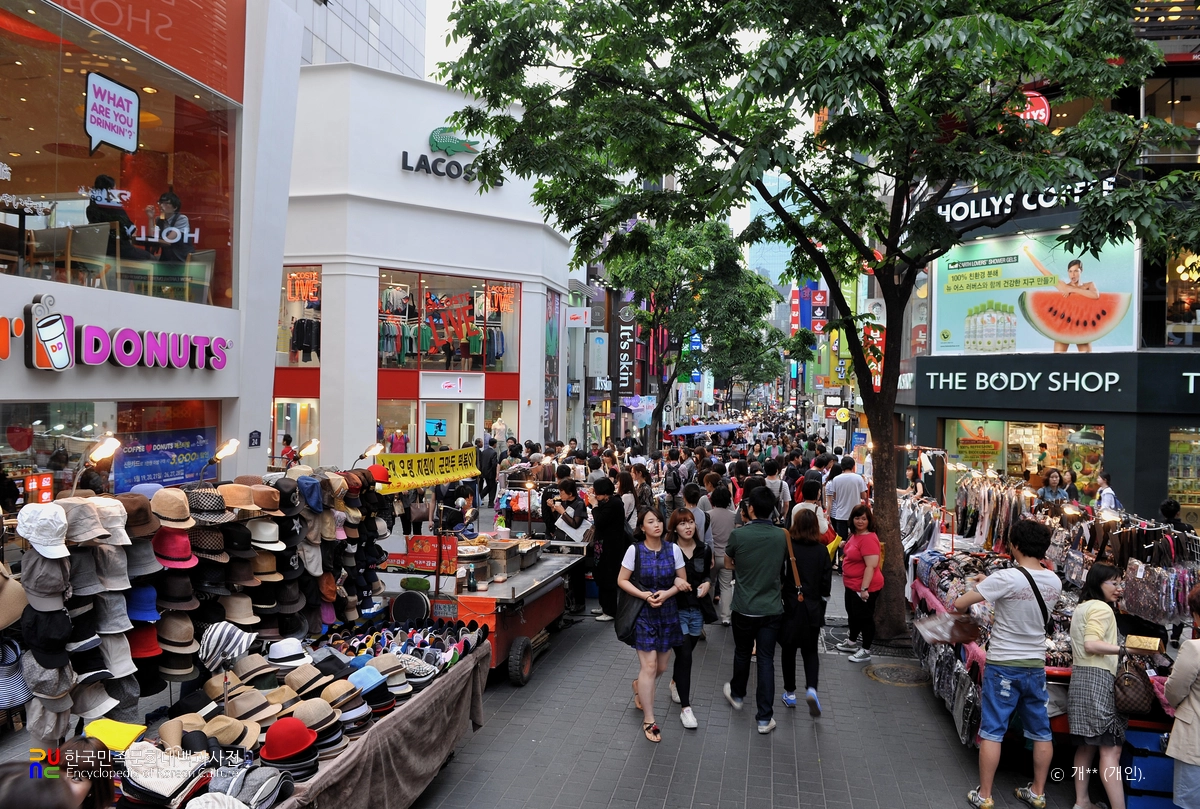
From Myeongryebang to K-Beauty Street, a 2 Hour 30 Minute Walk Through Myeong-dong
Korea News
 News
News
BTS’s “Arirang” Surpasses 5 Billion Streams…Highest Among Albums Released This Year
!['Salon Drip' San: "ATEEZ's 'reverse export' feeling... We didn't expect the 'Bad' craze" [RE:TV]](https://kotourlive-images.s3.ap-northeast-1.amazonaws.com/news/1791944381066_82499d27_news_5532e781-915c-426a-aab0-e4580e1952e8.jpg) News
News
'Salon Drip' San: "ATEEZ's 'reverse export' feeling... We didn't expect the 'Bad' craze" [RE:TV]
 News
News
“He gathered nine BoAs to create Girls’ Generation” — Lee Soo-man’s uncanny girl-group visuals send fans into a frenzy
 News
News