Seoul’s Jingwan-sa: Encounter the Taegeukgi at Chilseonggak and the Waterways of Bukhansan
Jingwan-sa, located at the foot of Bukhansan in Eunpyeong-gu, Seoul, is a temple founded by King Hyeonjong of Goryeo in 1011. It is also historically significant for the 1919 Taegeukgi and materials related to the Independence Newspaper discovered during the dismantling and restoration of Chilseonggak in 2009. Take a bus from Gupabal Station and follow a half-day route linking the Iljumun Gate, Geungnakgyo Bridge, Daeungjeon Hall, and Chilseonggak, then continue to Eunpyeong Hanok Village.
I’ve been here?
Your check-in helps the next traveler.
No one has checked in yet Be the first
One tap — no writing needed
Jingwansa Temple, founded by King Hyeonjong in 1011 on the site of Sinhyeolsa, a temple at the western gateway to Bukhansan Mountain
Jingwansa Temple is located at the western foothills of Bukhansan Mountain, at 73 Jingwan-gil, Eunpyeong-gu, Seoul. Historical materials from Seoul explain that in 1011, the second year of the reign of Goryeo King Hyeonjong, the king built a large temple on the site of Sinhyeolsa and named it “Jingwansa.” Rather than an urban temple in central Seoul, it is a mountain temple adjoining a valley of Bukhansan, so after passing through the one-pillar gate, waterways and the varying heights of the forest continue between the buildings.
The temple’s present landscape is not simply a collection of old buildings, but the result of overlapping layers of the Goryeo royal family’s Buddhist foundation, state rites during the Joseon period, and traces of the modern independence movement. In particular, the Jingwansa State Rite for Water and Land, which continues the tradition of the water-and-land rite led by the Joseon state, was designated a National Intangible Heritage in 2013. Rather than focusing only on viewing the buildings, it is better to walk while following the relationship between Daeungjeon Hall, Chilseonggak Pavilion, and the ritual spaces in order to understand the character of this temple.
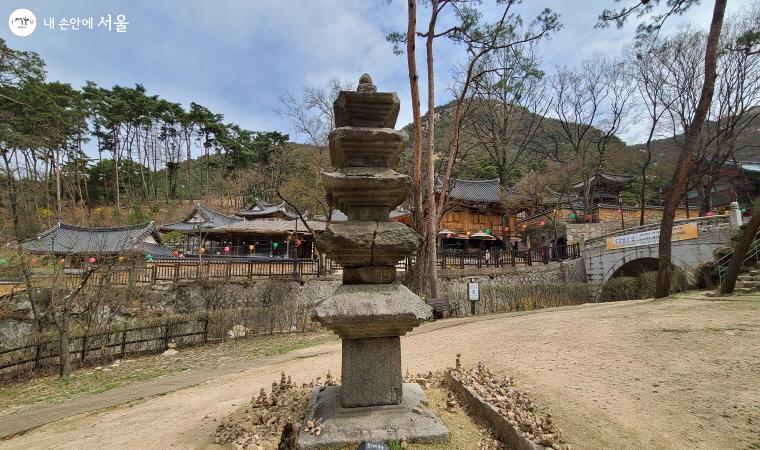
A 1919 Taegeukgi flag and independence newspapers discovered in Chilseonggak Pavilion in 2009
The most specific historical reason to visit Jingwansa is the “Taegeukgi Flag and Independence Newspapers Held by Jingwansa.” These materials were discovered in 2009 during the dismantling and repair of Chilseonggak Pavilion. The Taegeukgi flag and independence newspapers, believed to have been produced in 1919, are registered as National Registered Cultural Heritage No. 458. Chilseonggak itself is also Seoul Tangible Cultural Heritage Material No. 33, so it is worth remembering that this building is not merely an annex but the place where historical materials related to the modern independence movement were found.
The discovered materials included not only the Taegeukgi but also independence newspapers, prompting reflection on how news and documents from the March 1st Movement period came to be stored at a mountain temple on the outskirts of Seoul. Whether they are open to the public or on display, as well as the extent of interior access, may vary depending on events and temple operations. Rather than planning on definitely seeing the artifacts in person, it is safer to inquire before visiting by calling Jingwansa’s main number at 02-359-8410.
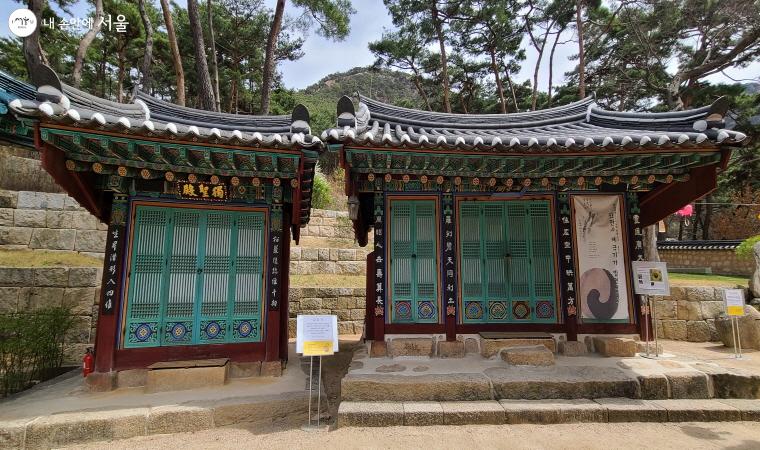
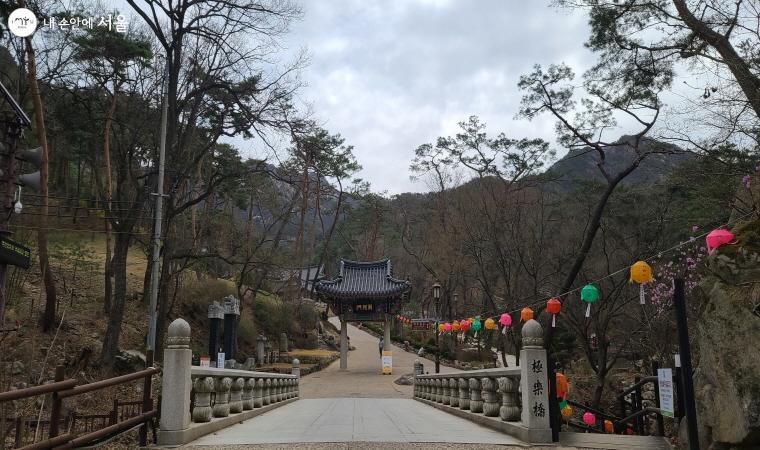
From the One-Pillar Gate and Geungnakgyo Bridge to Daeungjeon Hall: following Jingwansa’s route across the valley
For a first visit, it is recommended to start at the One-Pillar Gate at the entrance, cross Geungnakgyo Bridge, and continue uphill toward Daeungjeon Hall. Seoul’s guide introduces the One-Pillar Gate as a gate symbolizing the washing away of worldly afflictions, and Geungnakgyo as the bridge crossed on the way to the Pure Land where the Buddha resides. A valley lies between the two points, so the brief act of crossing the bridge itself reveals Jingwansa’s terrain.
At Daeungjeon Hall, take time to view the worship space centered on the Buddha statues of the Three Ages, then continue to Dongjeonggak Pavilion and Hyangjeokdang Hall. Seoul’s guide states that Hyangjeokdang houses an enshrined Samantabhadra Bodhisattva and the Institute of Temple Food Research. Avoid taking photographs in ways that disturb prayer services, rituals, or practice spaces; basic etiquette in the worship hall includes removing hats and refraining from loud voices.
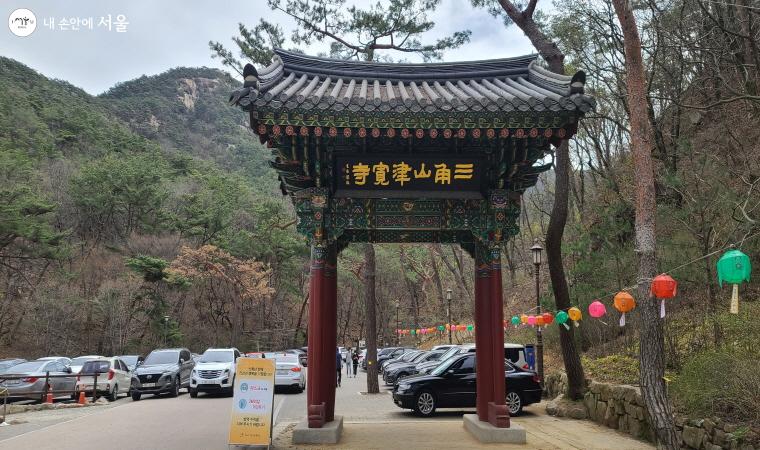
Bus route from Gupabal Station to the Hana Academy and Jingwansa Entrance stop
For public transportation, it is convenient to use Gupabal Station on Subway Line 3 as the reference point. Local guide materials suggest taking bus 7723 from Exit 4 of Gupabal Station, or bus 701 or 7211 from Exit 3 of Yeonsinnae Station, and getting off at the “Hana Academy·Samcheonsa·Jingwansa Entrance” stop. Since the stop names are similar, it is best to check the electronic display for “Jingwansa Entrance” or “Hana Academy” before getting off.
Bus routes and service intervals may change, so check them with a map app just before departure. There are also records of bus 7723 having been adjusted in the past so that it did not operate through the Jingwansa section. Therefore, instead of setting out from Gupabal Station based only on the bus information, check the current stop and walking route together. The route from the temple entrance to the worship-hall area includes both gentle paths and stairs, so inquire in advance at 02-359-8410 about wheelchair and stroller-accessible sections and whether assistance is needed.
- Starting points: Gupabal Station on Subway Line 3 or Yeonsinnae Station on Lines 3 and 6
- Main stops: Hana Academy·Samcheonsa·Jingwansa Entrance
- Example connecting routes: buses 701, 7211, and 7723
Admission is free, but programs and artifact viewing require separate confirmation
Admission to the general temple grounds is listed as free. No regular closing day has been identified, but access to some areas may vary depending on Buddhist services, rituals, construction, and weather conditions. Therefore, rather than visiting with the fixed opening and closing hours of a museum in mind, it is better to plan a quiet tour of the grounds from the morning until before sunset.
The main contact number is 02-359-8410, while inquiries about temple stays are handled separately at 02-388-7999. The temple’s official temple-stay page is https://jinkwansa.templestay.com/, and the capacity and fees for overnight programs and temple-food experiences vary by date, so check the online reservation page. Do not assume that same-day or one-night, two-day prices listed in older information are the current rates.
- General temple-ground admission: Free
- Main contact: 02-359-8410
- Temple-stay inquiries: 02-388-7999
- Address: Jingwansa Temple, 73 Jingwan-gil, Eunpyeong-gu, Seoul
The difference between autumn, when the State Rite for Water and Land is held, and a quiet weekday morning
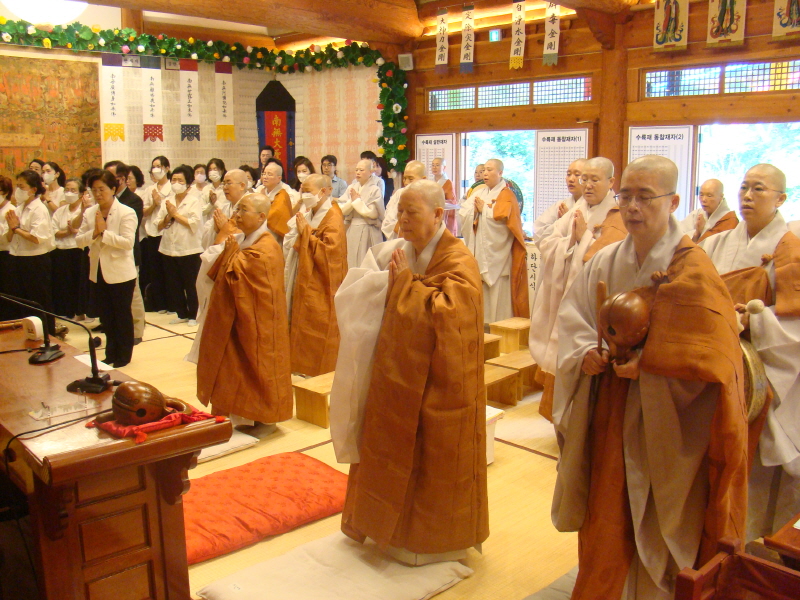
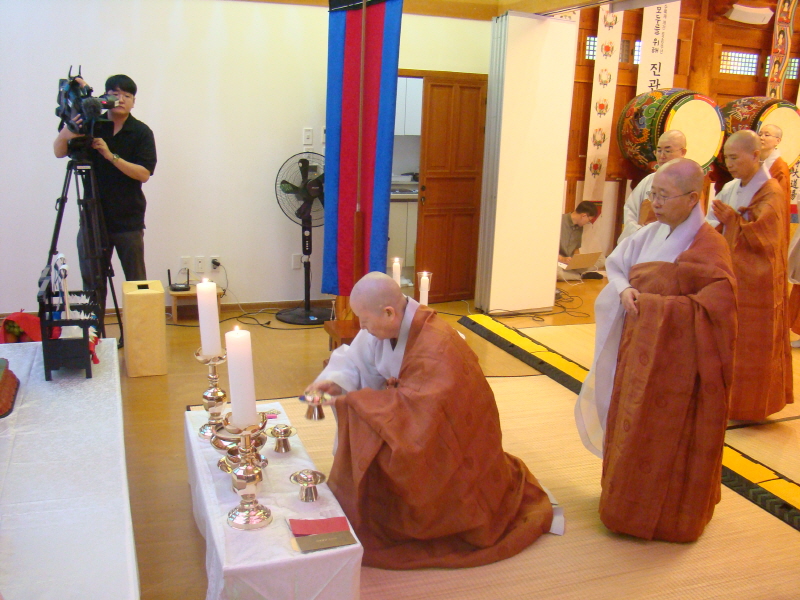
The Jingwansa State Rite for Water and Land continues the tradition of the water-and-land rite, a Buddhist ceremony that invites and saves all beings. In 2024, it was held over 49 days, beginning with the opening ceremony on September 1 and concluding with the dedication ceremony on October 19. The exact dates and visitor arrangements vary each year. If your purpose is to watch the ritual, do not travel based only on information that it takes place “around autumn”; check the announcement for the relevant year first.
If you want to see the buildings and valley quietly, a weekday morning is more suitable than a day with a large Buddhist service or event. Conversely, during the State Rite for Water and Land, you can encounter a scene different from usual, with ritual ceremonies, decorations, and crowds of visitors, but movement through some areas may be restricted. Visitor reviews through 2025 repeatedly mention congestion inside the temple and in the nearby hanok village parking areas on weekend mornings, so those traveling by car may wish to prioritize arriving early or using public transportation.
Combine the visit with Eunpyeong Hanok Village, but consider access to Jingwansa Valley separately
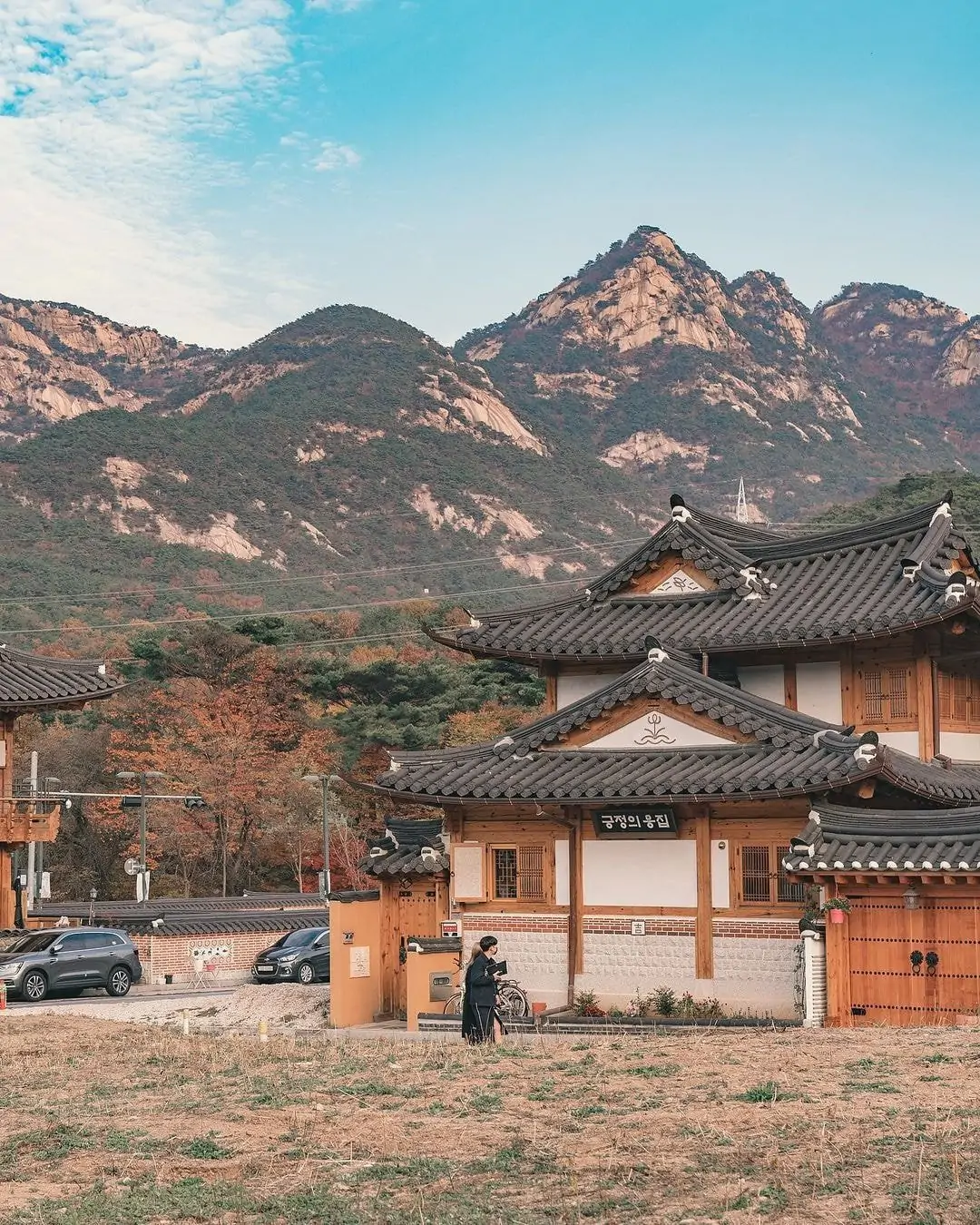
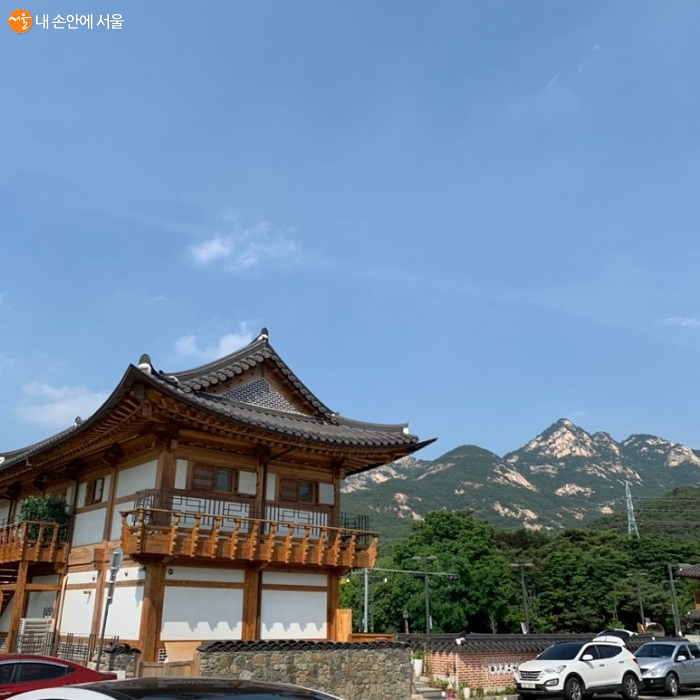
After visiting Jingwansa, it is easy to combine the trip with nearby Eunpyeong Hanok Village. This area offers views of both the Bukhansan ridgeline and hanok roofs, but if you combine the temple visit with a stroll through the hanok village, it is comfortable to allow approximately 3–4 hours, including travel and rest time. If you also plan to have a meal or visit a teahouse, check separately on the day whether the businesses near Hyangjeokdang and those in the hanok village commercial area are open.
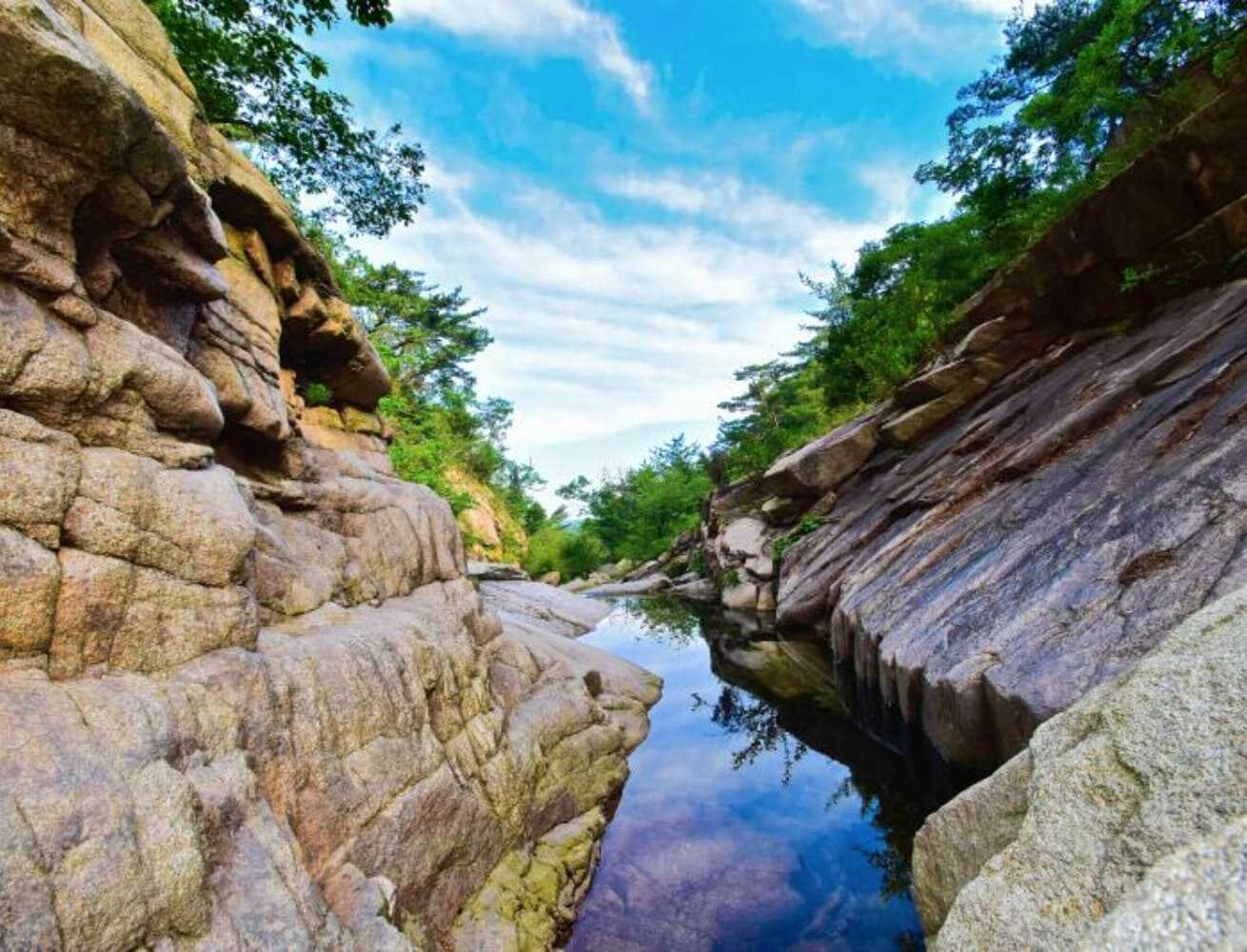
In summer, it is safer not to plan a swimming outing based solely on the name “Jingwansa Valley.” News reports and visitor reviews mention restrictions on entering the valley and bans on entering the water, and visitors must follow on-site guidance in protected and restricted areas. Treat the valley as part of Jingwansa’s scenery, and first confirm whether activities such as entering the water, spreading out a mat, or cooking are permitted in the chosen location.
Before You Go
- Address
- Jingwansa Temple, 73 Jingwan-gil, Eunpyeong-gu, Seoul
- Admission
- Free
- Phone
- 02-359-8410
- Official site
- https://jinkwansa.templestay.com/
- Transport
- From Gupabal Station on Subway Line 3 or Yeonsinnae Station on Lines 3 and 6, take a bus such as 701, 7211, or 7723 and get off at the Hana Academy·Samcheonsa·Jingwansa Entrance stop, then continue on foot. Check the route in real time before departure.
- Parking
- There is limited parking at the temple and information about nearby parking lots, but advance inquiries are recommended because weekends may be crowded.
- Time needed
- 1–1.5 hours for the Jingwansa grounds; 3–4 hours if also visiting Eunpyeong Hanok Village.
- Accessibility
- The grounds include a mix of slopes and stairs. Before visiting, inquire at 02-359-8410 about wheelchair and stroller-accessible areas and foreign-language assistance.
The information above is based on the time of writing. Check the official guidance again before visiting.

Places
Nearby Attractions 5
-
 1
1
-
 2
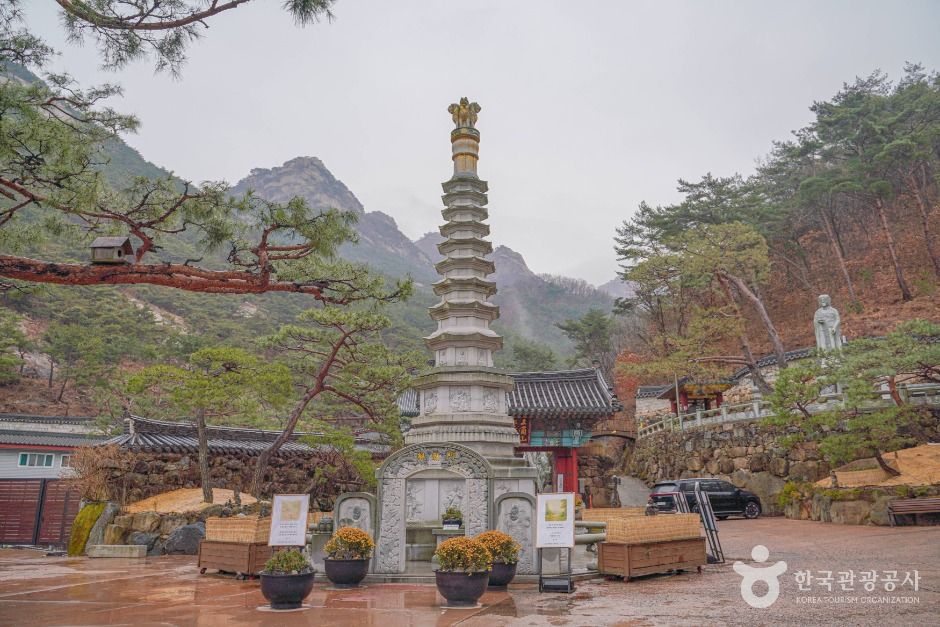
Samcheonsa TempleA place to explore a thousand-year-old temple nestled amid the Bukhansan Valley
2
Samcheonsa TempleA place to explore a thousand-year-old temple nestled amid the Bukhansan Valley -
 3
3
-
 4
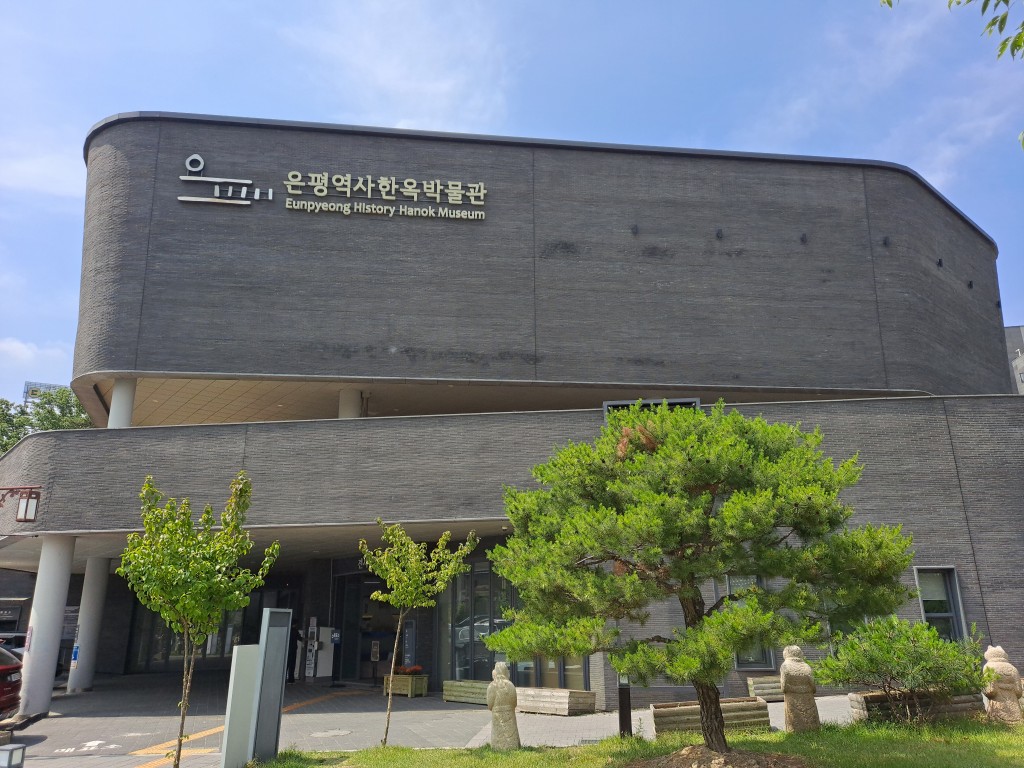
Eunpyeong History Hanok MuseumA museum exhibiting the history of the Eunpyeong area and hanok culture
4
Eunpyeong History Hanok MuseumA museum exhibiting the history of the Eunpyeong area and hanok culture -
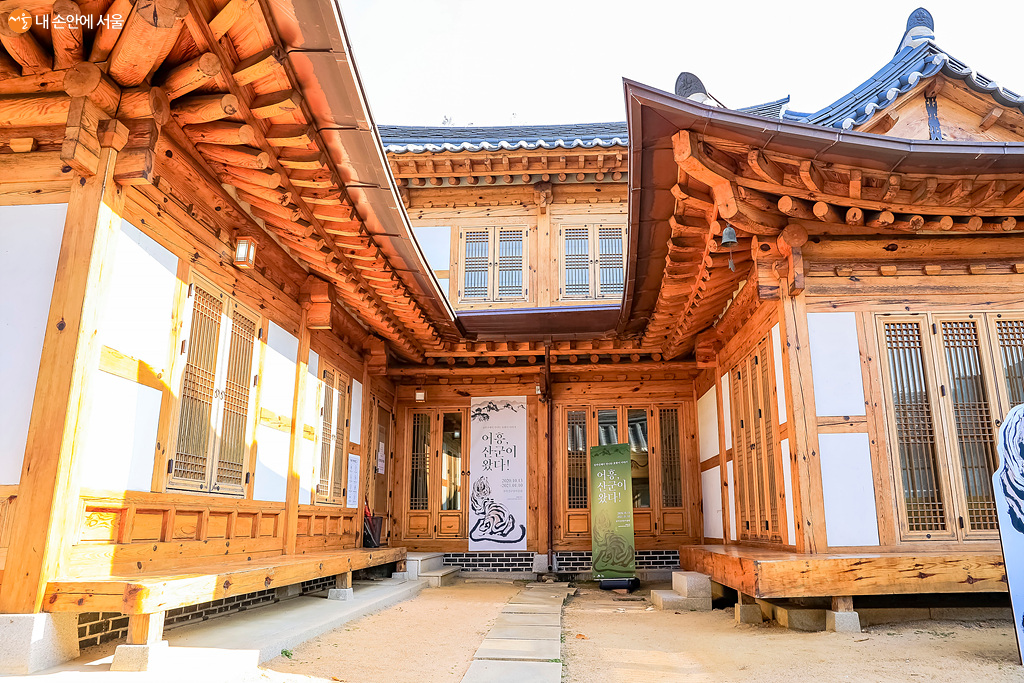 5
Samgaksan Geumam Art MuseumAn art museum where visitors can enjoy traditional and contemporary art in a hanok setting
5
Samgaksan Geumam Art MuseumAn art museum where visitors can enjoy traditional and contemporary art in a hanok setting
Events in This Area


Festivals in This Area

More Travel Guides in This Area
 Travel Guide
How to Walk Eunpyeong Hanok Village, a 2014 New Hanok Residential Area Beneath Bukhansan
 Travel Guide
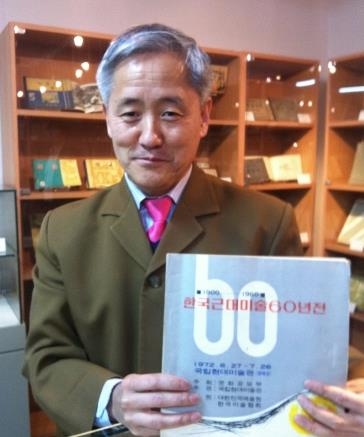
A House of Korean Art Records Built from 40 Years of Collecting, Kimdaljin Museum of Art Archives
 Travel Guide
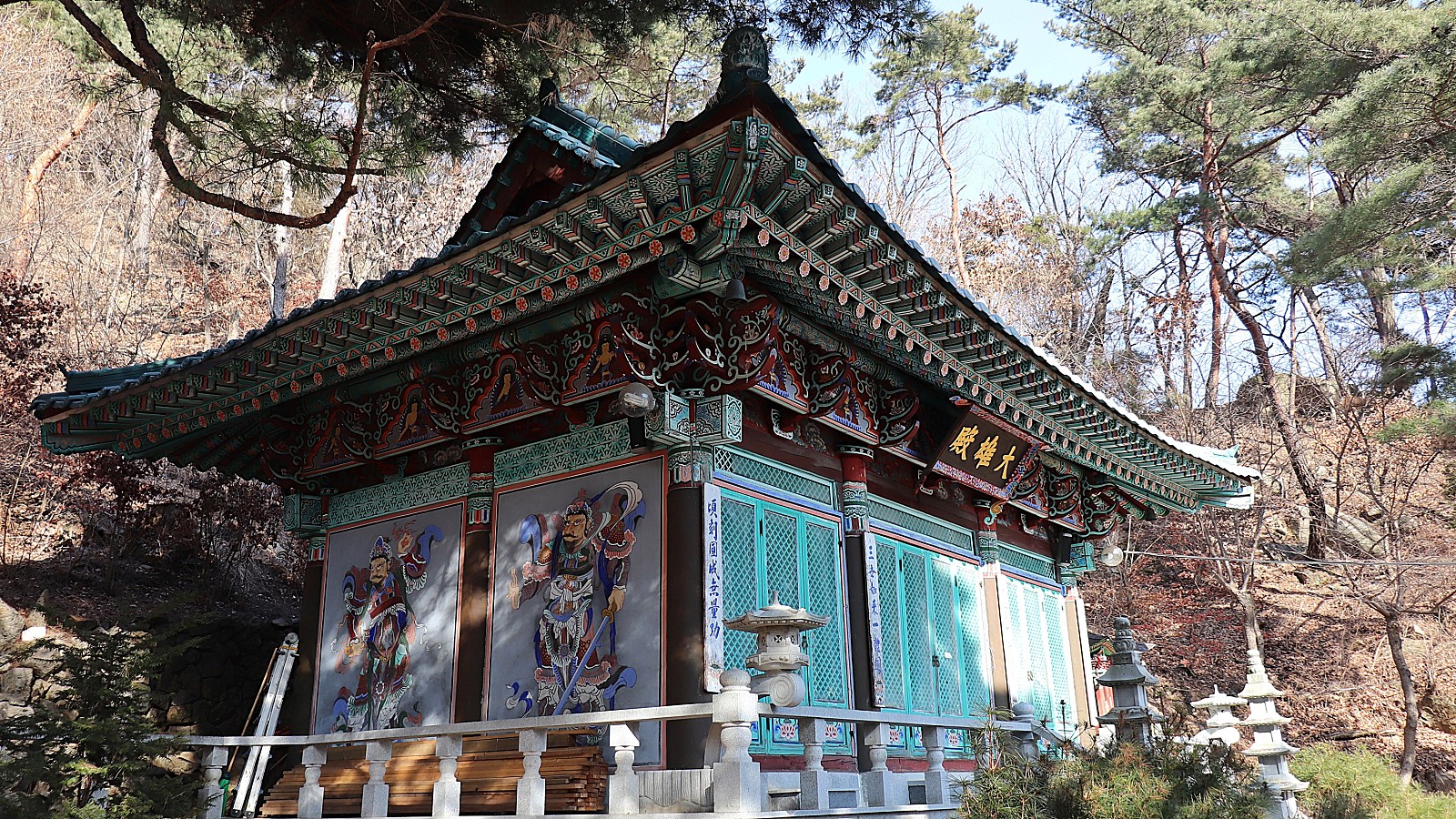
From Baengnyeonsa Temple to the Azalea Ridge: A 2.7 km Trail from a 1930 Mountain Temple to Bukhansan
 Travel Guide
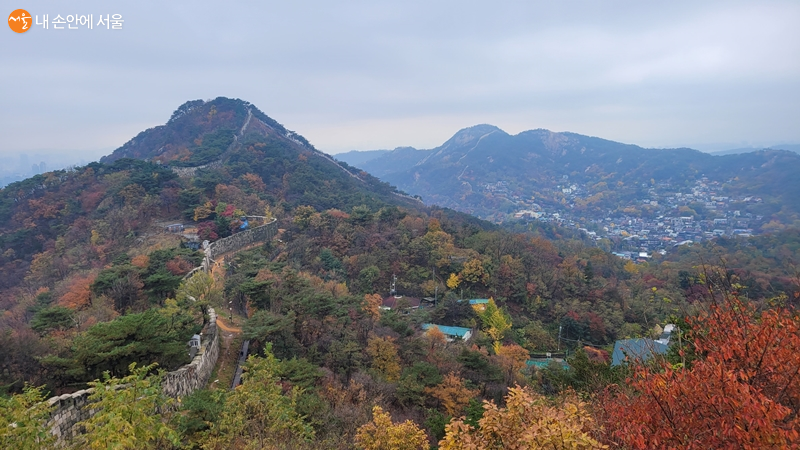
Bugaksan, 342.5 m, where the fortress climbs along Seoul’s northern ridge
Korea News
 News
News
During Stray Kids’ stage, a “thud” left him bleeding… Lee Know was taken to the hospital
 News
News
'Comeback' LE SSERAFIM holds a confident and relaxed press conference
 News
News
Jang Won-young: This girl has grown so much… Shares childhood photos to celebrate her birthday
 News
News