A House of Korean Art Records Built from 40 Years of Collecting, Kimdaljin Museum of Art Archives
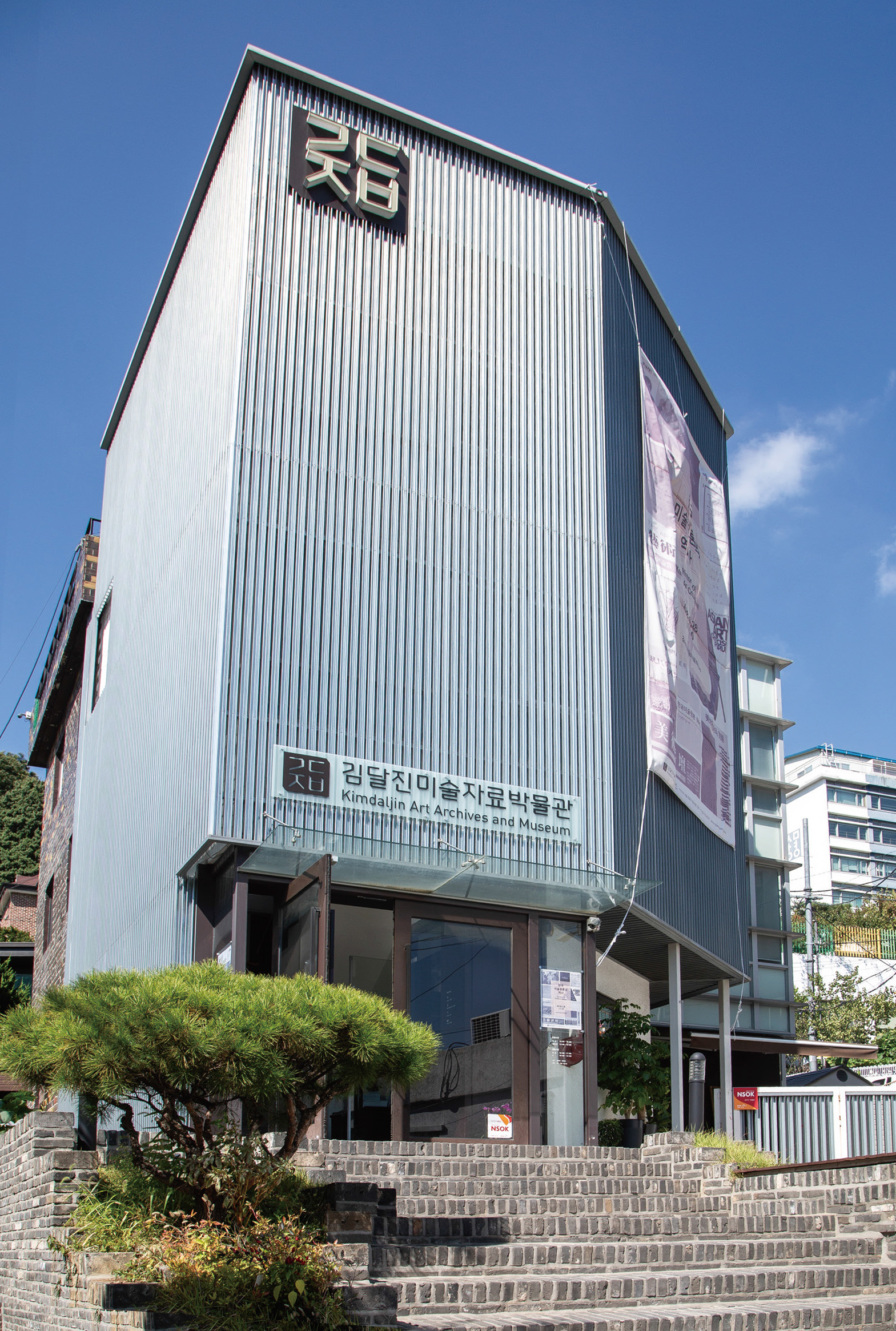
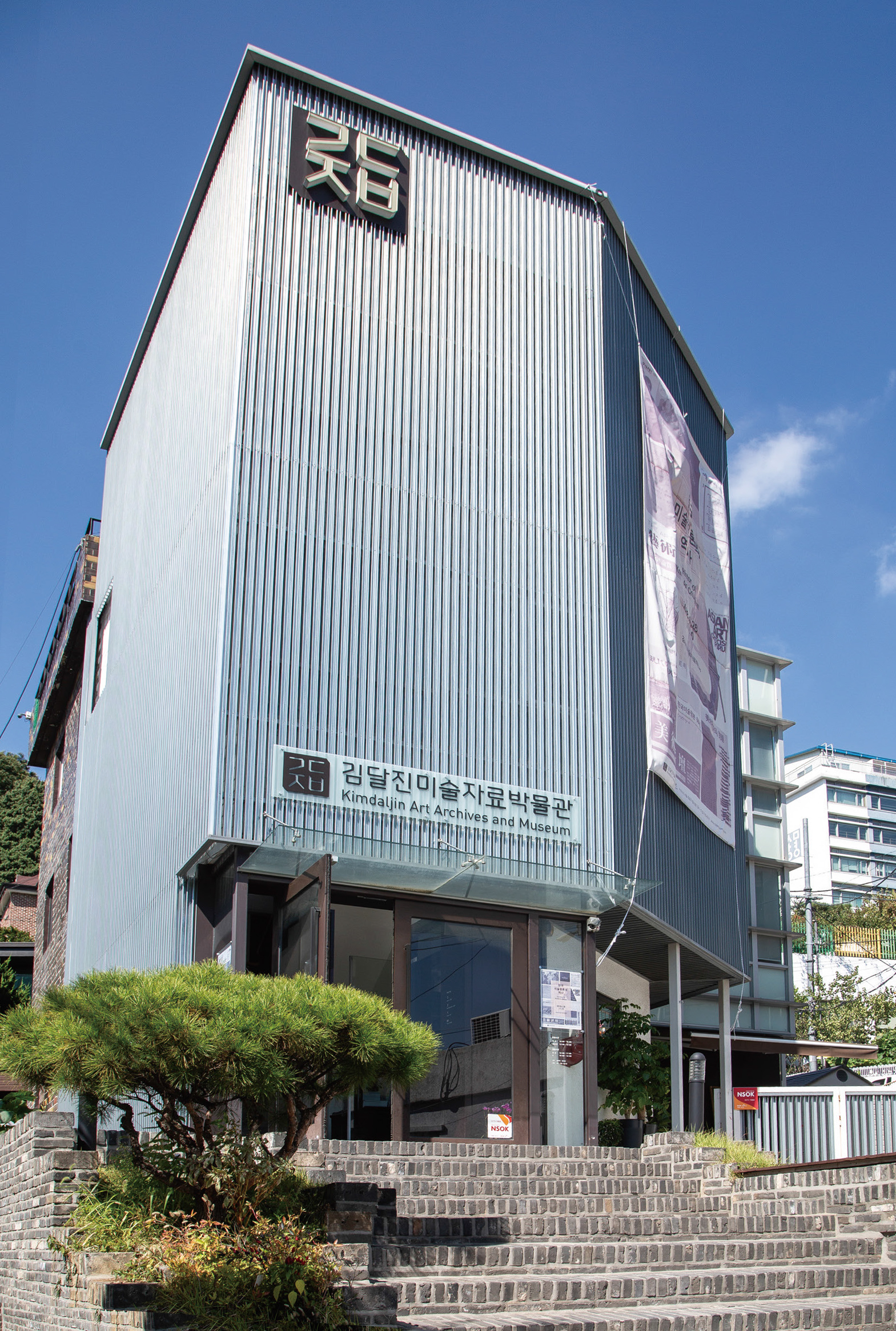
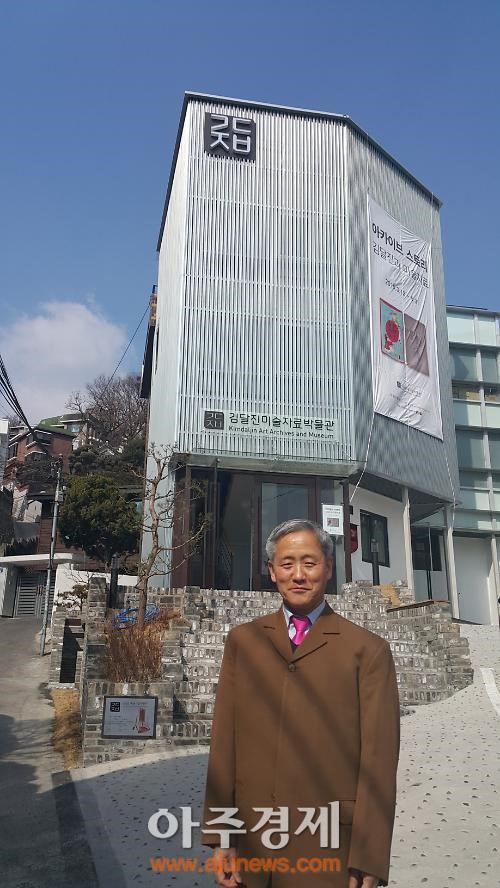
The Kimdaljin Museum of Art Archives is a specialized archive that focuses on records proving modern and contemporary Korean art—such as exhibition catalogs, exhibition leaflets, art magazines, and artist files—rather than the artworks themselves. It is operated free of charge in Hongjidong near the entrance to Sangmyung University, and advance inquiry is required for viewing materials or for group visits of 20 or more people.

I’ve been here?
Your check-in helps the next traveler.
12 people viewed this week Be the first
One tap — no writing needed
A museum specializing in archival records that began with the 2008 exhibition “Art Periodicals 1921~2008”
The Kimdaljin Museum of Art Materials is a specialized museum of art materials that opened in 2008 to preserve, study, and exhibit modern and contemporary Korean art records collected over many years by Director Kim Daljin. Its inaugural exhibition was “Art Periodicals 1921~2008,” which dealt with art periodicals from 1921 to 2008. It differs from a typical museum visit in that it focuses on printed matter and archival materials that show how artworks were exhibited, critiqued, and circulated, rather than on appreciating a single work of art.
In 2001, Kim Daljin opened the Kimdaljin Art Research Institute in Pyeongchang-dong, and in 2002 he began operating the free art information magazine “Seoul Art Guide” and an art information portal. The museum moved through Tongui-dong, Changseong-dong, and Changjeon-dong in Mapo-gu before reopening in its current Hongji-dong building in March 2015. Thus, this place is both an exhibition space and the site of a private archive that has collected and organized paper records left by the Korean art world.
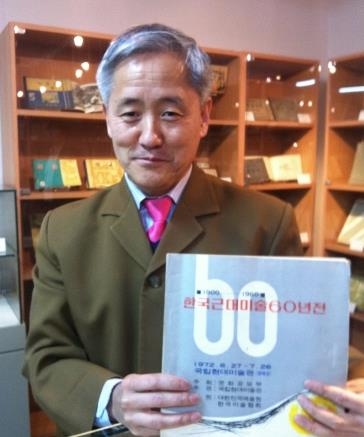
The visitor experience conveyed by more than 360 artist files and more than 20,000 pamphlets
According to the Private Museum Association’s introduction, the collection includes more than 360 files on leading modern and contemporary Korean artists, more than 300 art textbooks, more than 2,000 art society theses and dissertations, more than 10,000 art periodicals, more than 10,000 art books and catalogues, and more than 20,000 exhibition pamphlets and leaflets. Exhibitions have also been organized around the materials themselves, with themes such as “100 Years of Korean Art Organizations,” “Korean Modern and Contemporary Art Textbooks,” and “The History of Korean Art Contests.”
The building is guided as follows: a multipurpose room on the basement level, an exhibition and seminar room on the first floor, a reference room and director’s office on the second floor, and curatorial and administrative offices on the third floor. It is better suited to visitors interested in topics in Korean art history, specific artists, or old exhibition catalogues and critical materials than to those who only want a brief exhibition visit. If you want to examine specific materials after the visit, it is safest to call ahead and check whether access reservations are available and what the copying and photography conditions are.
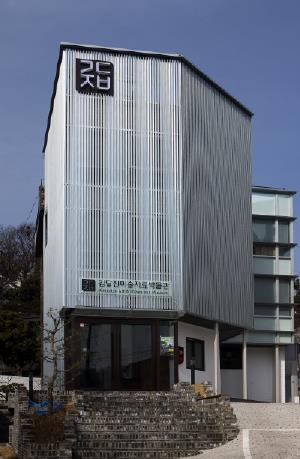
2015, when it settled at 44 Hongji-dong, and its location in the alley in front of Sangmyung University
The museum’s road-name address is 4 Hongjimum 1-gil, Jongno-gu, Seoul, and the postal code is 03015. The lot-number address is listed as 44 Hongji-dong, Jongno-gu. Because it is near the entrance to Sangmyung University, it is somewhat removed from the large museum route centered on Gwanghwamun and Insa-dong, and is located in a quiet alley in the residential area around Pyeongchang-dong, Buam-dong, and the foothills of Bukhansan.
According to the official guide, the route is to go straight about 100 meters from Exit 3 of Gyeongbokgung Station on Line 3, then take the bus and get off at the “Sangmyeongdae Entrance” stop. From Gyeongbokgung Station, you can use buses 1711, 7016, 7018, and Jongno community buses 0212, 1020, and 7022; near Exit 2 of Gwanghwamun Station on Line 5, you can take buses 1711, 7016, 7212, and 1020 and get off at Sangmyeongdae Entrance. Since the guidance says to cross the crosswalk after getting off the bus, head toward Sangmyung University, and enter the alley by the Bamboo House restaurant, first-time visitors should check it together with a map app.
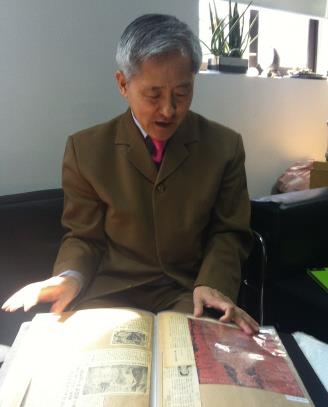
Weekdays 10:00~17:00, Saturdays 10:00~14:00, with an exception on the last weekday of the month
Opening hours are 10:00~17:00 on weekdays and 10:00~14:00 on Saturdays, and the museum is closed on Sundays and public holidays. The Museum & Art Museum Week information also states 10:00~17:00 and 10:00~14:00, with Sundays and public holidays closed. However, there is a separate notice that on the last weekday of each month, visits are possible from 15:00, so if you plan to visit at the end of the month, you should confirm again by calling 02-730-6216 before departure.
Admission is free. Group visits of 20 or more people include a reservation guide with a museum introduction and explanation, so advance contact is required. The main phone number is 02-730-6216, and the reference room number is 02-730-6227. The official website is https://daljinmuseum.com, and for items that may vary depending on the date, such as exhibition changes or reference room usage schedules, the most accurate approach is to check both the website notices and by phone.
- Weekdays: 10:00~17:00
- Saturday: 10:00~14:00
- Closed: Sundays and public holidays
- Admission: Free
- Groups: Inquiry for advance booking for 20 or more people
Free parking and a 20-minute Korean-language guide, when reservations are needed
Public tourism information says free parking is available, but parking conditions at a small museum may vary depending on the day’s schedule. If you are visiting by car, it is advisable to confirm the number of available parking spaces and the time for vehicle entry by calling the main number, 02-730-6216. Public transportation requires getting off at the Sangmyeongdae Entrance stop and approaching through the alley, so visitors coming on snowy or rainy days, or those using mobility aids, should allow extra time.
There is a notice that a Korean-language guide can be provided within 20 minutes upon request. Foreign-language guidance, wheelchair and stroller routes, and whether reference room seating and elevator use are available cannot be confirmed from the public information alone, so inquiries before visiting are necessary. In particular, access for research purposes may involve a different preparation process from a regular exhibition visit, so it is easier to get advice if you organize in advance the artist name, exhibition name, year, and type of material you are looking for.
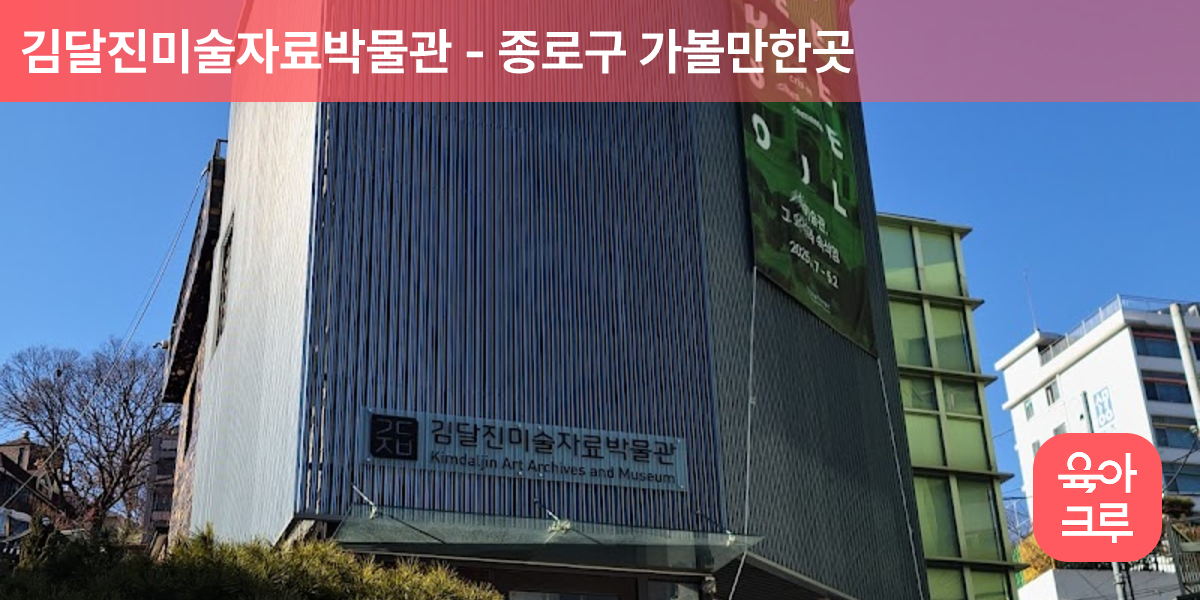
For those who want to read the “paper trail left by exhibitions” rather than a single exhibition
This place is suitable for travelers who want to know how Korean art formed through exhibitions, criticism, contests, and education systems, rather than those who want to consecutively admire large-scale works. In 2012, it held “The Transition of Materials from Modern and Contemporary Korean Art Exhibitions,” which dealt with exhibition records such as catalogues, invitations, guest books, official documents, and tickets; in 2015, it presented “The History of Korean Art Exhibition Spaces”; and in 2018, it showcased “The History of Korean Art Criticism,” which included critics’ handwritten manuscripts, photos, books, and magazines.
Conversely, if you are expecting a large-scale exhibition centered on representative works, or an itinerary that lets you enjoy cafes, shops, and an outdoor sculpture park all at once, the atmosphere may be different. A practical recommended stay is about 40 to 60 minutes for the exhibition alone, or 90 minutes or more if you plan to include a consultation for material access. If you want to connect other cultural spaces in Buam-dong and Pyeongchang-dong based on the Sangmyeongdae Entrance bus stop, you need to separately align each place’s closing days and reservation conditions.
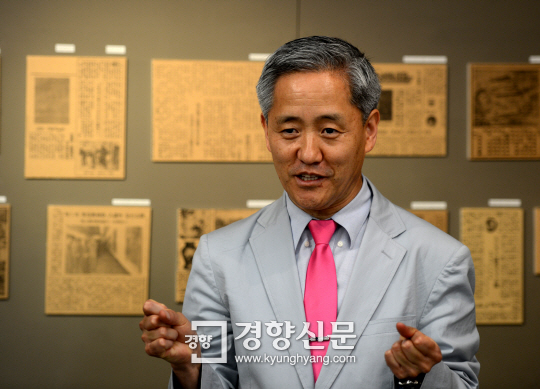
The collecting journey that began with the 1972 “60 Years of Modern Korean Art” exhibition at Gyeongbokgung Palace
Kim Daljin’s collecting is introduced as having begun in earnest in 1972, when he was a third-year high school student and saw the “60 Years of Modern Korean Art” exhibition at the National Museum of Modern and Contemporary Art in Gyeongbokgung Palace. The anecdote that he also kept the 50-won admission ticket and the 200-won pamphlet shows that this museum has preserved the value of printed matter and peripheral records left by art in society, rather than simply collecting masterpieces.
After working for 15 years in the National Museum of Modern and Contemporary Art’s reference room and 5 years in the reference room of the Gana Art Center, Kim Daljin established the research institute in 2001 and opened the museum in 2008. After moving to the Hongji-dong building in 2015, the inaugural exhibition, “Archive Story: Kim Daljin and Art Materials,” displayed about 250 major items from the collection, including books, catalogues, periodicals, leaflets, and artworks. The current small museum building is the result of a process that transformed one person’s collection into art-historical records that can be used publicly.
Before You Go
- Address
- 4 Hongjimum 1-gil, Jongno-gu, Seoul (Hongji-dong)
- Hours
- Weekdays 10:00~17:00, Saturdays 10:00~14:00. On the last weekday of each month, visits are possible from 15:00.
- Closed
- Sundays and public holidays
- Admission
- Free
- Phone
- 02-730-6216
- Official site
- https://daljinmuseum.com
- Transport
- From Exit 3 of Gyeongbokgung Station on Line 3, go straight about 100 m, then take buses 1711, 7016, 7018, 0212, 1020, or 7022 and get off at Sangmyeongdae Entrance. Near Exit 2 of Gwanghwamun Station on Line 5, take buses 1711, 7016, 7212, or 1020 and get off at Sangmyeongdae Entrance.
- Parking
- Parking available, free according to the guide. It is recommended to inquire before visiting.
- Time needed
- About 40~60 minutes for exhibition viewing, or 90 minutes or more including a material-access consultation.
- Accessibility
- A Korean-language guide service is available within 20 minutes upon request. Foreign-language guidance and wheelchair/stroller conditions should be confirmed before visiting.
The information above is current as of the time of writing. Please check the official information again before visiting.

Places
Nearby Attractions 5
-
 1
1
-
 2
2
-
 3
3
-
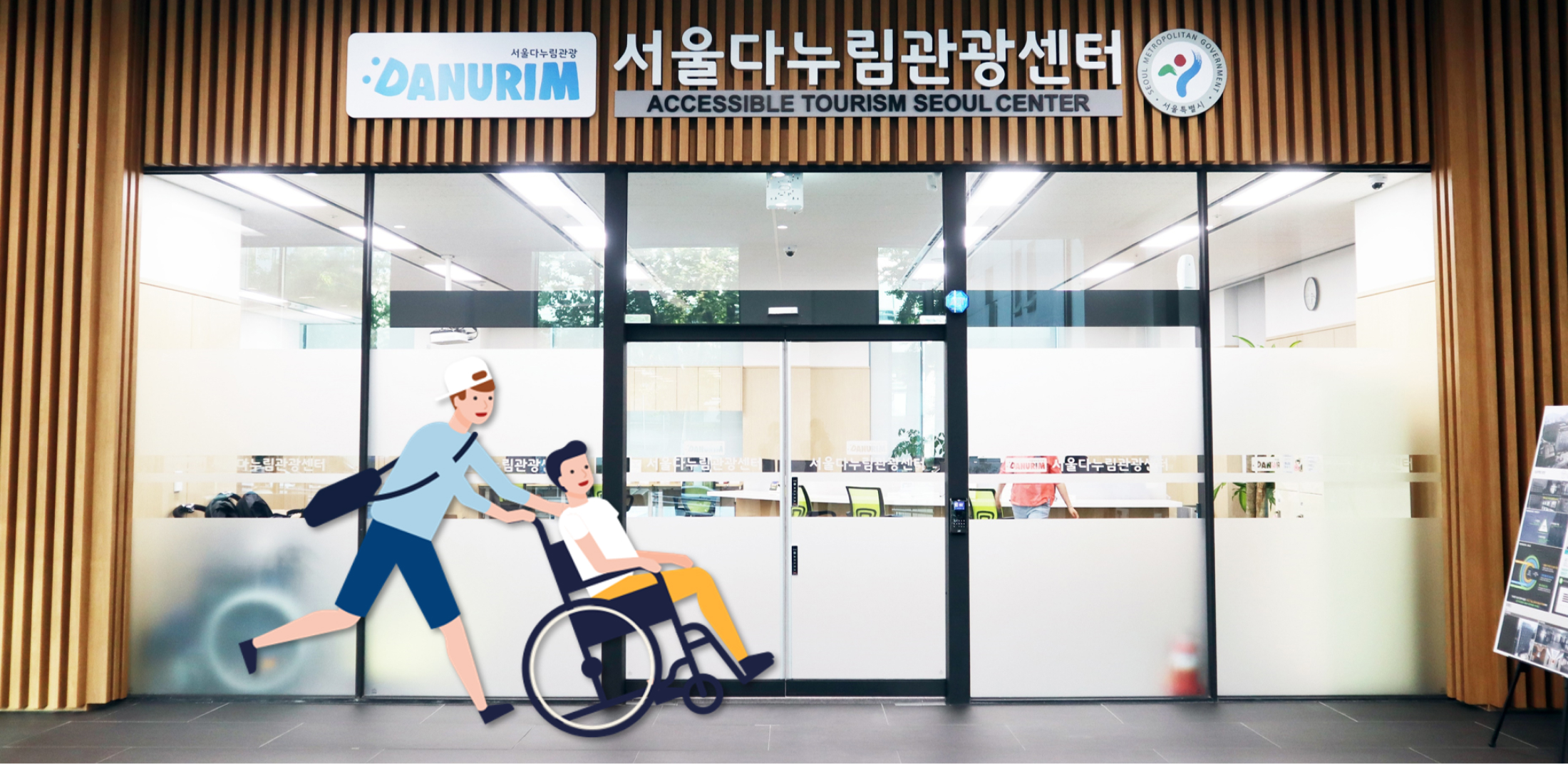 4
Seoul Dano Reum Tourist Information CenterServices and support organizations for people with disabilities
4
Seoul Dano Reum Tourist Information CenterServices and support organizations for people with disabilities -
 5
5
Food & Dining 5
-
 6
6
-
 7
7
-
 8
8
-
 9
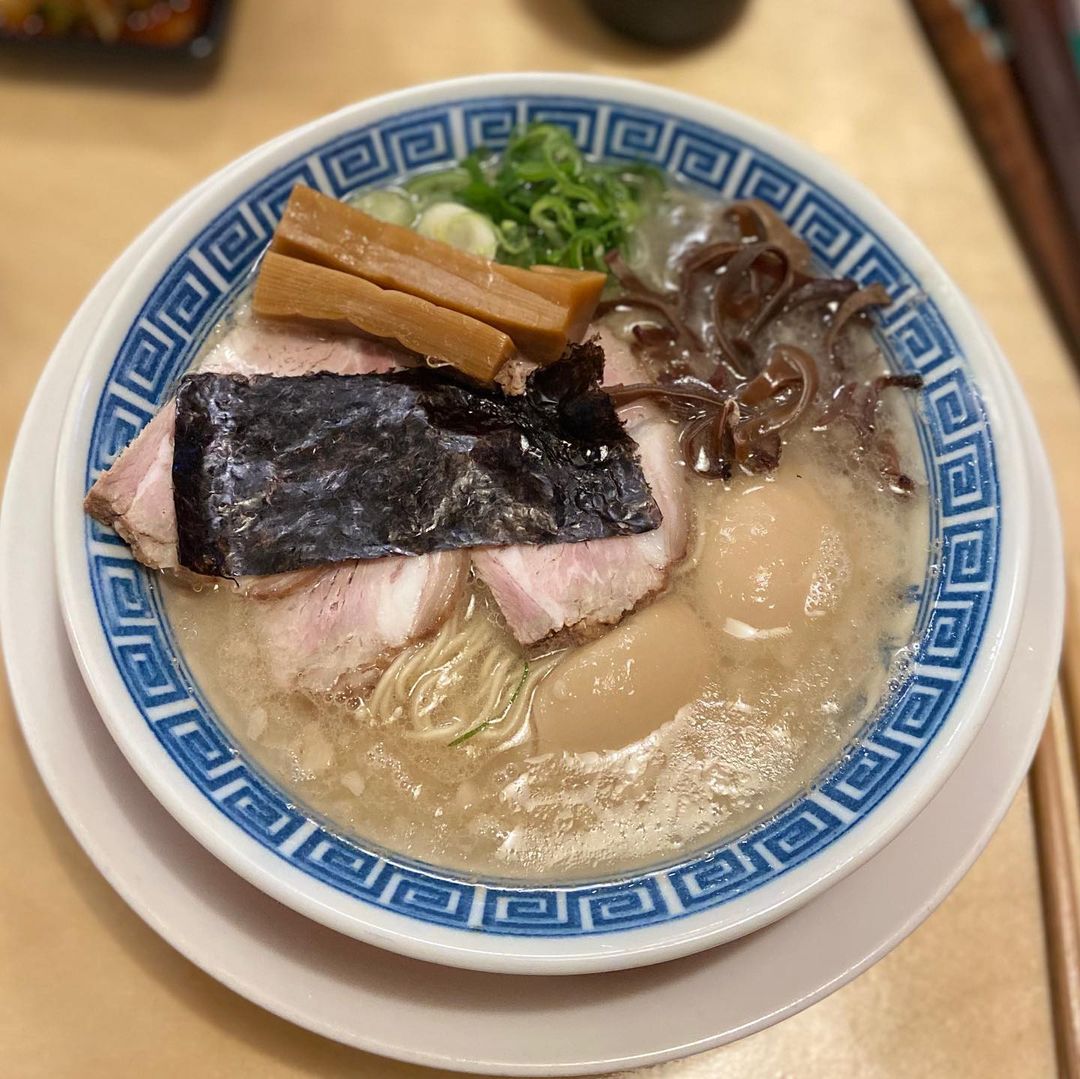
RaiRaiKen
9
RaiRaiKen -
 10
10
Events in This Area


Festivals in This Area

More Travel Guides in This Area
 Travel Guide
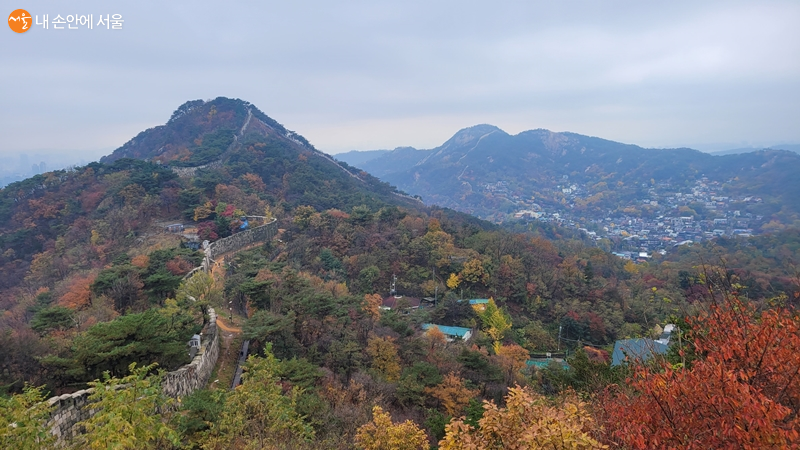
Bugaksan, 342.5 m, where the fortress climbs along Seoul’s northern ridge
 Travel Guide
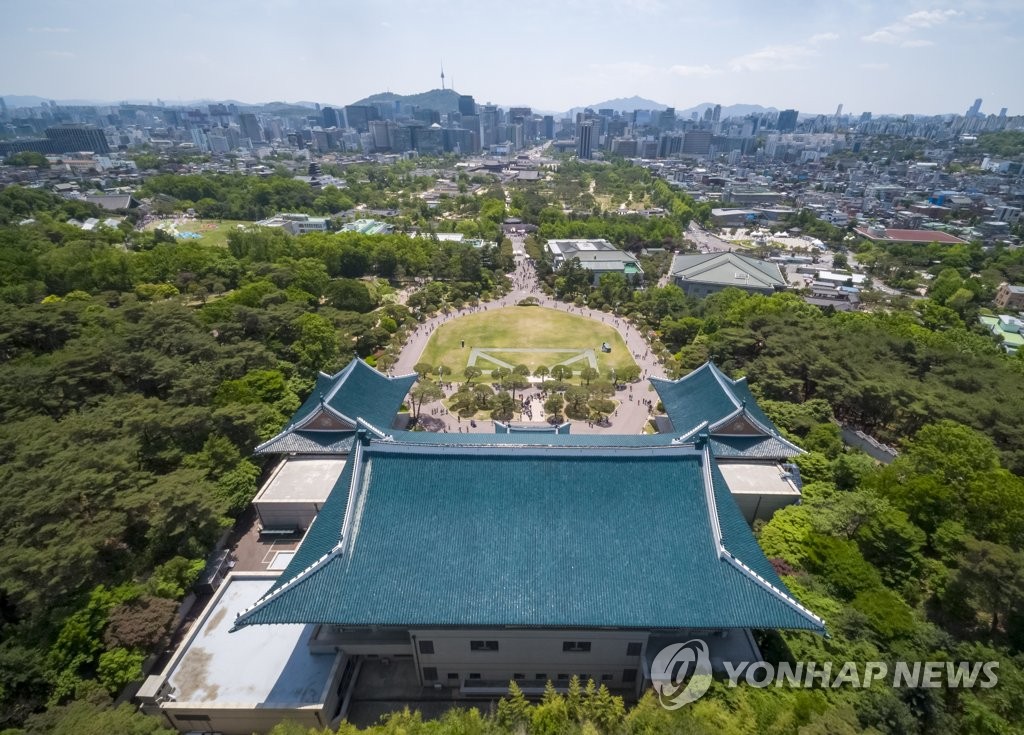
How to Walk Through 74 Years of Power Beneath Bukaksan Mountain: A Visit to the Blue House
 Travel Guide
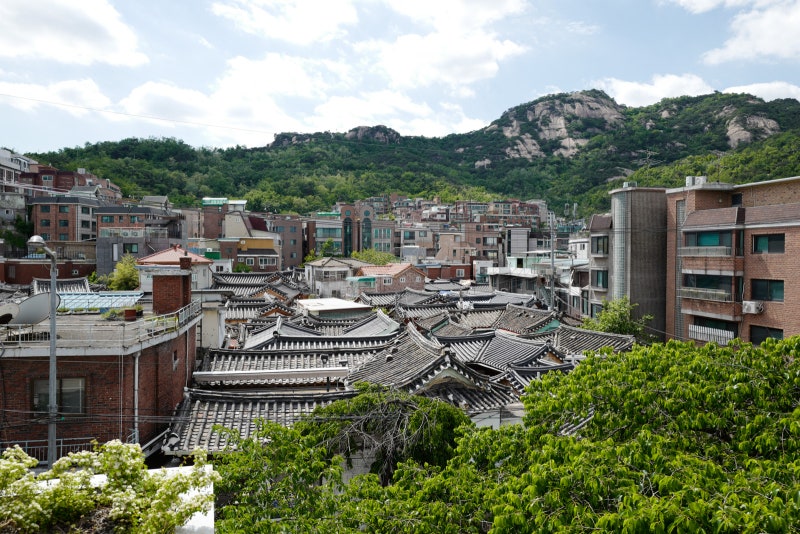
From 24 Jahamun-ro 9-gil to Suseong-dong Valley — 2.5 km Through Seochon's Jungin Village
 Travel Guide
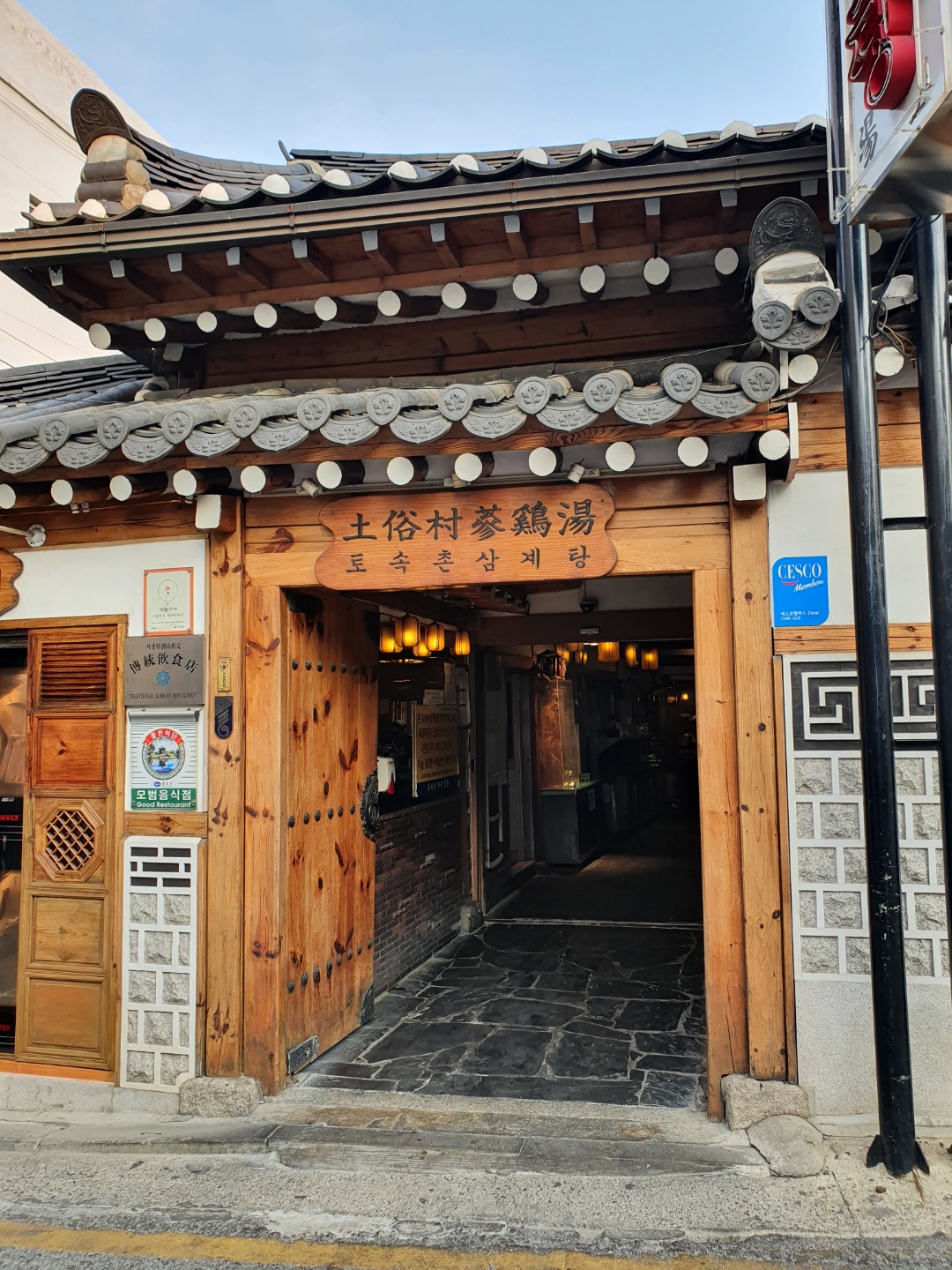
170 m from Exit 2 of Gyeongbokgung Station: a Hanok dining experience at Tosokchon Samgyetang, serving since 1983
Korea News
 News
News
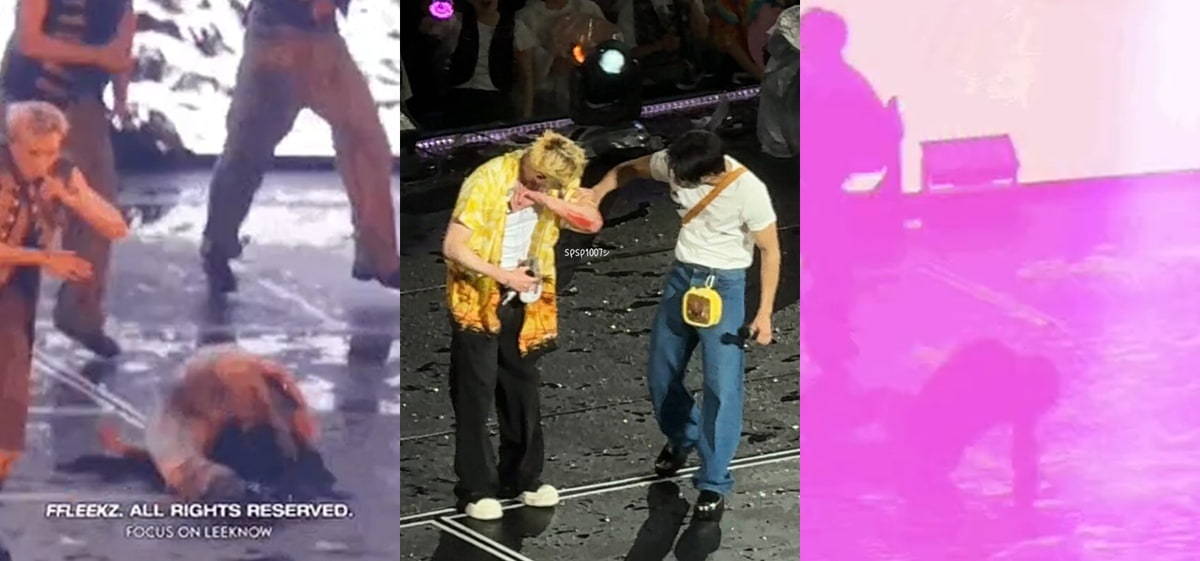
During Stray Kids’ stage, a “thud” left him bleeding… Lee Know was taken to the hospital
 News
News
'Comeback' LE SSERAFIM holds a confident and relaxed press conference
 News
News
Jang Won-young: This girl has grown so much… Shares childhood photos to celebrate her birthday
 News
News