How to Walk Eunpyeong Hanok Village, a 2014 New Hanok Residential Area Beneath Bukhansan
Eunpyeong Hanok Village is a residential complex dedicated to new Hanok homes, developed in December 2014. It brings together contemporary Hanok houses on the slopes of Bukhansan, Jinkwansa Temple, museums, and wetlands along one walking route. The village itself is an open residential area that can be explored free of charge. Visiting the Eunpyeong History Hanok Museum as well offers a more concrete understanding of Hanok architecture and the area’s history.

I’ve been here?
Your check-in helps the next traveler.
10 people viewed this week Be the first
One tap — no writing needed
From the 2013 Ridge-Beam Raising Ceremony to the New Hanok Complex in December 2014
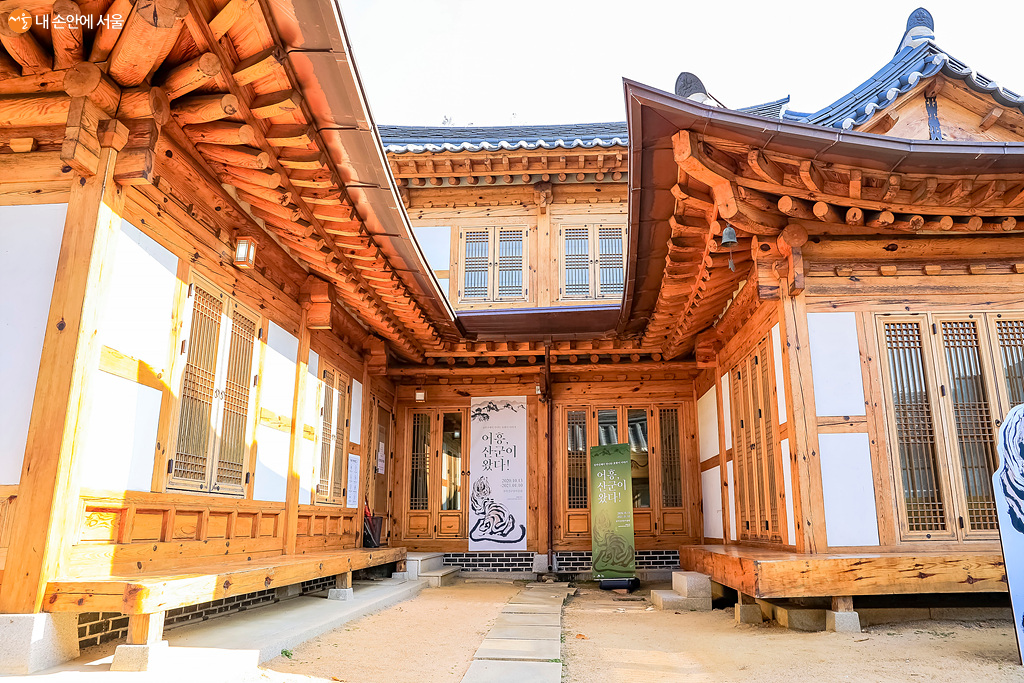
Eunpyeong Hanok Village is not an old preserved village but a modern hanok residential area developed by the Seoul Metropolitan Government and SH Corporation in Jingwan-dong. A ridge-beam raising ceremony for the hanok model home was held on November 15, 2013, and the supply plan at the time consisted of 156 plots in total. According to Seoul Metropolitan Government data, the pilot living hanok was planned as a U-shaped structure with a 330-square-meter site, a total floor area of 187 square meters, one basement level, and two above-ground floors.
In December 2014, the village was developed as the largest hanok-exclusive residential complex in the Seoul metropolitan area. Therefore, rather than understanding it as a place preserving Joseon-era alleys like Bukchon, it is more accurate to view it as an example of traditional materials, rooflines, and courtyard arrangements applied to modern housing beneath Bukhansan. The space inside the gates is where residents live, so avoid entering, photographing windows, or making loud noises.
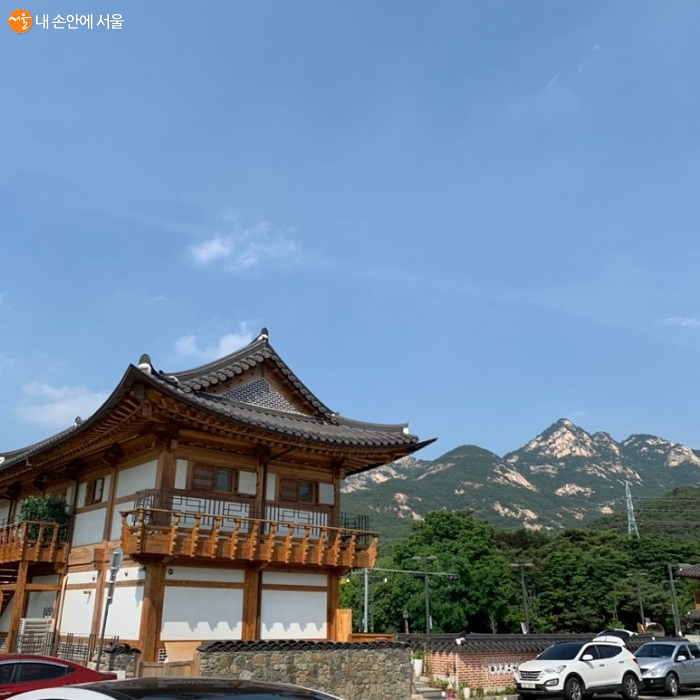
From Exits 2 and 4 of Gupabal Station to the Hana High School–Jingwansa–Samcheonsa Entrance
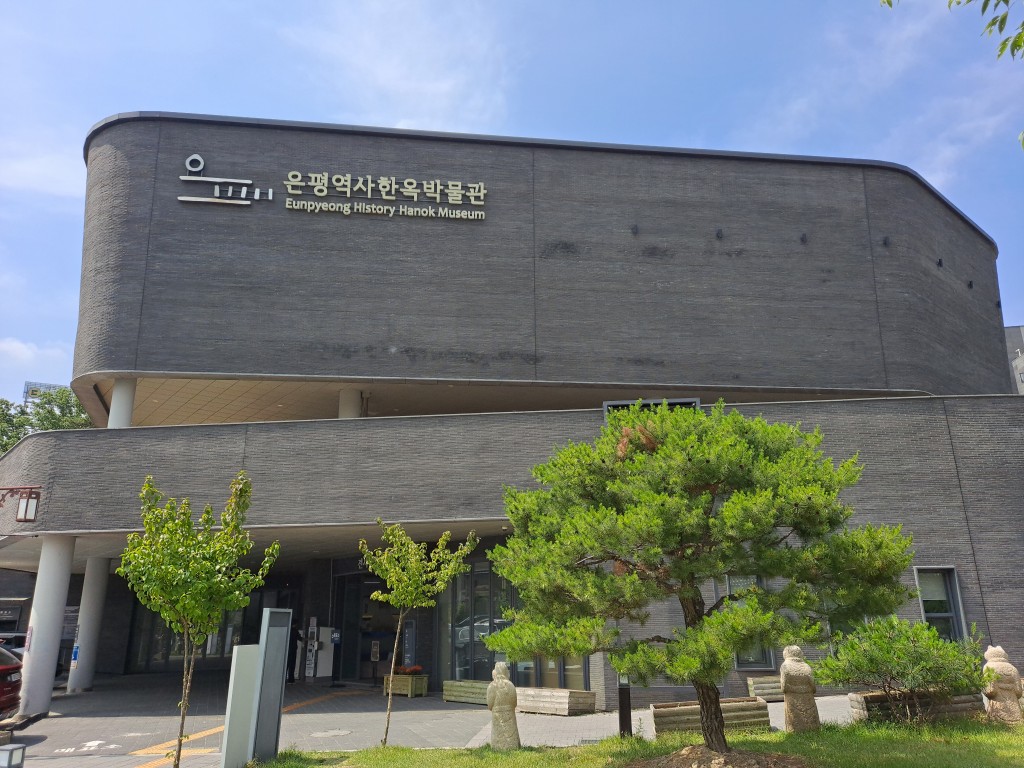
The most practical starting point is Gupabal Station on Subway Line 3. From the Gupabal Station–Lotte Mall transfer center at Exit 4, take bus 704 and get off at the “Hana High School–Jingwansa–Samcheonsa Entrance” stop. The ride takes about 10 minutes, and it is about a 3-minute walk from the stop to the Eunpyeong History Hanok Museum. Bus 7211 is available from Exit 2.
Yeonsinnae Station is served by Lines 3 and 6. From Exit 3, take bus 701 or 7211; it takes about 15 minutes to reach the same stop. Seoul Metropolitan Government guidance also indicates that buses 7211 and 7723 from Gupabal Station and bus 701 from Nokbeon Station provide direct access to the village, with the entire bus journey taking approximately 15–20 minutes. Once you arrive, use the museum as a landmark and head toward the hanok alleys and Jingwansa; it is not difficult to find your way.
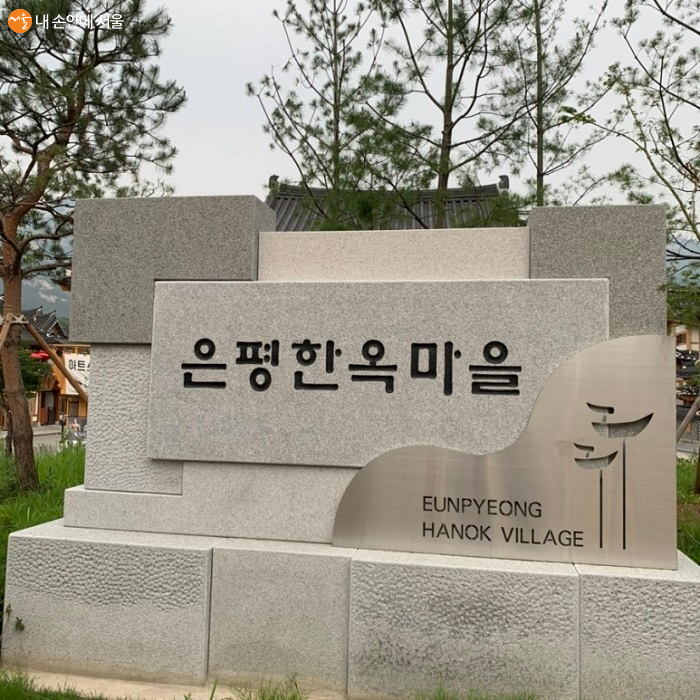
The Village Is Free 24 Hours a Day; the Museum Is Open Tuesday–Sunday, 09:00–18:00
Eunpyeong Hanok Village is an actual residential area rather than a tourist facility that charges admission, so walking around is free and there is no separate village closing day. However, the operating hours of restaurants, cafés, and exhibition spaces vary, so do not assume that the entire village has one closing time.
The Eunpyeong History Hanok Museum, the starting point for understanding the village, is open from Tuesday through Sunday, 09:00–18:00, and closed on Mondays, January 1, the Lunar New Year holiday, and the Chuseok holiday. Admission is 1,000 won for adults aged 25–64, 500 won for elementary school students, teenagers, university students, and military and police personnel, and free for children aged 6 and under and adults aged 65 and over. The main contact number is 02-351-8523, and the official website is https://museum.ep.go.kr.
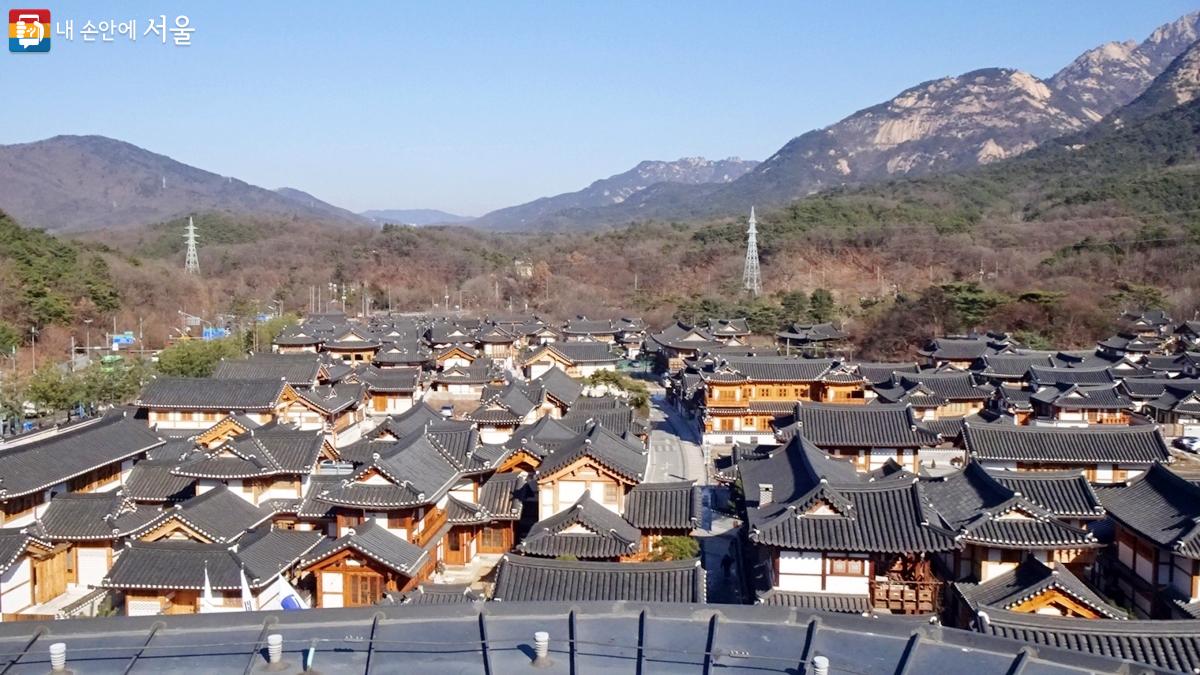
A 90-Minute Walk from the Yongchuljeong Observatory Down Through Alleys with Low Walls
The recommended duration is 60–90 minutes for a leisurely walk around the village alone, or 2–3 hours including the Eunpyeong History Hanok Museum. The museum’s second floor features exhibits on Eunpyeong’s history and excavated artifacts, while the third floor covers the structure and construction process of hanok. From Yongchuljeong on the rooftop and the observatory, visitors can view the hanok roofs together with the ridgeline of Bukhansan. For first-time visitors, following this order makes it easier to understand the terrain than entering the alleys first.
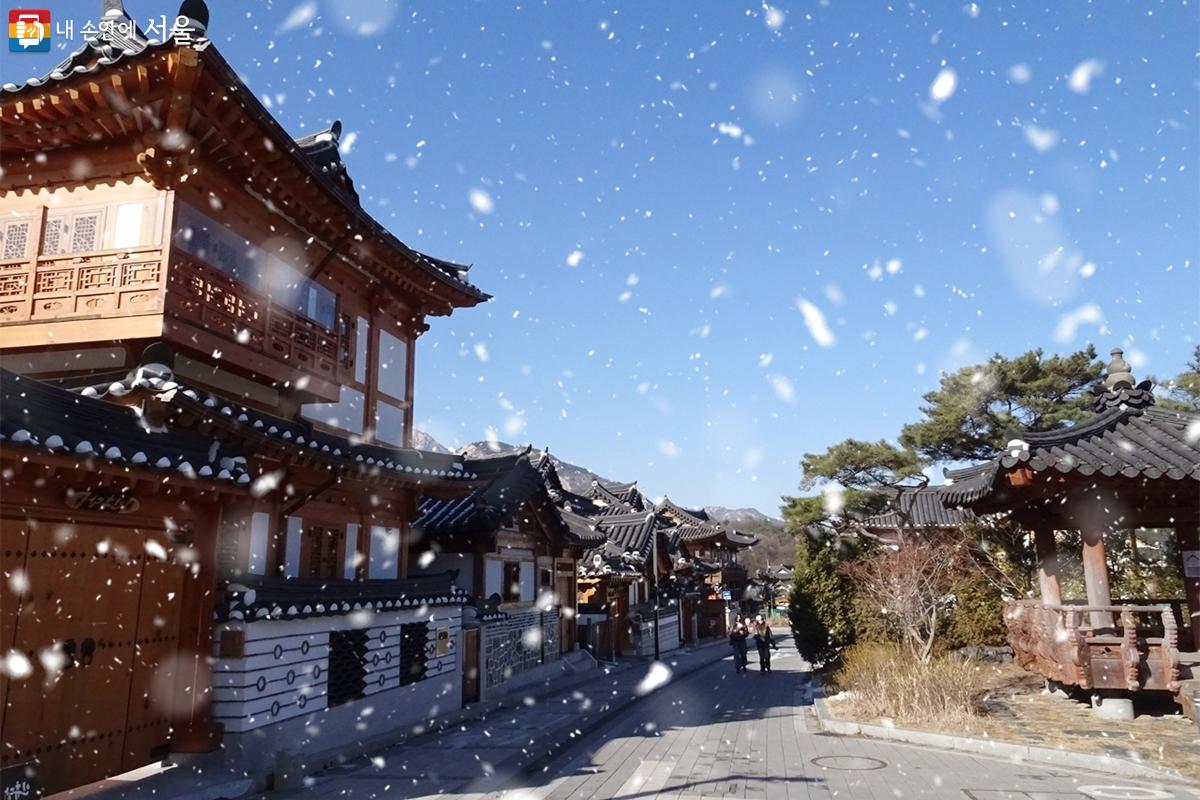
After leaving the museum, walk along the alleys lined with low walls and continuous eaves, observing the different signboards and wall designs of each house. Some homes are private residences and are not spaces where photography is permitted. Do not enter through the gates; remain only on the roads and public walkways. For group visits, avoid standing in more than two lines in narrow sections of the alleys so that you do not block passage.
Connecting the Wetland and Four Protected Trees on the Jingwancheon Masil Trail to Jingwansa
Wetlands and the Jingwancheon Masil Trail continue behind the village. Seoul Metropolitan Government introductory materials explain that this section has four zelkova trees aged between 130 and 220 years, rest areas, an insect hotel, and an accessible wooden-deck walking trail. Visitors using strollers or wheelchairs who find stairs difficult should consider this deck section before the slopes and level changes inside the alleys.
Jingwansa is the next destination that pairs well with the village. A Seoul Metropolitan Government article states that it takes about 5 minutes on foot from the hanok village to the direction of Jingwansa’s Chilseonggak. During the dismantling and restoration of Jingwansa Chilseonggak in 2009, a Taegeukgi used by the independence activist monk Baek Choweol and materials related to the Independence Newspaper were discovered. Because of this, the area offers a route for reading not only the hanok landscape but also traces of the modern independence movement.
Why Weekday Mornings Are Better Than Weekends, and Buses Better Than Parking
Visitor reviews repeatedly recommend weekdays rather than weekends, particularly visits before late afternoon. The roads inside the village are not wide, and the individual parking spaces at cafés and restaurants are also limited, so vehicle queues and pedestrian congestion may overlap on weekends. If photography is your only goal, it is relatively less crowded to visit the observatory and alleys first between 09:00 and 10:30, just after the museum opens.
If you drive, it is safer to check and use nearby public parking lots such as the Hanmunhwa Public Parking Lot. Avoid roadside parking inside the village and stopping in front of houses. Because the museum parking conditions and fees may change, it is advisable to call the museum at 02-351-8523 before setting out. The availability of permanent foreign-language guidance and wheelchair rentals could not be confirmed from the latest publicly available operating information, so contact the museum by phone before visiting if needed.
A Cultural Route Taking in the Museum, Geumam Art Museum, and Setisis eo Literature Hall in One Visit
The Samgaksan Geumam Art Museum and Setisiseo Literature Hall are located close to the Eunpyeong History Hanok Museum. According to a 2024 Seoul Metropolitan Government introduction, both spaces offered free admission at the time, but exhibition schedules and operating status may change, so check the on-site notices or the guidance provided by each facility on the day of your visit. Setisiseo Literature Hall explores the lives and creative worlds of poet Cheon Sang-byeong, monk and painter Junggwang, and novelist Lee Oe-su.
The museum contains a special exhibition room, a small library, an experiential learning room, and an education room; the small library also operates with books related to hanok. Reservation-based educational programs have separate eligibility and group-size requirements. For example, the 2025 preschool program “Living in a Hanok” was offered to classes of five-year-olds, with a minimum of 15 and maximum of 30 participants, on Wednesdays from 10:00–10:50 or 11:00–11:50. Individual travelers should not mistake this program for a permanent walk-in activity.
Five Things to Observe in a Residential Village
Eunpyeong Hanok Village is both a photography destination and a village where residents live. First, do not photograph inside gates, courtyards, or windows. Second, do not engage in activities that occupy the walkway for a long time, such as using tripods, flying drones, or changing clothes. Third, do not have several people stop in the middle of an alley.
Fourth, do not lean against house walls or flowerbeds, and do not leave litter behind. Fifth, at night, pass quietly because exterior lighting and noise may affect residents’ daily lives. Seoul Metropolitan Government also advises that respecting residents’ lives takes priority in distinctive residential spaces such as hanok villages. Prioritizing the peace of the residential area over tourist convenience will help keep this village walkable for years to come.
Before You Go
- Address
- 8, Yeonseo-ro 50-gil, Eunpyeong-gu, Seoul (based on the Eunpyeong History Hanok Museum; adjacent to Eunpyeong Hanok Village)
- Hours
- Walking around Eunpyeong Hanok Village is possible at any time. Eunpyeong History Hanok Museum: Tuesday–Sunday, 09:00–18:00
- Closed
- Eunpyeong Hanok Village: none. Eunpyeong History Hanok Museum: every Monday, January 1, the Lunar New Year holiday, and the Chuseok holiday
- Admission
- Eunpyeong Hanok Village: free. Eunpyeong History Hanok Museum: 1,000 won for adults; 500 won for elementary school students, teenagers, university students, and military and police personnel; free for children aged 6 and under and adults aged 65 and over
- Phone
- Eunpyeong History Hanok Museum: 02-351-8523
- Official site
- https://museum.ep.go.kr
- Transport
- From the transfer center at Exit 4 of Gupabal Station on Line 3, take bus 704 for about 10 minutes, get off at the “Hana High School–Jingwansa–Samcheonsa Entrance” stop, and walk 3 minutes. Bus 7211 is available from Exit 2 of Gupabal Station. From Exit 3 of Yeonsinnae Station, buses 701 and 7211 take about 15 minutes.
- Parking
- Parking inside the village is difficult, so using nearby public parking lots is recommended. Call ahead to confirm the museum’s parking conditions and fees.
- Time needed
- 60–90 minutes for the village walk; 2–3 hours including the Eunpyeong History Hanok Museum
- Accessibility
- An accessible wooden-deck section is available on the Jingwancheon Masil Trail. The alleys have slopes, level changes, and narrow walking areas, so wheelchair and stroller users may find it easier to stay around the museum and deck. Calling ahead to confirm the availability of permanent foreign-language guidance is recommended.
The information above is accurate as of the time of writing. Check the official guidance again before visiting.

Places
Nearby Attractions 4
-
 1
1
-
 2
2
-
 3
3
-
 4
4
Events in This Area





Festivals in This Area


More Travel Guides in This Area
 Travel Guide
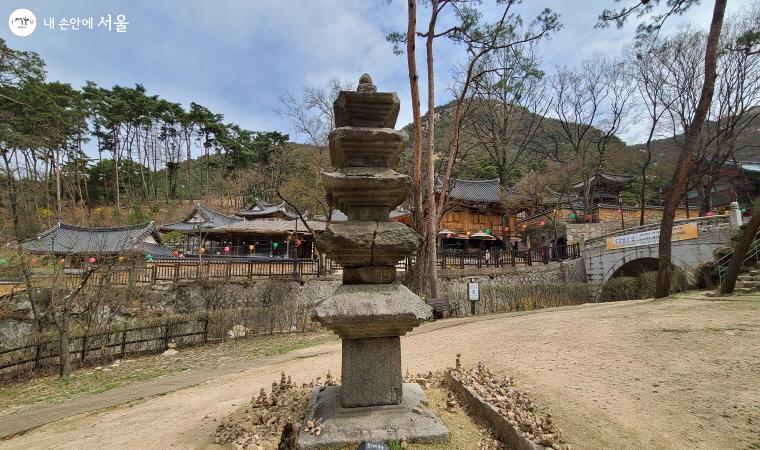
Seoul’s Jingwan-sa: Encounter the Taegeukgi at Chilseonggak and the Waterways of Bukhansan
 Travel Guide
A House of Korean Art Records Built from 40 Years of Collecting, Kimdaljin Museum of Art Archives
 Travel Guide
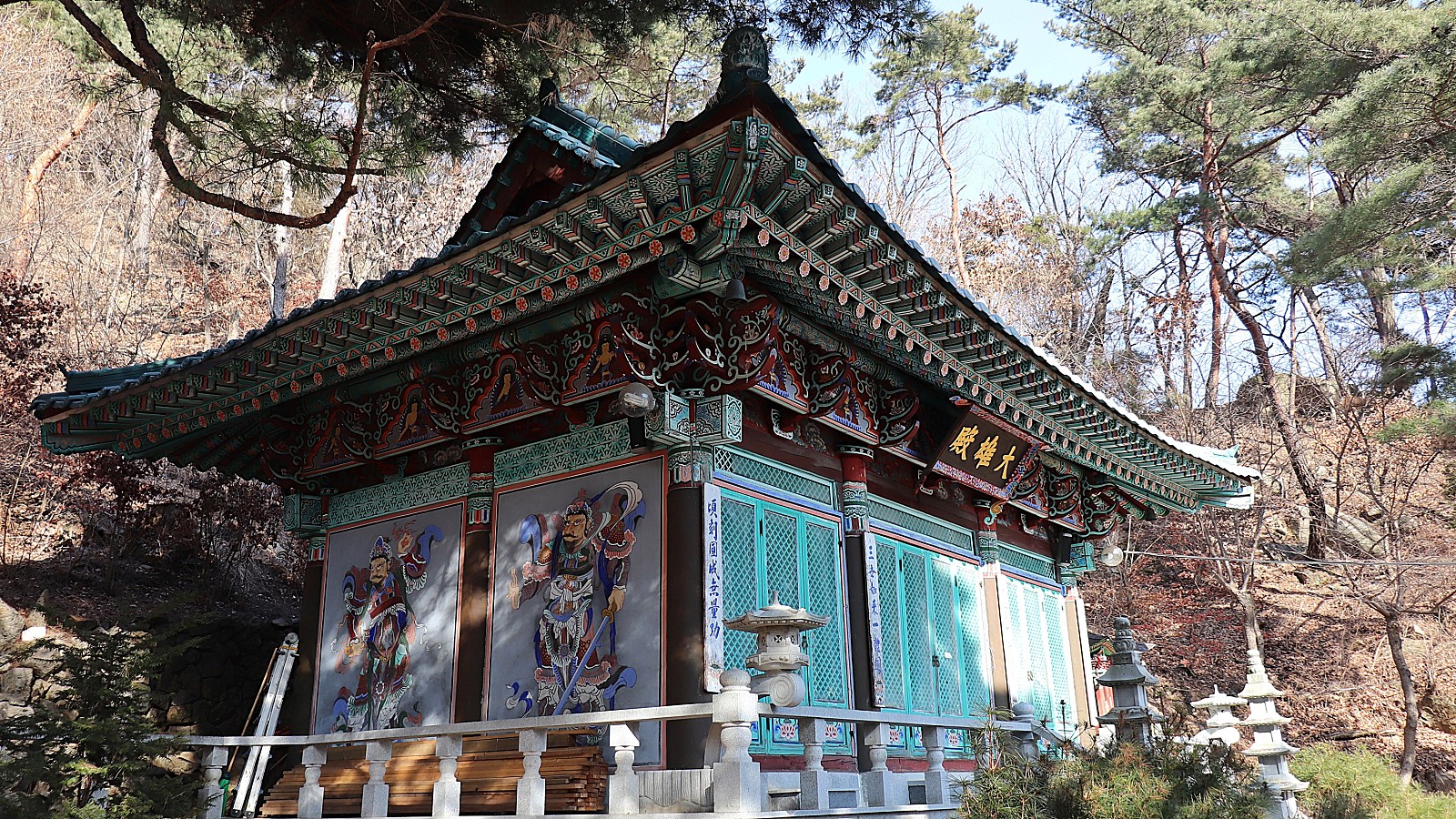
From Baengnyeonsa Temple to the Azalea Ridge: A 2.7 km Trail from a 1930 Mountain Temple to Bukhansan
 Travel Guide
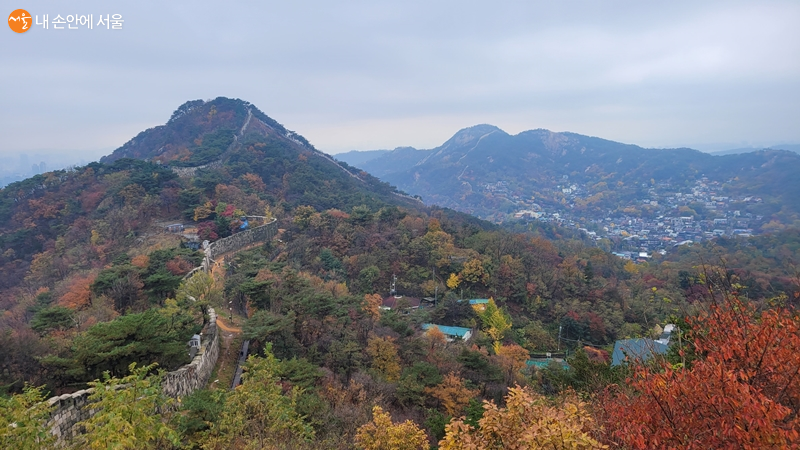
Bugaksan, 342.5 m, where the fortress climbs along Seoul’s northern ridge
Korea News
 News
News
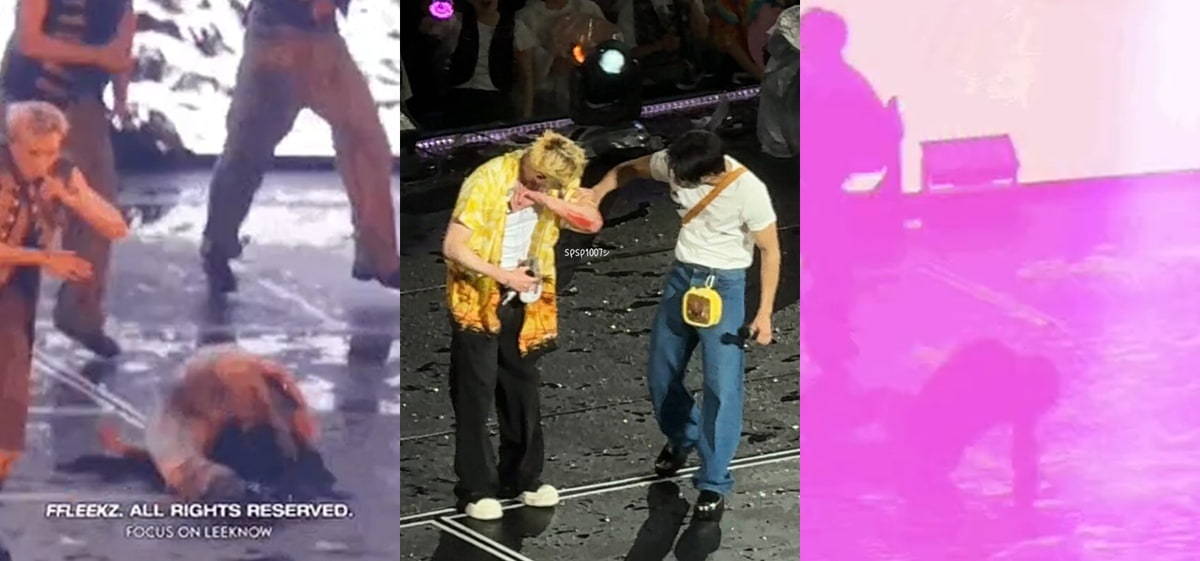
During Stray Kids’ stage, a “thud” left him bleeding… Lee Know was taken to the hospital
 News
News
'Comeback' LE SSERAFIM holds a confident and relaxed press conference
 News
News
Jang Won-young: This girl has grown so much… Shares childhood photos to celebrate her birthday
 News
News