Baekje King Mu’s Mireuksa Revealed by the 639 Sarira Enshrinement Record
The Iksan Mireuksa Temple Site is the largest surviving Baekje temple site, located at the foot of Mireuksan Mountain. It was inscribed on the UNESCO World Heritage List in 2015 as one component of the Baekje Historic Areas. By examining the Western Stone Pagoda, the Geumdang Hall site, and the flagpole supports outdoors, then viewing the sarira reliquaries at the National Iksan Museum, visitors can understand both the layout of the site and the record of its founding.
I’ve been here?
Your check-in helps the next traveler.
No one has checked in yet Be the first
One tap — no writing needed
How the 639 Golden Sarira Reliquary Inscription Changed the Story of Mireuksa Temple's Founding
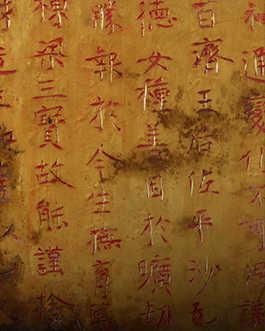
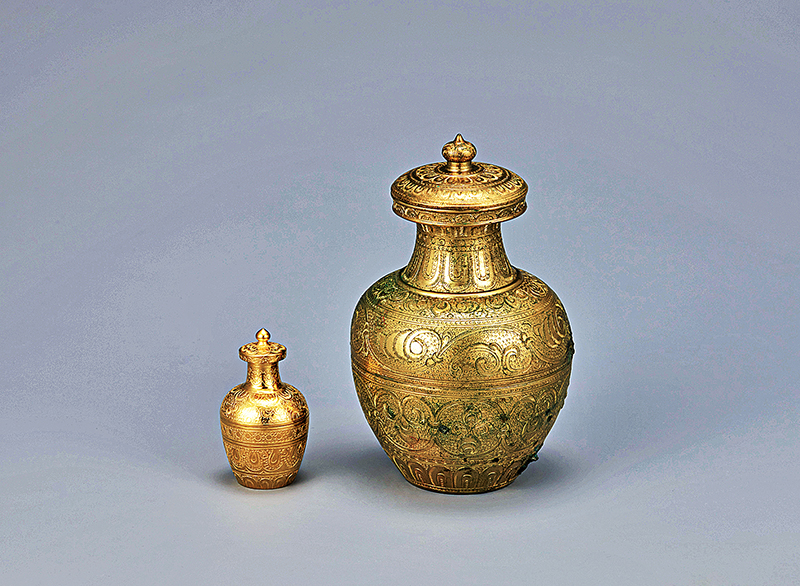
The Iksan Mireuksa Temple Site is the remains of a temple built in the first half of the 7th century, during the reign of King Mu of Baekje. The Golden Sarira Reliquary Inscription discovered in the sarira chamber of the central pillar stone of the West Stone Pagoda records that the sarira was enshrined in 639 and states that the patron was the queen, daughter of Jwapyeong Sataek Jeokdeok. Therefore, the Seonhwa Princess legend in Memorabilia of the Three Kingdoms should be read as cultural background, while the queen identified by the excavated inscription should be understood more precisely as the patron of the temple's construction.
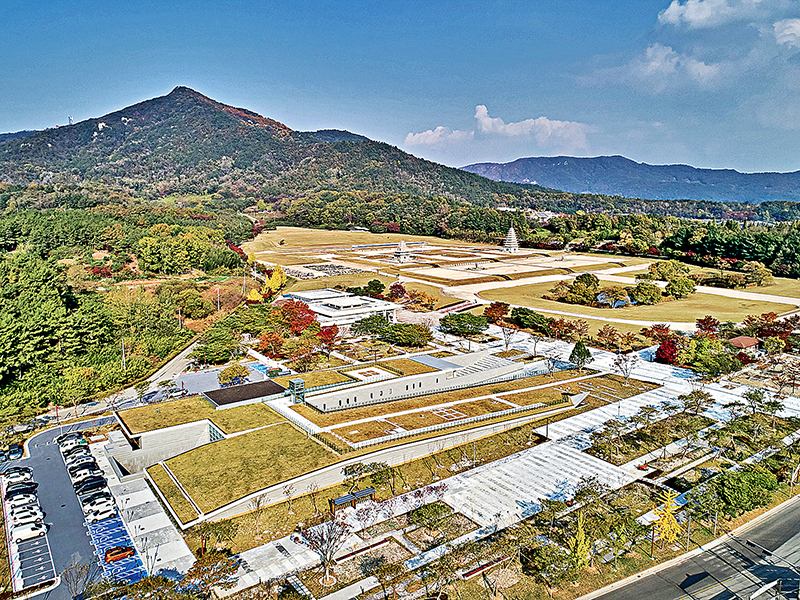
Mireuksa Temple was built at the foot of Mireuksan Mountain and displays a distinctive temple layout, with pagodas and main halls arranged side by side in three eastern, central, and western sections. UNESCO describes this site together with the Wanggung-ri Site as part of Iksan's Baekje-period capital-related heritage and recognizes it as an example of Baekje's adoption and development of Chinese urban planning, architecture, and Buddhist culture, which it later transmitted to Japan and East Asia. The Baekje Historic Areas were inscribed as a World Heritage Site in 2015.
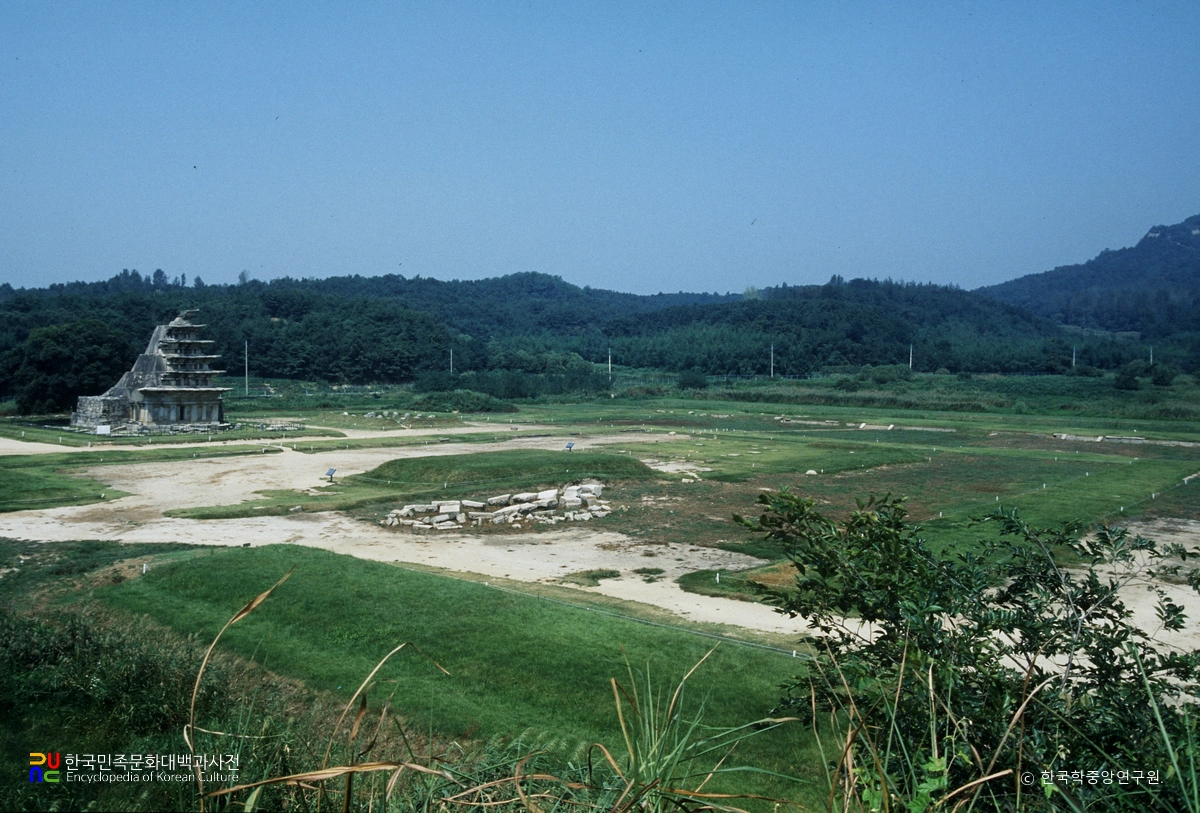
The Axis of Three Pagodas and Three Main Halls Seen at the West, East, and Central Main-Hall Sites
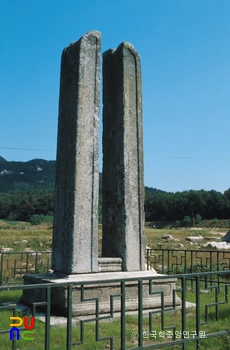
The core of the site consists of the West Stone Pagoda, the restored East Pagoda, and the central space between the two pagodas. The Iksan Mireuksa Temple Stone Pagoda is a National Treasure and is regarded as an early stone pagoda that transferred the forms of wooden-pagoda pillars, eaves, and entrances into stone. The West Stone Pagoda underwent dismantling and repairs beginning in 2001, stone assembly was completed in 2017, and its restored appearance was opened to the public in June 2018.
At the site, it is easy to understand the design in which the three sections were arranged side by side if you first visit the West Stone Pagoda before touring the museum, then move slowly toward the central main-hall site and the East Pagoda. Although the central wooden pagoda no longer survives, viewing the lines of the main-hall site, corridor sites, and foundation remains together reveals that this is not merely a place to see a single pagoda, but a place to walk through the ground plan of a large temple. The outdoor heritage site is Informationed as open year-round, and admission is free.
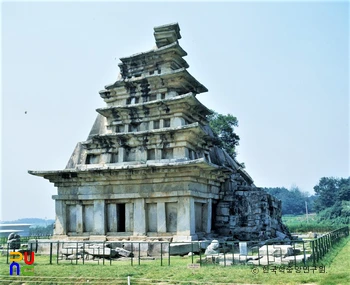
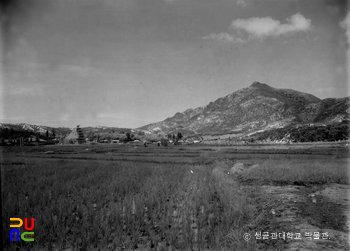
Meeting the Flagpole Supports and the Expansive Temple Grounds Beneath the National Treasure Stone Pagoda
The flagpole supports at the Mireuksa Temple Site are stone structures used to raise banners at the temple entrance. They are remains demonstrating that Mireuksa was not only a place of worship but also a temple where large-scale rituals took place. The flagpole supports are designated as a Treasure and are worth including in an outdoor exploration route along with the stone pagoda and main-hall sites. Although the site is flat, its grounds are extensive, so visitors who see only the pagoda and leave may easily miss the temple's overall structure.
If you combine photography with reading the site's interpretive panels, allow 40–60 minutes outdoors, or 90–120 minutes including the museum. In summer, this is an open heritage site with little shade, so it is advisable to bring a hat and water. Immediately after rain, the grass and dirt paths outside the paved sections may be wet. For conservation purposes, avoid climbing onto the stonework or entering the archaeological remains.
Connecting the Sarira Reliquary Set with the National Iksan Museum, Open 09:00–18:00
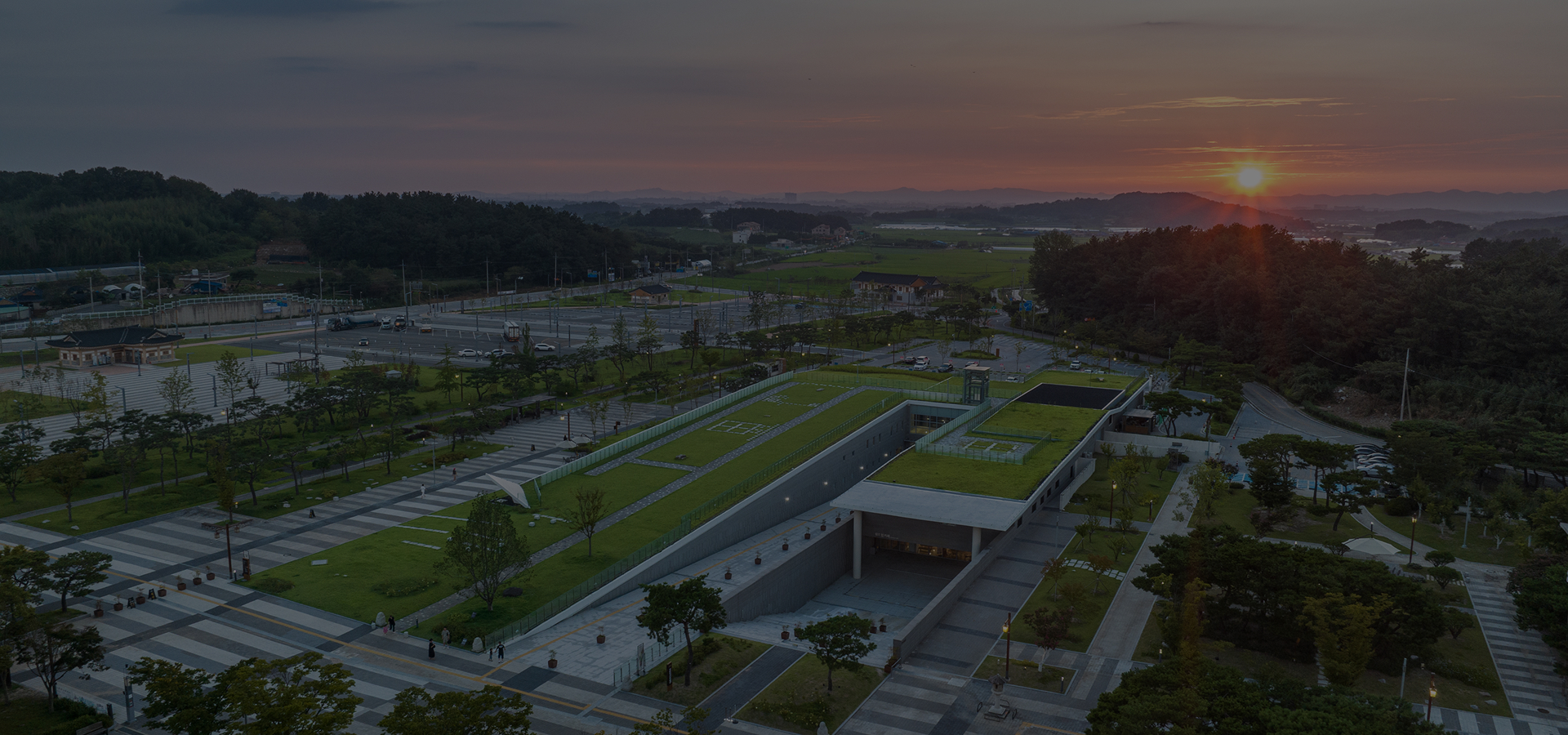
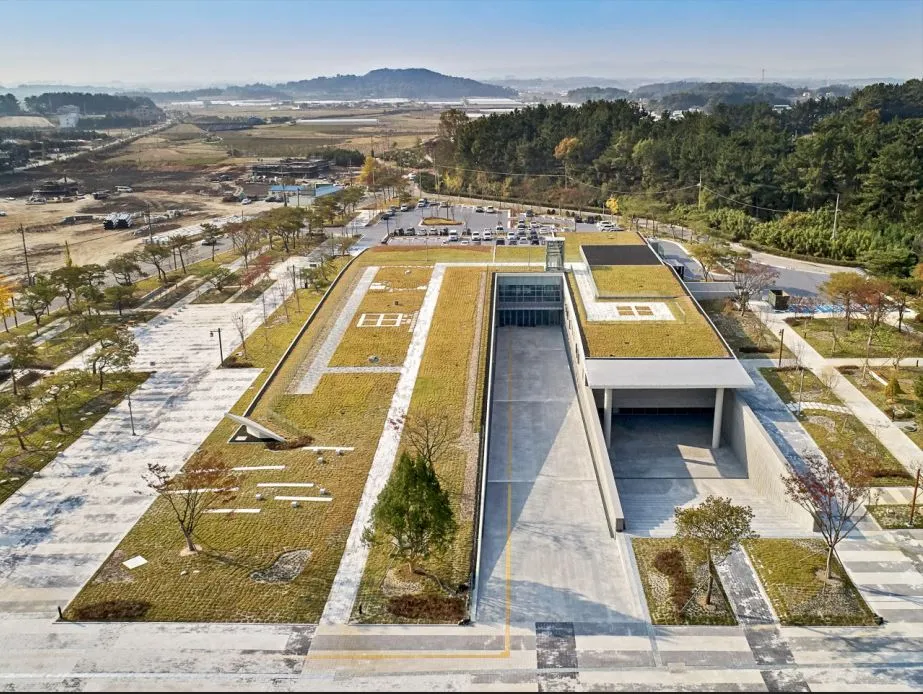
A visit to the Mireuksa Temple Site is complete when combined with the National Iksan Museum right beside the ruins. The museum is open from 09:00 to 18:00 Tuesday through Sunday, with admission permitted until 17:30. It is closed every Monday, January 1, Lunar New Year's Day, and the day of Chuseok. Admission is free. The main telephone number is 063-830-0915, and the official website is https://iksan.museum.go.kr/.
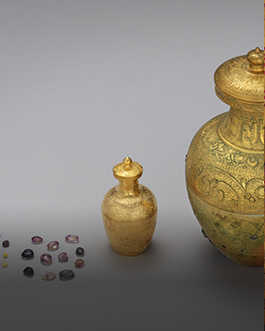
The museum's address is 362, Mireuksaji-ro, Geumma-myeon, Iksan-si, Jeonbuk Special Self-Governing Province. Viewing excavated objects from the Mireuksa Temple Site—including the outer and inner golden sarira containers, the Golden Sarira Reliquary Inscription, a gilt-bronze wind bell, and roof-end tiles—helps connect the pagodas and main-hall sites seen outdoors with the ornaments and technologies they once contained. The Children's Museum is open Tuesday through Sunday from 10:00 to 16:50; because operations may vary by day, it is advisable to check separate reservation and operating notices.
362 Mireuksaji-ro, Geumma-myeon: Routes by Car and Bus 60-1
Set the navigation destination to 362, Mireuksaji-ro, Geumma-myeon, Iksan-si, Jeonbuk Special Self-Governing Province, the address of the National Iksan Museum. The outdoor Mireuksa Temple Site and the museum are adjacent, so you can park once and explore both on foot. Parking at the Mireuksa Temple Site is Informationed as free, but traffic controls and the availability of temporary parking may vary on festival and event days, so it is safer to check Iksan City event notices before setting out.
For public transportation, use the Mireuksa Temple Site stop served by Iksan City Bus 60-1; this route passes through Geumma Terminal and stops at the Mireuksa Temple Site. Because intervals and operating times may change, recheck the bus information on the day of travel. If traveling directly from Iksan Station is difficult or you have luggage, the Geumma area on-demand service “Dairoium Call Bus” has been introduced as an alternative, although its operating area and reservation method may change frequently.
Understanding King Mu's Vision for Iksan by Connecting the Site with the Wanggung-ri Ruins
Visiting the Wanggung-ri Site together with the Mireuksa Temple Site makes it clearer why Iksan was important during the reign of King Mu. UNESCO describes the Wanggung-ri Site as a royal palace and Mireuksa as a large Buddhist temple, linking the two sites to Iksan's Baekje-period capital heritage. The Wanggung-ri Site preserves the National Treasure Five-story Stone Pagoda of Wanggung-ri, making it meaningful to compare it with the stone pagodas derived from the wooden-pagoda tradition at Mireuksa.
If your itinerary allows travel by car, an efficient plan is to allocate about two hours to the Mireuksa Temple Site and the National Iksan Museum, and about 40–60 minutes to the Wanggung-ri Site. For a shorter itinerary, use the museum's 17:30 last admission time to decide whether to explore the outdoor Mireuksa site first or visit the museum first. Both the heritage site and museum involve extensive walking routes, so wheelchair and stroller users should stay mainly on paved walkways. Indoor accessible restrooms are available at the museum and Children's Museum.
Before Your Visit: Coordinate the 17:30 Admission Deadline and Time on Site
If you plan to include the museum, you must enter before 17:30; to view the indoor exhibitions thoroughly, it is better to arrive around 16:30 at the latest. The outdoor Mireuksa Temple Site is Informationed as open year-round, but after dark it becomes difficult to read the layout axes and information panels, so a daytime visit scheduled during museum operating hours is most suitable. Even on Mondays, when the museum is closed, outdoor site viewing and museum viewing should be considered separately.
Foreign visitors can obtain basic information through the museum exhibitions and site information panels, but the regular availability of interpretation programs in specific languages has not been confirmed. If you are unfamiliar with Korean Buddhist or Baekje history, following the sequence “Sarira Reliquary Inscription → West Stone Pagoda → arrangement of three pagodas and three main halls” will help you avoid missing the key points. A YouTube search was performed, but no list of playable related videos could be secured because the search service quota had been exceeded.
Before You Go
- Address
- 362, Mireuksaji-ro, Geumma-myeon, Iksan-si, Jeonbuk Special Self-Governing Province
- Hours
- Outdoor Mireuksa Temple Site open year-round / National Iksan Museum Tue–Sun 09:00–18:00, admission until 17:30
- Closed
- National Iksan Museum: every Monday, January 1, Lunar New Year's Day, and the day of Chuseok
- Admission
- Free
- Phone
- 063-830-0915
- Official site
- https://iksan.museum.go.kr/
- Transport
- Iksan City Bus 60-1 serves the Mireuksa Temple Site stop. The route passes through Geumma Terminal; checking operating times on the day is recommended.
- Parking
- Parking at the Mireuksa Temple Site is Informationed as free. Traffic and parking operations may change on event days.
- Time needed
- Outdoor site 40–60 minutes; 90–120 minutes including the National Iksan Museum
- Accessibility
- Movement is possible mainly along paved walkways. Accessible restrooms are Informationed as available at the National Iksan Museum, Children's Museum, and outdoors. The regular availability of foreign-language information requires confirmation.
The information above is current as of the time of writing. Check the official information again before visiting.

Places
Nearby Attractions 5
-
1
-
 2
2
-
 3
Sorasan Natural Yard
3
Sorasan Natural Yard -
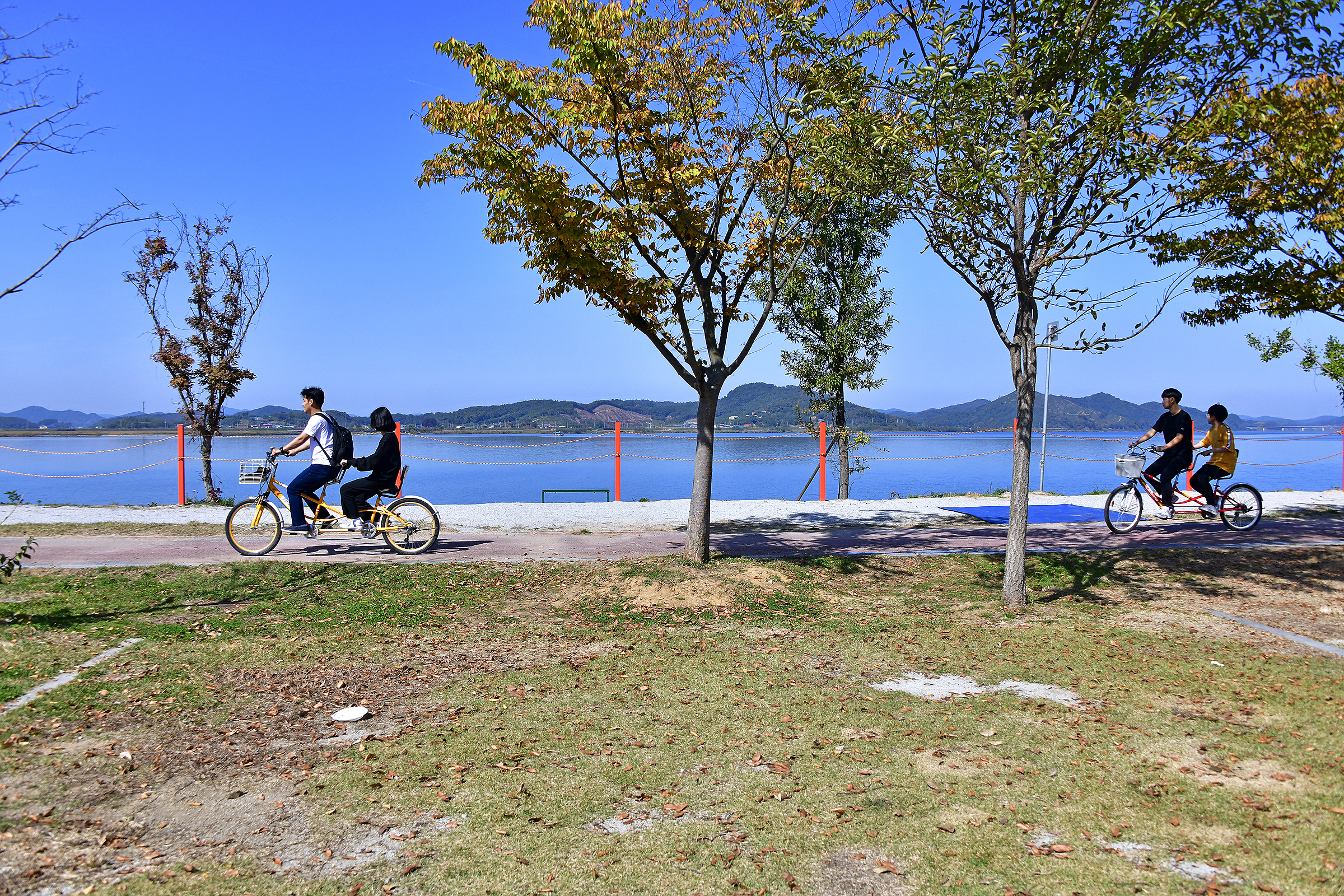 4
4
-
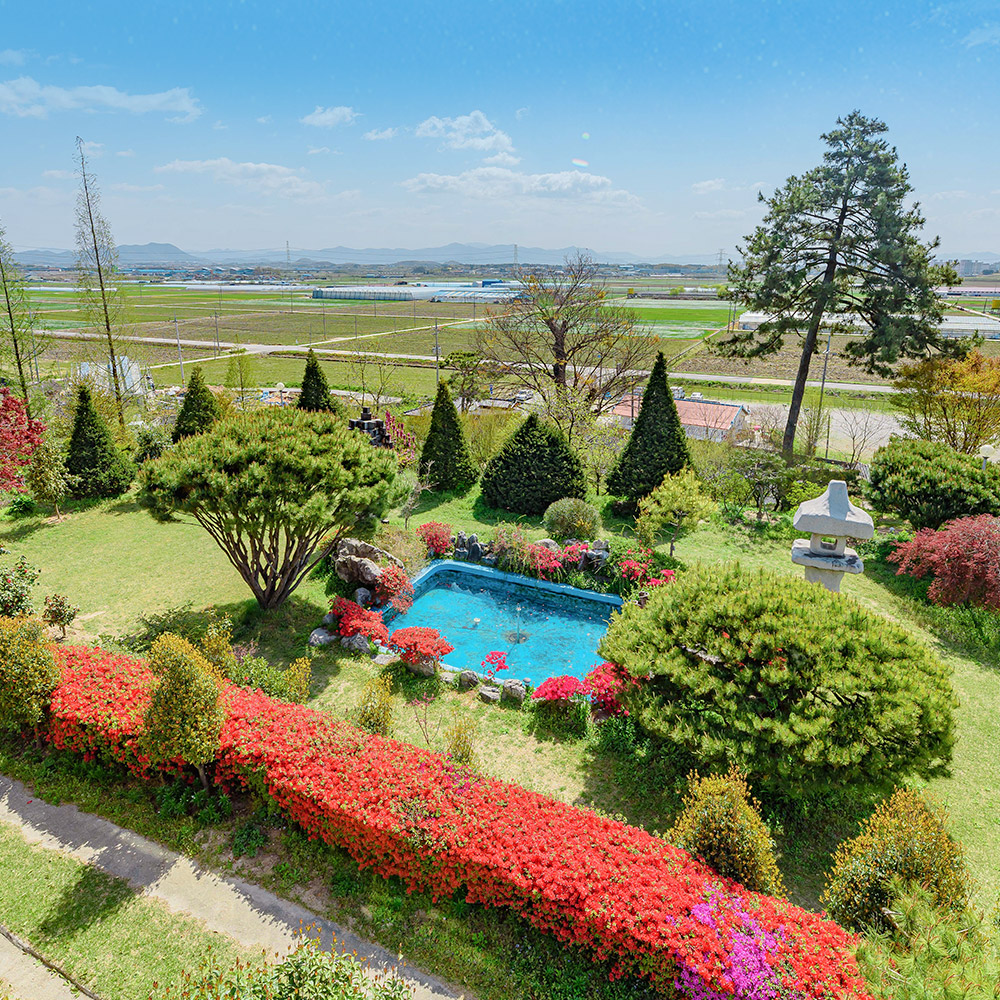 5
5
Food & Dining 5
-
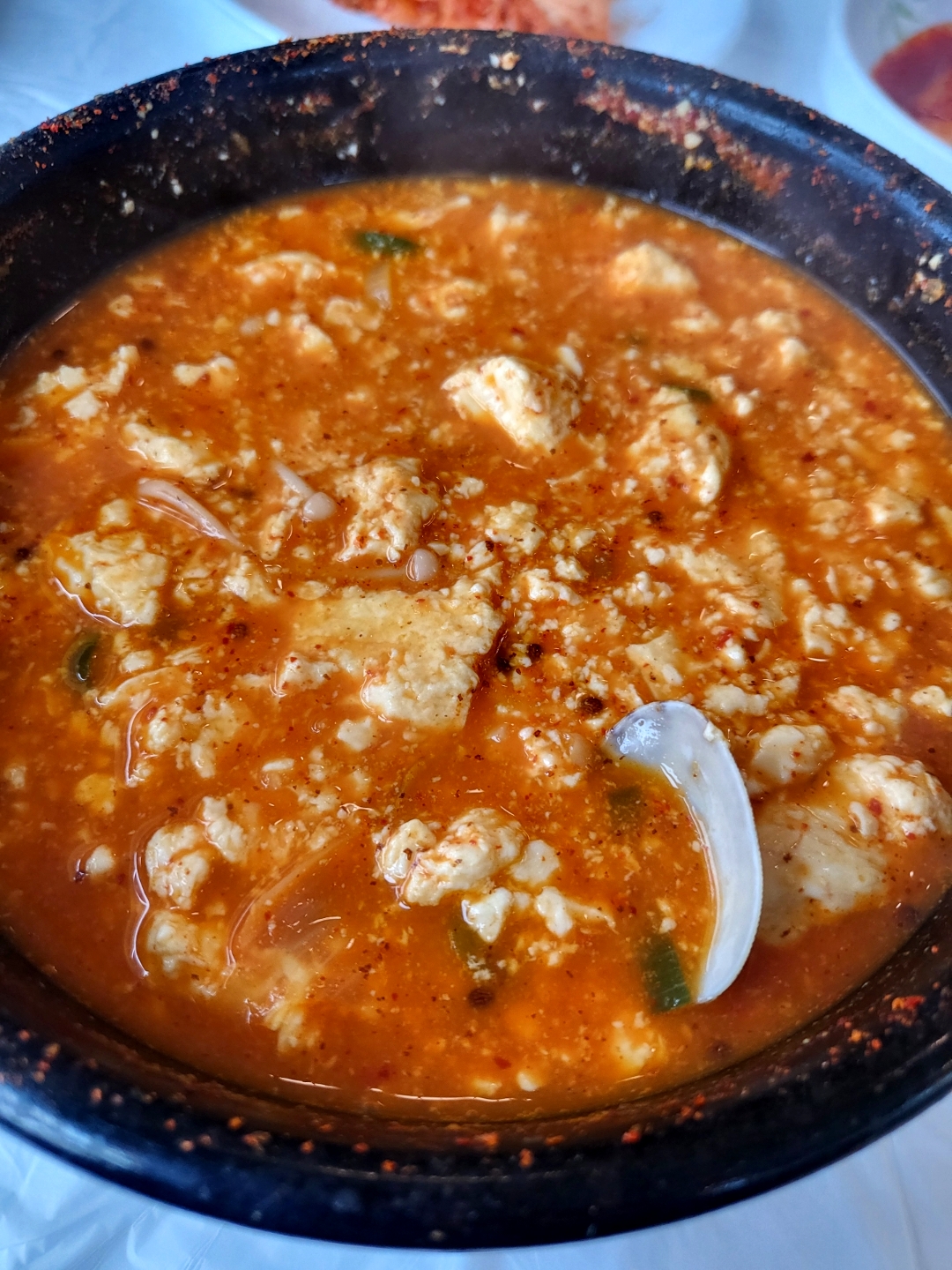 6
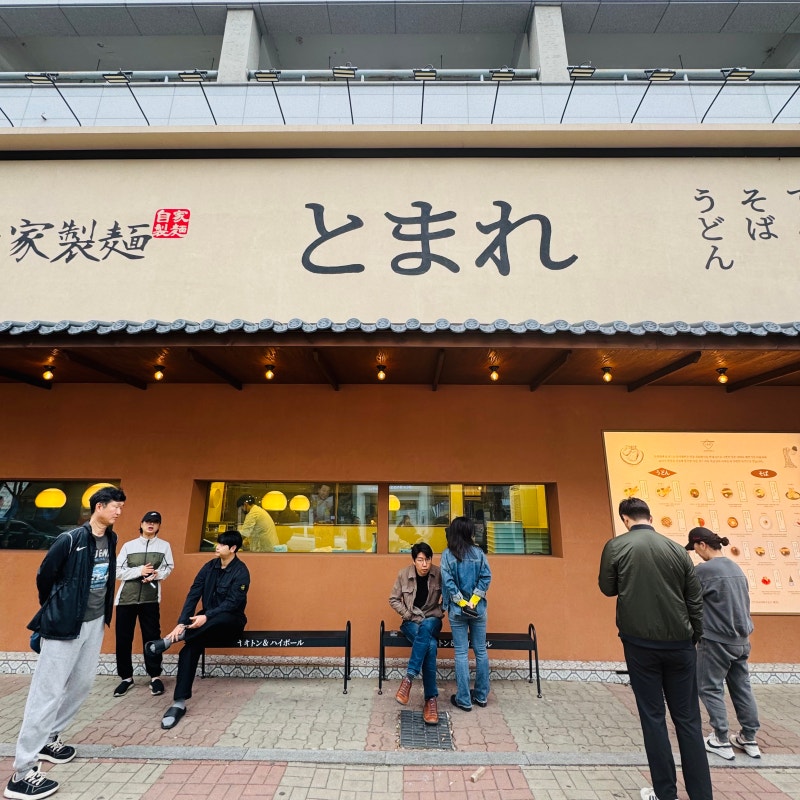
Matdong Mireuksan Sundubu
6
Matdong Mireuksan Sundubu -
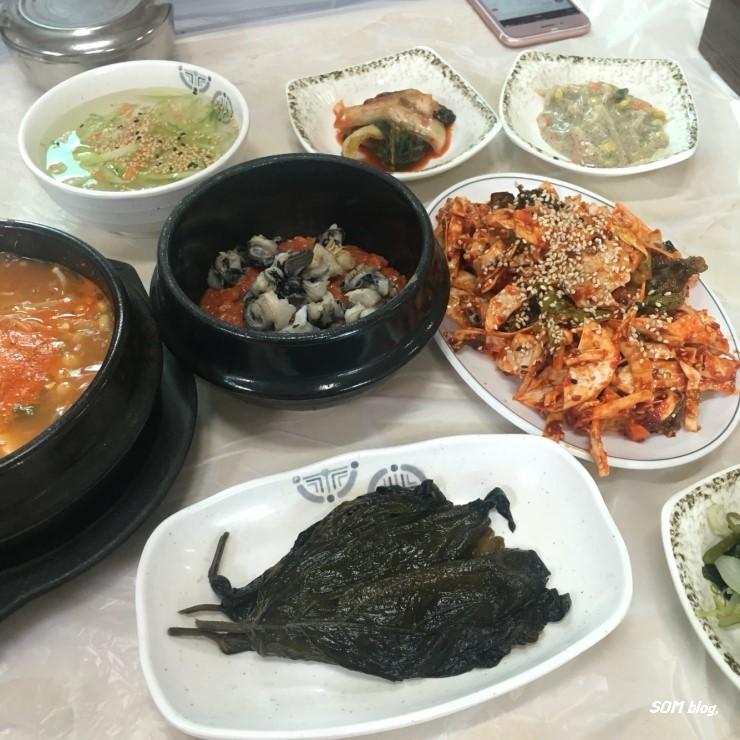 7
7
-
 8
8
-
 9
Mireuksan Stone Wall
9
Mireuksan Stone Wall -
 10
10
Events in This Area

Festivals in This Area


More Travel Guides in This Area
 Travel Guide
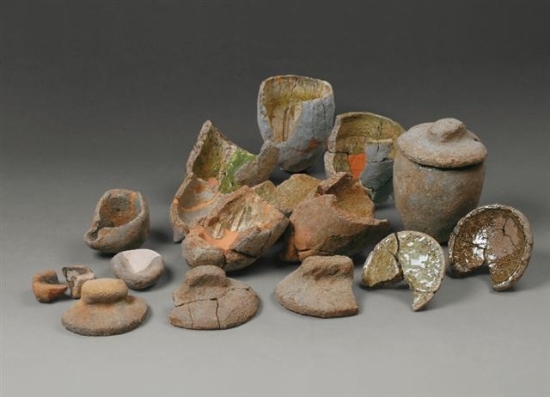
How to Read the Northern Toilet Site and the National Treasure Five-Story Stone Pagoda at Wanggung-ri Palace Site Together
 Travel Guide
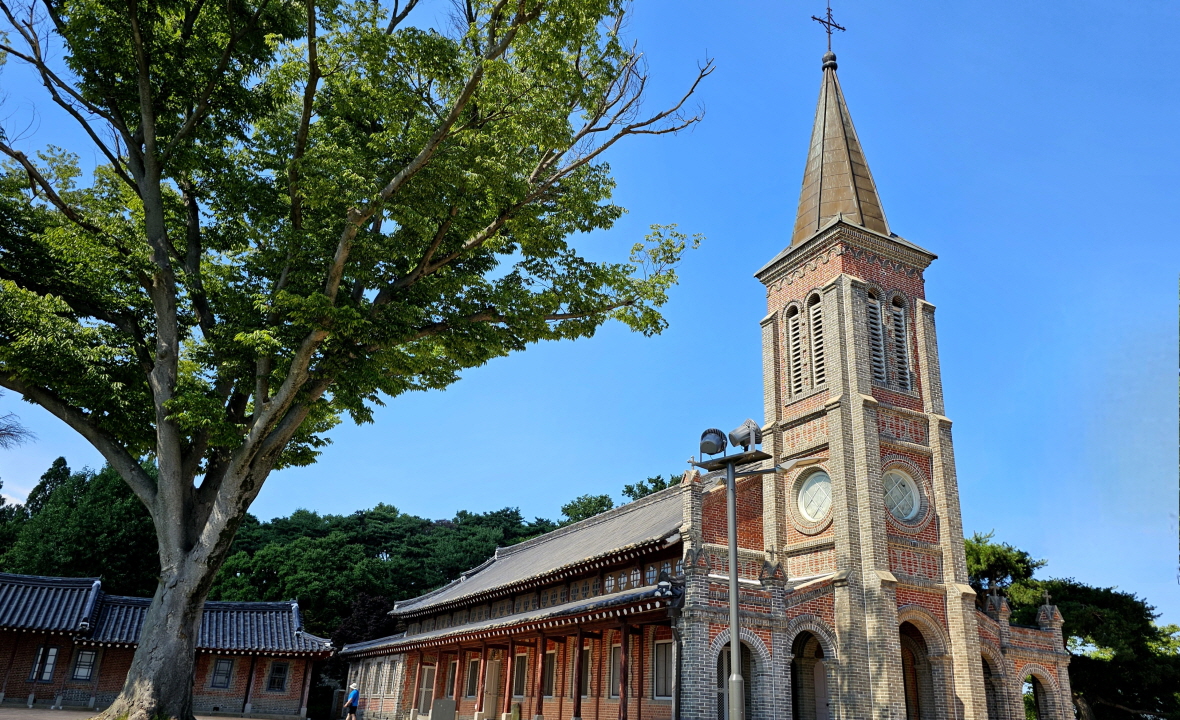
A Hanok Gothic Cathedral Remaining on Hwasan at the End of the Geum River: Nabawi Cathedral
 Travel Guide
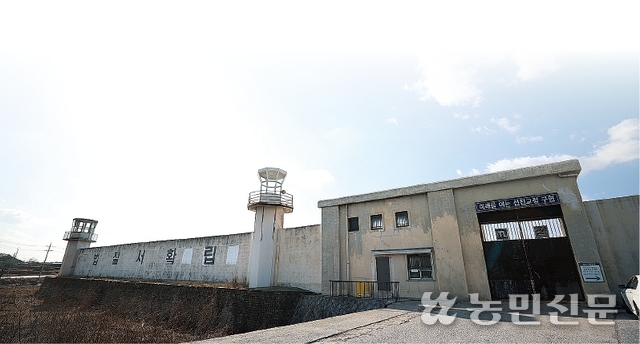
The Iksan Prison Set: A Closed School Turned into a Movie Prison
 Travel Guide
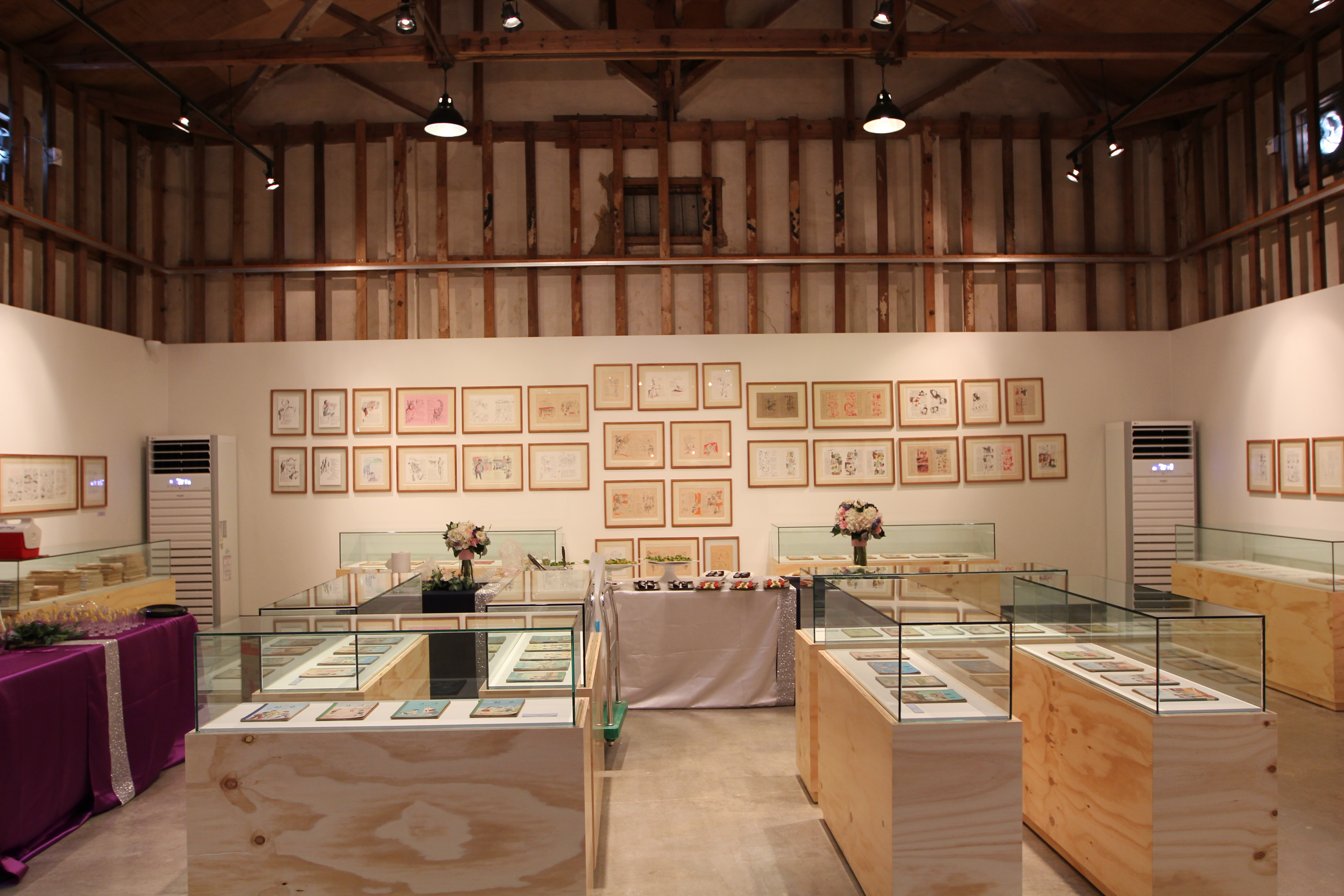
How to See Grain Warehouses, Books, and Media Art Together at Samrye Culture and Arts Village
Korea News
 News
News
"Overcoming the Getty curse" Jang Wonyoung, with unreal proportions and beauty straight out of a Barbie doll
 News
News
A2O LITE Tops Melon TOP100 Just 29 Hours After Debut, Setting the Fastest Record for a Debut Song
![Billlie's Tsuki 'Makes an Entrance Showing Off Her Beautiful Figure' [MK Photo]](https://kotourlive-images.s3.ap-northeast-1.amazonaws.com/news/1792027947835_957f0cb8_news_5c0023c5-e9a0-4640-9154-cb0b69d810c4.jpg) News
News
Billlie's Tsuki 'Makes an Entrance Showing Off Her Beautiful Figure' [MK Photo]
![ENHYPEN ‘Fighting for the Macau performance too!’ [★Video]](https://kotourlive-images.s3.ap-northeast-1.amazonaws.com/news/1792027887815_5057637d_news_8041e5cd-8b22-4193-bb46-880c65d944f7.jpg) News
News