From the 108-Tree Maple Tunnel to Sinseonbong Peak: A Walking Route through Jeongeup’s Naejangsan
Jeongeup’s Naejangsan is a national park centered around Sinseonbong Peak (763 m), making it easy to combine the Maple Tunnel, Uhwajeong Pavilion, Naejangsa Temple, and the cable car in one itinerary. From Jeongeup Station, you can reach the Naejang Reservoir area by Bus 171. During peak autumn foliage season, check vehicle restrictions and trail conditions just before departure.

I’ve been here?
Your check-in helps the next traveler.
20 people viewed this week Be the first
One tap — no writing needed
The National Park of ‘Hidden Things in the Mountains,’ Designated on November 17, 1971
Naejangsan National Park was designated as Korea’s eighth national park on November 17, 1971. The best-known main peak in the Jeongeup Naejang District is Sinseonbong Peak at 763 m above sea level. Although the peaks are generally around 700 m, their distinct rocky contours led the mountain to be called the ‘Geumgang of Honam’ since ancient times.
The mountain was originally called ‘Yeongwonsan,’ after Yeongwonsa Temple, but its name was changed to Naejangsan, combining the meanings of ‘inside’ and ‘hidden,’ because of the many scenic features and resources concealed within the mountain. Rather than planning a visit solely to see the autumn foliage, it is better to follow a route through the terrain where Naejang Reservoir, valleys, temples, and rocky peaks overlap within one mountain area.
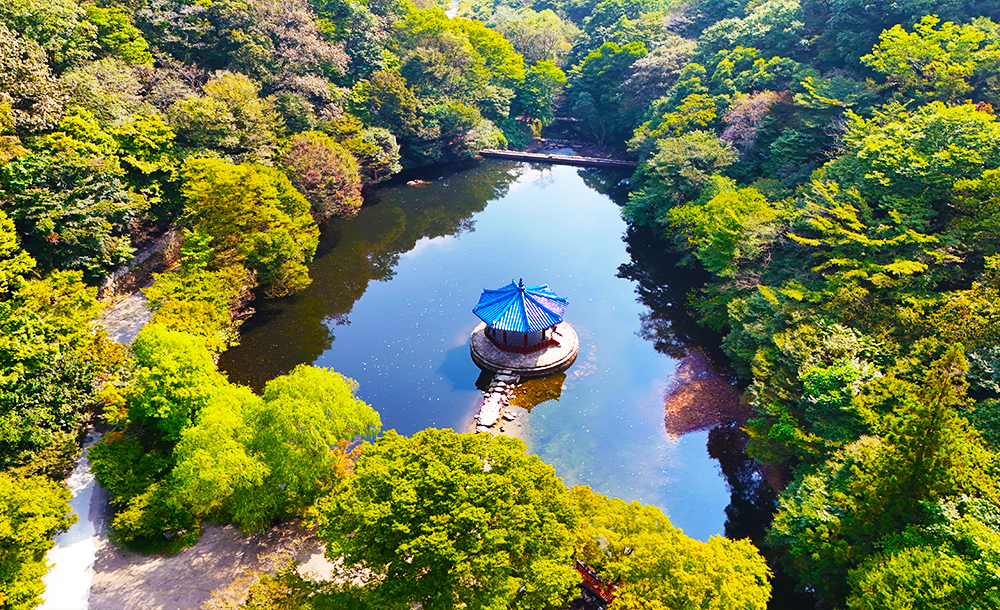
From Jeongeup Station Bus 171 to Naejang Reservoir: An Access Route for First-Time Visitors
At Jeongeup Station, where KTX trains stop, you can take Bus 171 from the ‘Jeongeup Station’ stop toward Naejang Reservoir. Jeonbuk Ecotourism’s guide recommends getting off at the Naejang Reservoir stop and walking approximately 406 m, or 6 minutes, toward Wolyeonggyo Bridge. From Jeongeup Public Bus Terminal, the guide recommends getting off at the Suryongmok stop and walking approximately 150 m, or 2 minutes.
Bus 171 runs toward Naejangsan via Jeongeup Station and Jeongeup Terminal. Bus schedules may vary depending on the season and operating conditions, so it is safest to check the stop information and operating times again on the day of departure. The telephone number for the Jeongeup General Tourist Information Center is 063-536-6676.
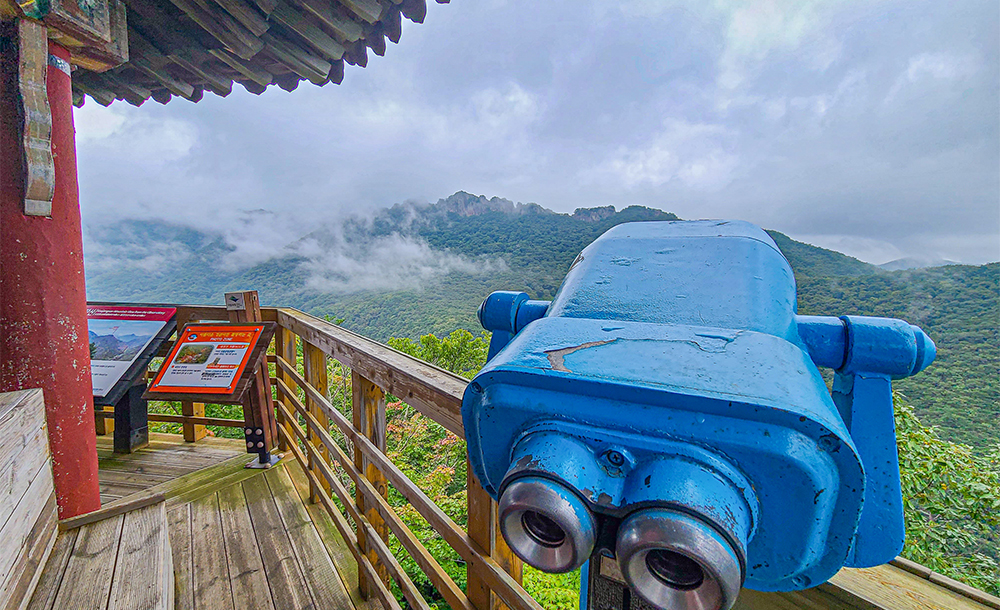
A Flat Walking Route Linking Uhwajeong Pavilion, Iljumun Gate, and the Tunnel of 108 Maple Trees First
If you prefer walking to traveling by car, an easy approach is to connect Uhwajeong Pavilion, Iljumun Gate, and the maple tunnel toward Naejangsa Temple first. The Korea National Park Service introduces the ‘Tunnel of 108 Maple Trees’ as an autumn attraction of Naejangsan. In past autumn foliage seasons, access by regular vehicles was restricted along the 2.5 km route from Yeonjagyo Bridge to the Visitor Information Center and the 2.1 km route from Naejangho Parking Lot to Wolryeonggyo Bridge.
Therefore, from late October through November, during the autumn foliage season, it is better to consider designated parking lots and the possibility of switching to a shuttle or walking rather than planning to drive all the way to the front of the temple. The operation of restricted areas, shuttles, and parking lots may differ each year, so check the same-day status in notices from the Korea National Park Service.
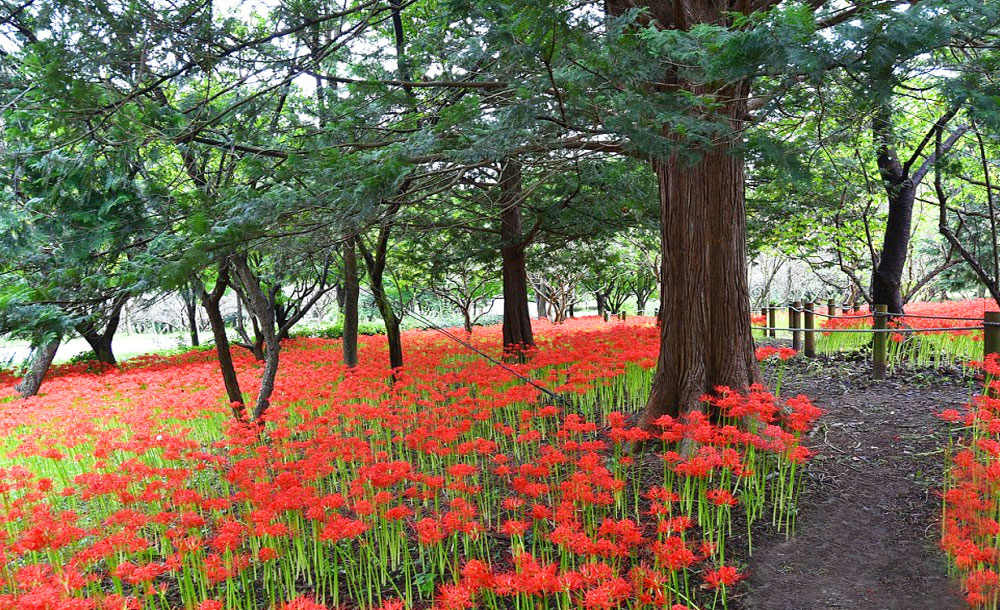
Where to Split Your Schedule When Visiting Naejangsa Temple and the Cable Car on the Same Day
Naejangsa Temple is located at 1253 Naejangsan-ro, Jeongeup-si, Jeonbuk State Special Self-Governing Province, and its telephone number is 063-538-8741. Jeonbuk Culture and Tourism’s guide explains that Naejangsa Temple can be reached by a walking trail continuing from the cable car station. If you plan to visit the temple, it is best to set aside separate time before or after riding the cable car.
The address of the Naejangsan Cable Car is 1179-11 Naejangsan-ro, Jeongeup-si, Jeonbuk State Special Self-Governing Province, and its telephone number is 063-538-3303. The cable car is a three-cable aerial lift system with a length of 680 m, and operating hours may vary depending on the season, weather, and safety inspections. In particular, operations or visitor access may be restricted during strong-wind or heavy-rain advisories, so it is necessary to confirm by telephone before setting out.
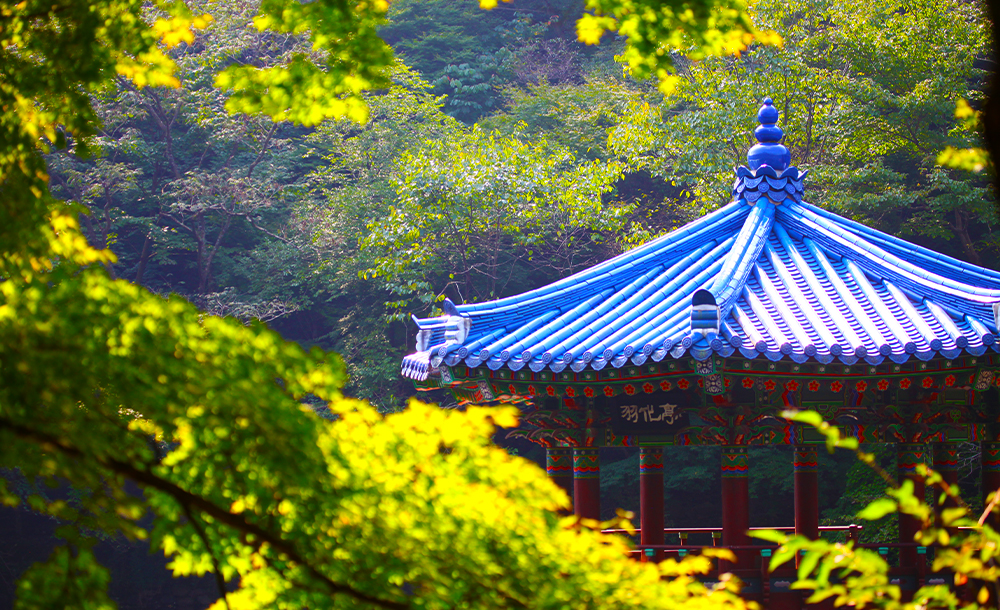
Sinseonbong Peak at 763 m and the Gatbawi Reservation System: A Standard for Dividing Hiking Difficulty
If your goal is to hike to the summit, consider the trail surface and round-trip time before focusing on the elevation of Sinseonbong Peak, which is 763 m. The Korea National Park Service describes trails rated ‘Moderate’ as short hikes of approximately 2 to 4 hours involving slight slopes and dirt paths, and recommends hiking shoes and light hiking equipment.
The Gatbawi Trail in Naejangsan may operate by reservation during part of the autumn season. In an example notice from the National Park Reservation System, the 6.3 km round trip from Eunseondong Samgeori to Gatbawi and back to Eunseondong Samgeori was listed as taking 3 hours. Operating hours were 05:00–18:00, with last admission at 15:00. These conditions may change each year, so be sure to separately check the reservation period and visitor capacity.
Why Choose an Accessible Trail Instead of a Car During the Autumn Foliage Season
Admission to Naejangsan National Park is free. However, separate fees may apply for parking, the cable car, temples, or individual facilities, and parking operations and fees within the national park may vary by area and season. The main contact number is 063-538-7875 for the Jeongeup Naejang District of Naejangsan National Park. Notices about trail restrictions and park news can also be checked on the official visitor information page.
Visitors using wheelchairs or strollers may wish to prioritize the accessible trail at Naejangsan National Park. The Accessible Tourism guide states that the route has accessible parking spaces and accessible restrooms. However, it has been noted that the cable car boarding and disembarking process may not be easy for visitors with limited access to tourism, so it is advisable to contact the operator in advance regarding boarding availability and any assistance required.
J. Poret’s Address Is a Starting Point; the Park’s Core Area Is 328 Naejanghoban-ro
The listed address, J. Poret, 388 Jeongeupsa-ro, Jeongeup-si, Jeonbuk State Special Self-Governing Province, can be regarded as an outer starting point for the Naejangsan tourism area. The tourism information address for the Jeongeup Naejang District of Naejangsan National Park is 328 Naejanghoban-ro, Jeongeup-si, Jeonbuk State Special Self-Governing Province. The park’s official website is https://www.knps.or.kr/front/portal/visit/visitCourseMain.do?parkId=120600&menuNo=7020087.
If you only have time for a short park visit, allow 2 to 4 hours focused on Uhwajeong Pavilion, the maple tunnel, and Naejangsa Temple. Adding the cable car, temple, and walking routes requires half a day, while hiking to Sinseonbong Peak or along a reservation-only trail calls for at least half a day. During peak season, parking queues and vehicle restrictions are variables, so public transportation access and an early-morning arrival plan are easier to predict than a schedule based on driving.
How to Add the 25,600 m² Naejangsan Water Park to an Evening Schedule
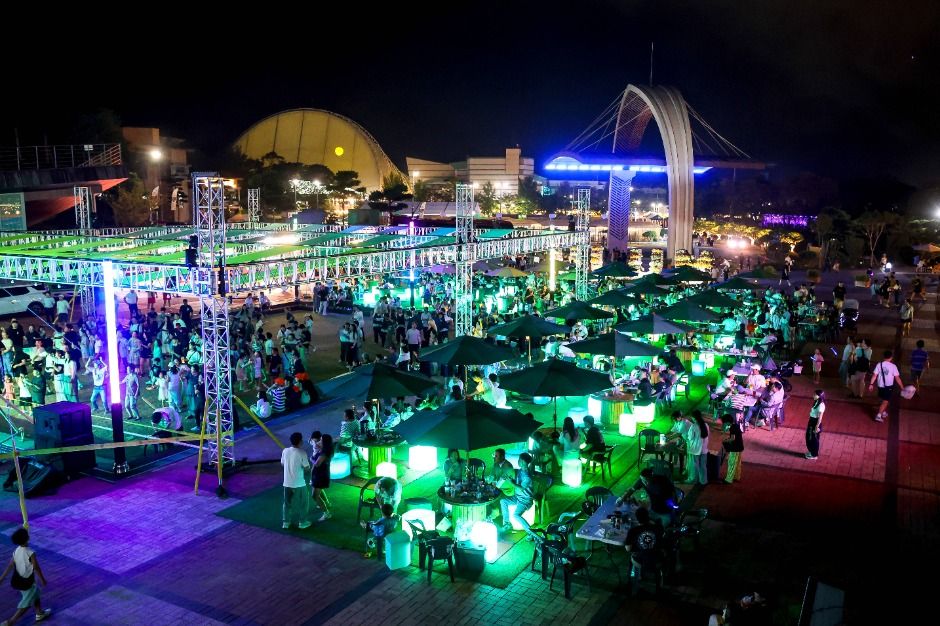
If you travel toward downtown Jeongeup after hiking, you can add Naejangsan Water Park to your evening schedule. The address is 37 Naejanghoban-ro, Jeongeup-si, and its area is 25,600 m². The musical fountain operates from May through October, with approximately 30-minute performances at 20:00 and 21:00 on weekdays, and at 14:00, 17:00, 20:00, and 21:00 on weekends and holidays.
Admission to the water park is free, and the fountain’s regular closing day is Monday. It may not operate in rain or strong winds, and performances may change depending on the outdoor performance venue schedule. If hiking is your main purpose, focus on the park’s core areas. If you plan to remain in Jeongeup after sunset, call the facility at 063-539-7924 to confirm whether it is operating before adding it to your itinerary.
Before You Go
- Address
- 328 Naejanghoban-ro, Jeongeup-si, Jeonbuk State Special Self-Governing Province
- Hours
- The national park is open year-round, but operating hours for individual trails and facilities, as well as closures due to weather advisories, must be checked separately.
- Closed
- The national park itself has no regular closing day. Restrictions and closing days for individual trails and facilities must be checked separately.
- Admission
- Free
- Phone
- 063-538-7875
- Official site
- https://www.knps.or.kr/front/portal/visit/visitCourseMain.do?parkId=120600&menuNo=7020087
- Transport
- Take Bus 171 from the Jeongeup Station stop, get off at the Naejang Reservoir stop, and walk approximately 406 m or 6 minutes toward Wolyeonggyo Bridge. From Jeongeup Public Bus Terminal, take Bus 171, get off at the Suryongmok stop, and walk approximately 150 m or 2 minutes toward Wolyeonggyo Bridge.
- Parking
- Parking lots around the park and tourist attractions are available. During the peak autumn foliage season, access restrictions for regular vehicles and parking operations may change, so check in advance.
- Time needed
- 2 to 4 hours focused on Uhwajeong Pavilion, the maple tunnel, and Naejangsa Temple; half a day including the cable car; at least half a day including a summit hike
- Accessibility
- The accessible trail has accessible parking spaces and accessible restrooms. Advance inquiries are recommended for wheelchair and stroller users planning to ride the cable car.
The information above is accurate as of the time of writing. Check the official information again before visiting.

Places
Nearby Attractions 5
-
 1
1
-
 2
2
-
 3
3
-
 4
4
-
 5
5
Food & Dining 5
-
 6
6
-
 7
7
-
 8
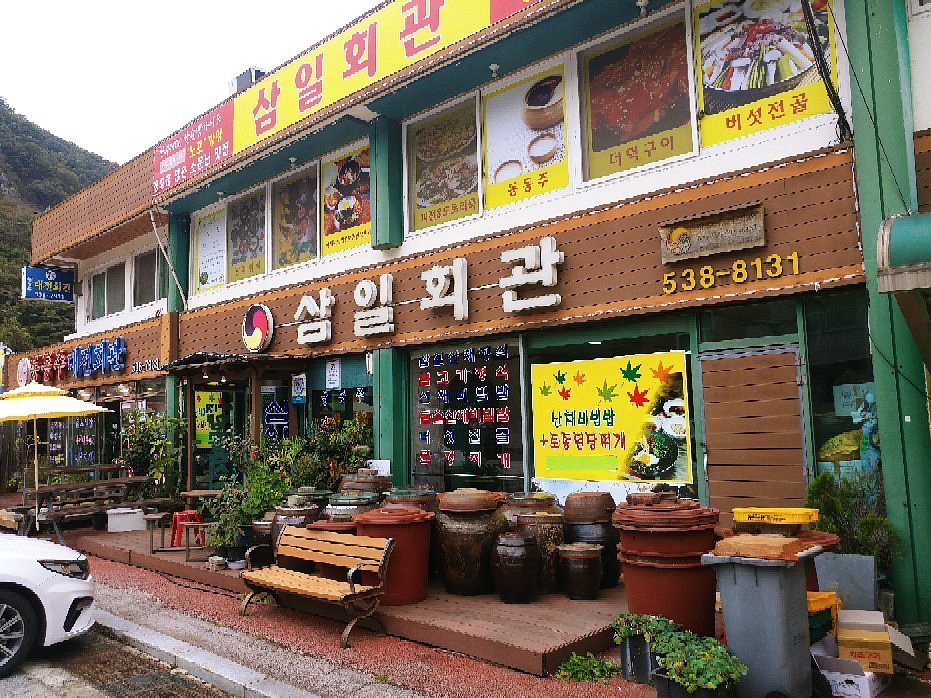
Naejangsan Master’s Pavilion
8
Naejangsan Master’s Pavilion -
 9
9
-
 10
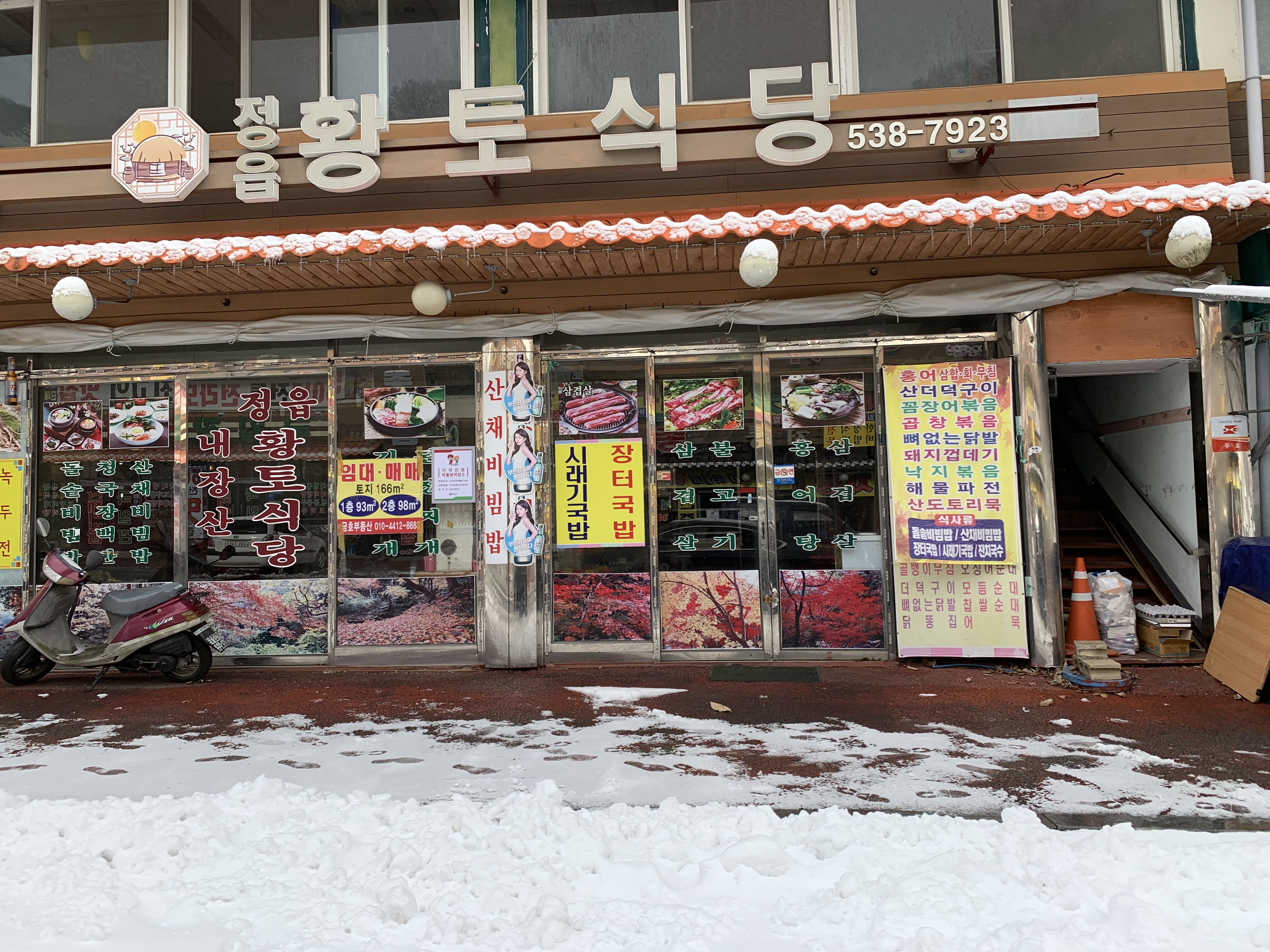
Jeongeup Hwangtosi-dang
10
Jeongeup Hwangtosi-dang
Events in This Area

Festivals in This Area

More Travel Guides in This Area
 Travel Guide
A Hot Bowl of Ssanghwa-tang on Saeam-ro in Jeongeup
 Travel Guide
Reading a Thousand Years of Celadon Color, Beginning at the Yucheon-ri Kiln Site
 Travel Guide
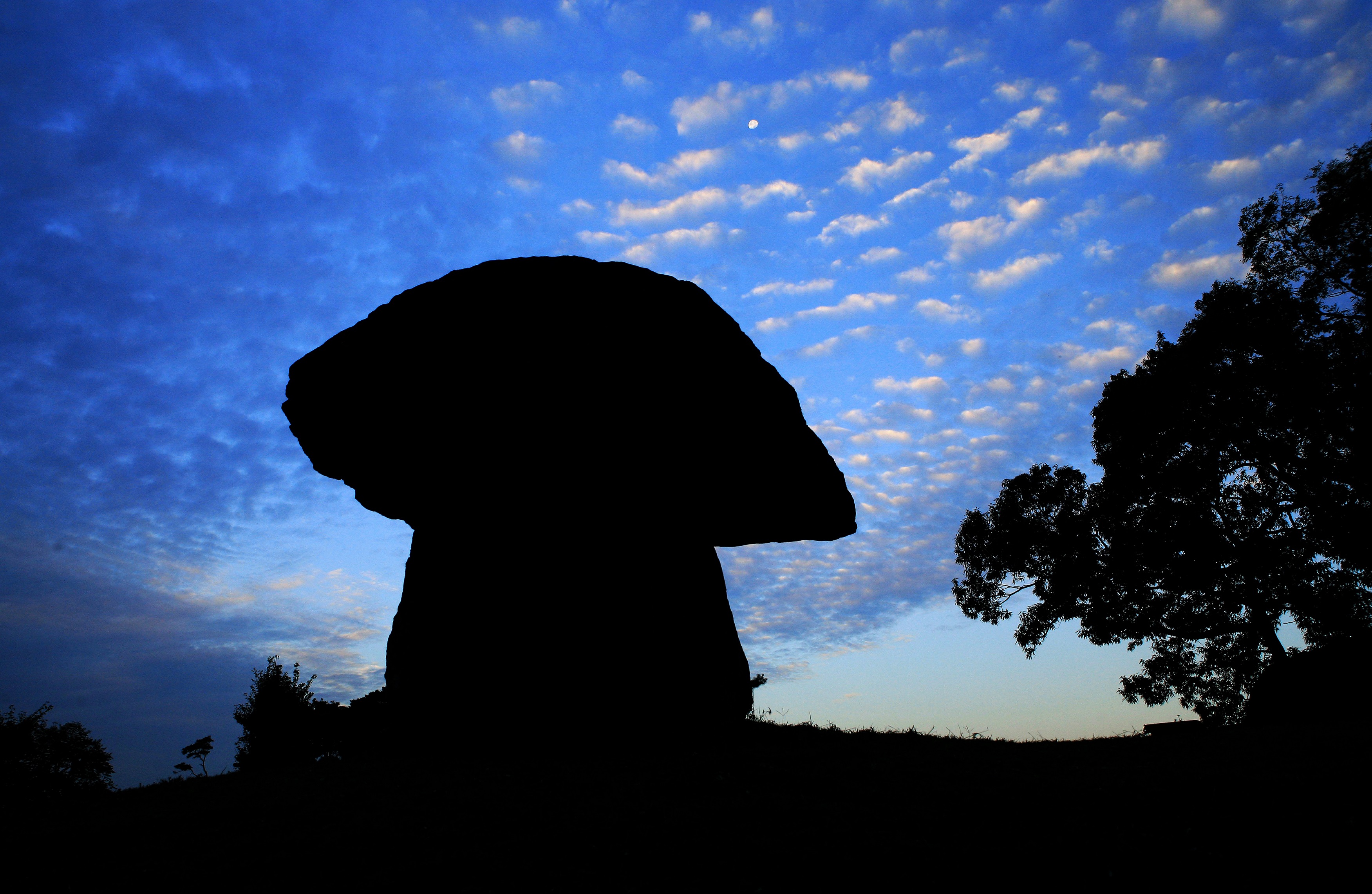
Reading the 2,000-plus Bronze Age Dolmens at Gochang Dolmen Museum
 Travel Guide
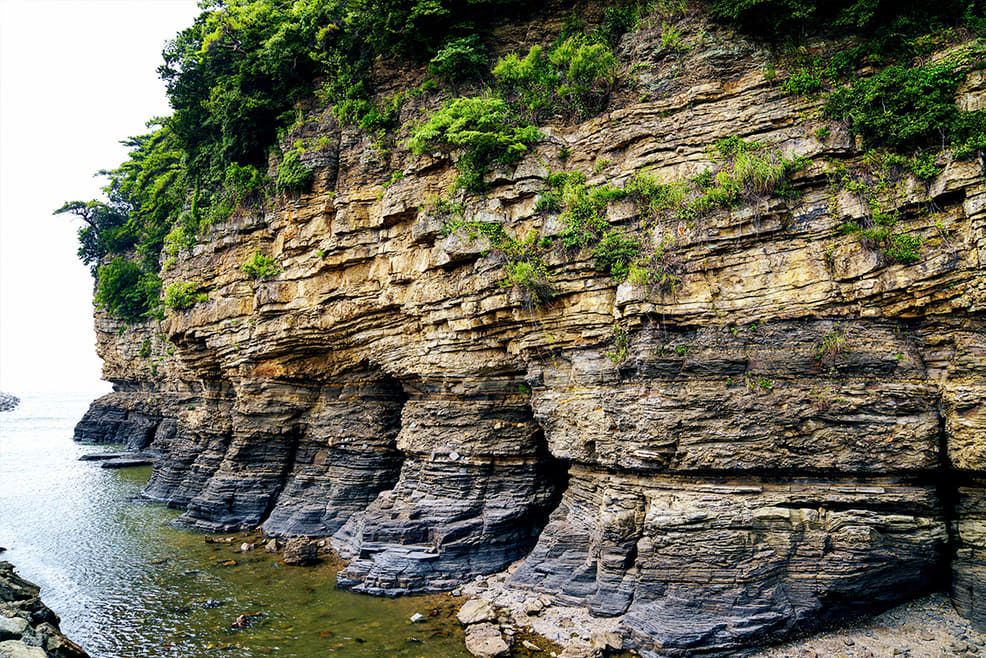
How to Safely Visit the Chaeseokgang Cliffs and Sea Caves at Low Tide
Korea News
 News
News
‘NewJeans Expulsion’ Danielle Releases Her First YouTube Video… “We Don’t Know What Will Happen Next”
![aespa’s North American Tour Has Remaining Seats Despite ‘$49’ Bargain Prices… A Stark Popularity Gap with KATSEYE [TEN Starfield]](https://kotourlive-images.s3.ap-northeast-1.amazonaws.com/news/1788485037424_a59b1932_naver_rank_thumb_0000774618_1788485037424.jpg) News
News
aespa’s North American Tour Has Remaining Seats Despite ‘$49’ Bargain Prices… A Stark Popularity Gap with KATSEYE [TEN Starfield]
![[Photo] TWICE’s Dahyun attends a film festival red carpet as an actress](https://kotourlive-images.s3.ap-northeast-1.amazonaws.com/news/1788485316508_edd43ecd_news_870a60a6-6f11-4d73-aa7c-48d91318a0f7.jpg) News
News
[Photo] TWICE’s Dahyun attends a film festival red carpet as an actress
![[On-Site Video] “We’re Departing Separately Together”… BIGBANG Begins ‘COSMOS’ World Tour](https://kotourlive-images.s3.ap-northeast-1.amazonaws.com/news/1788485226518_c5719641_news_fdd4764a-0f4e-4968-8e4e-e98a02872f88.jpg) News
News