Samgang Tavern Where Three Nakdong River Waterways Meet: A Yecheon Ferry Landing Walk Starting at 10 a.m.
Samgang Tavern is a late-Joseon-era tavern preserved where the Nakdong River, Naeseongcheon Stream, and Geumcheon Stream converge. Visitors can see the building rebuilt after the 1934 flood and traces of its old credit ledger. Admission is free, but buses from Yecheon-eup are scheduled only four times a day, so it is safest to coordinate your driving route and operating hours in advance.
I’ve been here?
Your check-in helps the next traveler.
19 people viewed this week Be the first
One tap — no writing needed
The Terrain of Samgang, Where the Nakdonggang, Naeseongcheon, and Geumcheon Meet
Samgang Jumak is located at 27, Samgangnigir, Pungyang-myeon, Yecheon-gun, Gyeongsangbuk-do. The name “Samgang” comes from the point where the Nakdonggang, Naeseongcheon, and Geumcheon meet, and Yecheon-gun’s English guide also describes this place as where three rivers converge.
There is a wide sandy beach around the rivers, and travelers in the past crossed Samgang by ferry before heading toward Mungyeongsaejae. Therefore, this is not simply a place to view an old building; it is also a place to examine the river confluence and the routes once used for travel.
Why a Tavern from Around 1900 Remains in Its 1934 Form
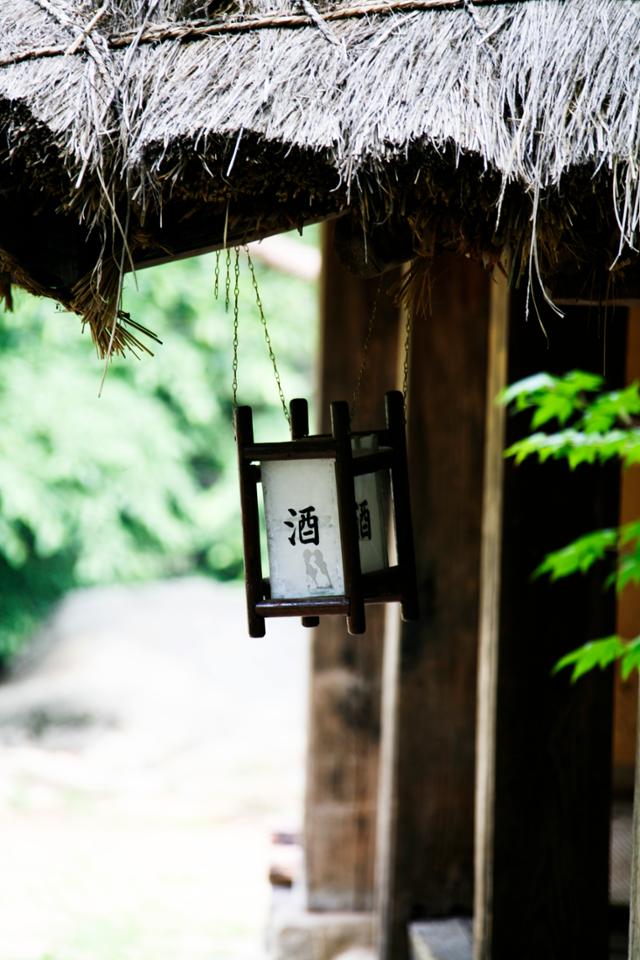
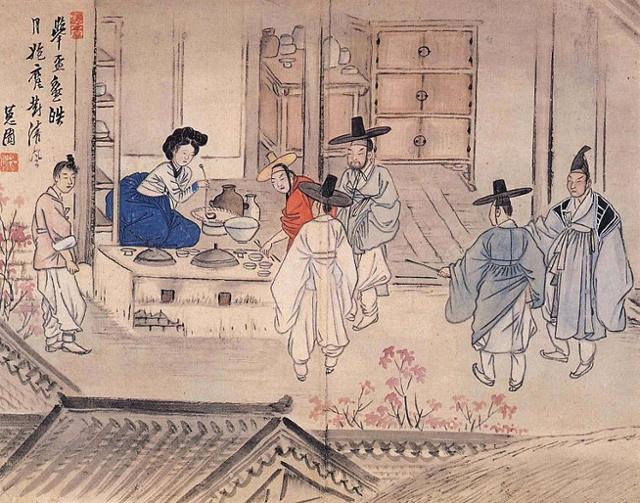
Yecheon-gun introduces Samgang Jumak as a traditional tavern dating from around 1900, near the end of the Joseon period, and the last remaining tavern along the 700-ri stretch of the Nakdonggang. Although small, it retains a floor plan suited to the tavern’s original function, demonstrating its rarity in architectural history and the character of the era.
Reports say that after the building collapsed in the Gyeongsul Flood of 1934, it was rebuilt with two rooms, one kitchen, one open wooden-floor room, and an area of 15 pyeong. Until the end of the Japanese colonial period, salt-boat merchants and itinerant peddlers were its main customers. After the salt boats stopped operating, residents and travelers heading to the town center, Seoul, and Daegu used it.
What You Can See of Yu Ok-ryeon’s Credit Ledger
The last tavern keeper at Samgang Jumak was reported to be Yu Ok-ryeon. Born in 1917, she married a husband four years older in 1932 and took over the business in 1936. She continued to run the tavern even after bridges were built and embankments constructed during the Saemaul Movement in the 1970s, cutting off local foot traffic.
In the kitchen, traces remain of a credit ledger kept by the tavern keeper, who could not read or write, by making marks on the wall with chopsticks to record the number of makgeolli kettles. The key experience is examining these marks and the room, kitchen, and open wooden-floor-room layout inside and outside the building; visitors should not assume that every interior space is freely accessible.
A Place Still Operating as a Restaurant After Its 2005 Cultural Heritage Designation
Samgang Jumak was designated as cultural heritage in 2005, and Yecheon-gun currently presents it as a National Folklore Cultural Heritage site and a general restaurant. Admission is free, restaurant use and reservations are available, and the reservation telephone number is 054-655-3035.
The Korea Tourism Organization’s tourist-site information lists operating hours of 10:00–17:00 as of 2026. Since the official guide does not confirm a closing day, it is practical to arrive before 17:00 rather than plan to arrive late in the afternoon and both eat and visit the site.
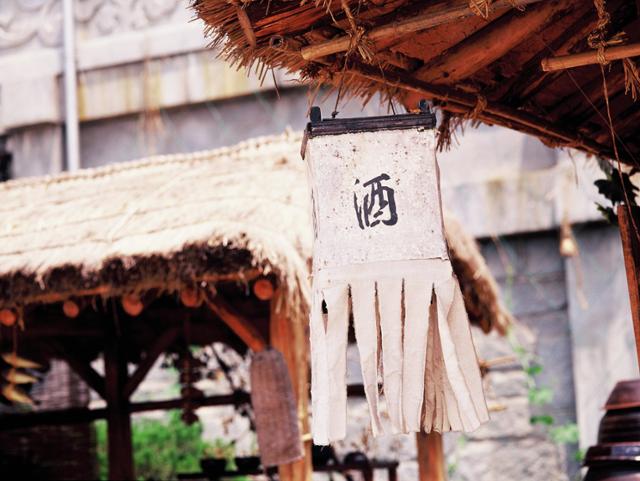
Four Daily Buses from Yecheon-eup and the Yeongpungg yo Reference Point
Public-transport users should depart from Yecheon-eup, travel toward the Pungyang-myeon Office, and then take a route toward Mungyeong and Yeongsun. Yecheon-gun’s English tourism guide says that Samgang Jumak is 4 km to the right before crossing Yeongpunggyo and that buses depart four times a day.
The exact bus route number and stop name were not confirmed in the guide materials. Therefore, this should not be considered a tourist attraction that can be reached directly on foot from a train station or another city. It is better to travel after arriving in Yecheon-eup according to the four daily bus departures or to use a car. From Seoul, Yecheon-gun’s official location guide presents a route via the Jungbu Naeryuk Expressway, Chungju, Mungyeong, Jeomchon-Hamchang IC, and Yecheon (Yonggung).
An Itinerary Beginning at Parking Lot 2 of the Yecheon Samgang Cultural Complex
Visitors arriving by car can use Parking Lot 2 of the Yecheon Samgang Cultural Complex, which is listed as free. The road-name address of Samgang Jumak is 27, Samgangnigir, Pungyang-myeon, Yecheon-gun, Gyeongsangbuk-do. For inquiries, call 054-655-3035; the main contact number for the Samgang Cultural Complex is 054-650-6802.
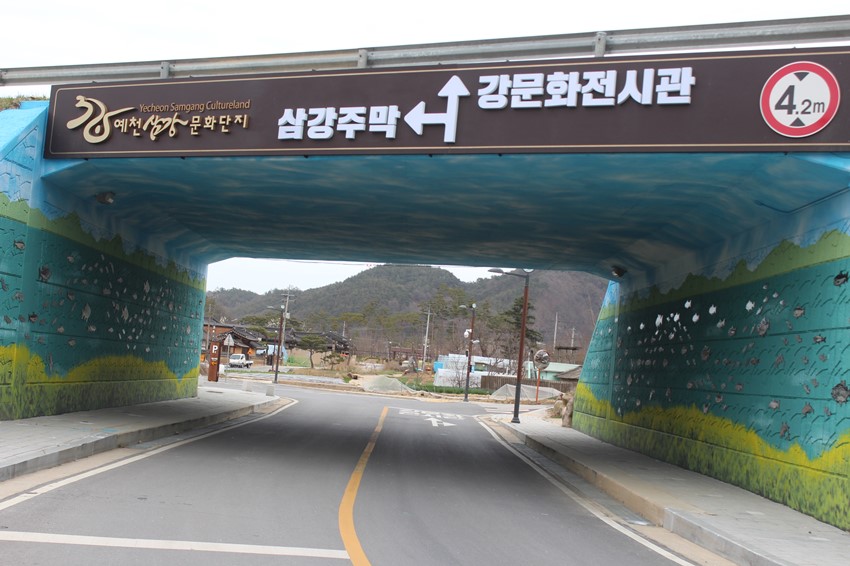
No official recommended duration for viewing only the tavern was confirmed. However, a mother-of-pearl mural titled “Fish of Samgang” has been installed in the underground passage at the entrance to the Samgang Cultural Complex, displaying works depicting around 300 freshwater fish living in Samgang. Visitors can therefore combine the tavern and mural after parking.
Continue on to the 500-Year-Old Pagoda Tree and Samgang Lecture Hall from 1620
Visitor records mention a 500-year-old pagoda tree near Samgang Jumak. Rather than turning back immediately after viewing the tavern building, it is easy to imagine life at the ferry landing by also looking for the pagoda tree, Samgang Ferry Landing, and sculptures related to Hwangpo sailing boats.
Nearby Samgang Lecture Hall is listed as Cultural Heritage Material No. 204 and is introduced as a site established by Jeong Yun-mok in 1620. Cyclists can use the 7 km one-way section from Samgang Jumak to Samsujeong. The route from Hoeryongpo Village to Samgang Jumak is introduced as 11 km one way, but the Samsujeong direction includes a 500 m uphill section with a 9% gradient.
Prices and Limitations to Know When Eating Makgeolli and Acorn Jelly Rice
Prices listed on Dining Code are 8,000 won for beef soup with rice, 7,000 won for acorn jelly rice, 5,000 won for banquet noodles, and 10,000 won for seasoned acorn jelly. Makgeolli is listed at 7,000 won and chive pancake at 8,000 won, providing a basis for estimating the budget when two people order a meal and makgeolli together.
Visitor information mentions one outdoor seating area, or terrace, and classifies the atmosphere as modest and the site as a place with good scenery and night views. However, the latest official menu, payment methods, English-language guidance, audio guide, and wheelchair or stroller accessibility have not been confirmed, so visitors should not expect these services to be guaranteed.
A Choice for Those Who Prioritize Riverside Scenery and Those Who Only Want a Meal
The Samgang Jumak area is a place to enjoy clear water, a wide sandy beach, and the scenery where three rivers meet. Nearby routes include the Nakdonggang Ssangjeolam Ecological Forest Trail, Biryonggyo Observatory, and Biryongsan, allowing visitors arriving by car to plan them together with the tavern.
Conversely, the site may be insufficiently prepared for travelers who need an exact bus number or who want to tour every indoor area or follow a reliably barrier-free route. Tavern admission is listed as free, and the restaurant’s operating hours and bus frequency should be checked again before visiting.
Before You Go
- Address
- 27, Samgangnigir, Pungyang-myeon, Yecheon-gun, Gyeongsangbuk-do
- Hours
- 10:00–17:00
- Admission
- Free
- Phone
- 054-655-3035
- Official site
- https://www.ycg.kr/open.content/samgang/introduce/jumak/
- Transport
- Travel from Yecheon-eup toward the Pungyang-myeon Office, then 4 km to the right before crossing Yeongpunggyo; buses listed as operating four times daily
- Parking
- Parking Lot 2 at the Yecheon Samgang Cultural Complex is available; free
The information above is current as of the time of writing. Check the official guide again before visiting.

Places
Nearby Attractions 2
-
 1
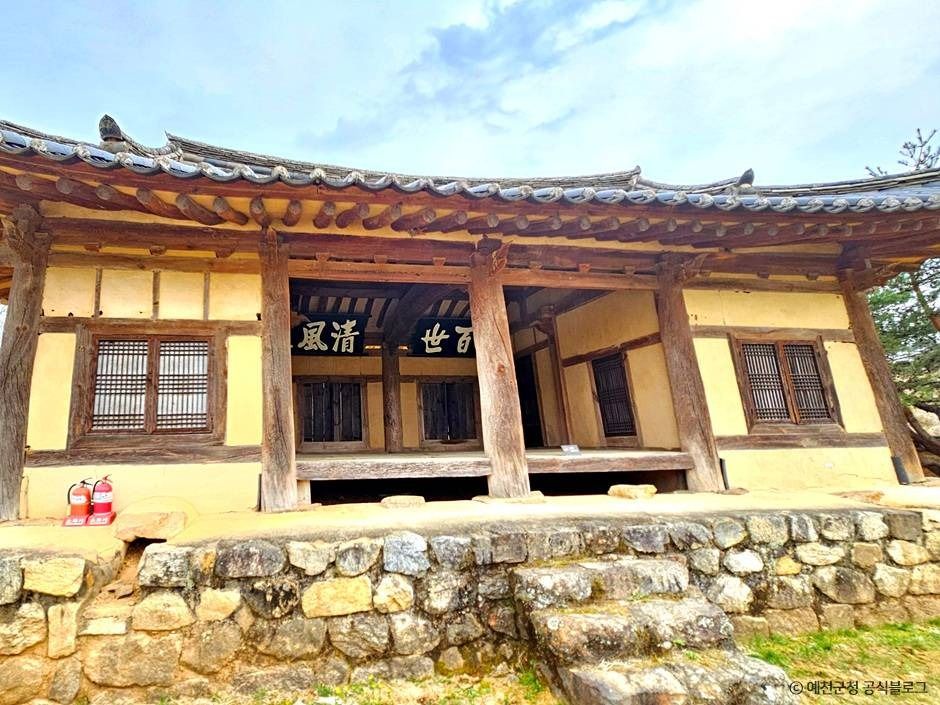
Samgang Lecture HallA place to explore a lecture hall building from the Joseon period, built in 1620.
1
Samgang Lecture HallA place to explore a lecture hall building from the Joseon period, built in 1620. -
 2
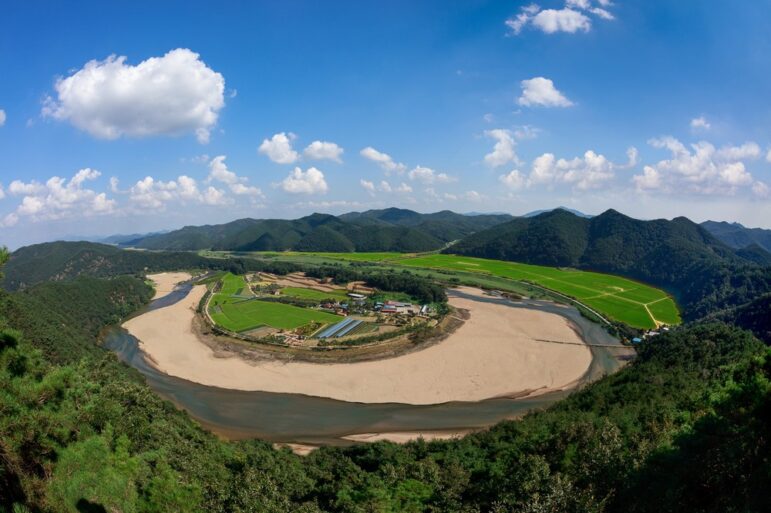
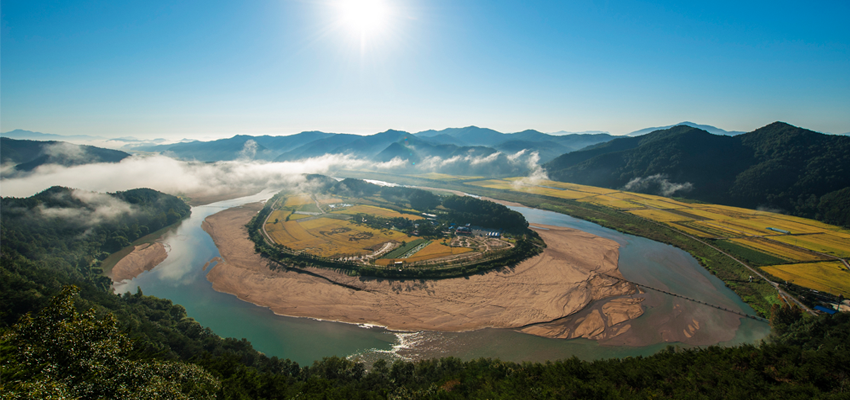
HoeryongpoA scenic spot offering views of a riverside village encircled by the Naeseongcheon River, which makes a 350-degree bend.
2
HoeryongpoA scenic spot offering views of a riverside village encircled by the Naeseongcheon River, which makes a 350-degree bend.
Food & Dining 3
-
 3
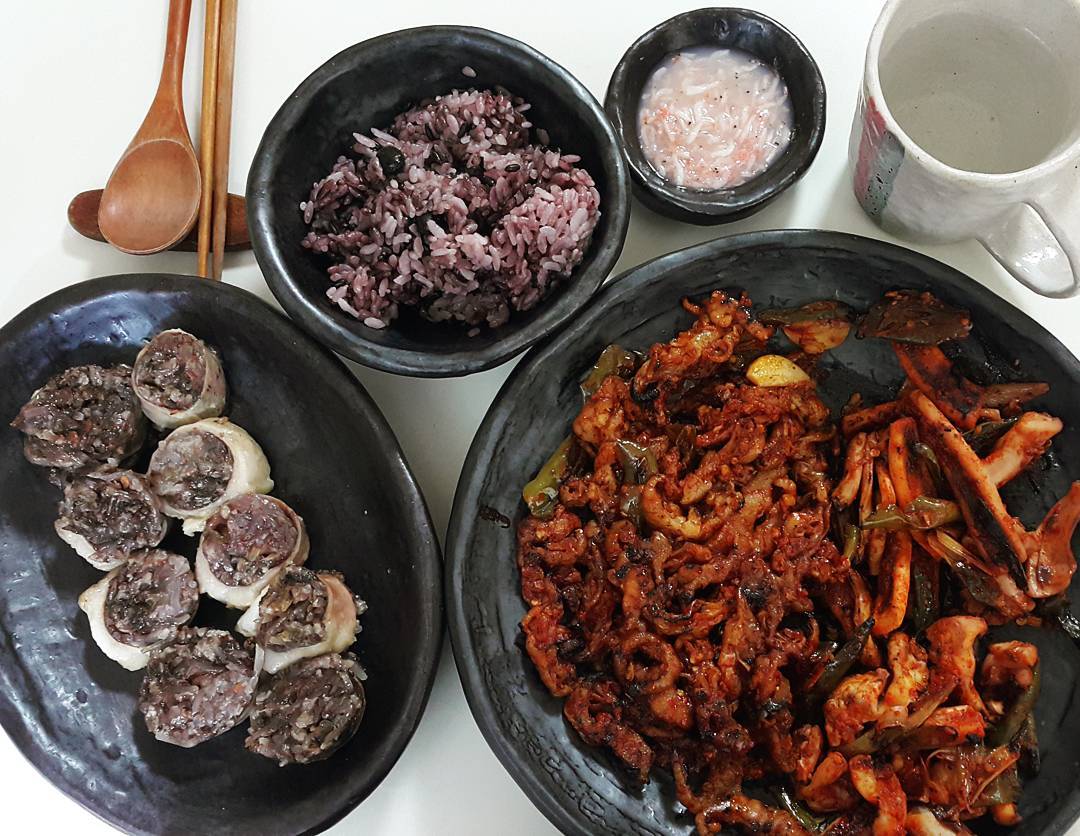
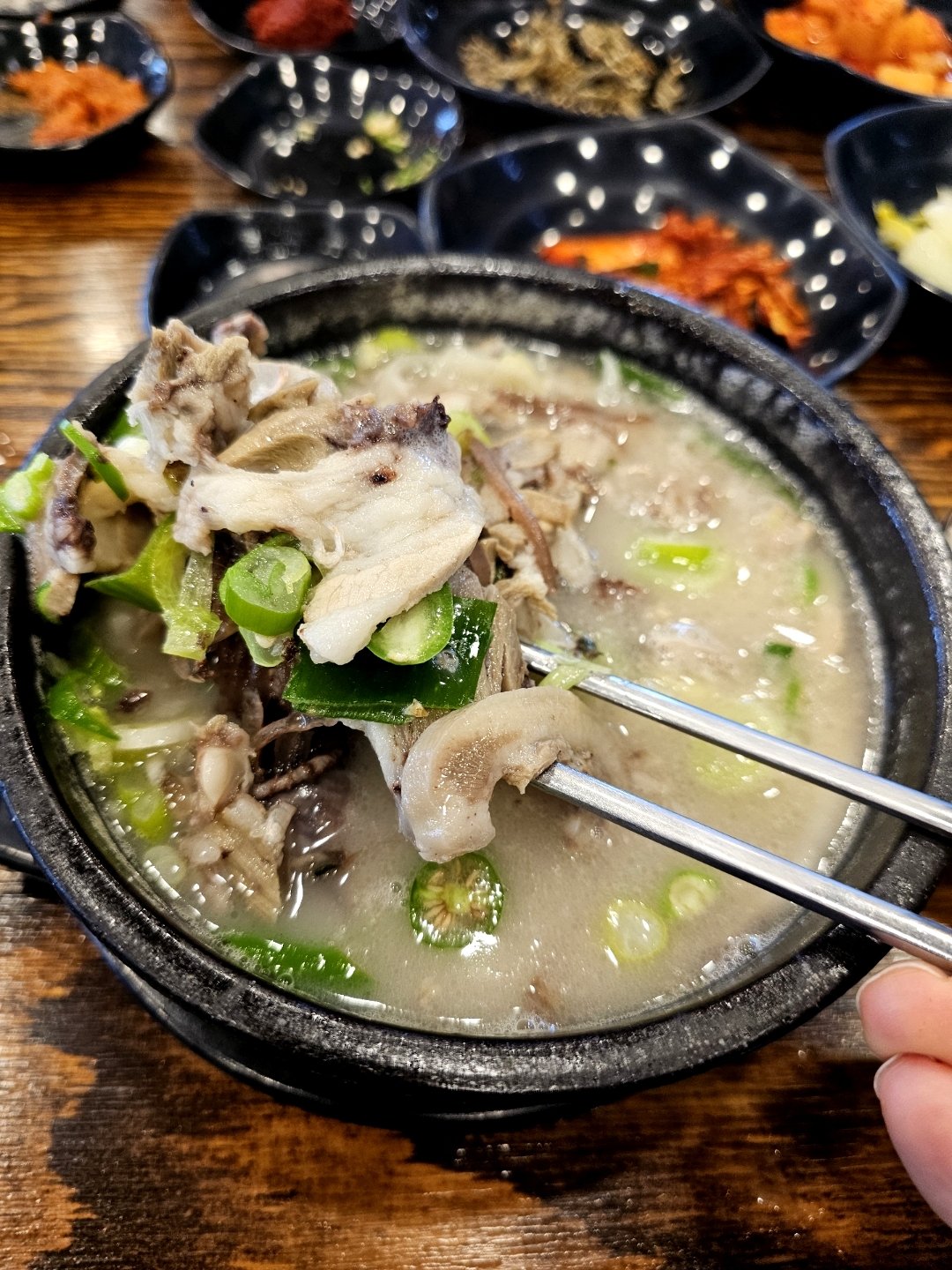
Yonggung SundaeA restaurant where you can enjoy makchang sundae, sundae-gukbap, and charcoal-grilled dishes.
3
Yonggung SundaeA restaurant where you can enjoy makchang sundae, sundae-gukbap, and charcoal-grilled dishes. -
 4
4
-
 5
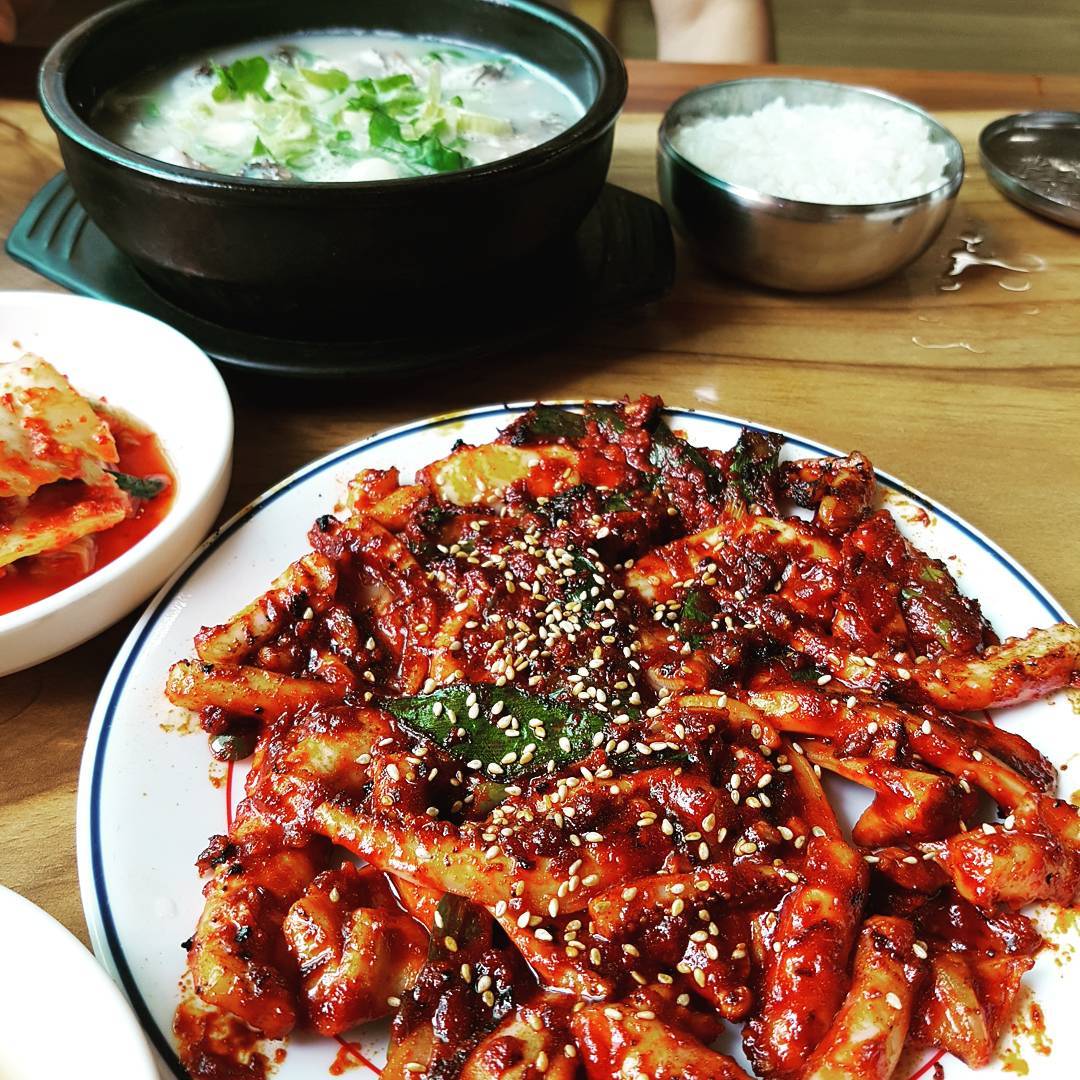
YongwanggungA restaurant serving Yonggung-style sundae and gukbap, as well as spicy stir-fried squid.
5
YongwanggungA restaurant serving Yonggung-style sundae and gukbap, as well as spicy stir-fried squid.
Events in This Area
Festivals in This Area
More Travel Guides in This Area
 Travel Guide
Meet Hoeryongpo Along the 350-Degree Naeseongcheon Waterway and First Ppongppong Bridge
 Travel Guide
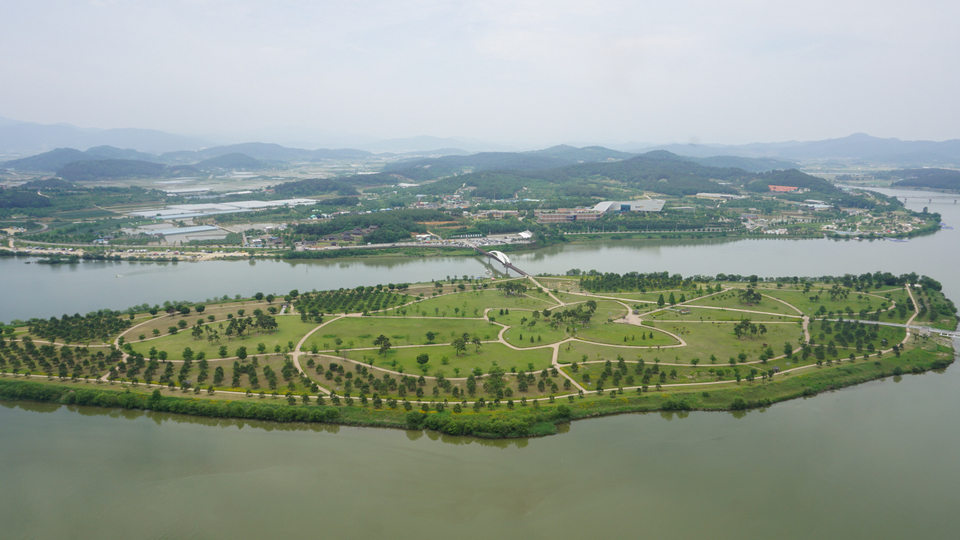
Sangju Gyeongcheonseom Park: Crossing an Island on the Nakdong River
 Travel Guide
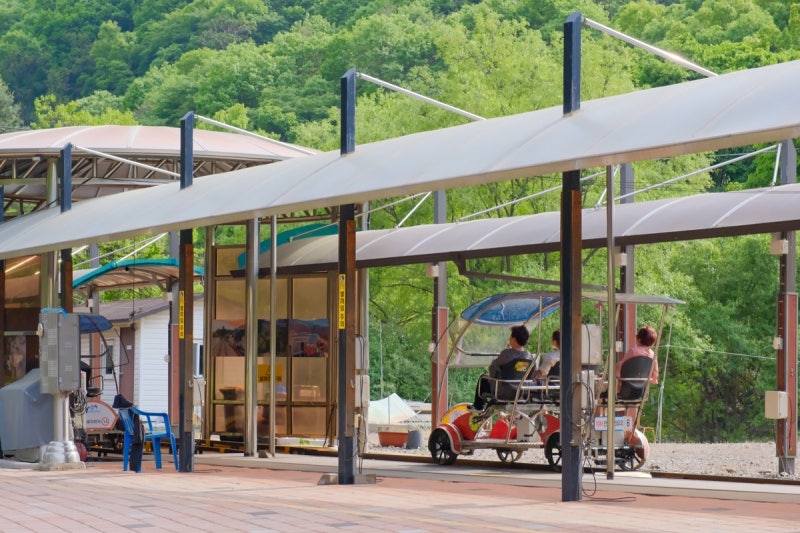
Mungyeong Jinnam Station Rail Bike Along a Disused Railway Line
 Travel Guide
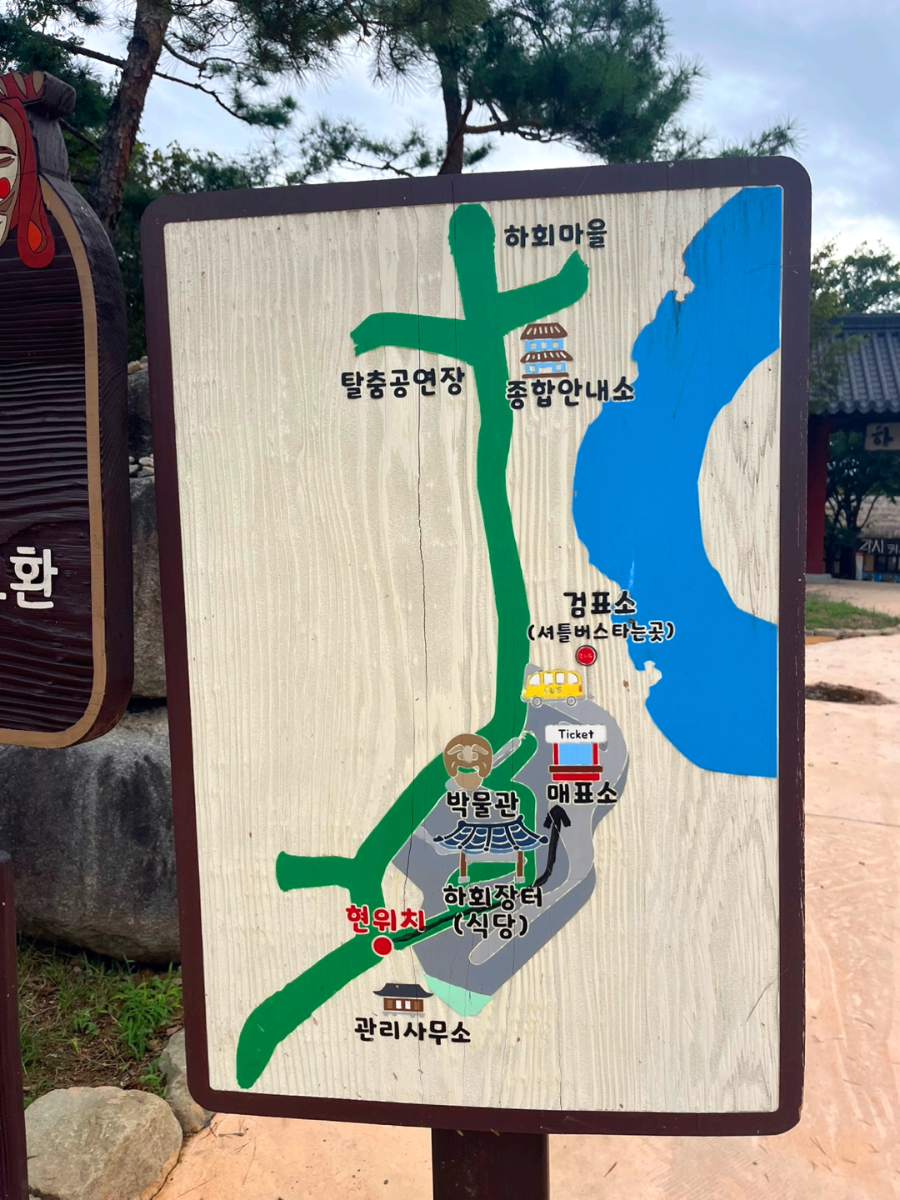
Andong Hahoe Village, the 600-Year-Old Village of the Pungsan Ryu Clan Shaped by the Nakdong River’s S-Curved Meanders
Korea News
 News
News
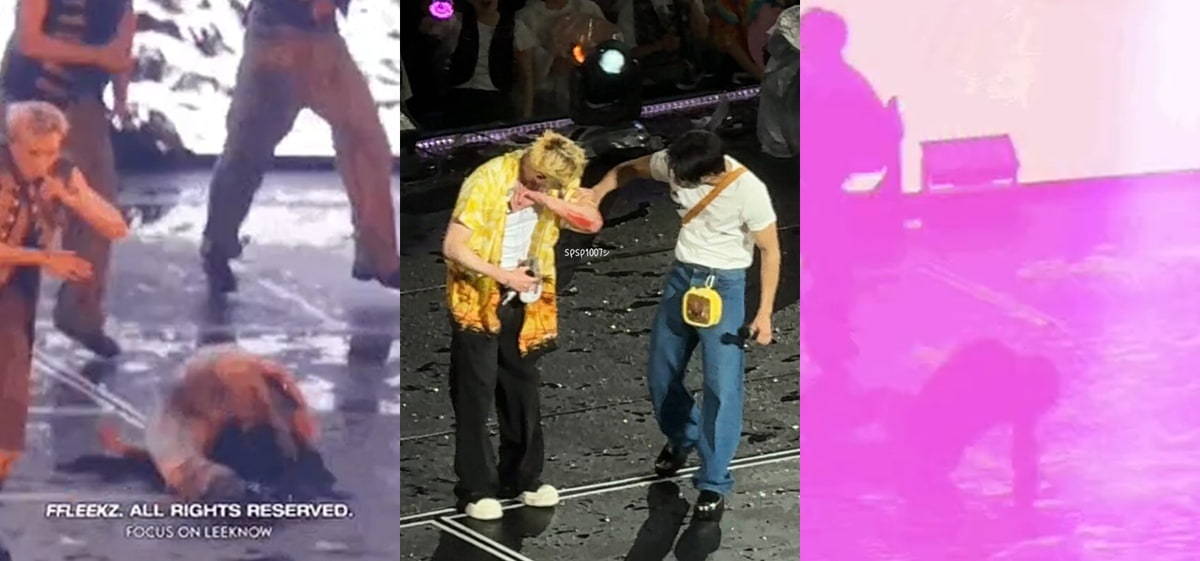
During Stray Kids’ stage, a “thud” left him bleeding… Lee Know was taken to the hospital
 News
News
'Comeback' LE SSERAFIM holds a confident and relaxed press conference
 News
News
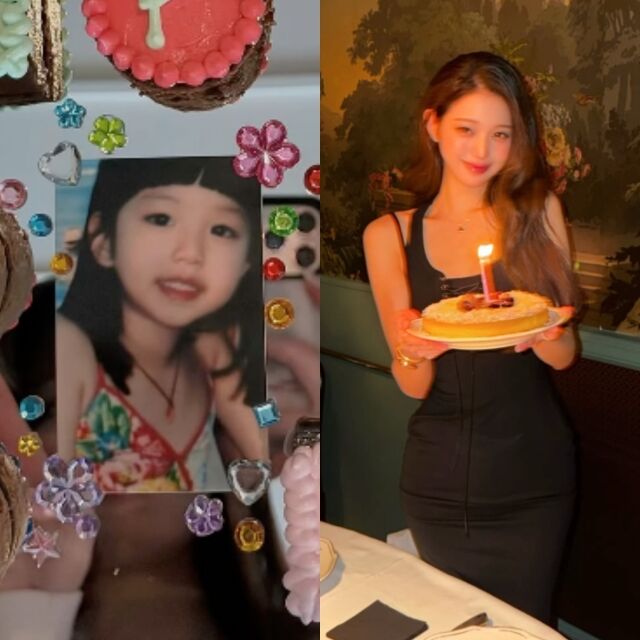
Jang Won-young: This girl has grown so much… Shares childhood photos to celebrate her birthday
 News
News