I’ve been here?
Your check-in helps the next traveler.
No one has checked in yet Be the first
One tap — no writing needed
A festival where World Heritage sites across the country become the stage, in Andong in 2026
When a friend preparing for a trip to Korea asks, "Isn't there a place where you can actually 'experience' UNESCO World Heritage, not just see it?" I tell them about the World Heritage Festival. This festival is not fixed to one location. It is hosted by the Cultural Heritage Administration and organized by the Korea Heritage Service, and every year the venue is chosen through an open call, after which performances, exhibitions, hands-on experiences, and academic programs are held using that year's World Heritage sites as the stage. It began in 2020 with the Seowons of Korea and Gyeongbuk and Jeju, and has continued through places such as Suwon Hwaseong, the Baekje Historic Areas, Gyeongju, and Suncheon.
In 2026, it will be held in three parts. From late August to early September, it will feature the 'Gaya Tumuli' spanning Gimhae, Haman, Goseong, Changnyeong, Hapcheon, Goryeong, and Namwon. In early October, it will feature 'Jeju Volcanic Island and Lava Tubes,' and from Friday, October 9 to Sunday, October 25, it will be held in Andong under the theme 'Historic Villages of Korea, Sansa, and Seowon.' In this article, I will focus on the Andong edition, which has the most distinctly Korean autumn scenery. Andong City operates around 25 programs over about three weeks at four World Heritage sites: Hahoe Village, Bongjeongsa, Dosanseowon, and Byeongsanseowon. The theme is 'World Heritage of Reflection, Future Value of Convergence.'
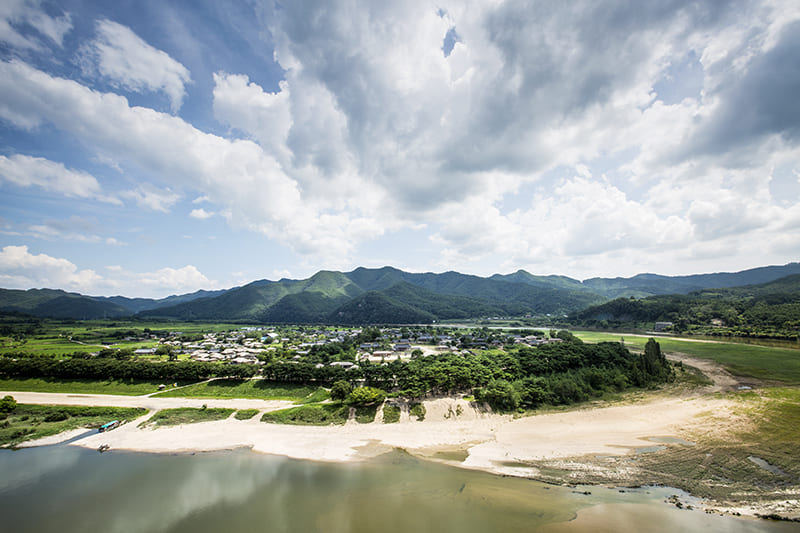
The Andong day route I imagined — from Hahoe Village to a night at Dosanseowon
Before you go, you only need to decide two things. The first is transportation. To reach Andong, you come by KTX or train to Andong Station, then take a city bus to Hahoe Village Market. However, buses to Hahoe Village and Dosanseowon do not run very often. So I captured the bus timetable before leaving and moved accordingly. Visitors get off at Hahoe Village Market, buy tickets at the ticket booth, and then take a shuttle bus into the village, so it can be a little confusing the first time. If you want a more flexible route, a rental car is convenient, and it takes about 15 minutes from Seoandong IC to the village.
The second is clothing. Hahoe Village is beside a river and is a folk village, so there are few indoor spaces with air conditioning in summer, and in autumn and winter the river wind can be quite cold. During the October festival period, daytime is pleasant for walking, but once the sun sets it turns chilly, so be sure to bring an outer layer. Considering the village alleys, dirt paths, and the uphill walk to Buyongdae, sneakers are the right choice.
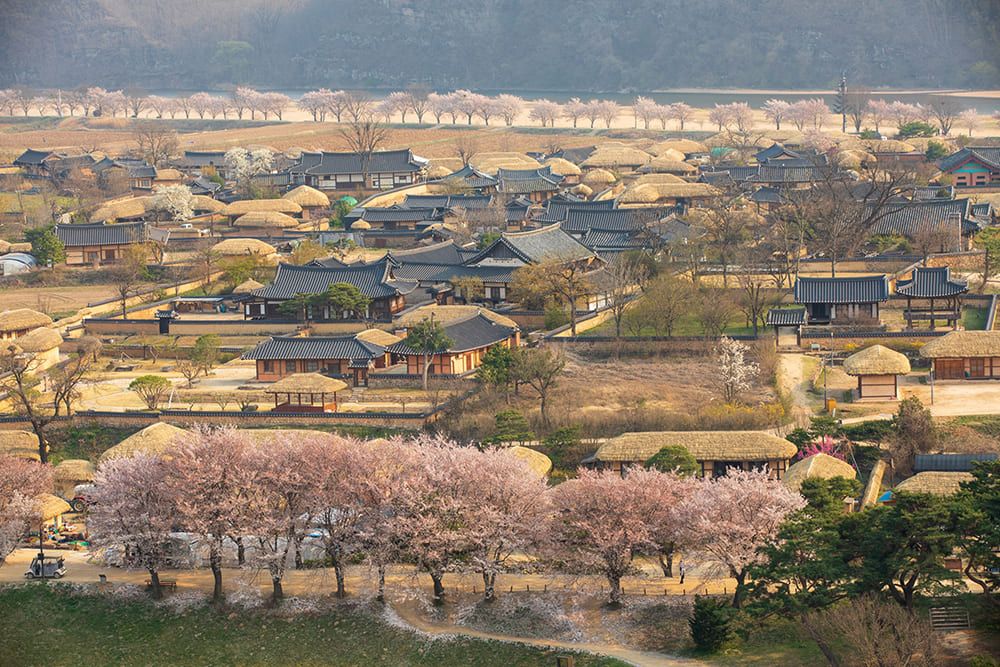
Once you enter the village, you will see a scene where thatched houses surround large tiled-roof homes. It is a clan village where the Pungsan Ryu clan has lived for over 600 years, so it is still a 'living heritage' where people reside, and it is also the birthplace of Seoae Ryu Seong-ryong and his brother. After touring Chunghyodang and Yangjindang, I climbed Buyongdae across the river and looked down over the entire village. The scene of the Nakdonggang curving in an S-shape around the village felt like the heart of the Andong trip. For lunch, I chose between Andong jjimdak, gan godeungeo, and heotjesatbap.
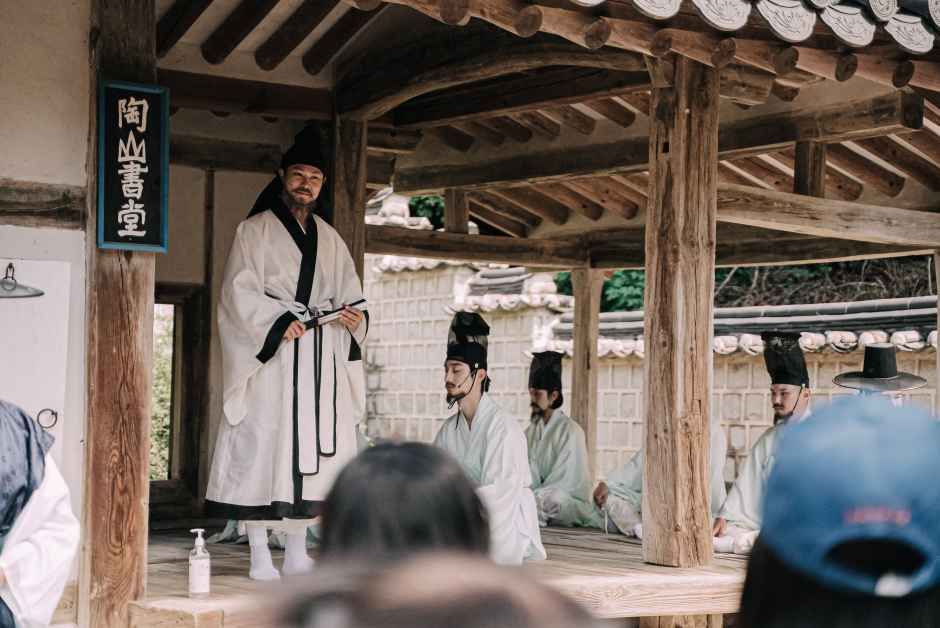
In the afternoon, I moved on to Bongjeongsa. Founded during the Silla period, Geukrakjeon is the oldest wooden building in Korea. During the festival, calm experience programs such as tea ceremony and incense meditation are offered here. I also recommend ending the evening at Dosanseowon. Dosanseowon is a seowon dedicated to Toegye Yi Hwang and was inscribed as a World Heritage site under 'Seowon, Korean Neo-Confucian Academies,' and during the festival period it opens at night. Walking through the academy at night, with soft lighting and performances, feels completely different from seeing it only during the day. However, Dosanseowon is far from the city center and the night event makes the return trip the biggest variable. If you plan to attend the night opening, it is best to arrange your rental car or taxi route in advance.
The highlight of the festival, Seonyujulbulnori pouring down from the Buyongdae cliff
The thing I most wanted to see at the Andong festival was Hahoe Village's Seonyujulbulnori. It is so unique that it is called the only traditional fire performance of its kind in Korea. The key is the 'julbul,' made by stretching a line between the Mansongjeong pine grove and the Buyongdae cliff, which rises 65 to 70 meters high, and lighting bags filled with charcoal powder so they float over the river. As the charcoal powder burns, sparks scatter over the fire river, and in the middle of that 'nakhwaya!' is shouted while fireballs fall like a waterfall from the top of Buyongdae down the cliff in the nakhwa performance. Small egg-like fireballs also drift quietly over the water. The scene where julbul, nakhwa, egg-fire, and boat play come together in one frame is completely different in tone from a typical fireworks festival.
Originally, it was an aristocratic pastime enjoyed by scholars around the full moon of the seventh lunar month, but now it is recreated in autumn and has become very popular. The best viewing spot is along the riverbank near Mansongjeong on the opposite side of the river. Since it starts only after dark, you should plan your schedule around sunset, and just remember that it is colder by the river.

Things to know before you go so you don't get lost
The first thing to arrange is reservations. Many of the World Heritage Festival programs are hands-on experiences with limited capacity, such as tea ceremony, incense meditation, and artifact excavation experiences. For these, it is safer to reserve in advance rather than just wait on site, so be sure to check the application method and time on the official page for any program you want to attend. For programs like Seonyujulbulnori and the Dosanseowon night opening, the operating dates are often limited to weekends and specific days, so you should make sure your visit date matches an operating day to avoid making a wasted trip.
Payment and costs are relatively manageable. Hahoe Village has an admission fee, and the Dosanseowon night opening was previously operated free of charge. However, some small shops and food trucks in the village may prefer cash, so it is good to bring a little cash with you. As for language, to be honest, you cannot assume that every program has English interpretation. That said, Hahoe Village offers cultural-tour guide and interpretation services, and programs that are mainly for viewing, such as the fire performance and night opening, can be enjoyed fully even without language, so I can confidently recommend them to foreign friends. If you are aiming for the hands-on programs, preparing a translation app is enough.
Finally, Andong's biggest drawback is that the heritage sites are spread out away from the city. Trying to visit Hahoe Village, Bongjeongsa, and Dosanseowon all in one day is tight by public transportation alone, so if you do not have a car, I recommend splitting it into two days or focusing deeply on just one or two places in a day.
If you want to see both quiet traditional scenery and fireworks cascading over a river, and if you are the kind of friend who prefers a reflective trip over a crowded city festival, I would recommend this festival. When you watch the autumn-night fireworks in a village that has lived for 600 years, you will naturally feel that World Heritage is not a frozen past, but a place that still breathes today.
| Item | Score | Basis |
|---|---|---|
| Language accessibility | 3.0 | Hahoe Village offers guide and interpretation services, and the fire performance and night opening can be enjoyed without language, but English interpretation is not guaranteed for every program |
| Transportation accessibility | 2.5 | There is bus access from Andong Station, but departures are infrequent and the heritage sites are scattered, so the itinerary is tight without a car |
| Foreign visitor facilities | 3.0 | Ticketing and shuttle systems plus information centers are in place, but some experiences require advance preparation such as reservations |
| Local cultural experience | 5.0 | Directly experience uniquely Korean heritage such as Seonyujulbulnori, the Dosanseowon night opening, and incense meditation at Bongjeongsa |
| Value for money | 4.0 | The cost is about the level of Hahoe Village admission, and there have been cases where the night opening was free, so the financial burden is low |
| Cleanliness/Safety | 4.0 | It is an event managed by a national institution, and the village and seowons are well preserved and maintained |
| Food/convenience facilities | 3.5 | There is a rich selection of local foods such as Andong jjimdak, gan godeungeo, and heotjesatbap, but some shops are cash-friendly |
This article was compiled by our editorial team from official announcements and coverage of previous editions; it is not a first-hand visit report. Please confirm the final schedule and fees on the official website.
Festival Details
-
Festival Period8/28/2026 ~ 10/25/2026
-
Festival Venue2-1, Hahoe Jongga-gil, Pungcheon-myeon, Andong-si, Gyeongsangbuk-do
-
Admission FeeFree (There may be paid programs by venue)
-
TagsWorld Heritage Festival UNESCO World Heritage Sites Gaya Tombs Jeju Volcanic Islands and Lava Caves Mountain Fortress Buddhist Seonwon and Confucian Academies of Korea International academic symposium
More Festivals



Popular Concerts

![[Play&Stay]ILLIT LIVE ‘PRESS START♥’ ENCORE in KOREA + Hotels](https://kotourlive-images.s3.ap-northeast-1.amazonaws.com/concerts/1790560840067_340ff0d2_thumbnail.gif)


More Travel Guides in This Area
 Travel Guide
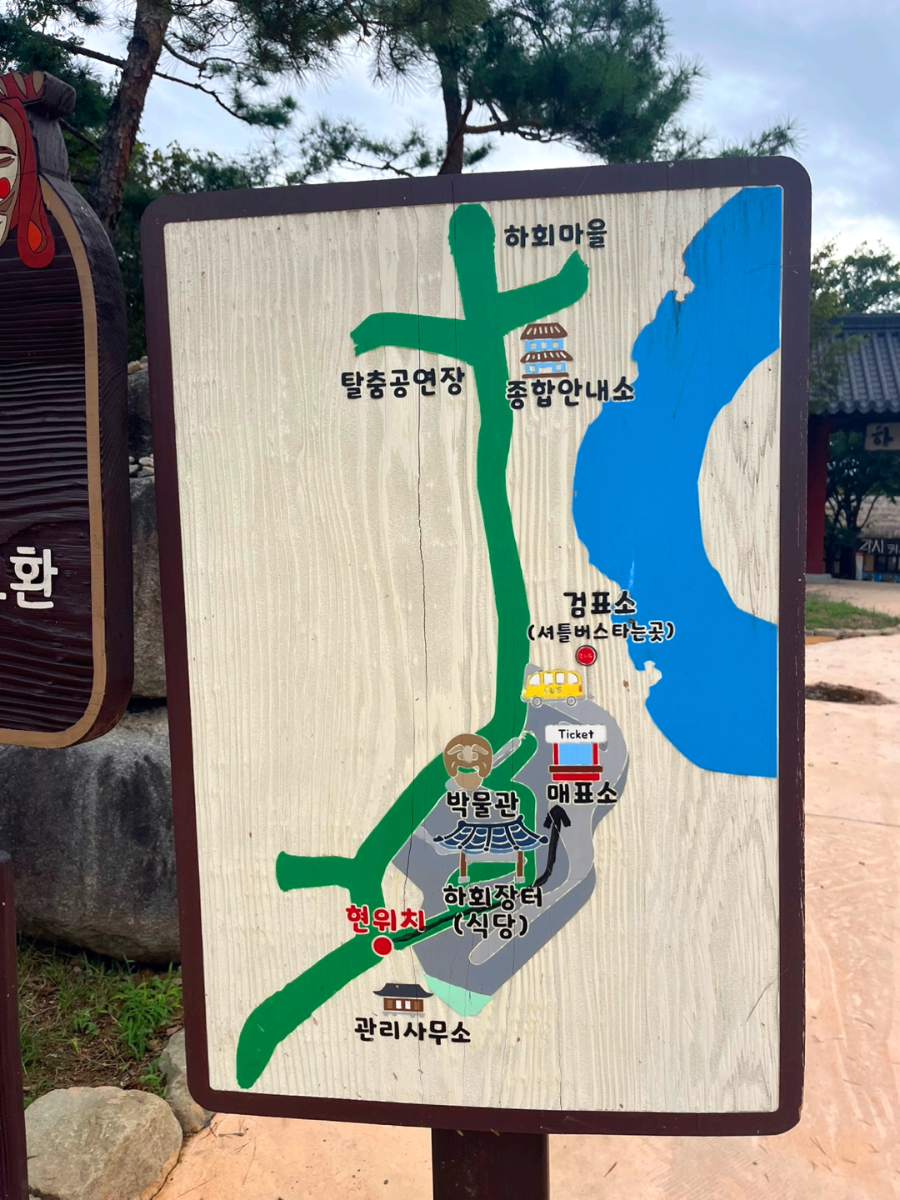
Andong Hahoe Village, the 600-Year-Old Village of the Pungsan Ryu Clan Shaped by the Nakdong River’s S-Curved Meanders
 Travel Guide
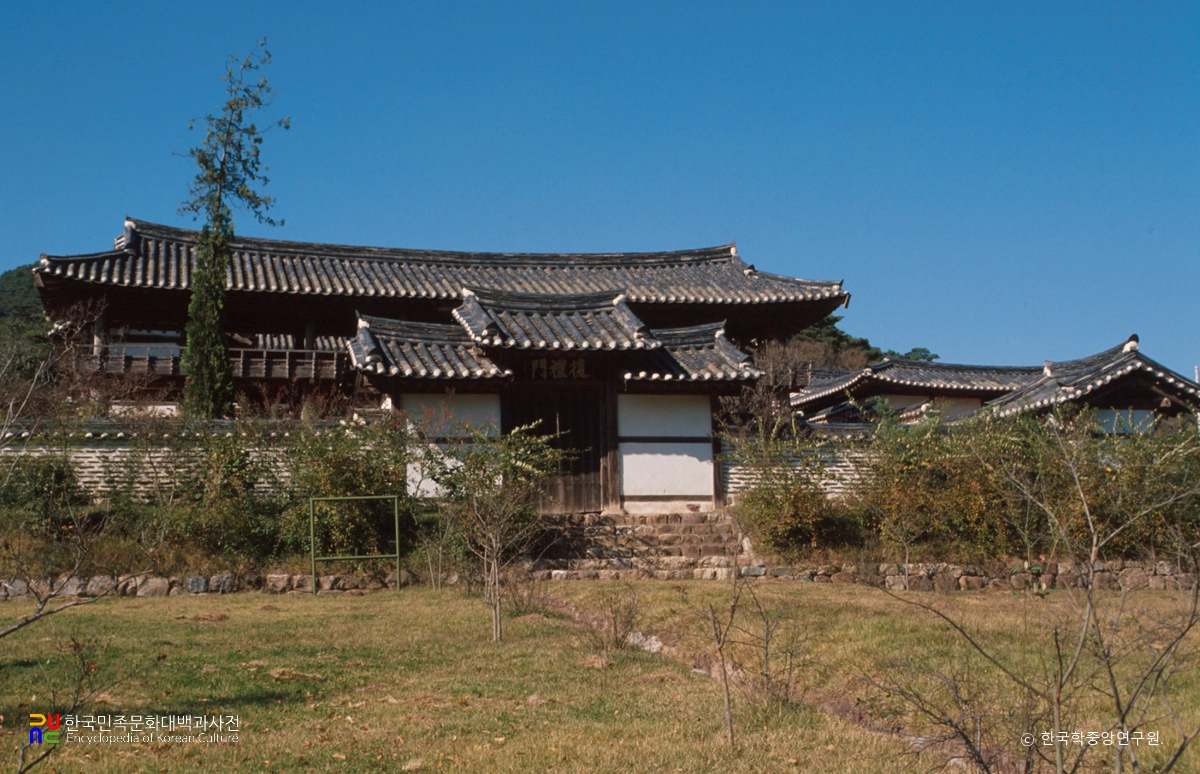
Byeongsan Seowon, Where the Nakdong River Sandbank Becomes a Seven-Panel Folding Screen
 Travel Guide
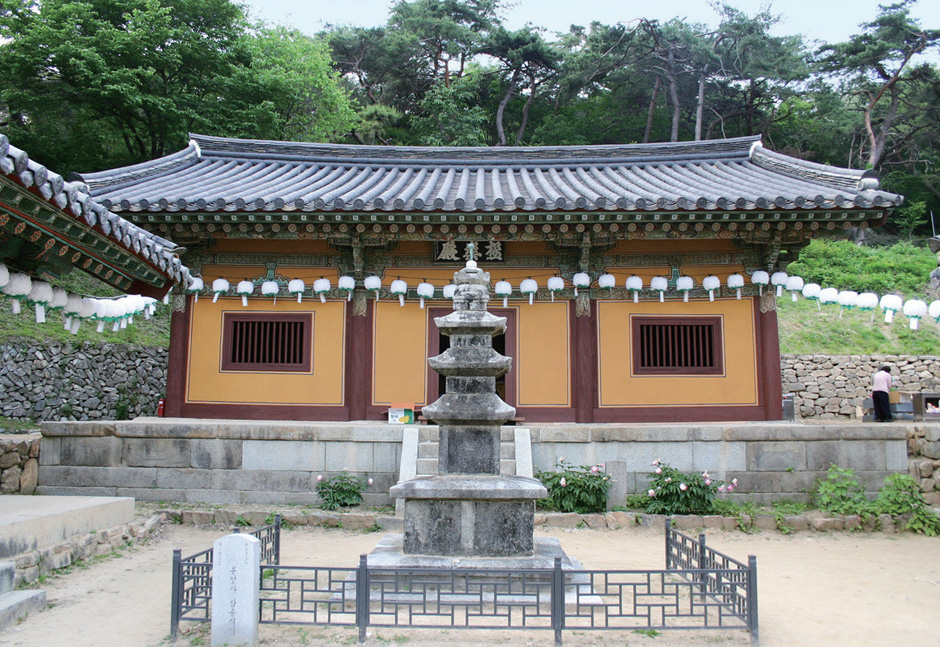
Bongjeongsa Temple Beneath Cheondeungsan Mountain, Andong’s Mountain Retreat Linking Geungnakjeon and Daeungjeon
 Travel Guide