Andong Hahoe Village, the 600-Year-Old Village of the Pungsan Ryu Clan Shaped by the Nakdong River’s S-Curved Meanders
Andong Hahoe Village is a clan village of the Pungsan Ryu family, formed on land where the Nakdong River curves around the village in an S shape. Although it was added to the UNESCO World Heritage List in 2010, it remains a living community, so it is best to plan your route with visitor etiquette between the hanok houses and the admission closing time in mind.

I’ve been here?
Your check-in helps the next traveler.
12 people viewed this week Be the first
One tap — no writing needed
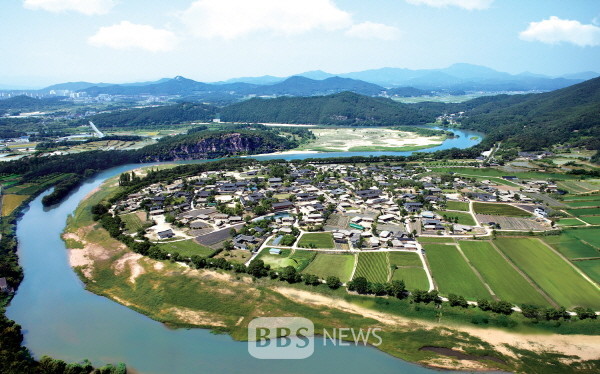
The S-shaped bend of the Nakdonggang River that gave Hahoe its name
Hahoe (河回) takes its name from the landscape where the Nakdonggang River flows around the village in an S-shaped curve, enclosing it to the east, south, and west. The village is located in Hahoe-ri, Pungcheon-myeon, Andong-si, Gyeongsangbuk-do. Set with mountains and forests behind it and facing the river and fields, its layout illustrates the location and lifestyle of a Confucian aristocratic village in the early Joseon period.
Hahoe Folk Village is a single-clan village where the Pungsan Ryu clan has lived for approximately 600 years. It was a setting in which the scholar-official culture of Yeongnam developed. Its key feature is that the main family residences, tiled-roof houses, thatched houses, pavilions, seowon academies, and surrounding riverside landscape have survived together as an integrated whole. In 2010, it was inscribed on the UNESCO World Heritage List together with Gyeongju Yangdong Village as “Historic Villages of Korea: Hahoe and Yangdong.” The inscription criteria were (iii), evidence of a cultural tradition, and (iv), a representative landscape and architecture illustrating a significant stage in history.
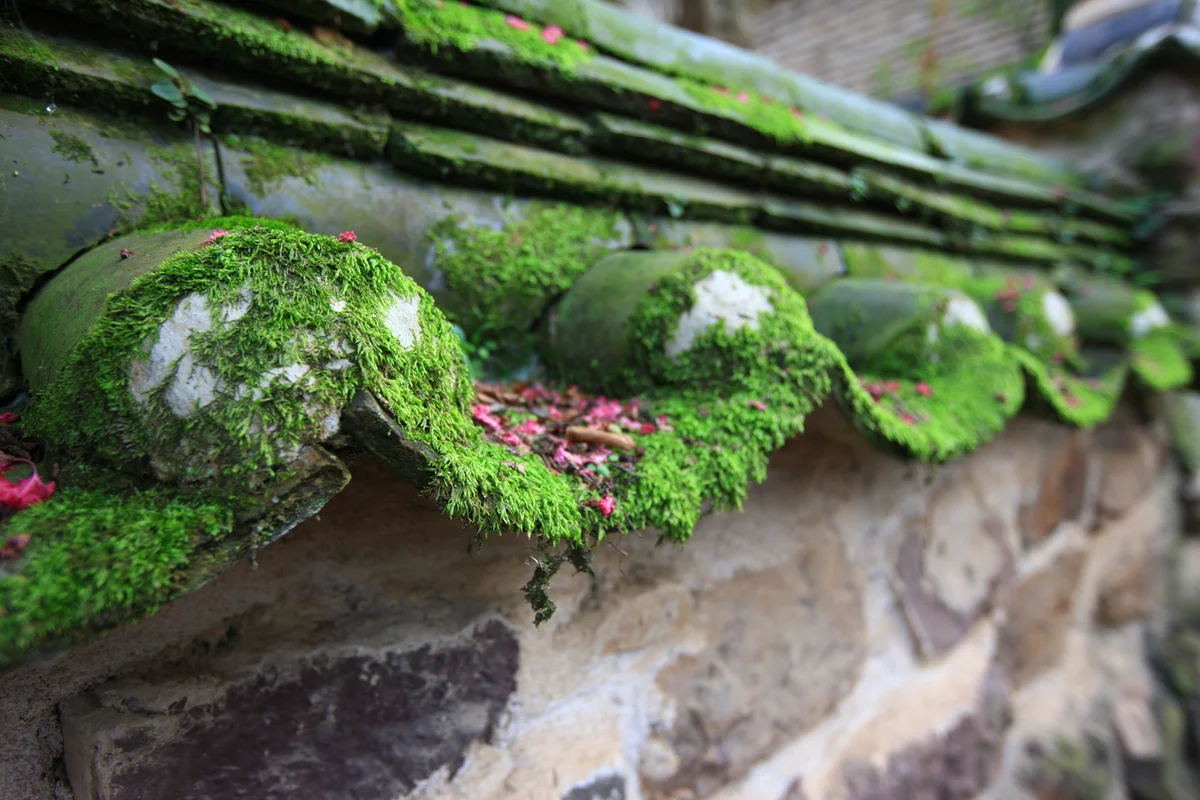
The era of the brothers Ryu Un-ryong and Ryu Seong-ryong, read between Yangjindang and Chunghyodang
The village’s major growth was shaped by members of the Pungsan Ryu clan during the middle Joseon period. The clan’s status rose from the generation of Ryu Un-ryong and his younger brother, Seoae Ryu Seong-ryong, and layers of main-family architecture and descendants’ living spaces remain throughout the village. Yangjindang is the principal residence associated with Ryu Un-ryong, while Chunghyodang is the representative residence associated with Ryu Seong-ryong. Areas inside the main gates may be private living spaces, so visitors should follow the open areas and informational signs.
This is not a museum-style heritage site consisting of individual buildings; it is a village where residents still live. Please do not make loud noises in the lanes or enter behind walls or into courtyards, and follow signs restricting photography. The coexistence of thatched and tiled-roof houses allows visitors to read traces of how social status and living structures during the Joseon period coexisted within one village.
- Yangjindang: Historic residence associated with the main family of Gyeomam Ryu Un-ryong of the Pungsan Ryu clan
- Chunghyodang: Historic residence associated with the main family of Seoae Ryu Seong-ryong
- Hahoe Byeolsingut Tallori: A masked dance passed down in Hahoe Folk Village; performance dates should be checked separately
Calculate the schedule first: admission begins at 09:00, with closing admission at 17:30 or 16:30
According to Andong tourism information, visiting hours are 09:00–18:00 during the summer season from February through October, with admission closing at 17:30. During the winter season from November through January, hours are 09:00–17:00, with admission closing at 16:30—one hour earlier. No regular closing days are separately announced, so the site operates as open year-round. However, performances, events, and weather conditions may change, so it is safest to confirm before departure by calling 054-852-3588.
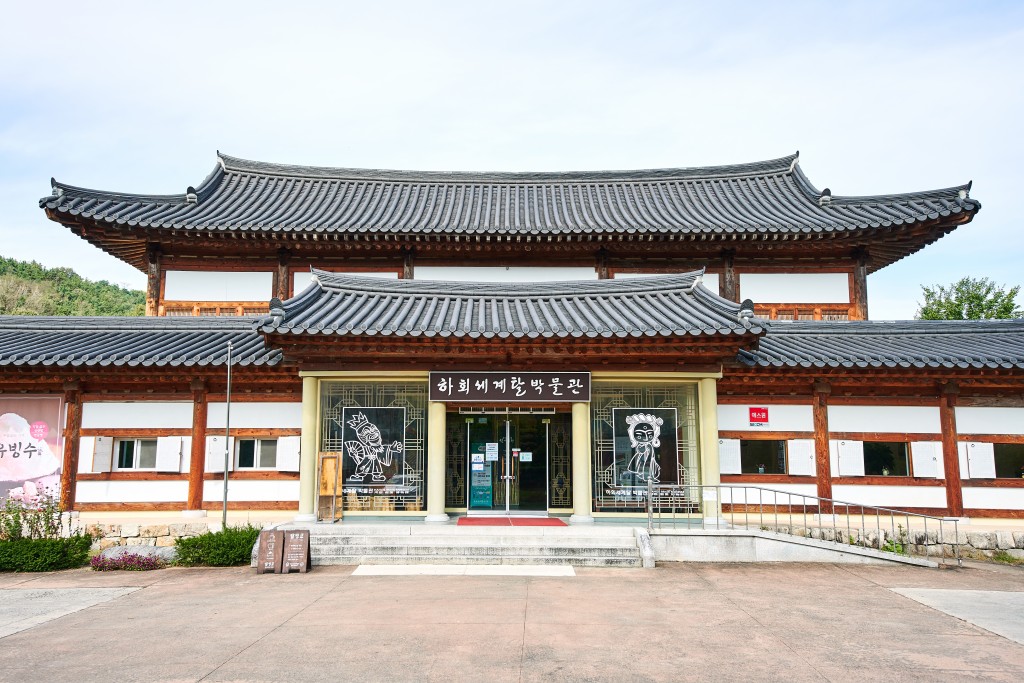
For individual visitors who are not Andong residents, admission is 5,000 won for adults, 2,500 won for youths, military personnel, and police officers, and 1,500 won for children. Groups of 30 or more paying visitors receive rates of 4,000 won for adults, 2,000 won for youths, military personnel, and police officers, and 1,200 won for children. Separate discounted rates apply to Andong residents and Yecheon residents. The public parking lot, Hahoe World Mask Museum, and village shuttle bus are listed as free.
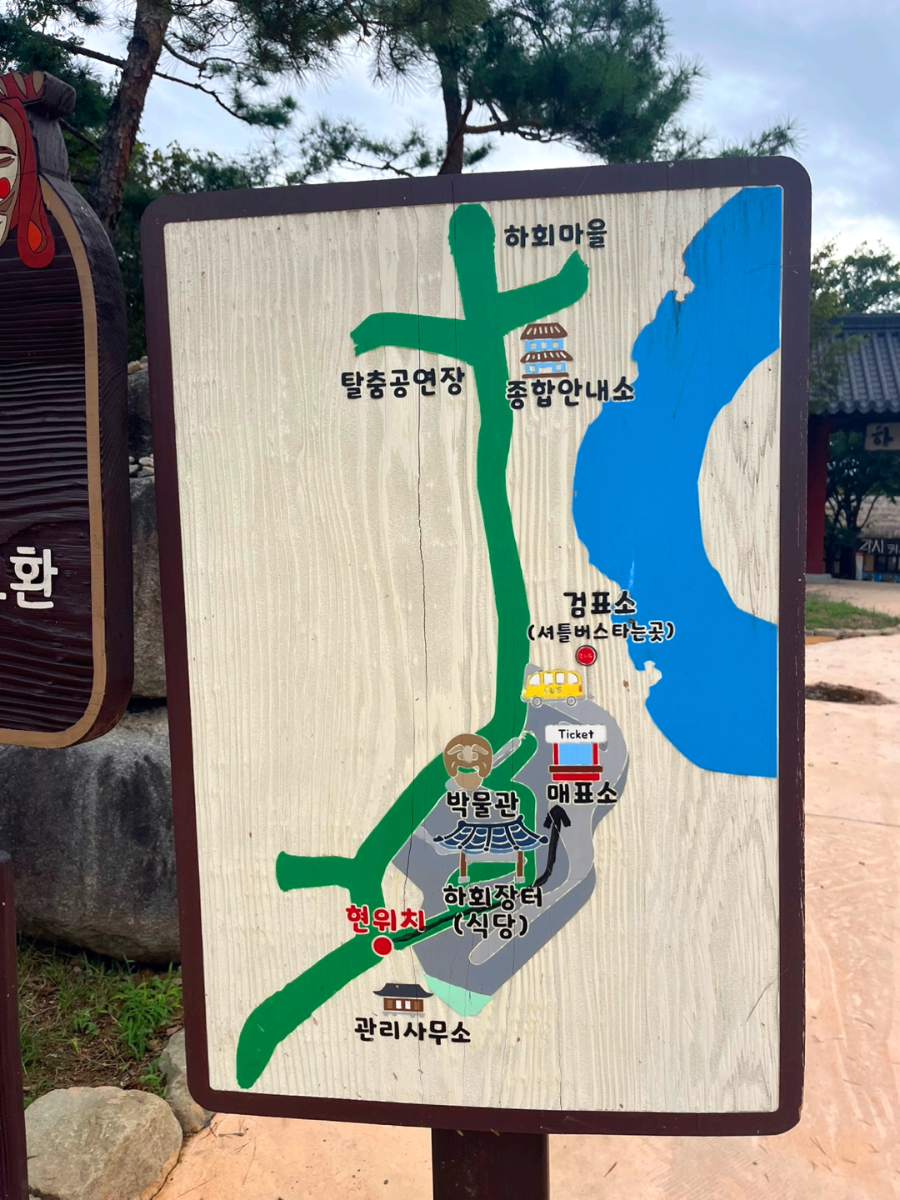
A 2.5- to 4-hour route covering the ticket office, free shuttle, and village lanes
For a first visit, allow at least 2.5 hours including ticketing and the shuttle transfer. If you take your time visiting Yangjindang, Chunghyodang, Samsindang, and Mansongjeong, it is better to allow 3–4 hours. To include Buyongdae, a half-day itinerary is appropriate because it involves crossing the river and walking uphill. Since admission is unavailable after 17:30 in summer and 16:30 in winter, it is better to avoid arriving late in the afternoon.
Parking is available at the public parking lot, and parking is free. The shuttle bus connecting the parking lot with the inner village is also listed as free, but waiting times may be long on days when visitors gather in large numbers, such as festivals or the Seonyujulbulnori event. Shuttle queues and congestion at the entrance parking area were also mentioned in visitor complaints about an autumn 2024 event. On major event days, arriving in the morning or prioritizing the official shuttle announcements is the most practical approach.
- Included with admission: Hahoe World Mask Museum admission and village shuttle use
- Recommended starting time: Between 09:00 and 11:00 during the summer season
- Late-arrival cutoff: Tickets must be purchased before 17:30 in summer and 16:30 in winter
Bus 210 from Andong Bus Terminal, past Hahoe Village Entrance and on to the village
For public transportation, Bus 210, which passes through Andong Bus Terminal and downtown Andong, is the first option to consider. Bus 210 is described as running from Andong Bus Terminal through Pungsan-eup and Hahoe Village Entrance toward Hahoe Folk Village. If departing from Andong Station or Andong Bus Terminal, bus times may vary by season, day of the week, and temporary services, so check the day’s timetable and destination again through the Andong City bus information system.
The address for driving is 186 Jeonseo-ro, Pungcheon-myeon, Andong-si, Gyeongsangbuk-do, and tourism information also uses 2-1 Hahoejungga-gil. Before departing, confirm that your navigation destination is set to the ticket office and parking lot. This can help prevent accidentally entering residential areas of the village. Visitors using wheelchairs or strollers should note that the village lanes may include dirt roads, unpaved surfaces, and uneven steps. It is advisable to ask the management office before departure about accessible routes and restroom access.
Foreign-language materials can be used together with the English page of Andong Tourism and the World Heritage information. However, the areas open inside historic residences, whether mask-dance performances are held, and reservations for Julbulnori may vary by date, so prioritize the notices provided on site on the day of your visit.
Hahoe Folk Village viewed from Buyongdae, with Byeongsanseowon about 4 km to the east
Buyongdae is a cliff landscape offering a view over the whole of Hahoe Folk Village, and “Buyong” means lotus. It is a place where the curves of the Nakdonggang River surrounding the village, the Mansongjeong forest, and tiled roofs come into view at once. However, the uphill path and uneven ground may make it unsuitable for people with limited mobility. Take care on slippery surfaces on days with strong river winds and after rain.
If you have more time, you can combine the visit with Byeongsanseowon. UNESCO materials describe Byeongsanseowon as a related Confucian educational site approximately 4 km east of Hahoe Folk Village. Connecting it with the context of the seowon dedicated to Seoae Ryu Seong-ryong allows visitors to understand the main-family residences, Confucian education, and Nakdonggang River landscape of Hahoe within one area. However, public transportation services may not run frequently, so decide on your round-trip transportation first.
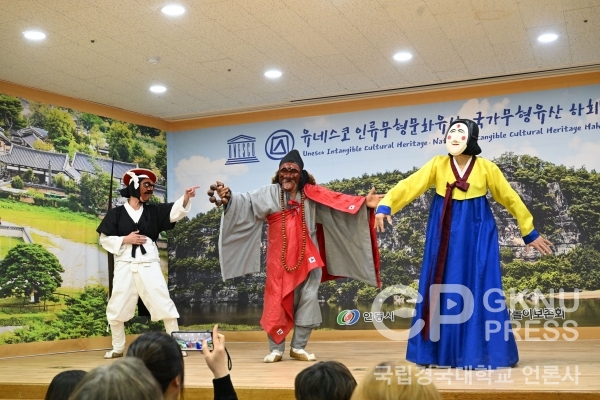
Hahoe Byeolsingut Tallori and Seonyujulbulnori: Confirm the date before choosing your village visit
Hahoe Folk Village preserves Hahoe Byeolsingut Tallori, a folk performance, and Seonyujulbulnori, known as a refined leisure performance of the scholar class. Hahoe Byeolsingut Tallori has periods when regular performances are held, but the venue, time, and non-performance days may change each year. Reports concerning performances in 2026 also confirm the use of a temporary underground performance venue in Hahoe Folk Village, so do not assume that a performance will automatically be held simply because you have a village admission ticket.
Since Seonyujulbulnori is a nighttime event, plan ordinary daytime sightseeing and transportation home together. Parking and shuttles may be crowded on event days, and visitor-related complaints about a September 2024 event reportedly stated that shuttle waits lasted one to two hours. Check the reservation method, admission areas, temporary parking lot, and last bus time based on the official notice for the specific session.
Before You Go
- Address
- 186 Jeonseo-ro, Pungcheon-myeon, Andong-si, Gyeongsangbuk-do
- Hours
- Summer season (February–October) 09:00–18:00, admission closes at 17:30 / Winter season (November–January) 09:00–17:00, admission closes at 16:30
- Closed
- Listed as open year-round; advance inquiries are recommended regarding events and weather conditions
- Admission
- Individual rates for non-Andong residents: adults 5,000 won, youths, military personnel, and police officers 2,500 won, children 1,500 won / Groups of 30 or more: adults 4,000 won, youths, military personnel, and police officers 2,000 won, children 1,200 won
- Phone
- 054-852-3588
- Official site
- https://www.tourandong.com/
- Transport
- Bus 210 is available from Andong Bus Terminal and downtown Andong. It runs via Pungsan-eup and Hahoe Village Entrance toward Hahoe Folk Village. Checking the timetable and destination in the Andong City bus information system on the day of travel is recommended.
- Parking
- Free public parking. The shuttle bus between the parking lot and village is free, but congestion is possible on festival and nighttime event days.
- Time needed
- 2.5–4 hours for basic sightseeing; a half day if including Buyongdae and Byeongsanseowon
- Accessibility
- The village lanes include dirt roads, unpaved surfaces, uneven steps, and the uphill path to Buyongdae, so wheelchair and stroller users are advised to consult the management office before traveling. Foreign-language materials are available through the English page of Andong Tourism and UNESCO information.
The information above is current as of the time of writing. Check the official information again before your visit.

Places
Nearby Attractions 5
-
 1
1
-
 2
2
-
 3
3
-
 4
4
-
 5
5
Food & Dining 5
-
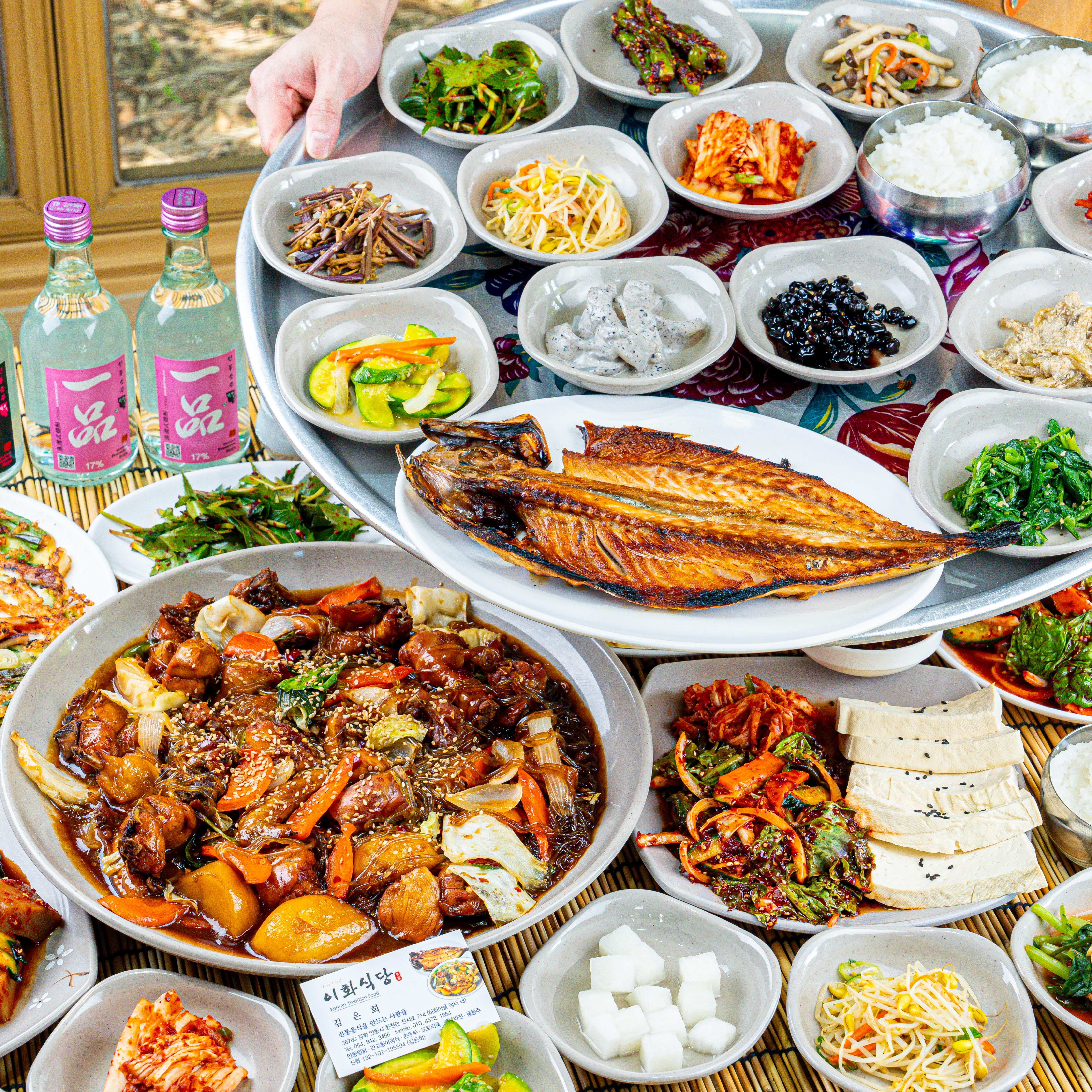 6
Andong Ewhasikdang
6
Andong Ewhasikdang -
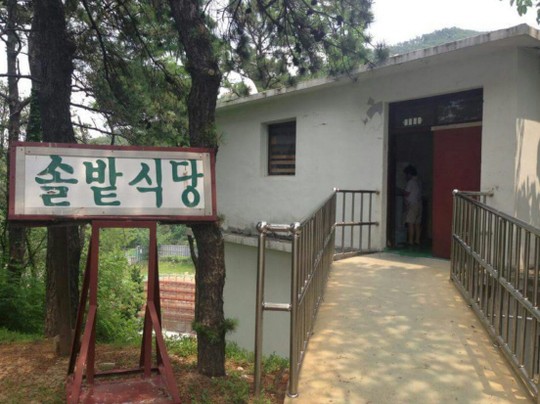 7
Solbat Sikdang
7
Solbat Sikdang -
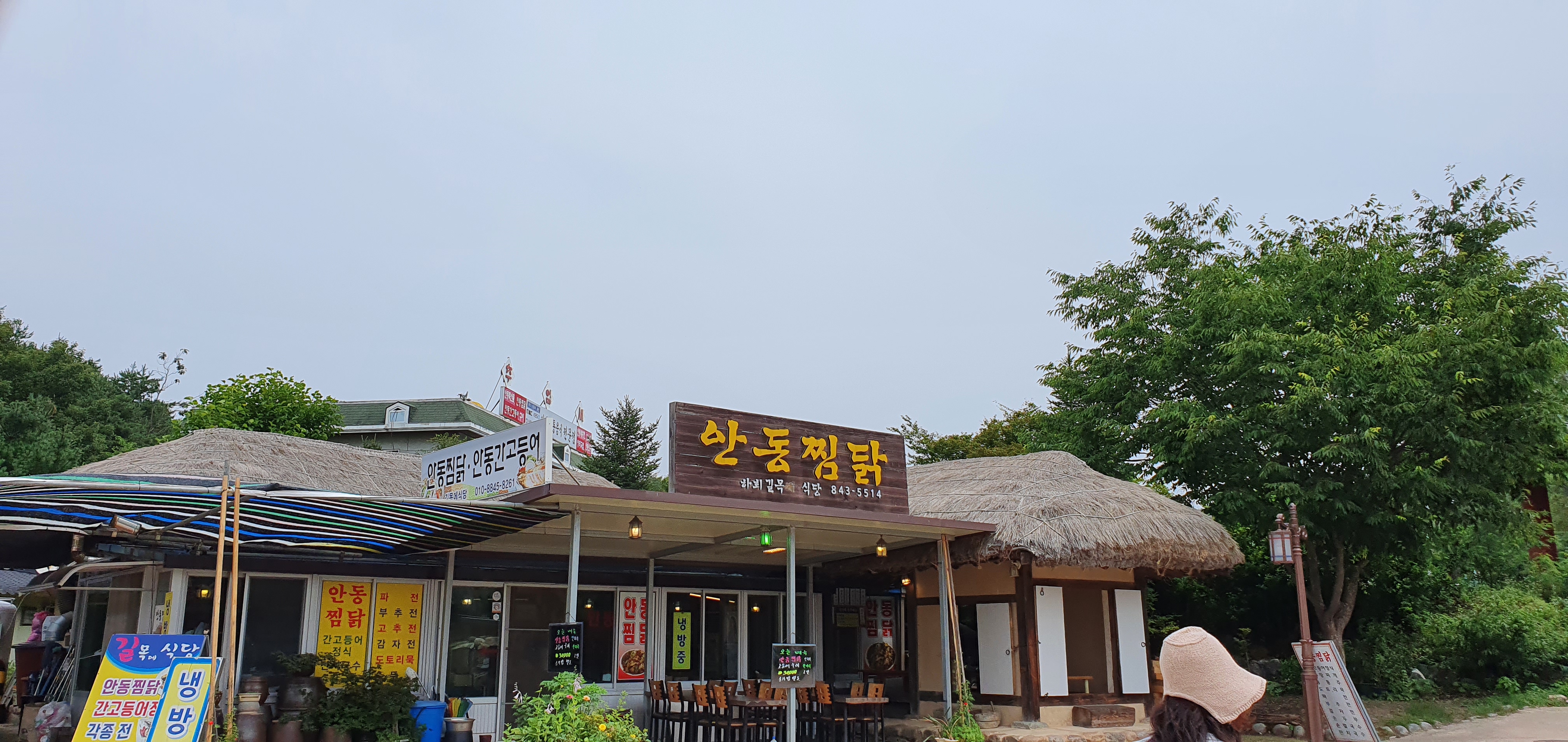 8
Hahoe Restaurant
8
Hahoe Restaurant -
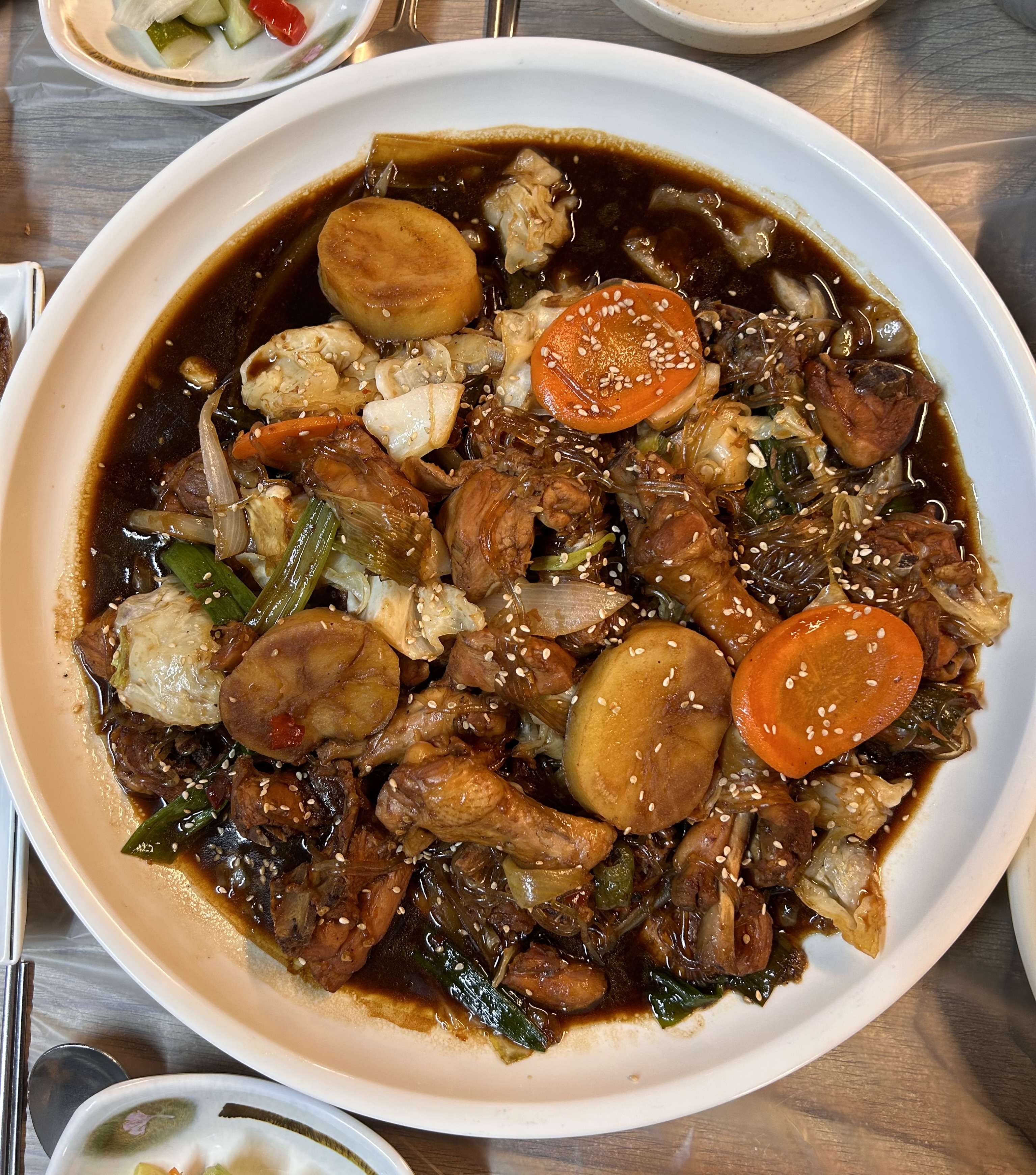 9
Hahoe Gilmok Restaurant
9
Hahoe Gilmok Restaurant -
 10
Andongjip
10
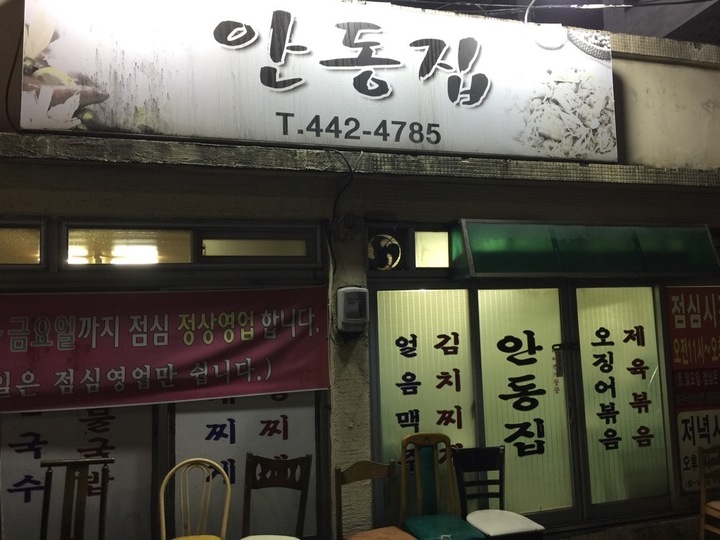
Andongjip
Events in This Area
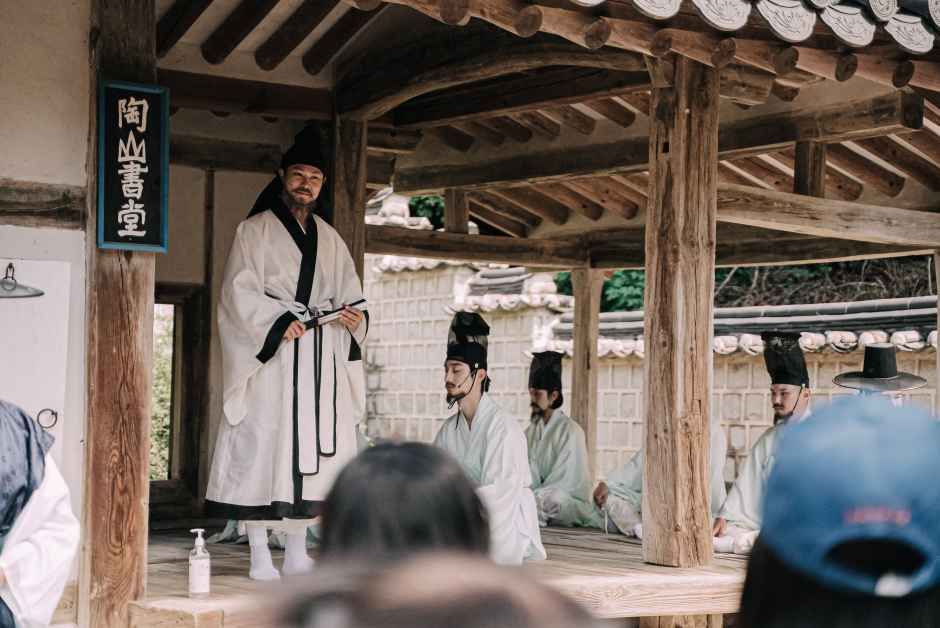
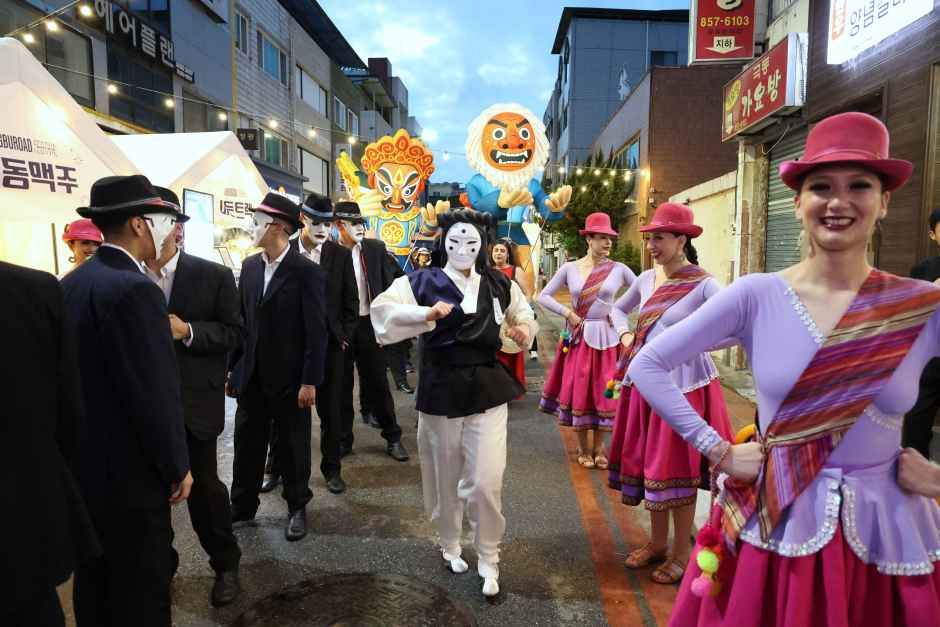
Festivals in This Area
More Travel Guides in This Area
 Travel Guide
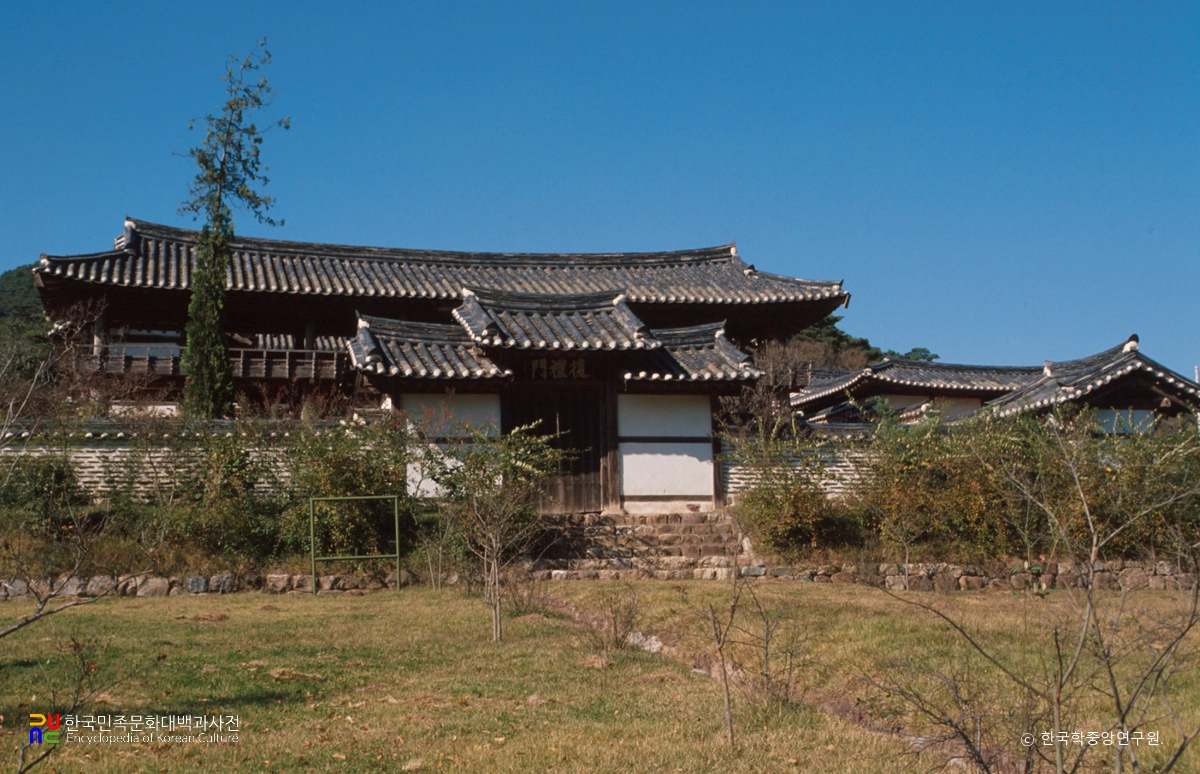
Byeongsan Seowon, Where the Nakdong River Sandbank Becomes a Seven-Panel Folding Screen
 Travel Guide
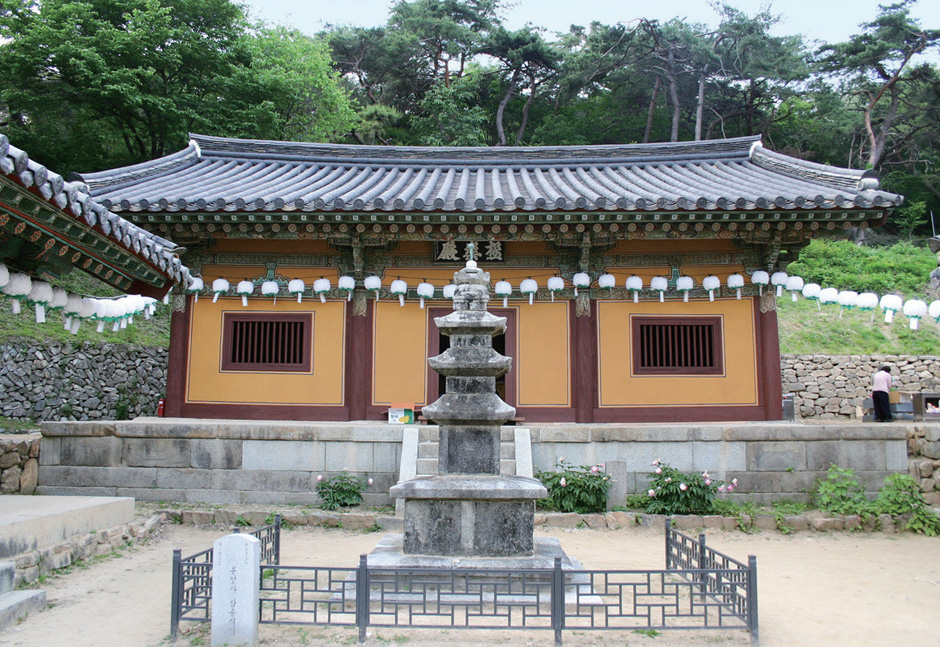
Bongjeongsa Temple Beneath Cheondeungsan Mountain, Andong’s Mountain Retreat Linking Geungnakjeon and Daeungjeon
 Travel Guide
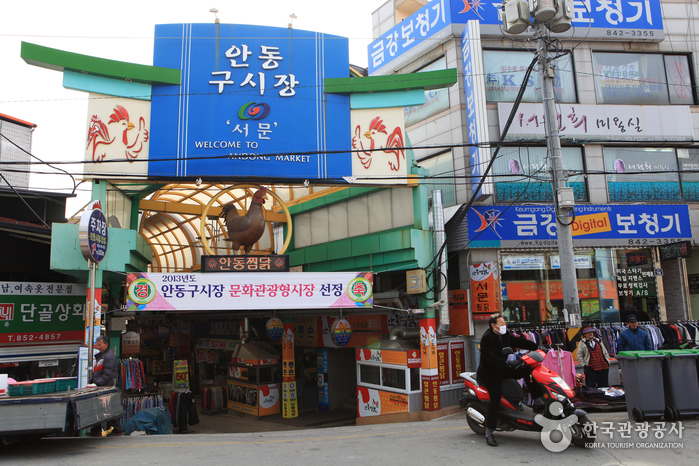
Andong Old Market’s Jjimdak Alley and the Market’s Present Day, 1970
 Travel Guide
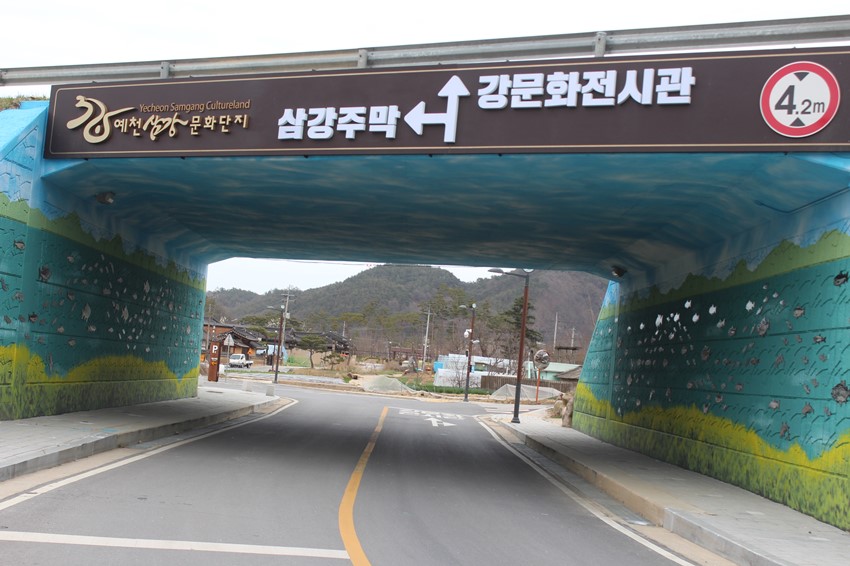
Samgang Tavern Where Three Nakdong River Waterways Meet: A Yecheon Ferry Landing Walk Starting at 10 a.m.
Korea News
![Did Jang Won-young ‘break up’? From the airport to social media, she was decked out in Brand D [MD Issue]](https://kotourlive-images.s3.ap-northeast-1.amazonaws.com/news/1790644492843_025fcab4_news_06d49363-285b-4cd5-93e3-ace2c4344710.jpg) News
News
Did Jang Won-young ‘break up’? From the airport to social media, she was decked out in Brand D [MD Issue]
 News
News
Oh, What a Surprise… BLACKPINK’s Rosé—Did She Get a Bob Cut?
![[On-Site Photos] “Equipped with a Third Eye”… RM’s Intense Eye Contact](https://kotourlive-images.s3.ap-northeast-1.amazonaws.com/news/1790644823332_c0c6ec29_news_001c0a59-4eb7-40e6-af6a-4f26183f5e8c.jpg) News
News
[On-Site Photos] “Equipped with a Third Eye”… RM’s Intense Eye Contact
 News
News