Paju Book City
Paju Book City is a national industrial complex where more than half of South Korea’s publishers and printing houses are concentrated. The idea originated at a gathering of publishers in 1988; after it was designated a national industrial complex in 1997, businesses began moving in around 2002. Bookstores, museums, and book cafés are clustered around the Forest of Wisdom, Forest of Type, and Jijiyang Guesthouse at the Asia Publication Culture & Information Center, making it easy to explore in half a day or a full day.

I’ve been here?
Your check-in helps the next traveler.
No one has checked in yet Be the first
One tap — no writing needed
Officially Named the Paju Publishing Culture and Information National Industrial Complex, Around 253 Munbal-ro
Even if you search for “Paju Book City” in a map application, no corresponding administrative place name appears. Its official legal name is the “Paju Publishing Culture and Information National Industrial Complex,” and more than half of South Korea’s publishers and printing companies are located here.
The complex stretches lengthwise from north to south along the Galdae-saetgang Stream, between Jayuro and Simhaksan Mountain (194 m). Centered on Munbal-ro, the largest road, printing companies and logistics warehouses are concentrated on the west, while publishing company headquarters, bookstores, and museums cluster around Hoedong-gil and Gwanginsa-gil to the east. The address of the Asia Publication Culture Information Center, the complex’s most visited attraction, is 145 Hoedong-gil, Paju-si, Gyeonggi-do.
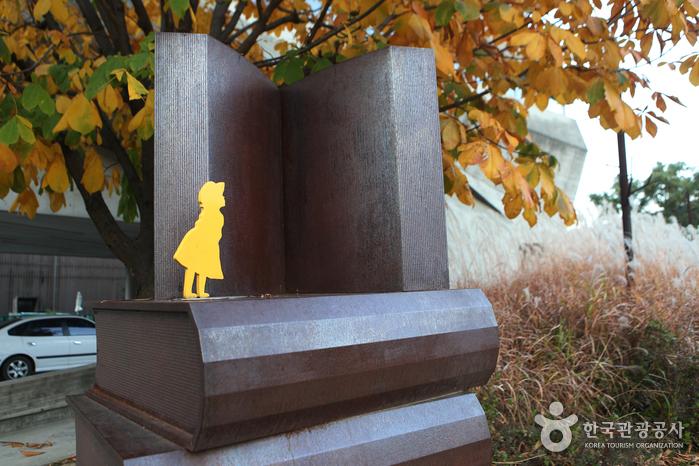
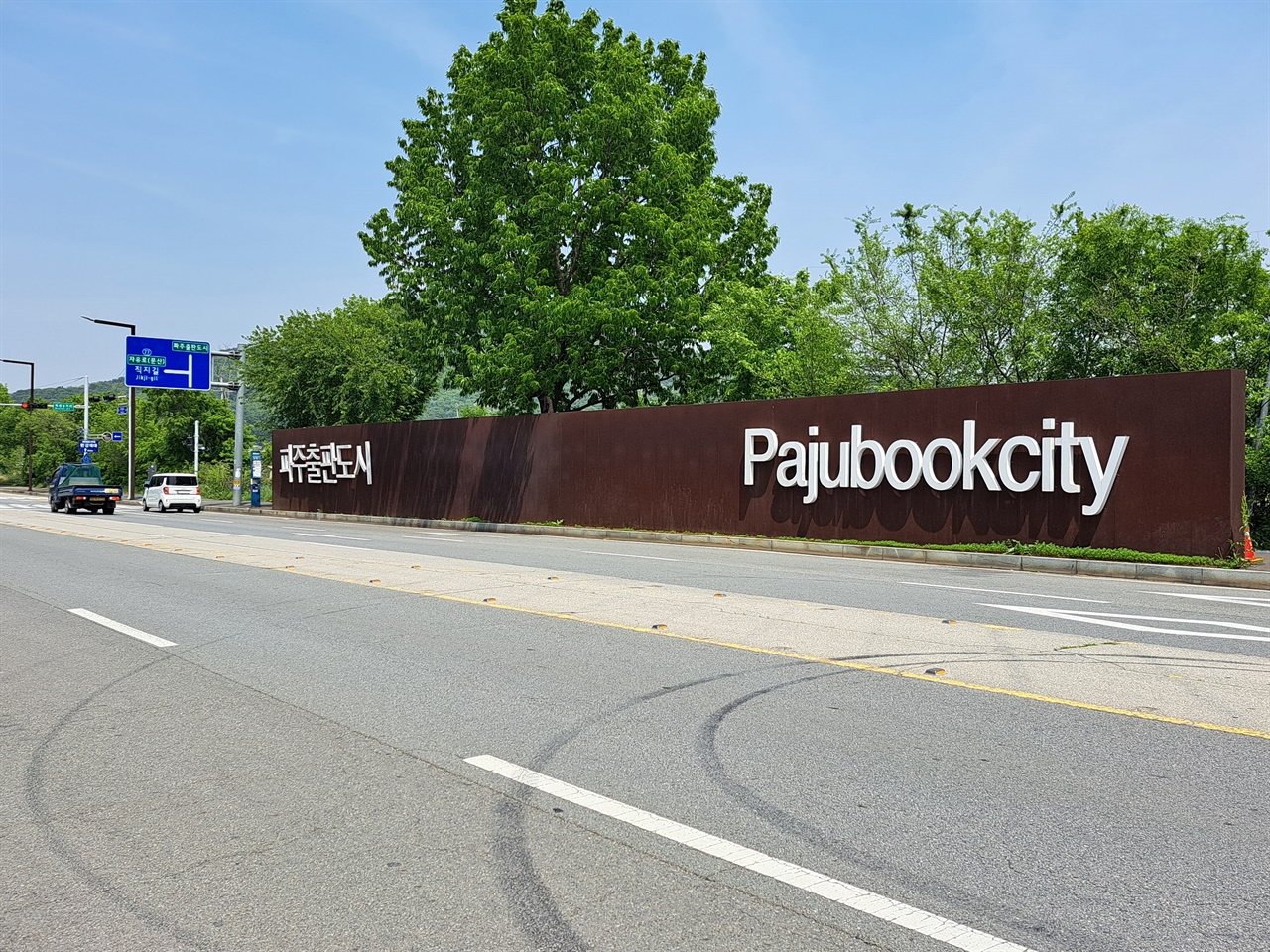
The Concept Emerged from a 1988 Gathering on Bukhansan Mountain, and the Site Was Designated a National Industrial Complex in 1997
The starting point of this city was not publishing company headquarters but a mountain. During the era of military dictatorship in 1988, the publishing industry was also subject to government repression. It is said that the idea of creating a new city emerged from a group of publishers who regularly climbed Bukhansan Mountain together and discussed a freer publishing environment. The following year, in 1989, plans took shape to bring together the planning, editing, and printing functions scattered across Seogyo-dong and Eulji-ro in Seoul, establish a separate distribution company, and unify the entire ecosystem.
In October 1990, a total of 360 companies, including 263 publishers, established a cooperative and raised a business fund of 7 billion won. The original candidate site was Ilsan New Town, but negotiations broke down. Paju, the alternative, was a military operations area with restricted civilian access, which created further difficulties. With the active support of former President Kim Young-sam, the site was designated a national industrial complex in 1997. Construction to reclaim the wetlands at the foot of Simhaksan Mountain began in 1997, and publishers began moving in around 2002. The first phase, covering approximately 874,000 m², was completed in 2007, while the second phase, aimed at creating a “city of books and film,” was completed at the end of 2012. The headquarters of Kyobo Book Centre, formerly located in Gwanghwamun, also moved here in 2012.
A Coordinator System Led by Architects Seung H-Sang and Kim Young-jun, and Kim Byung-yoon’s Asia Publication Culture Information Center
Rather than allowing each publishing company to construct its headquarters independently, the entire complex was built under the coordination of a master coordinator. Architect Seung H-Sang served as coordinator for Phase 1, and Kim Young-jun for Phase 2; they established principles concerning building height, materials, and layouts that would not obstruct views of Simhaksan Mountain. After opening his architectural firm IROJE in 1989, Seung H-Sang became known for his philosophy of the “aesthetics of emptiness.” In recognition of his work as coordinator of Paju Book City and other achievements, he was named an Honorary Fellow of the American Institute of Architects in 2002.
The Asia Publication Culture Information Center, the symbolic face of the complex, was selected through an architectural design competition in October 2000. Architect Kim Byung-yoon’s design was chosen, and the building was completed in 2007. He received the Kim Swoo-geun Architecture Award in 2004 for this building. The center was constructed with 18.9 billion won in private funding and 8.5 billion won from the national treasury, with resident companies contributing 10% of their land purchase costs. Although it is divided into three buildings—the Exhibition and Information Building, the Education and Research Building, and the Guesthouse—the interiors are connected, allowing visitors to move through them as though they were one building.
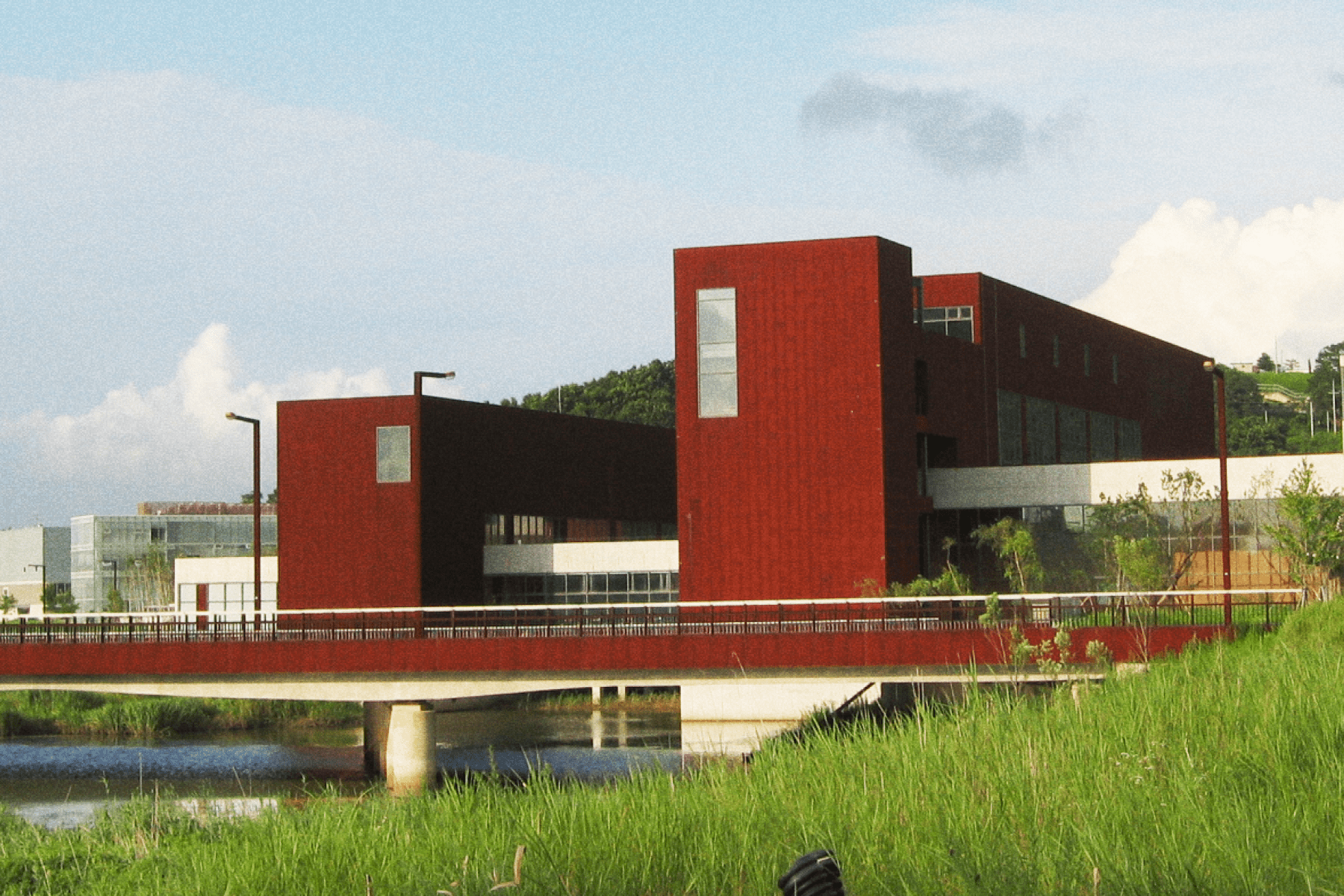
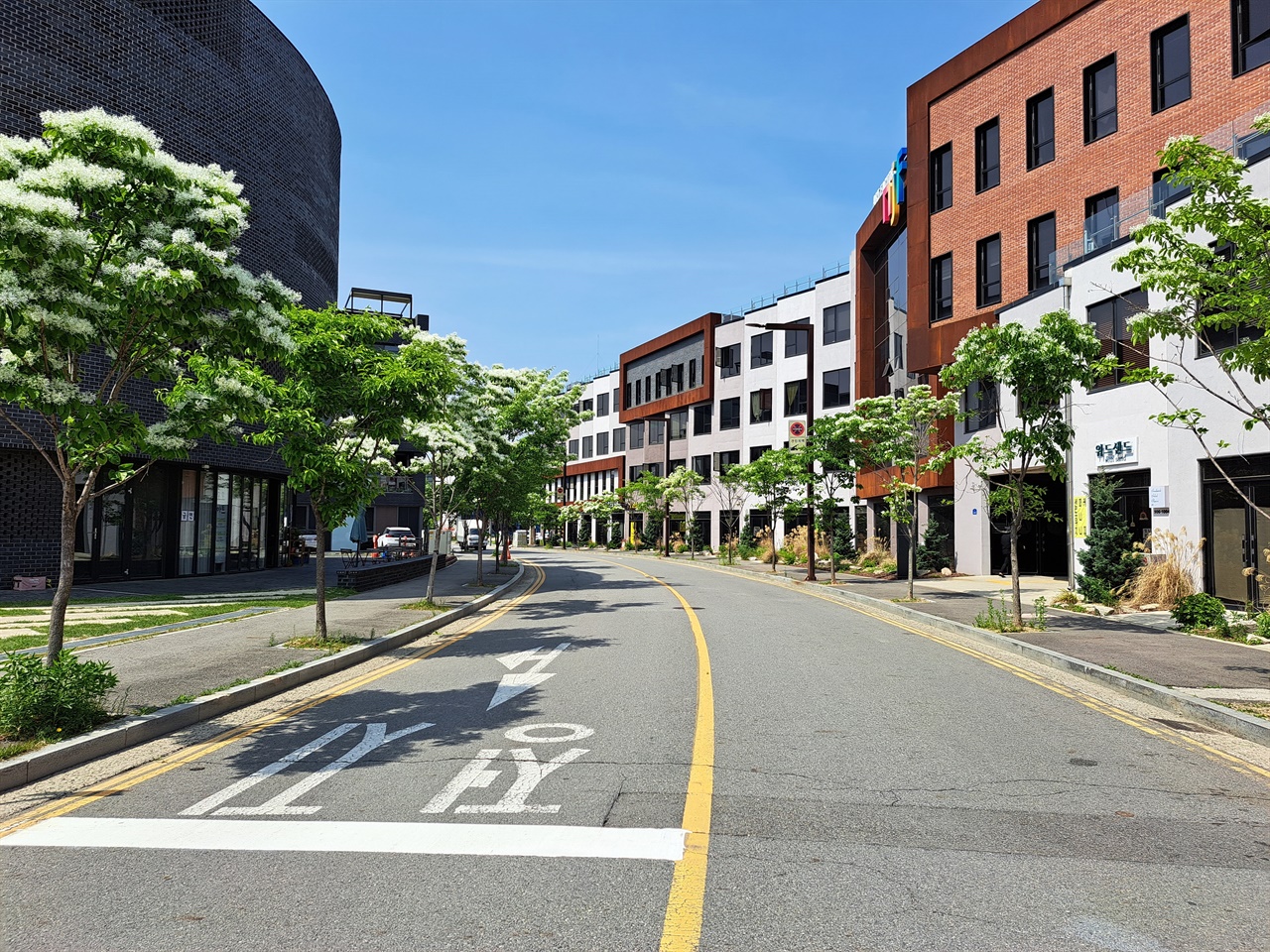
Forest of Wisdom Halls 1, 2, and 3, Forest of Type, and Jiyanghyang — Three Faces Within One Building
The Forest of Wisdom, occupying the first floor of the Asia Publication Culture Information Center, is a communal library established by the Paju Book City Culture Foundation in 2014 with support from the Ministry of Culture, Sports and Tourism. It has since been operated with the foundation’s own funds, without government or local-government support. The library houses collections donated by scholars and intellectuals who accumulated books throughout their lives, organized into literature, history, philosophy, social sciences, natural sciences, and the arts. Hall 1 operates from 10 a.m. to 5 p.m., Hall 2 from 10 a.m. to 8 p.m., and Hall 3 24 hours a day, 365 days a year. Everyone may use them free of charge. Hall 3 also serves as the lobby of the Jiyanghyang guesthouse and includes a stage for lectures by the “Paju Book City Humanities Academy.”
Forest of Type, also known as the Paju Book City Letterpress Printing Museum, in the same building is an exhibition hall offering tours and hands-on activities. It houses approximately 35 million pieces of movable type and the oldest surviving printing press. It is open year-round from 9 a.m. to 6 p.m. Admission is 3,000 won, while activities such as making a hanji notebook or an Aesop’s Fables book cost extra. However, it may temporarily close on public holidays such as the day of Chuseok, so checking announcements before visiting is advisable. On the second floor is the Jiyanghyang guesthouse, whose name means “the hometown of paper.” The standard twin room rate, based on two people sharing, is normally around 132,000 won. The used bookstore Treasure Island on the same floor is open Wednesday through Sunday from 9 a.m. to 6 p.m. and closed on Mondays, Tuesdays, and during holiday periods.
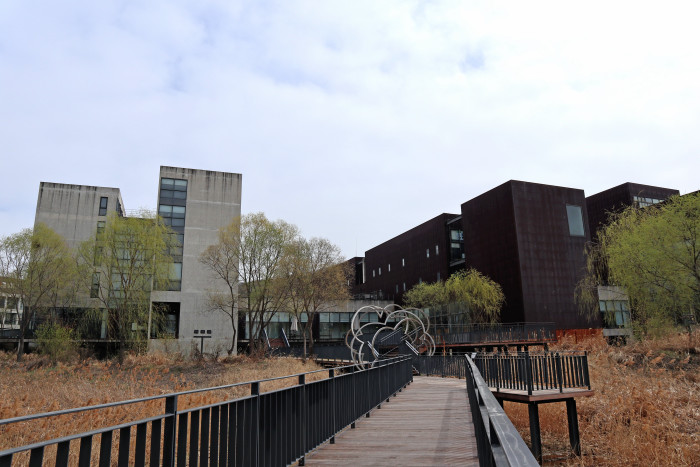
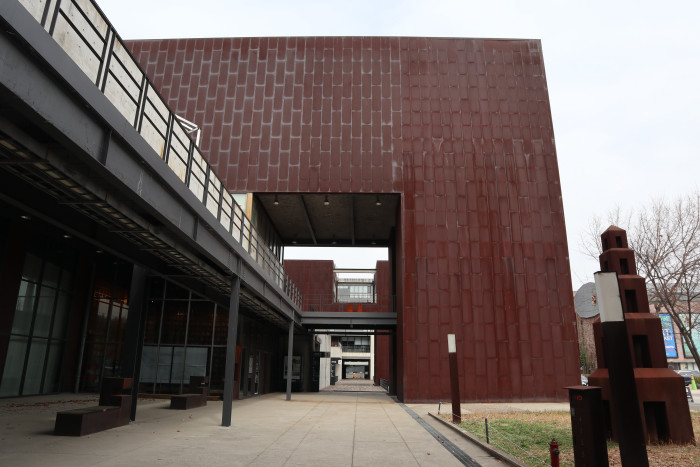
Names Etched into Gwanginsa-gil and Hoedong-gil, and the 1556 Luther Complete Works at the Yeolhwadang Book Museum
The history of publishing is also embedded in the names of the complex’s roads. The western road, Gwanginsa-gil, takes its name from Gwanginsa, the country’s first modern private printing house, established in 1884. The eastern road, Hoedong-gil, is named after Hoedong Seogwan, a modern bookstore that opened in 1897.
The Yeolhwadang Book Museum on Gwanginsa-gil is divided into an “old book space,” containing books from East and West such as the 1556 German-language complete works of Martin Luther, and a “new book space,” containing distinctive books from around the world published since the 1980s. The second floor is a library-style lounge overlooking both spaces. It is open from 10 a.m. to 5 p.m., closed on weekends and public holidays, with admission costing 5,000 won. At the nearby Letterpress Workshop, visitors can experience the actual letterpress printing process. It operates from 10 a.m. to 6 p.m. on weekdays and from noon to 6 p.m. on weekends and public holidays. If you are traveling with children, the Borim Bookstore, operated by Borim Publishing, is also worth visiting. The bookstore and puppet theater share one space and are open from 10:30 a.m. to 6 p.m. (closed Mondays).
The Foot of Simhaksan Mountain Was Once Wetland, and the Story Behind the Name “Simhaksan”
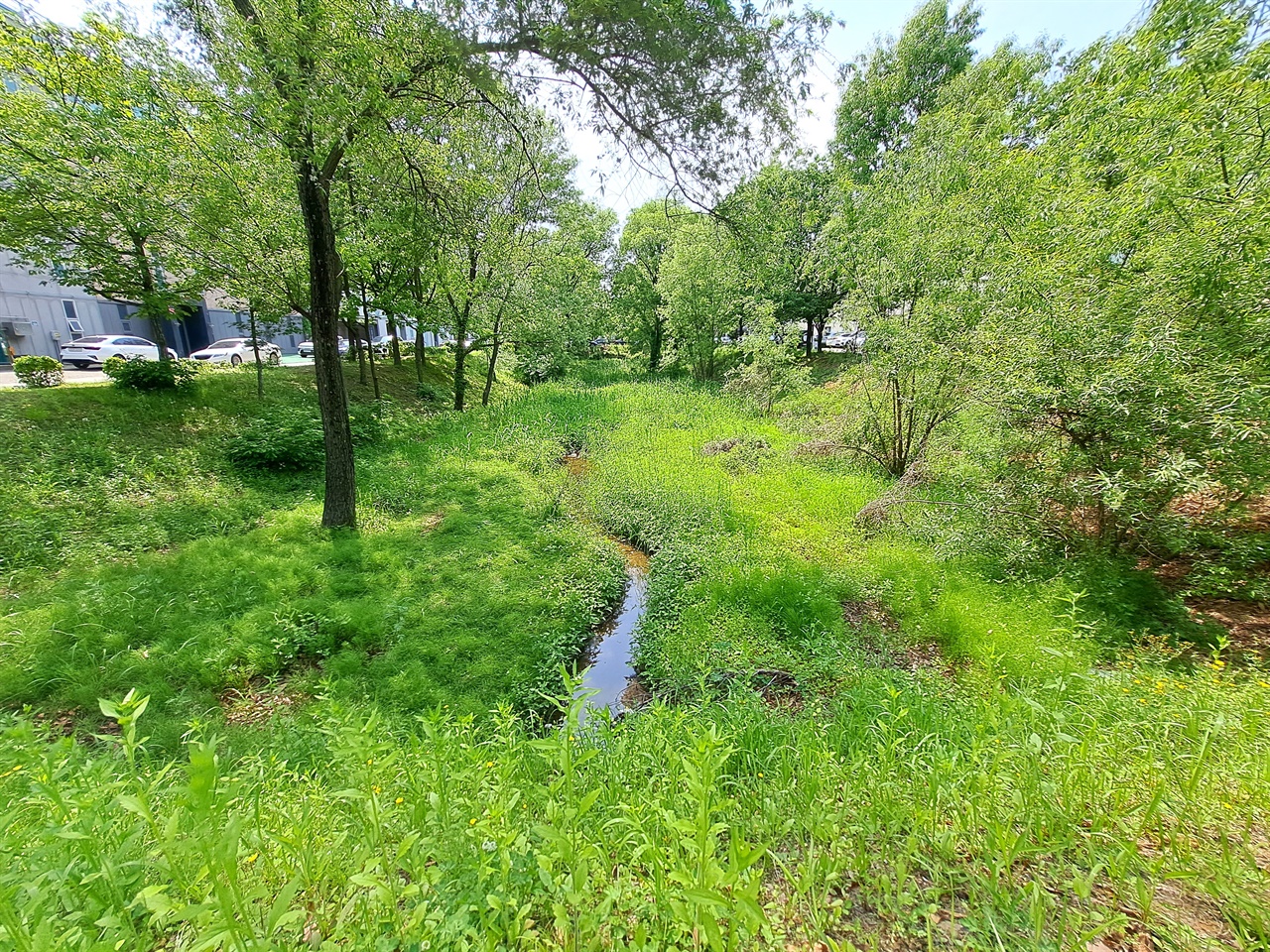
Before Paju Book City was built, this area was wetland at the foot of Simhaksan Mountain, through which a tributary of the Han River flowed, and it was a military operations area with restricted civilian access. Today, 194-meter-high Simhaksan Mountain still stands like a folding screen on the eastern side of the complex. With five hiking trails and a circular walking route, it attracts many visitors looking for a leisurely walk. During construction of the complex, a stream connected to a major waterway was preserved in its original form as a green corridor, with publishing companies built along both sides.
Even the name Simhaksan has a complicated history. In premodern documents, including the Daedong Yeojido map, the mountain consistently appears as “Simaksan” (深岳山). The place name “Simhaksan” (尋鶴山) first appears in materials published by the Japanese Government-General of Korea in 1913. A story that two cranes raised at the royal palace were found here is commonly cited as the origin of the name, but no such record has been confirmed in Joseon-era historical sources. Some therefore view it as a case in which the name was changed during the Japanese colonial period to erase local identity. The Galdae-saetgang Stream, which divides the complex from north to south, is a watercourse developed to preserve traces of this wetland landscape.
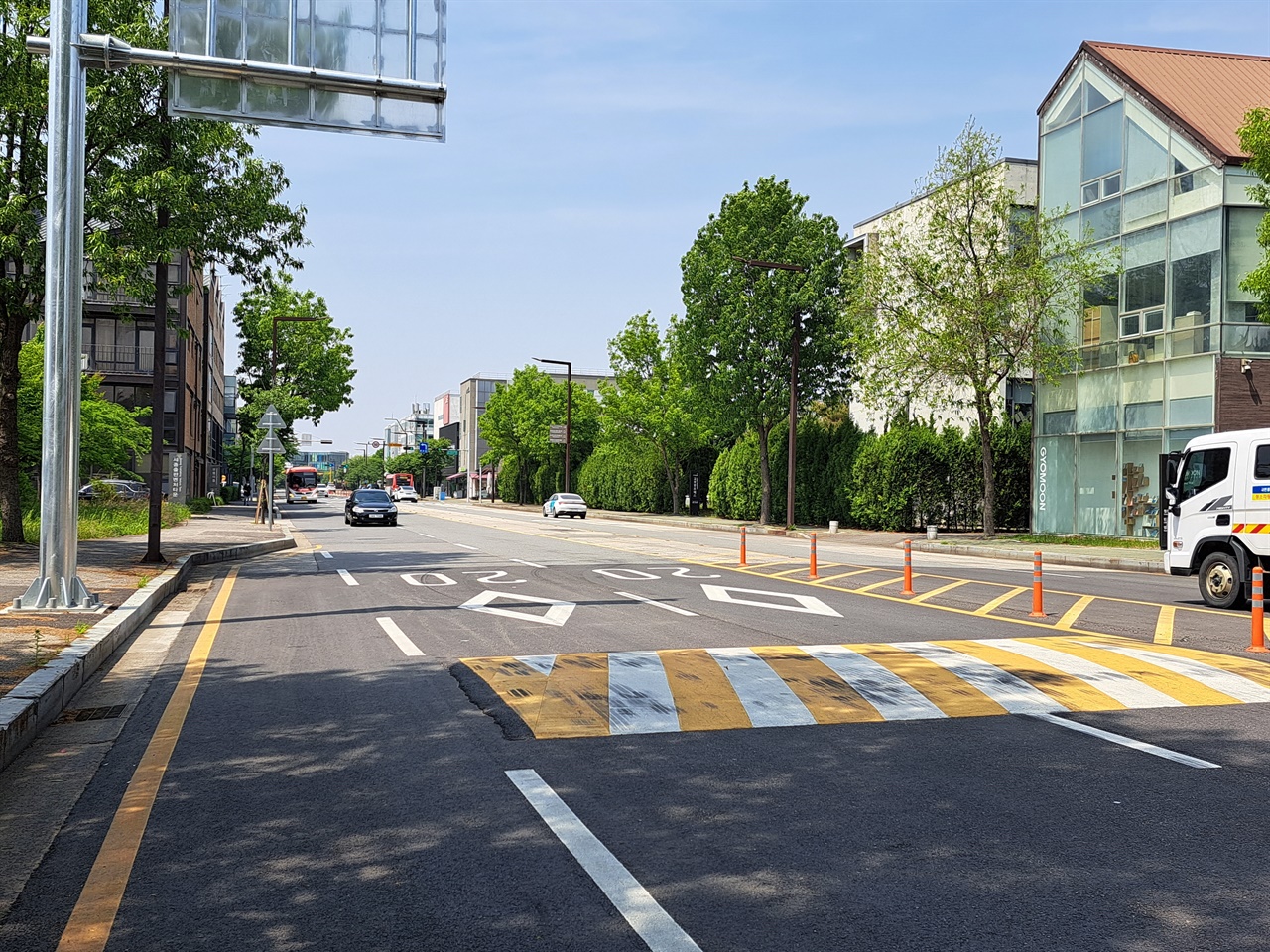
Forty Minutes by Bus 2200 from Exit 1 of Hapjeong Station, or via Jayuro’s Jangwol IC
There is still no subway station inside the complex. By public transportation, take bus 2200 (express seat) or bus 200 from Exit 1 of Hapjeong Station on Seoul Subway Lines 2 and 6, and get off at the Eunseokgyo Intersection stop; the journey takes about 40 minutes. Eunseokgyo Intersection is where the main arterial road through the publishing complex passes. Its generous road width and orderly street trees give it a different atmosphere from other industrial complexes. In addition, buses 20 toward Ilsan and Gyoha, village buses 073 and 078 toward Geumchon, and buses 074, 081, 083, and 087 toward Unjeong and Yadang stations pass through the complex. If driving on Jayuro, follow the signs for the Paju Book City entrance road from Jangwol IC.
In the long term, a station on the Hongik University Station–Tongil Observatory Line is planned for the site of Echae Shopping Mall, formerly home to Megabox Paju Book City, but construction has not yet begun. For the time being, buses and private cars are essentially the only means of transportation. For cars, visitor parking is available around the Asia Publication Culture Information Center and in front of individual bookstores and cafés, but fee systems vary by facility, so it is safest to check on site.
“Paju BookSound” in Autumn, with an Itinerary Extending to Lotte Outlet and Heyri
Every autumn, the book and knowledge festival “Paju BookSound” takes place around the Asia Publication Culture Information Center and Munbal-ro. Hosted by the Paju Book City Culture Foundation and Paju City, it is a free festival that marked its 13th edition in 2024, held from September 6 to 8. In 2025, it was scheduled to take place from October 24 to 26 around the outdoor stage of Paju Book City and the Asia Publication Culture Information Center, alongside “Paju Fair: Book & Culture,” a book-content export fair.
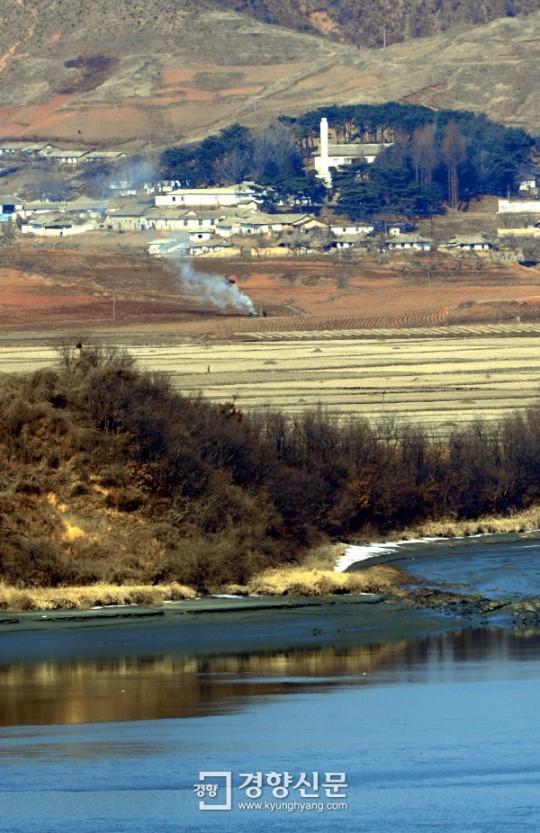
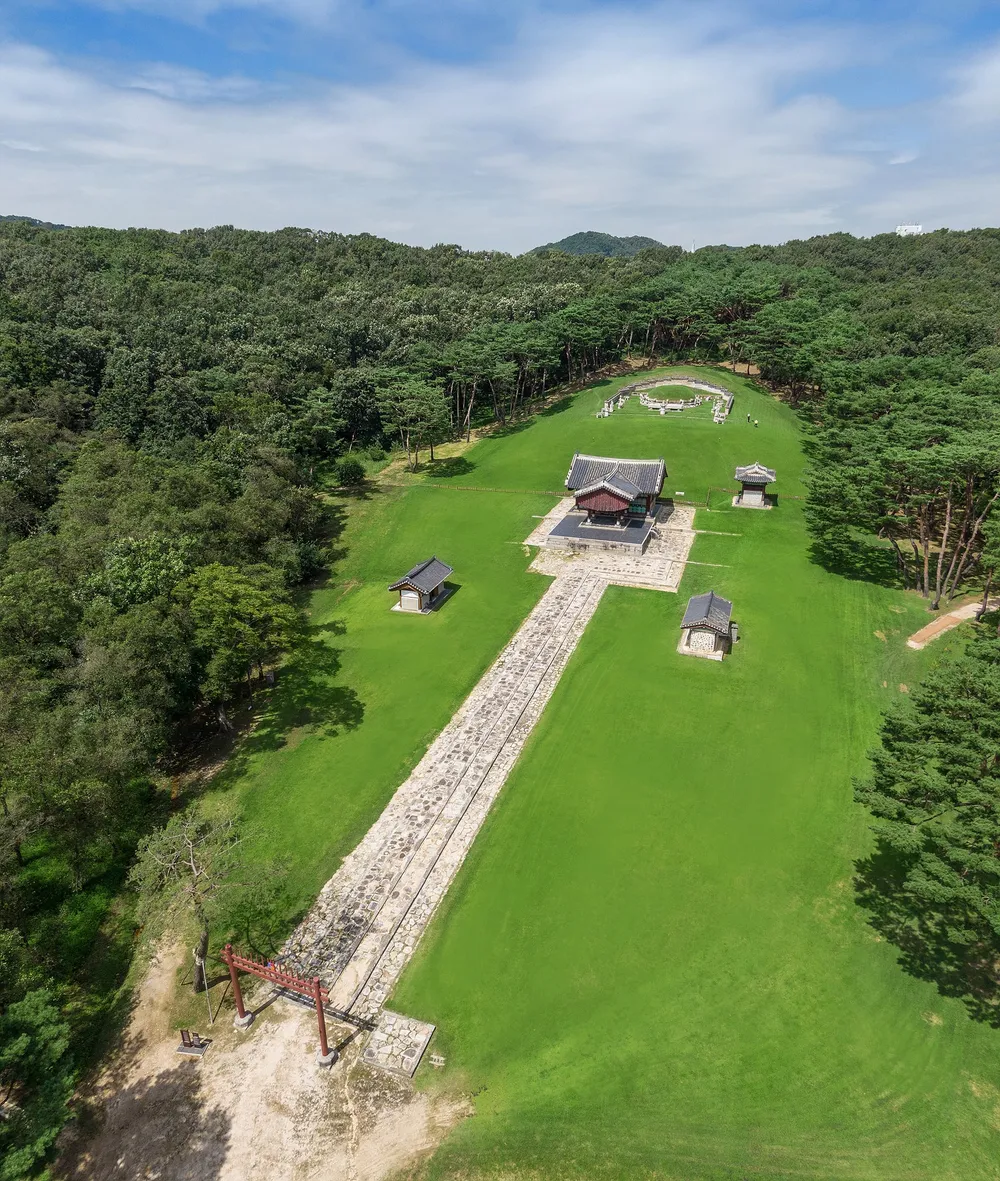
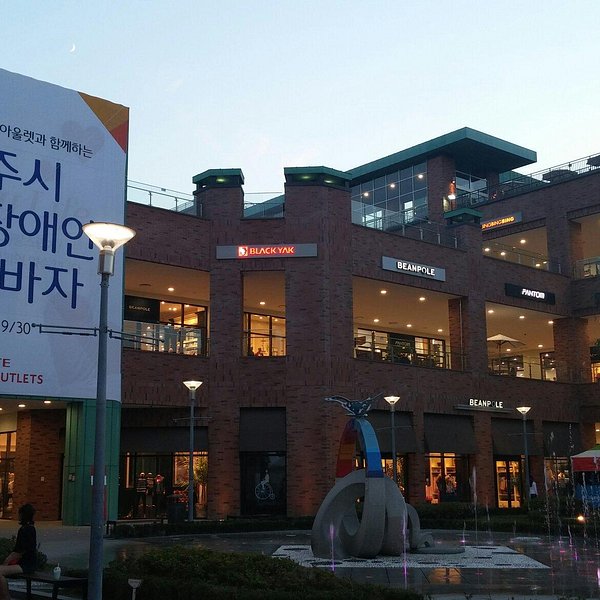
Nearby attractions that can be combined in one visit include Heyri Art Village, Odusan Unification Observatory, Paju Jangneung Historic Site No. 203, and Lotte Outlet Paju. Odusan Unification Observatory is a four-story above-ground, one-story underground observation facility overlooking the confluence of the Han and Imjin rivers. Behind Lotte Outlet at the entrance to the complex, a multipurpose mall that began construction in 2017 was completed at the end of 2020, making it possible to shop and dine in one place.
Ideal for Walking Alone, but Families with Children Should Check Opening Hours First
Articles regularly introduce Paju Book City as a destination for solo travel, and many visitors say it is pleasant to stroll slowly between reed groves and distinctive buildings. However, there are also repeated comments that Munbal-ro stretches so far that it is easy to lose direction when walking without a map. It is helpful to pick up the “Guide Map for Visitors to Paju Book City” in advance at the Jayuro Rest Area or the Forest of Wisdom.
When traveling with children, it is better to plan an itinerary centered on children’s bookstores and venues with performances, such as Borim Bookstore and Bori Book Playground. Yeowon Media’s Tanttan Story House presents puppet shows lasting about 40 minutes every weekday except Monday and from 2 p.m. on weekends, giving each audience member a book as a gift. Conversely, some facilities, such as the Yeolhwadang Book Museum, close on weekends and public holidays. If visiting with children on a weekend, check in advance which facilities are open to avoid a wasted trip.
Before You Go
- Address
- 253 Munbal-ro, Paju-si, Gyeonggi-do (the Asia Publication Culture Information Center is at 145 Hoedong-gil)
- Hours
- The complex itself is an industrial complex and street area open at all times, with no set operating hours. For major facilities: Forest of Wisdom Hall 1, 10:00–17:00; Hall 2, 10:00–20:00; Hall 3, open 24 hours year-round; Forest of Type, 09:00–18:00 (open year-round, with possible temporary closure on the day of a traditional holiday); Yeolhwadang Book Museum, 10:00–17:00 (closed weekends and public holidays)
- Closed
- Varies by facility — Forest of Type open year-round except on the day of a traditional holiday; Yeolhwadang Book Museum closed every Saturday, Sunday, and public holiday; Borim Bookstore closed every Monday; used bookstore Treasure Island closed every Monday and Tuesday and during traditional-holiday periods
- Admission
- Forest of Wisdom: free / Forest of Type: 3,000 won (activity fees extra) / Yeolhwadang Book Museum: 5,000 won (separate fees may apply by facility)
- Phone
- Paju Book City Culture Foundation Office: 031-955-5959 (Forest of Wisdom: 031-955-0082 · Forest of Type: 031-955-7955)
- Official site
- http://www.pajubookcity.org
- Transport
- Seoul Subway Lines 2 and 6, Hapjeong Station Exit 1 → Bus 2200 (express seat) or 200 → Get off at Eunseokgyo Intersection, approximately 40 minutes. When using Jayuro, enter by following the signs for the “Paju Book City” entrance road from Jangwol IC
- Time needed
- Two to three hours centered on the Asia Publication Culture Information Center; at least half a day if including the Yeolhwadang Book Museum and the Simhaksan circular trail
The information above is accurate as of the time of writing. Check the official announcements again before visiting.

Places
Nearby Attractions 4
-
 1
1
-
 2
Odusan Unification ObservatoryAn observation facility offering views of the Han River, the Imjin River, and North Korean territory.
2
Odusan Unification ObservatoryAn observation facility offering views of the Han River, the Imjin River, and North Korean territory. -
 3
Paju Jangneung Royal TombA National Heritage site where visitors can explore the tomb precinct of Joseon King Yeongjo and Queen Jeongsun.
3
Paju Jangneung Royal TombA National Heritage site where visitors can explore the tomb precinct of Joseon King Yeongjo and Queen Jeongsun. -
 4
Lotte Premium Outlet PajuA large outlet mall where you can browse and shop fashion and lifestyle brands.
4
Lotte Premium Outlet PajuA large outlet mall where you can browse and shop fashion and lifestyle brands.
Food & Dining 2
-
 5
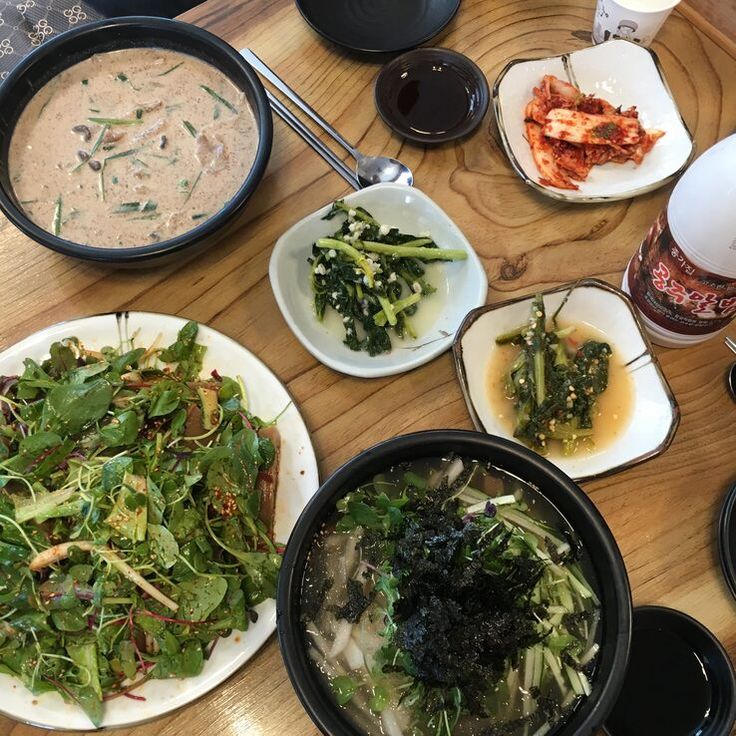
Simhaksan Dotori GuksuA Korean restaurant serving acorn platter noodles, acorn pancakes, and other dishes.
5
Simhaksan Dotori GuksuA Korean restaurant serving acorn platter noodles, acorn pancakes, and other dishes. -
 6
6
Events in This Area
Festivals in This Area
More Travel Guides in This Area
 Travel Guide
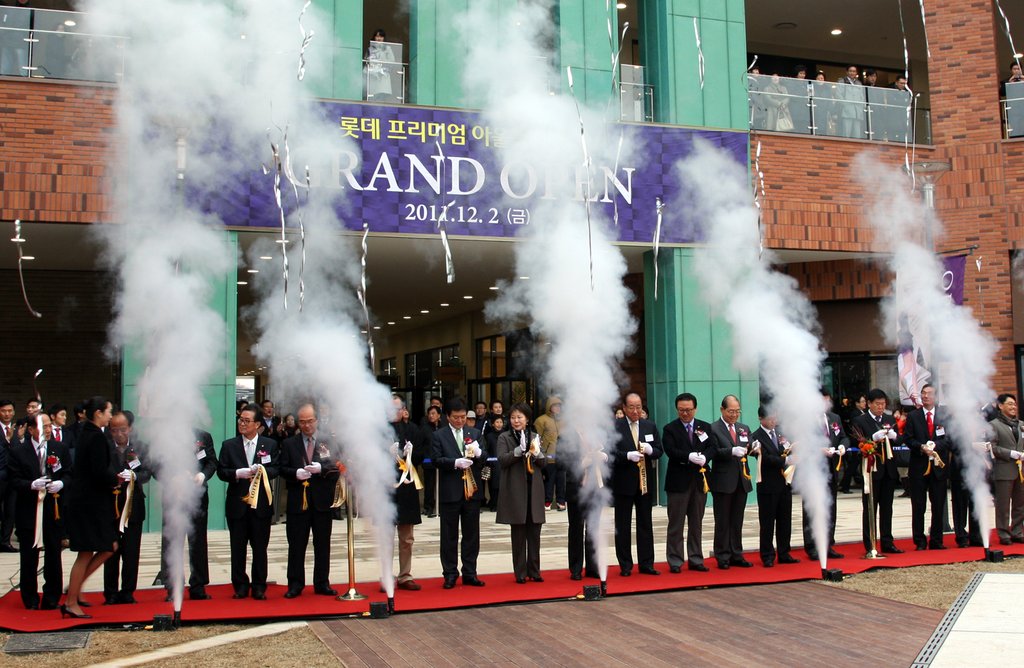
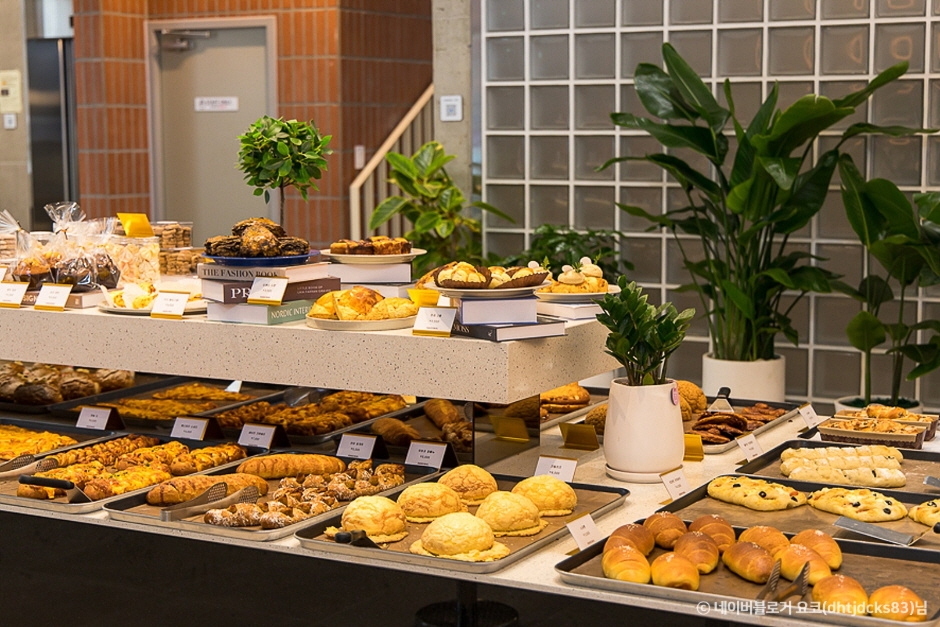
Lotte Premium Outlets Paju Branch, Featuring a 3,500-Car Parking Lot Next to Paju Book City
 Travel Guide
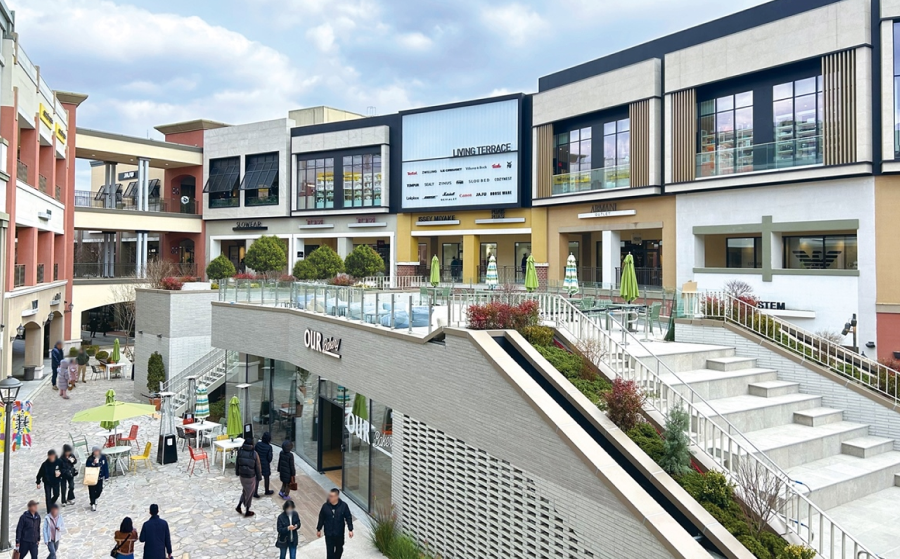
Paju Arebol: 4th-floor windows open toward the Imjin River
 Travel Guide
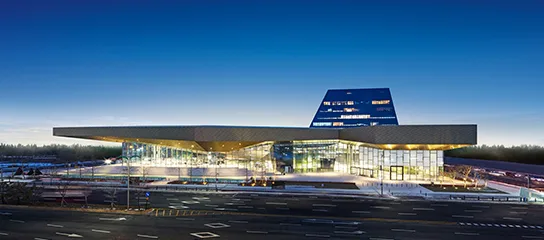
Paju Outlet, Opened in 2011: How to Plan Your Route from 10:30
 Travel Guide
An Automobile Production and Test-Drive Experience at Hyundai Motorstudio Goyang, at Exit 1 of Kintex Station
Korea News
![BLACKPINK’s Lisa Dominates the VMA Red Carpet in a Sheer Corset Dress and Red Fur [Star Issue]](https://kotourlive-images.s3.ap-northeast-1.amazonaws.com/news/1790557894714_010e956a_news_94409db1-fab6-40bf-bc7b-4b985b1fbac7.jpg) News
News
BLACKPINK’s Lisa Dominates the VMA Red Carpet in a Sheer Corset Dress and Red Fur [Star Issue]
![BLACKPINK’s Jisoo Spotted by Surprise with BIGBANG in London… Their Special Loyalty as Labelmates [IS High Cut]](https://kotourlive-images.s3.ap-northeast-1.amazonaws.com/news/1790557854683_6ea979f5_news_caab62e5-8462-43c8-8622-da794f3df9de.png) News
News
BLACKPINK’s Jisoo Spotted by Surprise with BIGBANG in London… Their Special Loyalty as Labelmates [IS High Cut]
 News
News
Tattoos All Over Her Body… AOA’s Jimin Draws Shocked Attention After Kwon Mina’s ‘Bullying’ Allegations
![You’ll Have to Look Twice… Choi Min-a-soo Perfectly Pulls Off Everything from a Daring Illusion Dress at the Awards Ceremony to Long Braided Hair [RE:STAR]](https://kotourlive-images.s3.ap-northeast-1.amazonaws.com/news/1790492384850_1f293dad_news_d834c50e-0685-43ef-9aa5-6995cd6d8848.jpg) News
News