
From Refugee Stalls to a 1950s Used-Book Street: Bosu-dong Book Alley
Bosu-dong Book Alley at 67-1 Daecheong-ro, Jung-gu, Busan, is a living cultural heritage site that began with used-book stalls assembled by refugees during the Korean War. Located near Gukje Market and Bupyeong Kkangtong Market, it is ideal for combining time spent browsing for books with a walk through Busan’s old downtown in one itinerary.
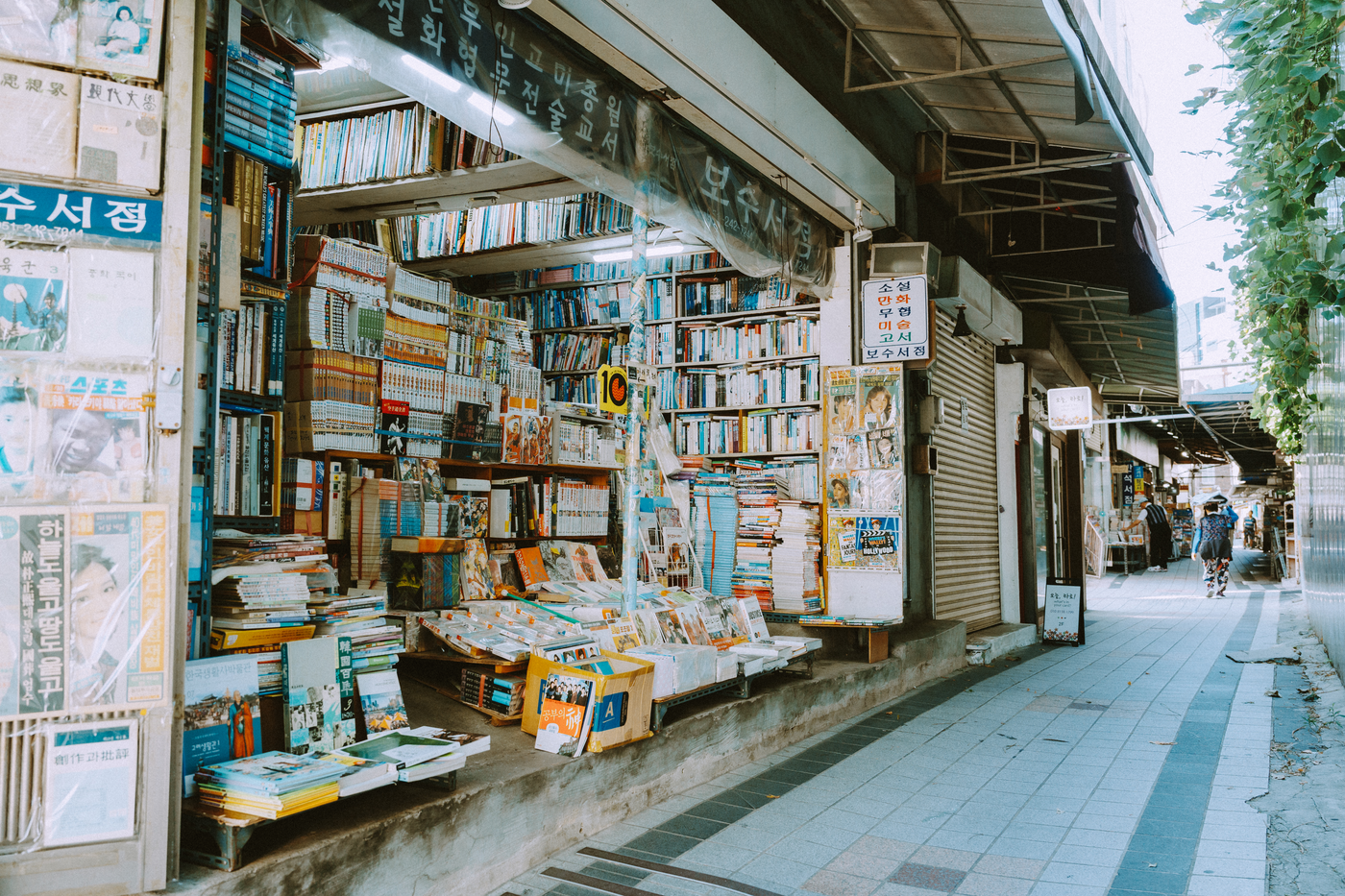

The Refugee Capital Alley That Began at the Son Jeong-rin Couple’s Bomun Bookstore in the 1950s
Bosu-dong Book Alley emerged where the livelihood and educational needs of refugees who flocked to Busan around the Korean War converged. Materials from Busan Future Heritage explain that the alley naturally took shape in the 1950s as refugees began selling used books at street stalls. Bomun Bookstore, opened by the refugee couple Son Jeong-rin after they gathered used magazines, comic books, and secondhand books from junk shops and U.S. military bases, is recorded as the starting point of the alley’s formation.
At the time, universities and schools that had evacuated to Busan established temporary campuses around Gudeoksan and Bosu-dong, turning this area into a route for students commuting to and from school. When new textbooks were difficult to obtain, used books enabled students to continue their studies, and bookstore buildings began increasing from the 1960s. Around 1980, the area became so lively with crowds seeking new-semester textbooks that the expression “Bosu-dong new semester” was commonly used.
Orient Yourself in the Alley Using the Cultural Center at 67-1 Daecheong-ro as a Reference Point
The address is 67-1 Daecheong-ro, Jung-gu, Busan, and the Bosu-dong Book Alley Cultural Center is located there. Since the alley itself is not a single facility but a street lined with several bookstores, it is easiest for first-time visitors to plan their route around the cultural center and the entrance sign. The Busan Tourism Archive also identifies the same address as the location of Bosu-dong Book Alley.
Admission is free, and no separate reservation is required to enter the alley. However, each bookstore operates independently, so opening hours, closing days, card payment availability, and the stock of books you are looking for vary from shop to shop. If you are searching for rare, out-of-print, or specialized books, it is practical to contact bookstores individually by phone or text through the bookstore contact information on the alley’s official website.
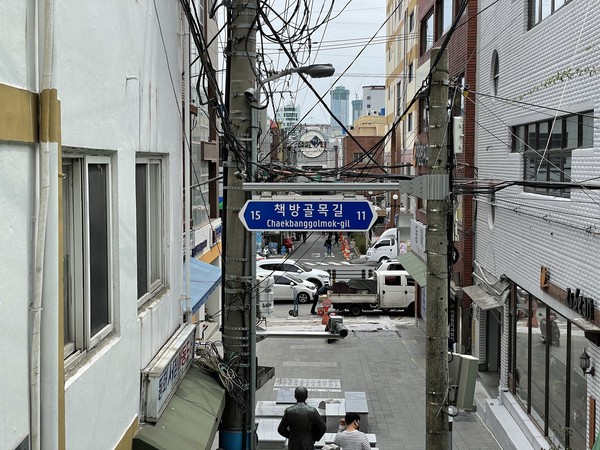
Officially Listed Hours of 10 a.m. to 7 p.m., with Time Allowed for Differences Among Bookstores
The official Bosu-dong Book Alley website lists the operating hours of the alley’s tourist information center as 10 a.m. to 7 p.m. It states that there are about seven closing days per year, but this information does not guarantee the operating hours of individual bookstores throughout the alley. If visiting a particular bookstore is your main purpose, it is safest to confirm directly with that shop before setting out.
Allowing 60 to 90 minutes is appropriate if you want to walk around and browse books. Seeing only the signs and cultural center can be done in 20 to 30 minutes, but more time is needed to look through books by category and compare prices and condition. A Korea Tourism Organization travelogue states that cultural interpreters explain the story of Bosu-dong from 10 a.m. to 4 p.m. Friday through Sunday, but this is outdated program information, so you should reconfirm whether it is operating that day at the tourist information center.
How to Enter from Exit 3 of Jagalchi Station and the Bosu-dong Book Alley Bus Stop
When using the urban railway, leave Exit 3 of Jagalchi Station on Busan Metro Line 1, head north with the Jagalchi Market direction behind you, then cross the road and turn left at the Daecheong-ro intersection at the end of Gukje Market to reach the alley. Korea Tourism Organization information presents this route, and some materials describe the walk from Jagalchi Station to Bosu-dong Book Alley as taking about 12 minutes.
According to local information, buses 40 and 81 stop at the “Bosu-dong Book Alley” stop, while buses 15, 126, and Jung-gu 1 stop at the “Bosu Intersection” stop. If traveling from the Busan Station area, another option is to take buses 81, 103, or 1000 and get off at the Bupyeong-dong (Market) or Bosu-dong Book Alley stop. The alley is connected to the neighborhood around Gukje Market and Bupyeong Kkangtong Market, so you can also explore the markets first and then walk uphill toward the alley.
Why Public Transportation Is More Convenient Than the 34-Space Bosu Public Parking Lot
No large parking lot exclusively for visitors has been confirmed inside the alley. The nearby Bosu Public Parking Lot is in the area around 146-18 Bosu-dong 1-ga and is listed in public parking information as having 34 spaces, operating 24 hours a day, with a fee of 100 won per 10 minutes and 2,400 won per day. However, parking fees and whether the lot is full may change, so it is best to check Jung-gu parking information on the day of your departure.
A car may be convenient if you plan to purchase several books, but there are many pedestrians and market visitors around the alley and Gukje Market, and the roads are narrow. For a light itinerary, consider using Jagalchi Station or the bus, and for purchased books, you can also use the bookstore-by-bookstore delivery inquiries listed on the official website. Wheelchair and stroller users can approach mainly through the entrance on Daecheong-ro and the cultural center, but should take into account in advance that individual bookstores may have narrow passages and stairs.
Four Things to Keep in Mind When Looking for Out-of-Print Books in Used-Book Piles
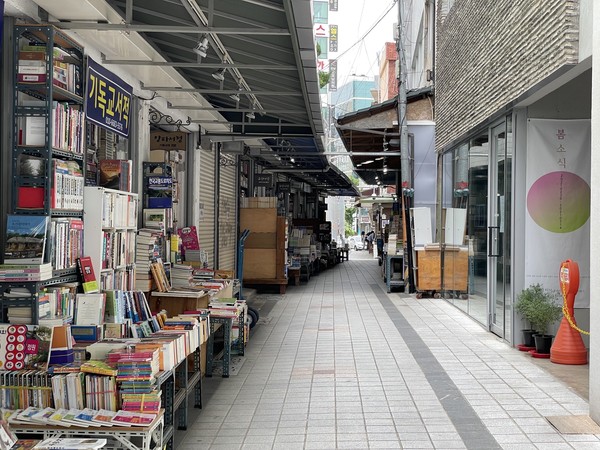
The essence of this place is not quickly browsing a single bookstore’s “recommended section,” but slowly comparing the different classifications and stock at each shop. The fields available include literature, children’s books, comics, academic books, textbooks, and old books, while copies of the same title may vary in price depending on the edition, underlining, notes, and cover condition. Writing the title, author, publisher, preferred edition, and maximum budget in a phone memo will make inquiries more concise.
- Do not pull shelves forcefully or rearrange books without permission; return books you take out to their original place or to the location indicated by the shop owner.
- For out-of-print books, it is easier to search if you provide the author, publisher, and publication year along with the ISBN.
- If there is no price tag, check the condition and ask the price before paying.
- For heavy complete sets or purchases of several books, check with each bookstore whether packaging and delivery are available.
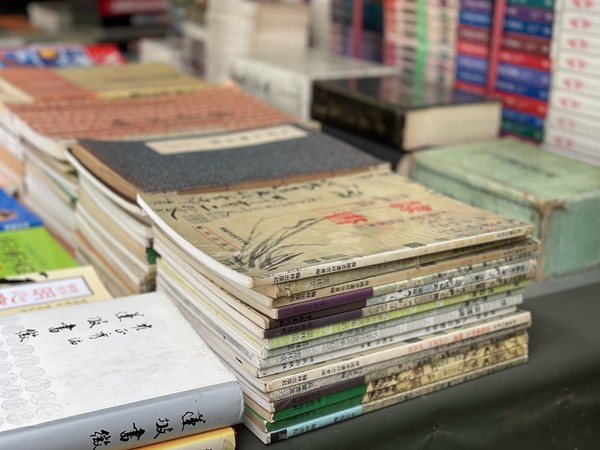
News photographs from 2021 document bookstores displaying rental notices alongside piles of old used books. Therefore, this place is better suited to visitors who will respectfully explore the remaining bookstores’ stock than to those expecting a tidy, large-bookstore-style destination.
A 1.5 km Old Downtown Book-and-Market Route Connecting to Gukje Market and Bupyeong Kkangtong Market
Bosu-dong Book Alley lies beside the Daecheong-ro intersection at the end of Gukje Market, making it easy to combine Gukje Market, Bupyeong Kkangtong Market, and BIFF Square in a half-day itinerary. After traveling from Jagalchi Station to Gukje Market, you can walk up to Bosu-dong Book Alley and then descend from the alley to Bupyeong Kkangtong Market, minimizing the need to retrace your steps to the subway exit.
Before eating at the market, it is better to spend about 45 to 60 minutes exploring the book alley first, reducing the time you have to carry books around. Conversely, if you want to match the evening hours of the Bupyeong Kkangtong Market night market, visit the book alley in the afternoon, but keep in mind that individual bookstores close at different times; arriving by 5 p.m. at the latest is advisable. For inquiries, contact the Busan Tourism Information Center at 051-253-8253 or Tourist Interpretation 1330.
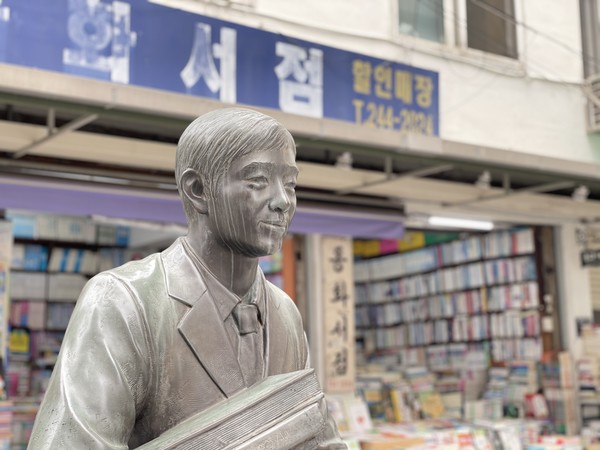
What the Used Books and Signs in the Photos Tell Us About How to Approach Bosu-dong
Bosu-dong Book Alley has strengthened its visitor infrastructure through measures such as opening a children’s library and installing a tourist information center in 2014, but the essence of the alley still lies in its individual bookstores and the stock inside them. Busan Future Heritage of Busan City evaluates this place as a living heritage site of refugee-capital Busan and as a space where it helped students who had difficulty obtaining books with their studies and enabled cultural and educational exchange among ordinary residents.
Therefore, the most important thing to bring to this alley is not a tightly packed sightseeing schedule but time to explore. Rather than passing through briefly for the sole purpose of taking photos, entering at least one or two bookstores, describing your interests, and examining the condition of the books is a way to understand both the history and present of the place. The official website is https://www.bosubook.com/, which can be used to check the alley’s bookstore list and announcements.
Before You Go
- Address
- 67-1 Daecheong-ro, Jung-gu, Busan
- Hours
- Tourist information center: 10:00–19:00; individual bookstores vary
- Closed
- Tourist information center: listed as closed seven days per year; individual bookstores vary
- Admission
- Free
- Phone
- 051-253-8253
- Official site
- https://www.bosubook.com/
- Transport
- About a 12-minute walk from Exit 3 of Jagalchi Station on Busan Metro Line 1. Buses 40 and 81 stop at the Bosu-dong Book Alley stop; buses 15, 126, and Jung-gu 1 stop at the Bosu Intersection stop.
- Parking
- No dedicated parking lot in the alley confirmed. Checking the availability of the nearby Bosu Public Parking Lot, around 146-18 Bosu-dong 1-ga, is recommended.
- Time needed
- 60–90 minutes
- Accessibility
- Access is possible mainly through the entrance on Daecheong-ro and the cultural center. Individual bookstores may have narrow passages and stairs, so wheelchair and stroller users are advised to check before visiting.
The information above is accurate as of the time of writing. Check the official information again before visiting.

Places
Nearby Attractions 3
-
 1
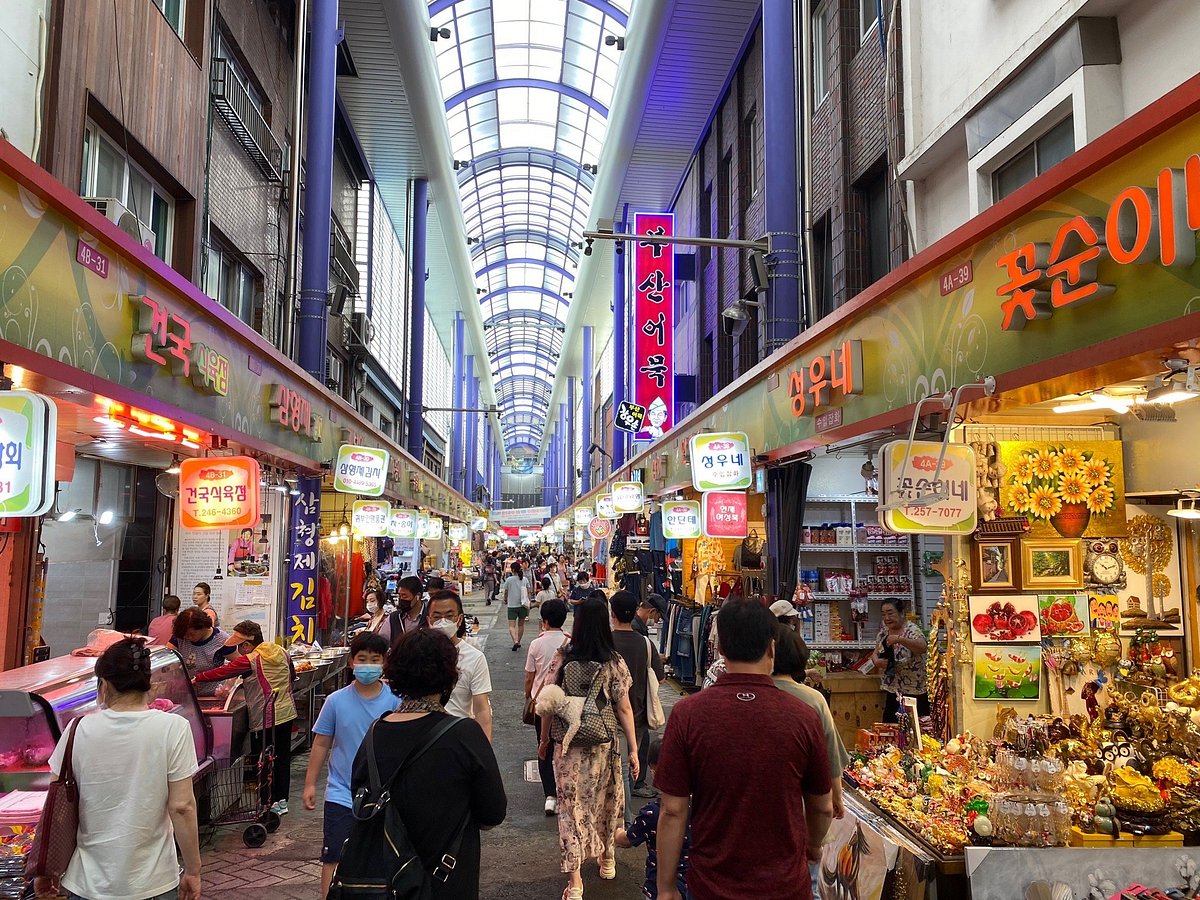
Gukje MarketA traditional market in the old downtown area where you can explore a variety of shops and enjoy delicious food.
1
Gukje MarketA traditional market in the old downtown area where you can explore a variety of shops and enjoy delicious food. -
 2
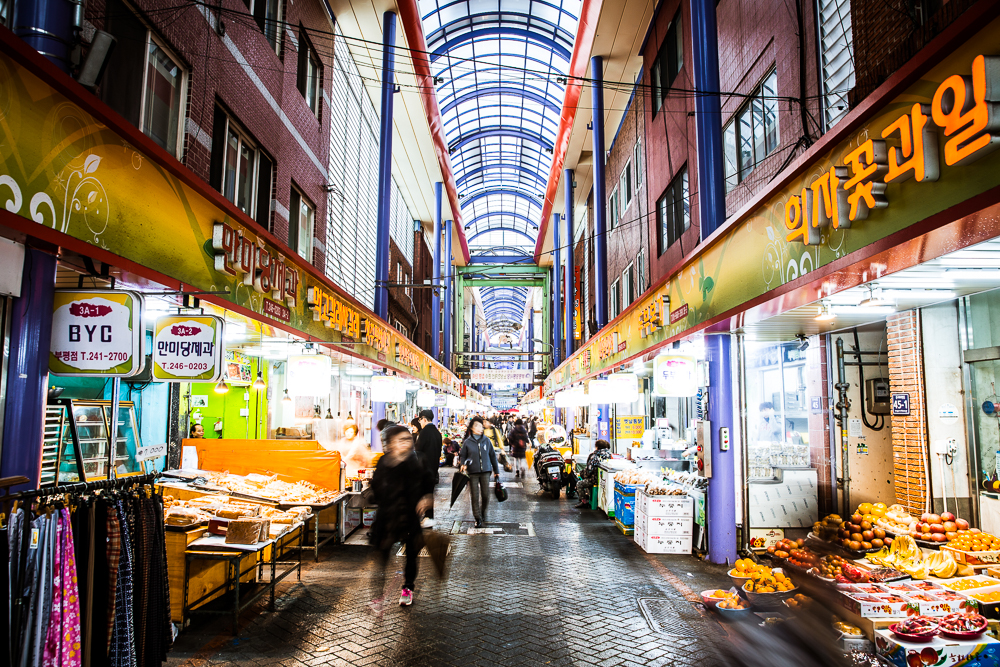
Bupyeong Kkangtong MarketA traditional market where you can enjoy Korean street food, snacks, and night market delicacies.
2
Bupyeong Kkangtong MarketA traditional market where you can enjoy Korean street food, snacks, and night market delicacies. -
 3
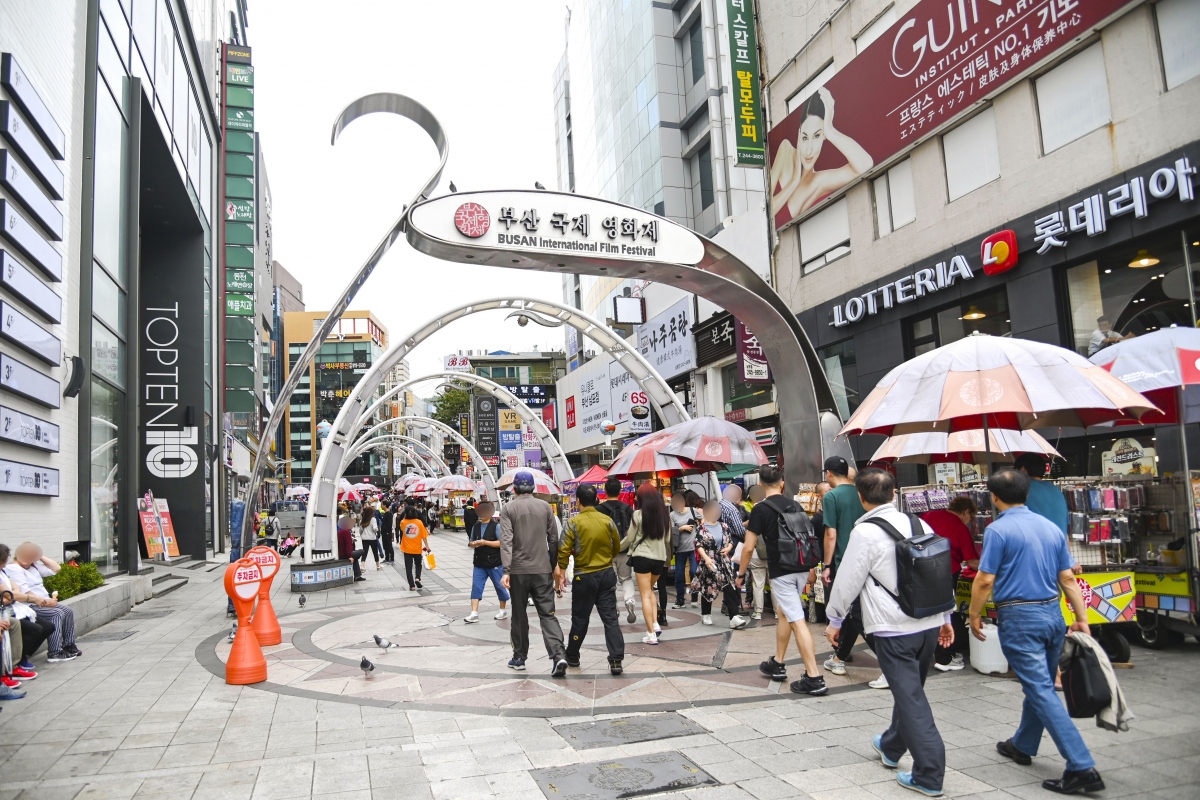
BIFF SquareA street where you can see handprints from the film festival and enjoy street snacks.
3
BIFF SquareA street where you can see handprints from the film festival and enjoy street snacks.
Food & Dining 2
-
 4
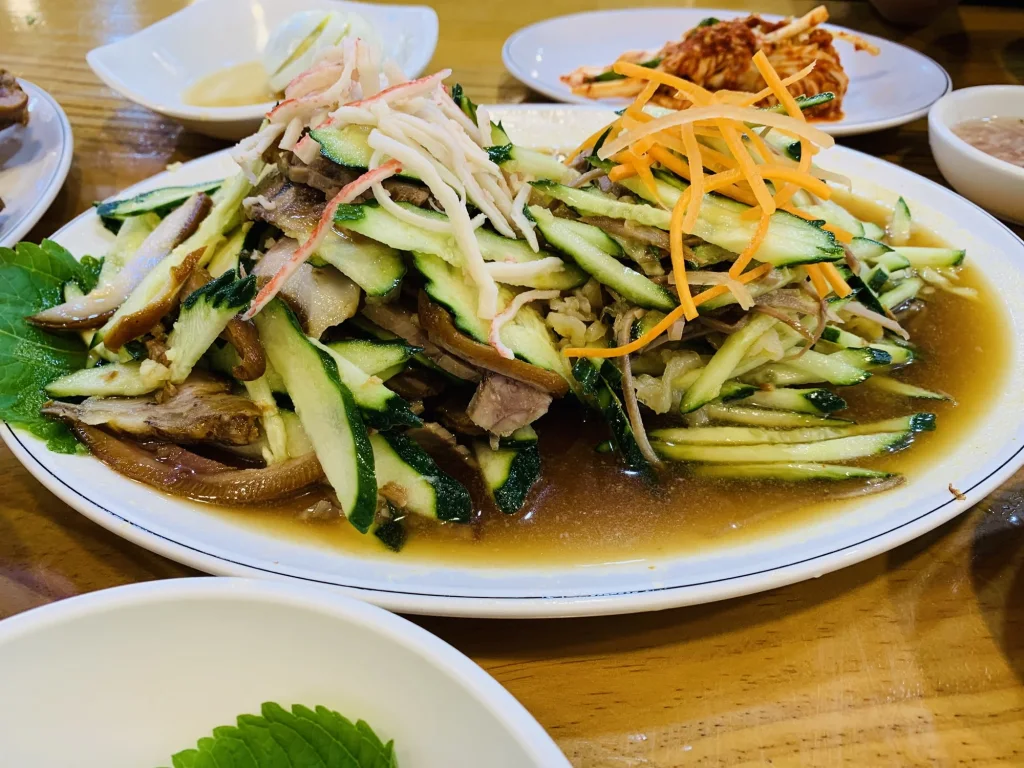
Busan JokbalA jokbal specialty restaurant in Bupyeong-dong serving jokbal and chilled vegetable jokbal.
4
Busan JokbalA jokbal specialty restaurant in Bupyeong-dong serving jokbal and chilled vegetable jokbal. -
 5
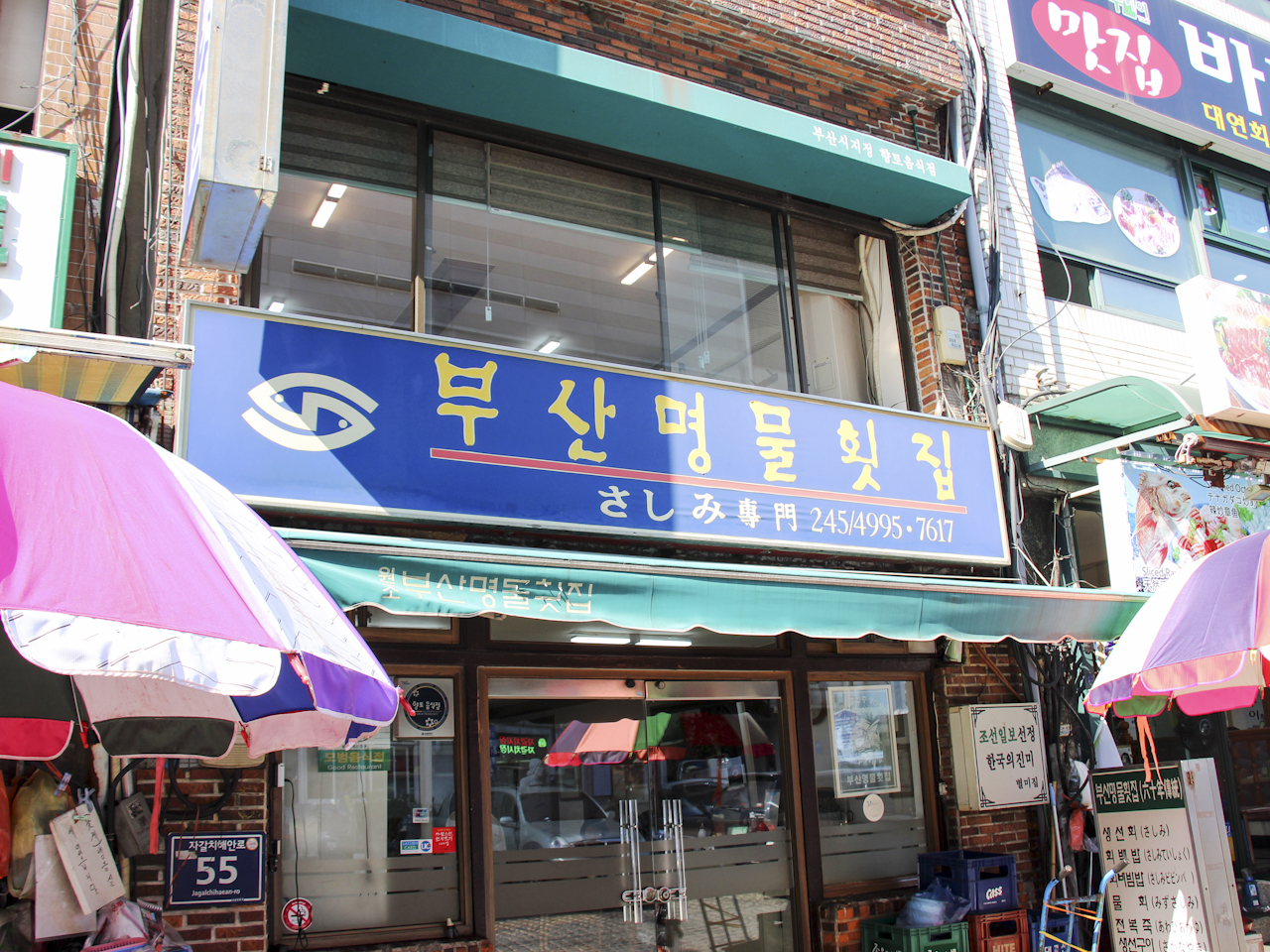
Busan Myeongmul HoetjipEnjoy Busan-style fish dishes such as sashimi set meals and sashimi bibimbap.
5
Busan Myeongmul HoetjipEnjoy Busan-style fish dishes such as sashimi set meals and sashimi bibimbap.
Events in This Area


Festivals in This Area

More Travel Guides in This Area
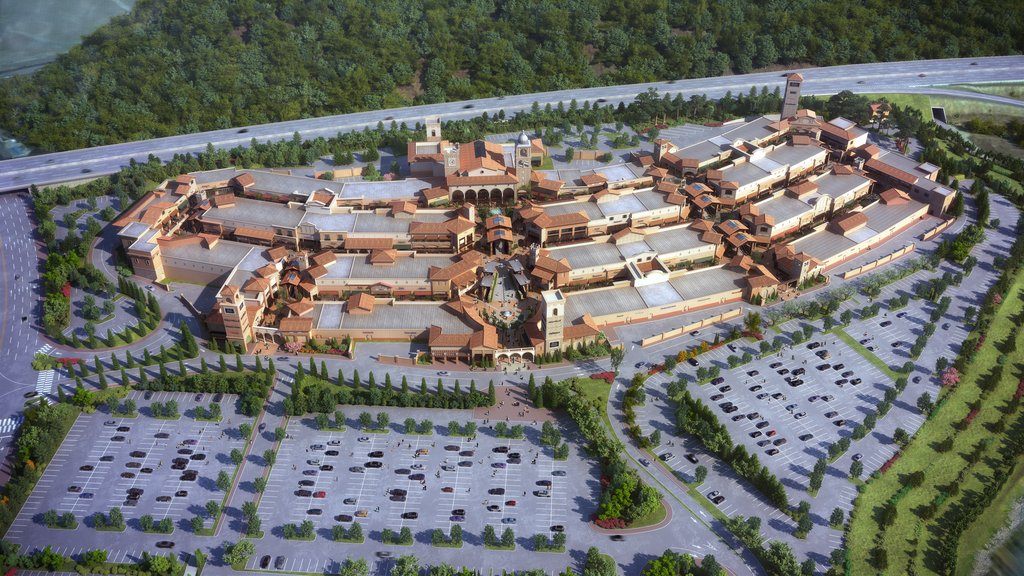 Travel Guide
A One-Day Busan Outlet Itinerary Starting at 1133 Jang-an-eup
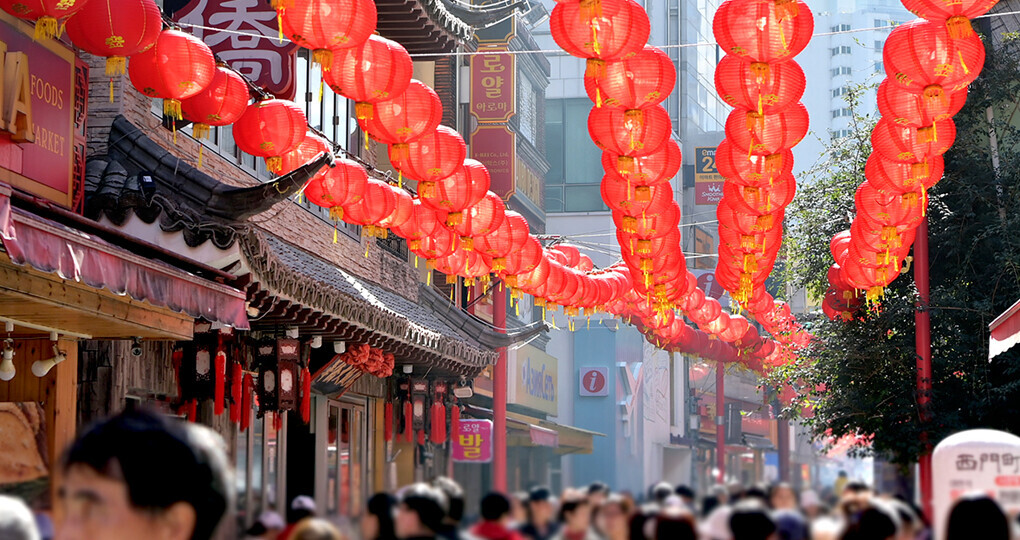 Travel Guide
It’s Not Busan Chinatown in Beomil-dong: Choryang Shanghai Street in Front of Busan Station
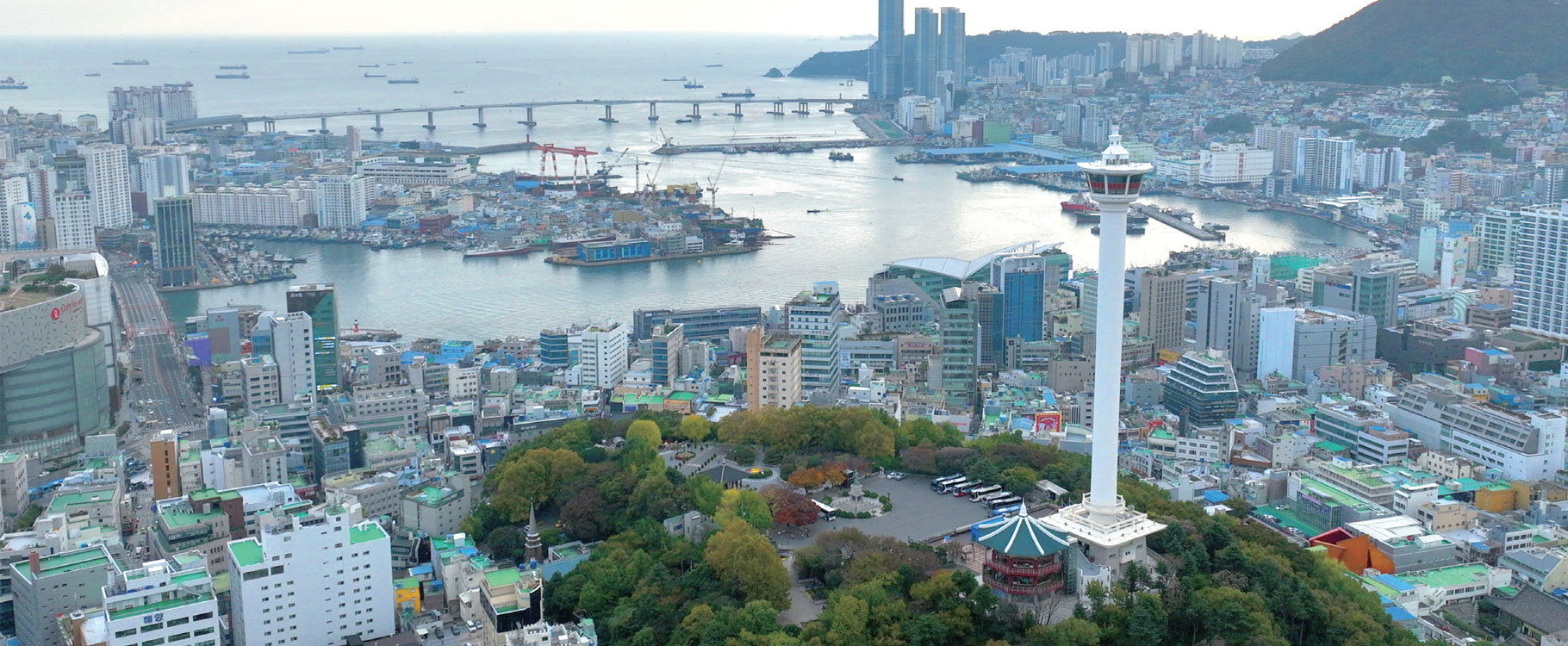 Travel Guide
Busan’s Dawn Begins Beneath the Seagull Roof: Jagalchi Market
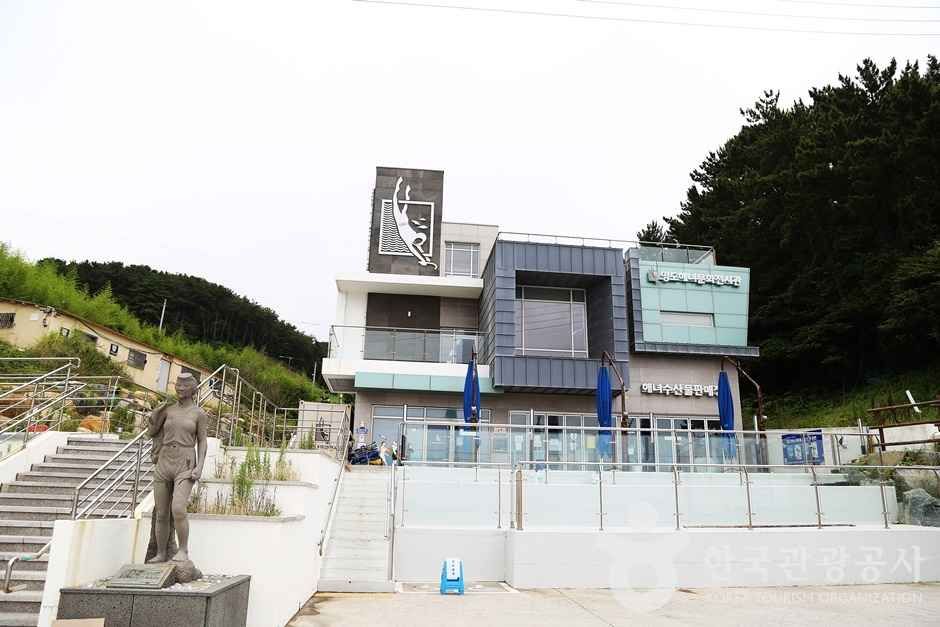 Travel Guide
Yeongdo Haenyeo Village and Haenyeo Culture Exhibition Hall by the Jungni Sea
Korea News
![ZEROBASEONE ‘ZEROBASEONE Shining Even at Night!’ [★Video]](https://kotourlive-images.s3.ap-northeast-1.amazonaws.com/news/1786629298196_13d8a4bb_news_075face7-fb4e-402c-b833-25ccaf88cf8f.jpg) News
News
ZEROBASEONE ‘ZEROBASEONE Shining Even at Night!’ [★Video]
 News
News
Kwon Eun-bi, First Comeback Since Moving from Woollim to RBW: “Aiming for a September Release”
 News
News
“Did Jungkook’s connection continue?” Pop star Usher spotted warmly hugging BTS’s RM and J-Hope
 News
News